English
 中文简体
中文简体
Industry News
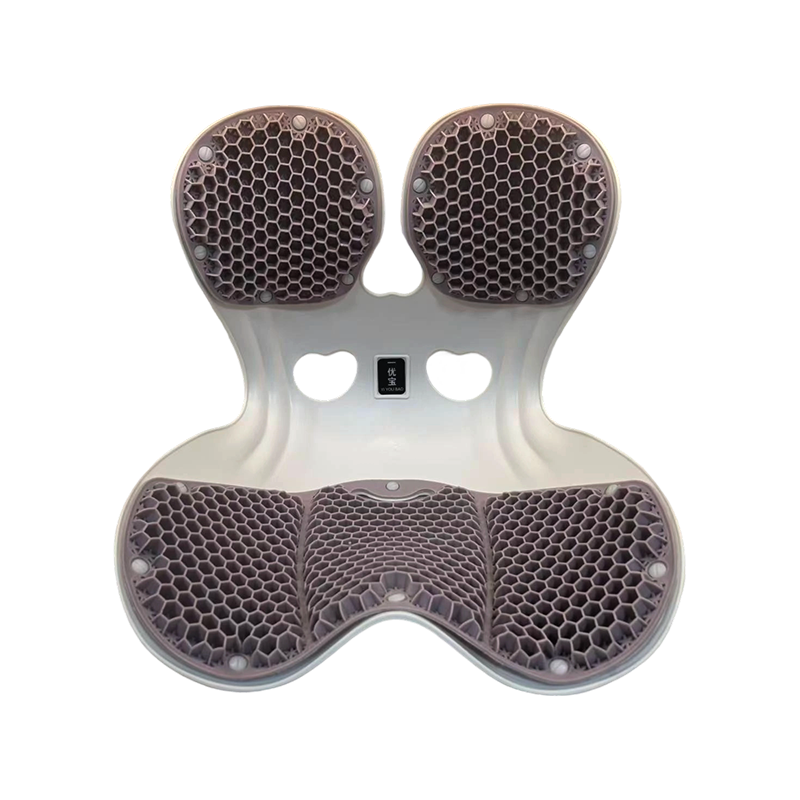
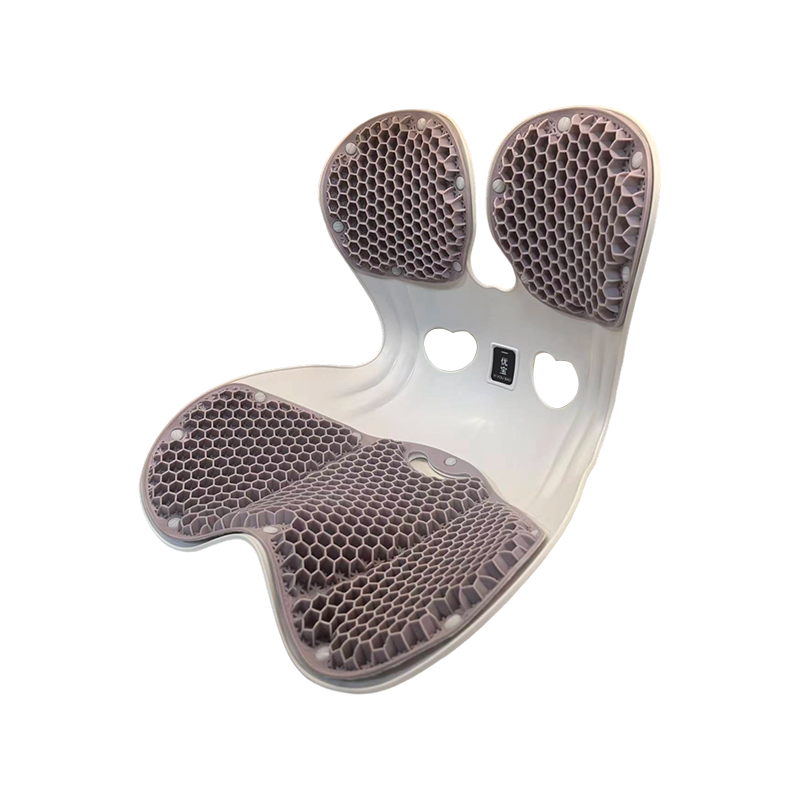
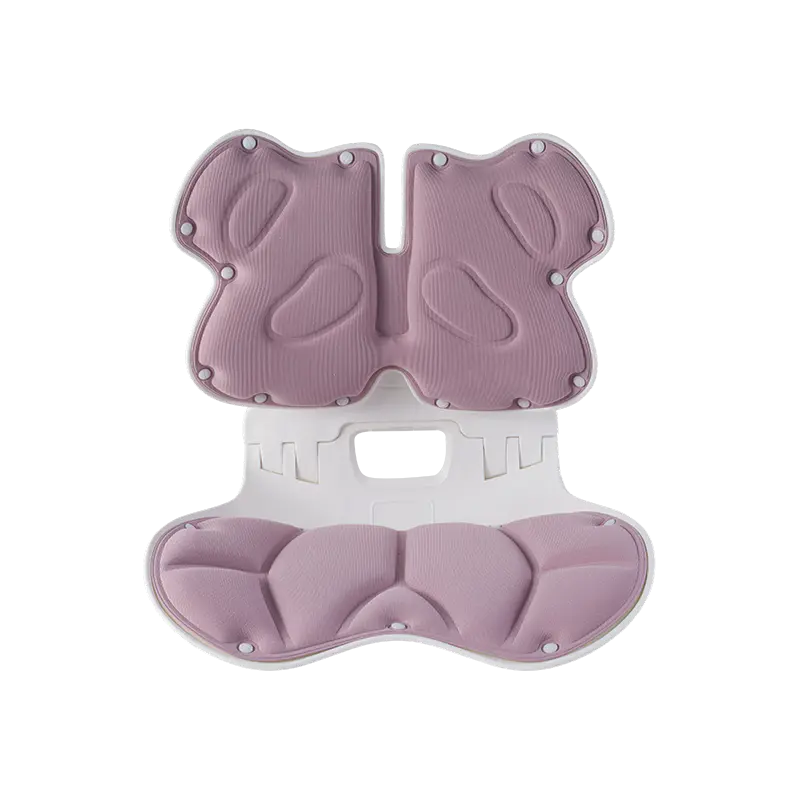
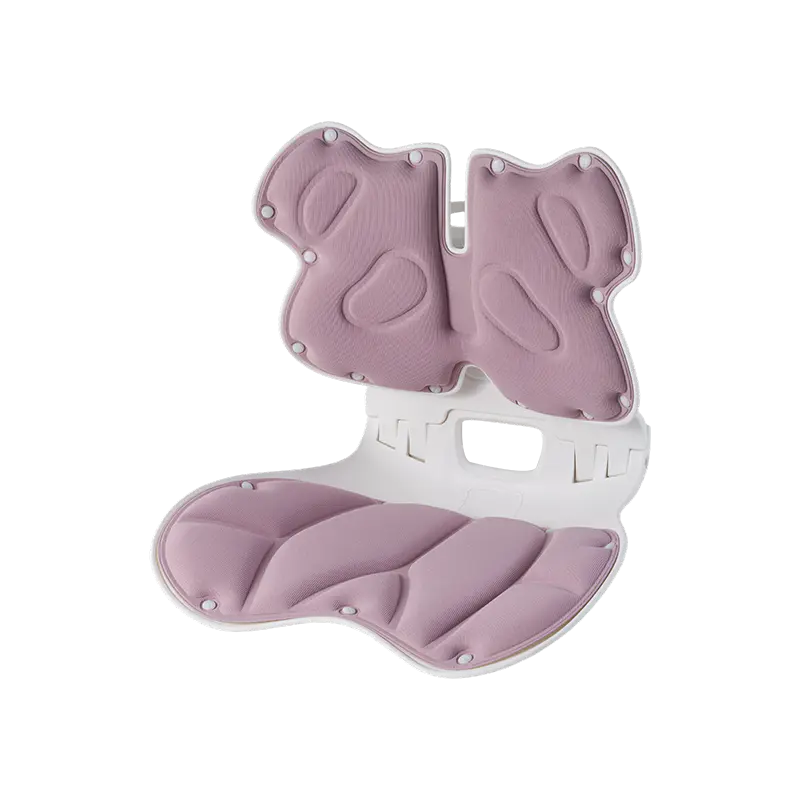
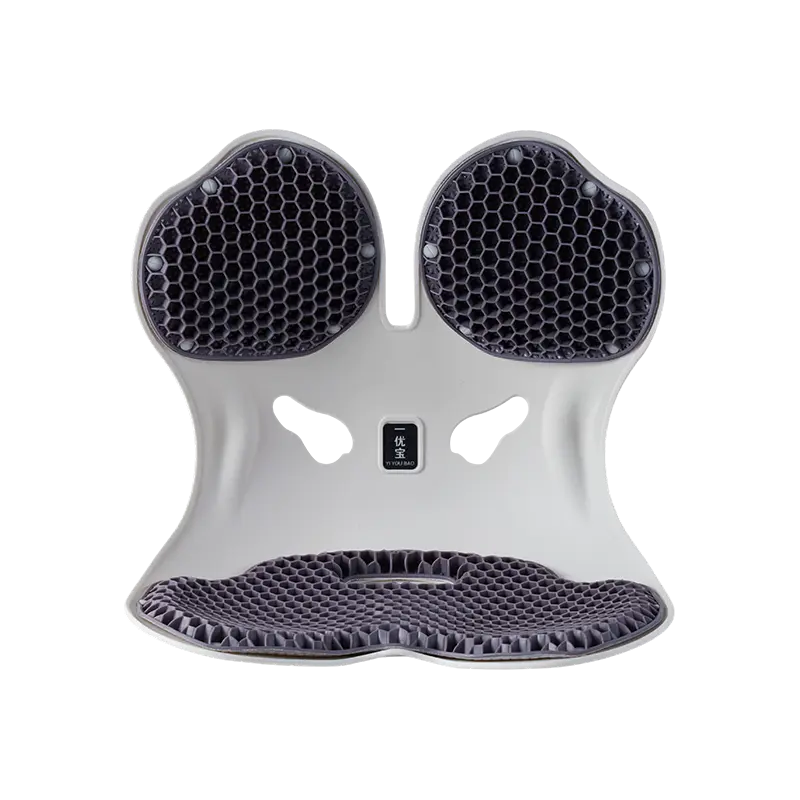
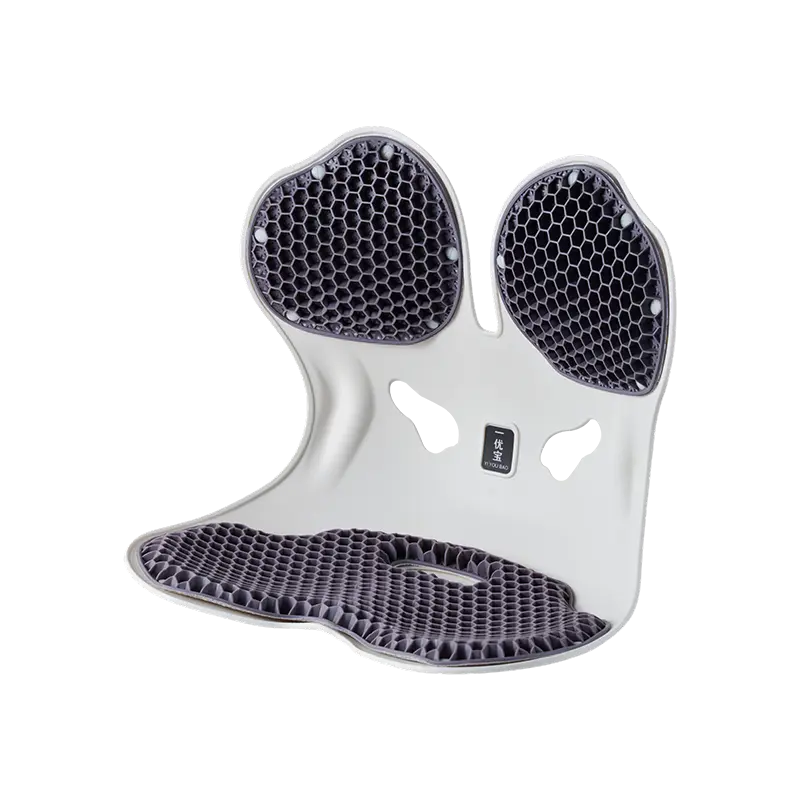
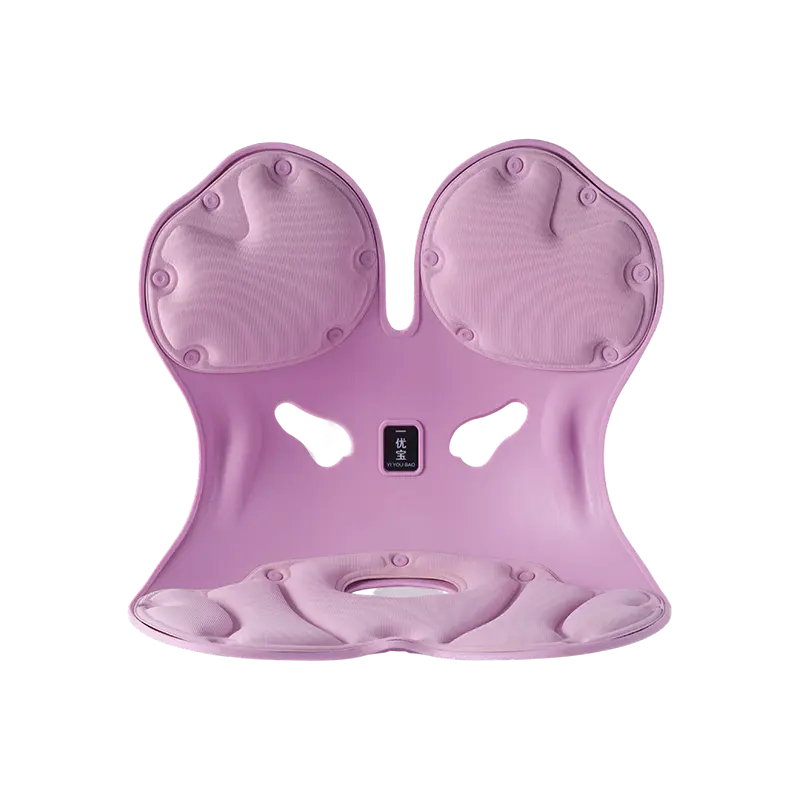
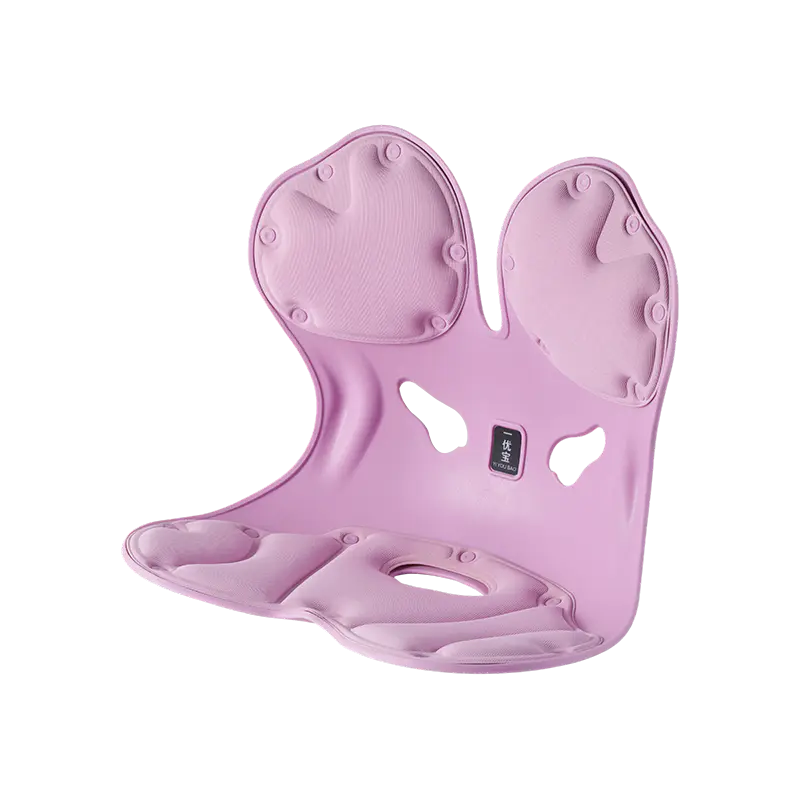
The ache that creeps into your lower back by mid-afternoon isn't imaginary, and it isn't a coincidence. Hours spent seated at a desk, behind a wheel, or in front of a screen gradually load the spine in ways the body wasn't designed to sustain for that long. What starts as mild stiffness can progress into persistent discomfort that affects focus, productivity, and eventually overall health. A Lumbar Support Backrest addresses exactly this pattern — not by treating symptoms after the fact, but by changing the mechanical conditions that create them in the first place.
What Actually Happens to Your Spine When You Sit Too Long?
The Lumbar Curve and Why It Matters
The lower spine isn't straight — it has a natural inward curve, sometimes called the lumbar lordosis, that distributes body weight across vertebrae and discs in a balanced way. When seated without support, most people gradually lose that curve. The pelvis tilts backward, the lower back flattens, and the entire load of the upper body shifts onto structures that weren't meant to carry it alone.
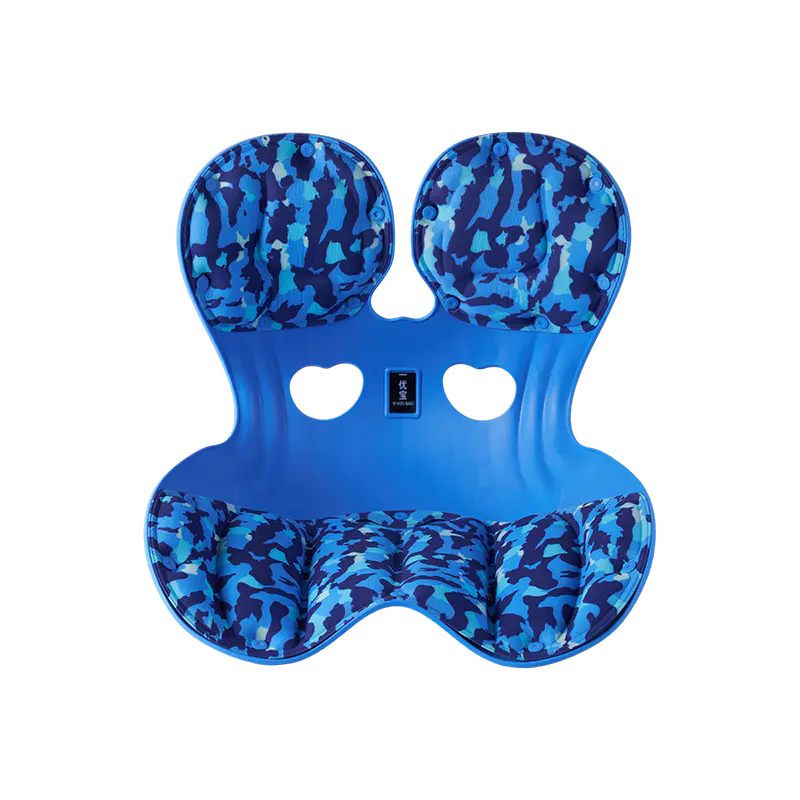
This isn't a posture problem in the moral sense. It's physics. The human body defaults to the path of least muscular effort, and holding the lumbar curve actively requires sustained engagement from muscles that fatigue quickly.
Why Static Posture Is More Exhausting Than Movement
Movement distributes load. Every small shift in position changes which tissues bear weight, allowing overworked structures brief recovery. Static sitting removes that variation entirely.
Muscles supporting the spine — particularly the deep stabilizers running along the lumbar region — are not designed for continuous contraction over several hours. They fatigue, lose their ability to hold the spine in alignment, and begin handing off that load to passive structures like ligaments and intervertebral discs. Discs, in particular, absorb fluid and rely on positional changes to bring nutrients in and push waste products out. Long uninterrupted sitting interferes with that exchange.
Pressure Builds Where You Can't Feel It
One of the more counterintuitive aspects of seated spinal loading is that the pressure building inside spinal discs isn't felt directly until damage has progressed. The disc itself has limited pain sensation in its interior. Discomfort only becomes obvious once surrounding nerves or tissues are affected — which means people often underestimate how long they've been subjecting their spines to strain.
Leaning forward slightly, as many people do when focused on a screen, dramatically increases this internal pressure compared to sitting upright. Slumping with the back rounded increases it further still.
How Poor Seating Design Compounds the Problem
Most Chairs Don't Account for Lumbar Anatomy
Standard seating — whether office chairs, vehicle seats, or benches — is typically designed around average dimensions and cost constraints rather than lumbar anatomy. The backrest may contact the mid-back or upper back while leaving a gap in the lower lumbar region where support is actually needed.
The result is that the back of the chair pushes the upper spine forward while the lower spine has nothing to rest against. The lumbar curve collapses, and the muscles tasked with maintaining it begin their slow, accumulative fatigue.
Seat Depth Affects Lumbar Engagement Too
Seat depth is frequently overlooked. A seat pan that's too long for the user forces them to either sit with their lower back unsupported away from the backrest, or slide forward to the edge — neither of which maintains the lumbar curve effectively.
Even chairs with built-in lumbar support don't always position it correctly for individual users, given the variation in torso length and natural curve depth across different body types.
What Does a Lumbar Support Backrest Actually Do?
It Restores the Curve the Chair Fails to Provide
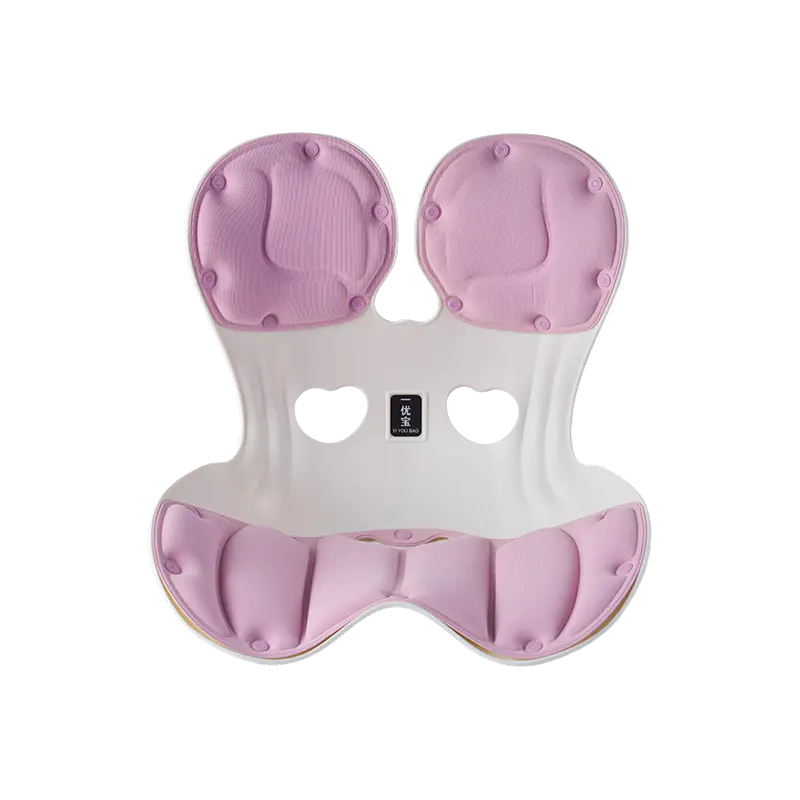
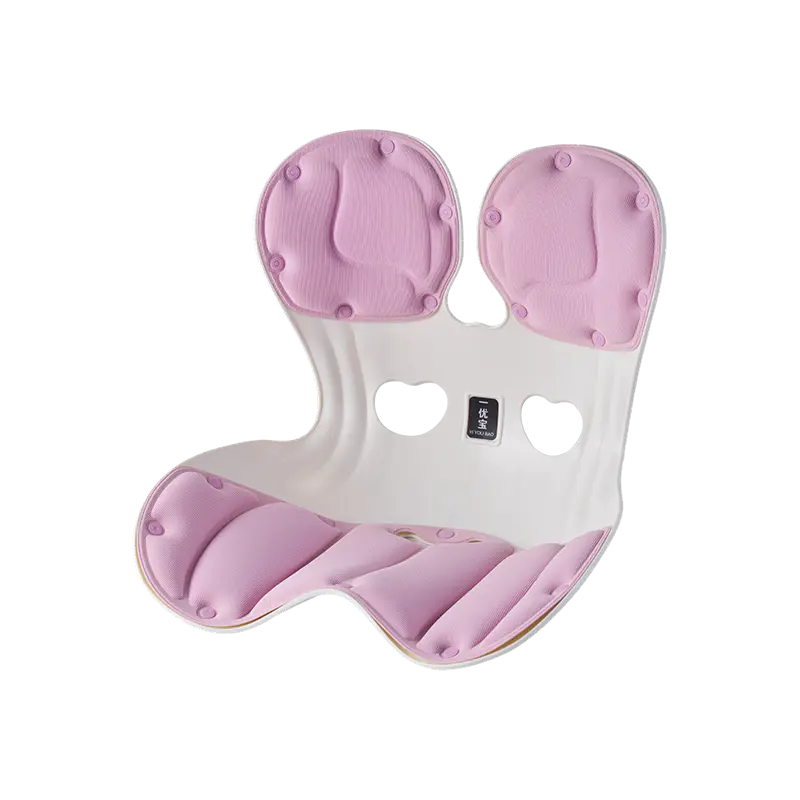
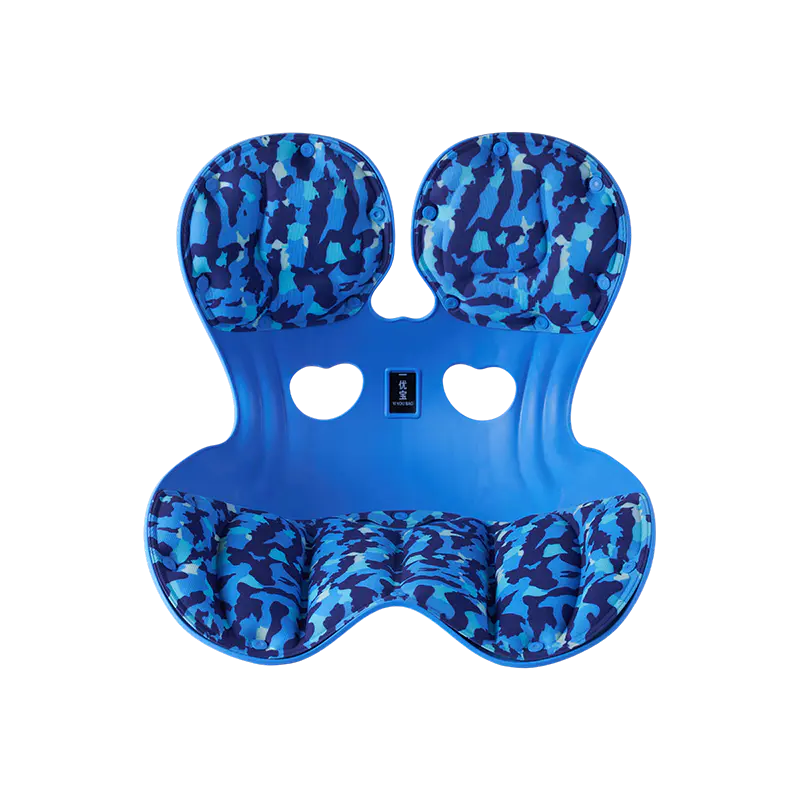
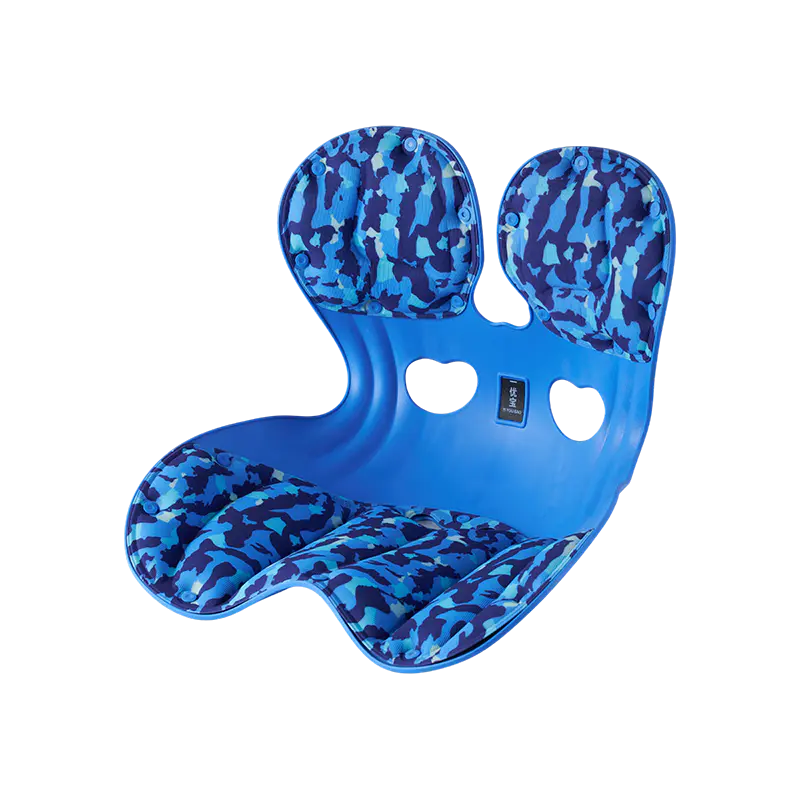
The core function is mechanical: a properly positioned backrest fills the gap between the lower spine and the seat back, maintaining the lumbar curve passively. This removes the burden from fatigued muscles, allows the pelvis to remain in a more neutral position, and redistributes load across the disc surfaces more evenly.
The body doesn't have to work to hold the curve — the support holds it. Muscles can remain active without being continuously overloaded. That distinction matters over the course of a full workday.
Reduced Disc Pressure Over Extended Sitting Periods
When lumbar support maintains spinal alignment, internal disc pressure during sitting drops noticeably compared to unsupported slouching. This reduction matters both for immediate comfort and for long-term tissue health. Sustained high pressure inside spinal discs contributes to degeneration over time; reducing that pressure during hours spent seated is a meaningful protective factor.
Posture Correction as a Secondary Effect
Correct lumbar support tends to produce a cascade of postural improvements beyond the lower back alone. When the pelvis is properly positioned and the lumbar curve is maintained, the thoracic spine and neck naturally follow into better alignment. Rounded shoulders and forward head position — both common consequences of poor lumbar support — often improve without direct intervention once the foundation is corrected.
Comparing Sitting Conditions: Supported vs. Unsupported
| Condition | Lumbar Curve | Muscle Load | Disc Pressure | Comfort Over Time |
|---|---|---|---|---|
| Unsupported sitting | Flattened or reversed | Continuously high | Elevated | Declines steadily |
| Reclined without support | Partially maintained | Moderate | Moderate | Variable |
| Supported with lumbar backrest | Maintained naturally | Reduced significantly | Lower | Sustained comfortably |
| Standing (for reference) | Natural | Distributed | Lower than sitting | Depends on duration |
The pattern is consistent across different seated contexts — office work, driving, travel, or studying. The absence of lumbar support consistently produces worse outcomes regardless of chair type or seating surface.
Who Is Affected Most by Long Sitting Hours?
Office Workers Facing Extended Screen Time
Eight or more hours at a desk is now a standard working pattern across many industries. When that sitting is uninterrupted and concentrated on screen-based tasks, postural awareness tends to drop — people lean forward as focus narrows, and hours pass without any repositioning.
The compounding effect of poor posture, screen proximity, and insufficient breaks makes this group particularly susceptible to lumbar fatigue and the downstream problems it creates: tension headaches, shoulder stiffness, reduced concentration, and chronic lower back discomfort.
Drivers and Frequent Travelers
Vehicle seats present a unique challenge. The vibration environment of driving adds mechanical load to the spine on top of static compression. Lumbar support in vehicle seats is often minimal or poorly positioned. Long-distance drivers and frequent travelers — particularly those spending multiple hours in transit — accumulate substantial spinal loading without realizing it.
A portable, adjustable support can make a meaningful difference in these contexts, especially when the seating environment itself can't be changed.
Students and Remote Workers in Non-Ergonomic Environments
Not everyone sits in a professionally configured office. Kitchen chairs, sofas, and budget seating lack the ergonomic design features of workplace furniture — yet many people now spend full working or studying days in exactly these environments. Lumbar support becomes even more relevant when the chair itself offers little baseline assistance.
What to Look for in a Lumbar Support Solution
Adjustability for Different Body Types
No single support position works for every person. Effective products allow height and depth adjustment so that the support contacts the lumbar region directly, rather than landing somewhere on the mid-back or near the sacrum where it contributes little.
Key adjustability features to consider:
- Vertical height adjustment to match individual lumbar curve position
- Depth or firmness variation to accommodate different curve depths
- Strap or attachment system that keeps the support in place during movement
- Compatibility with different seat back angles
Foldable Lumbar Support Cushion Options for Portable Use
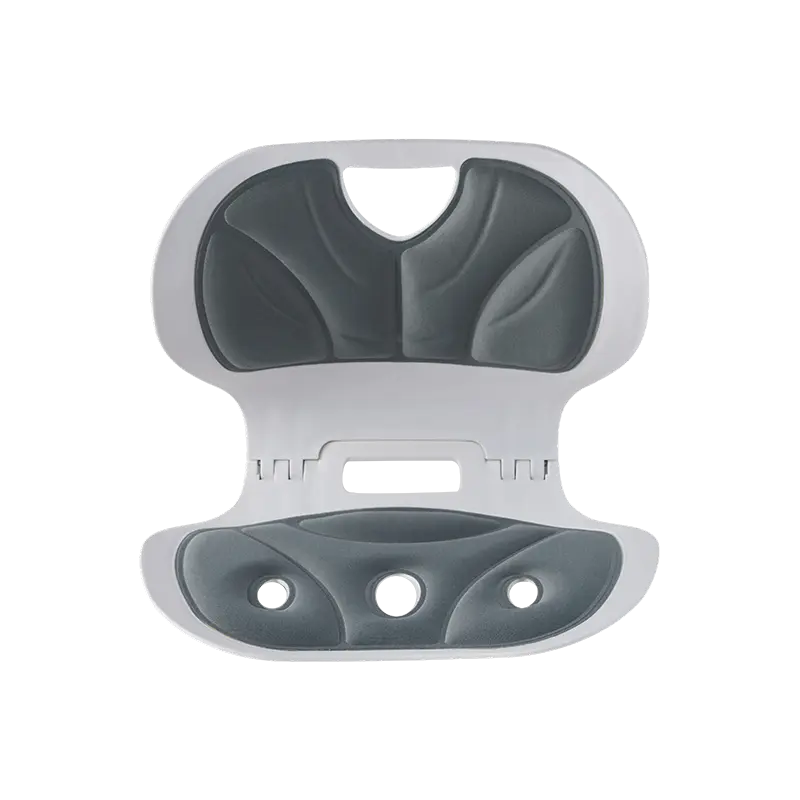
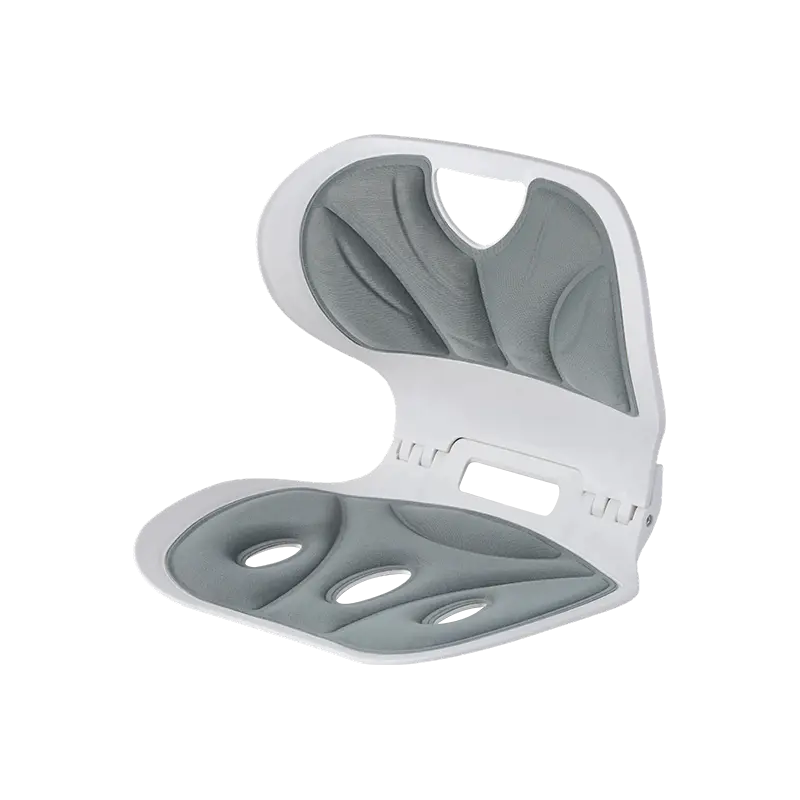
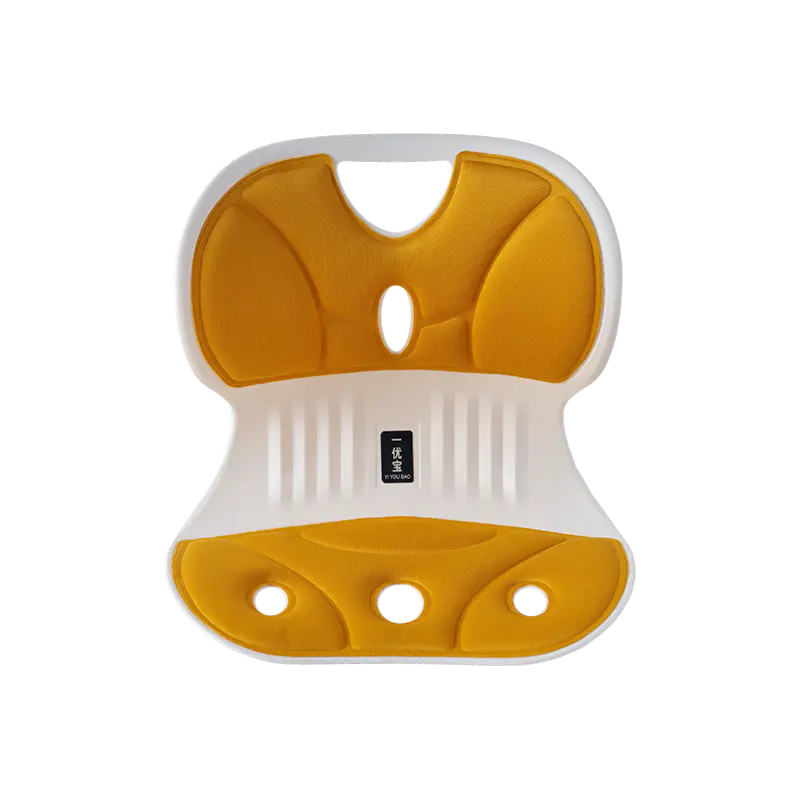
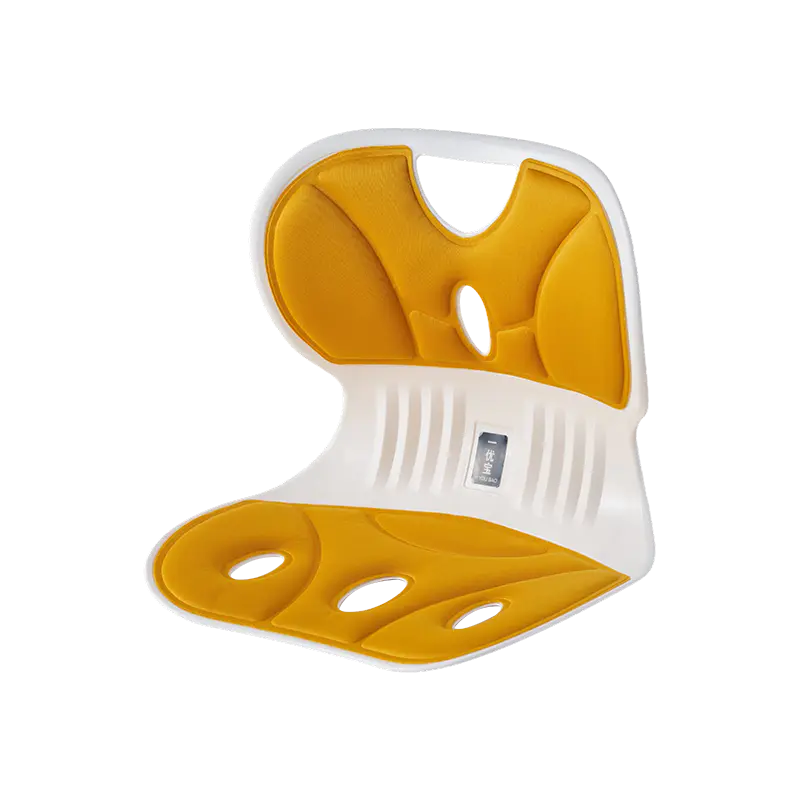
For people who move between environments — commuting, traveling, working from different locations — a Foldable Lumbar Support Cushion adds meaningful value. These designs maintain structural integrity when in use but pack down for easy transport. They can be moved between a car seat, an office chair, and a travel seat without requiring separate products for each context. When evaluating portable options, consider how the product holds its shape under sustained pressure. A cushion that compresses flat within the first hour of use provides little functional benefit, regardless of how it performs initially.
Material and Breathability Considerations
Extended use means heat and moisture build-up are real factors. Materials that allow airflow keep the contact surface more comfortable over long periods. Memory foam conforms well to individual curves but can trap heat; mesh-covered or open-cell foam structures offer better ventilation for all-day use.
Building Better Seated Habits Alongside Support Products
Support Alone Isn't a Complete Solution
A lumbar backrest significantly reduces strain, but it works better when combined with deliberate seated habits. Periodic standing or walking breaks — even brief ones — interrupt the static loading pattern. Hip flexors, which tighten progressively during long sitting, benefit from regular extension stretching.
Practical habits that complement lumbar support:
- Set reminders to stand or walk for a few minutes every hour
- Adjust screen height so the gaze is level rather than angled downward
- Position the chair so hips are level with or slightly above the knees
- Keep frequently used items within reach to avoid repeated forward reaching and twisting
Ergonomic Setup as a System
Chair height, desk height, monitor distance, keyboard position, and lumbar support all interact. Correcting one element while leaving others misaligned limits the benefit of each individual adjustment. A lumbar backrest placed correctly in a chair that's too low — forcing the hips to drop below the knees — still won't produce good spinal alignment.
Taking a few minutes to assess the full seated setup rather than addressing only one component produces noticeably better results in terms of comfort and sustained posture.
Connecting the Problem to the Right Solution
Back fatigue from prolonged sitting is not an inevitable consequence of sedentary work. It's a predictable outcome of specific mechanical conditions — flattened lumbar curves, sustained muscle load, elevated disc pressure — that can be meaningfully addressed through proper support and awareness. The gap between a day that ends with nagging lower back discomfort and one that doesn't often comes down to whether the lumbar region was supported throughout. That's a straightforward problem with a straightforward category of solution, even if the specific product needs to fit the individual's anatomy, environment, and daily pattern. For procurement teams and product buyers exploring ergonomic support solutions at scale, Yongkang Yiyoubao Technology Co., Ltd. develops lumbar support products suited to a range of seating environments, from office applications to vehicle use and portable travel formats. Their catalog includes adjustable and foldable configurations designed to accommodate varied user needs. If reducing workplace-related back fatigue is a priority — whether for individual users or for larger organizational procurement — reaching out to discuss product specifications and customization options is a practical starting point for building a more comfortable seated experience.
 Previous