English
 中文简体
中文简体
Industry News
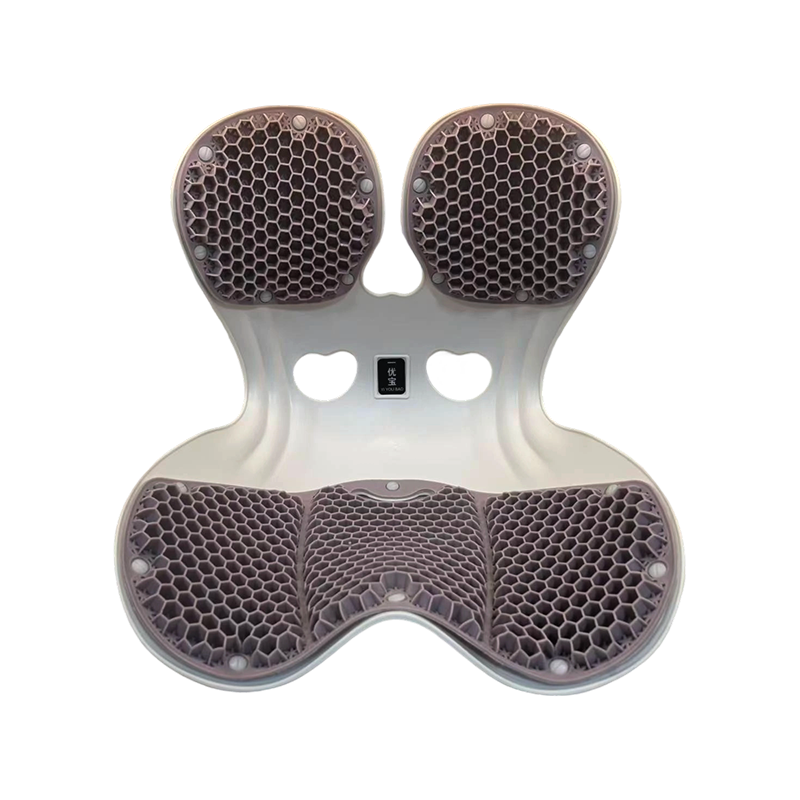
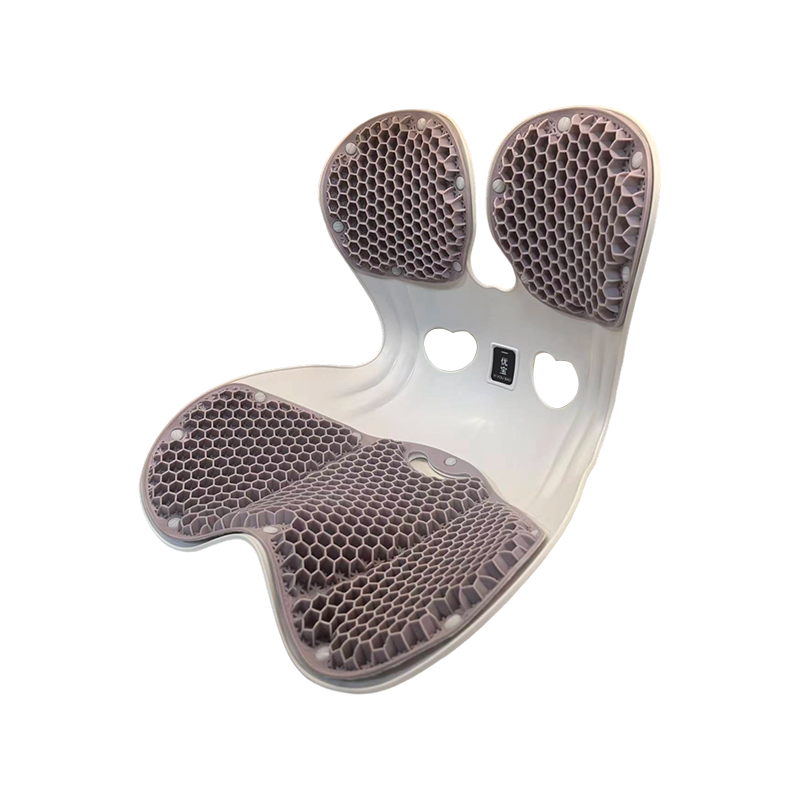
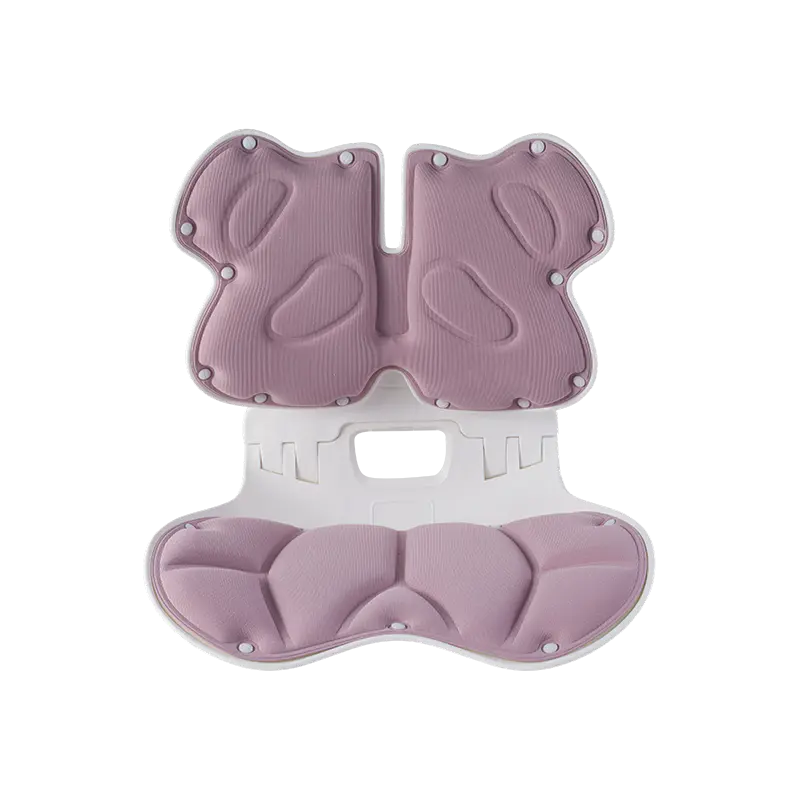
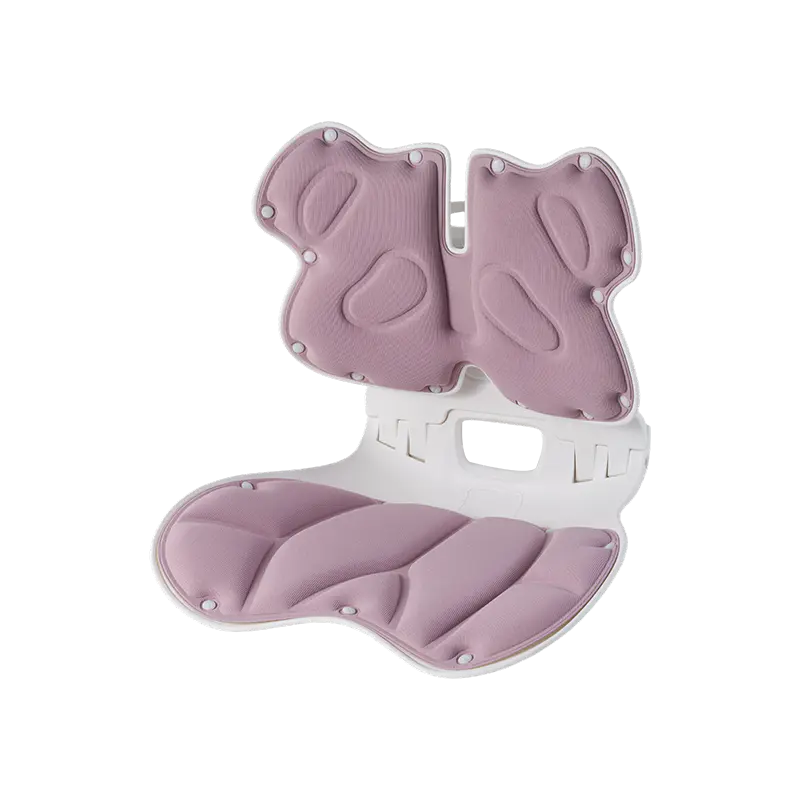
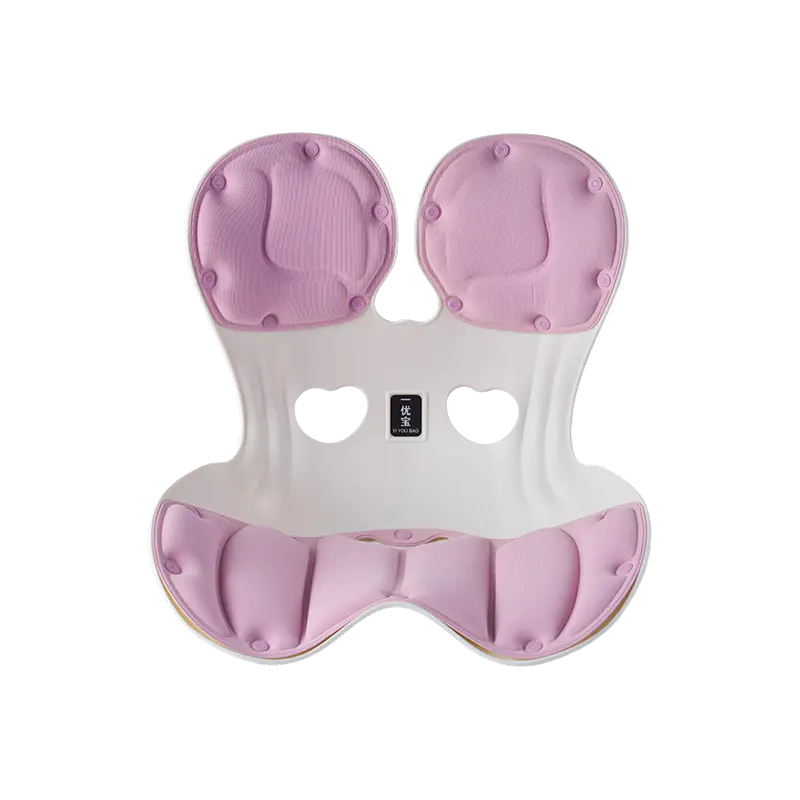
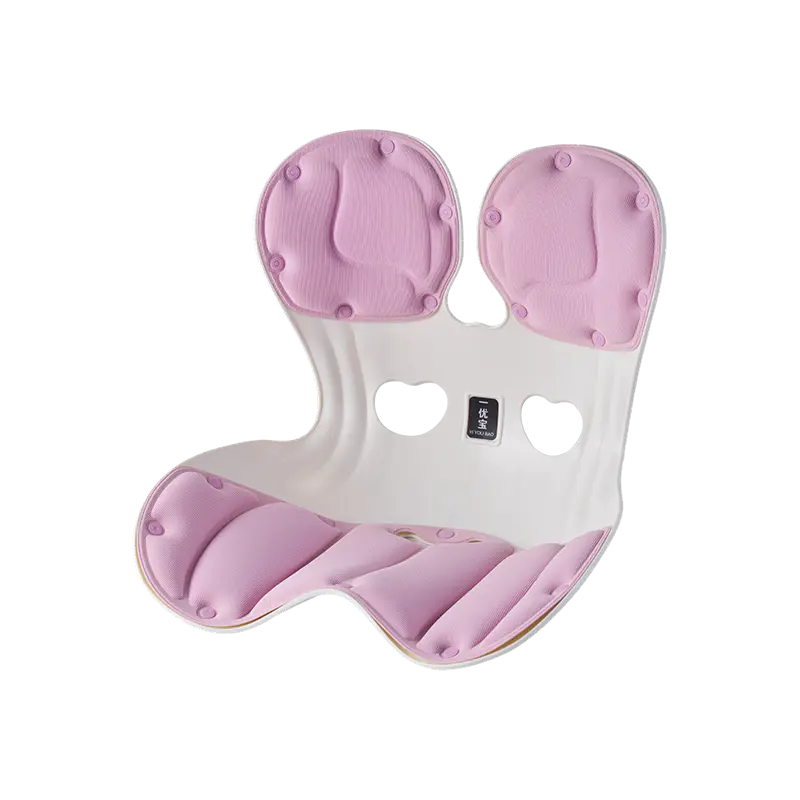
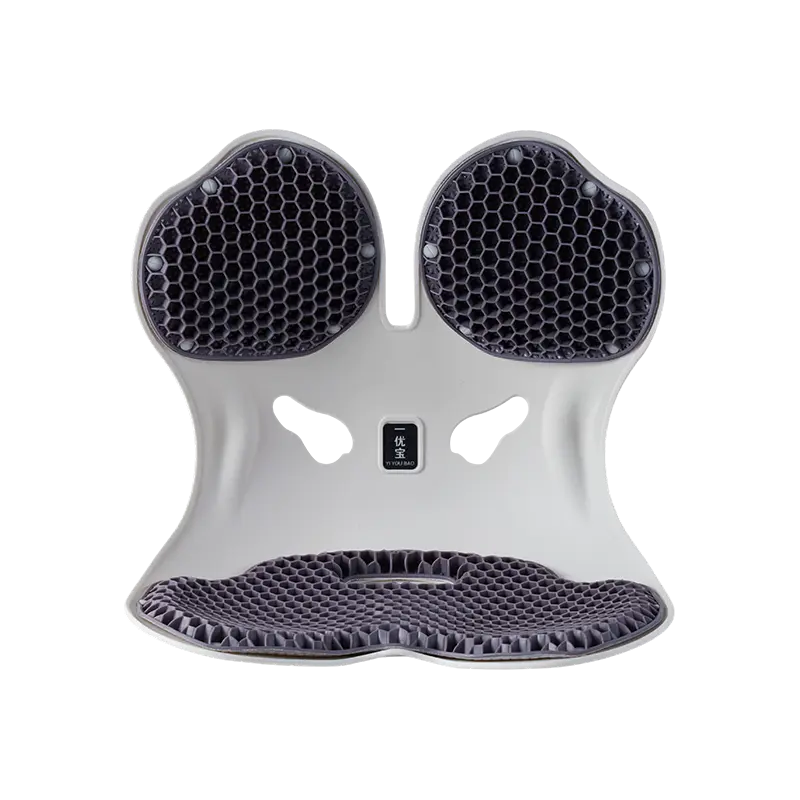
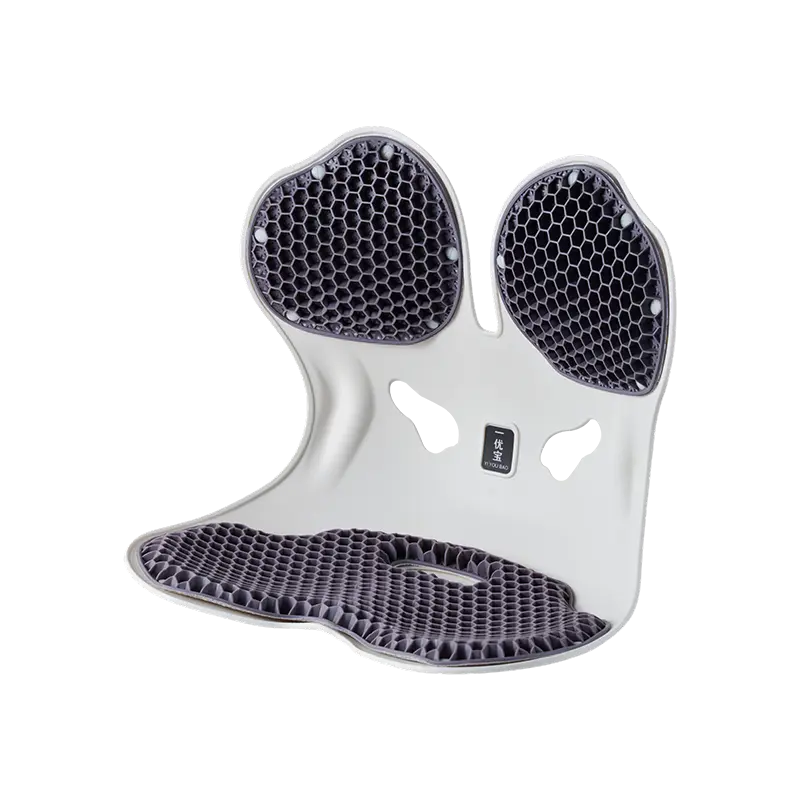
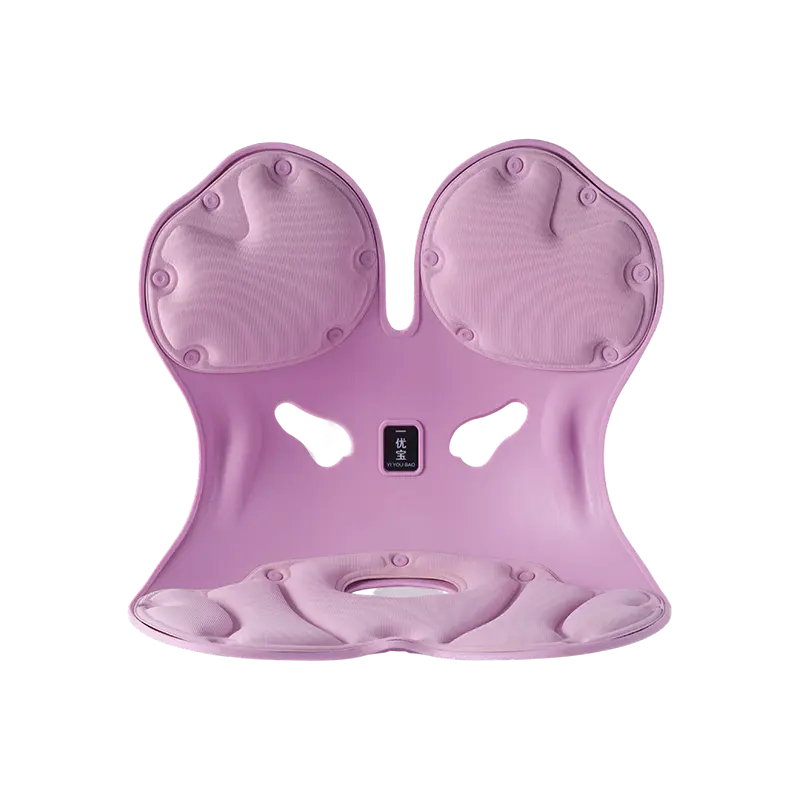
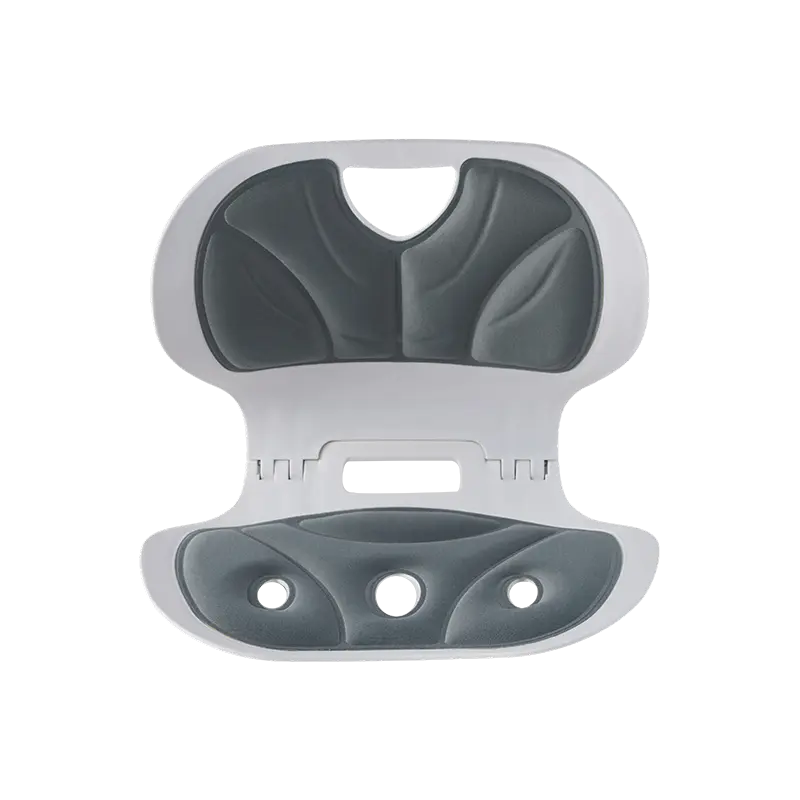
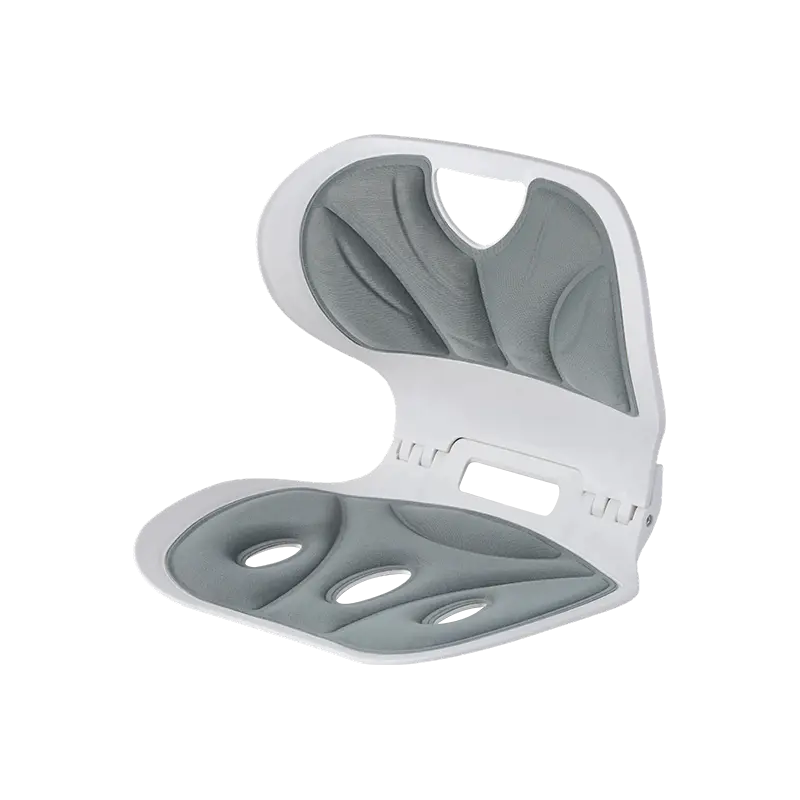
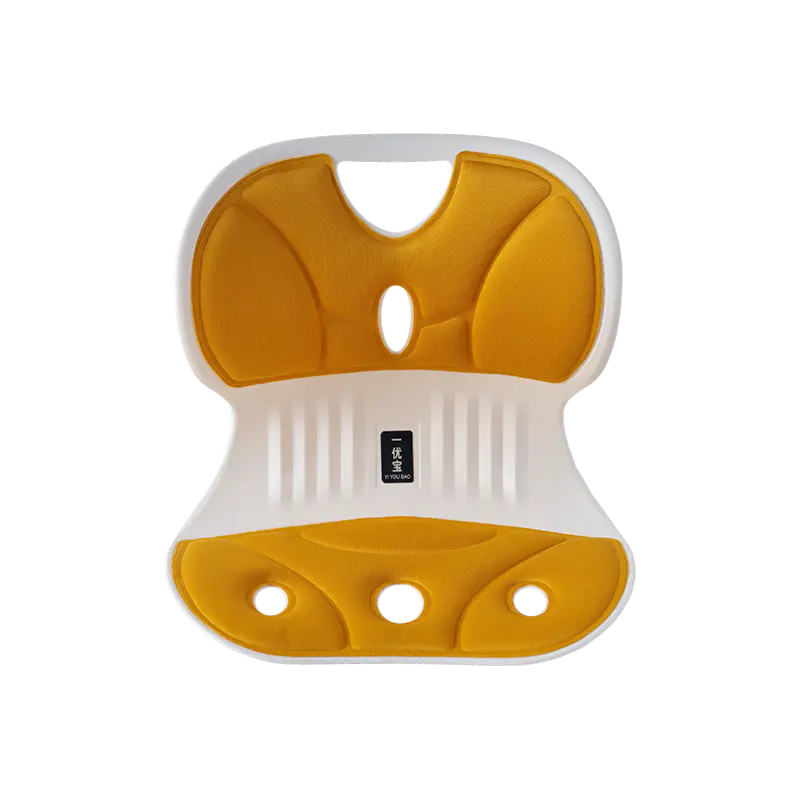
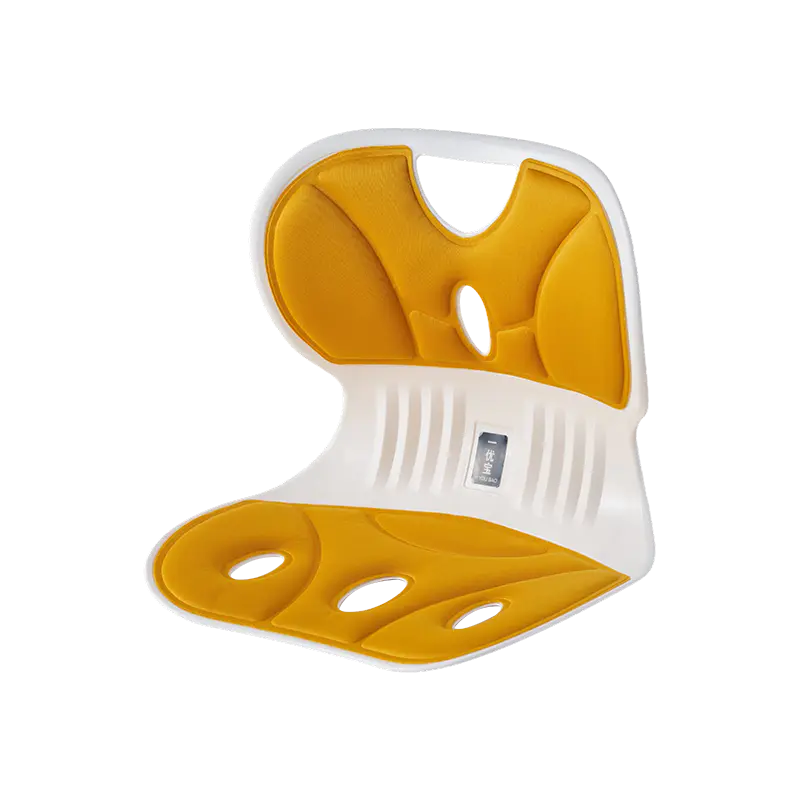
Another workday, another dull ache creeping up your lower back by mid-afternoon. Maybe you've already tried a cushion or two, only to find them sweaty by lunchtime or sagging flat within a few months. If that sounds familiar, you already understand why choosing the right Lumbar Support Backrest takes more thought than grabbing whatever shows up first in a search result. Back pain from long hours seated, whether at a desk or behind a wheel, is one of those problems that quietly worsens until you actually do something about it. And the frustrating part is that not every product marketed as ergonomic support actually delivers on comfort, airflow, or lasting shape once it's been used daily for a few months.
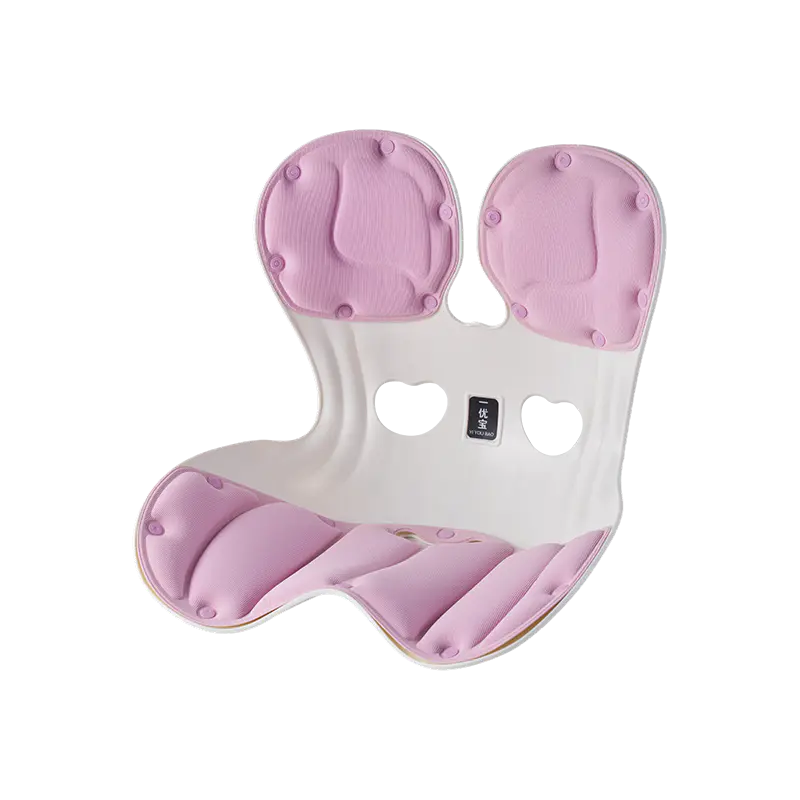
Why Do These Three Factors Matter Together?
Breathability, durability, and comfort don't operate independently, even though product listings often describe them as separate features. A cushion that feels wonderfully soft on day one but traps heat against your back within twenty minutes isn't actually comfortable in any meaningful sense once you're using it for hours at a stretch.
Similarly, a backrest built from materials that compress flat after a few weeks stops providing real lumbar support long before it looks worn out on the outside. Evaluating these three qualities together, rather than picking a product based on price or appearance alone, tends to produce a far better long-term outcome.
What Makes a Lumbar Support Backrest Breathable?
Airflow matters more than people initially expect, particularly for anyone sitting for extended stretches in a warm office or a car interior that heats up quickly.
Mesh Construction
Products built around a mesh outer layer allow air to circulate freely between your back and the cushion's surface, reducing the heat buildup that solid foam or vinyl surfaces tend to trap. This matters especially during warmer months or in climates where air conditioning isn't always reliable.
Perforated Foam Designs
Some cushions use foam with small ventilation channels cut throughout the material, allowing some airflow without sacrificing the structural support foam provides. This approach tends to strike a reasonable middle ground between breathability and firm support, though it rarely matches mesh construction for pure ventilation performance.
Fabric Cover Choices
Even a well-ventilated internal structure can get undermined by a cover fabric that traps heat rather than releasing it. Lighter, more open-weave fabric covers tend to support better airflow than thick, tightly woven upholstery, which matters considerably for anyone sensitive to heat buildup during long sitting sessions.
How Should You Judge Durability Before Buying?
Durability isn't just about whether a cushion looks intact after a year, it's about whether it still performs its actual job, providing consistent lumbar support, after months of daily compression.
A few practical signs point toward better long-term durability:
- Higher-density foam that resists flattening under repeated pressure, rather than lower-density material that compresses permanently within weeks
- Reinforced stitching at stress points, particularly where straps or adjustable components attach to the main cushion body
- Quality zippers and fasteners on removable covers, since these tend to fail well before the internal foam does if built cheaply
- Consistent shape retention after repeated use, rather than gradual sagging that reduces actual lumbar support over time
None of these factors show up clearly in a quick glance at a product photo, which is part of why reading detailed reviews or testing a product hands-on, where possible, matters so much before committing to a purchase.
Comparing Common Filling Materials
The internal material shapes both comfort and durability more than almost any other single factor, so understanding the tradeoffs between common options helps considerably.
| Material Type | Comfort Characteristics | Durability Over Time | Breathability |
|---|---|---|---|
| Standard Foam | Firm initial support, moderate cushioning | Can compress and flatten with heavy daily use | Limited, tends to retain heat |
| Memory Foam | Contours closely to body shape | Generally holds shape well if quality is high | Moderate, warmer than mesh alternatives |
| Gel-Infused Foam | Combines contouring with a cooler surface feel | Comparable to memory foam in shape retention | Improved, gel layer helps dissipate heat |
| Mesh-Covered Structures | Firm support with airy surface feel | Depends on frame quality beneath the mesh | Strong, among the better options for airflow |
Reviewing this comparison makes clear that no single material wins across every category. A gel lumbar support cushion, for instance, often balances comfort and breathability nicely, but its overall durability still depends heavily on the quality of construction beneath that gel layer.
Does Ergonomic Design Actually Improve Comfort?
Material alone doesn't determine comfort. The actual shape and contouring of a backrest plays an equally significant role in whether it genuinely supports your lower back or just sits there looking supportive without doing much.
Curved Support Profiles
A backrest shaped to follow the natural curve of the lumbar spine tends to distribute pressure more evenly than a flat cushion pressed against your back. This matters particularly for anyone sitting for several hours consecutively, since uneven pressure distribution over time is often what causes discomfort to build gradually throughout a day.
Positioning and Height Adjustment
Even a well-designed cushion fails to help much if it sits at the wrong height relative to your specific lower back curve. This is where adjustable features genuinely add value rather than just serving as a marketing checkbox.
Adjustable Lumbar Support Cushion: Why Flexibility Matters
Not every body is shaped the same way, and a fixed cushion designed around average proportions won't necessarily fit every user comfortably.
An adjustable lumbar support cushion typically allows height positioning, sometimes firmness adjustment, and occasionally strap tension changes to fit different chair types and body proportions. This flexibility particularly benefits shared office environments, where multiple people using the same chair throughout a day have genuinely different support needs.
Is Adjustability Worth the Added Complexity?
For personal use on a single, regularly used chair, adjustability offers a genuine advantage in dialing in the exact right fit over time. For shared or occasional use situations, the added complexity sometimes creates more friction than benefit if users don't bother adjusting settings between sessions.
Foldable Lumbar Support Cushion: A Practical Option for Mobile Use
For anyone splitting time between an office chair, a car seat, and perhaps a home office setup, portability becomes a real practical concern rather than just a nice-to-have feature.
A foldable lumbar support cushion collapses down for easier transport, making it practical to carry between locations without needing a separate cushion for each seating environment. This matters particularly for frequent travelers, remote workers moving between coffee shops and home offices, or anyone commuting long distances who wants consistent support in both their car and their workplace.
Lumbar Support Posture Corrector Chair Options: A Related Consideration
Some buyers move beyond standalone cushions entirely, considering chairs built with integrated lumbar support and posture correction features from the ground up. A lumbar support posture corrector chair addresses the support question structurally rather than relying on an add-on cushion, which can offer more consistent, integrated support for anyone able to invest in a full seating replacement rather than a supplementary product.
This isn't necessarily the right choice for everyone, particularly those satisfied with their existing chair and just needing added lumbar support rather than a complete replacement, but it's worth mentioning as an alternative path for buyers weighing their full range of options.
How Should You Actually Test These Factors Before Purchasing?
- Sit with the cushion for an extended period if possible, rather than just a brief moment, since heat buildup and pressure discomfort often take time to become noticeable
- Check for detailed material specifications rather than vague marketing language, since terms like "premium foam" without further detail tell you very little
- Look for verified reviews specifically mentioning long-term use, since initial impressions often differ considerably from experiences after several months of daily use
- Consider whether the product offers any trial or return period, since testing in your actual daily environment reveals things a showroom or online description simply cannot
Choosing a Reliable Manufacturer for Bulk or Custom Orders
For office furniture buyers, ergonomic product retailers, or businesses sourcing lumbar support products at scale, working with an established lumbar support cushion manufacturer brings additional considerations beyond individual product evaluation.
- Consistency across production batches matters as much as the quality of any single sample unit
- Material sourcing transparency helps confirm that breathability and durability claims hold up across an entire order rather than just a tested prototype
- Customization options, including size, firmness, and cover material, allow better matching to specific customer needs or branding requirements
- OEM and ODM capabilities matter for businesses looking to develop their own branded product line rather than reselling generic options
Working through these considerations with a supplier before committing to a large order tends to prevent the disappointment of receiving product that technically matches a specification sheet but falls short on the actual performance details that matter to end users.
Comparing breathability, durability, and comfort together, rather than treating them as separate checkboxes, gives a far clearer picture of how a Lumbar Support Backrest will actually perform once it's part of someone's daily routine, whether that's an office chair, a car seat, or a home workspace setup. Material choice shapes both comfort and heat retention, ergonomic contouring determines how evenly pressure distributes across the lower back, and construction quality ultimately decides whether that support holds up after months of regular use rather than flattening out within a few weeks. Whether the right fit turns out to be a straightforward foam option, a gel-infused cushion balancing comfort with cooler airflow, an adjustable design suited to shared use, or a foldable version built for life on the move, working through these factors carefully before purchasing saves both money and the frustration of discomfort creeping back in after a short honeymoon period with a new product. Yongkang Yiyoubao Technology Co., Ltd. works with office furniture buyers, ergonomic product retailers, and businesses sourcing lumbar support solutions at scale, and welcomes inquiries about material specifications, customization options, and bulk order requirements for specific projects.
 Previous