English
 中文简体
中文简体
Industry News
By mid-afternoon, the dull ache in the lower back has become a familiar presence — spreading slowly, making it harder to concentrate, prompting another shift in the chair that fixes nothing for more than a few minutes. For people who spend long hours sitting at desks, behind steering wheels, or in transit seats, this pattern is not occasional discomfort. It is the accumulated result of a posture problem that most chairs and seats do not solve on their own. A lumbar support backrest addresses the structural cause of that problem directly, and understanding how it does so — mechanically, ergonomically, and across different daily contexts — is what helps people move from general awareness of the product to a clear sense of whether it belongs in their setup.
Why Sitting Without Support Creates a Posture Problem
The human spine has a natural S-shaped curvature when standing. The lumbar region — the lower five vertebrae — curves inward toward the abdomen, forming what is described as the lumbar lordosis. This inward curve is the spine's natural load-bearing configuration. Standing, walking, and movement generally preserve it.
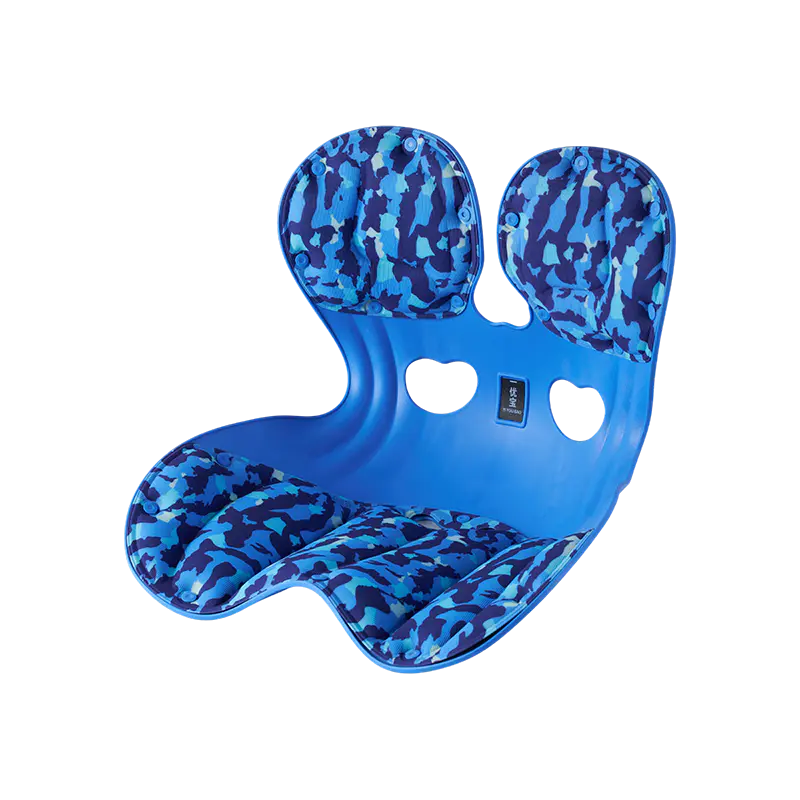
Sitting changes things. In a standard chair without adequate support, the pelvis tends to tilt backward under body weight, which flattens the lumbar curve or reverses it entirely. Instead of the spine maintaining its natural arch, the lower back rounds outward — a position that compresses the front of the lumbar discs, stretches the posterior ligaments, and shifts the load-bearing pattern away from what the spine is designed to handle.
This is not a posture failure caused by laziness or inattention. It is a mechanical consequence of chair geometry. Seats that position the pelvis in neutral are uncommon. Most office chairs, car seats, and transit seating allow posterior pelvic tilt that the user has to actively counteract — and actively counteracting it through muscle engagement alone is not sustainable across a full workday.
How a Lumbar Support Backrest Changes the Sitting Mechanics
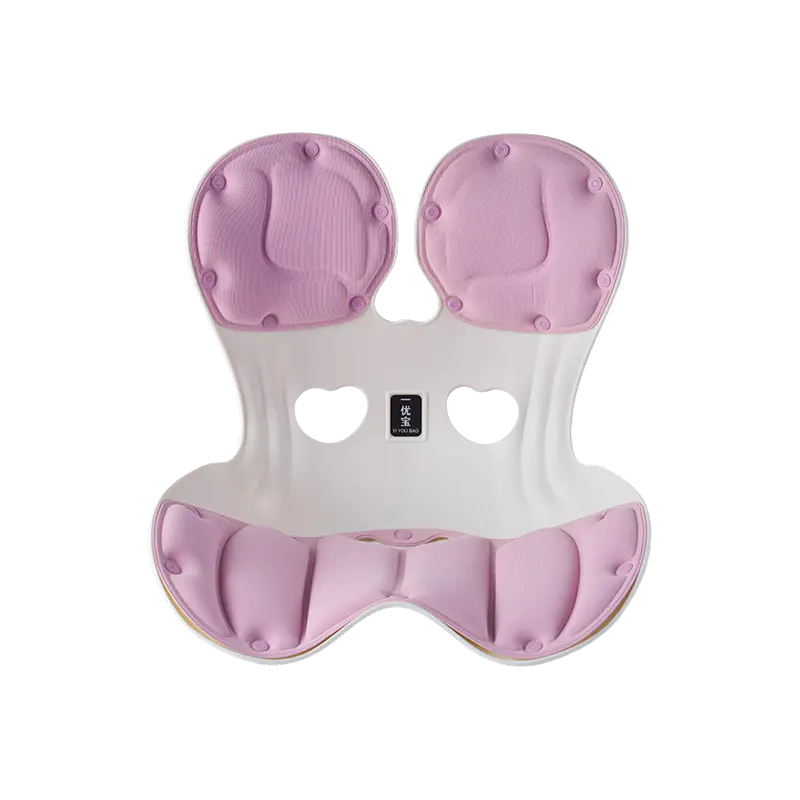
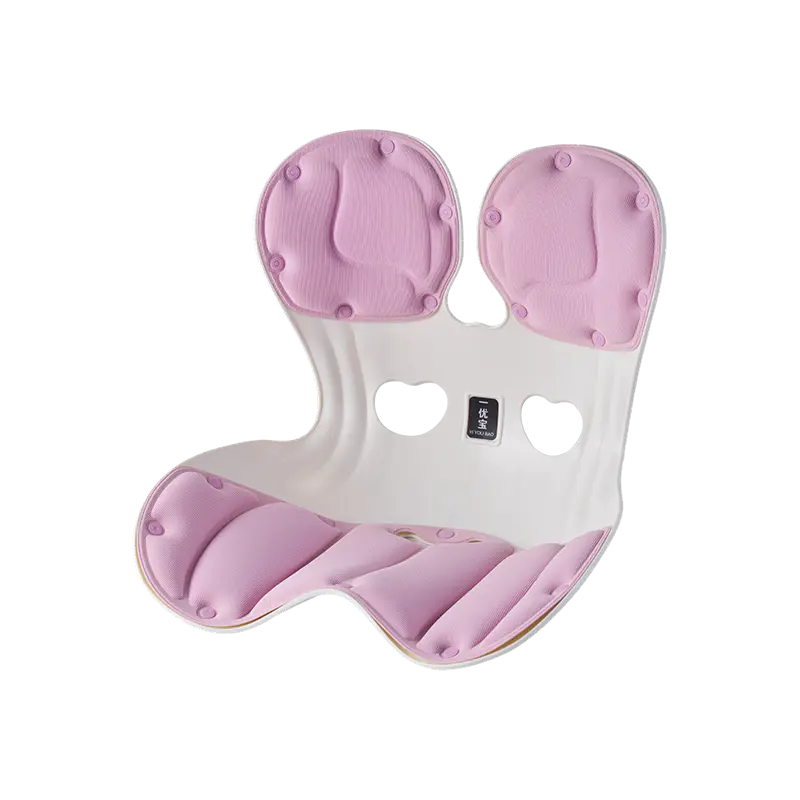
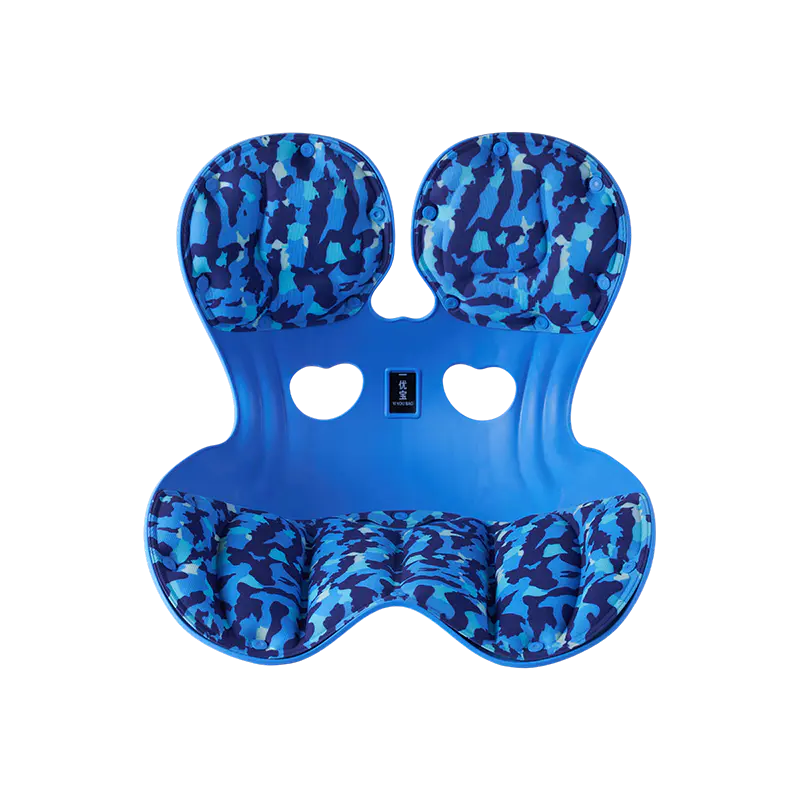
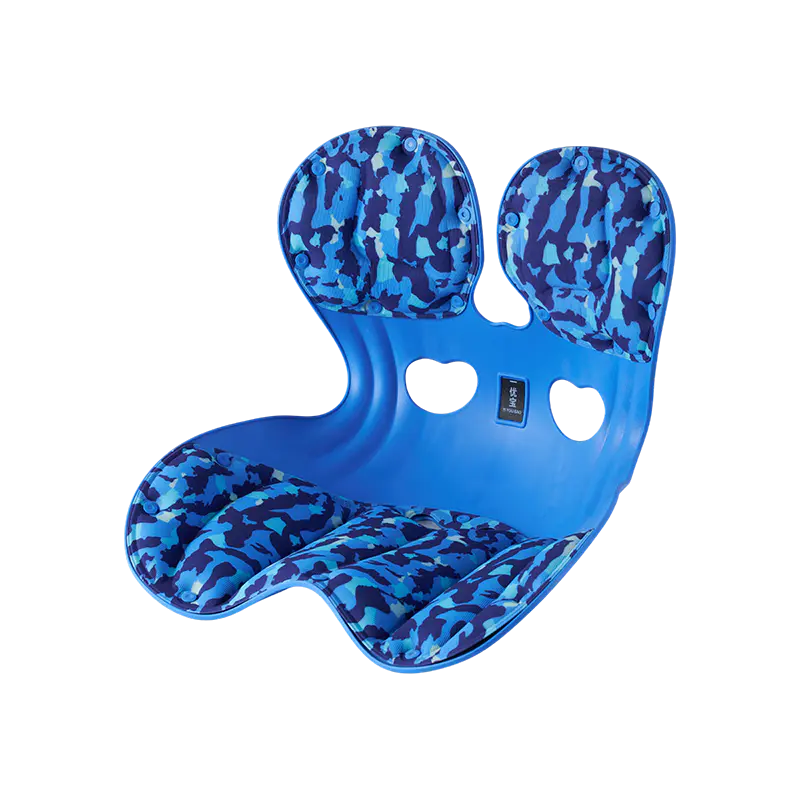
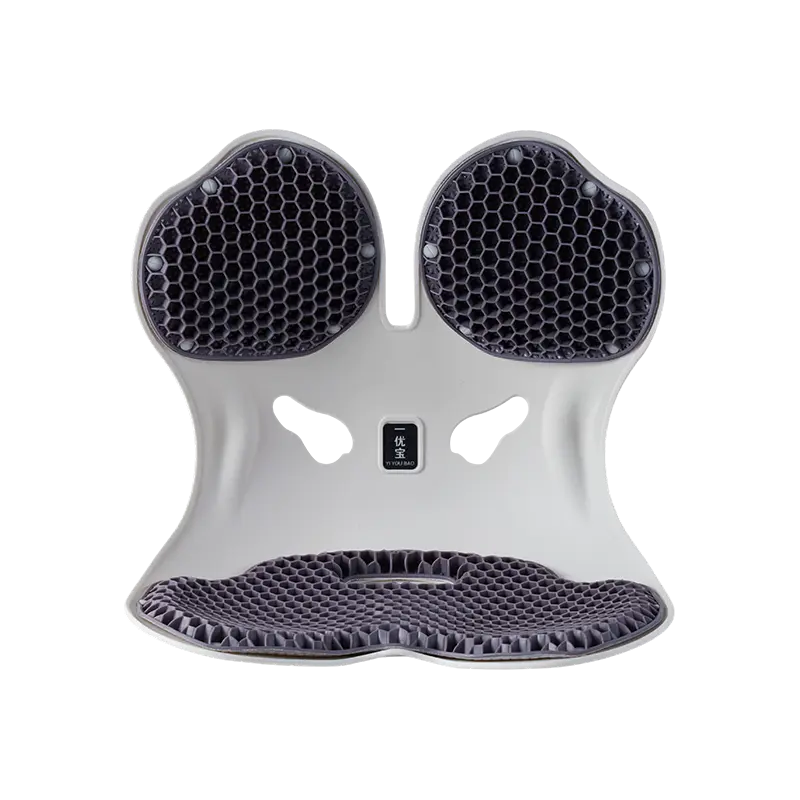
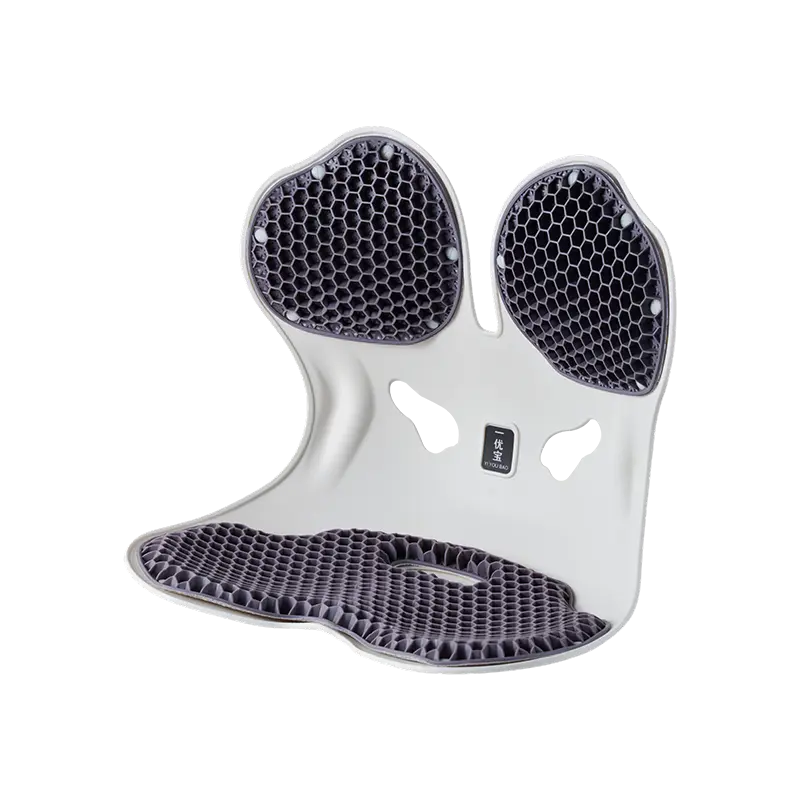
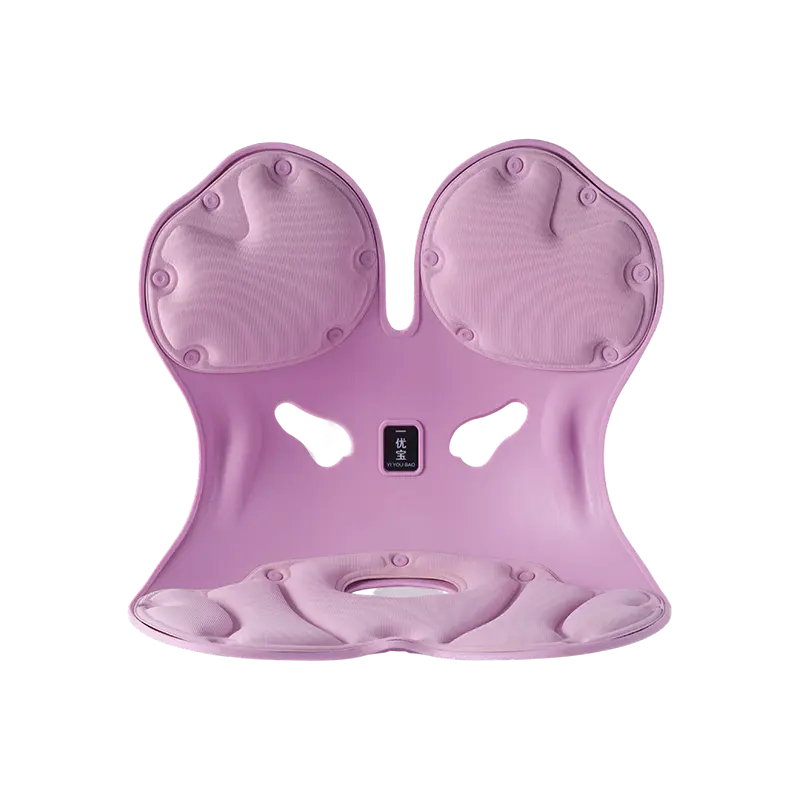
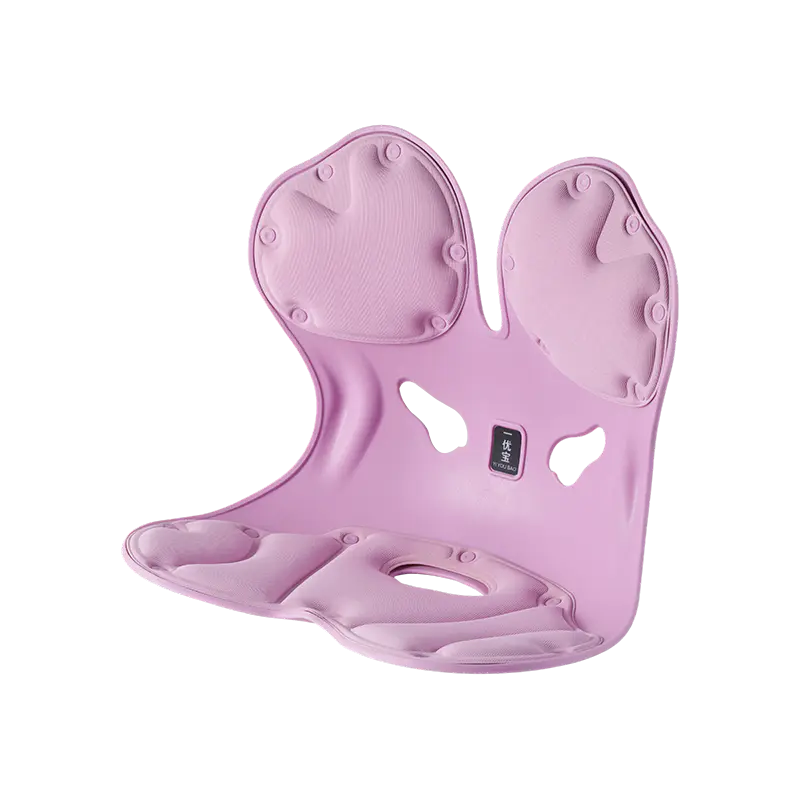
A lumbar support backrest works by filling the gap between the chair back and the natural curve of the lower spine. By doing so, it prevents the pelvis from tilting backward and keeps the lumbar vertebrae in a position closer to their natural inward curve.
The mechanical effect is not just comfort — it is load redistribution. When the lumbar curve is supported:
- Compressive forces on the front of the intervertebral discs are reduced
- The posterior ligaments of the spine are not chronically stretched under load
- The muscles of the lower back are not required to hold the spine upright continuously through sustained contraction
- The thoracic spine and shoulders tend to follow the lumbar position, reducing the forward rounding of the upper back that accompanies slouching
The change in muscle demand is particularly significant for people who sit for extended periods. When the lumbar support holds the spine in position passively, the back muscles can function as dynamic stabilizers rather than static load-bearers. That difference between passive and active holding is what reduces the fatigue accumulation that produces end-of-day soreness.
It is worth noting that a lumbar support backrest does not force the body into a position — it provides a stable reference point that the body naturally rests against when positioned correctly. The adjustment and placement of the support relative to the individual's spine height and curvature matters significantly for this to work as intended.
Who Benefits Most From Using Lumbar Support?
The straightforward answer is: anyone who sits for extended periods regularly. But certain groups experience the mechanical problem more acutely and gain more noticeable benefit from addressing it.
Office and Desk Workers
Extended time at a computer keyboard typically involves a forward lean — toward the screen, toward the keyboard — that loads the lumbar spine asymmetrically. A support that keeps the lower back in contact with the chair back counteracts the tendency to drift forward and round.
Drivers — Both Professional and Daily Commuters
Car seat design varies considerably, but many production seats have insufficient lumbar depth for prolonged driving. Long-distance drivers and daily commuters who spend substantial time behind the wheel accumulate lumbar stress in the same way office workers do, and the dynamic vibration of driving adds a secondary mechanical load that worsens the effect.
Remote Workers and Home Office Users
People who work from home often sit in chairs that were not selected with ergonomics in mind — dining chairs, sofas, poorly adjusted desk chairs. These environments compound the posture problem because the furniture was never designed for sustained seated work. Portable lumbar support products address this problem without requiring a complete furniture replacement.
Students
Classroom seating and study chair design prioritizes cost and durability over ergonomic support. Students spending hours in lecture halls or at study desks accumulate the same mechanical load as office workers, often without awareness of the cumulative effect.
Travelers
Aircraft seats, train seats, and long-distance bus seats are designed for average body dimensions and short to moderate journey durations. Passengers on long-haul routes spend hours in seating that provides minimal lumbar depth, and the restricted movement of travel amplifies the effect of poor support.
Does Posture Improvement Happen Immediately or Over Time?
The effect has two components — an immediate mechanical change and a longer-term adaptive benefit — and understanding both helps set realistic expectations.
The immediate change is structural. When a properly positioned lumbar support fills the gap behind the lower back, the pelvis shifts toward neutral and the lumbar curve is restored. This happens at the moment of contact, not gradually. The reduction in muscle load begins as soon as the support takes over the passive stabilization that the muscles were doing.
The longer-term benefit is habitual. People who use lumbar support consistently across their working hours begin to develop body awareness of what a supported position feels like. Over time, this awareness can improve posture even in the absence of the support — because the neuromuscular pattern of maintaining the lumbar curve has been reinforced repeatedly. This adaptive effect takes longer to develop and varies between individuals, but it is a secondary benefit beyond the immediate mechanical one.
What does not happen is that lumbar support alone corrects existing structural problems or replaces the benefit of movement, stretching, and exercise for spinal health. It is a postural aid — a valuable one, but one that works within a broader approach to managing the physical demands of sedentary work.
The Case for a Foldable Lumbar Support Cushion
Fixed lumbar support — built into a chair or permanently attached — works well in a single workstation setting. The challenge arises for people whose sitting environment changes throughout the day or week: home desk in the morning, office chair in the afternoon, car seat during commuting, aircraft seat during travel.
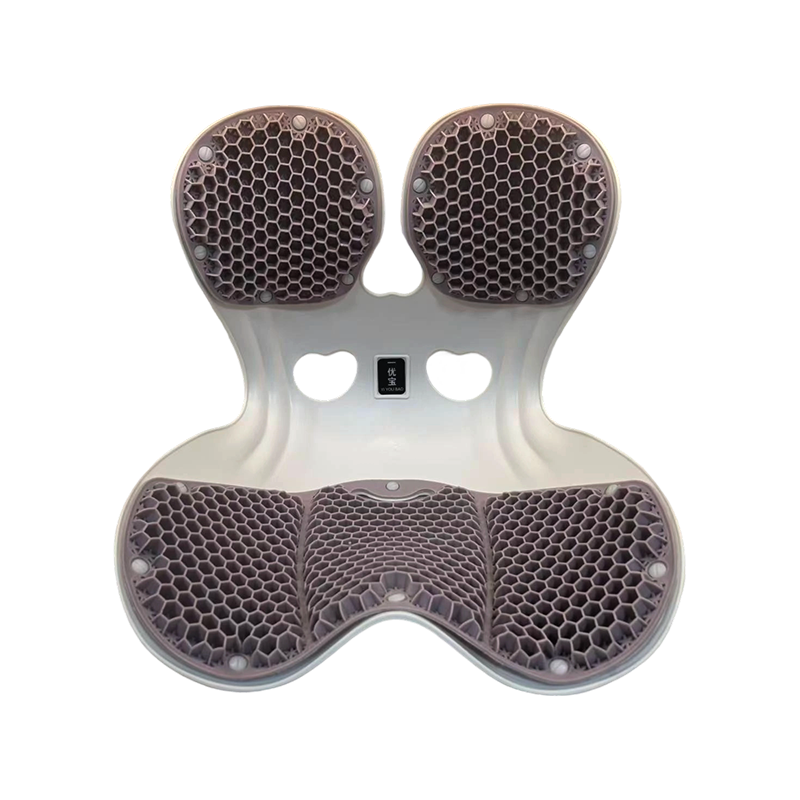
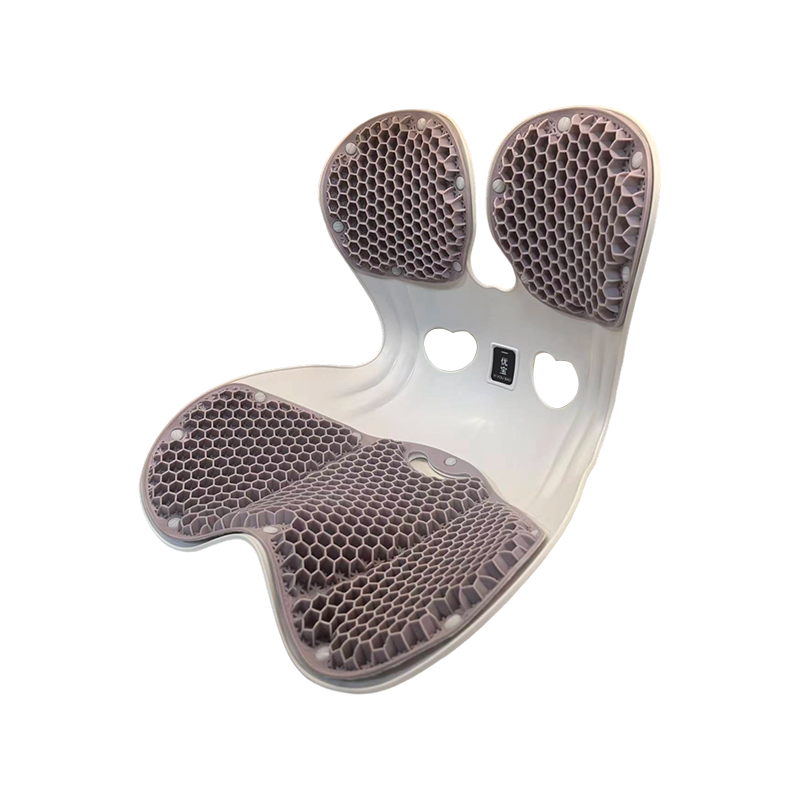
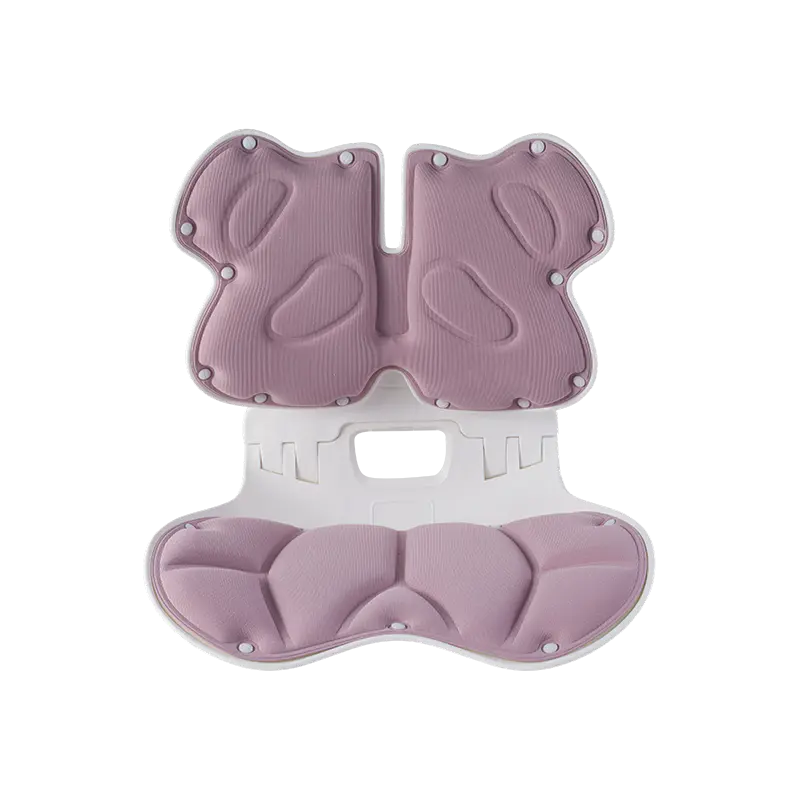
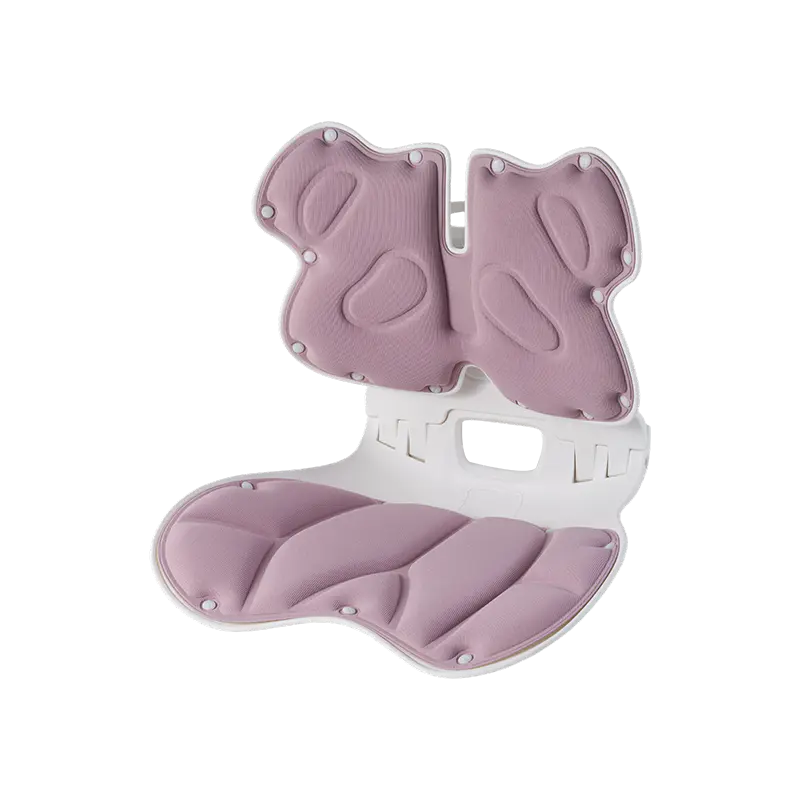
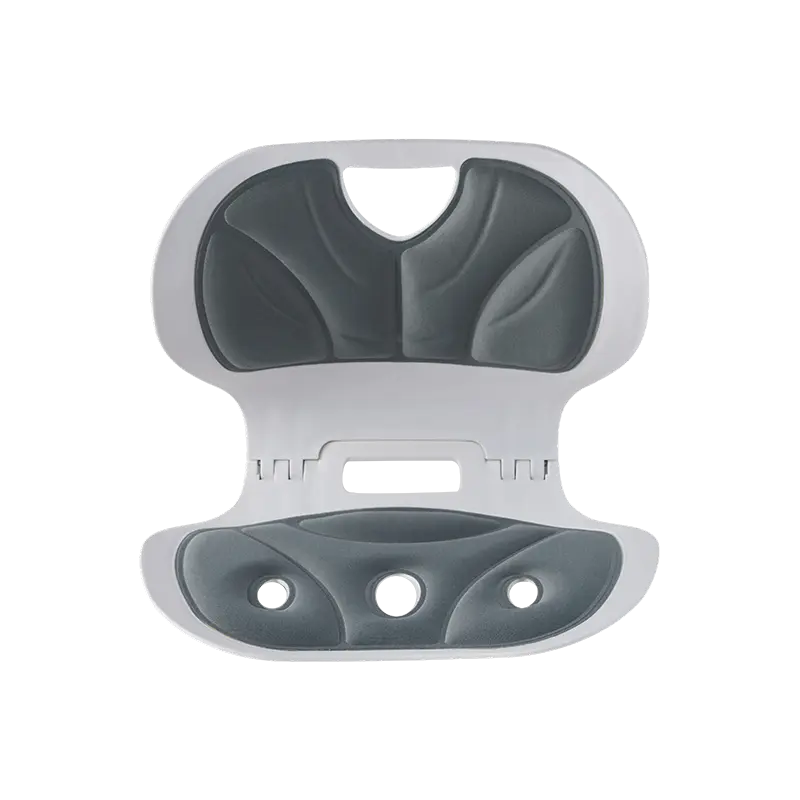
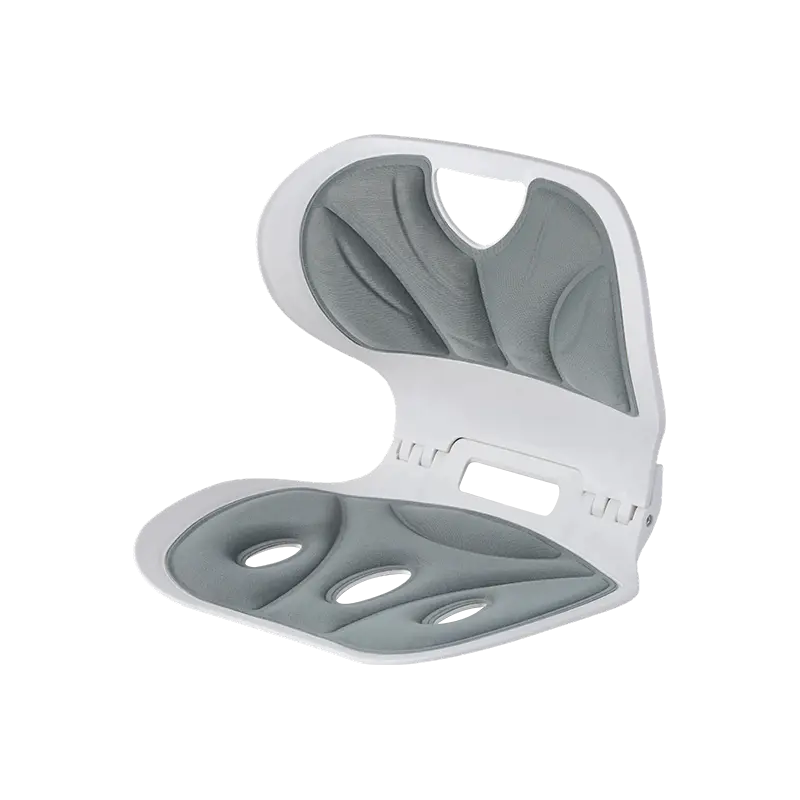
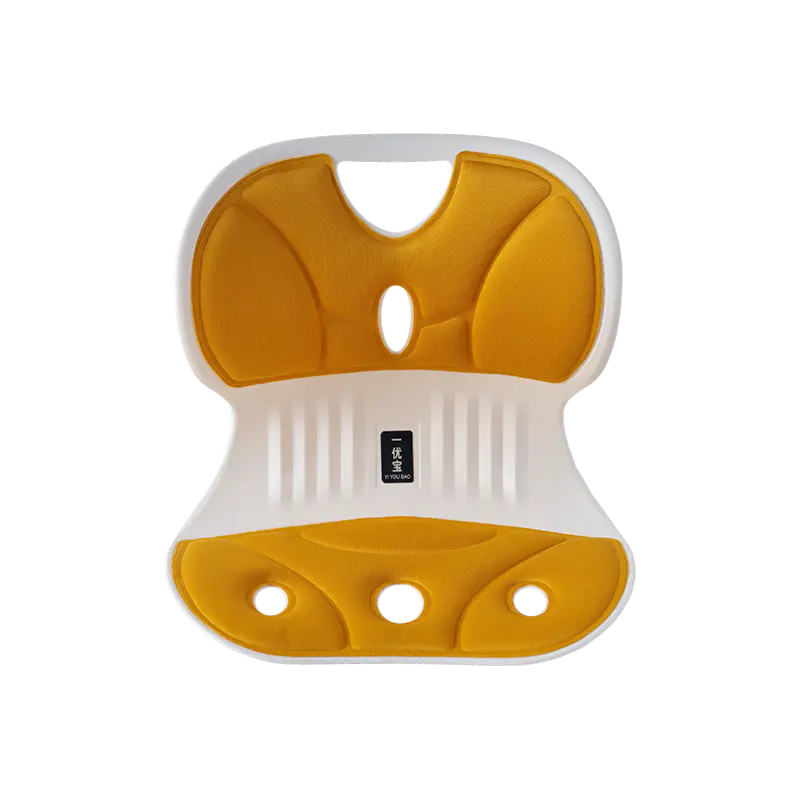
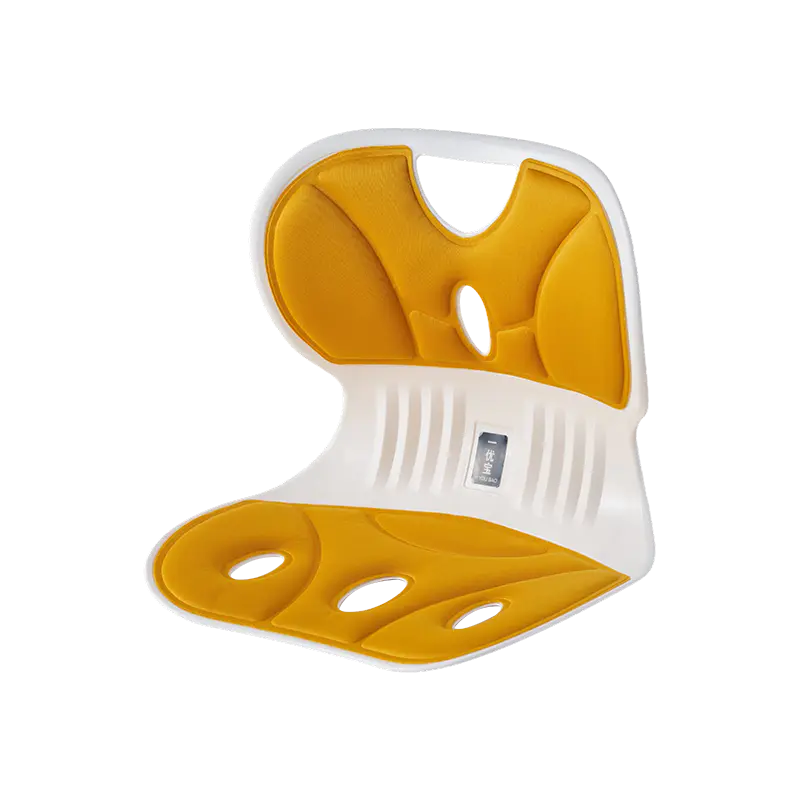
A foldable lumbar support cushion addresses the portability dimension directly. Designed to fold flat or compress for easy carrying, these products allow the user to bring consistent support to any seating environment rather than relying on whatever support each chair happens to provide.
The practical advantages of the foldable format:
- Consistent support across environments: The same lumbar depth and firmness follows the user regardless of which chair they occupy
- Travel compatibility: A cushion that folds to a compact form fits easily into a backpack, laptop bag, or carry-on luggage without adding significant bulk
- Use across multiple seat types: A single product can serve the office chair, the car seat, and the travel seat, rather than requiring separate products for each context
- No modification to the host chair required: The cushion attaches with adjustable straps to most chair backs, leaving the original seat unchanged
For people who work across multiple environments or travel regularly, the foldable format is more practical than a standard fixed cushion, which typically requires carrying an item that does not compress to a convenient size.
Comparing Lumbar Support Options by Use Context
| Use Context | Key Requirement | Suitable Product Format | Portability Need |
|---|---|---|---|
| Fixed office workstation | Stable, consistent daily support | Fixed chair attachment or chair-mounted cushion | Low |
| Home office with varied seating | Adaptable to non-ergonomic furniture | Adjustable strap cushion | Low to moderate |
| Daily vehicle commuting | Fits car seat contour, stays in place | Contoured car seat cushion | Low |
| Business travel (air, rail) | Compact for carry-on, works on narrow seats | Foldable lumbar support cushion | High |
| Long-distance driving | Sustained support over hours, heat management | Ventilated or memory foam car cushion | Moderate |
| Flexible desk work (hot-desking) | Consistent support regardless of which chair | Portable adjustable cushion | Moderate to high |
| Study or classroom use | Lightweight, unobtrusive, adapts to chair design | Compact adjustable cushion | Moderate |
Reading across the contexts makes clear that no single format works equally well everywhere. The foldable format scores high on travel suitability; fixed formats perform well in stable single-workstation settings. Choosing the right format for the actual usage pattern is more useful than selecting based on product category alone.
What to Look for When Selecting a Lumbar Support Product
Not all lumbar support products deliver the same effect. The design choices that determine functional performance are worth evaluating before purchase.
Support Height and Adjustability
The lumbar region of the spine varies in position between individuals based on torso length. A support positioned too high sits in the mid-back rather than the lumbar zone, providing limited benefit. A product with adjustable vertical positioning — via strap placement or height-adjustable design — accommodates a wider range of body proportions.
Firmness and Depth of Support
Softer foam provides cushioning comfort but may not provide sufficient structural support for spinal positioning. Denser foam or memory foam with a firmer core provides better mechanical support. The right balance depends on personal preference and the duration of use — firmer support is generally more effective for long sessions.
Width Relative to the Lower Back
A support that is too narrow contacts only the center of the lumbar spine, leaving the lateral musculature unsupported. A support with adequate width distributes contact across the lower back more evenly.
Attachment Security
Straps that slip or loosen over the course of a sitting session defeat the purpose of the product. Adjustable, grippy strap systems that hold the cushion at the set height regardless of movement are worth prioritizing over simpler attachment solutions.
Breathability of Cover Material
For prolonged use, a cover material that allows airflow reduces heat accumulation at the back contact surface. Mesh covers or materials with ventilation properties maintain comfort during extended sitting in warm environments.
Weight and Compressed Size for Portable Formats
For a foldable lumbar support cushion intended for travel, the packed size and weight are practical constraints. Products that compress significantly without losing their supportive shape when unpacked offer better carry convenience without sacrificing function.
Lumbar Support Across Different Work and Life Settings
The range of contexts where lumbar support adds genuine value is broader than the office chair scenario that tends to define the product category in general awareness.
Remote and Hybrid Work
The shift toward hybrid working arrangements has created a new category of user — people who work from multiple locations across the week, often in environments that were not optimized for extended desk work. A portable lumbar support product travels with the person, maintaining consistent spinal support whether the workday is spent at home, in a coworking space, or in a client's office.
Long-Haul Travel
Passengers on extended flights or train journeys often arrive at their destination with lower back discomfort that affects their energy and performance at meetings or events immediately following travel. A compact foldable cushion used during the journey can meaningfully reduce this effect.
Recovery from Minor Back Strain
People recovering from soft tissue strain in the lower back often find that reducing the load on the affected area during sitting accelerates recovery. A lumbar support that relieves the passive load the back muscles would otherwise bear during seated work provides a functional benefit beyond prevention — it supports recovery by reducing cumulative stress during the healing period.
Gaming and Extended Recreational Sitting
Extended gaming sessions produce the same mechanical effects as extended work sessions. The sitting duration and the forward-lean posture typical of gaming are both risk factors for lumbar strain. Lumbar support is as relevant in this context as in a workplace setting.
Building a Better Sitting Environment
Improving seated posture is not a single product decision. It is a combination of chair selection, workstation setup, movement habits, and — where the furniture and environment do not provide adequate support — targeted ergonomic aids. A lumbar support backrest functions as the correction layer for the gap that most standard seating leaves between what chairs provide and what the spine needs.
The value of getting that correction right is not just comfort in the moment. It is the reduction of the accumulated mechanical load that produces chronic lower back discomfort, the kind that is easy to attribute to aging or general fatigue but is often the direct result of years of unsupported sitting. Yongkang Yiyoubao Technology Co., Ltd. develops lumbar support products designed for daily office use, vehicle seating, and portable travel applications — including foldable formats suited to people who move between environments throughout their working week. If you are evaluating lumbar support options for personal use, workplace wellness supply, or retail and distribution, reaching out to discuss product specifications and volume options is the practical next step. Getting the support format matched to the actual usage context is what makes the difference between a product that sits unused and one that genuinely changes how the day feels.
 Previous