English
 中文简体
中文简体
Industry News
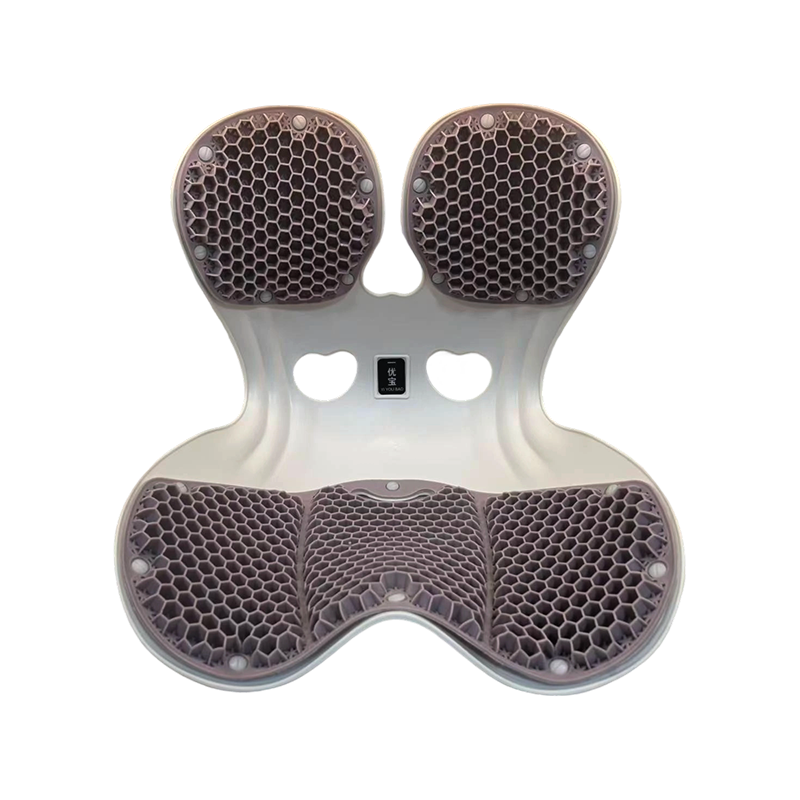
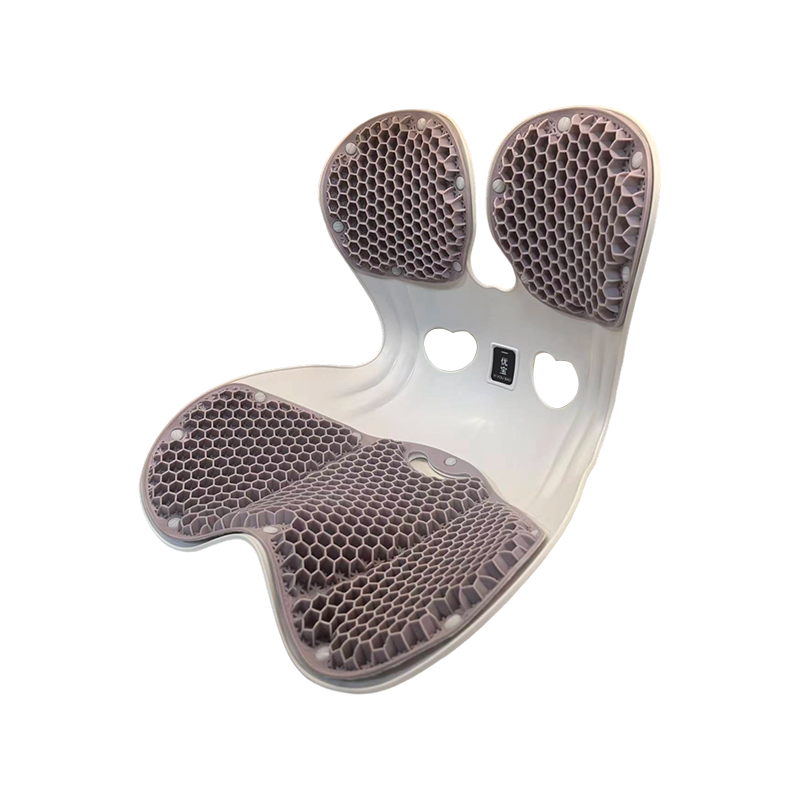
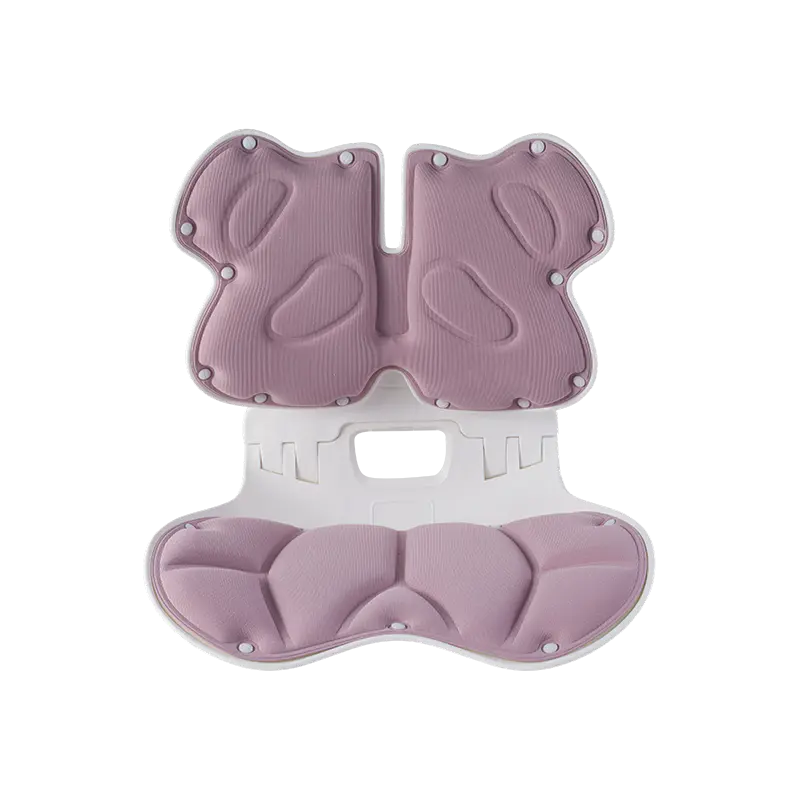
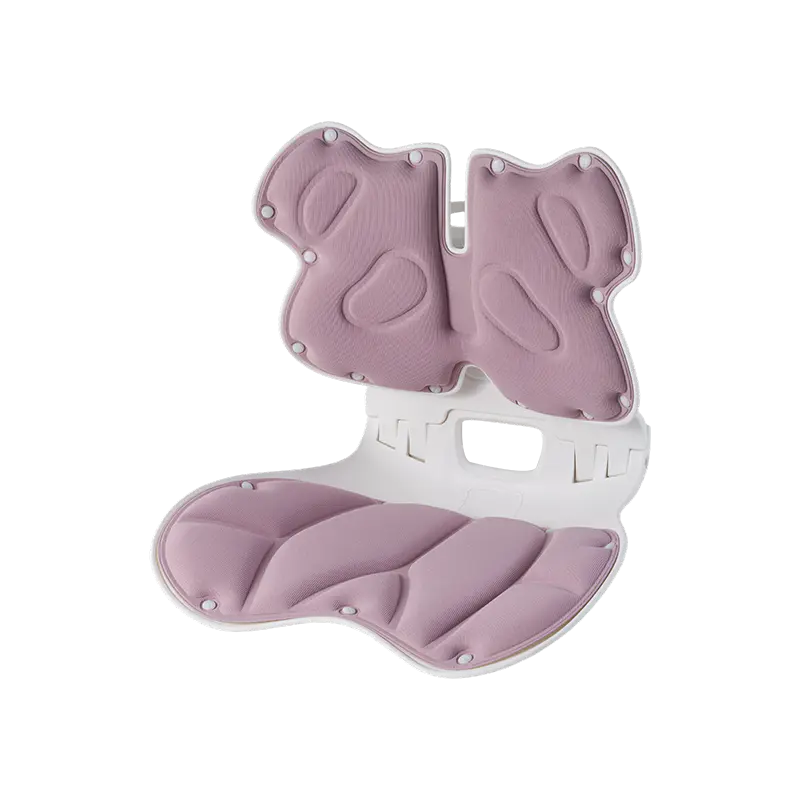
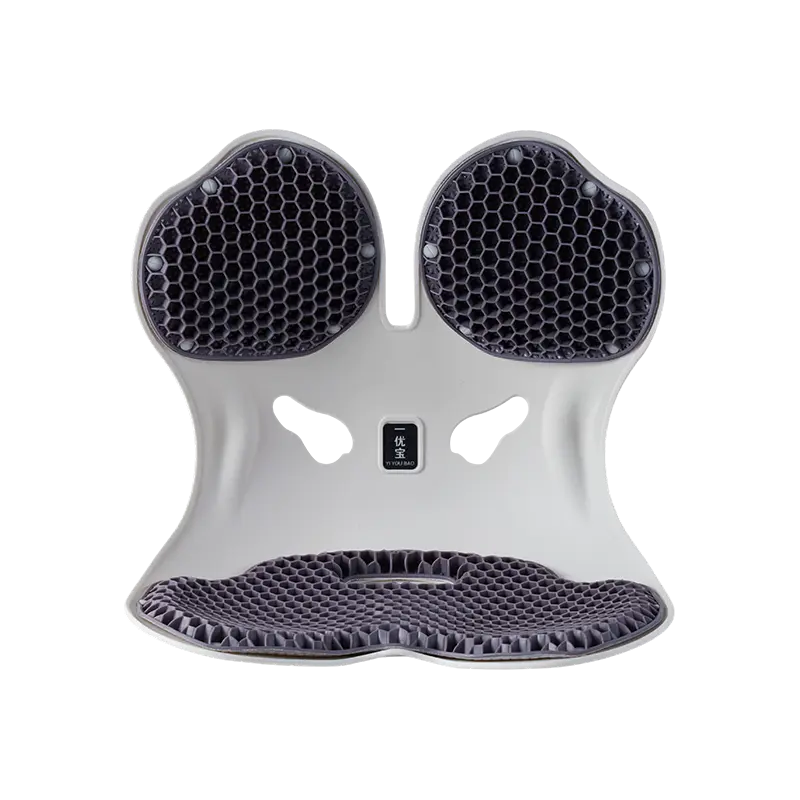
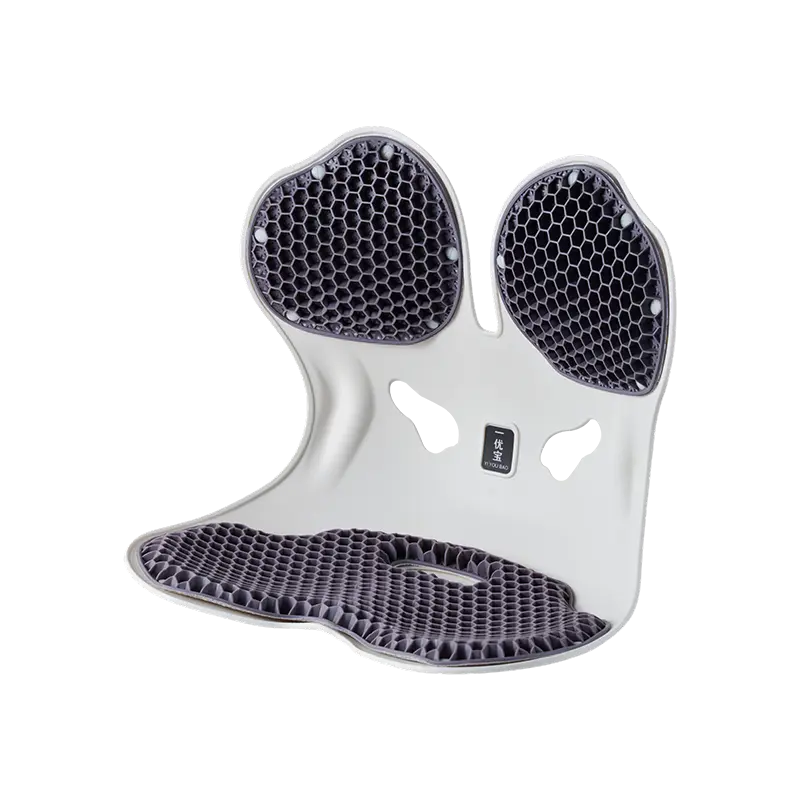
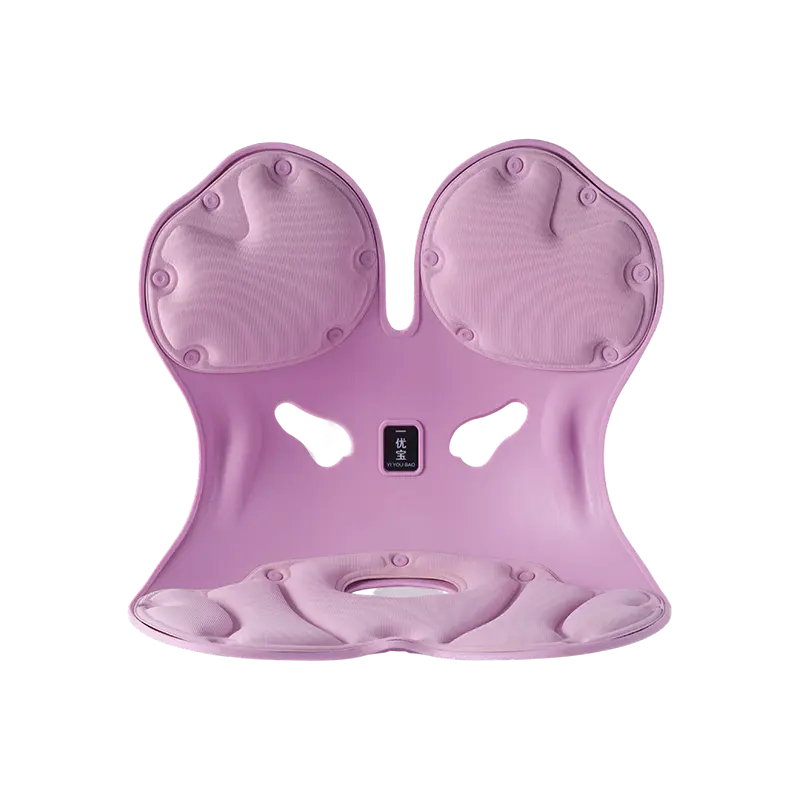
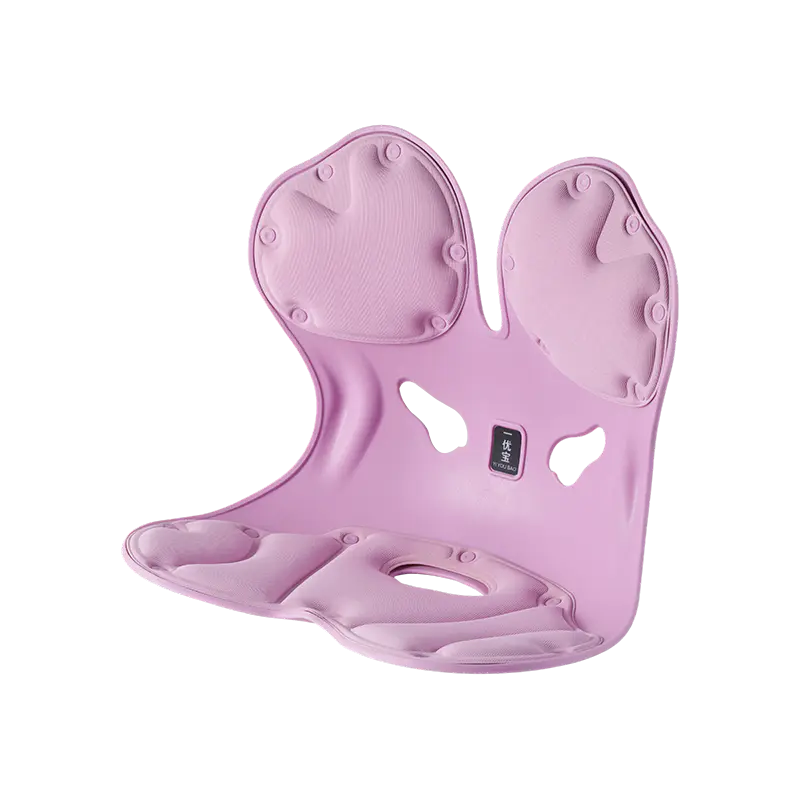
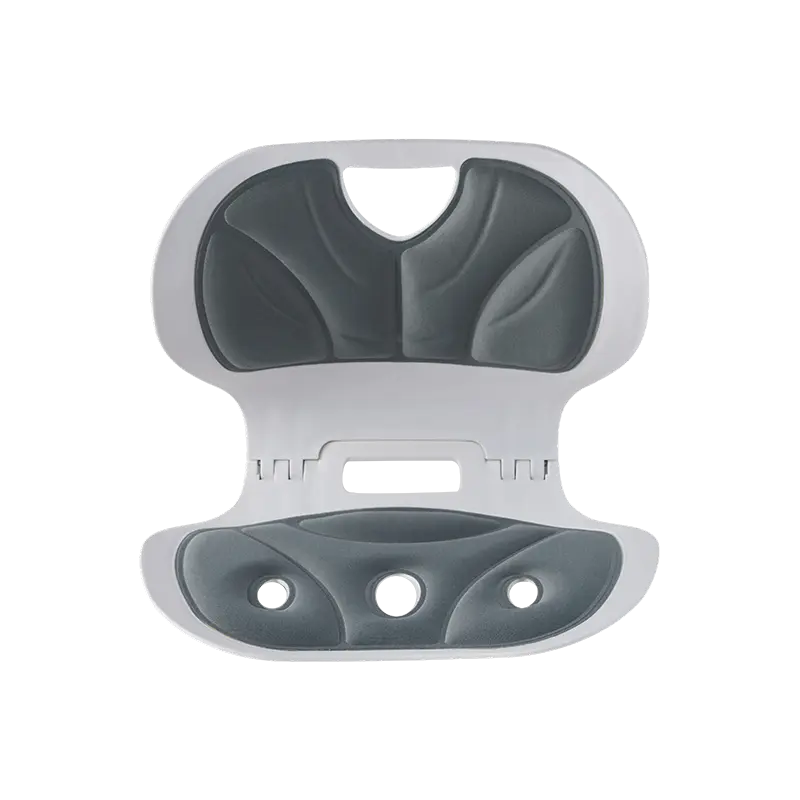
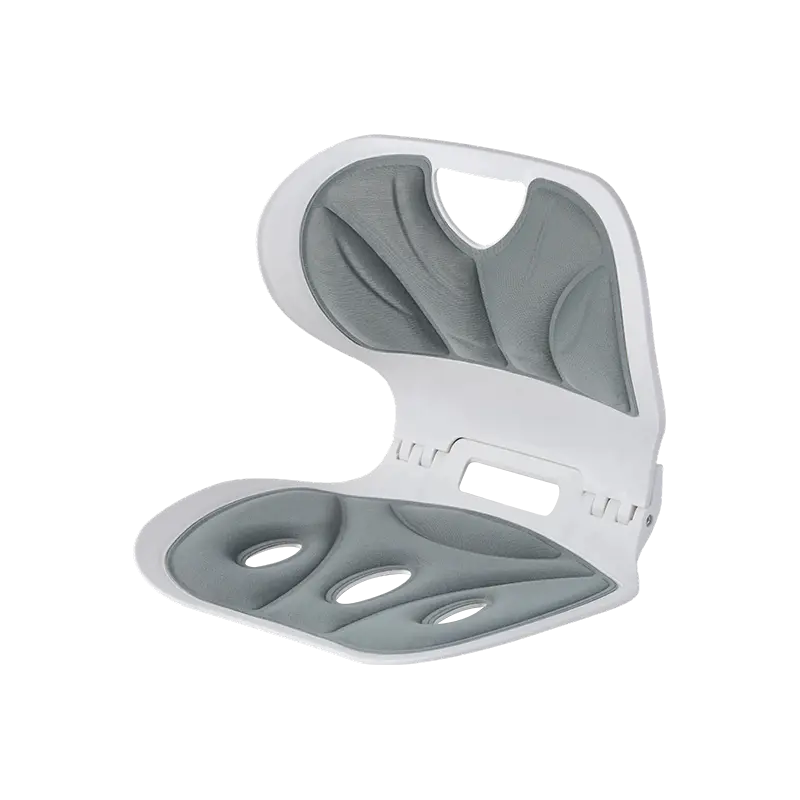
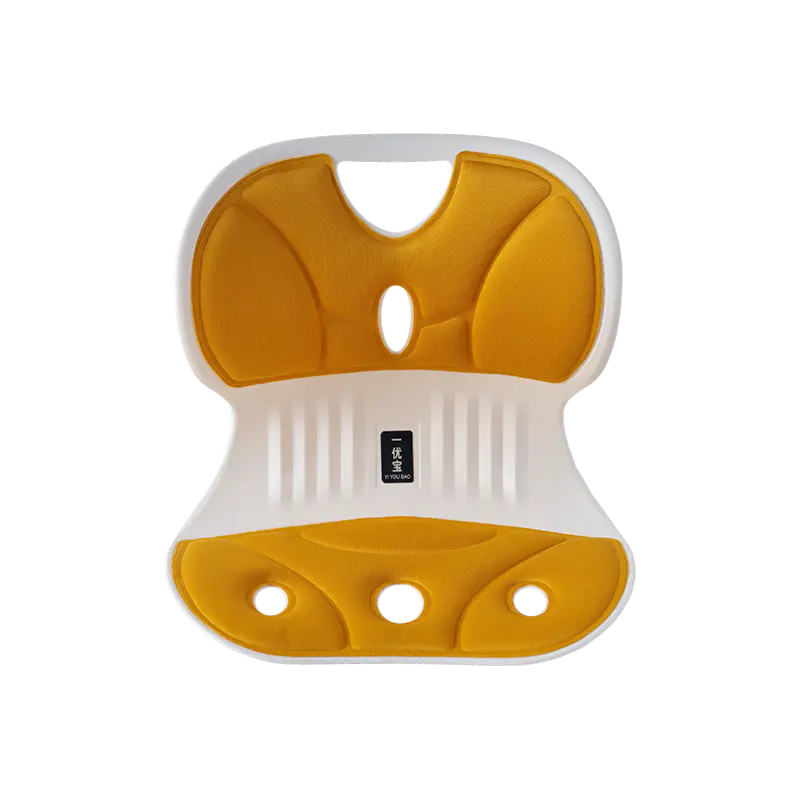
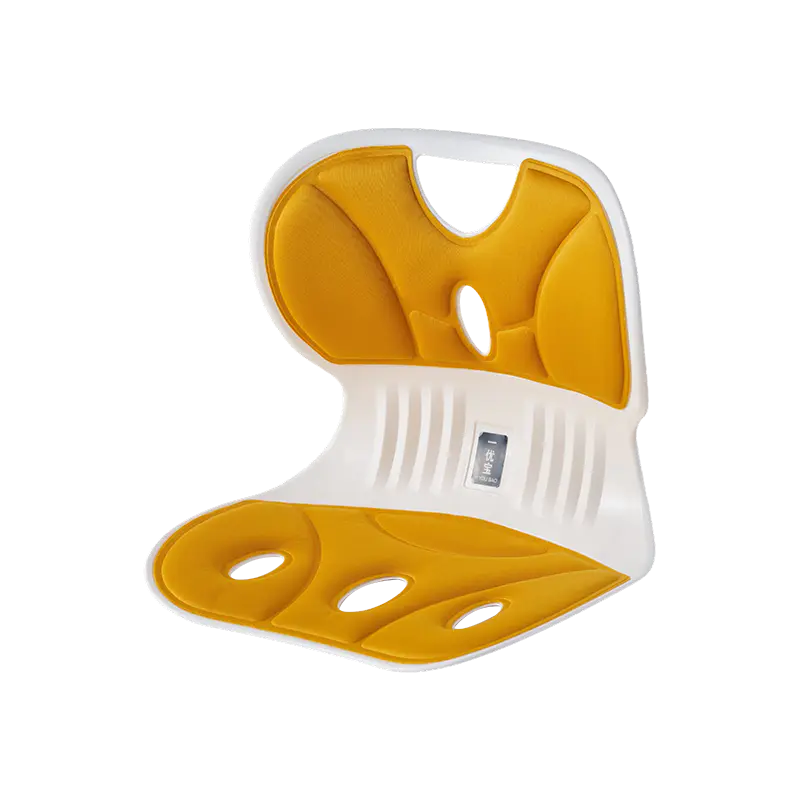
Office workers and drivers often notice stiffness or aching in the lower back after sitting for extended periods. Chairs may lack proper contouring, leaving the spine unsupported and causing fatigue by midday. Lumbar Support Backrest options address these issues by adding targeted cushioning that aligns with the natural curve of the back.
Proper Placement Makes Daily Sitting More Comfortable
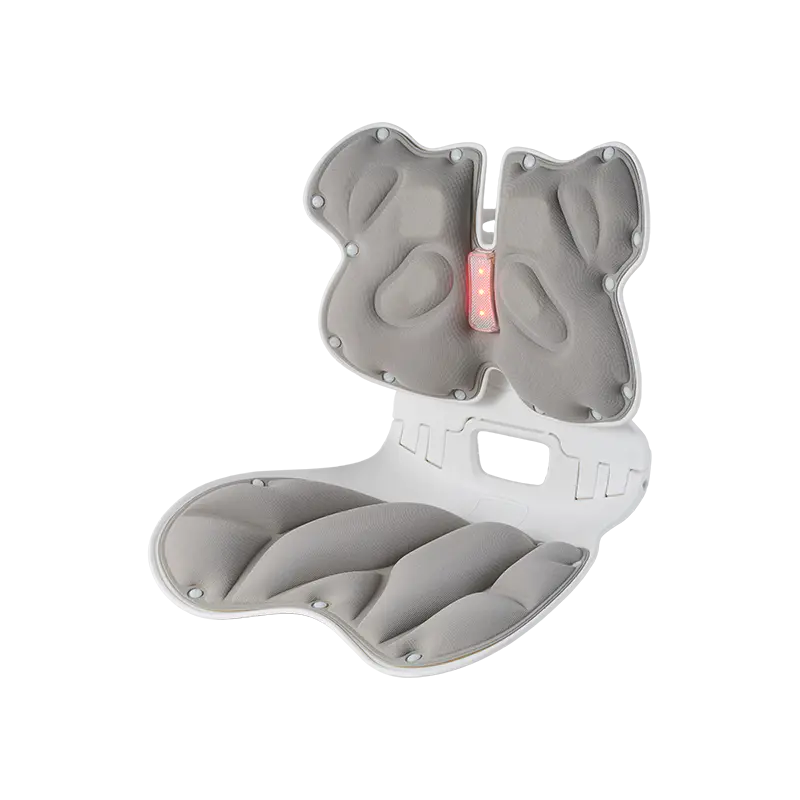
Getting the position right changes everything about how your body feels during long hours in a chair. It fills that empty space along the lower back where most seats fall short. You might feel the difference almost immediately once it sits in the right spot.
Where Should the Lumbar Support Backrest Sit
Align it with the natural inward curve of your lower spine. This spot usually falls around belt height for most people. Slide the cushion until it gently presses without forcing your body forward. Sometimes a small shift up or down makes all the difference in how the rest of the day goes.
Chair Type Changes the Installation Approach
Office chairs with mesh backs need different handling than solid seats in cars or at home. The way the support attaches matters a lot depending on the surface. You learn quickly that forcing the wrong method leads to constant readjustment throughout the day.
How Do You Attach Straps Securely
Thread the straps through the chair back when possible. Pull them evenly and fasten the buckle with steady pressure. Give everything a firm tug afterward to make sure nothing slips when you lean back. A loose connection turns a good support into something annoying within an hour.
Height Adjustment Ensures Personal Fit
Bodies come in different shapes, so one fixed position rarely works for everyone. Adjustable models give you room to experiment until it feels right. Spend a little time trying heights during your first days with the cushion.
What Happens If Placement Is Too High or Low
A cushion placed too high pushes against the upper back and leaves the lower area unsupported. Too low creates pressure on the tailbone instead of helping the curve. Small movements usually fix the issue fast. You notice the change right away when the support matches your body.
Securing the Backrest Prevents Sliding
Nothing frustrates more than a cushion that drifts out of place during meetings or drives. Firm attachment keeps it steady no matter how much you move. People who sit through long calls particularly appreciate when it stays put without constant fixing.
Steps for Correct Strap Installation
Sit fully against the chair back first. Position the cushion where your lower back curves inward. Wrap the straps around the chair. Pull both sides evenly and secure them tightly. Lean back gently and shift around to check the feel. Make small tweaks if anything feels off.
Testing Comfort After Initial Setup
Take a few minutes in your normal working position after attaching everything. The support should feel noticeable yet natural. If something feels forced, adjust slightly until the body settles comfortably. This test prevents hours of quiet discomfort later.
How Often Should You Readjust
Daily movement and different chairs sometimes require minor changes. A quick morning check becomes routine once you get used to it. Many people also readjust after lunch or long periods of focus when posture tends to slip.
Common Mistakes During Installation
Rushing the setup without sitting first often leads to poor alignment. Attaching straps too loosely causes shifting during normal use. Ignoring the shape of your particular chair creates gaps or uneven pressure. These small oversights add up over weeks.
Why Posture Matters During Setup
Sit upright with feet flat before securing anything. This natural position helps the cushion find its proper place. Slouching during installation usually means you end up with support in the wrong area. Taking that extra moment pays off in daily comfort.
Maintaining Position Through the Day
Short walks or simple posture resets help your body adapt to the added support. The cushion works best when paired with occasional movement rather than hours of stillness. You might discover that standing up briefly actually makes the support feel more effective when you sit again.
Cleaning and Care for Long Use
Wipe the surface with a damp cloth from time to time to remove dust and oils. Avoid strong cleaners that could break down the material. Taking basic care keeps the shape and firmness consistent so it continues to provide the same support month after month.
Adapting for Different Seating Situations
Car seats demand tighter straps because of constant motion. Home office chairs allow more freedom to experiment with angles. Each setting brings its own small challenges, yet the basic principles stay similar once you understand them.
How to Use It in a Vehicle
Place the cushion before you start driving. Make sure straps stay clear of seat belts. Adjust while parked to keep your attention on the road. The right setup reduces fatigue on longer trips and helps maintain focus behind the wheel.
Combining With Other Support Habits
Good lumbar placement pairs nicely with proper screen height and a footrest when needed. The complete setup creates better balance across the body. You start noticing how these small elements work together after a week or two of consistent use.
When to Check Fit Again
Changes in weight or new clothing layers can affect how the cushion sits. A different chair at a new workspace often needs fresh positioning. Taking time to check every few weeks keeps the support working as intended.
Understanding Material Flexibility
Softer cushions tend to mold to your shape more quickly. Firmer ones offer stronger resistance against slouching. Your daily activities and personal preference usually guide which type feels better after some trial.
Choosing Attachment Methods for Different Chairs
Some chairs work well with simple hooks while others need full straps. Friction grips allow quick removal when necessary. Matching the attachment style to your seat saves time and frustration from the beginning.
Troubleshooting Poor Support Feel
Ongoing discomfort often comes down to height or tension issues. Loosen the straps slightly and shift the cushion if pressure feels uneven. Small corrections frequently restore the right balance. Listening to your body provides the best clues during this process.
Building the Habit of Correct Use
Daily installation turns into something automatic after a short time. You may even become more aware of posture when away from the chair. The routine supports better habits that carry through other parts of the day.
Sharing Setup Tips With Colleagues
Team members often face the same seating challenges in shared offices. A quick demonstration helps others find good results faster. Conversations about what works reveal useful tricks for different body types and chair styles.
Traveling With Portable Supports
Compact versions fold or roll easily for bags. Quick attachment in hotel rooms or rental cars maintains consistency while away. Familiar setup reduces that extra stiffness many people feel after travel days.
Long Term Benefits of Correct Installation
Proper placement supports natural spine alignment during hours of sitting. Muscle strain tends to decrease gradually with steady use. Daily comfort builds as the body gets used to the added help in the right area.
Monitoring Body Response Over Weeks
Pay attention to changes in tiredness or stiffness as weeks pass. Use those observations to fine tune positioning further. Personal feedback from real days at the desk guides ongoing improvements better than anything else.
Here is a comparison of installation approaches:
| Situation | Recommended Method | Common Adjustment | Key Focus |
|---|---|---|---|
| Office Chair | Straps or hook attachment | Height at lower back curve | Daily stability |
| Car Seat | Strong straps with buckle | Secure before driving | Safety and movement |
| Home Setup | Flexible positioning | Test in normal posture | Extended comfort |
| Travel Use | Portable with quick attach | Check after unpacking | Consistency on the go |
The steps and ideas above offer practical ways to get reliable results when adding lumbar support to your regular seating. Yongkang Yiyoubao Technology Co., Ltd. contributes manufacturing capabilities that support consistent production of ergonomic accessories suited for various seating needs and daily routines. Take time to try the process in your own chair and adjust based on how your body responds during normal activities and different times of day. Reach out to suppliers for product details or samples if you want to explore styles and materials that might suit your specific setup. What small adjustment will improve your sitting comfort starting today?
 Previous