English
 中文简体
中文简体
Industry News
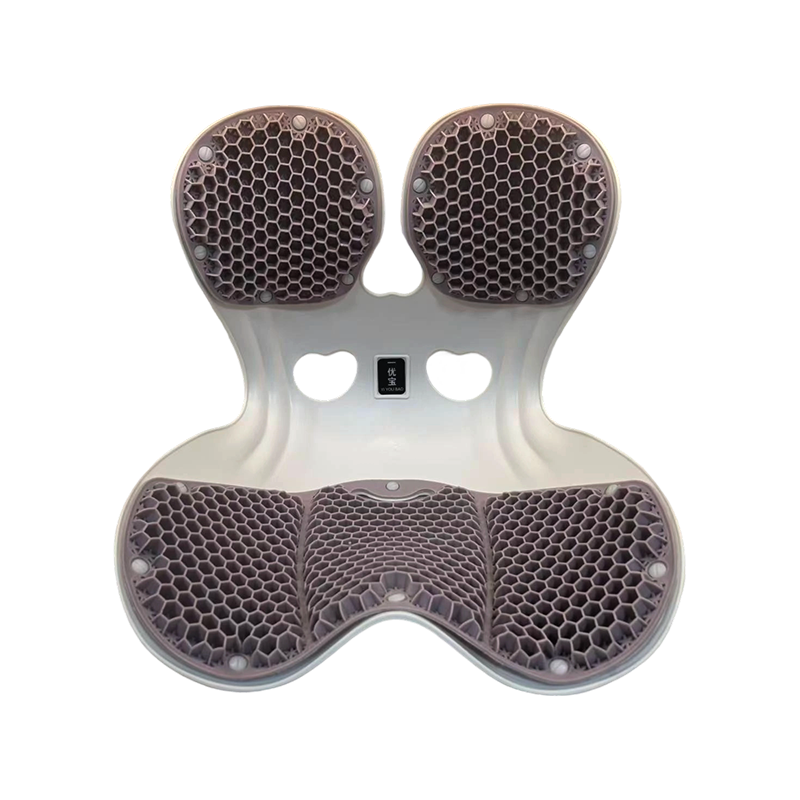
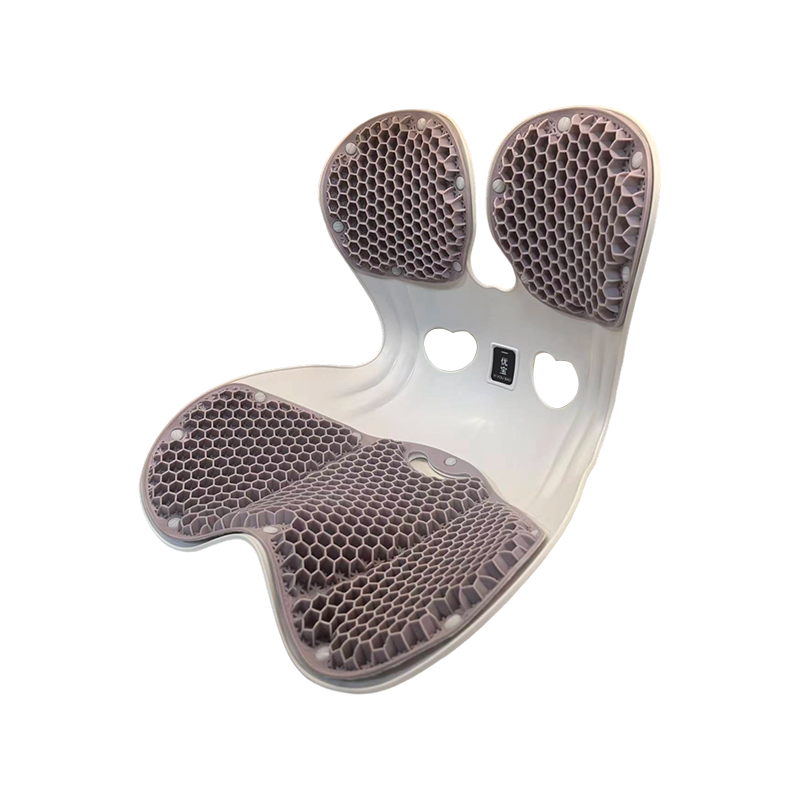
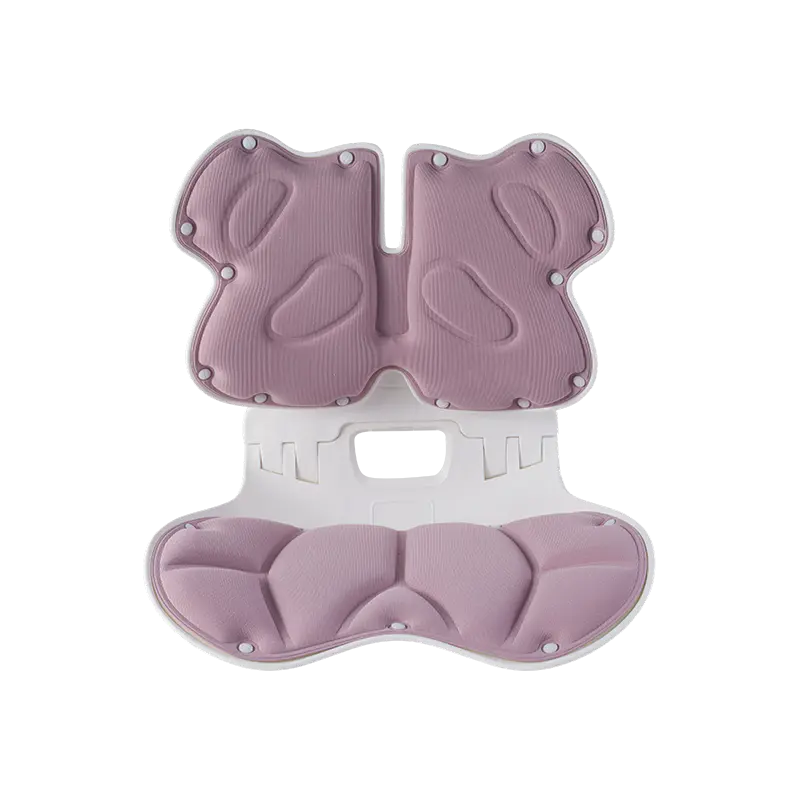
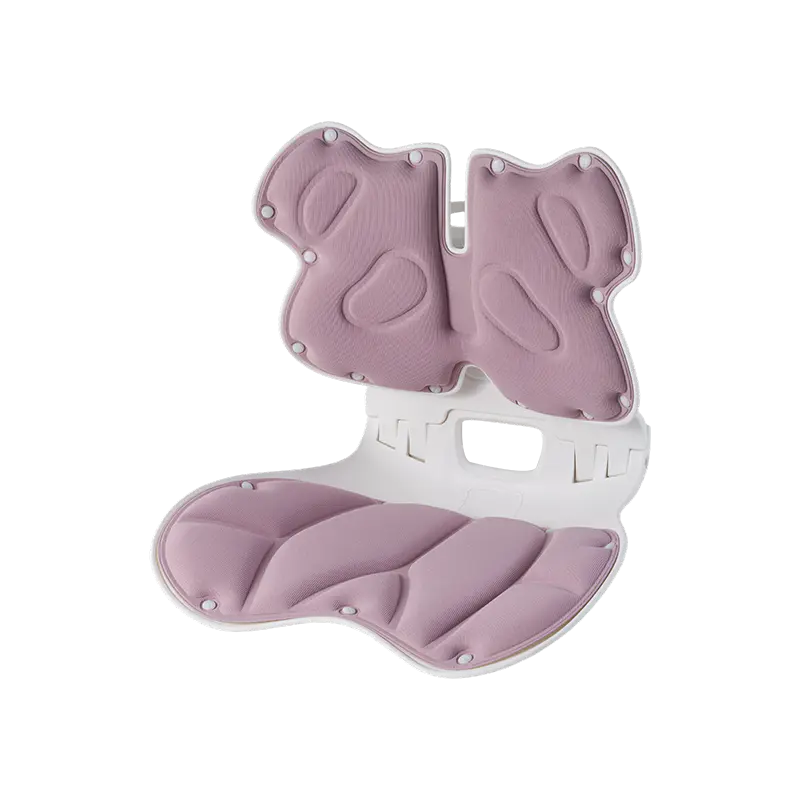
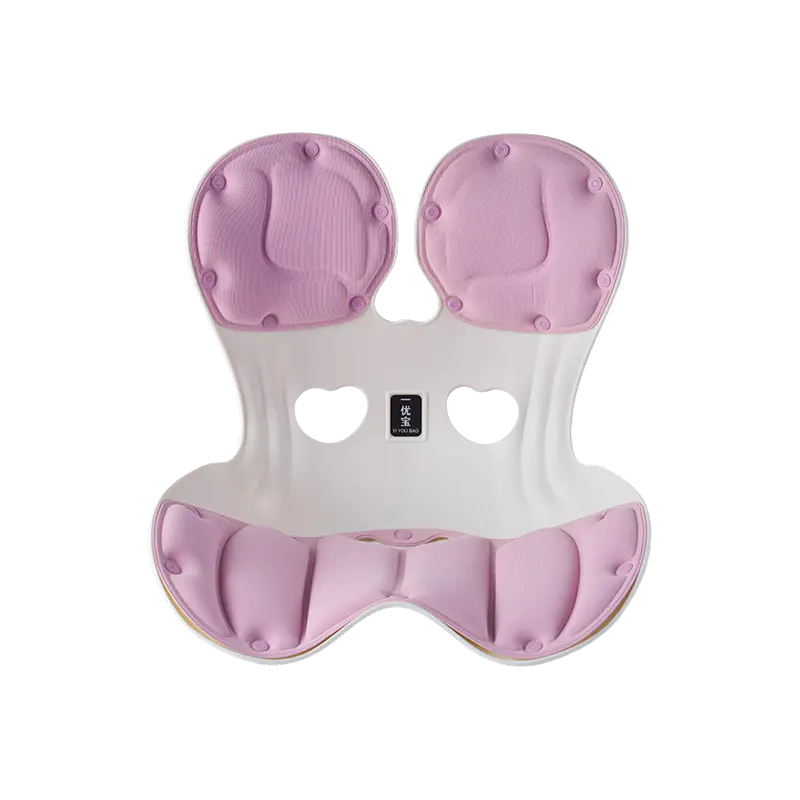
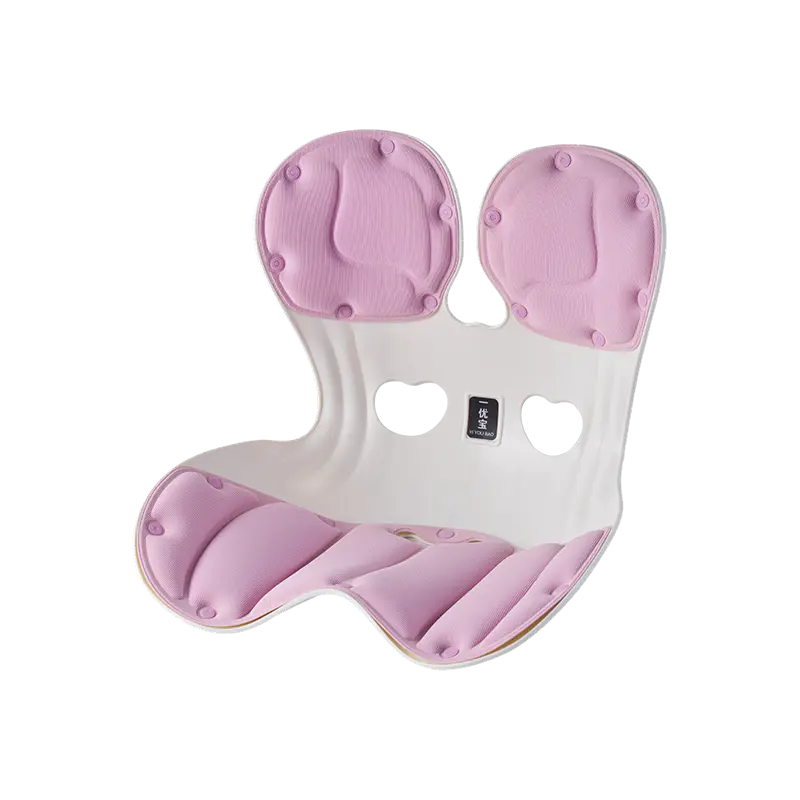
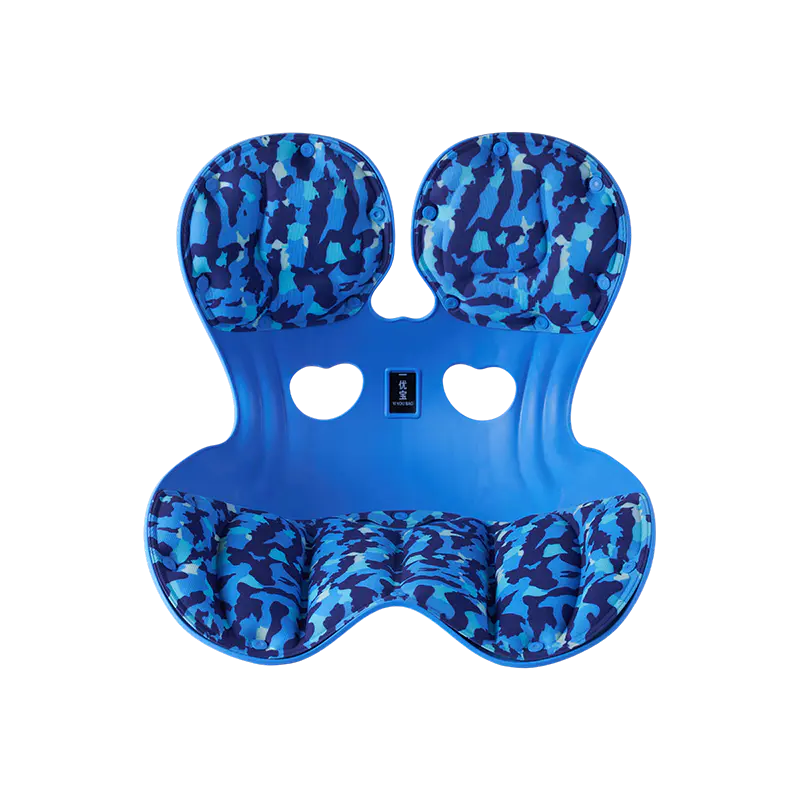
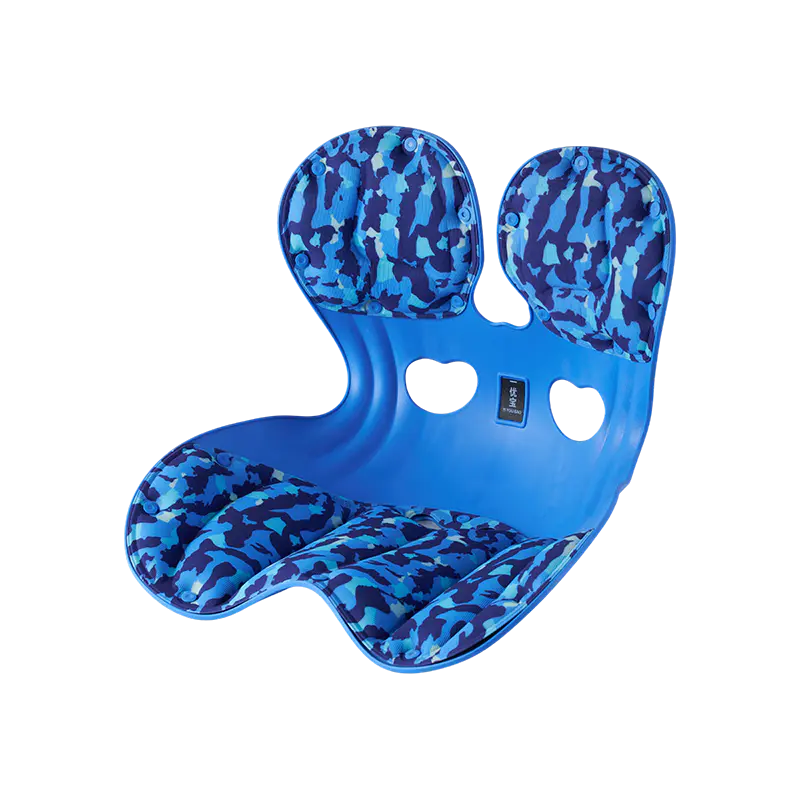
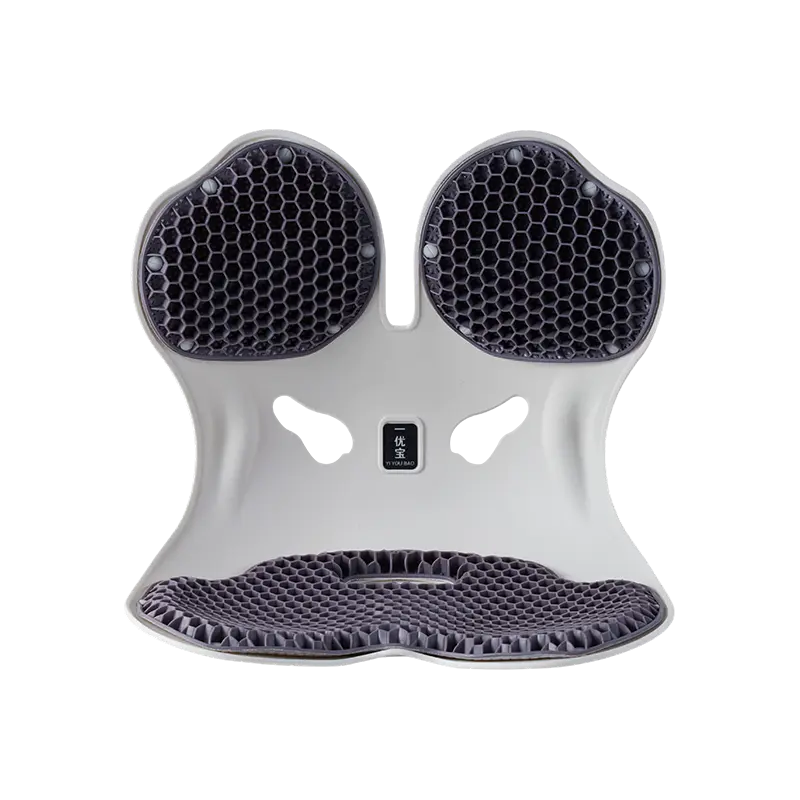
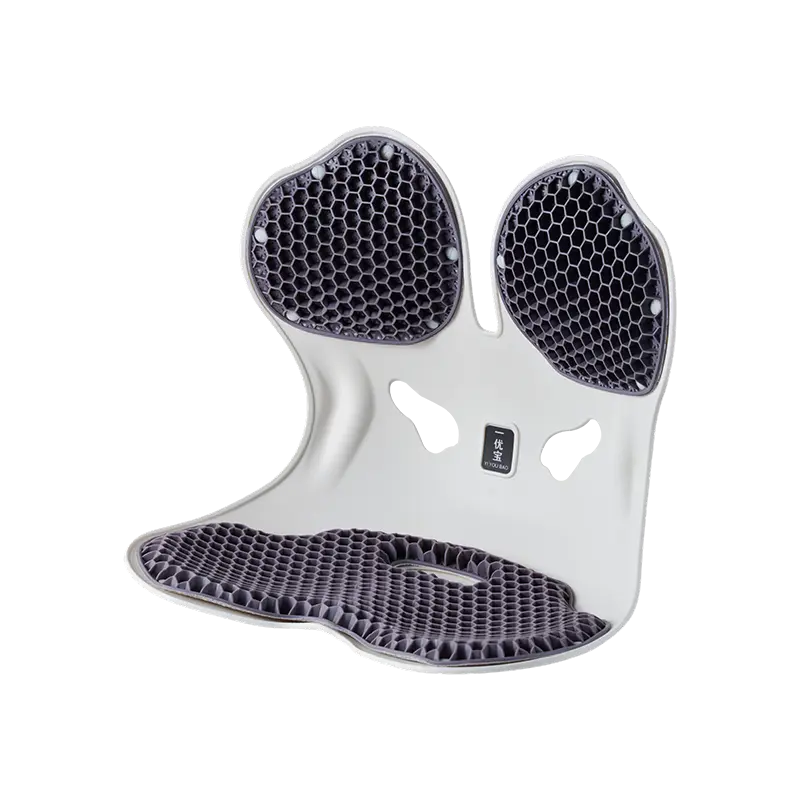
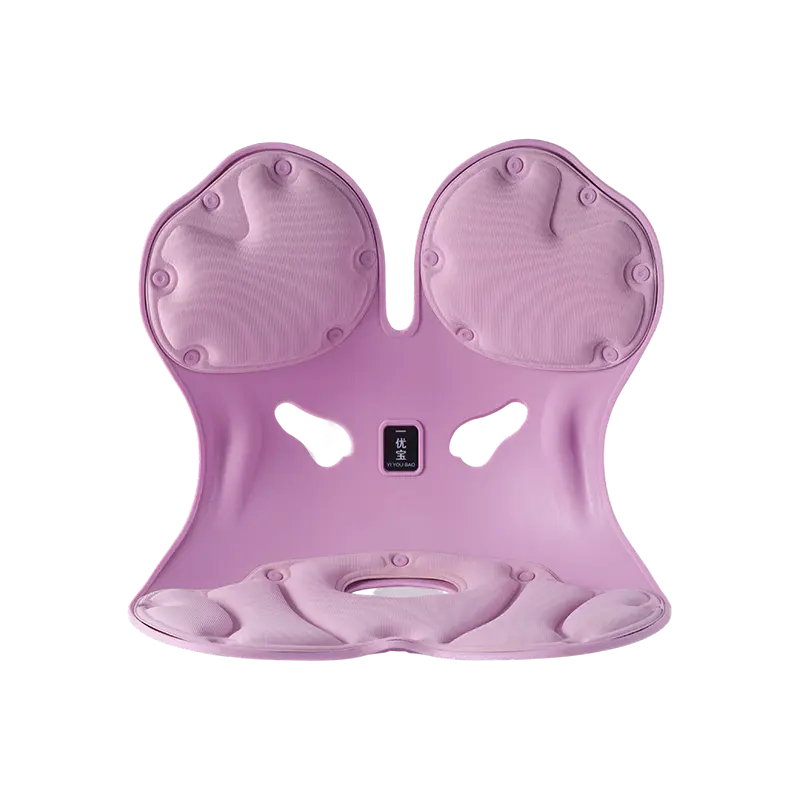
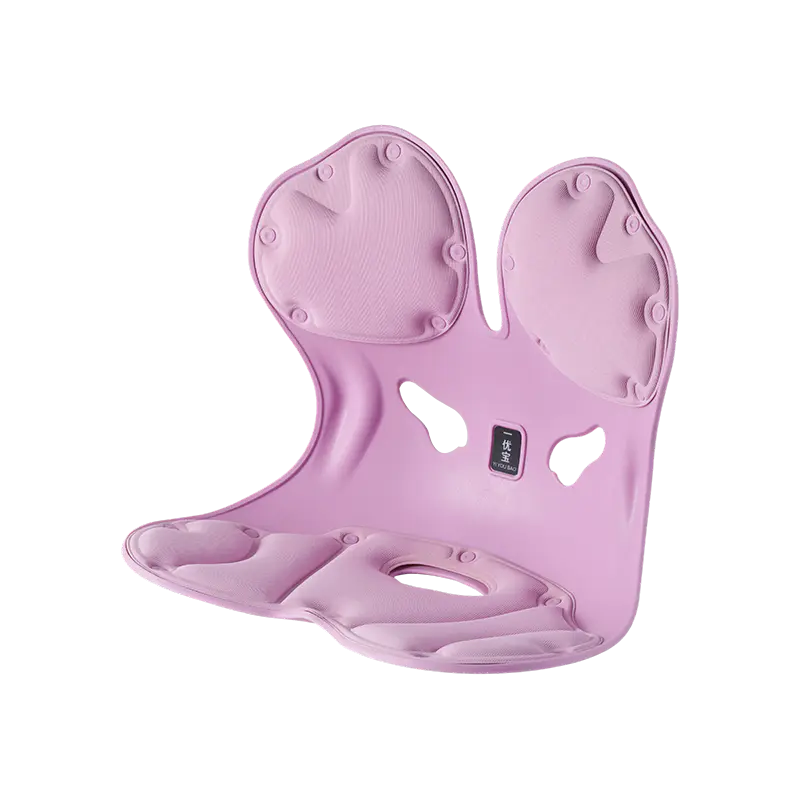
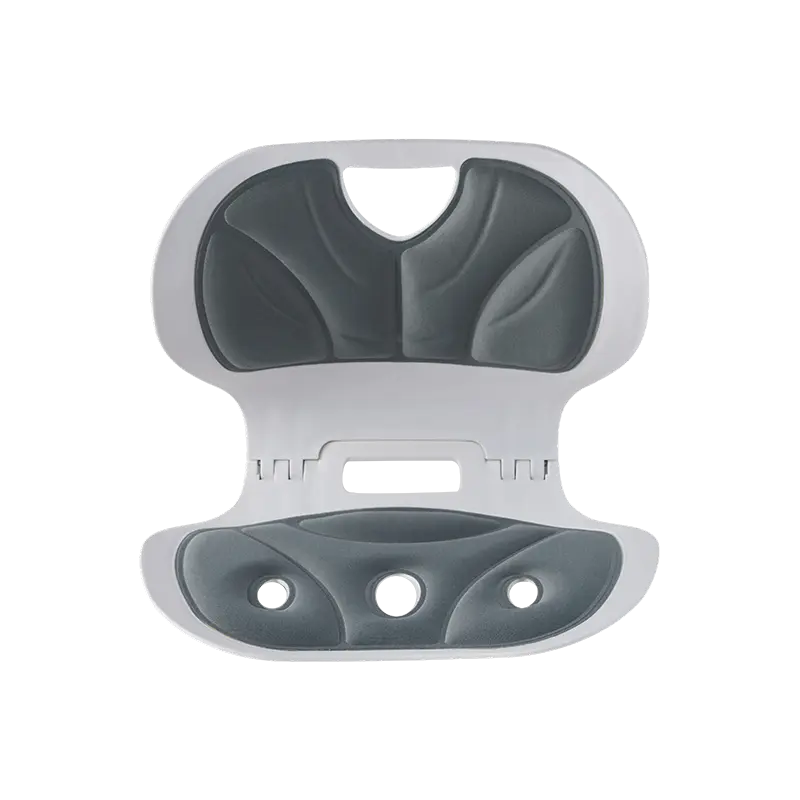
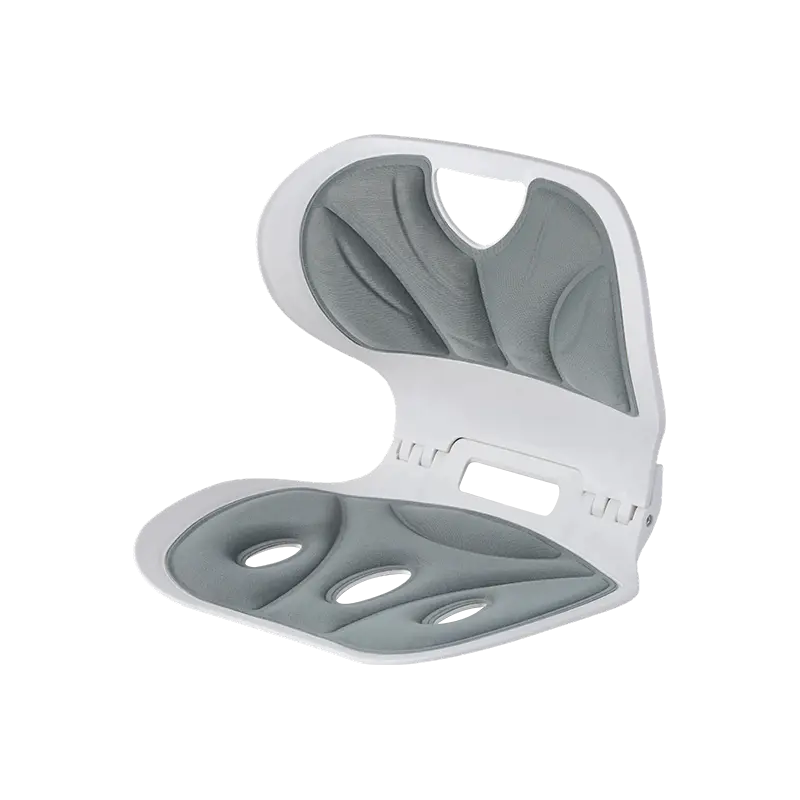
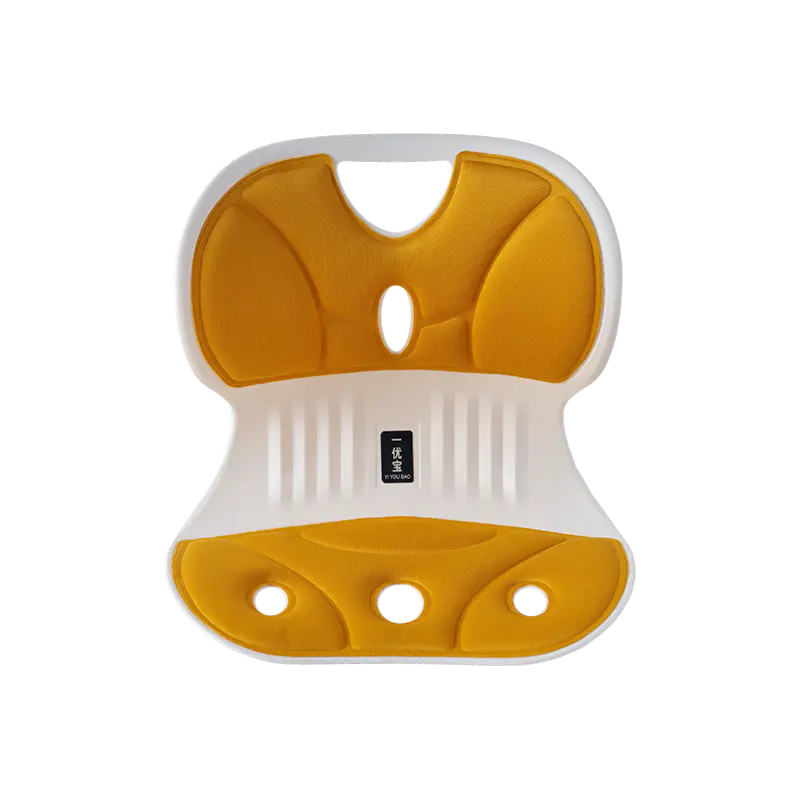
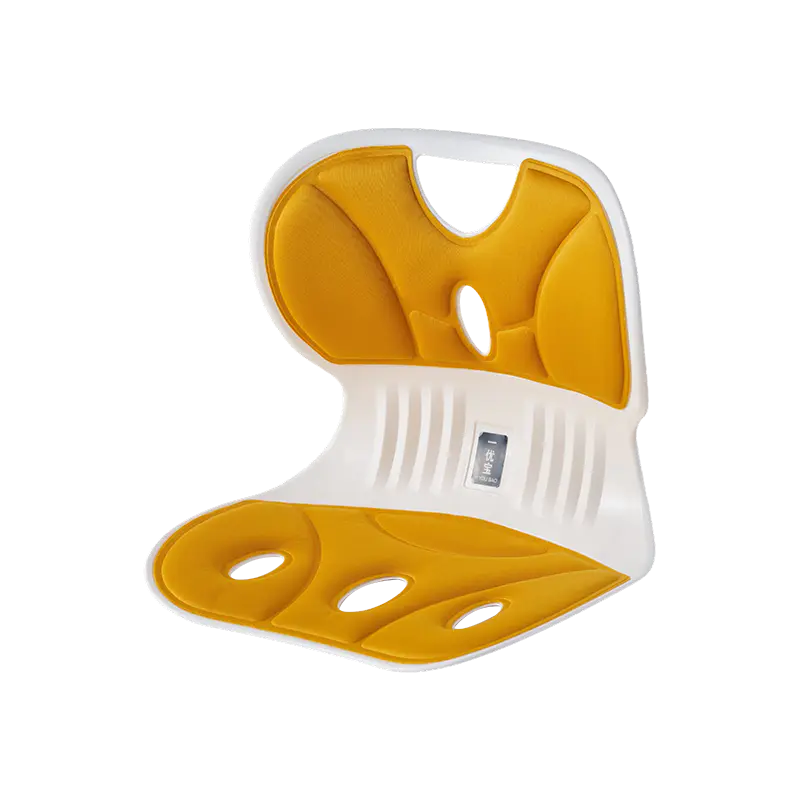
That dull ache creeping into the lower back around the third hour of sitting, the way shifting position every few minutes stops helping after a while, the stiffness that shows up standing up from a desk chair or stepping out of a car after a long drive, anyone dealing with this daily pattern already understands why a Lumbar Support Backrest keeps showing up in searches for a fix. It is not a dramatic injury. It is the slow accumulation of hours spent sitting without the lower spine getting the support it actually needs. For office managers, ergonomic product distributors, and procurement teams sourcing comfort solutions for workplaces or vehicles, understanding why this kind of support product works the way it does helps separate genuinely useful designs from items that just look supportive on a store shelf.
Why Does Sitting for Long Periods Strain the Lower Back?
The lower spine naturally curves inward, a shape that helps distribute weight evenly when standing or moving. Sitting flattens that curve, especially in chairs without proper contouring, which shifts pressure onto the lower vertebrae and surrounding muscles in a way the body was not really built to sustain for hours at a stretch. Over a full workday, that flattened posture compounds, and what starts as mild discomfort by midmorning can turn into genuine stiffness by evening.
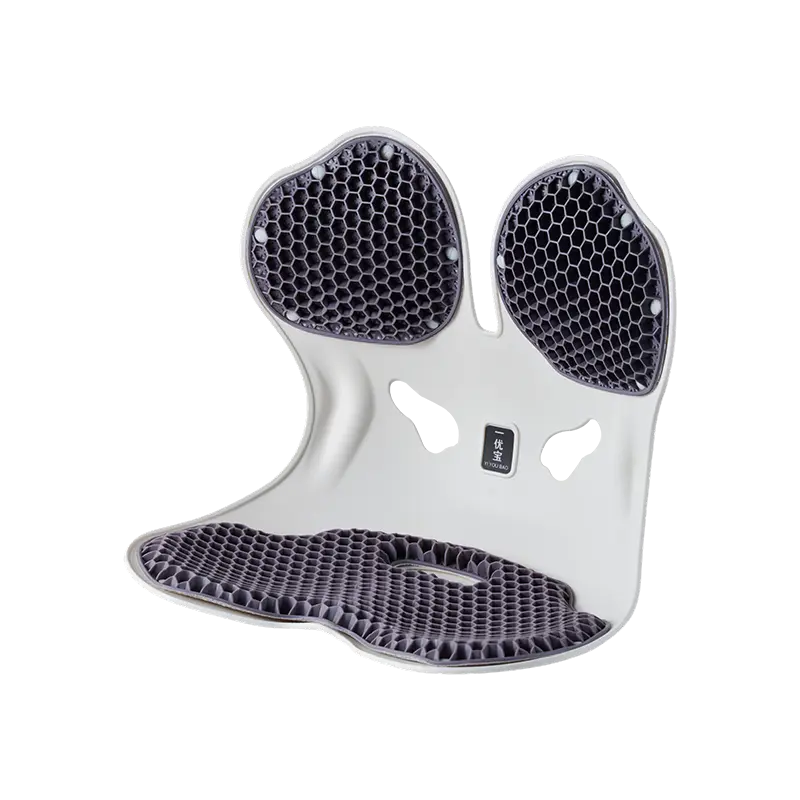
A backrest designed around lumbar support pushes back against that flattening, encouraging the spine to hold something closer to its natural curve even while seated. That single adjustment changes how weight distributes across the lower back, reducing the concentrated pressure that builds up during extended sitting.
Does Chair Quality Alone Solve This Problem?
Not always, even with a reasonably well designed office chair. Many chairs offer a general backrest shape that fits an average body type reasonably well but misses the mark for people who are taller, shorter, or simply built differently than whatever mannequin the chair was originally designed around. A dedicated lumbar support product fills that gap, adjusting to an individual's specific curve rather than asking the body to adapt to a one size fits all chair design.
How Does Ergonomic Design Actually Improve Daily Comfort?
Ergonomic design, at its core, means shaping a product around how the human body actually moves and holds weight, rather than forcing the body to conform to an arbitrary shape. Applied to a backrest, that means contouring the support to match the natural inward curve of the lower spine, positioning it at the height where most people carry tension, and using materials firm enough to hold shape without collapsing under sustained pressure.
Comfort here is not just about softness. A cushion that feels plush for the first ten minutes but flattens out under continued weight fails at the actual job, which is maintaining consistent support throughout a full sitting session, not just during the initial moment of contact.
What Settings Benefit Most From This Kind of Support?
Long sitting sessions show up in more places than a typical office desk, and each setting brings its own version of the same underlying problem.
- Office workstations, where employees often sit through back to back meetings and screen work without much movement break.
- Home office setups, which sometimes use less ergonomic seating than a corporate office originally provided.
- Vehicle seats, particularly for drivers covering long distances where factory seat support rarely holds up over extended trips.
- Classroom and study environments, where students spend hours in chairs that were never designed with posture in mind.
None of these settings are unusual or extreme. They represent ordinary daily routines that happen to involve far more continuous sitting than the human spine handles comfortably without some added support.
Comparing Different Lumbar Support Formats
Buyers researching this category quickly discover several product formats, each suited to slightly different needs.
| Support Type | Portability | Best Suited For | Adjustment Flexibility |
|---|---|---|---|
| Fixed Backrest Support | Low, stays mounted in one location | Office chairs, home desks | Limited, set position |
| Foldable Lumbar Support Cushion | High, compact for travel | Commuting, travel, car use | Moderate, adjustable straps |
| Memory Foam Contour Support | Low to moderate | Long sitting sessions requiring precise shape matching | Molds to individual body shape |
| Mesh Ventilated Support | Low to moderate | Warmer climates or long duration seated work | Moderate, breathable design |
Selecting between these formats usually comes down to how often the support needs to move between locations and how much shape customization matters for a given user. Someone splitting time between a car, an office, and travel benefits more from a foldable option, while someone anchored to a single desk chair might prefer a fixed or memory foam design that stays in place without needing daily setup.
Is a Foldable Design Really Practical for Regular Use?
It tends to be, particularly for people juggling multiple seating environments throughout a week. A Foldable Lumbar Support Cushion collapses down small enough to carry in a bag, move between a car and an office chair, or bring along during travel without adding meaningful bulk. The tradeoff usually involves slightly less rigid structure compared to a fixed mounted backrest, but for users who value flexibility across settings over maximum structural firmness, that tradeoff tends to work in their favor.
Steps for Choosing the Right Support Product
A few practical steps help narrow down options before committing to a purchase or a bulk order.
- Identify where most sitting time actually happens, whether that is a stationary desk, a vehicle, or a mix of locations throughout the week.
- Consider portability needs, favoring foldable designs for anyone moving between multiple seating environments regularly.
- Check adjustability, since a support that straps or clips into position tends to hold up better than one that shifts or slides during regular movement.
- Evaluate material firmness, balancing initial comfort against how well the material holds shape under sustained pressure over hours.
- Test fit against actual chair or seat dimensions, since a support built for one seat shape may sit awkwardly in a differently contoured chair.
Skipping these considerations tends to result in a product that feels supportive during a brief test sit but underperforms once it faces a full workday or a long commute.
Bringing Daily Comfort Into Focus
Lower back discomfort tied to long sitting hours rarely resolves on its own, and the fix usually has less to do with willpower or occasional stretching breaks than with the actual support structure holding up the spine during those seated hours. A well designed Lumbar Support Backrest addresses that gap directly, encouraging a healthier seated posture across office chairs, vehicle seats, and home workstations alike, while formats like the foldable cushion extend that same benefit to people who move between multiple seating environments throughout their week. Yongkang Yiyoubao Technology Co., Ltd. works with distributors and procurement teams sourcing ergonomic comfort products for workplaces, vehicles, and retail markets, and sharing your target user environments and preferred product formats is a practical way to start narrowing down the right lumbar support option for your customers.
 Previous