English
 中文简体

Industry News
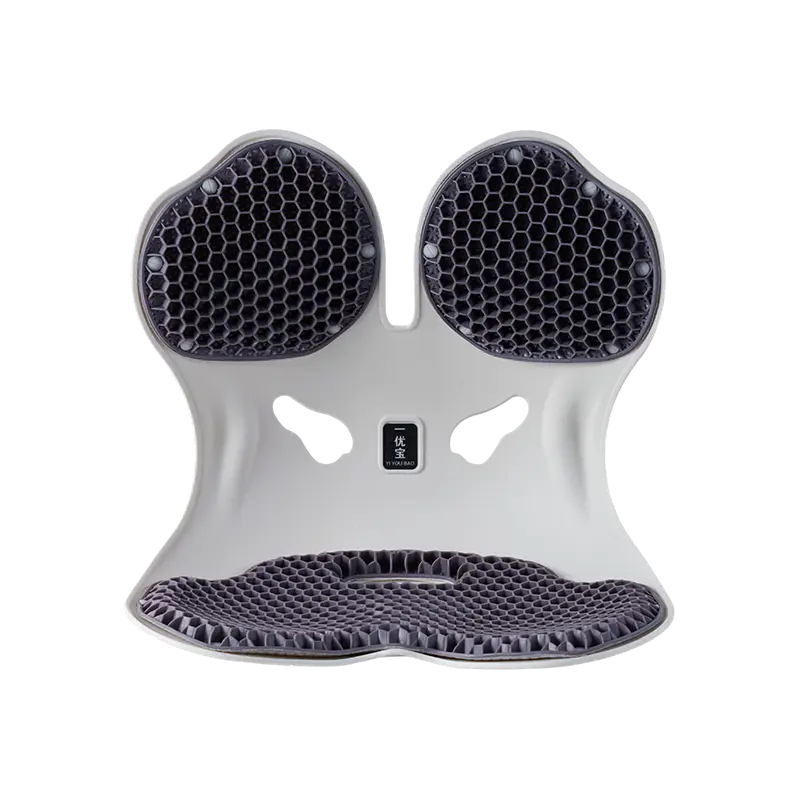
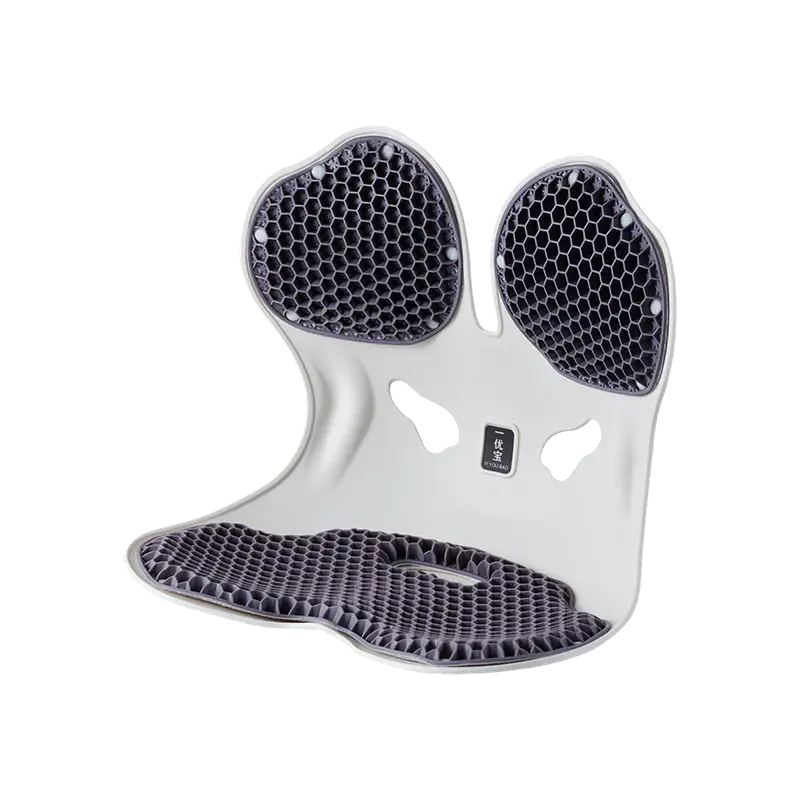
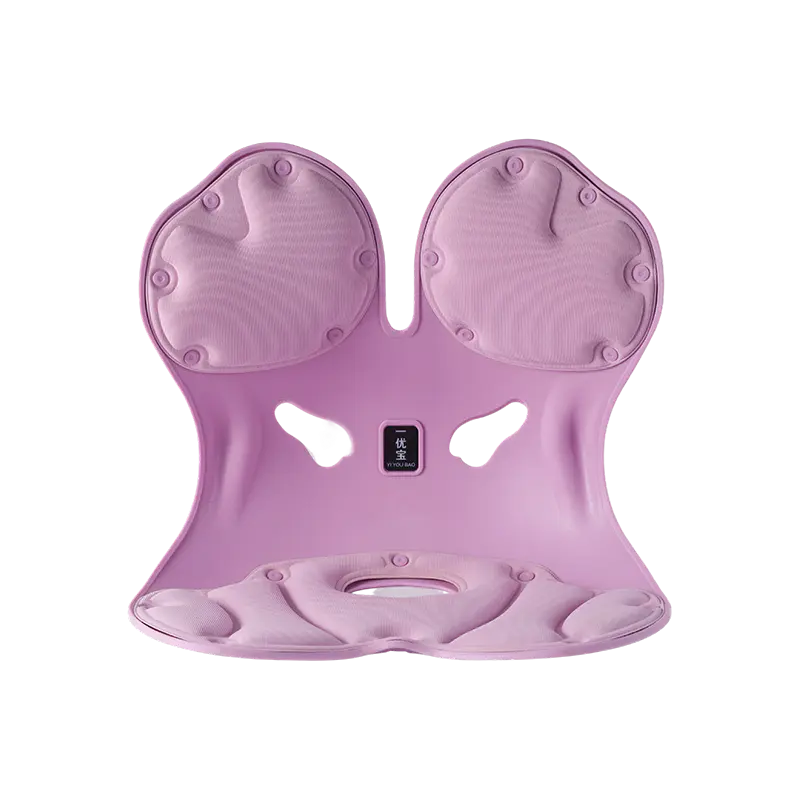
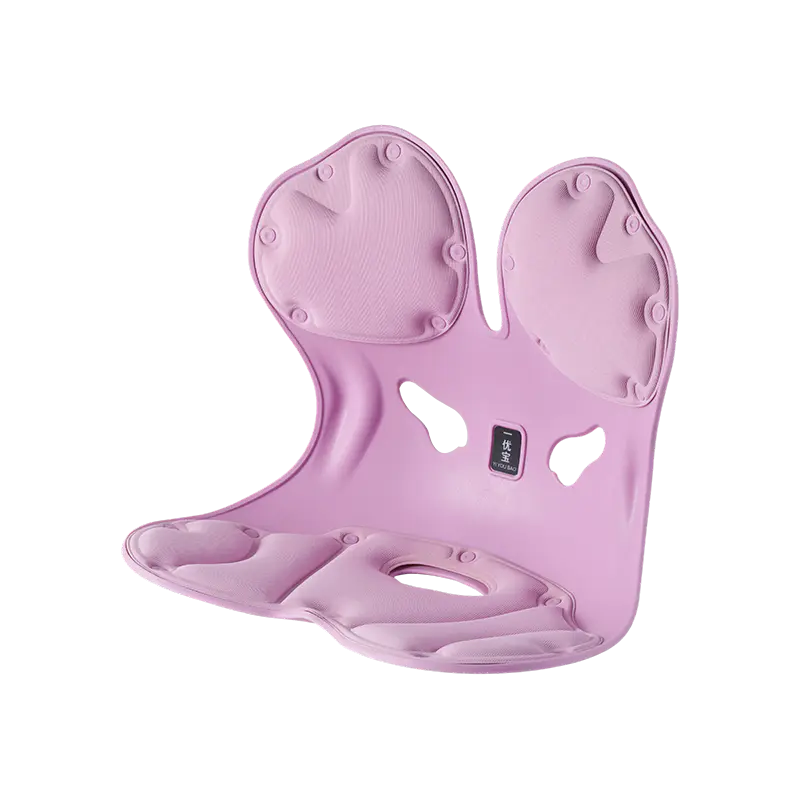
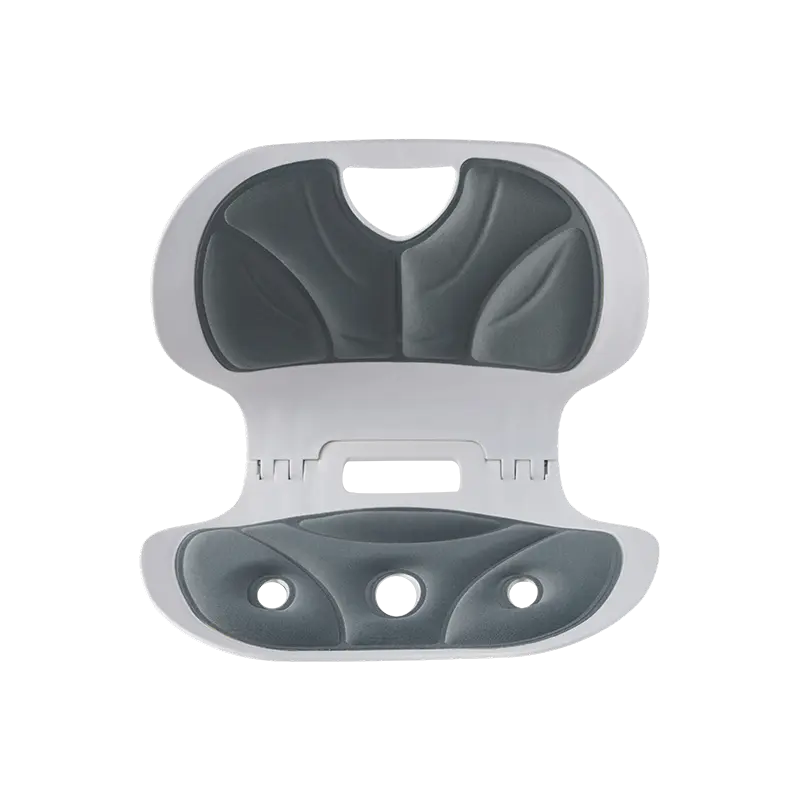
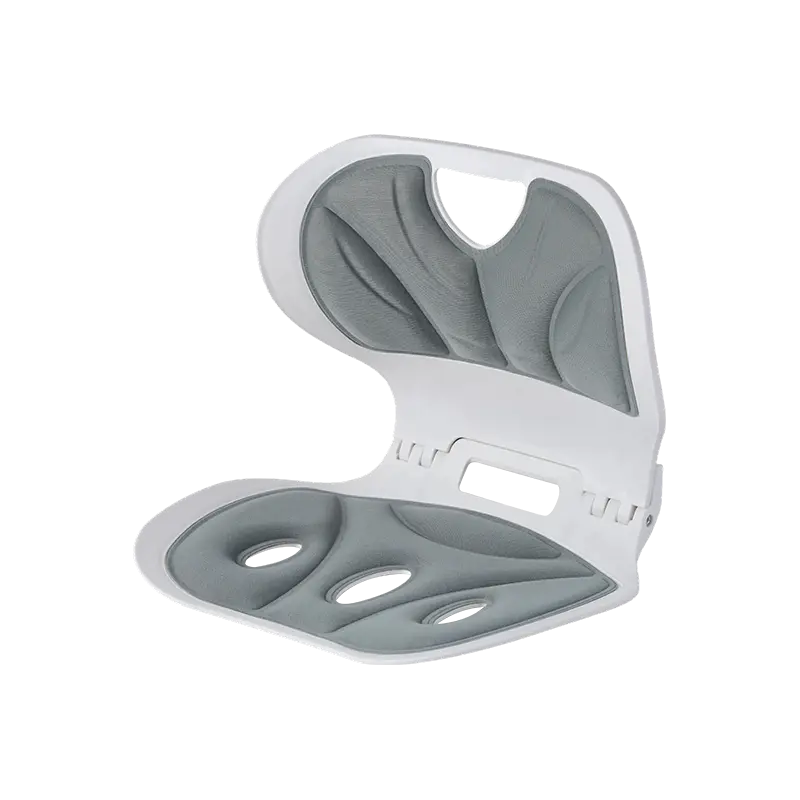
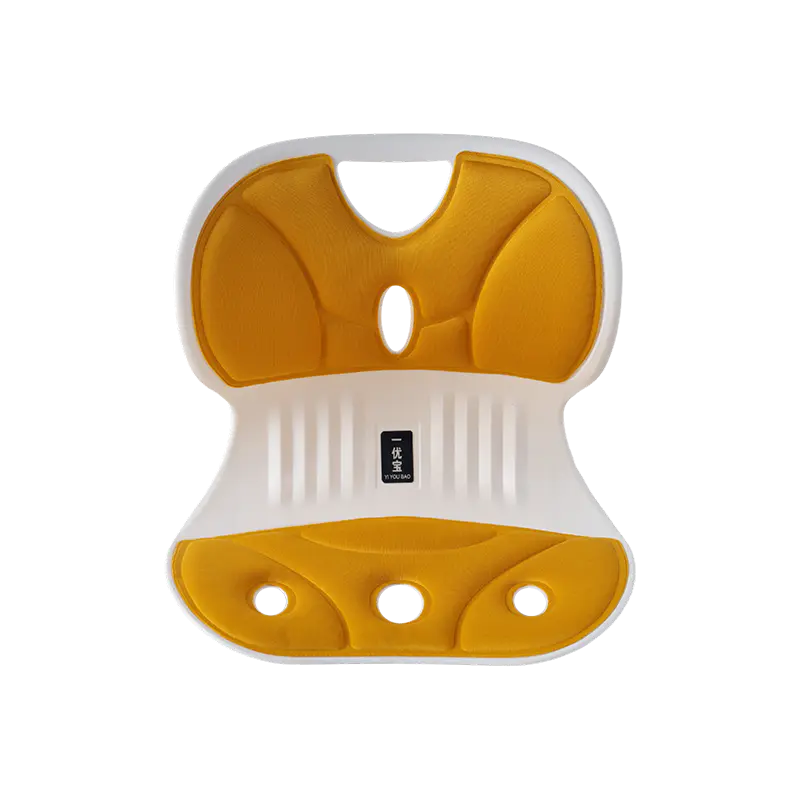
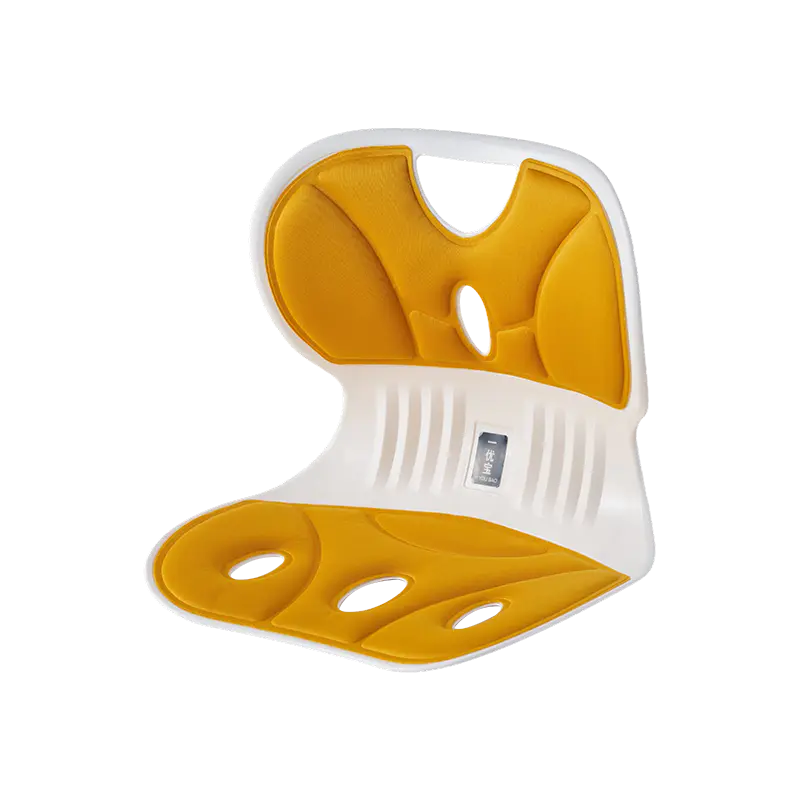
Fixed support is a built-in shape that stays in one position. It may be molded into the chair back or sewn into a separate cushion. The curve meets the lower back when the user sits in the intended posture, and nothing needs to be set before sitting down.
That simplicity suits places where many people use the same chair, such as a reception area, a classroom, or a waiting room. It also suits products designed around one seat shape.
| Feature | Fixed Support |
|---|---|
| Position | Stays in a set location |
| Operation | Little or no adjustment |
| Structure | Often built into the chair or cushion |
| Experience | Consistent contact |
| Design focus | Shape, placement, firmness |
The drawback is fit. Torso length, seat depth, and sitting habits differ from person to person. A curve that suits one user may sit too high for a shorter person, and that person may end up slouching to find contact. Makers should develop the shape together with seat depth, backrest angle, and the expected user group, instead of treating it as a separate part.
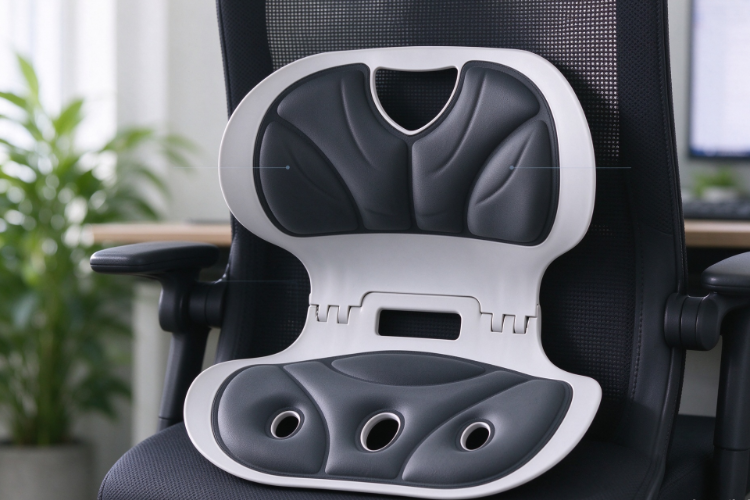
How Does Adjustable Support Give Users More Control?
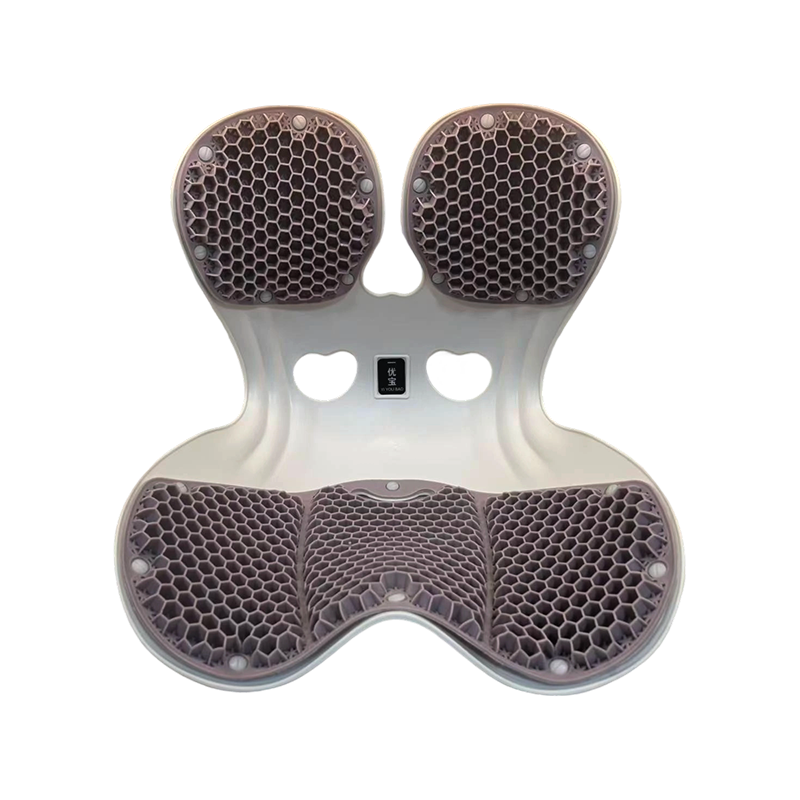
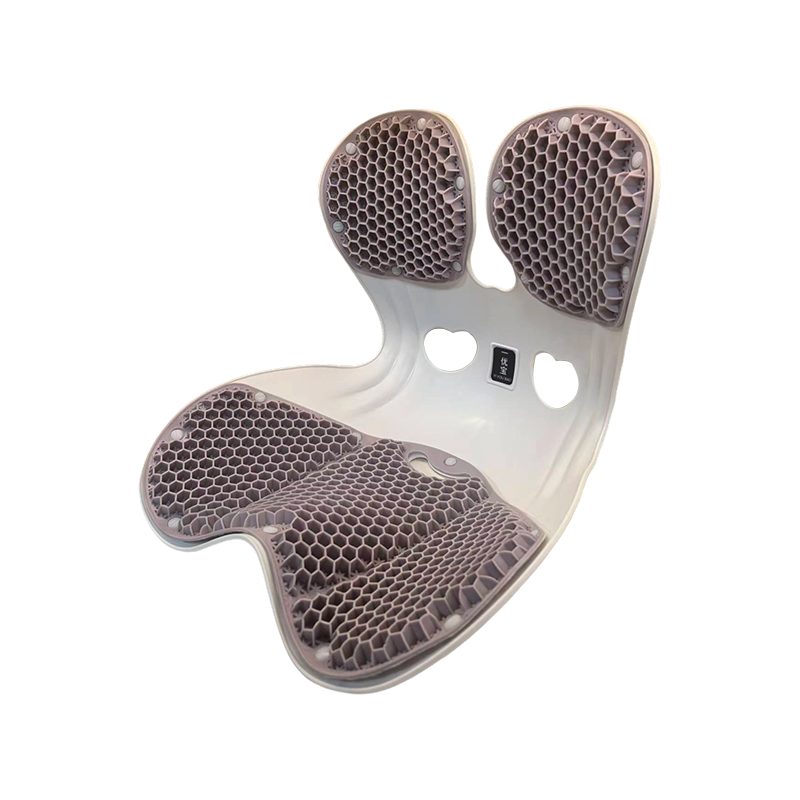
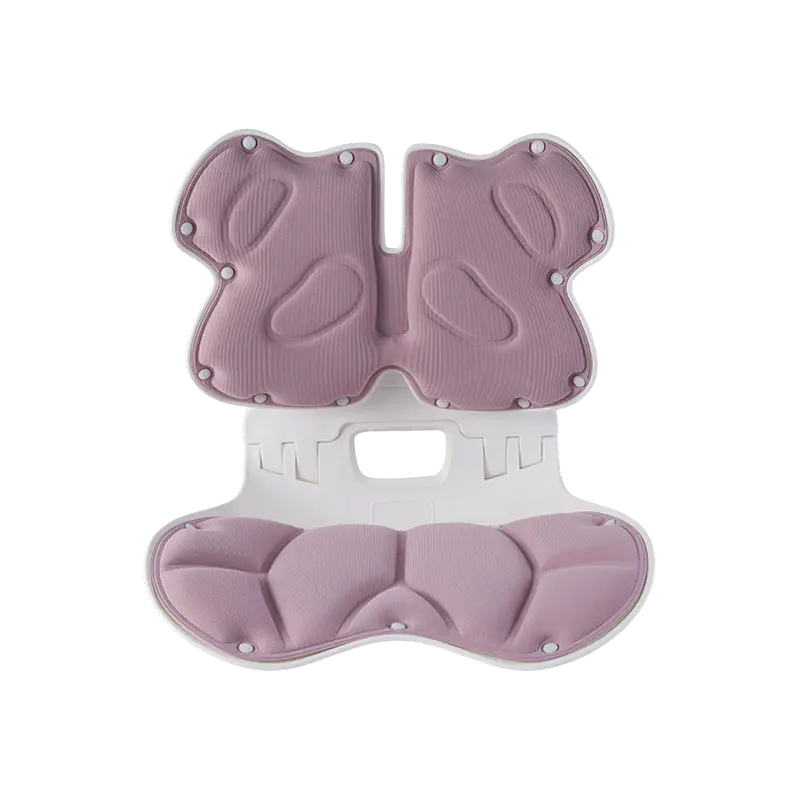
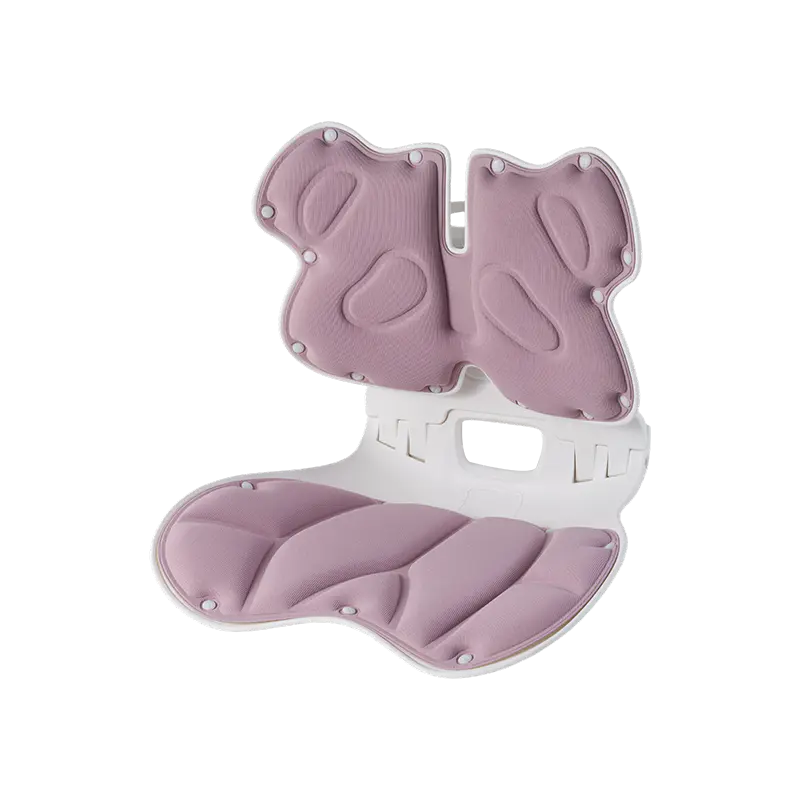
Adjustable support lets the user change where the support touches the back. The mechanism may be a sliding section, a movable panel, a strap arrangement, or a cushion that can be repositioned along the backrest.
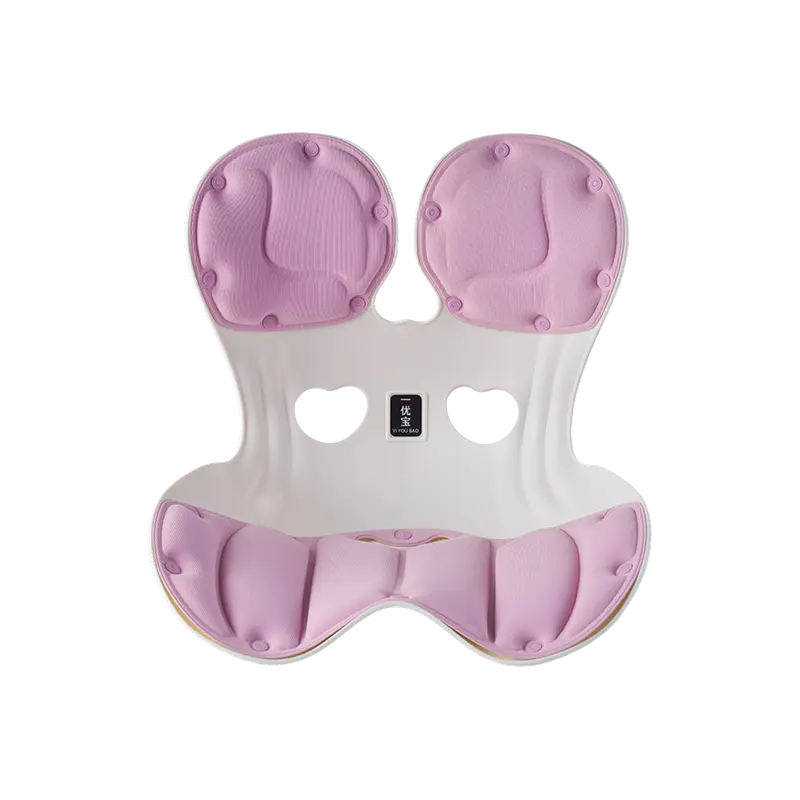
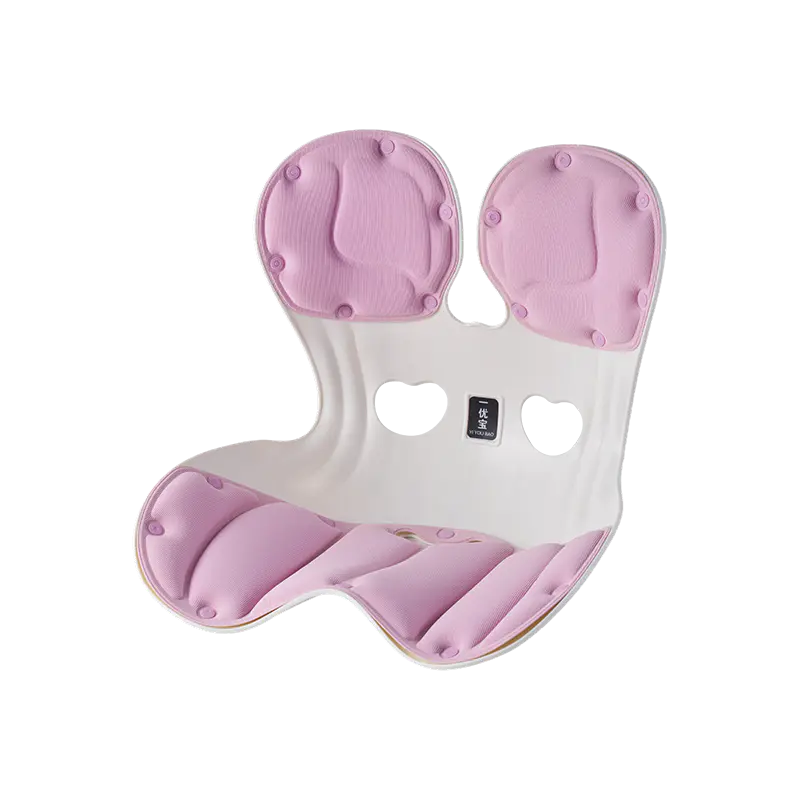
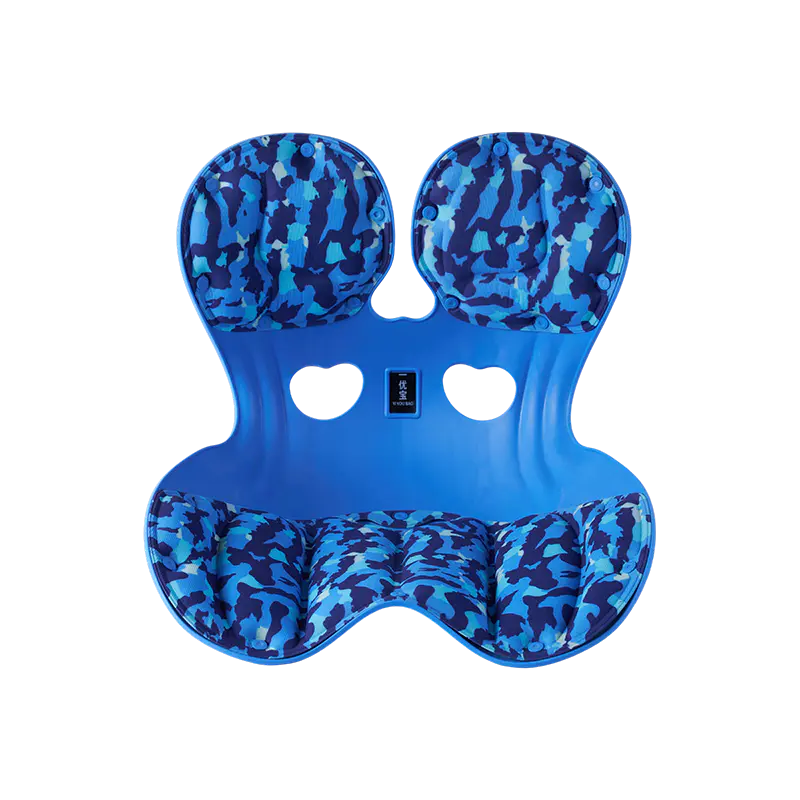
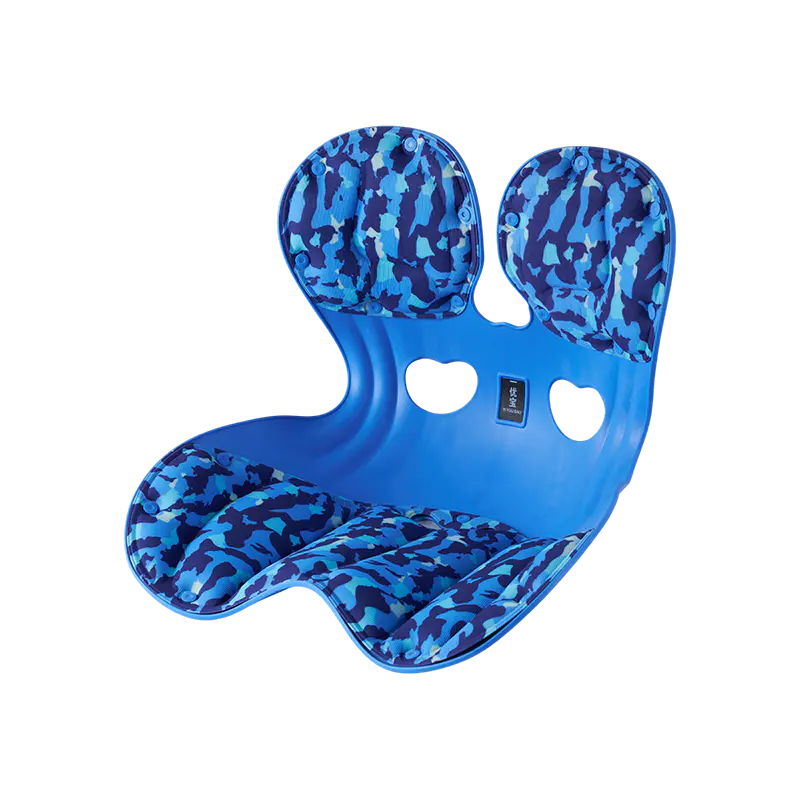
This helps when one chair is shared by people with different builds, or when one person changes posture across the day. Someone who works at a standing desk in the morning and sits in the afternoon may want the support in a different place each time. An Adjustable Lumbar Support Cushion offers this flexibility as an accessory that can move between chairs, including office chairs, dining chairs, and car seats.
Practical advantages include:
- Position choice: the support can be placed where it feels right
- Personal preference: contact area and firmness can be tuned
- Flexible use: the product can suit different chairs
- Shared seating: each person sets their own position
- Changing routines: the support can move as habits change
There are trade-offs. Adjustment adds parts, and more parts mean more points that can loosen or wear. Controls that are hard to reach become an annoyance, and a support that slips during use interrupts the seating experience. Clear instructions help, covering what can be adjusted, how to adjust it, and how to return to the starting position.
What Makes Dynamic Support Different?
Dynamic support responds to movement. People rarely hold one position through a long session. They lean back during a phone call, lean forward to read a screen, and twist to reach a drawer. A dynamic structure uses flexible sections or movable elements that follow these changes, so the user does not stop to readjust.
| Feature | Dynamic Support |
|---|---|
| Behavior | Changes with body movement |
| User interaction | Little manual adjustment |
| Structure | Flexible or movable elements |
| Experience | Adapts to posture changes |
| Design focus | Movement, contact, response |
Not everyone likes this. Some users prefer steady contact and find movement distracting, while others want direct control over placement. The motion should feel controlled instead of loose, and the structure should return to a suitable position after the user shifts. Makers need to consider where pressure is applied and how the support behaves after repeated use.
How Do the Three Structures Compare?
Fixed support offers consistency, adjustable support offers placement control, and dynamic support offers response to movement. These differences affect product complexity, user effort, and the environments each design suits.
| Area | Fixed | Adjustable | Dynamic |
|---|---|---|---|
| Position | Set location | Changed manually | Follows movement |
| User control | Limited | Direct | Depends on design |
| Structure | Simple | Includes adjusting features | Flexible or movable parts |
| Operation | Almost none | User adjusts | Responds while sitting |
| Main benefit | Steady contact | Personal positioning | Accommodates movement |
| Main trade-off | Less adaptable | More parts to operate | Movement may not suit all |
The categories can overlap. A product may combine a stable base with a movable section, or a flexible structure that can also be repositioned by hand. Labels alone can mislead, since two products sold as adjustable may offer very different ranges, and dynamic designs vary in how they respond. Comparing the complete seating experience gives a clearer picture.
Which Structure Suits Different Seating Environments?
A personal office chair is used for long stretches, and posture changes through the day. Adjustable or dynamic support fits well here. A shared workspace sees many users with different preferences, so adjustment before sitting down helps, though fixed support can work when the chair serves a defined group and simple operation matters.
Vehicle seats bring other limits. Space is tight, the seat shape is set, and the driver cannot fiddle with controls while moving. A cushion there should fit the seat without interfering with belts or movement, and it must stay stable.
| Environment | Design Consideration |
|---|---|
| Personal office | Individual adjustment, regular comfort |
| Shared workspace | Easy operation for different users |
| Vehicle | Fit, stability, limited space |
| Home seating | Compatibility with different chairs |
| Public seating | Simple use, little adjustment |
These are general considerations, not rules. A well-shaped product can suit several settings. Makers should also think about installation and removal, since a separate cushion needs a strap or another attachment, while an integrated design needs controls built into the backrest.
What Should Buyers Check Before Choosing an Adjustable Lumbar Support Cushion?
An adjustment feature on the label does not guarantee a good fit. Size comes first. A cushion that is too large takes up seat space, and one that is too small fails to make contact. Thickness changes how far the user sits from the backrest, which can affect leg position and desk reach.
Attachment matters next. Straps hold the cushion firmly across different chairs, while a friction surface suits chairs that stay the same. Buyers can review:
- Chair compatibility: does it fit the seat and backrest?
- Adjustment method: are the controls clear and reachable?
- Position stability: does the support stay where it is placed?
- Surface material: how does it feel, breathe, and clean?
- Cushion shape: how does it touch the lower back?
- Attachment design: does it stay put during normal sitting?
- Care instructions: how are the cover and filling maintained?
The product description should explain what moves and in which direction, for example vertically along the backrest or by repositioning the whole cushion. Clear details help individual customers and wholesale buyers compare designs and match them to their market.
How Do Materials and Construction Affect the Experience?
Structure decides how the support moves, while materials decide how it feels. A cover with a soft texture suits short sessions, while a breathable fabric helps during long hours or in warm rooms. Ease of cleaning matters for shared or vehicle use.
The filling controls how the cushion responds under pressure. Firmer material holds a defined shape, and softer material compresses and conforms. The material should match the concept: fixed support must keep its form, adjustable designs need materials that work with moving parts, and dynamic designs need controlled flexibility without wobbling.
Construction ties the parts together. Makers can check whether the cover fits the inner structure, whether seams stay comfortable, whether adjusting parts move as intended, whether attachment points hold, and whether the cushion keeps its shape after cleaning. A support cushion is a complete product, so cover, filling, and attachment need to work as one.
How Can Manufacturers Develop Products for Different Users?
Development begins with the user and the seat. A design for a home office needs a different balance of adjustment and simplicity from one for shared seating. Makers can first decide the purpose: steady contact, user repositioning, or response to posture.
Operation deserves attention. Controls should be easy to find, and movement should feel clear and repeatable. Dynamic designs need motion that follows ordinary posture changes without feeling unstable. Fixed designs need a shape suited to the intended sitting position. Adjustable designs need a range that matches expected users.
| Development Area | Main Question |
|---|---|
| User needs | Who uses it, and where? |
| Support structure | Fixed, manual, or responsive? |
| Materials | Do they suit the structure? |
| Product fit | Does it work with the target chair? |
| User operation | Is it easy to understand? |
| Care | Can it be cleaned in ordinary ways? |
| Inspection | Do finished units match the approved design? |
Testing feedback guides changes to shape, material, or mechanism, and users often comment on contact position, ease of operation, surface feel, and behavior during movement. Product descriptions should state the structure and intended use plainly, without suggesting that one support type suits every person or that a cushion replaces a well-designed chair.
 Previous