English
 中文简体

Industry News
Sit down in an office chair at nine in the morning and nearly any cushion feels fine. By mid-afternoon the story changes. A soft pad may have flattened behind your back, and a firm one may press on a spot you did not notice earlier. A Waist Support Cushion earns its place through how it behaves over hours of sitting, so softness is only part of the choice. Body shape, sitting habits, chair design, and construction all decide which feel works for you.
Soft and Firm: What Actually Differs
A soft cushion compresses easily under pressure. It gives a gentle, yielding contact surface and adapts to small differences in body shape. People who dislike a rigid backrest often reach for this type first.
A firm cushion resists compression and keeps more of its shape when you lean on it. It offers a clearer point of contact at the lower back. Some users like that it does not sink when they settle in.
| Type | General Feel | Advantage | Point to Check |
|---|---|---|---|
| Soft | Gentle and yielding | Cushioned contact surface | May compress more than you like |
| Medium-firm | Balanced | Some give with shape retention | Feel depends on material and design |
| Firm | Stable, less yielding | Defined support shape | Can feel hard if it creates pressure |
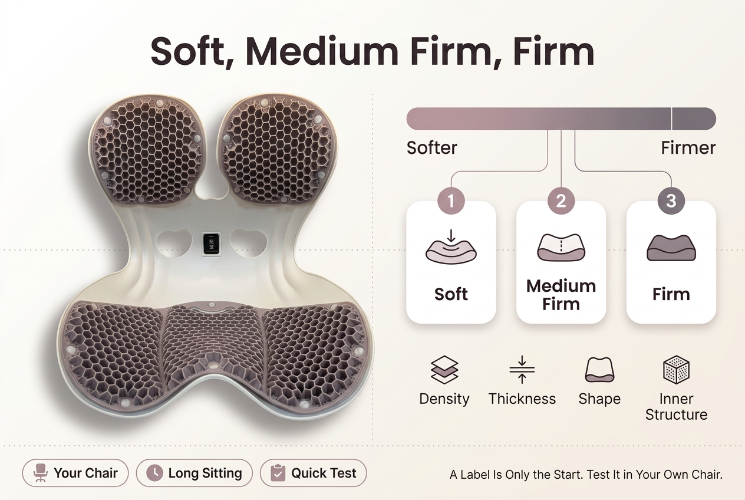
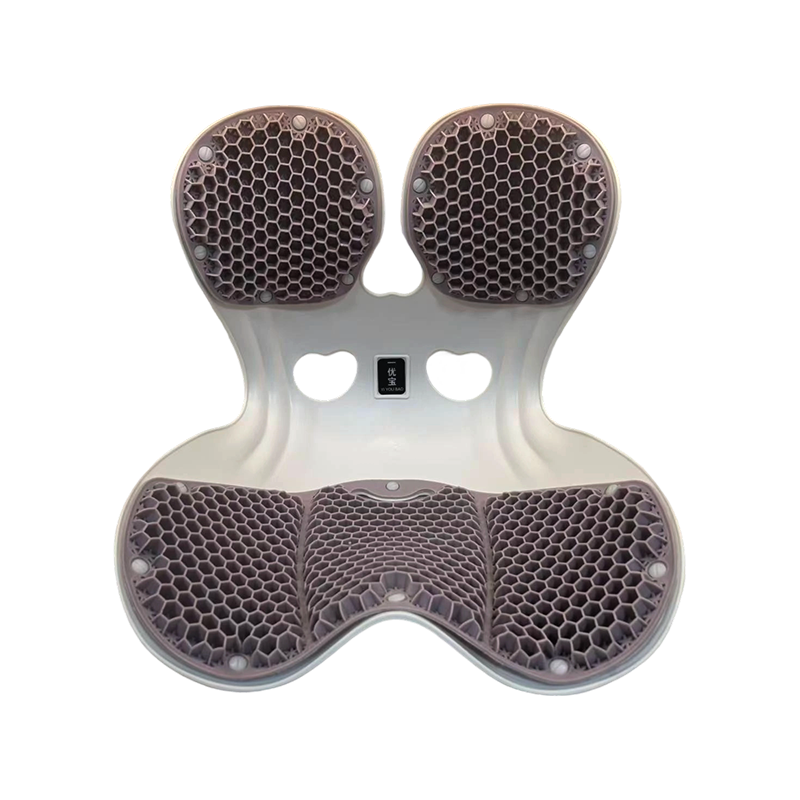
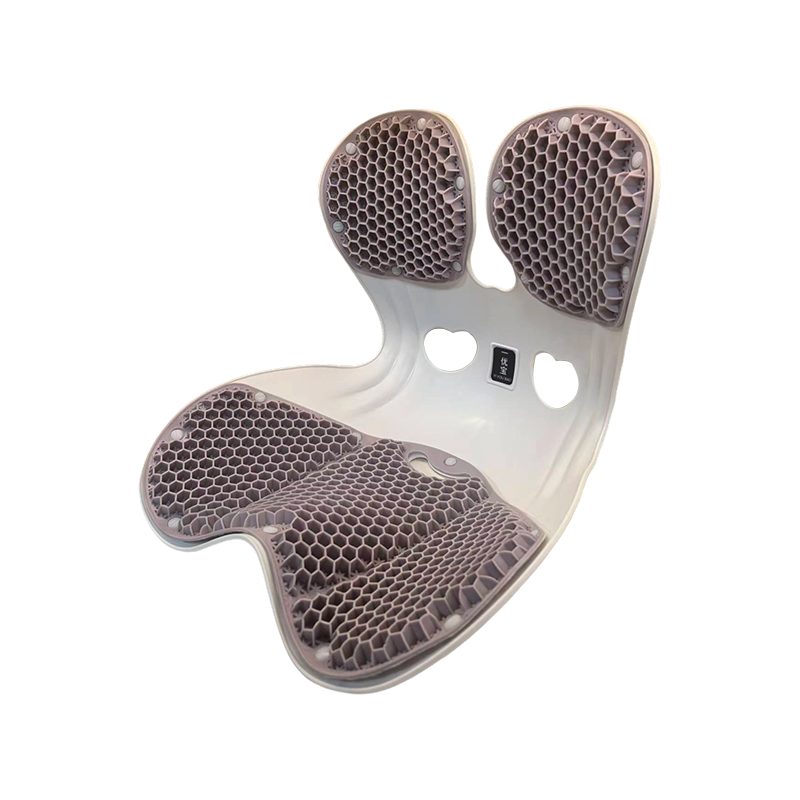
A label does not tell the full story. Density, thickness, shape, and internal construction change how a cushion behaves, so two products both called soft can feel quite different. Surface softness also differs from internal support. A cushion may have a plush outer layer over a sturdier core, which gives a comfortable touch without collapsing under body weight.
Can a Soft Cushion Support Enough?
A soft cushion feels welcoming, especially on a chair with thin padding. After a long stretch at a desk, a gentle surface can ease the sense of leaning on a hard backrest. It also spreads contact over a wider area instead of pressing on one narrow band.
The risk is sinking. If the material flattens too much, the lower back gets uneven support, and the cushion may slide out of place when you shift. A short trial can hide this, because a pad that feels pleasant at first may compress unevenly after an hour.
When testing a soft Waist Support Cushion, notice a few things:
- Does it hold a useful shape when you lean back?
- Does it compress evenly across its surface?
- Does it stay put as you move?
- Does it still feel supportive after sitting for a while?
These checks tell you more than the word "soft" on a package.
When a Firm Cushion Fits Better
Firm designs suit people who find soft seating too vague. On a chair with a flat or oddly shaped backrest, a firm cushion can fill the gap behind the waist and give a steady contact area. Some users also notice more easily when they slide away from their usual sitting position, because the cushion gives a clear reference point. It does not control posture, but it makes the position easier to feel.
Limits exist. A cushion that is too hard for you can press around the waist, especially if its curve does not match your back. Firm should not mean rigid. The material still needs to respond to movement and offer some comfort.
Check whether the shape follows your lower-back curve, and look at height and thickness. A cushion that pushes your body forward changes how you meet the seat and backrest, and that can feel worse than no cushion.
Body Shape, Habits, and Chair Design
No two people sit the same way. A pronounced lower-back curve may suit a cushion that fills the space without pushing hard. A flatter back may find the same cushion intrusive.
Daily routine matters too:
- Long desk hours: The cushion should stay comfortable during extended sitting and avoid forcing an unnatural position. A medium-firm design can balance cushioning with shape retention.
- Short sitting periods: A softer cushion often feels fine for occasional use, particularly on a lightly padded chair.
- Frequent position changes: Look for a stable outer shape and a surface that does not slip.
- Different chairs at home and work: A portable design helps, provided its size fits each chair.
The chair has its own say. A deep office chair with a curved back interacts differently with a cushion than a flat dining chair or a car seat. Test in the seat you use most, in your normal posture, not for a moment in a shop.
Material, Shape, and Thickness
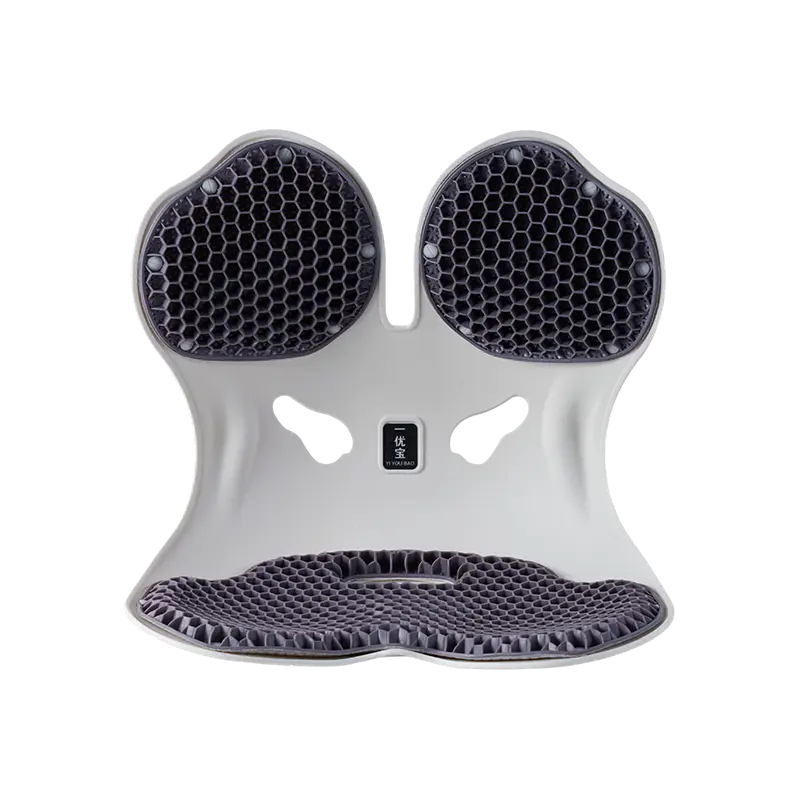
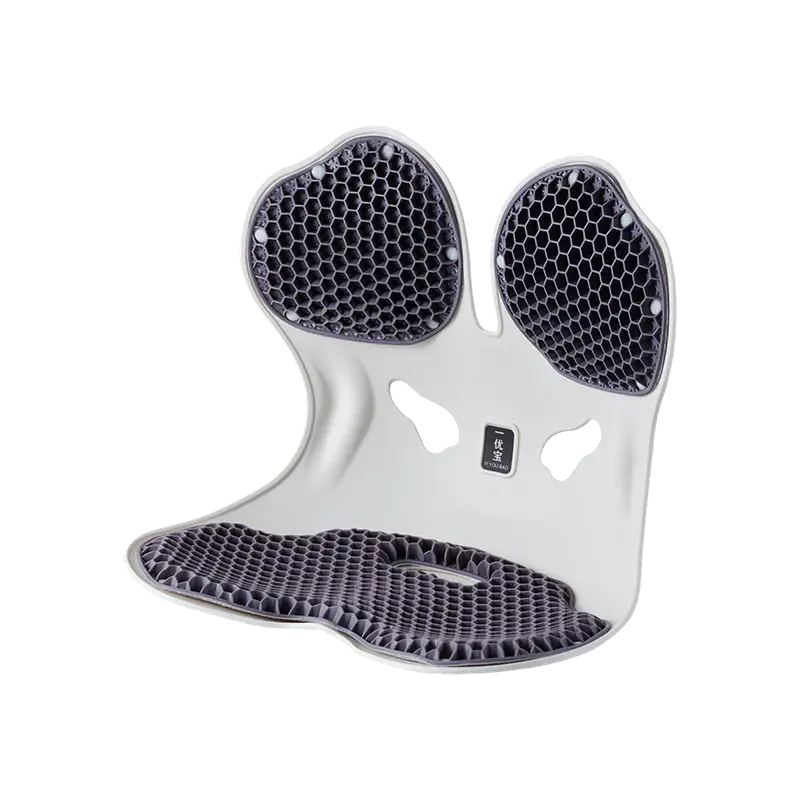
Material controls how fast a cushion compresses and how well it recovers. Foam comes in many densities, from flexible to stable. Memory foam responds to warmth and pressure and gradually adapts to your shape, which some people enjoy and others find slow when they move. Layered builds pair a soft top with a firmer base, a middle path for those who want neither extreme.
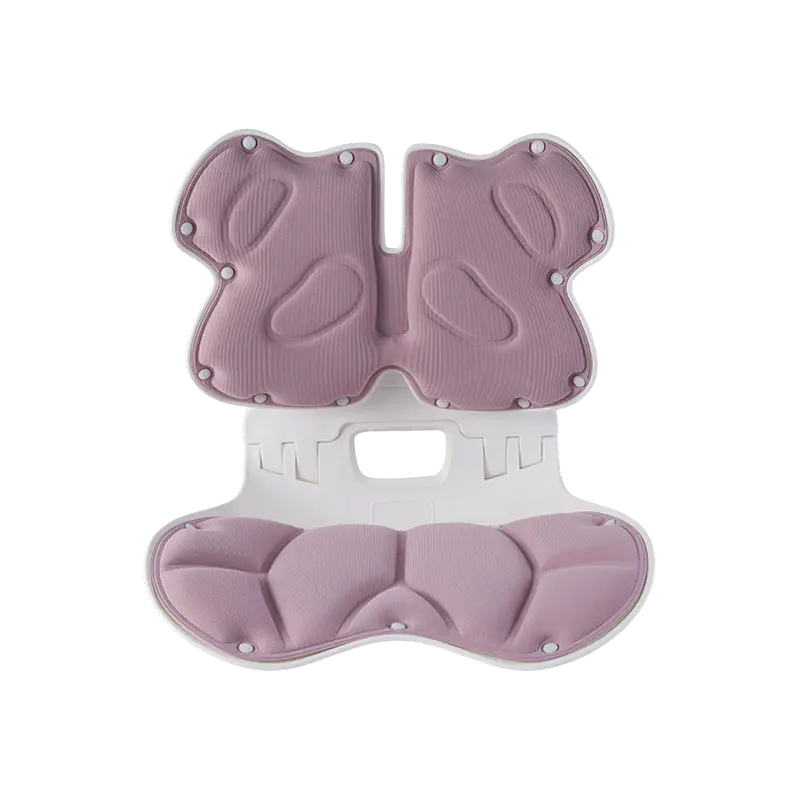
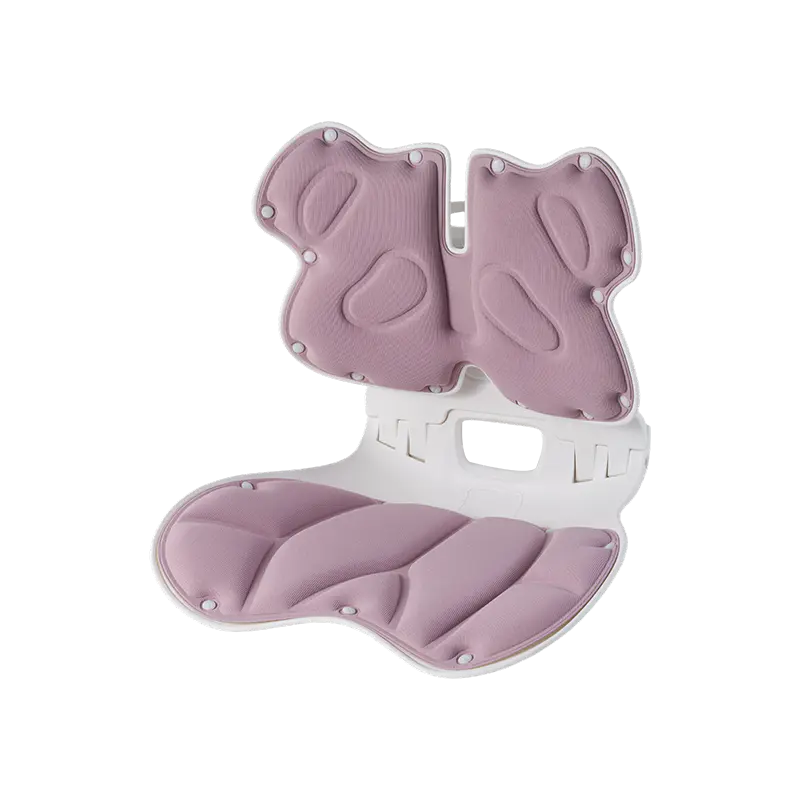
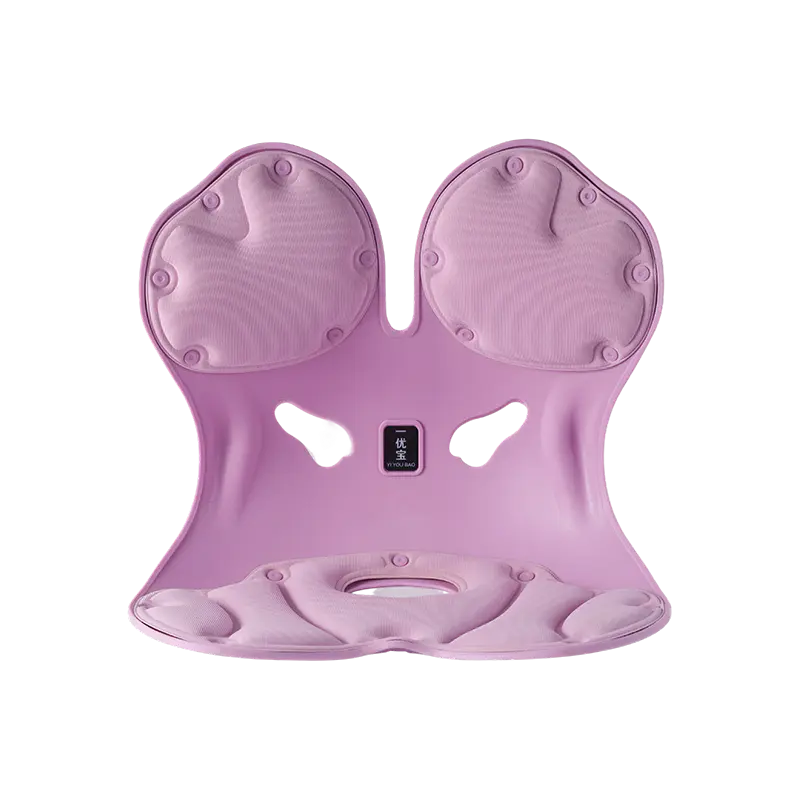
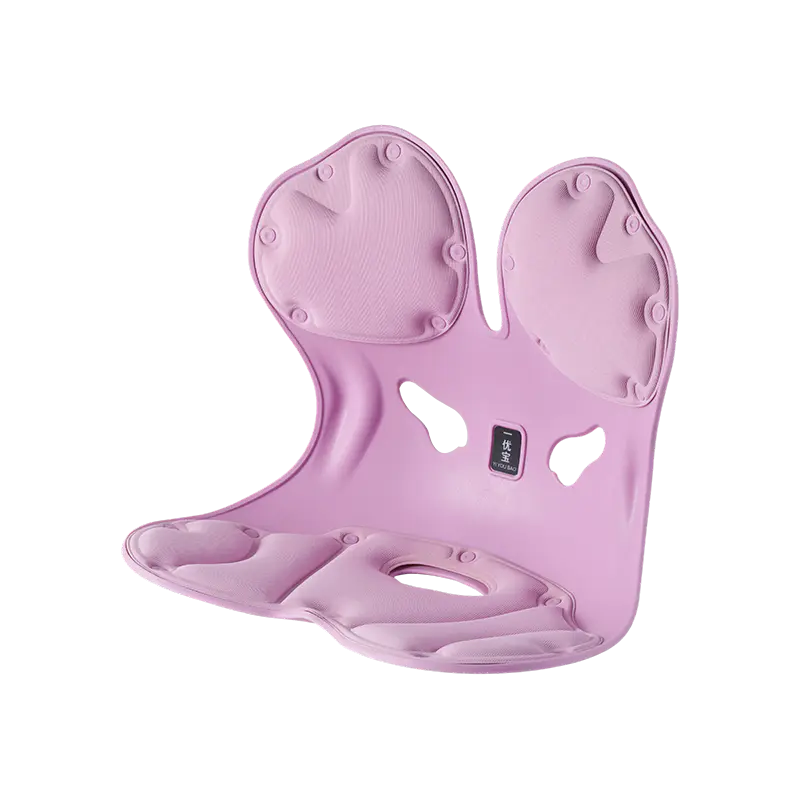
Material names alone mislead, since construction varies within the same category. The cover matters as well. Breathable fabric helps in warm rooms, smooth fabric wipes clean easily, and a removable cover simplifies care.
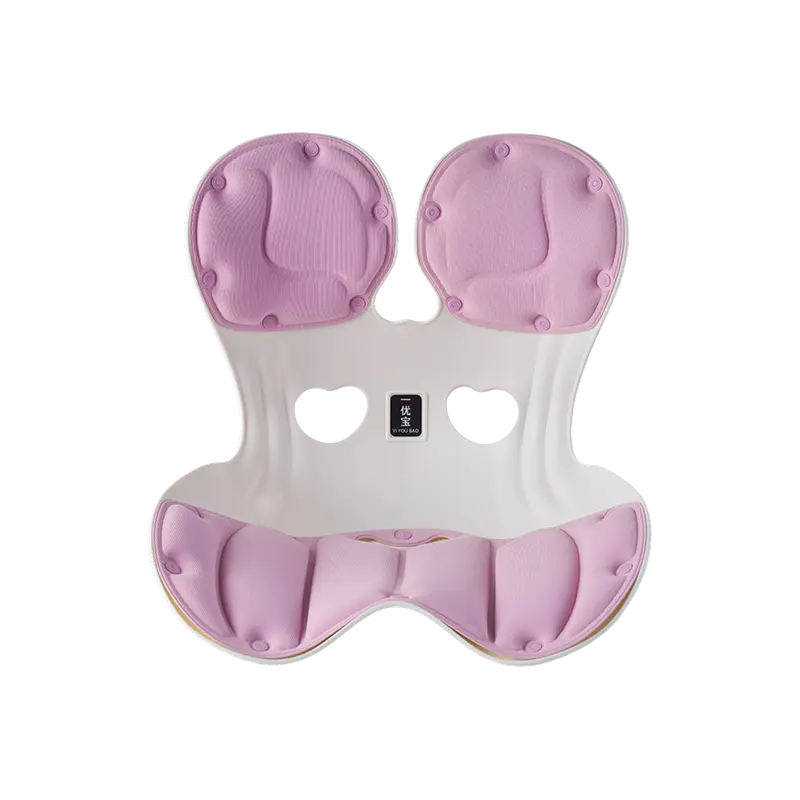
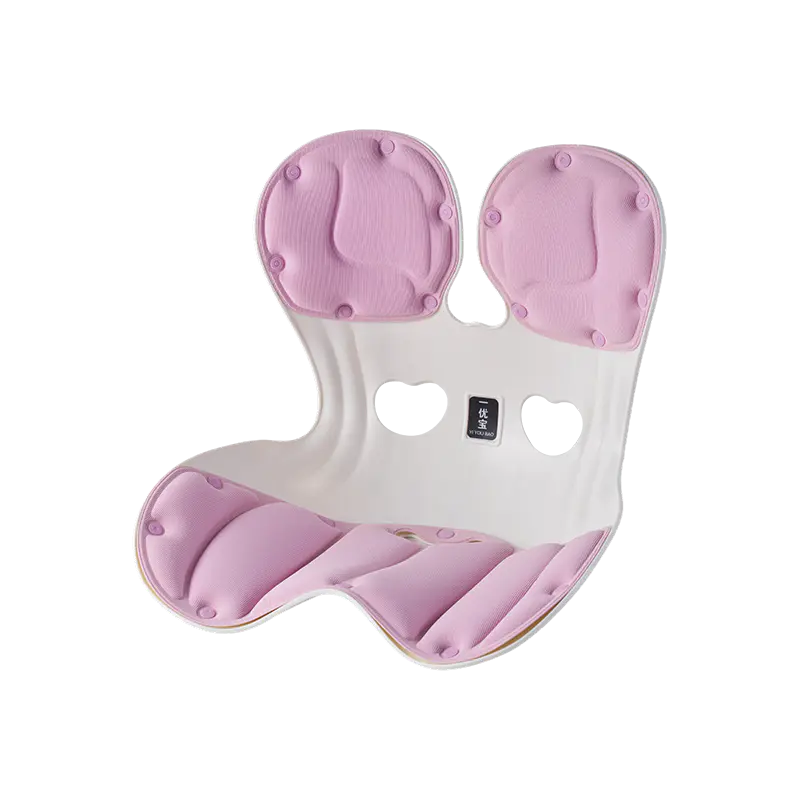
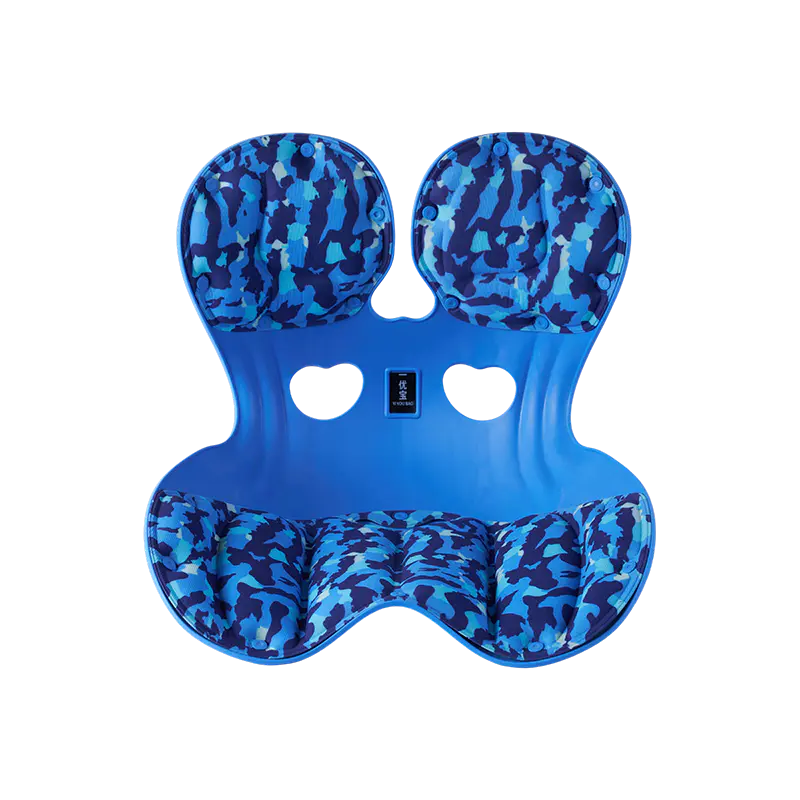
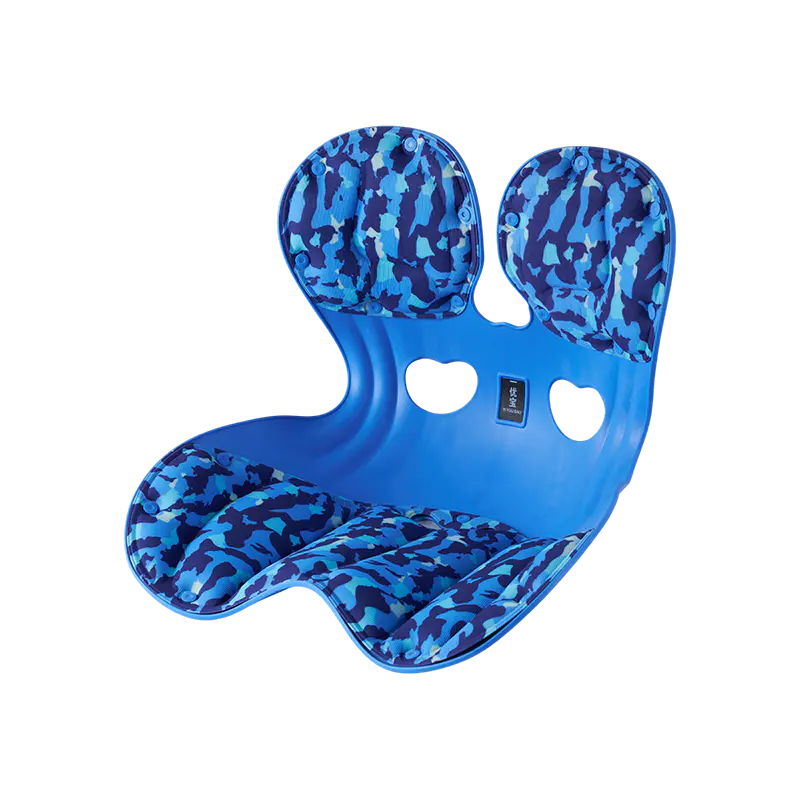
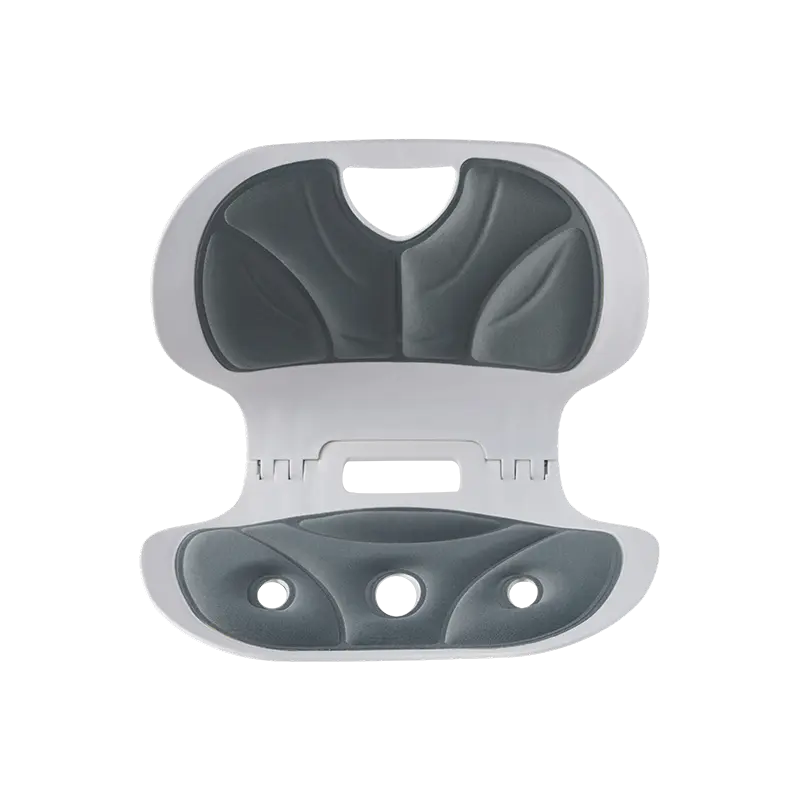
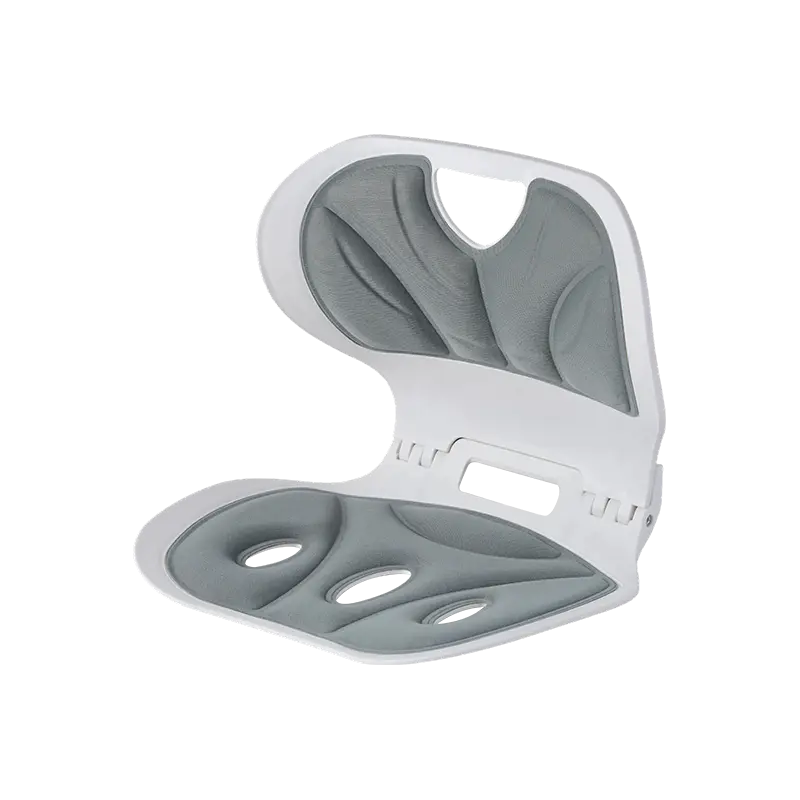
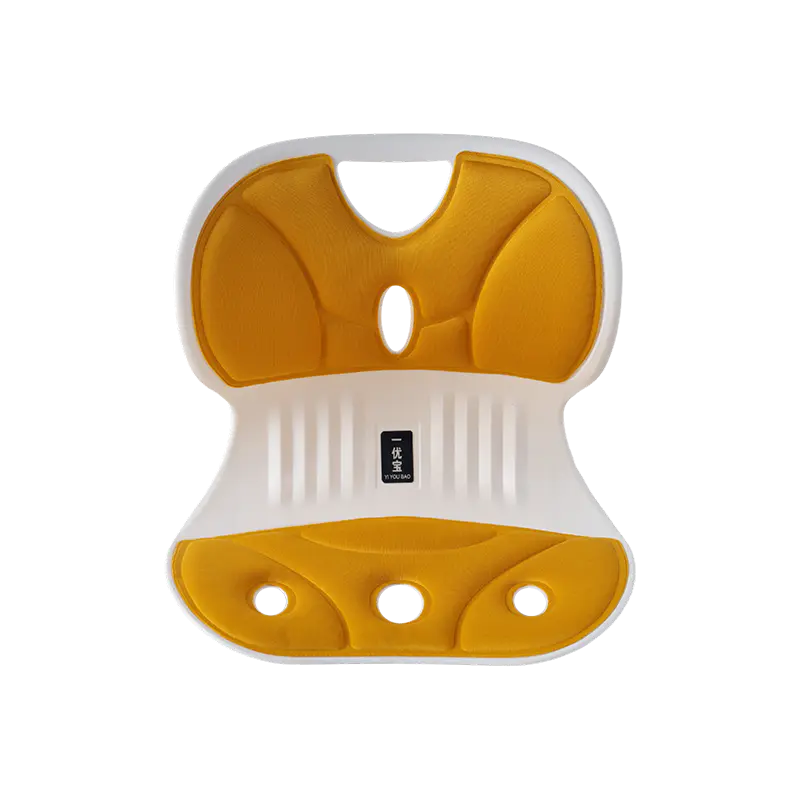
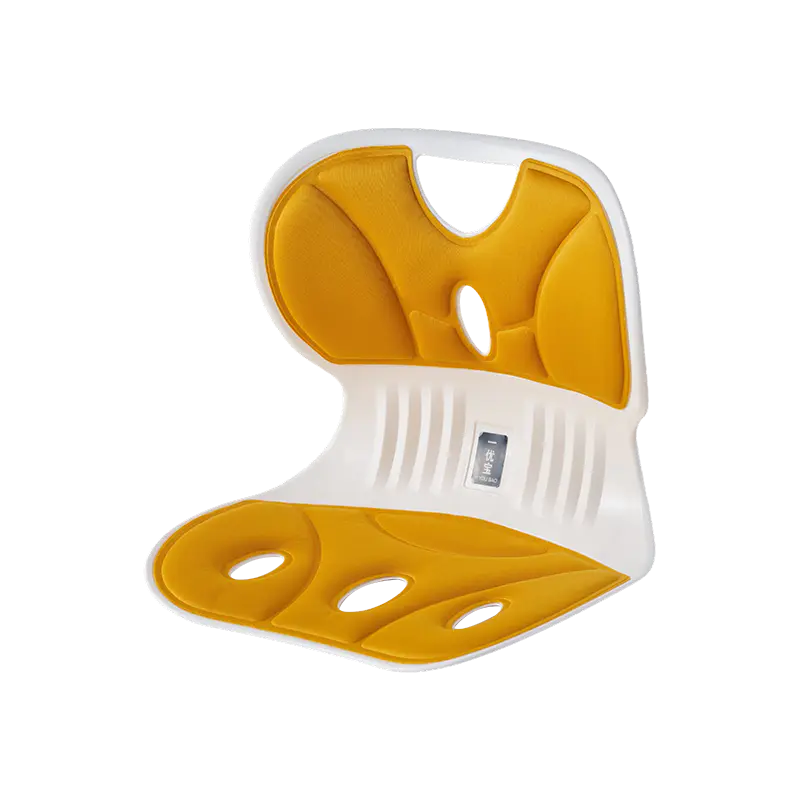
Shape decides where the cushion touches your back. Curved profiles follow the lower back, while flatter ones give a wider contact surface. Thickness changes the seat too. A thick cushion adds padding but moves you forward and reduces usable seat depth. A thin one fits tight chairs but may not fill a visible gap.
Position counts as much as shape. Set too high, it presses the middle back. Set too low, it misses the waist. Small adjustments often make a noticeable difference, and a strap or non-slip base can hold it in place on some chairs.
What to Check Before Buying
Look past labels such as soft or firm and match the product to your daily setting.
| Consideration | What to Look For |
|---|---|
| Firmness | Comfort without heavy sinking or pressure |
| Shape | A profile that fits your lower back and chair |
| Thickness | Padding without pushing you forward |
| Material | A structure matching your preferred feel |
| Cover | Comfortable surface, easy to maintain |
| Stability | Stays in place during normal sitting |
| Portability | Size and weight suited to moving between chairs |
Check the intended use as well. A cushion made for an office chair may not fit every vehicle seat. Read product images and descriptions for details on profile, internal materials, cover construction, and attachment method, and ask the seller when information is missing.
Daily Care
Dust, body oils, moisture, and friction wear on covers and cores over time. Follow the manufacturer's care instructions, since some covers can be washed and others need surface cleaning. Let a damp cushion dry fully before storing it, because trapped moisture causes odors and material problems.
Check now and then for uneven compression, loose seams, a damaged cover, or a slipping strap. If the core no longer gives the support it once did, replacement makes sense. When you move the cushion between chairs, readjust its height and alignment, since a spot that works on one backrest may not suit another. In shared offices, a removable or wipeable cover keeps cleaning simple and the cushion pleasant for every user.
 Previous