English
 中文简体
中文简体
Industry News
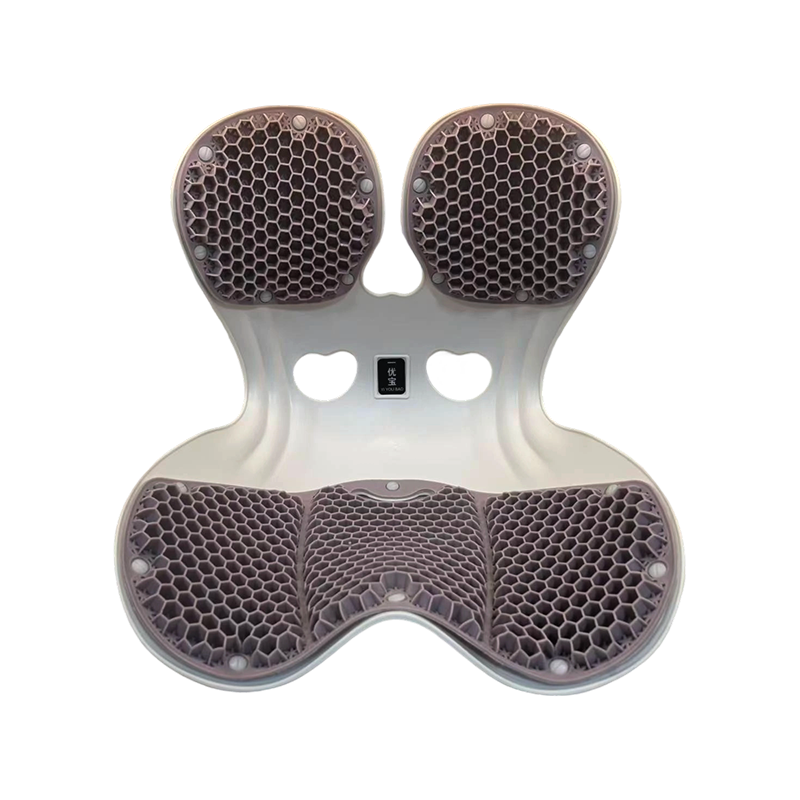
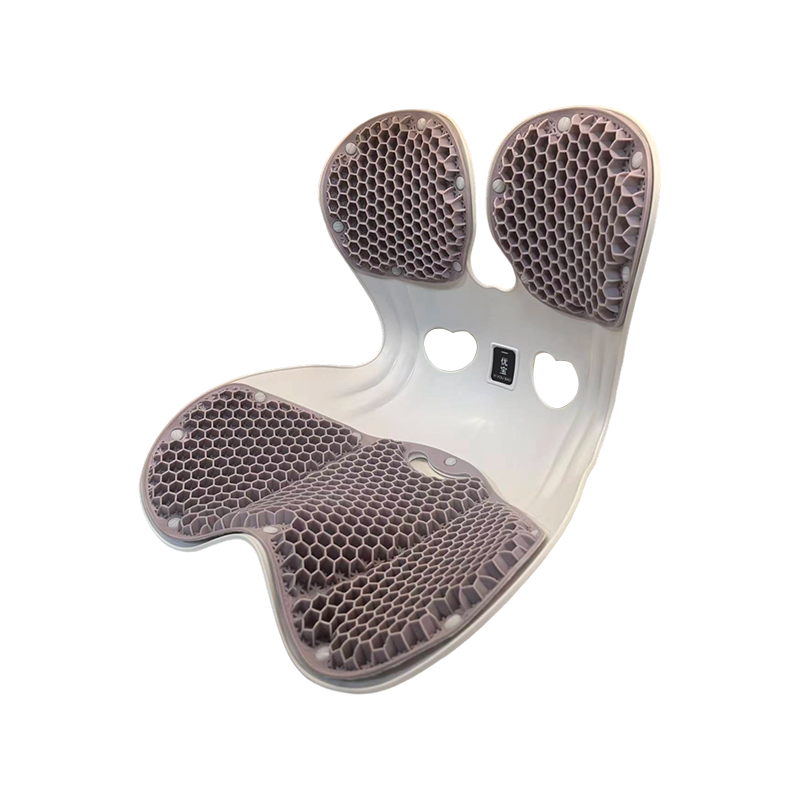
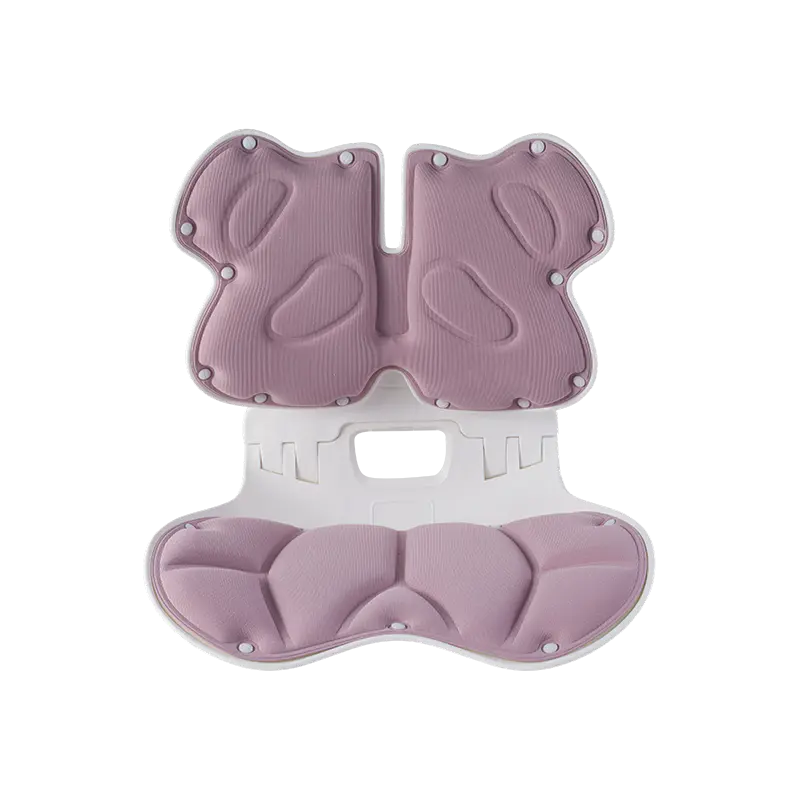
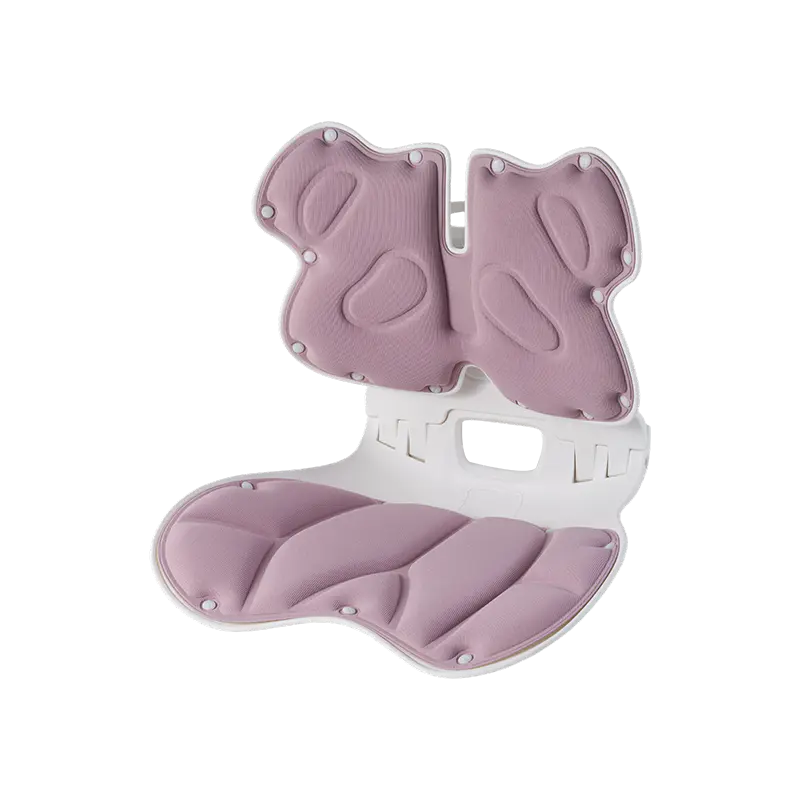
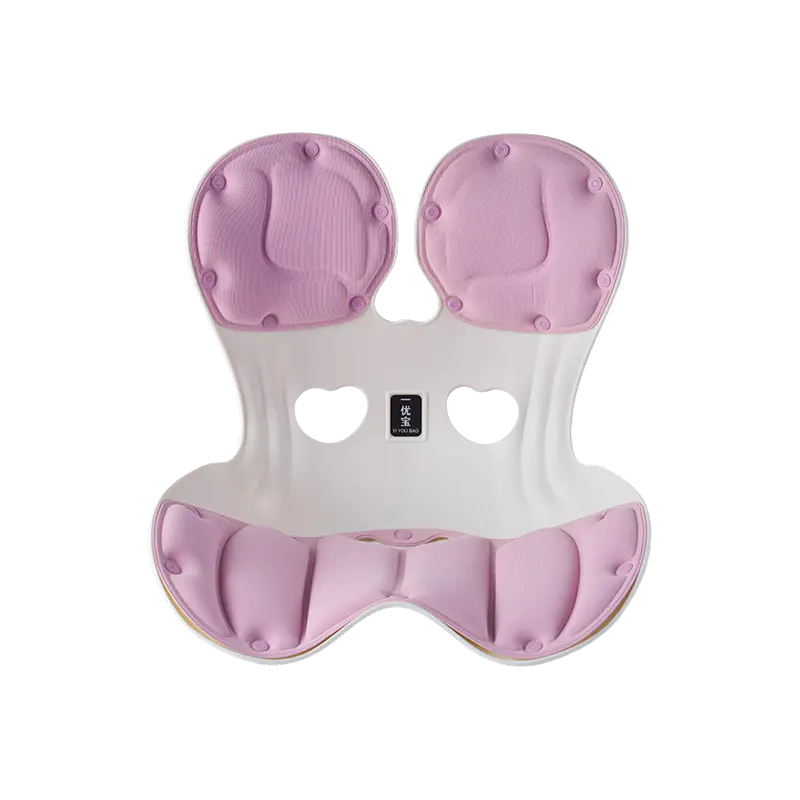
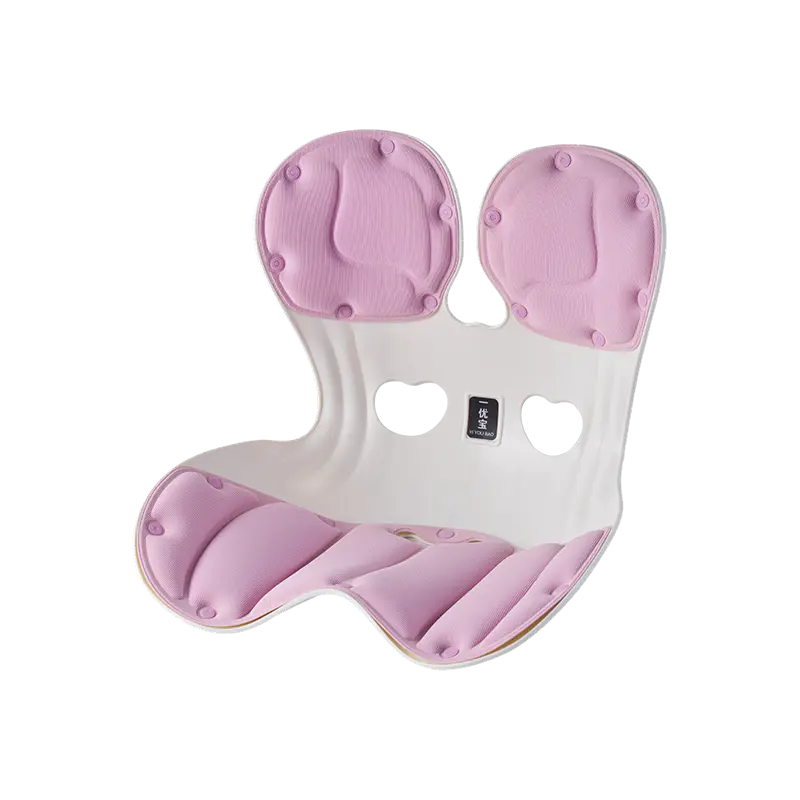
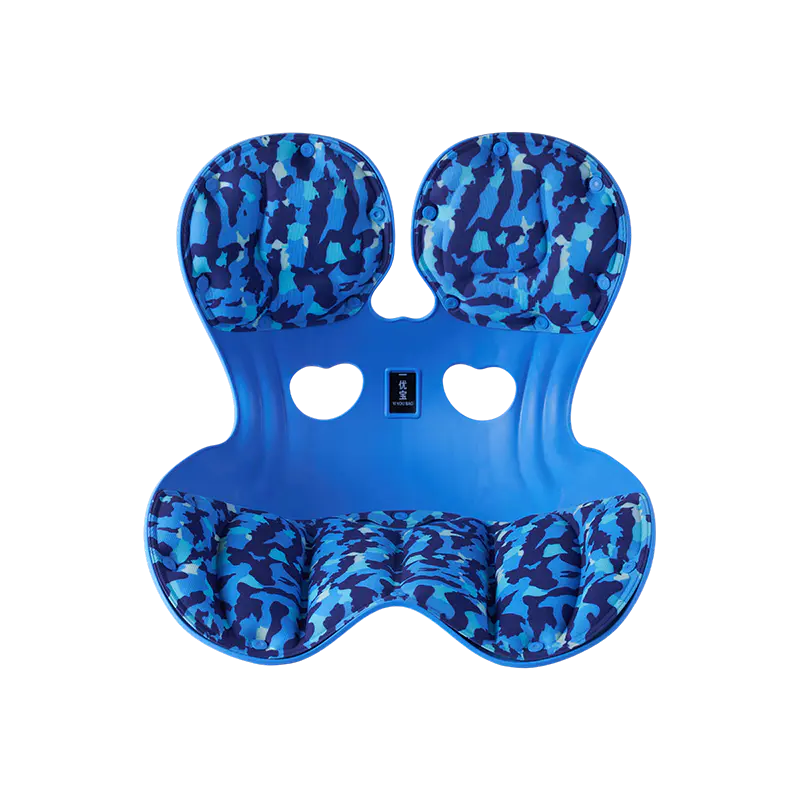
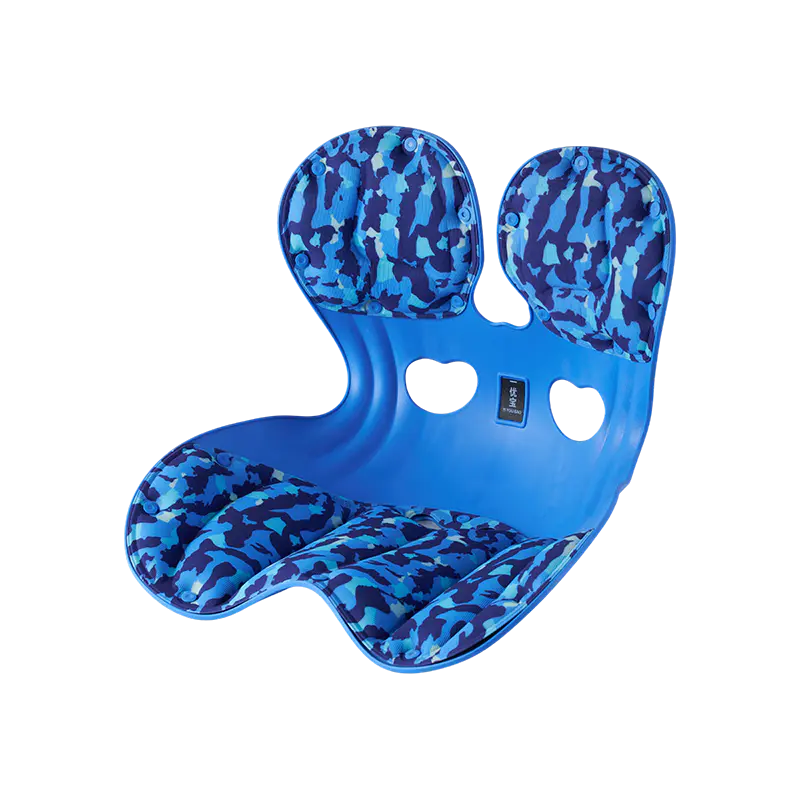
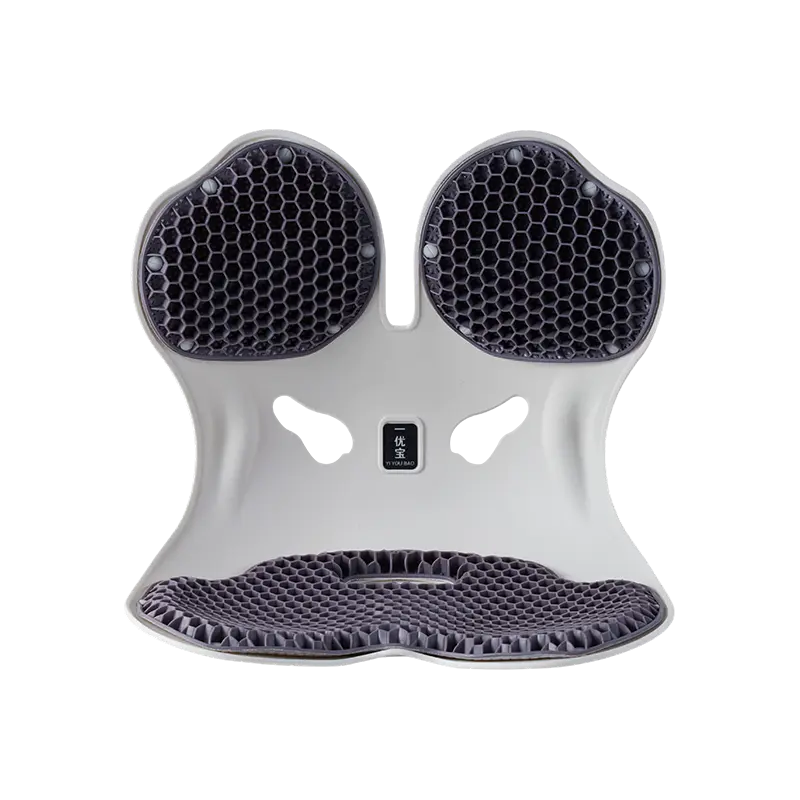
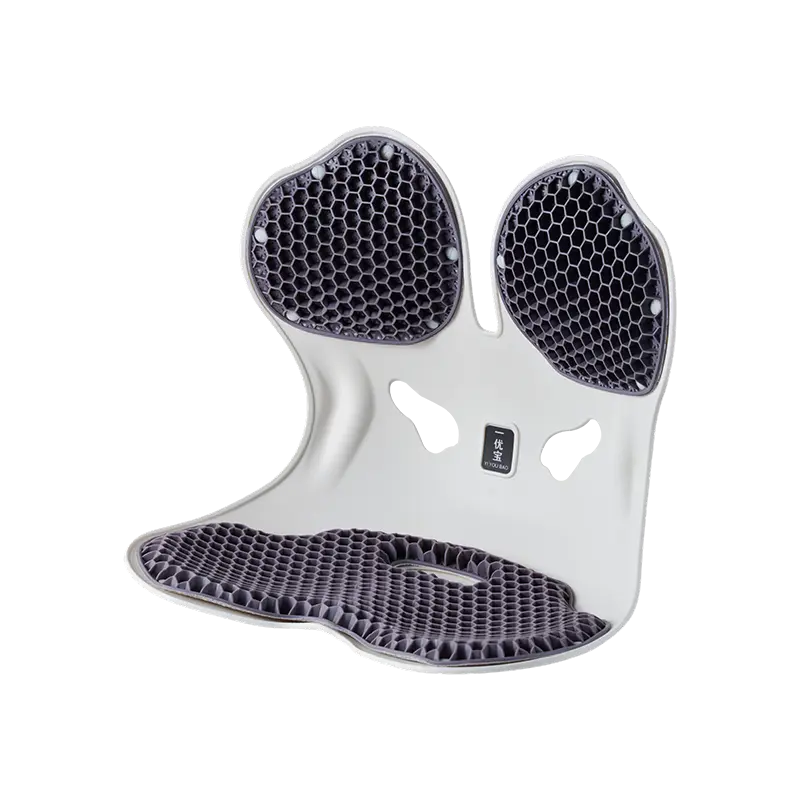
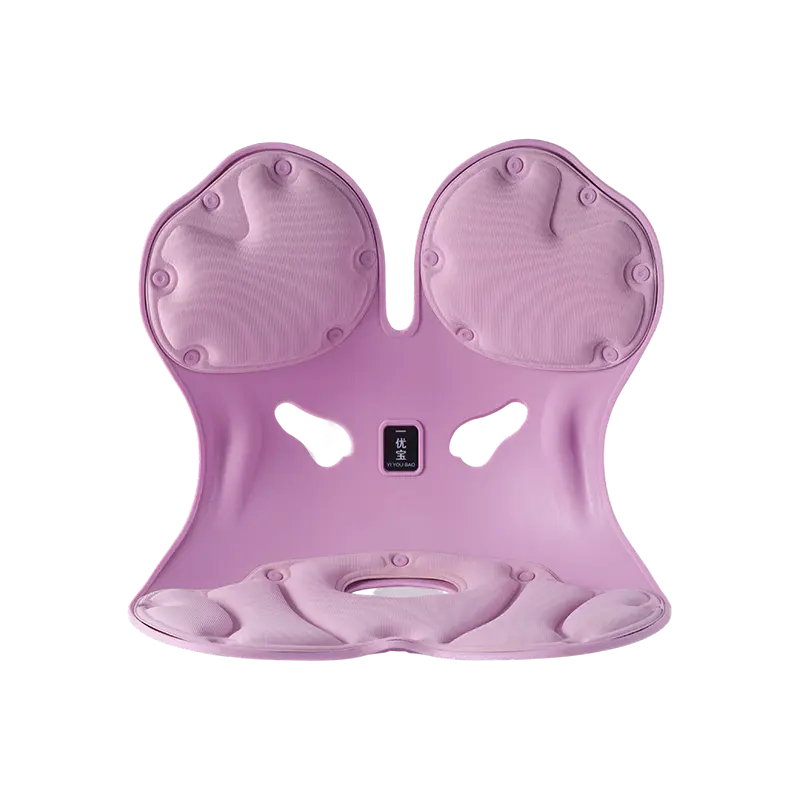
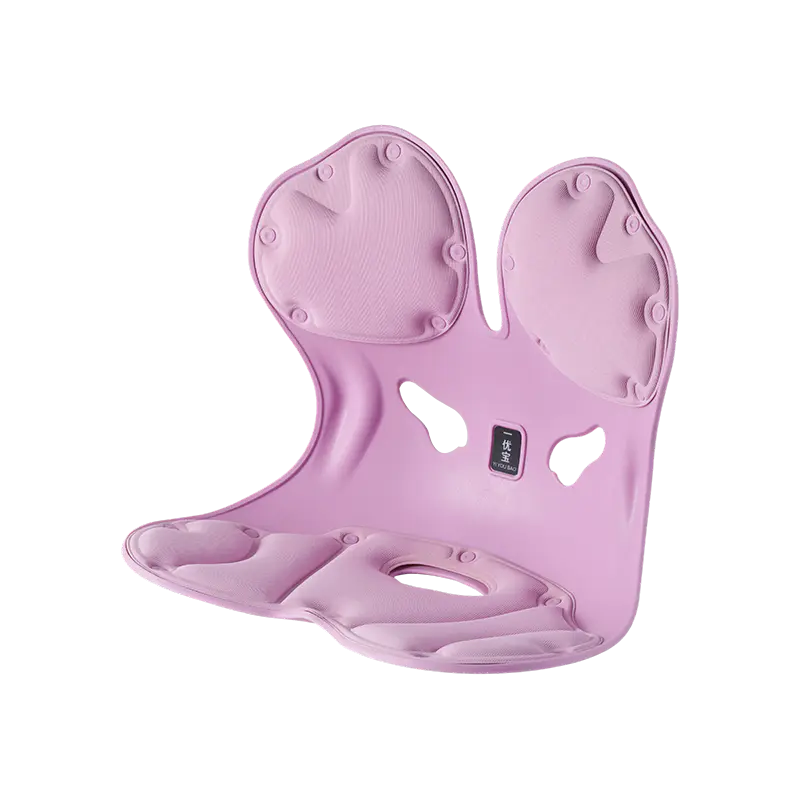
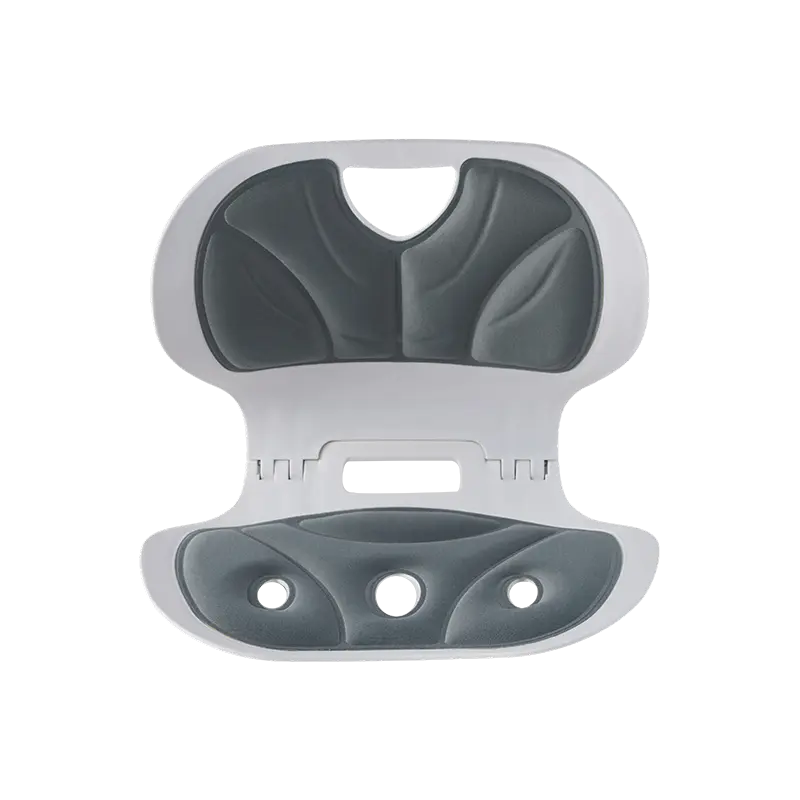
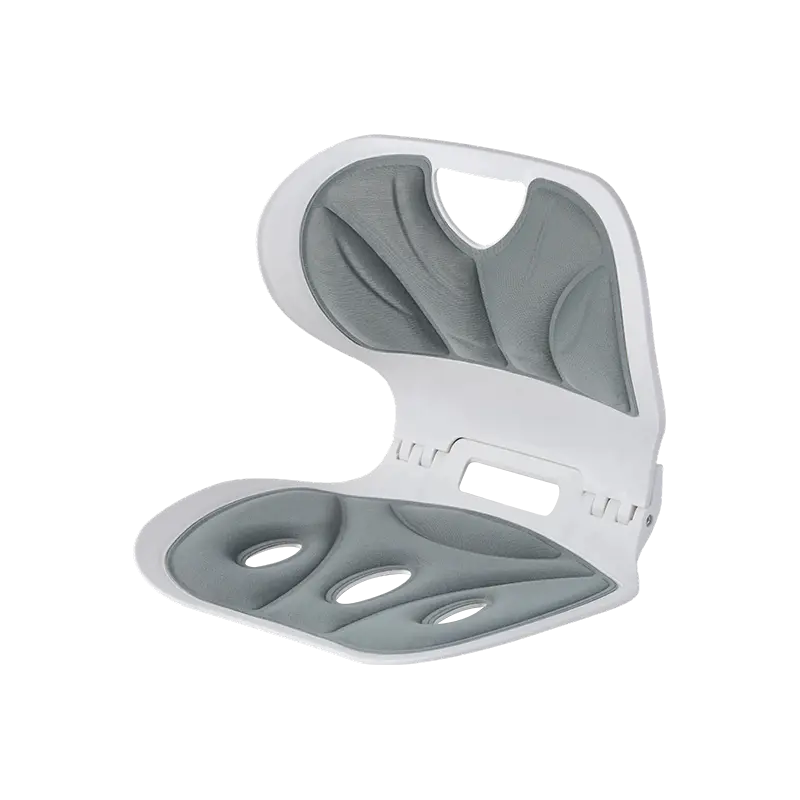
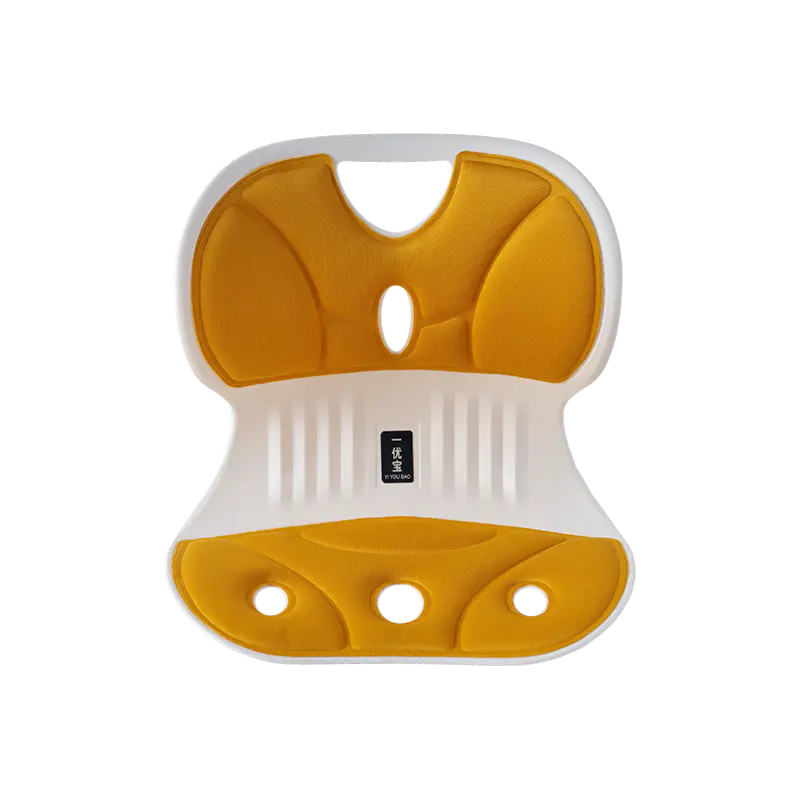
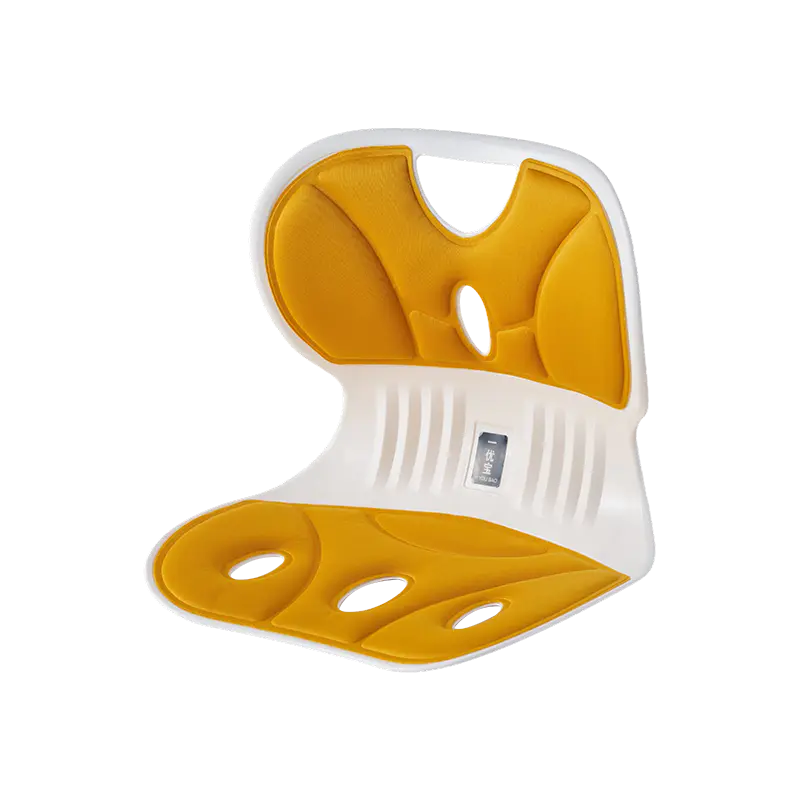
Somewhere around hour six of a work-from-home shift, most people notice the same thing — a dull ache creeping into the lower back, shoulders slumping forward without really meaning to, and that constant urge to shift positions every few minutes just to find something bearable. Sitting has quietly become one of the biggest parts of daily life, whether it's office work, remote calls, studying for an exam, or a long gaming session that stretches past midnight. A regular chair gives someone somewhere to sit, but it doesn't always give the lower back much to lean on, which is exactly the gap a Lumbar Support Posture Corrector Chair is built to fill.
Rather than just adding cushioning, this kind of chair pays specific attention to the curve at the base of the spine and tries to keep it supported through hours of sitting, not just the first twenty minutes before someone slumps.

How Does This Kind of Chair Actually Work?
The lower back — the lumbar region — has a natural inward curve, and that curve tends to flatten out or get ignored the moment someone leans forward toward a keyboard or slouches into a laptop screen.
A Lumbar Support Posture Corrector Chair is built around keeping that curve supported rather than letting it collapse. It's not about locking someone into one rigid position — it's about making a comfortable, upright position easier to fall into without thinking about it.
A few design elements show up again and again in these chairs:
| Feature | What It's Actually For |
|---|---|
| Lower back support | Fills in the gap behind the lumbar curve |
| Adjustable parts | Lets someone fit the chair to their own body |
| Supportive backrest shape | Encourages a more balanced sitting position |
| Comfortable seat base | Makes the whole sitting experience easier on the body |
None of this works entirely on its own, though. A chair like this cooperates with whatever habits someone already has — adjusting it properly and actually getting up to move every so often still matter, chair or no chair.
Why Are So Many People Suddenly Looking Into This?
The way people spend their days has shifted a lot. Plenty of tasks that used to involve standing or moving around now happen entirely from a chair, staring at a screen for hours at a stretch.
After enough hours like that, people start noticing:
- a dull ache settling into the lower back
- feeling wiped out by the end of a workday, even without doing much physically
- constantly shifting around trying to find a comfortable spot
- fidgeting or adjusting posture every few minutes without realizing it
A posture support chair gets attention because it's tackling a problem a lot of people are dealing with quietly every day. People want a chair that feels good to sit in while also nudging them toward a healthier position without having to think about it constantly.
This isn't just an office thing either. Students hunched over textbooks, gamers deep into a multi-hour session, and people managing everyday tasks from a home desk are all running into the same issue.
Mostly, people just want a setup that lets them get through the day without their back complaining about it afterward.
What Actually Separates This From a Regular Chair?
A standard chair covers the basics — somewhere to sit, a backrest to lean against. That's about where the design thinking usually stops.
A Lumbar Support Posture Corrector Chair goes a step further, paying real attention to how the chair interacts with a person's actual sitting position over time.
| Regular Chair | Lumbar Support Posture Corrector Chair |
|---|---|
| Covers basic sitting needs | Adds real attention to body support |
| Little to no adjustment | Usually built with adjustable support in mind |
| Generic backrest shape | Shaped specifically around lower back comfort |
| Fine for short sitting stretches | Built with longer sitting sessions in mind |
That doesn't mean every regular chair is a bad choice — plenty of chairs work fine for quick tasks or short sitting stretches. It really comes down to how long someone's actually sitting and what kind of support their body's asking for.
For anyone sitting through most of a workday, the extra support tends to matter a lot more than it would for someone who's only at a desk for short bursts.
Who Actually Gets the Most Out of a Chair Like This?
Different people end up looking at these chairs for pretty different reasons.
Office workers are an obvious group — plenty of jobs involve sitting at the same desk for most of the day, which makes chair comfort a real factor rather than an afterthought.
Remote workers run into a similar issue, often working from a kitchen chair or something else that was never meant for eight hours of daily use.
A few other groups worth mentioning:
Students
Hours of reading, writing, and staring at a laptop screen add up fast. A chair that actually supports the back can make a noticeable difference in how studying feels by the end of a session.
Creative professionals
Designers, writers, and anyone doing detailed focused work for long stretches tend to notice chair comfort more than most, simply because they're sitting still for longer periods than a lot of other jobs require.
Home users
People managing everyday tasks, watching videos, or just spending a lot of time at a home computer often end up wanting the same kind of support, even outside a traditional work setting.
What actually fits comes down to personal comfort and how someone's days are actually structured.
Does This Kind of Chair Actually Change How Someone Sits?
A chair by itself isn't going to fix bad sitting habits overnight. Posture depends on a mix of things — how aware someone is of their position, how often they move, and how their whole workspace is set up.
What a Lumbar Support Posture Corrector Chair does well is give the body something physical to lean back into, which makes it a bit harder to slump forward without noticing.
Still, the person sitting in it matters just as much as the chair itself.
A few habits that actually help:
- adjusting the chair properly before settling in, not just sitting down and ignoring the levers
- keeping things within reach so there's less reason to lean or twist awkwardly
- taking short breaks to stand up and move around
- shifting position throughout the day instead of staying frozen in one spot
- setting up the rest of the desk area so it doesn't fight against good posture
The chair's job is supporting good habits, not replacing the effort of paying attention to how someone's actually sitting.
What's Worth Thinking Through Before Buying One?
Picking a chair involves more than just liking how it looks in a photo online.
Bodies differ, work styles differ, and what feels supportive to one person might feel completely wrong to someone else.
A few things worth weighing:
| Consideration | Why It Actually Matters |
|---|---|
| How long you sit daily | Longer stretches call for more built-in support |
| Desk and workspace setup | The chair needs to actually fit the space it's going into |
| Adjustment range | Comfort usually depends on being able to customize the fit |
| Material and feel | What the surface feels like matters over a full day |
| How much movement you want | Some people prefer a chair that flexes and shifts with them |
Whatever fits best usually comes down to how the chair slots into someone's actual daily routine, not just how it looks sitting empty in a showroom.
Sitting in a few different chairs and paying attention to what actually feels right tends to matter more than reading spec sheets.
How Does a Chair Like This Fit Into a Modern Workspace?
Workspaces in general have been leaning harder into comfort and flexibility, whether that's a home office corner or a full office floor.
A chair isn't just furniture anymore — it's become one of the main physical touchpoints someone's has with their entire workday.
A supportive chair tends to make the whole setup feel more put-together and comfortable, not just the seating part of it.
Modern setups often bring together things like:
- desks that adjust in height
- better lighting near the workspace
- small ergonomic add-ons like wrist rests or monitor stands
- equipment arranged so nothing requires awkward reaching
- a chair that's actually built for extended sitting
Since the chair is where the body spends most of its time during work, getting that piece right tends to shape how the whole day feels, more than people usually give it credit for.
What Does Taking Care of One of These Chairs Actually Involve?
Keeping any chair in good shape doesn't require much beyond a bit of regular attention.
A few habits that help it hold up over time:
- wiping down the surface now and then to keep it clean
- checking that adjustable parts still move the way they're supposed to
- avoiding leaning or pressing too hard on parts not built to take that kind of pressure
- keeping the area around the chair reasonably tidy so nothing gets caught or jammed
- following whatever care instructions came with it from the manufacturer
A chair that's looked after tends to keep performing consistently instead of gradually feeling less supportive over time.
It's also worth paying attention to how the chair actually feels week to week. If something that used to feel supportive suddenly doesn't, that's usually a sign it's time to check the adjustments or look closer at what's changed.
A Lumbar Support Posture Corrector Chair is built for people spending real chunks of their day sitting down, offering something a standard chair usually skips — real attention to the lower back and a level of adjustment that fits an individual body rather than a generic average. Between the support it provides and the habits it encourages, it ends up being a practical piece of a workspace built around actually getting through a long day without paying for it later.
 Previous