English
 中文简体
中文简体
Industry News
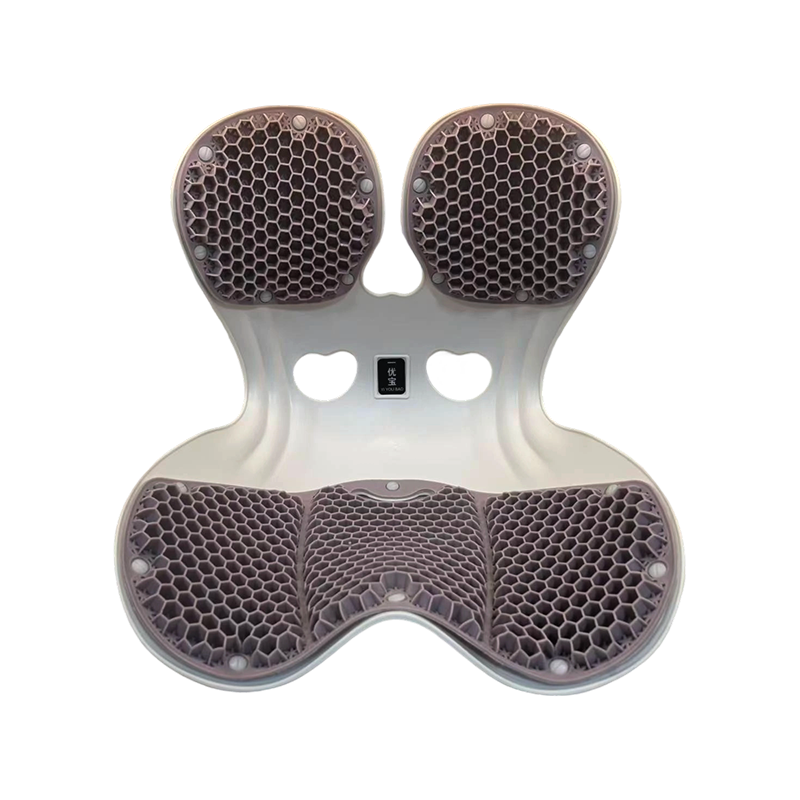
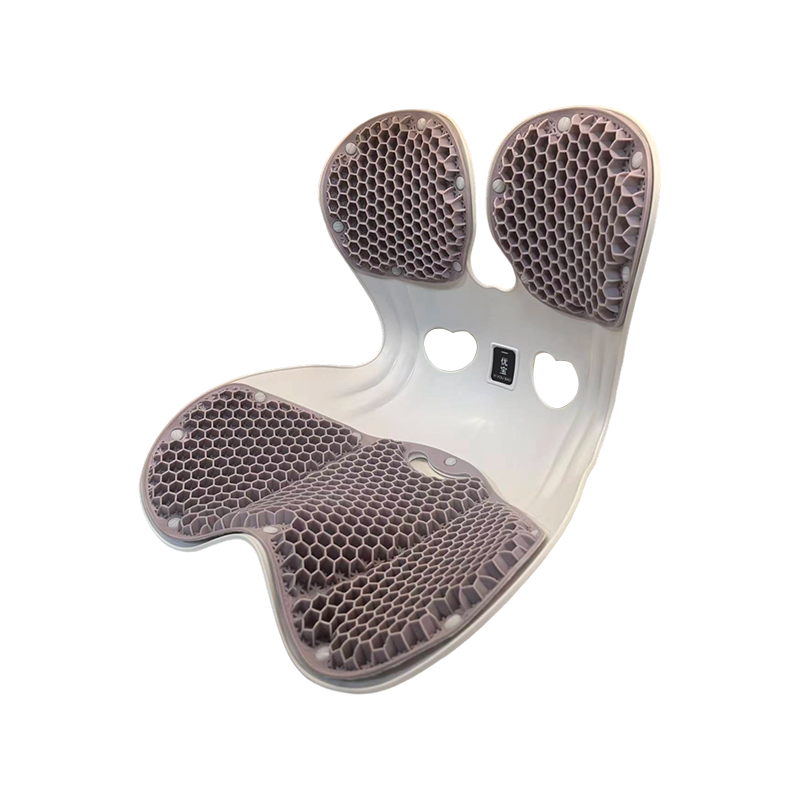
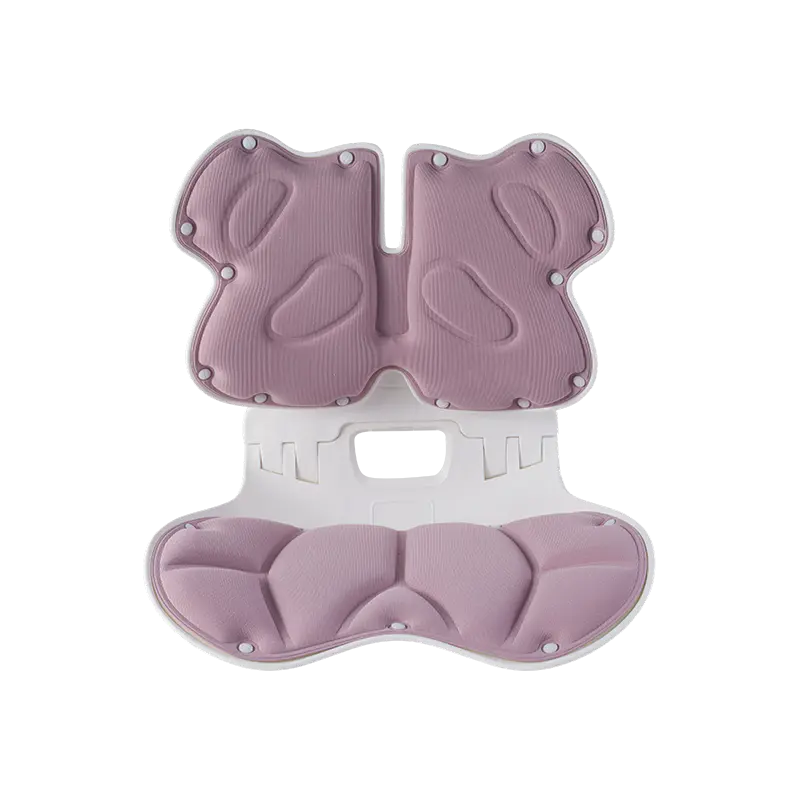
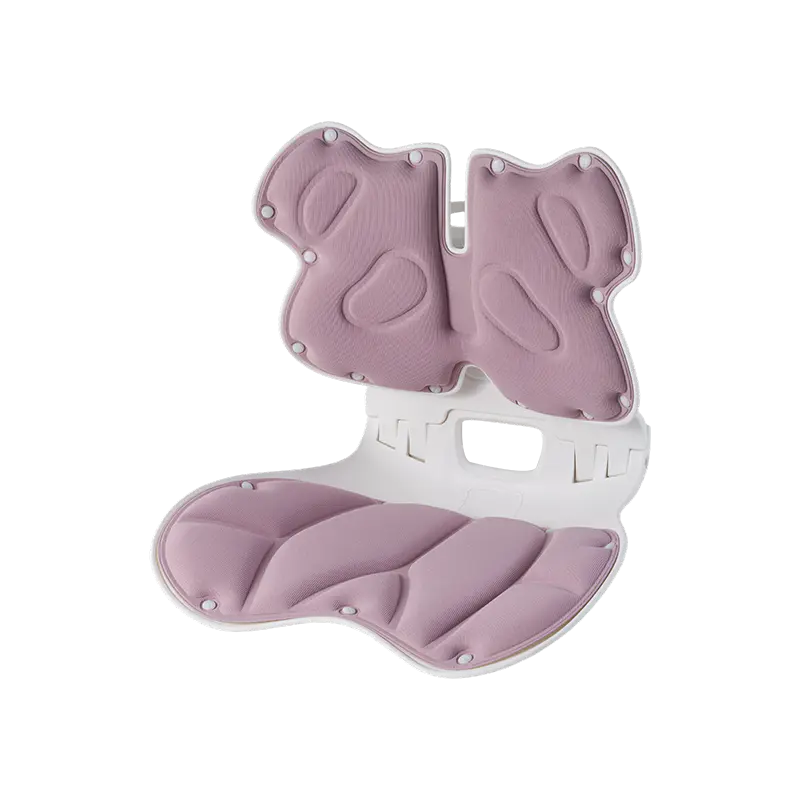
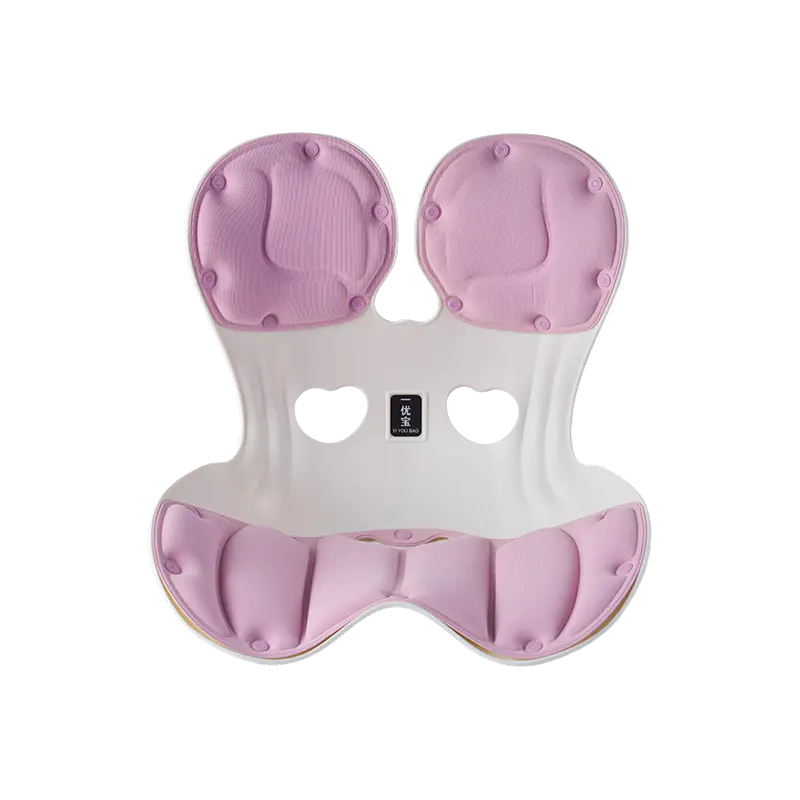
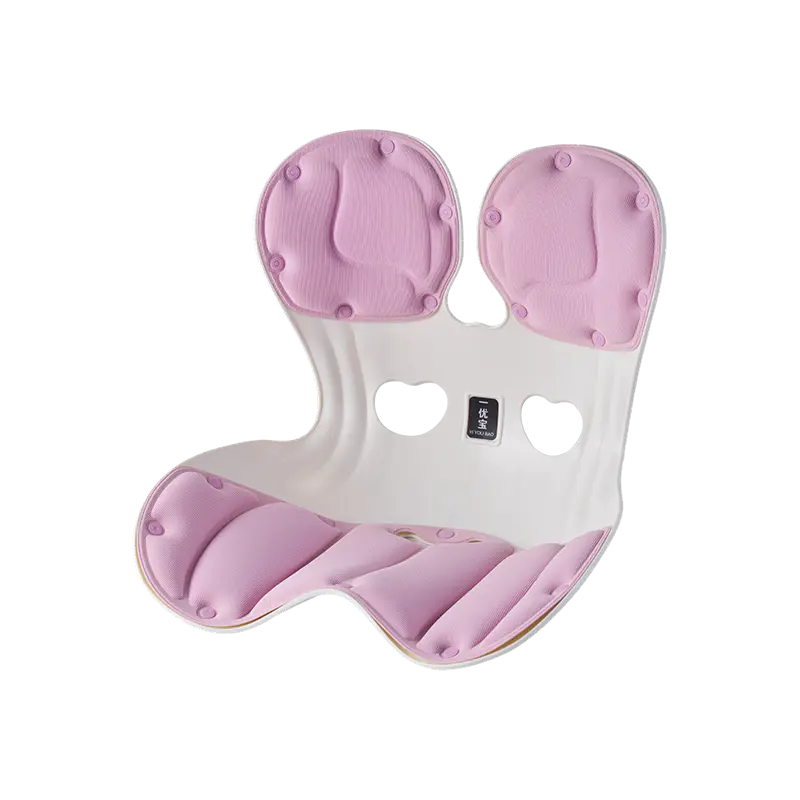
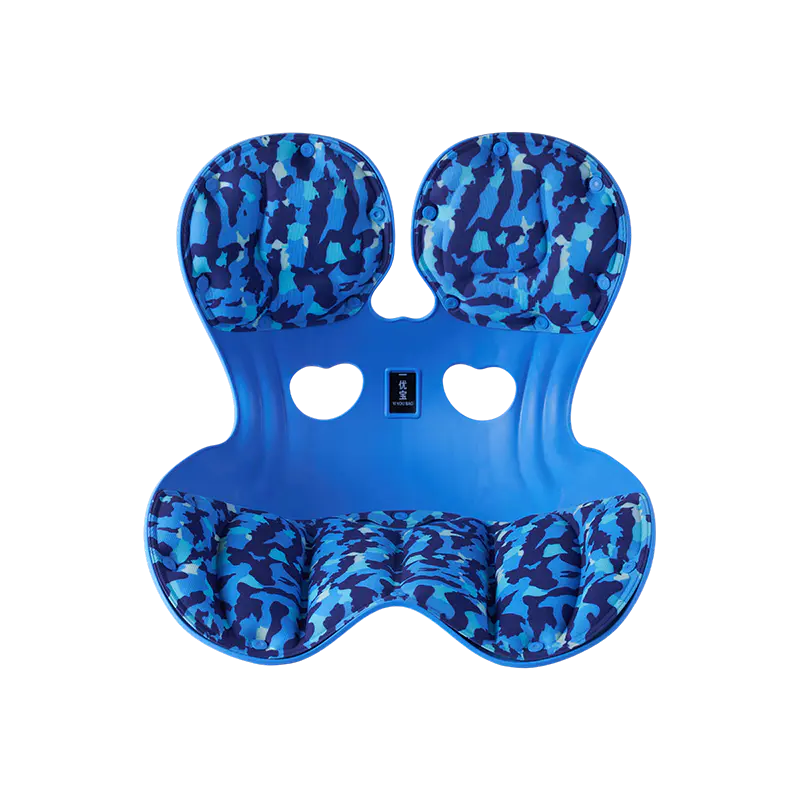
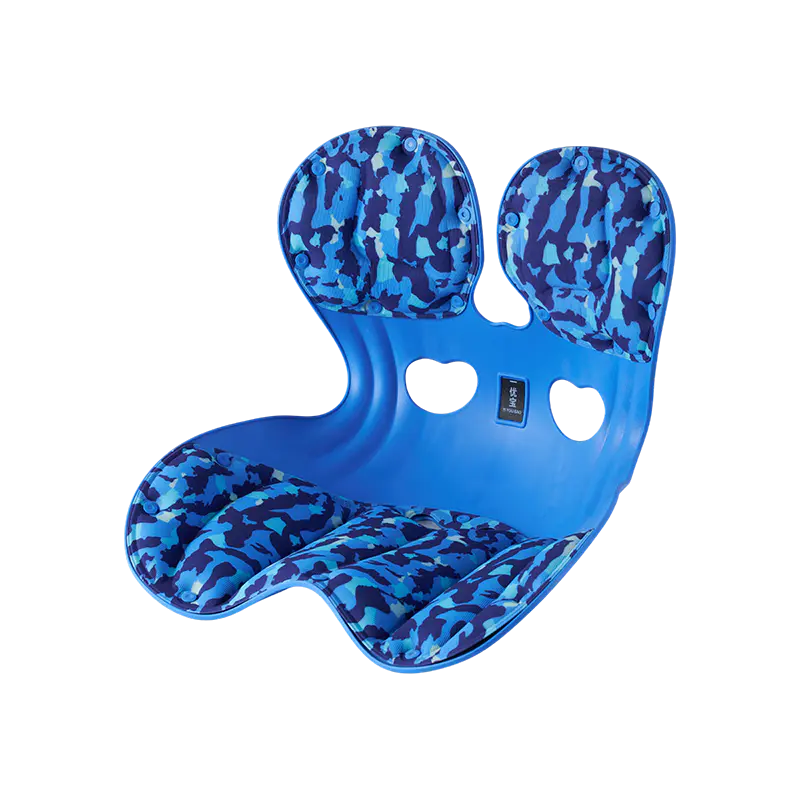
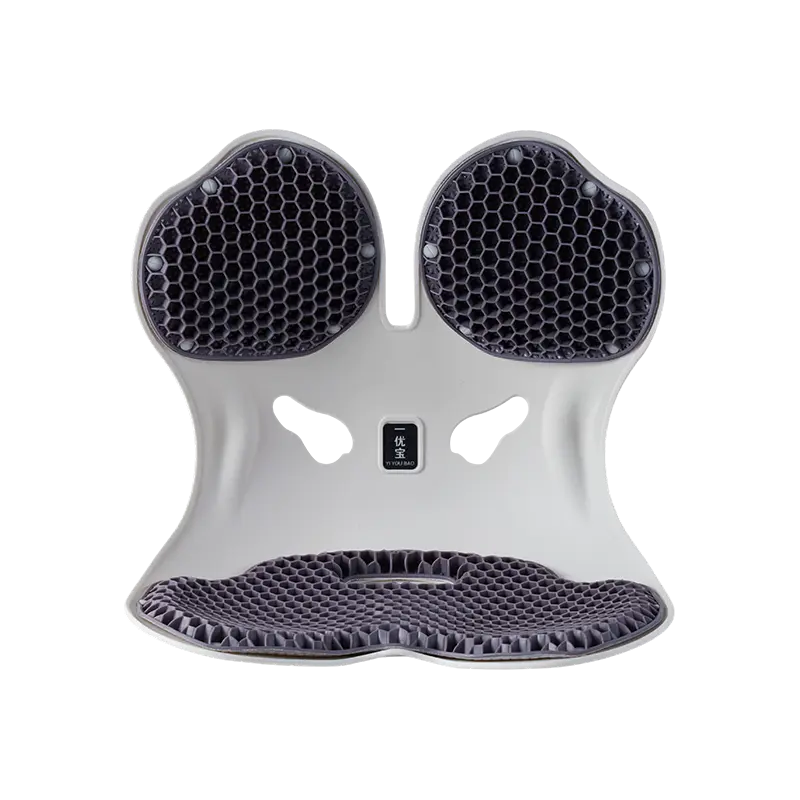
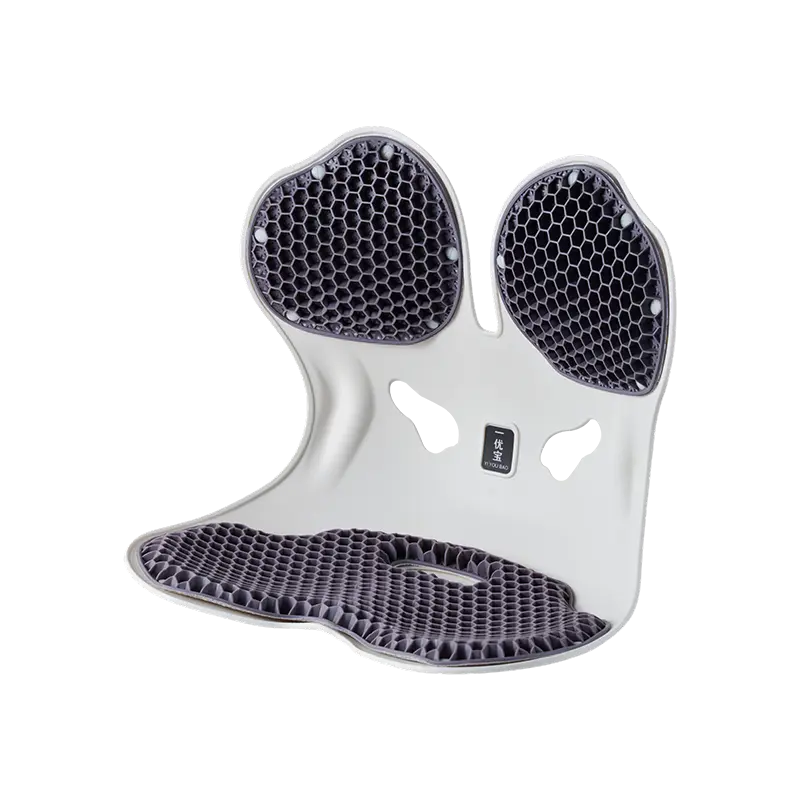
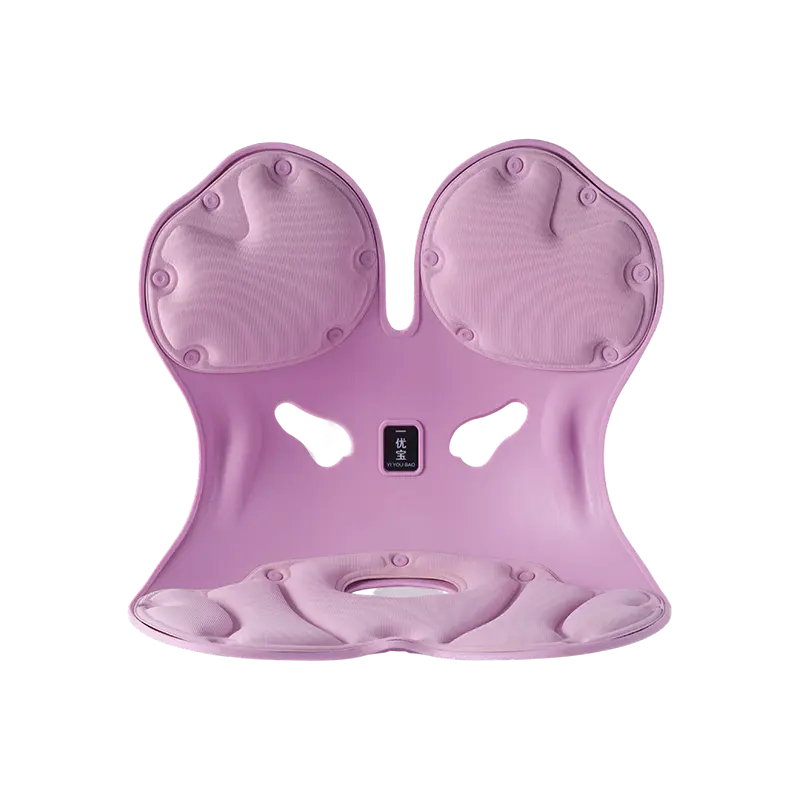
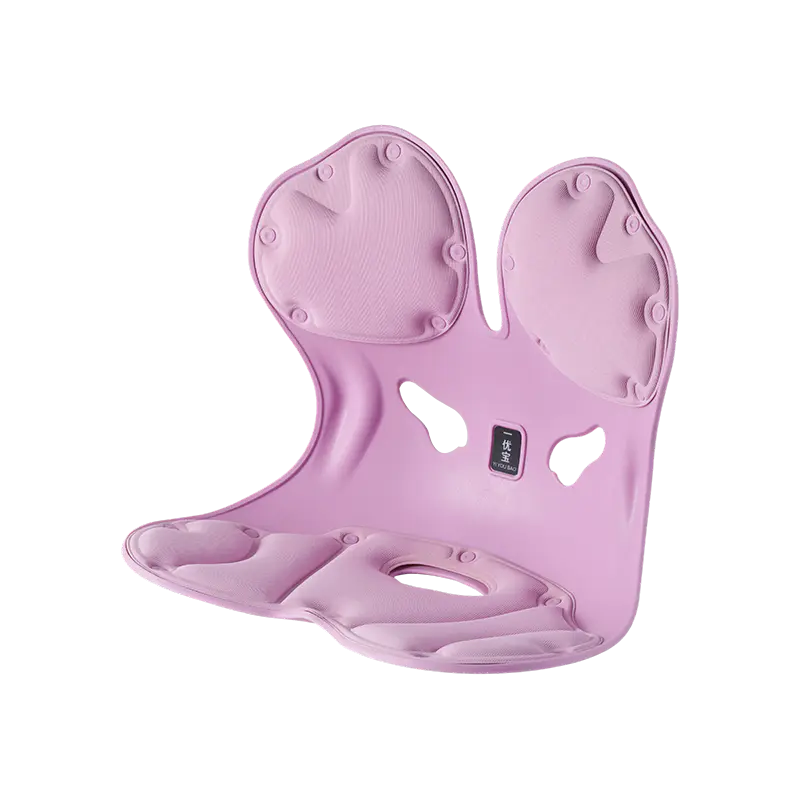
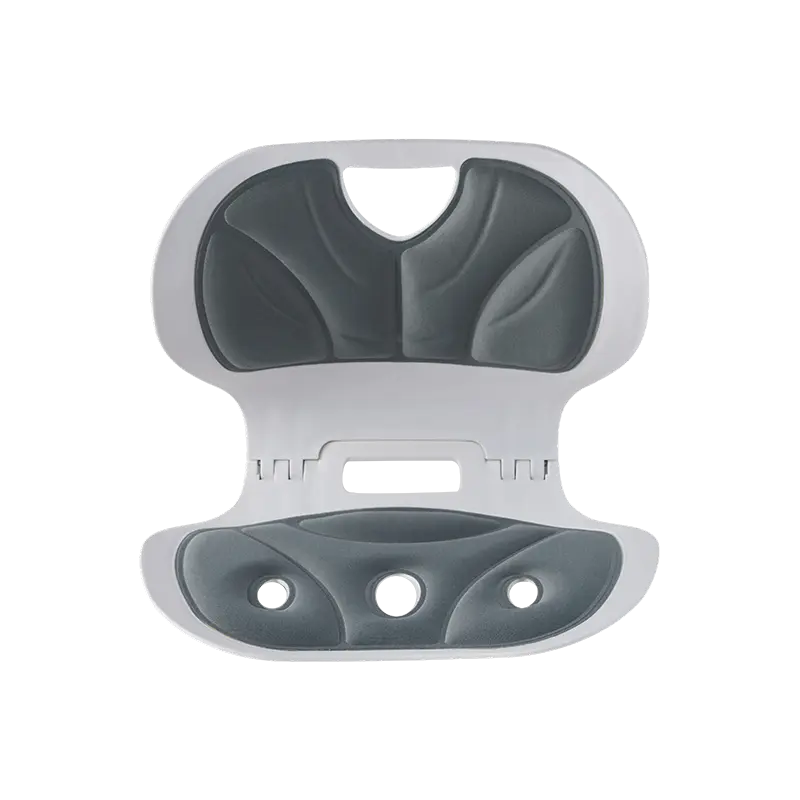
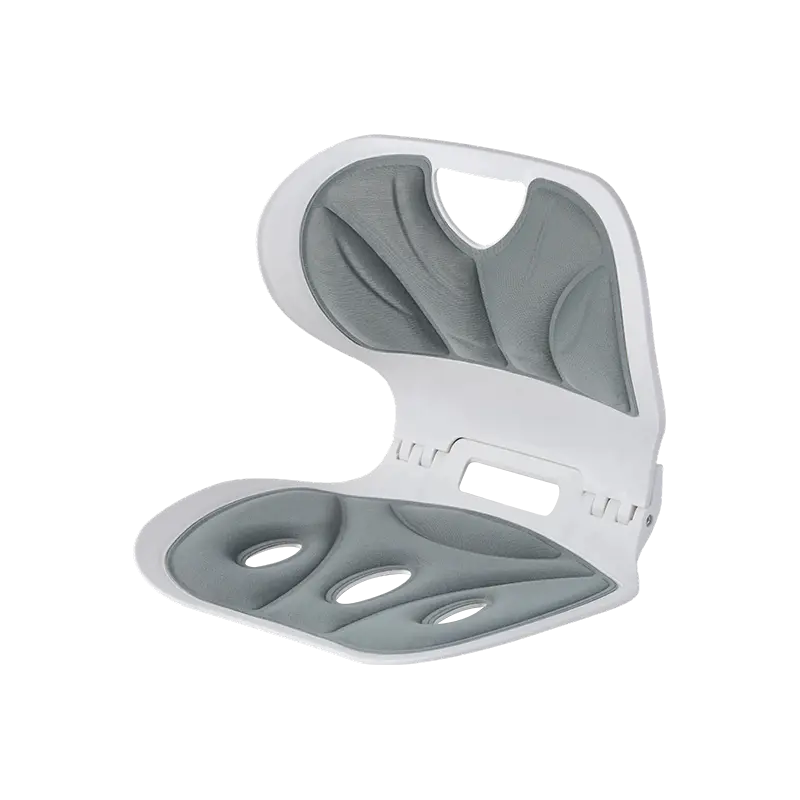
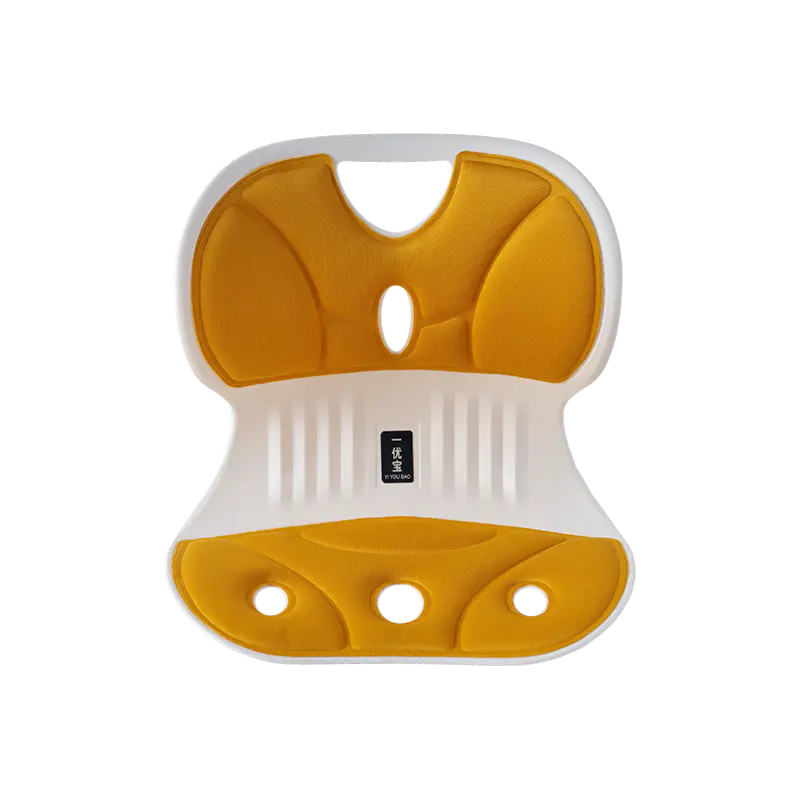
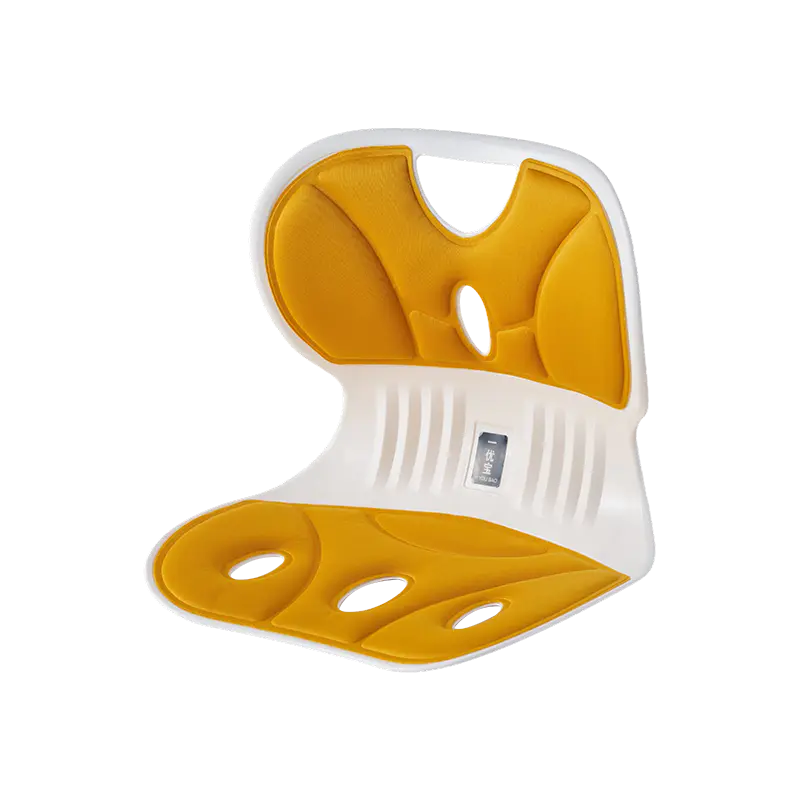
Sit at a desk for six hours straight and your lower back will tell you exactly how good or bad that chair actually is, regardless of what the price tag said. That's basically the whole story behind why office chairs look different than they did a decade ago. A Lumbar Support Backrest has become one of the more noticeable design shifts, built around a fairly simple realization — a chair that doesn't account for the curve of someone's lower spine ends up causing problems that show up hours, or days, later.
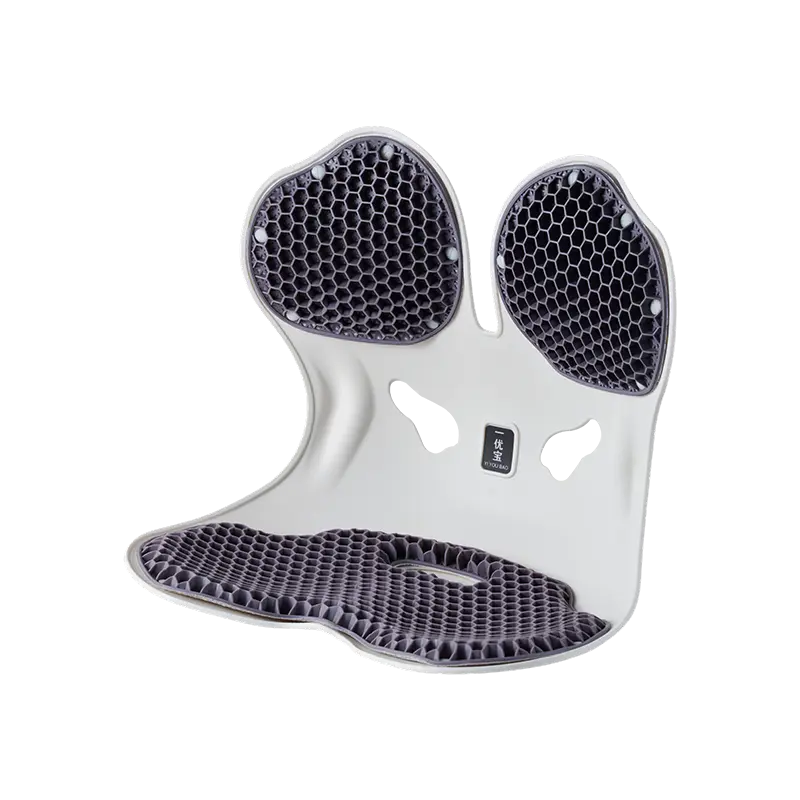
Chairs used to get judged mostly on how they looked in a catalog or how sturdy the frame felt. That's changed. Now people ask what a chair does to their body after a full workday of sitting in it.
Why Chair Design Keeps Shifting
Work doesn't happen the same way it used to. Some people split their week between a shared office and a kitchen table, others sit at the same home desk five days straight. That variety changes what people actually expect from a chair.
A few patterns keep coming up:
- Longer stretches of sitting mean back support matters more than it used to
- Flexible work schedules mean the same chair might get used differently day to day
- Personal comfort preferences vary enough that a single fixed design rarely satisfies everyone
- Home offices sitting inside living spaces mean chairs also need to look reasonable in a room that isn't a corporate office
None of these shifts happened overnight. They built up gradually as more people started working from places that weren't a traditional office cubicle.
What a Lumbar Support Backrest Is Actually Doing
The lower back naturally curves inward, and a flat chair back does nothing to support that curve. Over hours of sitting, that gap between the chair and the spine tends to translate into slouching, then stiffness, then the kind of ache that makes someone stand up and stretch every twenty minutes.
A backrest built around lumbar support tries to fill that gap directly:
| Design Element | What It Does |
|---|---|
| Curved lower panel | Fills the natural gap at the small of the back |
| Adjustable height | Lets the support line up with different body proportions |
| Firm but yielding material | Holds shape without feeling rigid against the spine |
| Structural integration | Keeps the support built into the chair rather than a separate cushion |
Someone working a full day at a desk job notices this less as a dramatic change and more as the absence of that familiar ache by late afternoon.
Why Comfort Has Moved to the Center of Furniture Planning
A chair someone sits in for most of their working hours affects more than posture. It affects focus, mood by the end of the day, and whether someone actually wants to sit back down after a lunch break.
Comfort in this context usually comes down to a few connected things:
- How the chair holds someone's posture without forcing an unnatural position
- How well the back, seat, and armrests work together rather than as separate parts
- How easily someone can shift position without losing support
- How the chair holds up after months of daily use rather than just the first week
A Lumbar Support Backrest tends to address the posture piece directly, which has knock-on effects on the rest of how a chair feels over a full day.
Why People Want Chairs That Adjust to Them, Not the Other Way Around
Nobody has the same spine, torso length, or sitting habits. A chair built around a single fixed shape works fine for some people and poorly for others, which is part of why adjustable features have become less of a premium extra and more of an expectation.
What this usually looks like in practice:
- Height adjustment on the lumbar support itself, not just the seat
- Backrest angles that recline without losing support at the lower back
- Armrests that move independently rather than sitting in one fixed spot
- Seat depth that can shift slightly for different leg lengths
Someone tall working alongside someone considerably shorter in the same office needs a chair that can actually adjust for both of them, rather than splitting the difference and fitting neither person particularly well.
How This Changes the Way Chairs Look
A chair isn't just a tool anymore — it sits in view of video calls, in home offices next to living room furniture, in open workspaces where a mismatched, clunky-looking chair stands out. Manufacturers have had to figure out how to build in real support without the chair looking like a medical device.
What tends to matter here:
- Keeping the lumbar support built into the frame rather than looking like a bolted-on add-on
- Choosing upholstery and finishes that work in both a corporate office and a home study
- Maintaining a clean silhouette even with adjustable parts included
- Offering enough color and material variety that a chair doesn't feel out of place next to other furniture
A chair sitting behind someone on a video call gets seen just as often as the desk itself, which has pushed manufacturers to treat appearance as seriously as they treat the support structure underneath.
How Home Offices Changed What People Expect
A chair bought for a corporate office used to just need to survive a cubicle. A chair bought for a home office has to survive being visible in a living room, a spare bedroom, or a corner of a kitchen, while still holding up through the same long working hours.
This shift tends to show up as:
- Smaller, more compact frames that don't dominate a room the way bulkier office chairs sometimes do
- A wider range of colors and finishes that match home interiors rather than sticking to standard office gray or black
- Support features that don't sacrifice comfort just because the chair also needs to look at home in a living space
- Designs flexible enough to work for actual desk work and also for casual use, like reading or video calls
Someone working from a spare bedroom that doubles as a guest room genuinely needs a chair that can do both jobs without looking out of place in either setting.
Why Ergonomic Thinking Keeps Showing Up in Furniture Discussions
Ergonomics, at its core, is just paying attention to how a body actually behaves rather than designing around an idealized, unmoving posture. People shift in their seats, lean forward to type, lean back to think — a chair that only supports one fixed position works against how people actually sit.
Ergonomic thinking in chair design tends to consider:
- How the spine curves naturally and where a chair needs to support that curve
- How much people shift position throughout a working day
- How a chair should respond when someone leans back or forward
- How comfort holds up not just in the first hour, but across an entire workday
A Lumbar Support Backrest fits directly into this thinking, since it's built around supporting a natural spinal curve rather than forcing a rigid, unmoving sitting position.
How Manufacturers Are Adjusting Their Approach
Chair companies aren't just adding a cushion and calling it lumbar support. There's actual attention going into how the backrest interacts with different body types, how adjustable parts hold up over years of daily use, and how all of it looks once it's sitting in someone's home or office.
Development tends to focus on:
- Building support directly into the chair's structure rather than treating it as an accessory
- Creating frames flexible enough to fit a wider range of body types without needing a custom order
- Balancing a modern, clean look with practical adjustability
- Making sure the support holds up under daily use rather than losing shape after a few months
This kind of attention explains why chairs built around lumbar support today generally hold up and adjust more precisely than earlier versions that treated back support as an afterthought.
What Makes Designing These Chairs Tricky
Building a chair that works for a wide range of people while still looking put-together and holding up over years of daily use involves genuine tradeoffs. More adjustability often means more moving parts, which can complicate both manufacturing and long-term durability.
Some of the ongoing balancing acts:
- Supporting different body types without making the chair overly complicated to adjust
- Keeping a clean, professional appearance while still fitting in visible adjustment mechanisms
- Matching the chair to different interior styles, from corporate offices to home studies
- Making sure daily use over years doesn't wear down the support structure
Chair manufacturers work through these tensions constantly, since leaning too far toward adjustability can sometimes come at the cost of visual simplicity, and vice versa.
Where Office Chair Design Seems to Be Headed
People are spending long stretches of their day sitting at desks that look nothing like a decade ago's cubicle setup, whether that's a home office, a shared coworking space, or a traditional company floor. A Lumbar Support Backrest reflects a fairly direct response to that reality — a chair built around how a spine actually behaves rather than a generic seat shape that happens to have four legs and a back.
As work continues to spread across different environments and people keep spending long hours seated regardless of where that desk actually sits, chairs built around this kind of targeted support will likely keep showing up more often — not as a luxury feature, but as something people increasingly expect the moment they sit down for a full day of work.
 Previous