English
 中文简体
中文简体
Industry News
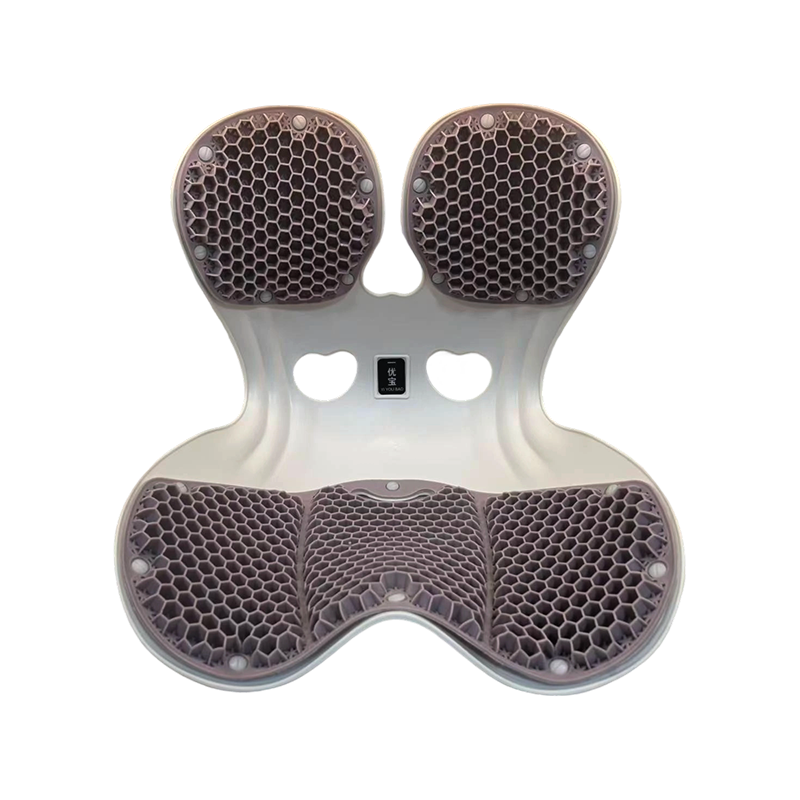
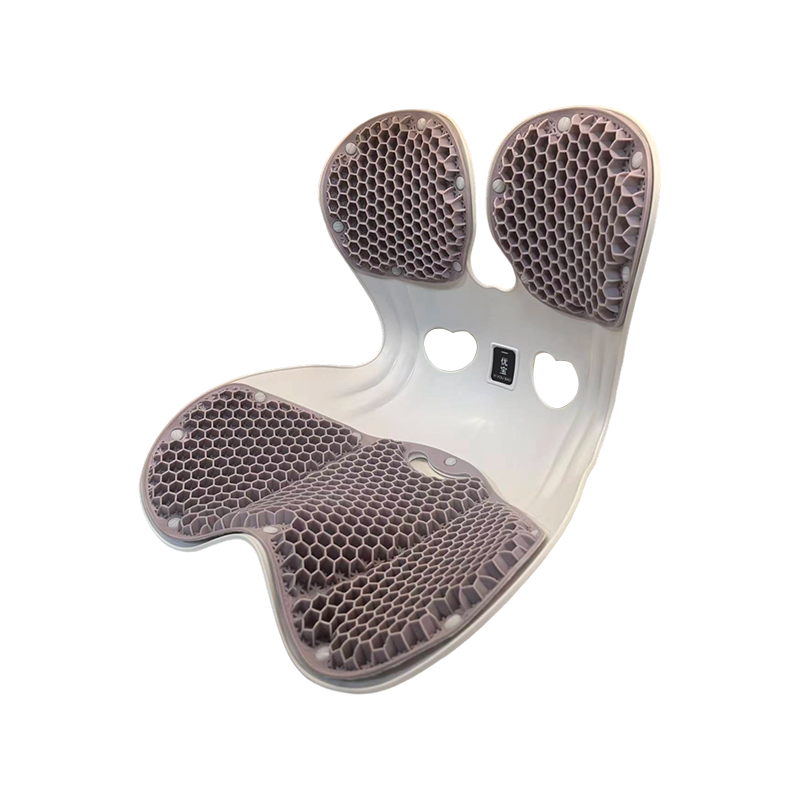
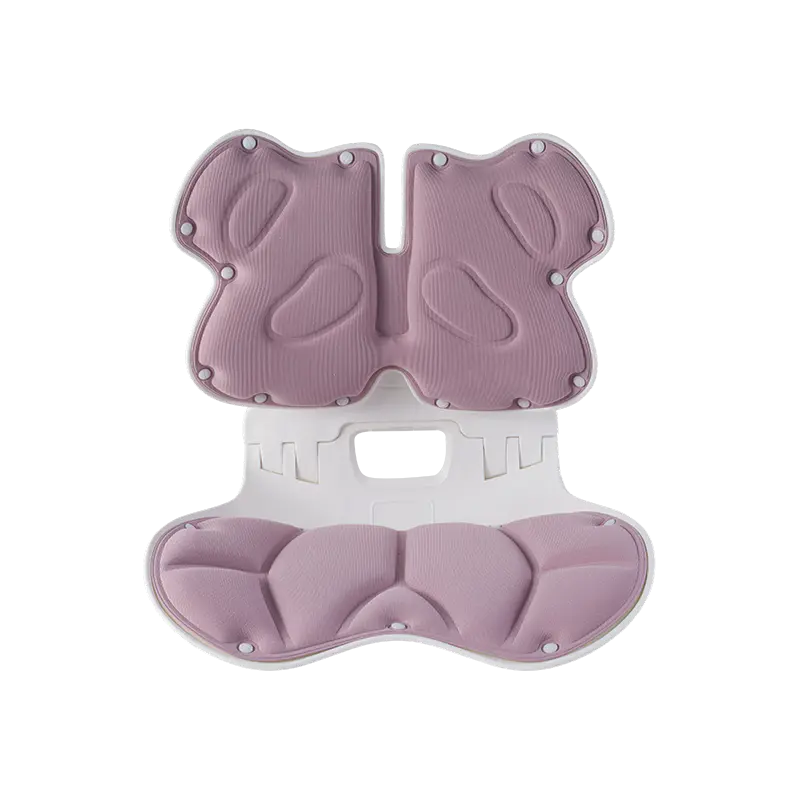
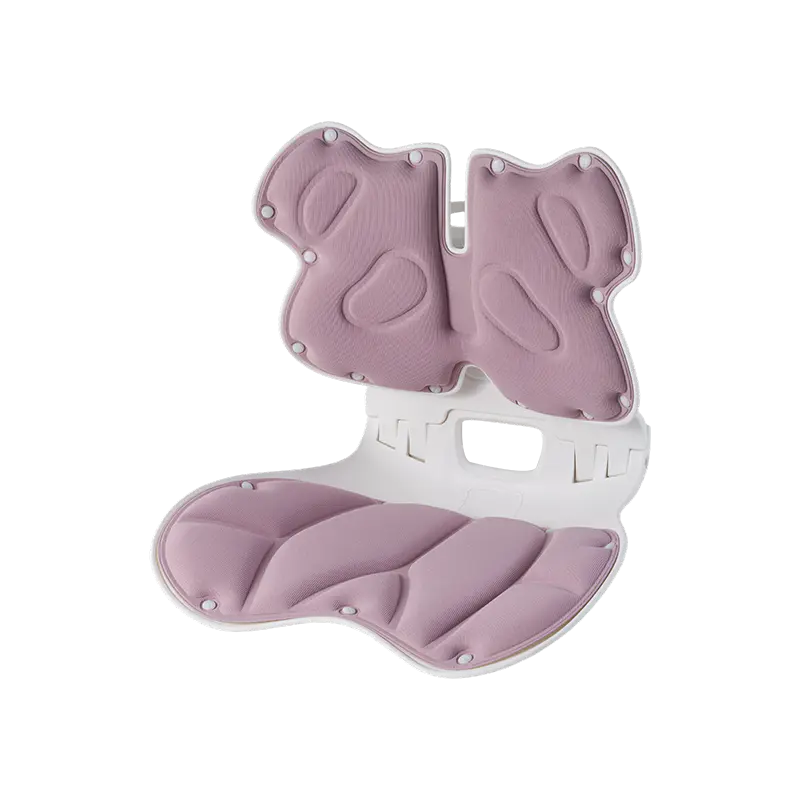
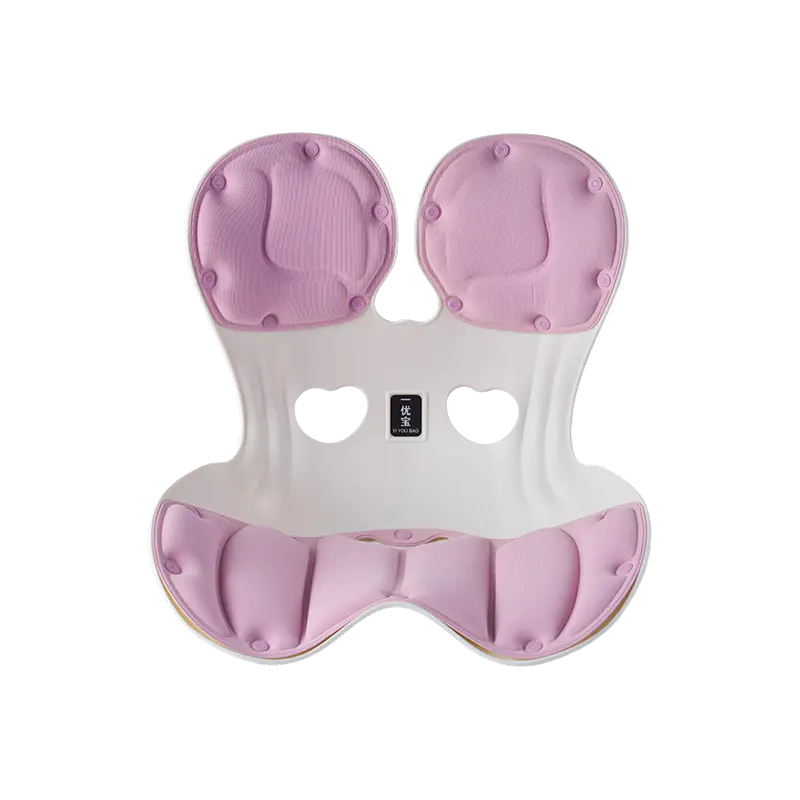
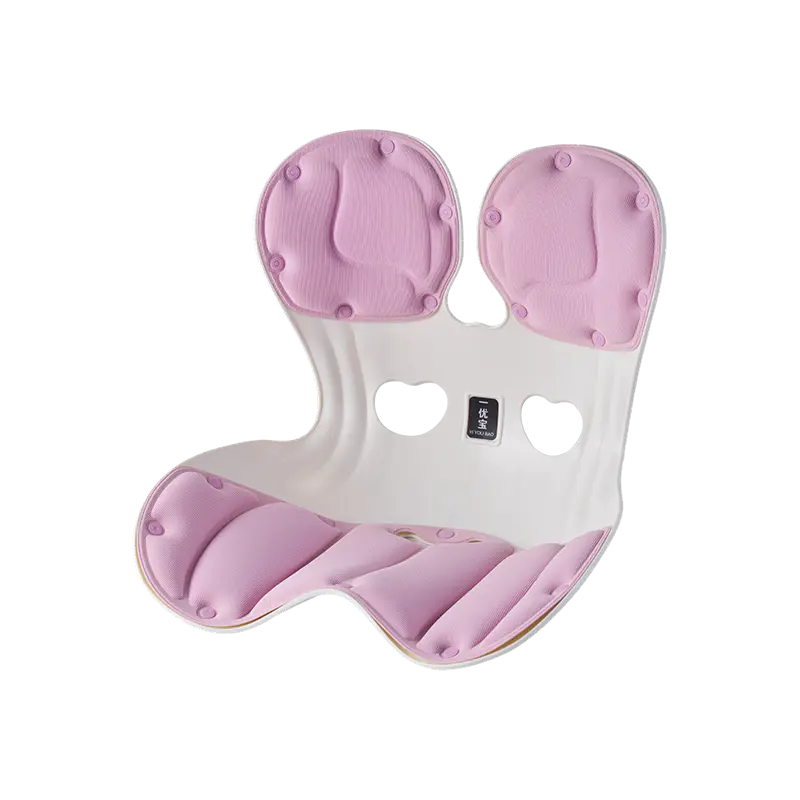
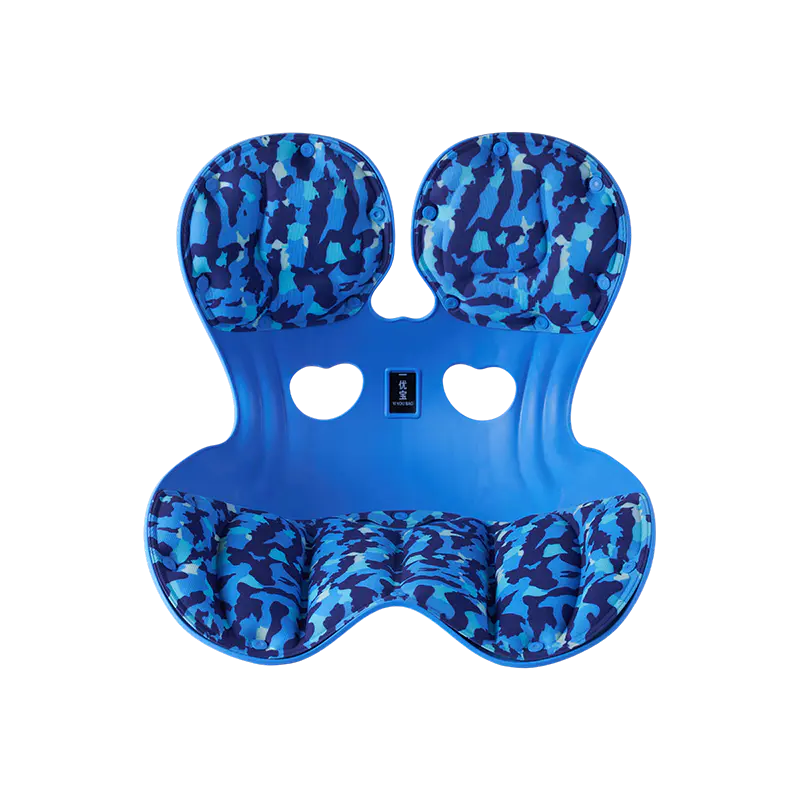
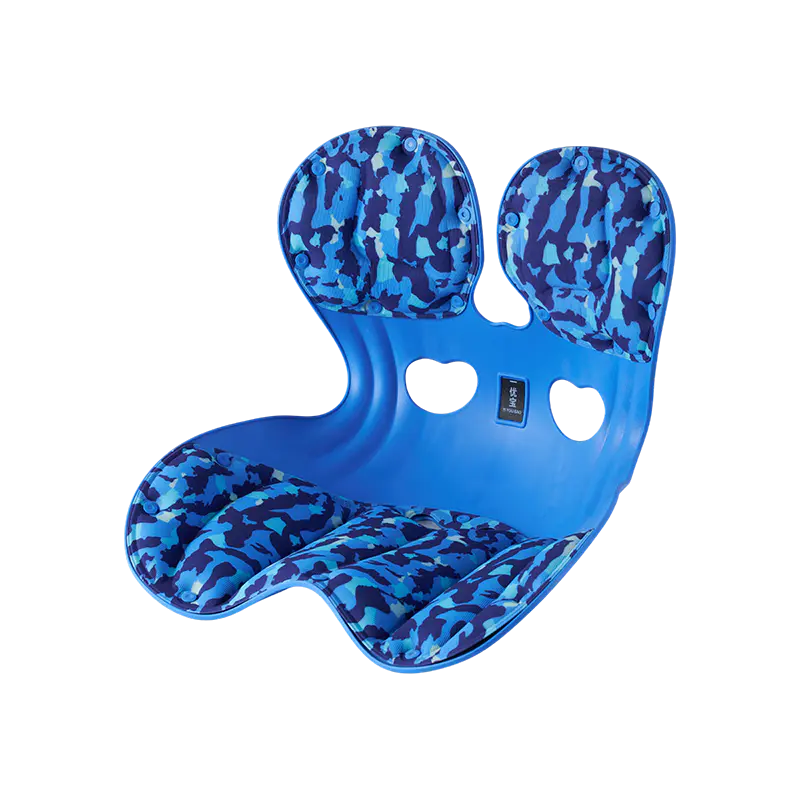
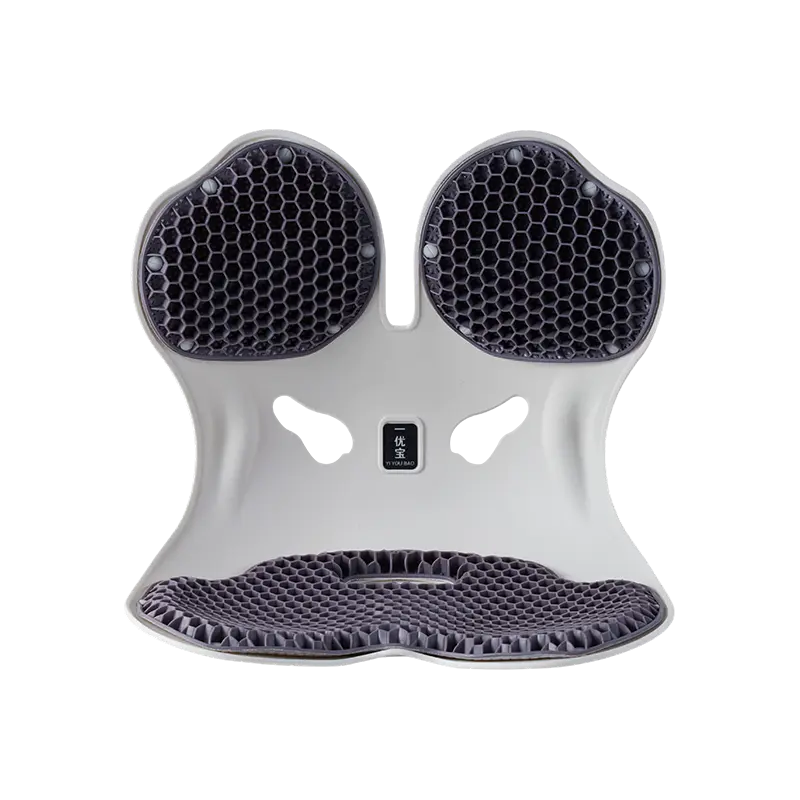
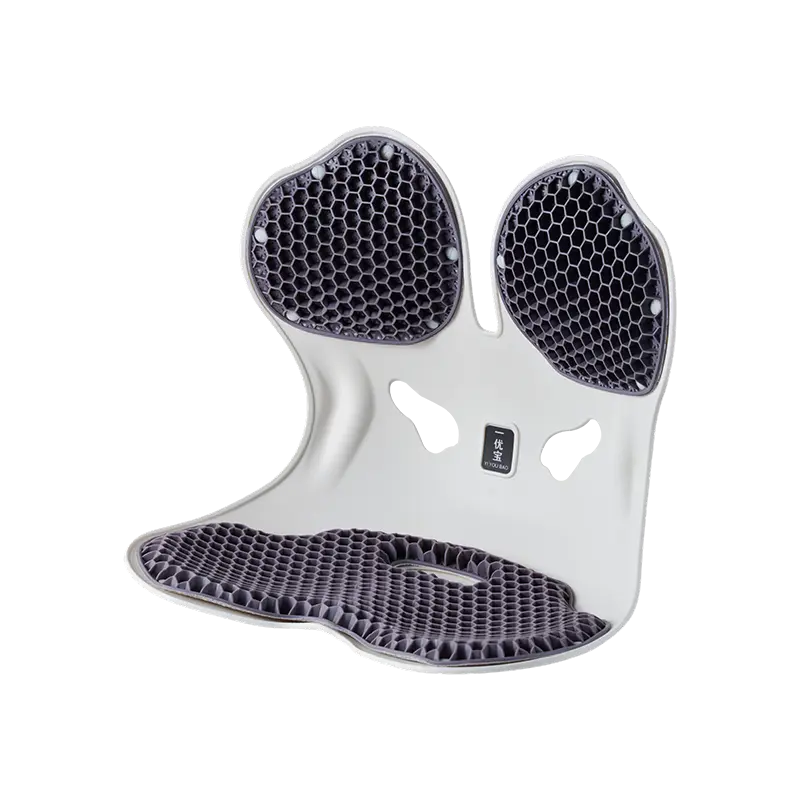
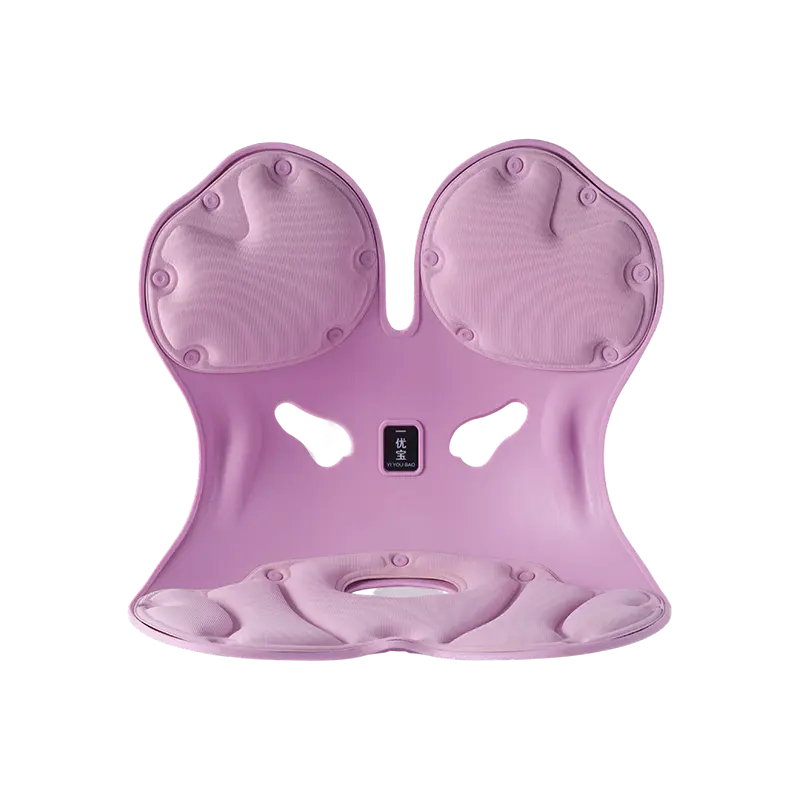
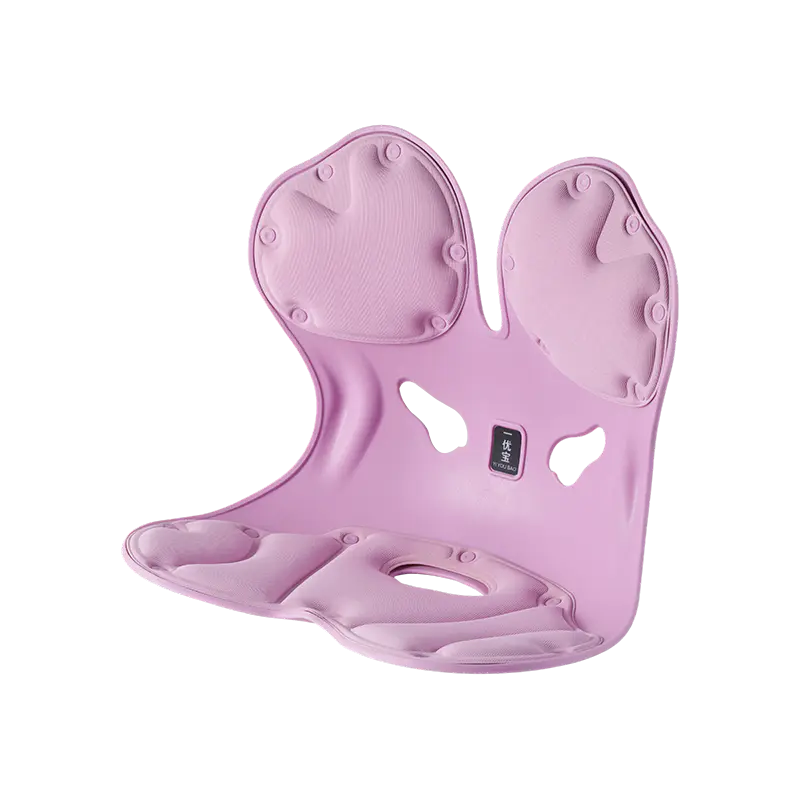
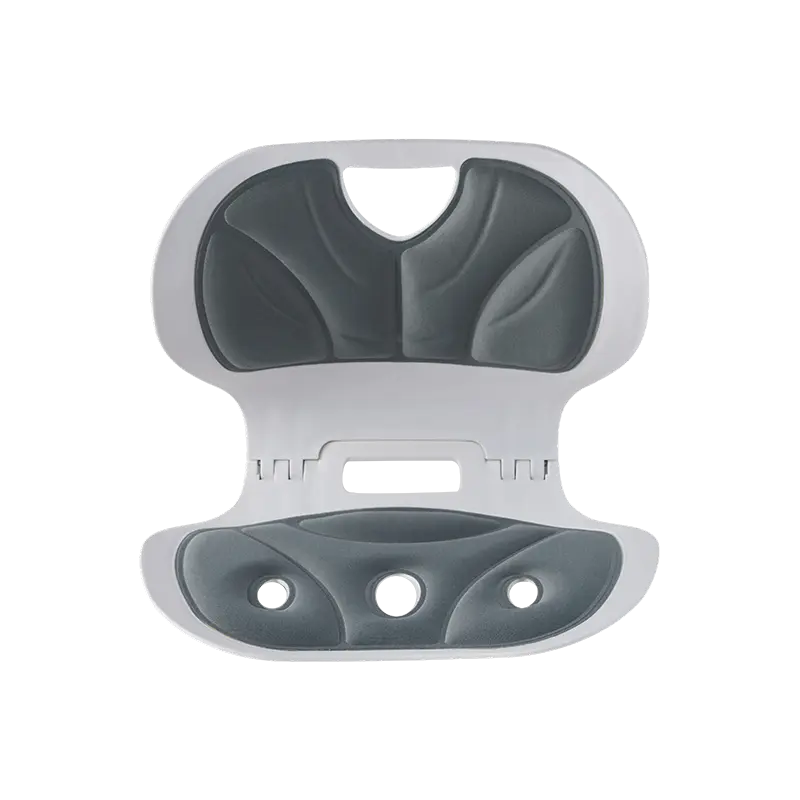
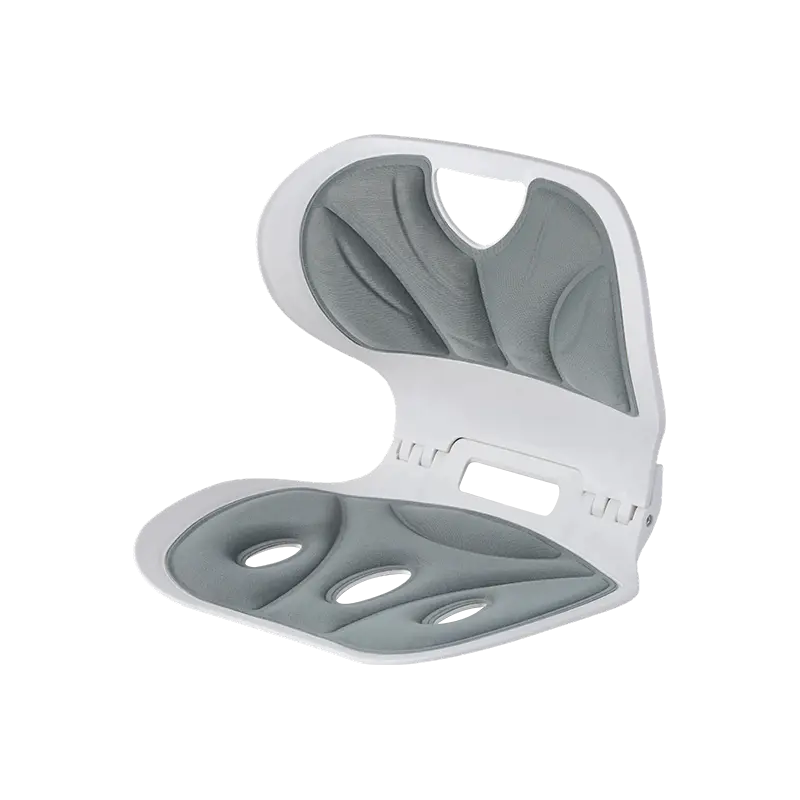
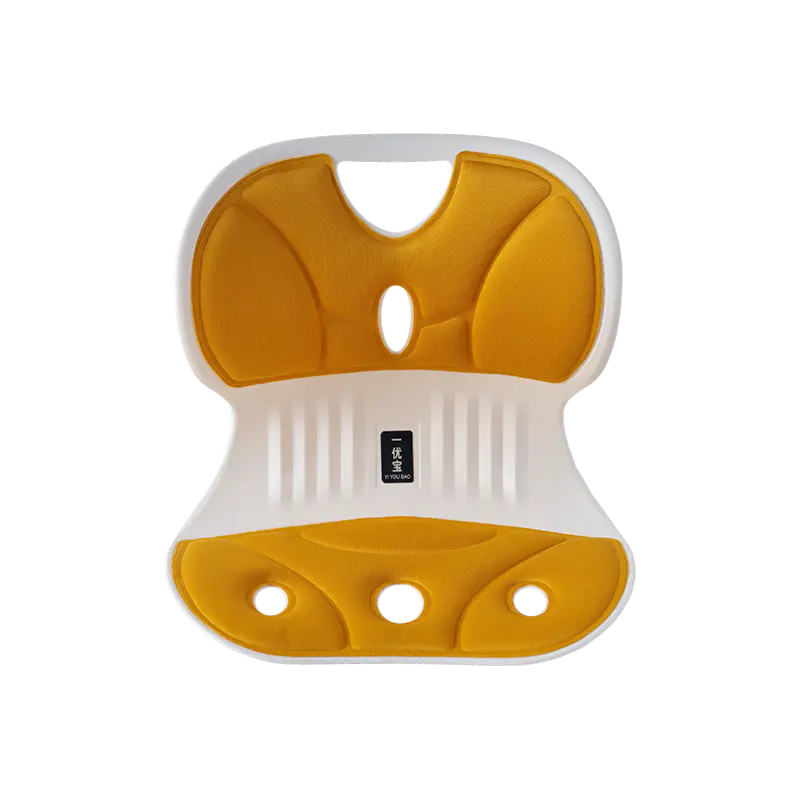
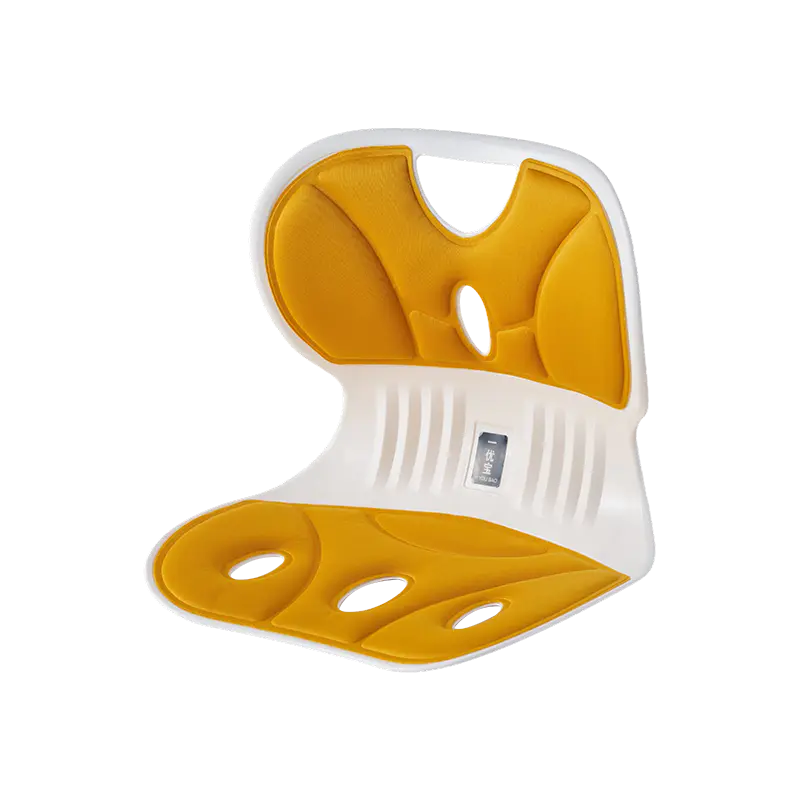
Buying a lumbar support cushion that felt genuinely great strapped to your office chair, then tossing it into the car for a road trip only to find it slides around uselessly against the seat back within the first ten minutes, is a common enough letdown that it's worth digging into why the same product can behave so differently depending on where it lands. Buyers often wonder why a cushion works comfortably on one chair but feels awkward or unstable on another, and that inconsistency usually comes down to how well the cushion actually adapts rather than any flaw in the chair itself. If you've been searching for what makes an Adjustable Lumbar Support Cushion suitable for different chairs, understanding how design, flexibility, and compatibility work together explains a lot about why some products travel well between environments and others just don't. People sit in a genuinely wide range of chairs throughout a normal week, from office chairs to car seats to dining chairs to whatever's sitting in the living room. Each of these has its own structure and sitting experience, and a cushion built around one shape doesn't automatically translate to comfort on another. That's exactly why adjustability has become such an important feature for buyers who need something that genuinely adapts rather than a one-size-fits-one solution. An Adjustable Lumbar Support Cushion aims to create a better match between the user, the chair, and whatever sitting environment they're actually in. The ability to adjust certain features lets the cushion fit different chair shapes and personal preferences without needing an entirely separate product for every situation.
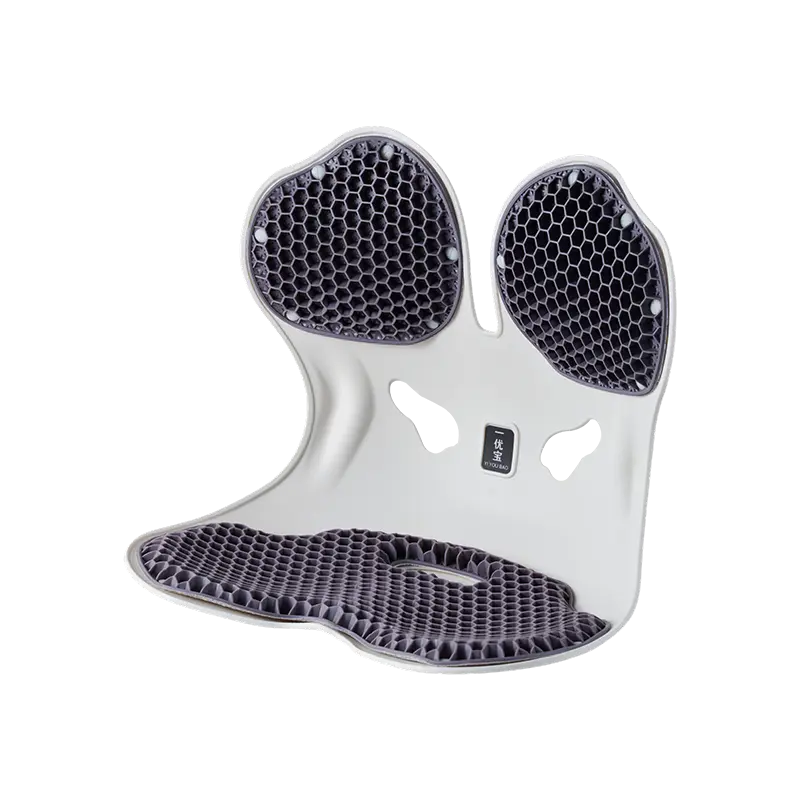
Why Does Chair Compatibility Matter for Lumbar Support Cushions?
Not every chair shares the same back design. Office chairs, car seats, dining chairs, and home seating often differ quite a bit in shape, firmness, and how much support area is actually available.
A lumbar support cushion needs to work across these differences rather than assuming one shape fits everything. If the cushion doesn't match the chair's structure, it tends to shift during use or fail to create a genuinely comfortable sitting position in the first place.
A few compatibility factors worth paying attention to:
| Consideration | Why It Matters |
|---|---|
| Chair shape | Different back designs call for different support styles |
| Cushion flexibility | Helps the product adapt across various surfaces |
| Attachment method | Shapes how stable it stays during actual use |
| Size design | Affects how well the cushion fits the chair itself |
A genuinely suitable cushion shouldn't be limited to a single chair type. Flexible design lets people use the same product across different environments without constantly second-guessing whether it'll actually work this time.
How Does Adjustability Actually Help a Cushion Fit Different Chairs?
Adjustability is one of the main reasons a lumbar support cushion manages to work across genuinely different seating styles.
People carry different body shapes, sitting habits, and comfort preferences into every chair they sit in. A fixed design tends to miss the mark for plenty of users, while adjustable features let people make small changes based on the specific chair and sitting position they're dealing with.
Adjustability tends to show up as:
- Position adjustment along the back
- Changes to the support area itself
- Flexibility in how it attaches
- Shape adaptation to fit curves or flat surfaces
These features let the cushion respond genuinely to different chair structures rather than forcing a compromise. A chair with a deeper back area, for instance, might call for a different cushion position compared with a chair featuring a flatter surface. An adjustable design hands users the control to make that call themselves.
What Role Does Cushion Shape Play in Chair Matching?
The shape of a lumbar support cushion genuinely shapes how well it works across different chairs.
A cushion that's too rigid tends to struggle against curved chair backs, while one that's too soft may not hold its intended position through a long sitting session. Balanced design helps the product adapt across different seating surfaces without falling into either extreme.
A few shape-related considerations worth thinking through:
| Design Element | User Concern |
|---|---|
| Curved structure | Does it actually match the chair back's contour? |
| Support area | Does it cover the position that genuinely needs it? |
| Edge design | Does it transition smoothly against the chair itself? |
| Overall form | Does it fit across different seating styles? |
A well-designed shape genuinely improves the connection between cushion and chair. Different chairs create genuinely different sitting experiences, and the cushion's shape needs to hold up across that variety rather than only performing well in one narrow context.
How Do Materials Affect Adaptability Across Different Chairs?
Materials shape how a lumbar support cushion responds once it's actually pressed against a chair's surface.
A cushion used on an office chair might need different flexibility than one placed against a car seat, given how differently those two surfaces behave. Material selection shapes softness, firmness, and how closely the cushion follows the chair's underlying structure.
A few material considerations worth knowing:
| Material Feature | Influence |
|---|---|
| Flexibility | Helps the cushion follow different chair shapes |
| Surface feel | Affects overall user comfort during sitting |
| Structure support | Relates directly to the sitting experience itself |
| Durability | Supports the cushion holding up through repeated use |
A suitable material combination helps the cushion maintain its function across genuinely different environments. Thinking through where the cushion will actually get used, and choosing a design that matches those conditions, matters more than picking based on how plush something feels in a showroom.
Can One Lumbar Support Cushion Genuinely Work for Office Chairs and Car Seats?
Plenty of buyers want a cushion flexible enough to use in more than one place, which makes sense given how much time people spend in both an office chair and a car seat during a normal week.
Office chairs and car seats carry genuinely different structures though. Office chairs generally allow more movement and adjustment, while car seats tend to have fixed shapes built around the vehicle's interior design.
An Adjustable Lumbar Support Cushion offers real flexibility here by letting users change its position and fit depending on where it's landing.
| Usage Area | Common Considerations |
|---|---|
| Office chair | Long sitting periods with room for adjustable positioning |
| Car seat | Limited space paired with a fixed seat structure |
| Home chair | Comfort tied to daily convenience |
| Travel seat | Easy movement and genuine portability |
A cushion suitable across multiple environments genuinely gives users more options during daily life. The real question isn't just whether a cushion can physically be placed on different chairs. It's whether it can actually maintain a comfortable fit once it's there.
How Does Attachment Design Influence Stability?
A cushion might have a genuinely suitable shape, but stability matters just as much once someone's actually sitting on it.
When a cushion shifts around constantly, users end up readjusting it over and over throughout the day, which defeats the whole point of having support in the first place. Attachment design helps keep the cushion in a more consistent position without constant fiddling.
A few common attachment considerations worth thinking through:
- How easy the installation actually is
- Whether the positioning stays secure through movement
- How well it works across different chair backs
- How convenient adjustment feels day to day
Different chairs often call for different attachment methods. An office chair with a wider back and a car seat with a narrower structure, for example, may need genuinely different positioning approaches to work well. A practical attachment system supports easier use across multiple chairs without turning every switch into a project.
What Should Buyers Consider When Selecting a Cushion for Different Environments?
Choosing a lumbar support cushion meant for different chairs requires looking at the full usage picture, not just one scenario in isolation.
A product designed around only one environment often misses broader needs entirely. Buyers benefit from thinking through where the cushion will actually be used, how often it'll move between chairs, and what specific chair types are involved.
| Question | Purpose |
|---|---|
| Where will the cushion actually be used? | Helps define the real application needs |
| Will it move between chairs regularly? | Determines how much flexibility genuinely matters |
| What chair types are actually involved? | Supports finding a genuinely suitable match |
| How will it need to be adjusted? | Relates directly to daily convenience |
Understanding these details upfront helps buyers steer clear of choosing a cushion that looks appealing but doesn't actually fit their real situation.
How Does User Preference Influence the Choice of an Adjustable Cushion?
Chair compatibility isn't only about the chair itself. The person actually sitting in it plays a genuinely important role too.
People carry different sitting habits into every chair. Some prefer a softer feel underneath them, while others want firmer, more assertive support. Some sit for short stretches throughout a day, while others spend the majority of their working hours in one seat.
An Adjustable Lumbar Support Cushion lets users make changes based on their own personal preference rather than settling for whatever fixed setting a manufacturer decided worked for everyone.
A few factors tied to user needs worth considering:
- Individual sitting style and posture habits
- The daily usage environment involved
- Personal comfort expectations
- How often someone actually wants to adjust things
A cushion offering genuine flexibility tends to match different users a lot more naturally, which becomes especially useful in shared environments where several people might use the same chair throughout a day.
What Mistakes Should Buyers Avoid When Choosing a Lumbar Support Cushion?
Plenty of buyers focus almost entirely on appearance and end up overlooking practical compatibility altogether.
A cushion might look genuinely appealing sitting on a store shelf but fail to actually match the chair structure or the user's real needs once it's brought home.
| Mistake | Possible Issue |
|---|---|
| Ignoring chair shape | The cushion may not fit properly against the back |
| Choosing without adjustment features | Limited flexibility once it's actually in use |
| Overlooking attachment design | The cushion may shift around during regular use |
| Not considering usage location | The product may not match the actual environment |
Evaluating these factors before purchasing helps buyers land on a cushion that genuinely fits their real, everyday needs rather than just looking good in a product photo.
Why Does This Adaptability Genuinely Matter for Everyday Use?
An Adjustable Lumbar Support Cushion becomes a lot more useful once its design genuinely accounts for different chairs, different environments, and different users rather than assuming one setup fits everyone. Features like adjustable positioning, flexible materials, a suitable shape, and practical attachment methods all help create better compatibility across office chairs, car seats, home furniture, and other seating spaces people move between throughout a normal week. Understanding these factors helps buyers focus on choosing a cushion that genuinely matches their daily sitting situations, rather than selecting one purely on how it looks sitting on a shelf.
 Previous