Industry News
Home / News / Industry News / Can Proper Maintenance Extend Lumbar Support Backrest Life?

Can Proper Maintenance Extend Lumbar Support Backrest Life?

There is a particular kind of frustration that comes from a lumbar support cushion that used to feel supportive and now just feels flat — or one that has developed an odor you cannot quite trace, or a cover that has pilled and stiffened from being washed the wrong way. A Lumbar Support Backrest is not a passive object. It compresses and rebounds thousands of times over its service life, absorbs body heat and moisture through every session, and is often stored carelessly when not in use. Most of the degradation that happens is not inevitable — it is the result of maintenance habits that nobody explained when the product was purchased. Getting the cleaning and care routine right from the beginning makes a measurable difference in how long the cushion holds its original feel and function.
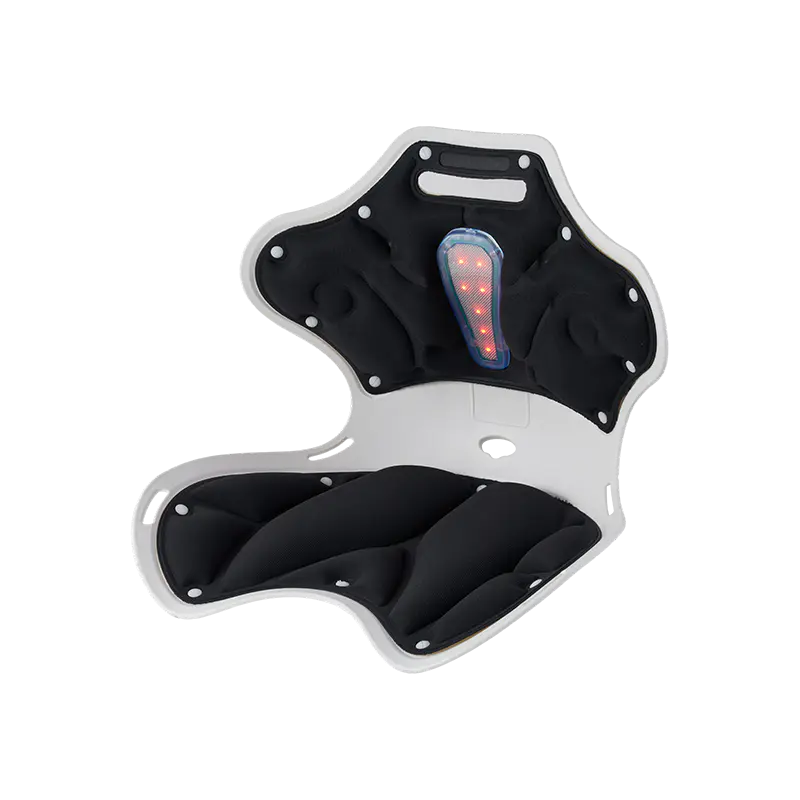
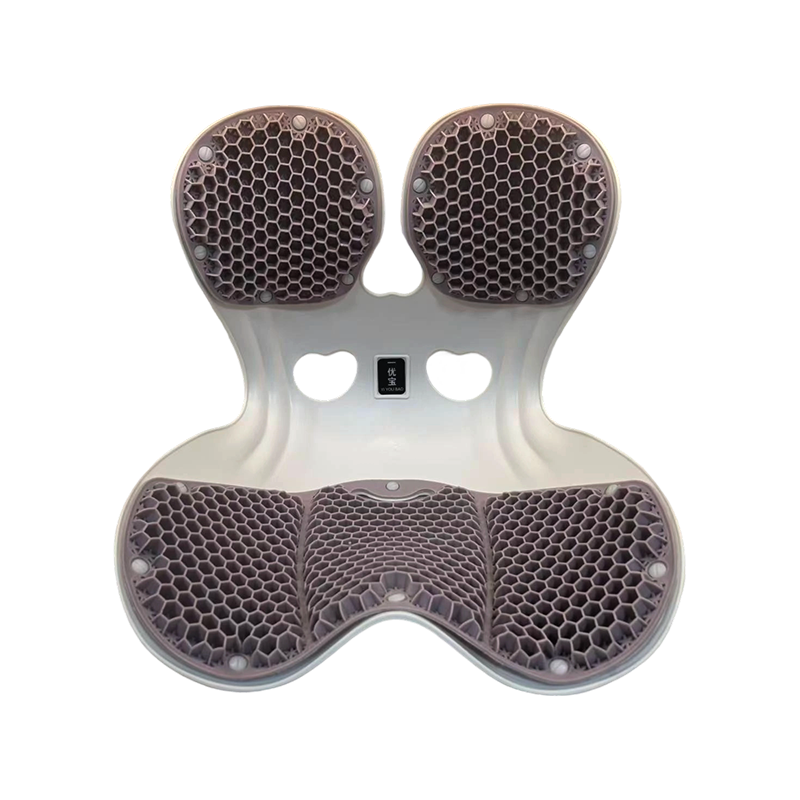
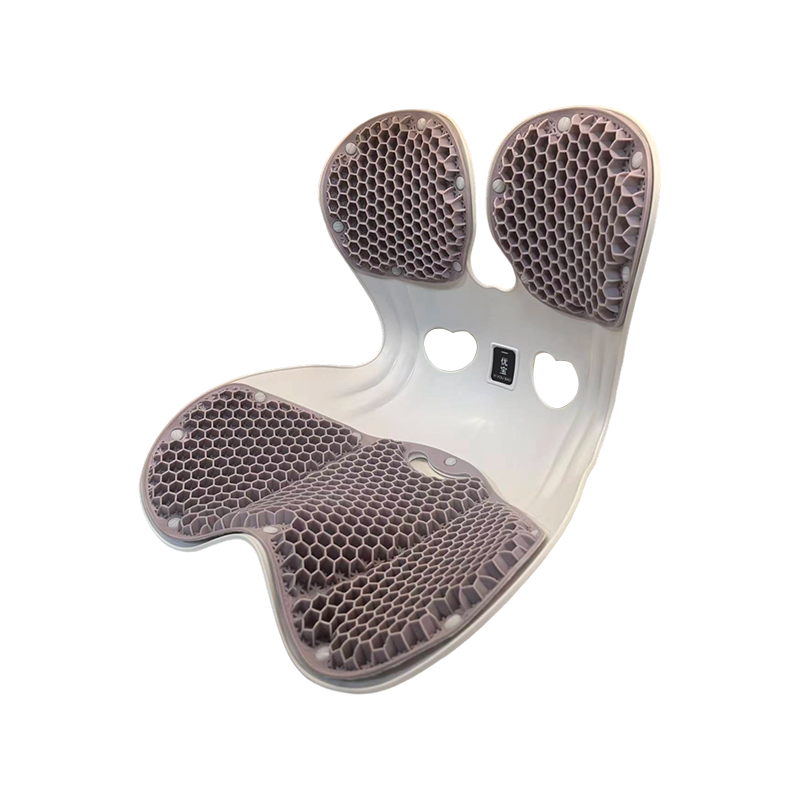
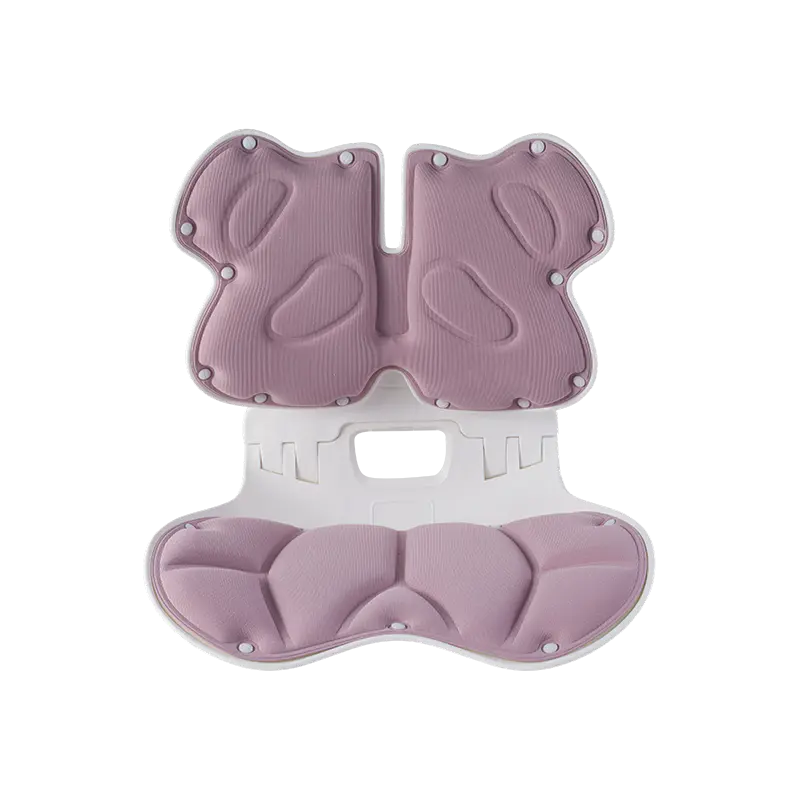
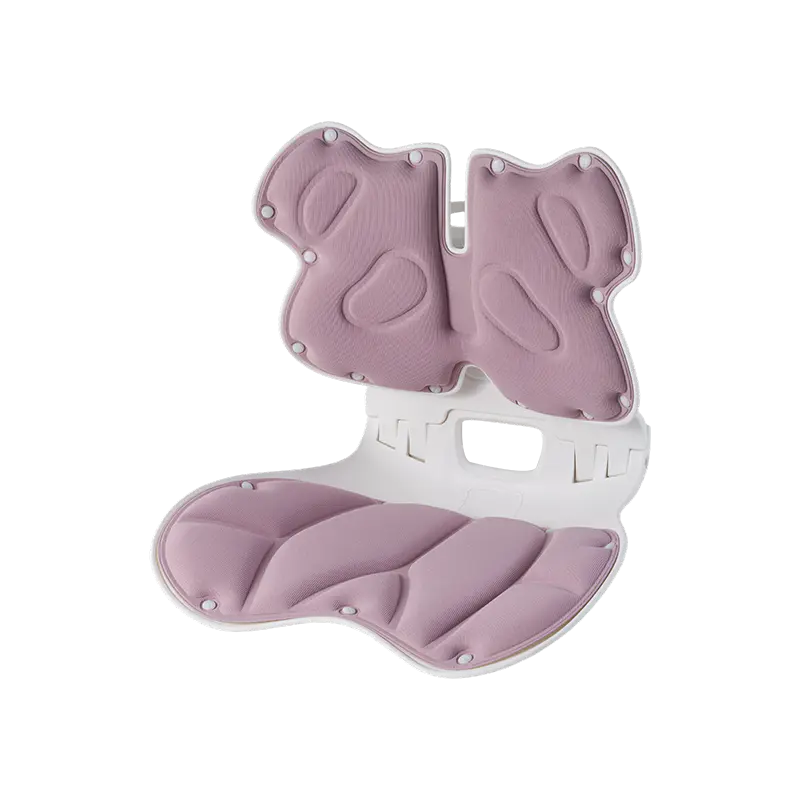
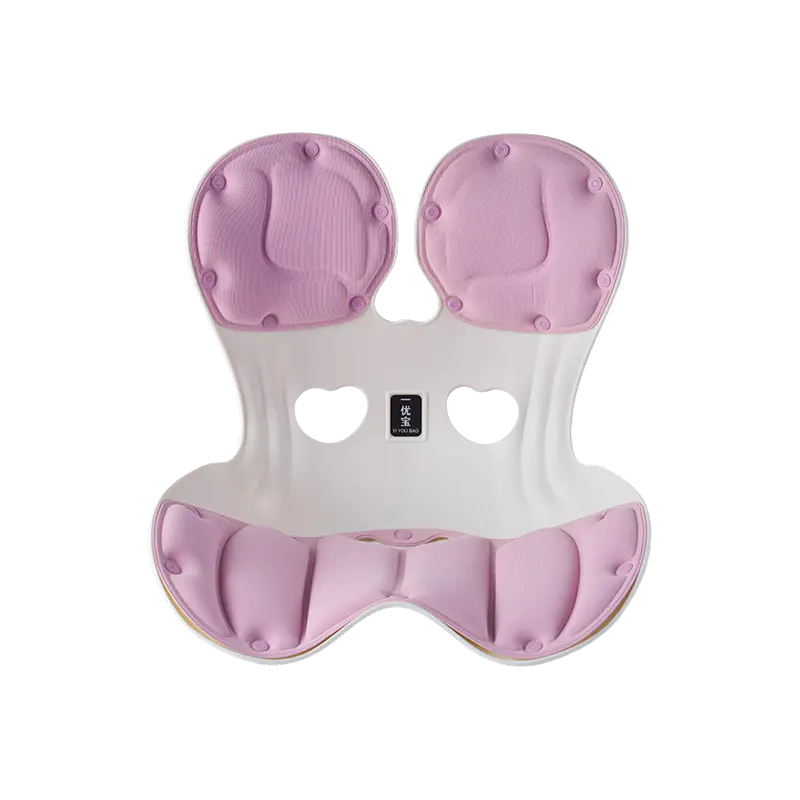
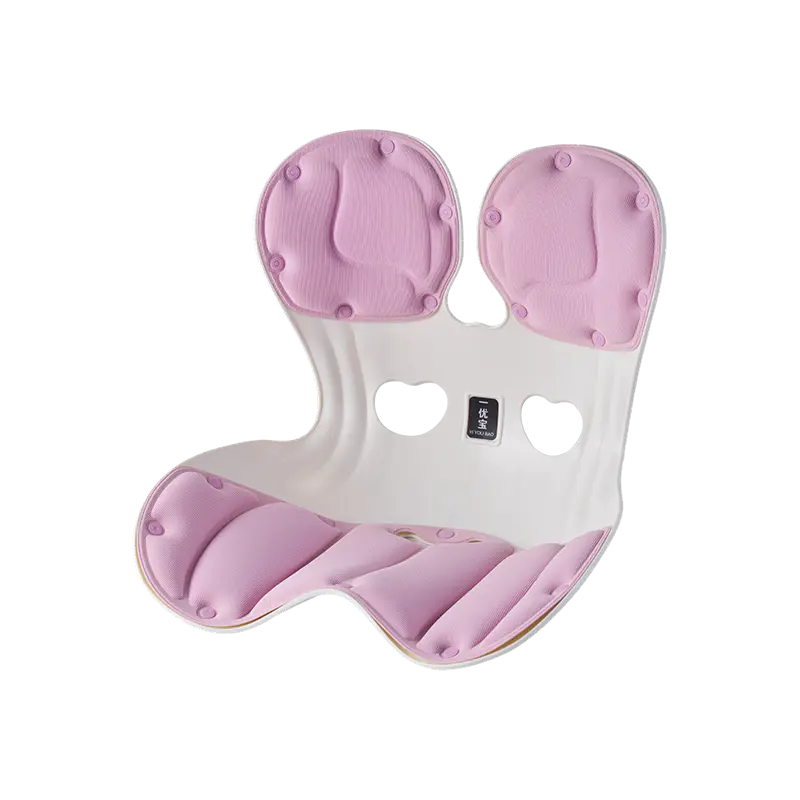
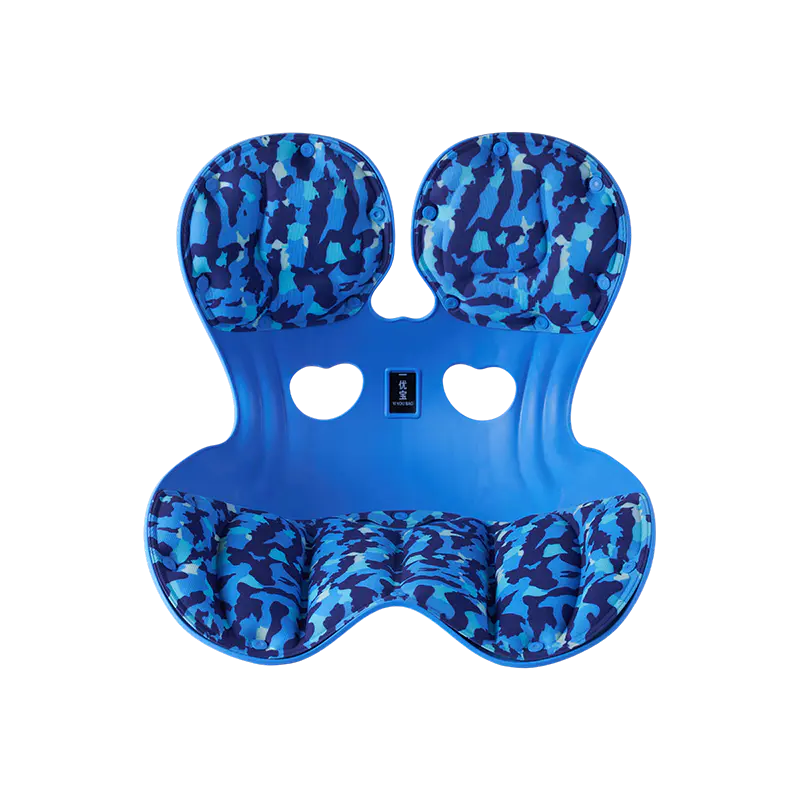
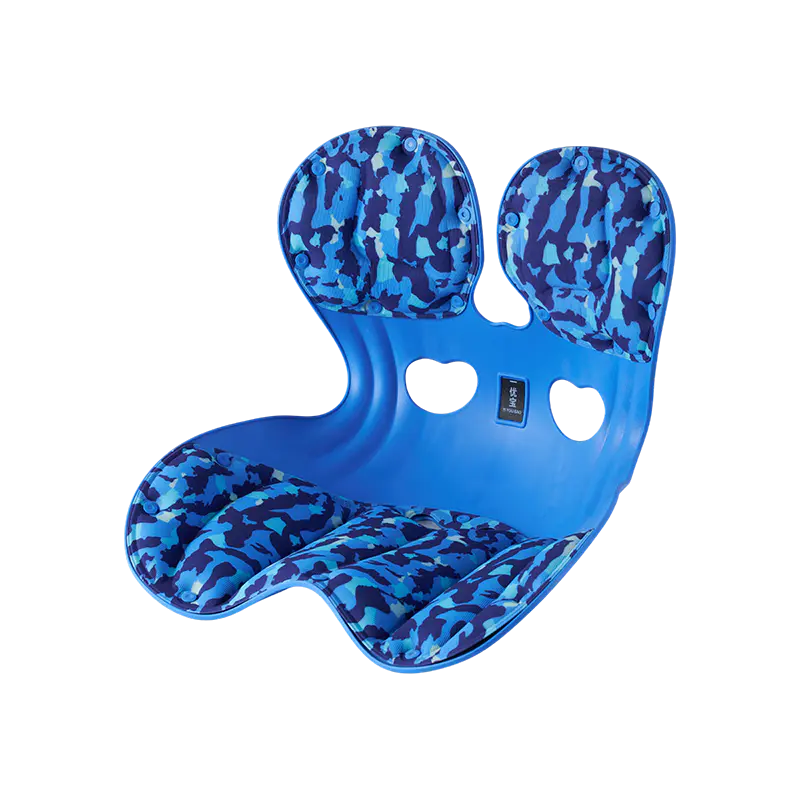
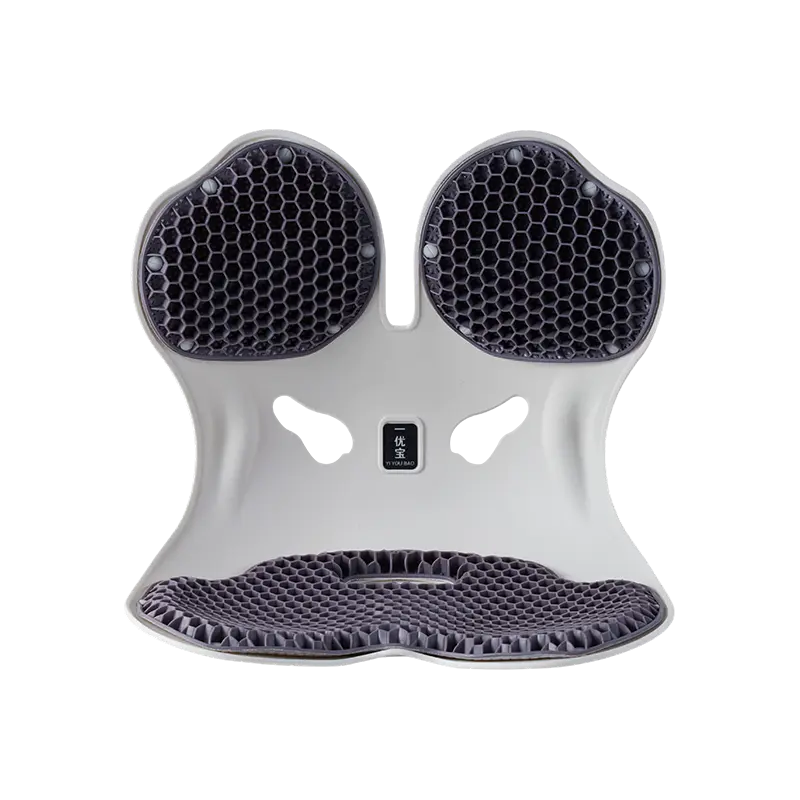
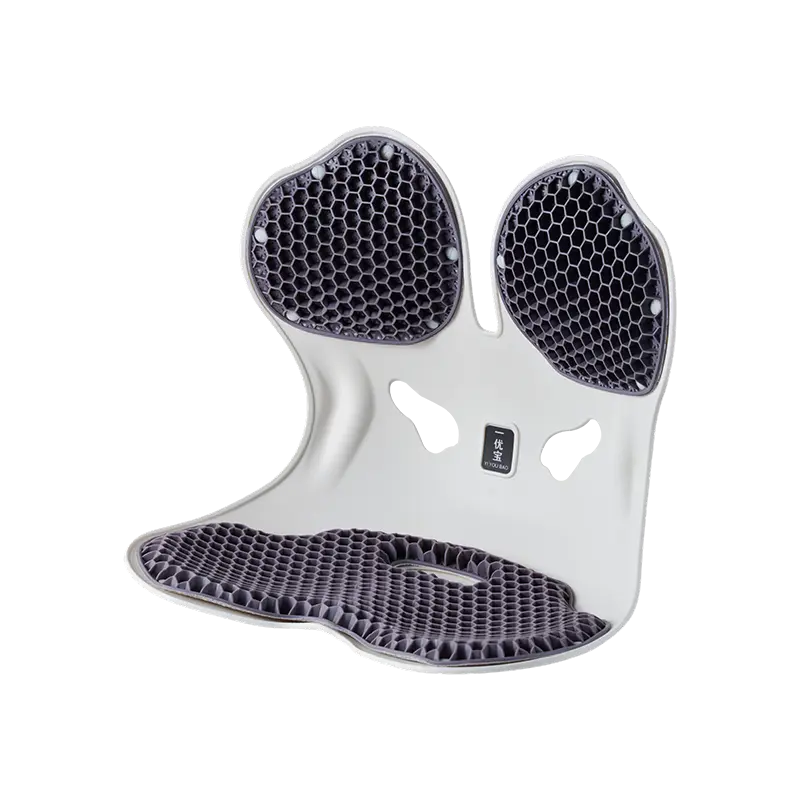
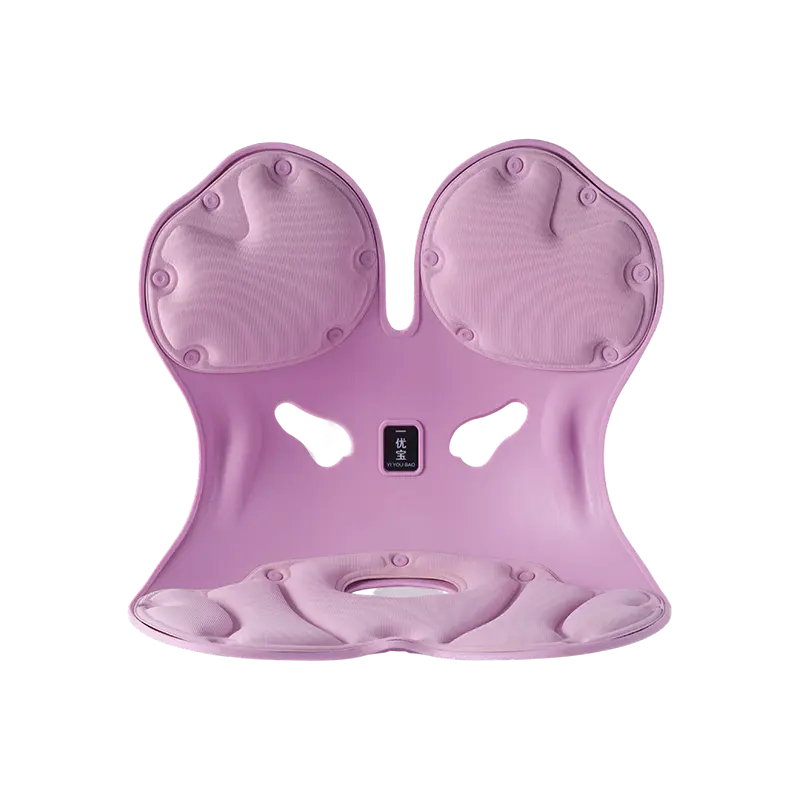
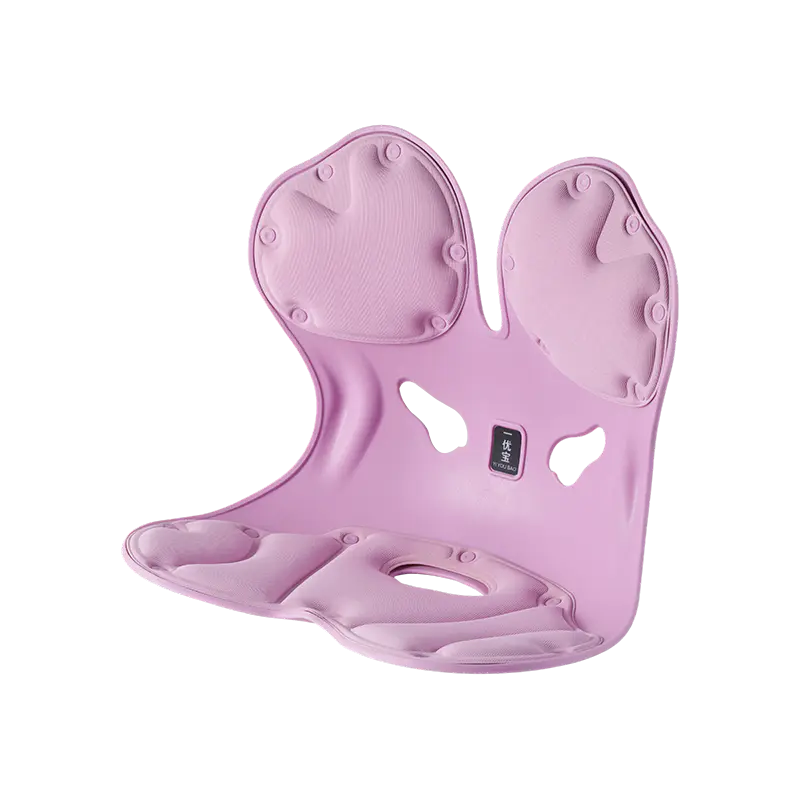
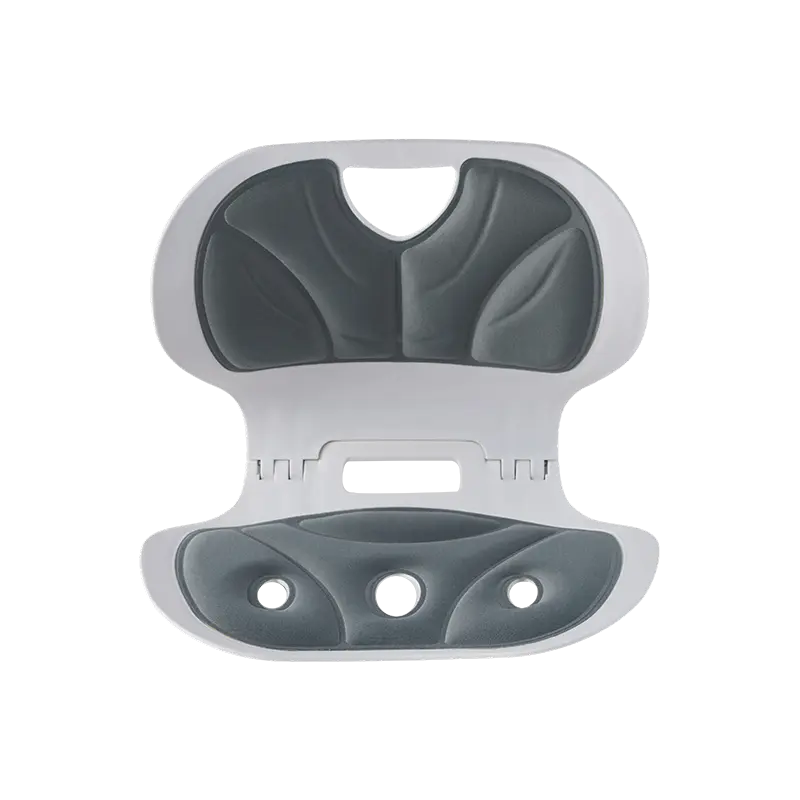
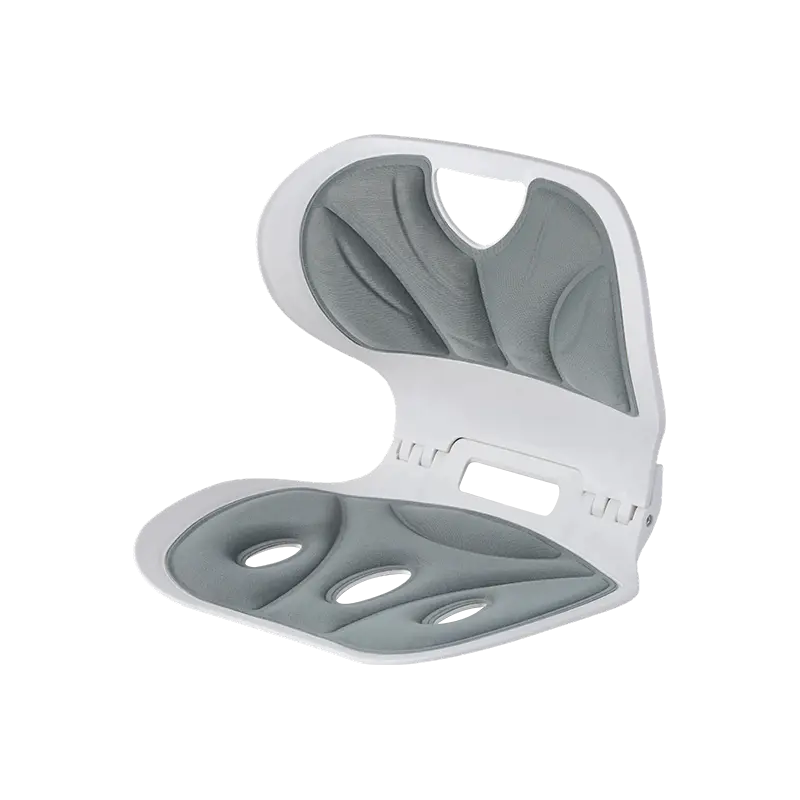
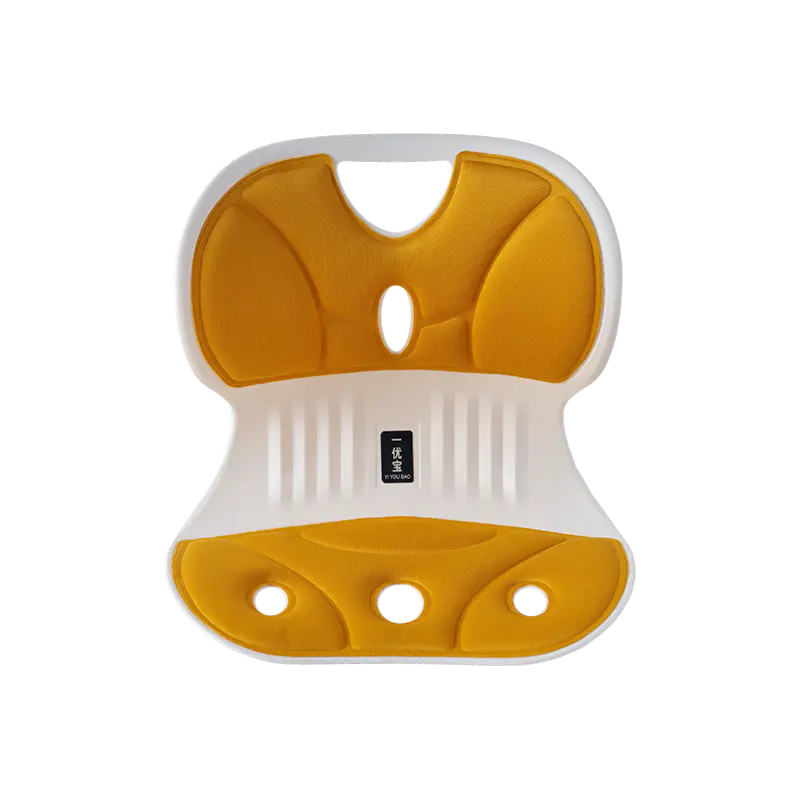
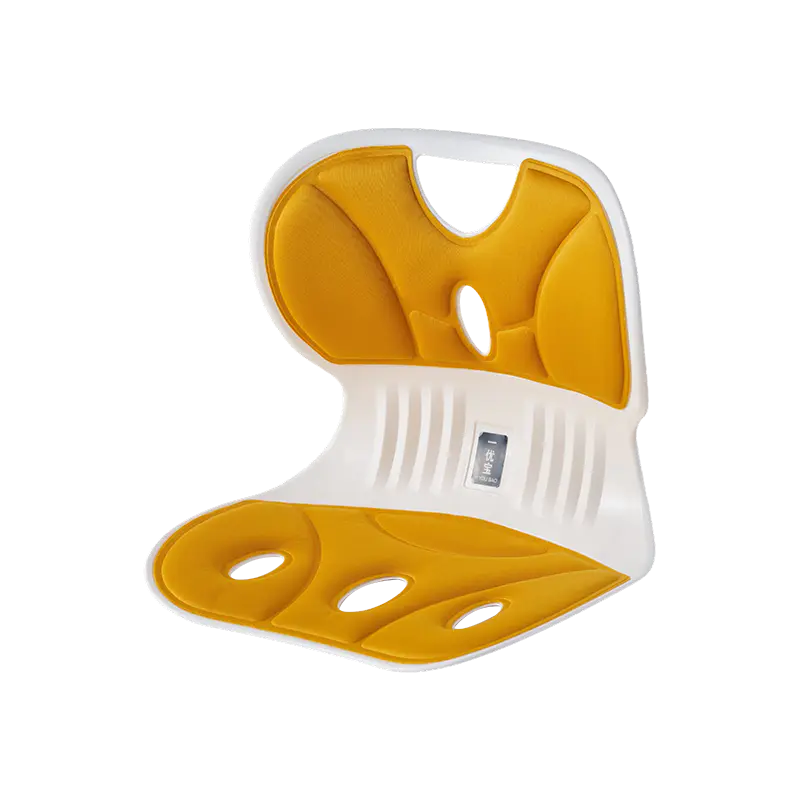
Lumbar Support Backrest provides ergonomic support to reduce back strain during long periods of sitting.

Why Cleaning Matters Beyond Just Hygiene

DIRT
Dirt and Moisture Do More Than Look Bad

A lumbar support cushion sits directly against the body. Over days and weeks of use, sweat, skin oils, and environmental dust work their way into the cover fabric and, over time, into the foam layer beneath. The visible result is discoloration and surface grime. The less visible result is more important: moisture retained inside the cushion creates conditions that accelerate foam breakdown, promote microbial growth, and, in memory foam products, gradually compromise the material's ability to return to its original shape after compression. In shared settings — office chairs used by multiple people, vehicle seats in fleet vehicles, or cushions used across a care facility — the hygiene dimension is an operational concern, not just a personal preference. Regular cleaning in these contexts is part of maintaining the product's performance, not just its appearance.

Understanding What Your Cushion Is Made Of

Not every lumbar support backrest is built the same way, and the material composition of both the cover and the inner core determines what cleaning methods are safe and which ones cause damage. Applying the wrong approach — soaking a memory foam core, machine-washing a non-removable cover with a zipper closure, or using a harsh chemical on a gel panel — shortens the product's life significantly.

Common Constructions and What They Mean for Care
Core Materials
  • Memory foam core: Dense, slow-recovery foam that should never be soaked or fully submerged. Water penetrates easily but takes an extremely long time to evaporate from the interior, and prolonged moisture leads to structural breakdown and mold. Spot cleaning only.
  • Standard polyurethane foam: Slightly more tolerant of light surface moisture than memory foam, but the same principle applies — avoid full saturation, and always allow complete drying before use.
  • Gel layer or gel-infused foam: The gel component itself is typically durable and easy to wipe down, but the foam surrounding it follows the same rules as above. Most gel-infused cores cannot be machine washed.
Cover Materials
  • Mesh cover: Generally the most washable exterior material. Machine washing is usually safe at low temperatures, and mesh dries quickly. Check for any embedded wire or plastic stays before washing, as these can deform under agitation.
  • Fabric cover (velvet, polyester, nylon blends): Washable in most cases if the cover is removable, but prone to pilling with repeated machine washing. Hand washing extends the cover's texture considerably.
  • Faux leather or PU coating: Wipe-clean only. Machine washing or soaking will cause the surface coating to crack, peel, or delaminate. Use a lightly damp cloth and a gentle cleaner.

If the product has a removable cover with a care label, the label takes priority over any general guidance. Labels reflect the specific material blend used in that product, not generic material categories.

How to Clean the Cover Correctly

If the cover unzips and separates from the foam insert, cleaning becomes straightforward — but a few details still affect whether the result is good or damaging.

Step 1 — Remove & Turn

Remove the cover carefully, turning it inside out before washing to protect the outer surface and any surface texture.

Step 2 — Check the Label

Check the care label for temperature and cycle recommendations. When in doubt, cool water and a gentle cycle cause less wear than warmer settings.

Step 3 — Mild Detergent

Use a mild detergent. Strong detergents can strip fabric treatments, fade dyes, and leave residue that stiffens the fabric after drying.

Step 4 — No Fabric Softener

Avoid fabric softener on mesh or performance fabric covers — it can clog the weave, reduce breathability, and leave a coating that attracts more dirt over time.

Step 5 — Air Dry Fully

Air dry completely before returning the cover to the foam insert. A cover that feels dry on the surface may still carry moisture in the seams and panels. Putting it back on a foam core while still damp is one of the main routes to interior mold.

Non-Removable Covers

For covers that are not removable — where the fabric is sewn or glued directly to the foam — the process shifts to surface cleaning only. Use a cloth dampened with mild soapy water, work in small sections, and blot rather than scrub to avoid pushing moisture deeper into the layers.

Cleaning the Foam Core

The foam insert is where most care routines go wrong. The impulse to thoroughly clean something by soaking it is reasonable for many household items but counterproductive for foam-based cushion cores.

Spot cleaning is the correct approach for nearly all foam types:

Cleaning Solution

Mix a small amount of mild detergent with water to create a light cleaning solution. Apply with a clean cloth, working in small circular motions over the affected area.

Blot, Don't Rub

Blot — do not rub — to lift the stain or soiling without spreading it. Follow with a second cloth dampened with plain water to remove detergent residue.

Absorb & Dry

Press a dry towel firmly against the area to absorb as much surface moisture as possible. Allow the foam to air dry completely — in a well-ventilated space if possible — before covering or using.

Sunlight Caution

Avoid placing a damp foam core in direct sunlight for extended periods. While sunlight does help with drying, prolonged UV exposure degrades foam structure and can cause discoloration in materials not designed for outdoor use. Short-term sun exposure for drying is fine; leaving it out for hours is not.

Managing Odor Before It Becomes a Problem

Odor in lumbar support cushions almost always has a moisture origin. Sweat and body heat create a warm, slightly damp environment inside the cushion that, over time, produces the flat, slightly musty smell that is hard to remove once established. The solution is addressing moisture regularly rather than waiting until the smell appears.

Practical Habits That Prevent Odor Buildup
  • Remove the cushion from the chair at the end of the day and allow it to air out rather than compressing against the seat overnight.
  • When the cushion will not be used for several days, store it in an open, ventilated space rather than inside a bag or drawer.
  • Use a removable, washable cover that can be laundered regularly — the cover absorbs the majority of sweat and skin contact, and washing it frequently prevents transfer to the foam layer beneath.
  • For cushions used in vehicles during warm weather, remove them when the car is parked for extended periods. Enclosed vehicle interiors reach high temperatures that accelerate moisture-related degradation.
If Odor Has Already Developed

Baking soda applied lightly to the foam surface and left for several hours before being brushed away can help neutralize it. This is not a permanent solution if the source of moisture continues, but it is a useful step for light odor between deeper cleaning sessions.

Special Considerations for Foldable Designs

A foldable lumbar support cushion introduces a dimension of care that fixed designs do not require. The fold mechanism — whether a hinge, a flexible joint, or simply a foam cut designed to flex — experiences mechanical stress every time the product is folded and unfolded. Over time, if this is done carelessly or the cushion is stored in a compressed or awkwardly folded position for extended periods, the foam at the fold line can weaken and lose its rebound.

FOLD
Fold Along the Intended Line

Fold along the intended fold line rather than bending the cushion in other directions. Forcing a fold outside the designed axis stresses the foam in ways it was not built to accommodate.

STOR
Avoid Long-Term Folded Storage

Avoid storing the cushion in a fully folded position for long stretches. If the product is traveling in a bag, that is fine. If it will be stored for weeks in a folded state, opening it flat periodically allows the foam to fully recover its shape.

INSP
Inspect the Fold Area Regularly

Check the fold area during regular maintenance — this is the zone where wear appears earliest, and catching early signs of compression set allows you to adjust storage habits before performance is affected.

DRY
Clean and Dry in the Open Position

When cleaning a foldable design, clean it in the open position and allow it to dry fully before folding. Closing a damp cushion traps moisture at the fold seam, which accelerates breakdown precisely where the structure is already under the most mechanical stress.

Maintenance by Usage Setting

Setting Key Risks Recommended Care Frequency Specific Considerations
Office chair (daily use) Sweat accumulation, dust, gradual compression Cover wash every two to four weeks; foam spot clean monthly Air out daily; store away from chair overnight if possible
Vehicle seat (regular use) Heat exposure, temperature cycling, UV through windows Cover wash monthly; foam check every two months Remove during parked periods in hot weather; avoid dashboard storage
Home sofa or recliner Lower moisture risk, occasional use Cover wash as needed; foam spot clean quarterly Check for pet hair or allergen buildup if pets share the space
Wheelchair or medical use Body fluid contact, prolonged compression Cover wash weekly; foam inspect and spot clean weekly Consider washable foam covers; replace foam insert if compression set is significant
Travel or shared use Multiple users, storage in bags, variable conditions Cover wash after each trip or user change Foldable designs need fold-line inspection; store open between uses

Recognizing When the Cushion Needs Replacement

Maintenance extends the usable life of a lumbar support backrest, but it does not extend it indefinitely. Foam materials lose their mechanical properties gradually — the ability to compress under load and recover fully diminishes over time, regardless of how well the product has been cared for. Knowing the signs that replacement is appropriate avoids the situation of continuing to use a product that is no longer providing meaningful support.

Signs That Indicate the End of the Product's Useful Life
  • The foam does not recover its original shape after several hours without load. Press the cushion firmly and release — if it stays compressed or returns very slowly to a noticeably flatter profile than when new, the foam has lost its structural integrity.
  • The support provided no longer feels consistent with what the cushion offered when new. This is subjective, but it is also a reliable signal — users who have lived with a product for months notice when it stops doing its job.
  • Persistent odor that returns quickly after cleaning suggests deep contamination in the foam that surface treatment cannot reach.
  • Visible breakdown in the foam: crumbling at the edges, visible compression channels that do not recover, or structural separation at the fold line in foldable designs.

A foldable lumbar support cushion with a compromised fold joint — where the support dips or feels unstable at the fold point — has reached the end of its functional life at that structural point, regardless of how the rest of the foam feels.

A Practical Maintenance Routine Worth Following

The difficulty with cushion maintenance is not that the tasks are hard — they are not. The difficulty is that, left without a routine, they do not happen until a problem is already visible. Building the care steps into a regular schedule keeps the product clean and functional without requiring much active effort.

After Each Use

If the cushion has been used during a warm or physically demanding session, set it aside to air rather than tucking it immediately into a bag or leaving it compressed against the chair.

Weekly

Brush or lint-roll the cover surface to remove accumulated fibers, dust, and surface debris. This takes less than a minute and keeps the cover fabric from matting.

Monthly

Wash the removable cover. Spot clean any areas of the foam that have had direct contact with moisture or soiling.

Quarterly

Inspect the foam for compression set and structural changes. For foldable designs, pay specific attention to the fold line. Check cover seams and closures for wear.

As Needed

Address odor with ventilation and baking soda treatment before it becomes established. Replace the cover if it has worn through or permanently deformed.

Choosing Products Built to Last Through Proper Care

The relationship between product quality and maintenance outcome is direct: a lumbar support backrest made with higher-density foam, a well-constructed cover, and durable hardware will respond better to consistent maintenance and hold its performance for longer. Products made with cheap foam and poorly attached covers may not recover meaningfully even with good care — the materials simply do not have the structure to respond to maintenance the way quality construction does.

For distributors, retailers, and facility procurement managers building out product lines or replacing existing stock, sourcing from a manufacturer that understands construction quality — foam density, cover material durability, fold mechanism integrity in foldable designs — is as important as price. A product that holds up through a reasonable maintenance cycle reflects well on the supply chain; one that degrades quickly regardless of care does not.

About the Manufacturer

Yongkang Yiyoubao Technology Co., Ltd. manufactures lumbar support and seating comfort products designed with both user experience and product longevity in mind. Their range includes foldable lumbar support cushion configurations suited to office, vehicle, and travel use, built with materials selected for durability and ease of maintenance. If you are evaluating products for wholesale sourcing, retail distribution, or organizational procurement, reaching out to their team to discuss construction specifications, available configurations, and customization options is a practical starting point for finding a product that holds its value through regular use and proper care.

Product Consultation
Search Categories Recent Posts

If you have any questions, please fill out the contact form at the bottom of the page and contact us.