English
 中文简体
中文简体
Industry News
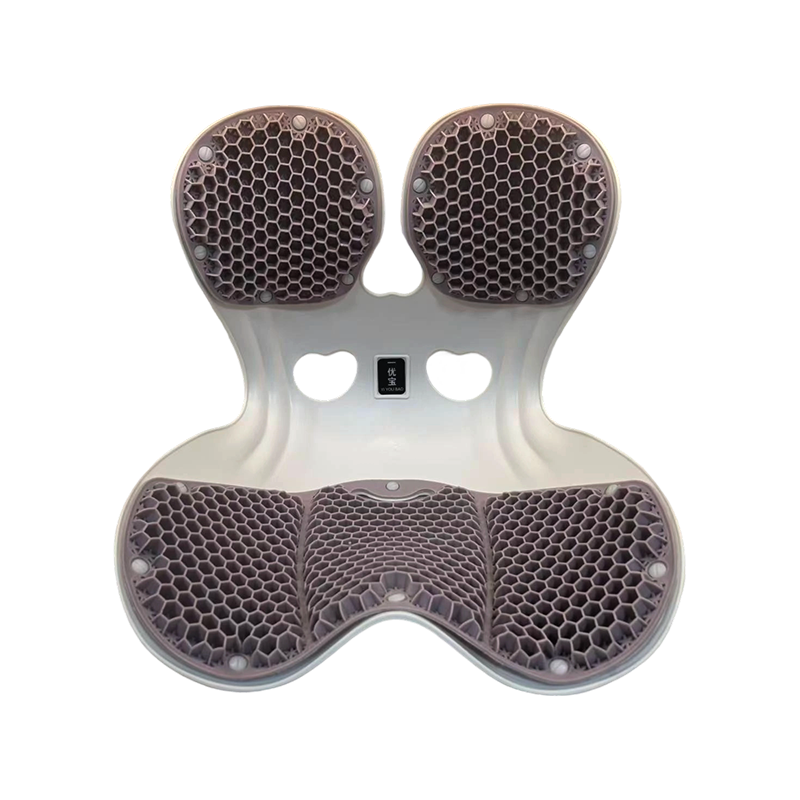
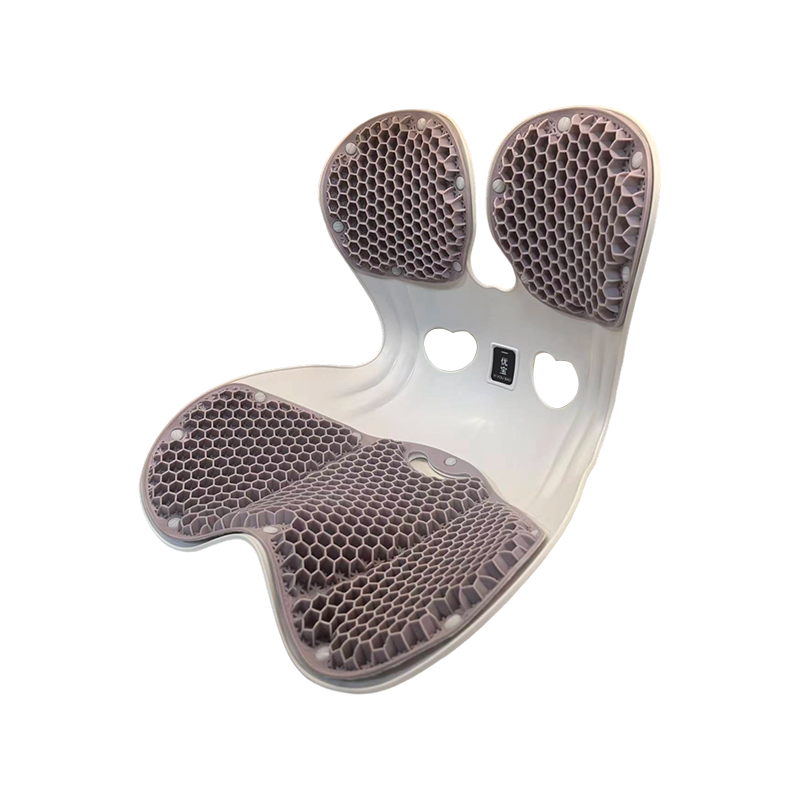
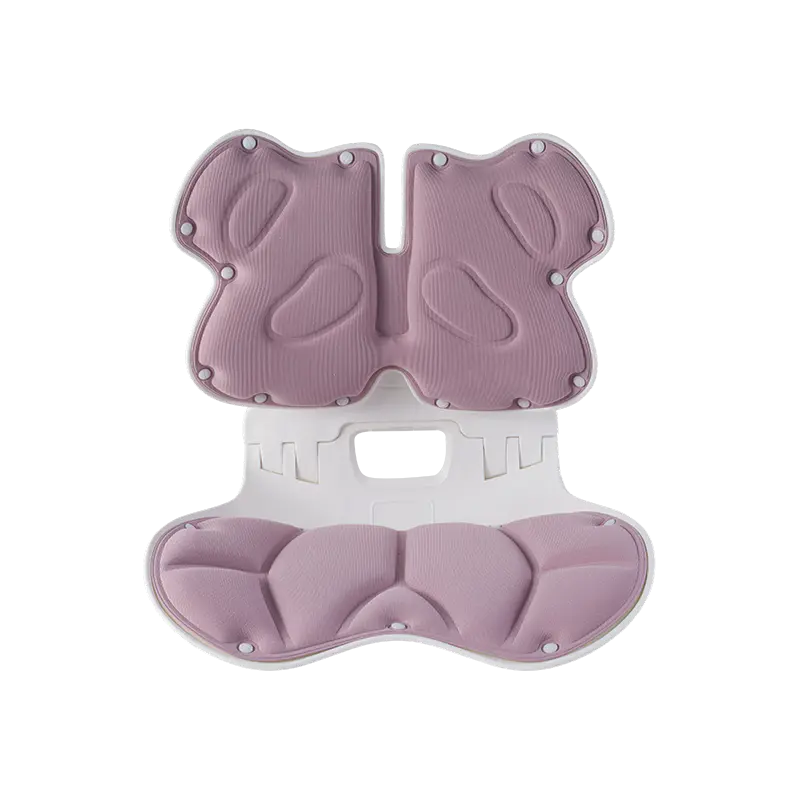
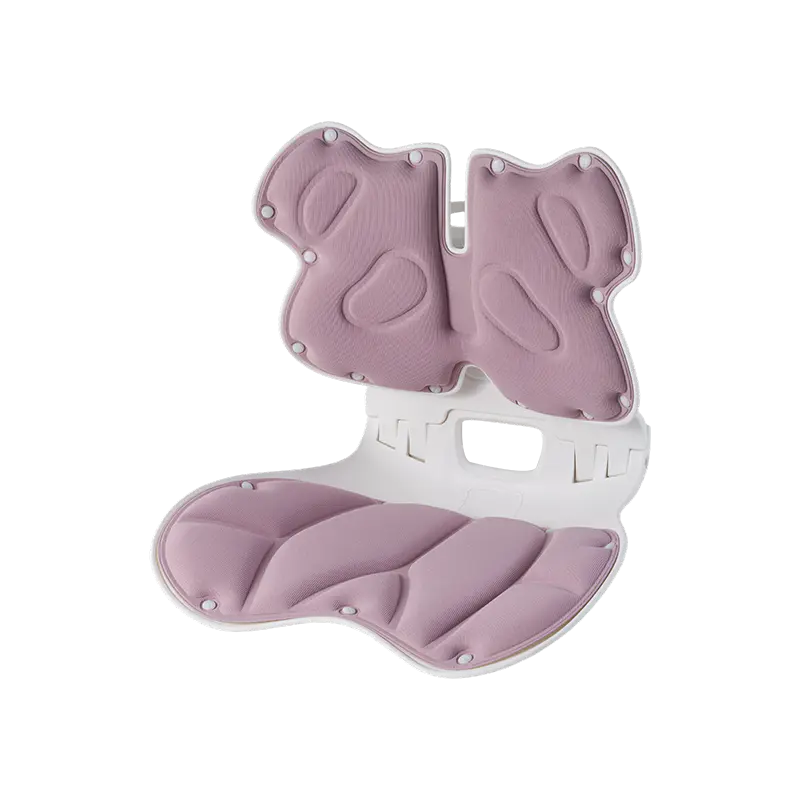
Long hours in a chair have a way of accumulating. By midday, there is a familiar pull in the lower back. By late afternoon, the discomfort has settled into something more persistent — a dull ache that does not quite go away when you stand up. People who sit for work know this pattern well, and they usually reach for a solution without fully understanding whether what they are buying actually addresses their specific problem. A Lumbar Support Backrest and a seat cushion are not interchangeable products. They address different parts of the body and different aspects of seated discomfort, and confusing the two leads to buying something that helps a little but misses the actual source of the pain.
Why Long Sitting Causes Back and Pelvis Discomfort
The Spine Has a Natural Curve That Sitting Tends to Flatten
The lumbar spine — the lower portion of the back — has an inward curve when a person is standing in a relaxed, upright position. Sitting in a standard chair without support tends to flatten or reverse that curve. The pelvis tilts backward, the lower back rounds outward, and the muscles supporting the spine work harder to hold the upper body upright against that collapse.
Over hours, this pattern creates muscle fatigue and compressive loading on the lumbar discs. It is not dramatic — it is slow, and that is why the discomfort often builds through the day rather than starting immediately.
Pressure Distribution Is a Separate Problem From Spinal Alignment
The bones at the base of the pelvis — the sitting bones — bear most of the body's weight during seated activity. On a firm or poorly shaped seat surface, that pressure concentrates rather than spreads. After extended time, the soft tissue around the sitting bones becomes compressed, circulation in the legs and lower body reduces, and the discomfort shifts from the lower back into the hips and the base of the seat.
This is a pressure problem, not a posture problem. A product designed to address posture will not relieve this kind of discomfort, and vice versa. Understanding which issue is driving the pain is what makes the difference between a purchase that actually helps and one that only partially does.
What a Lumbar Support Backrest Actually Does
It Fills the Gap Between the Lower Back and the Chair
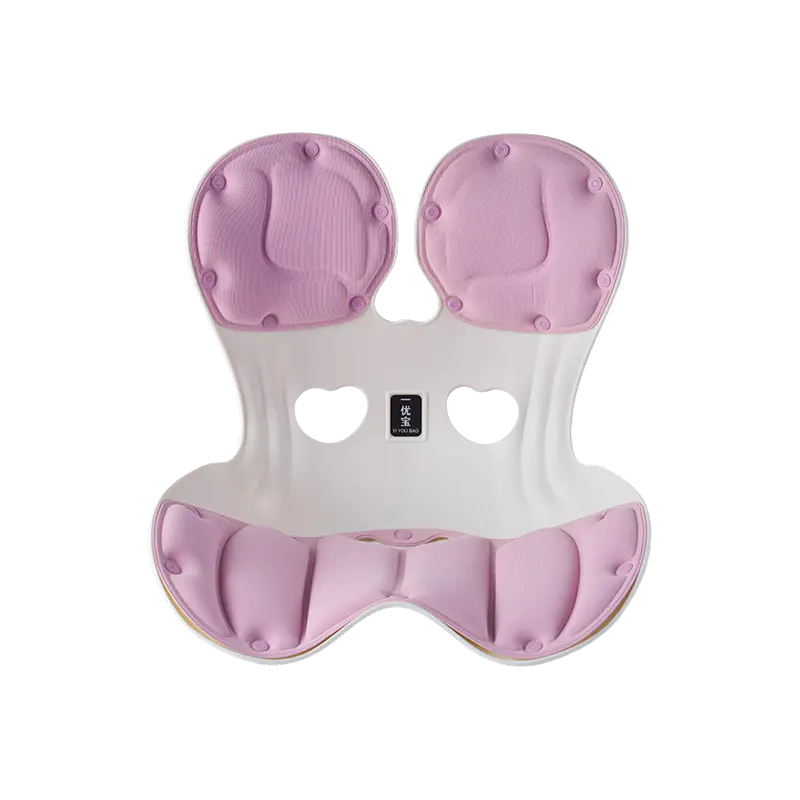
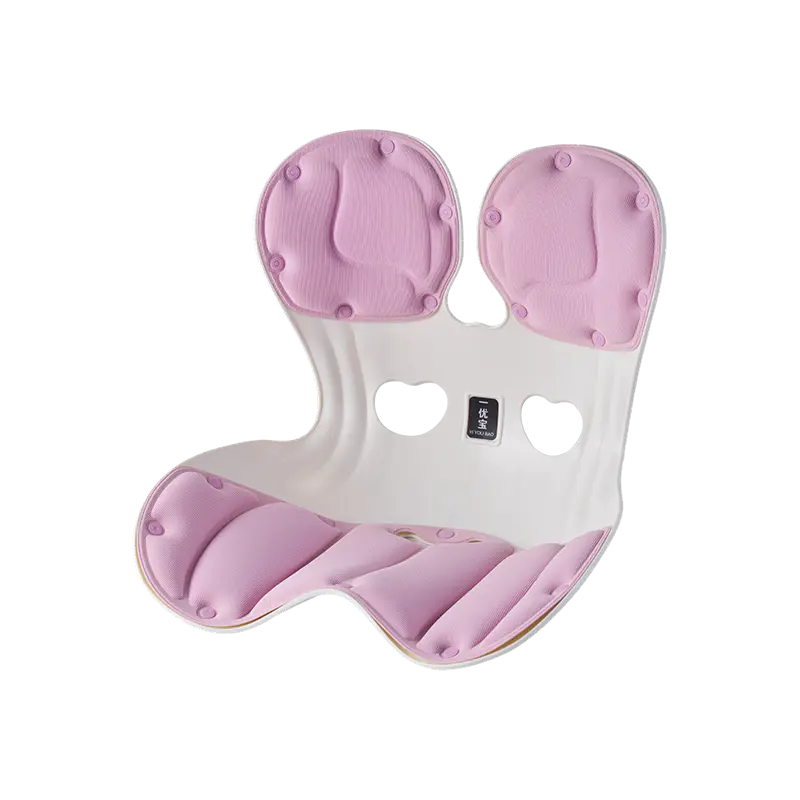
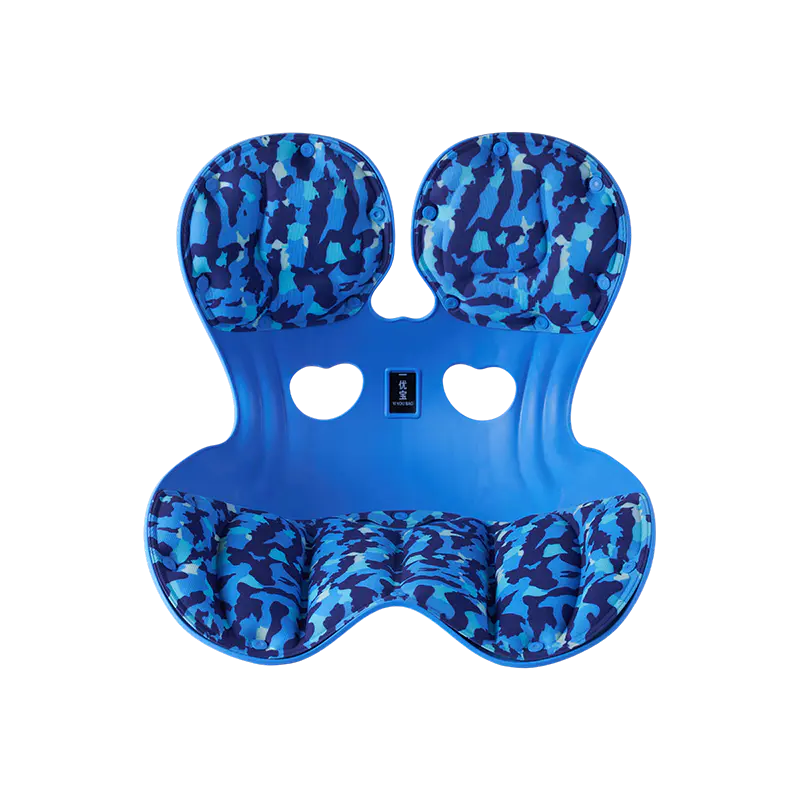
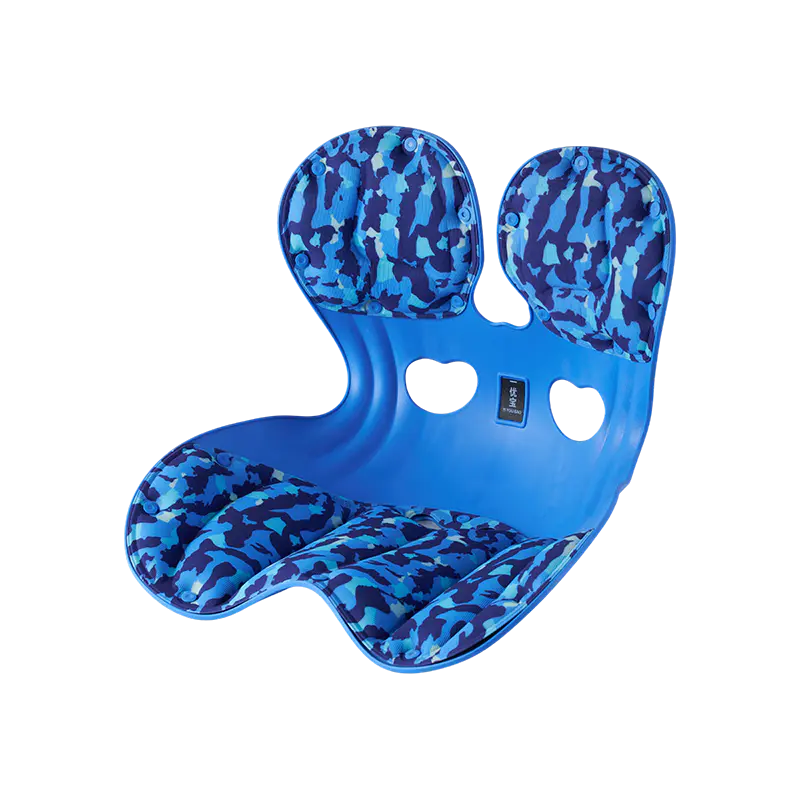
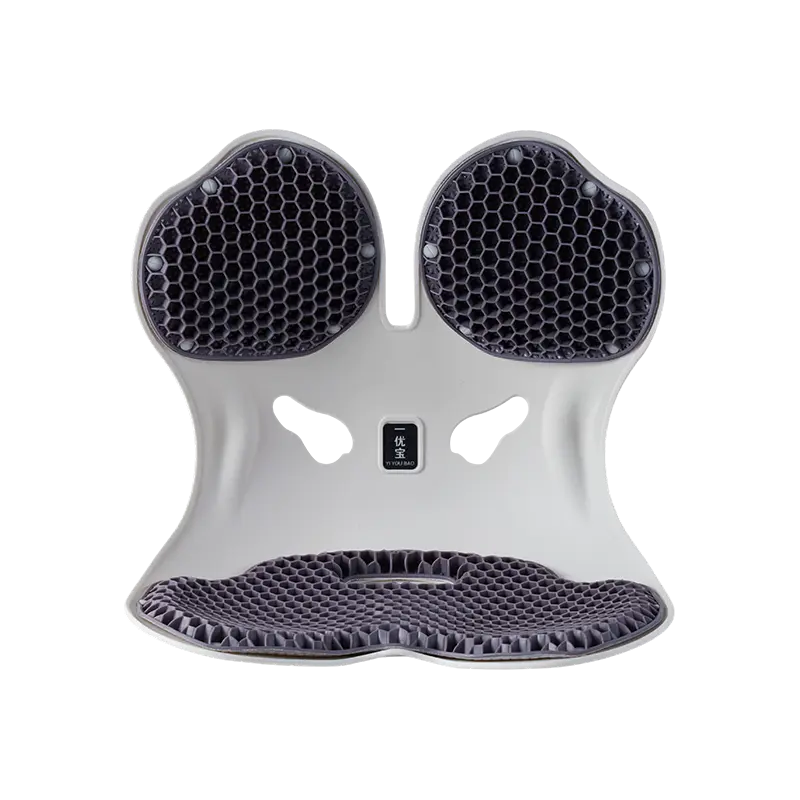
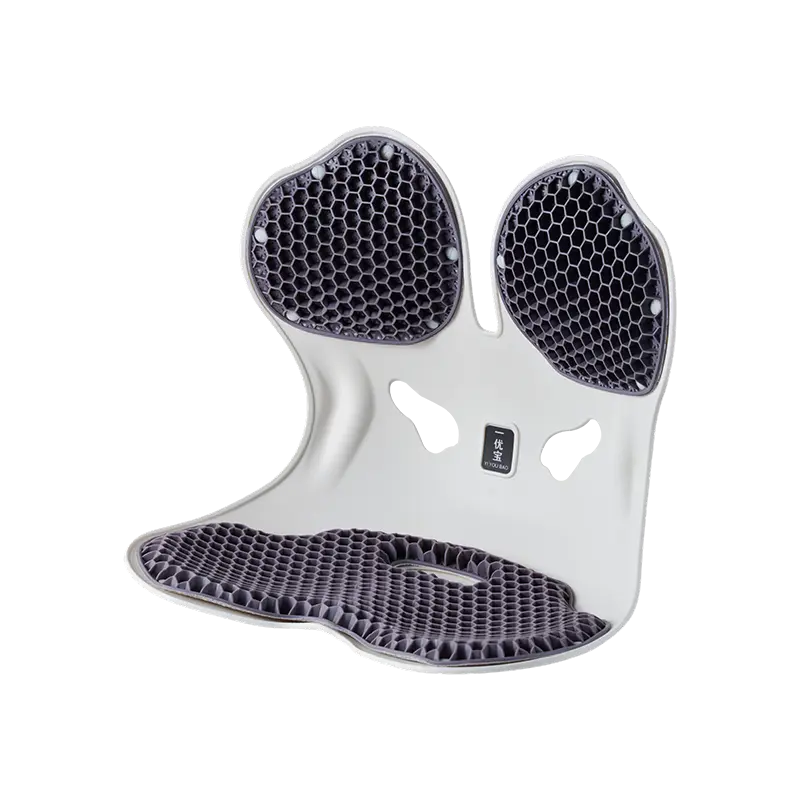
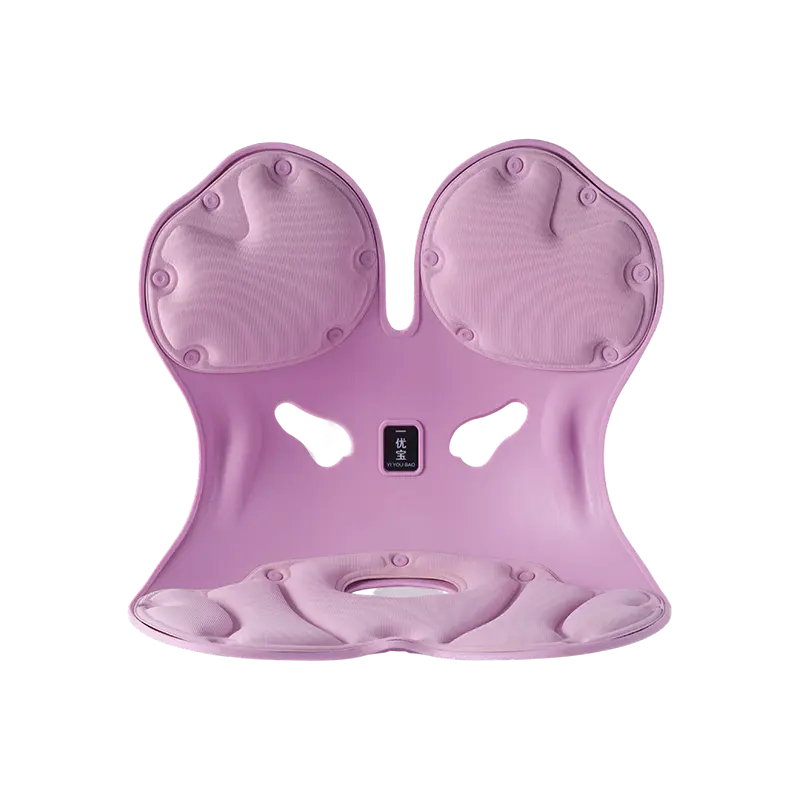
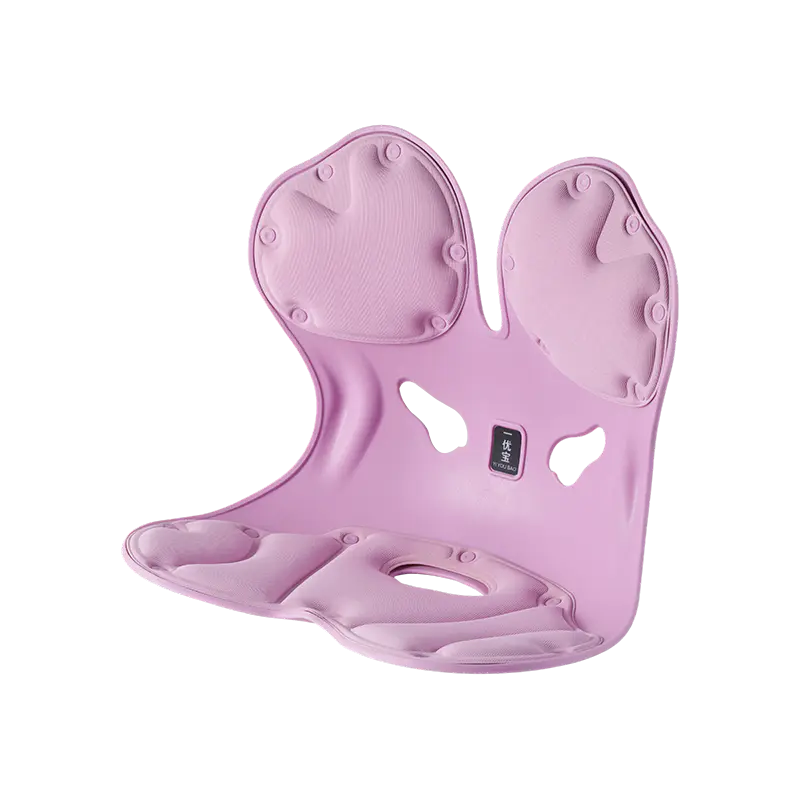
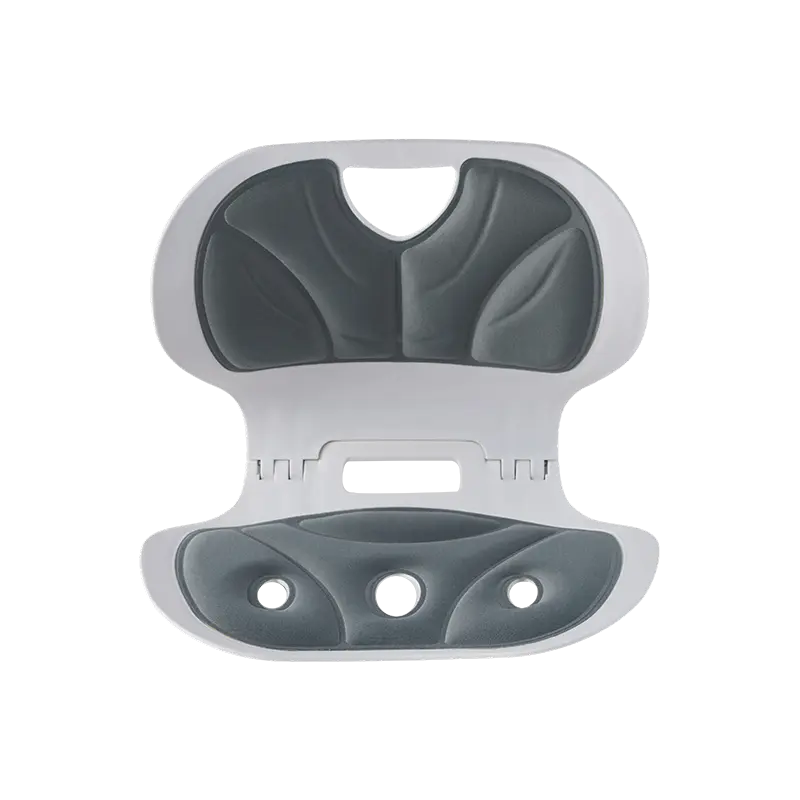
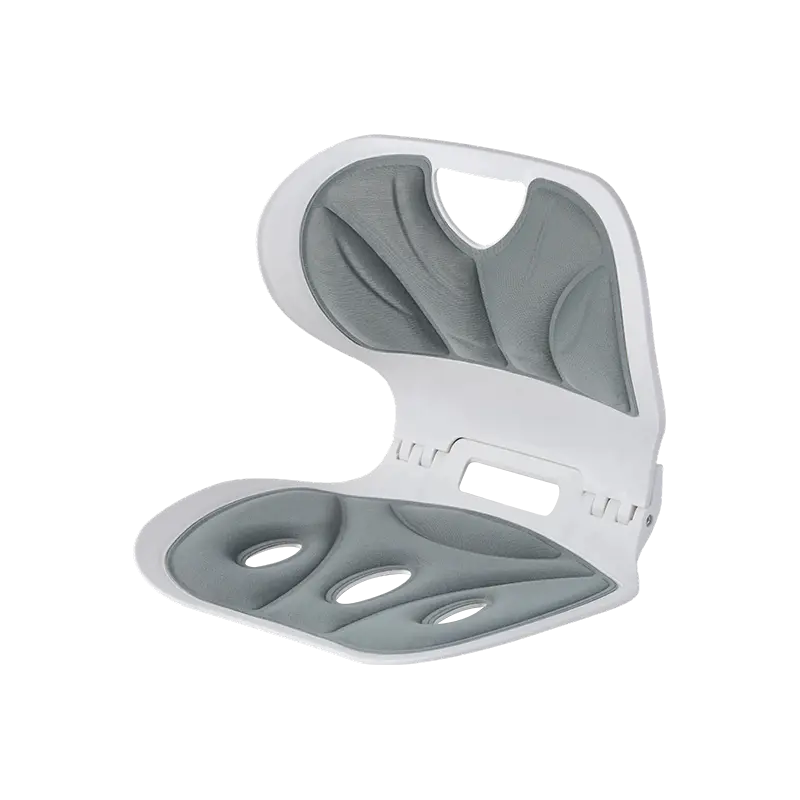
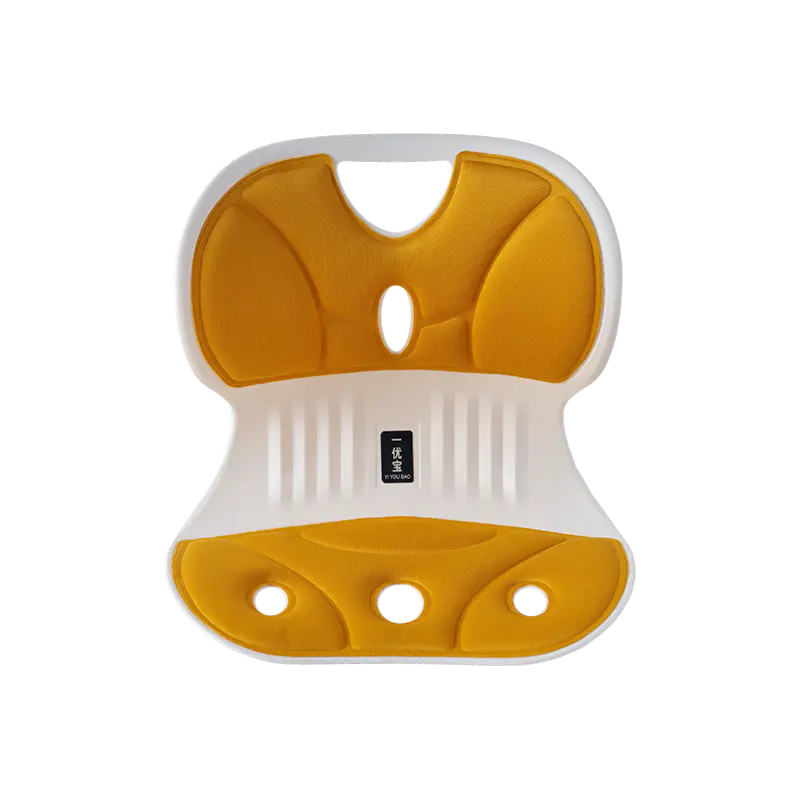
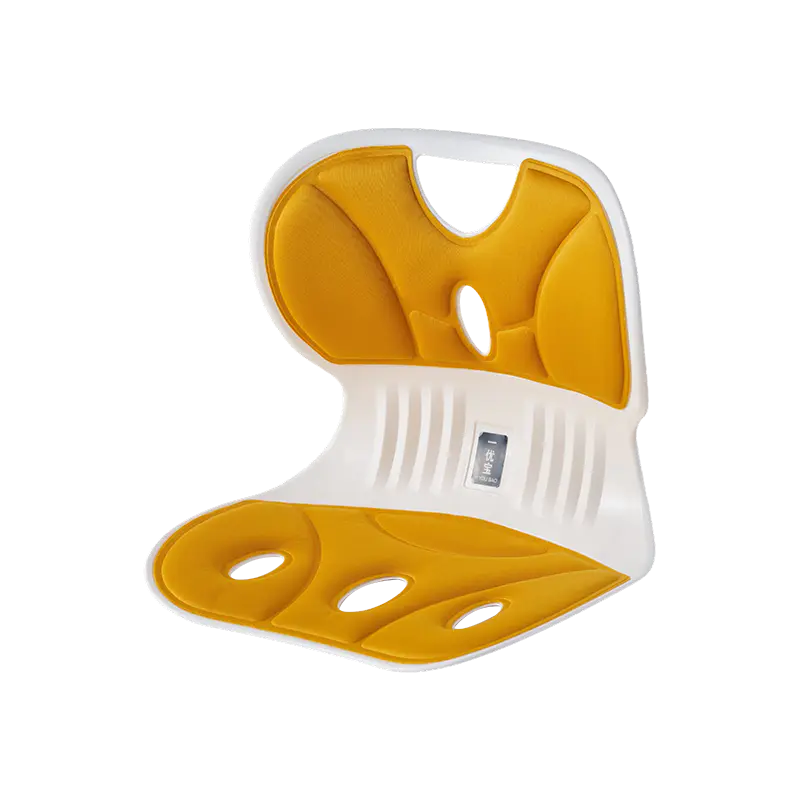
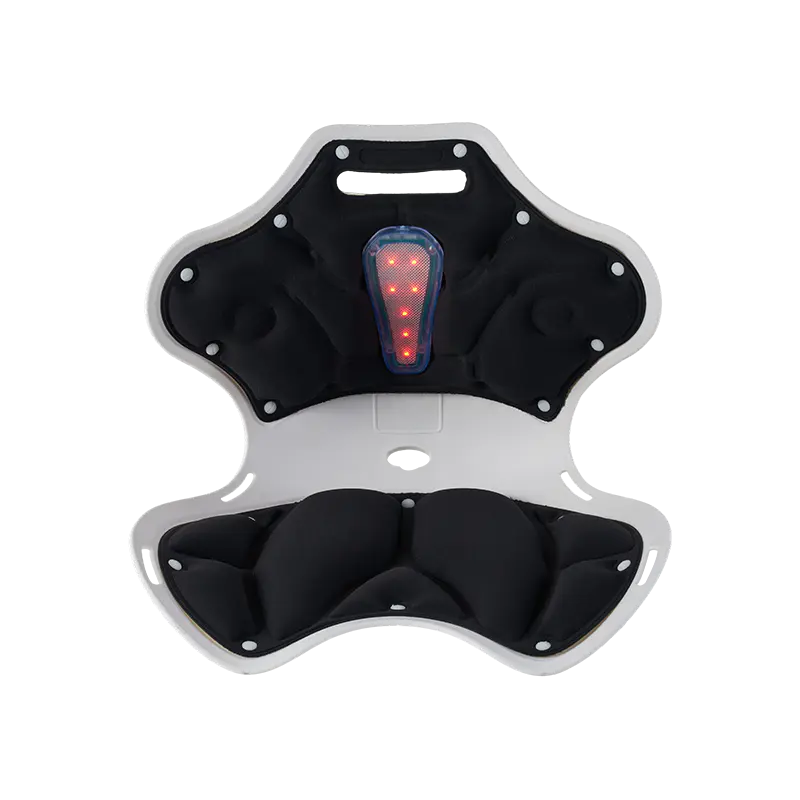
Most chair backs are shaped for the average user, which means they do not fit any particular person well. There is almost always a gap between the lumbar curve of the spine and the surface of the chair back. A Lumbar Support Backrest fills that gap. It places a firm but contoured surface in contact with the lower back, supporting the natural inward curve rather than allowing it to flatten.
The practical effect is that the muscles supporting the lumbar spine do not have to work as hard. The load is shared between the muscles and the support surface behind them. Over a full workday, that reduction in continuous muscular effort matters — less fatigue, less tension, and less of the slow accumulation of lower back pain that comes from hours of unsupported sitting.
Does a Lumbar Support Backrest Change How You Sit?
It does, and that is the point. When the lower back is supported in its natural curve, the pelvis tends to tilt forward slightly, which also adjusts the position of the middle and upper back. A well-positioned lumbar backrest has a cascading effect on overall seated posture — better lower back position leads to better pelvic position, which leads to better thoracic and shoulder position.
This is why lumbar support is often described as a posture correction tool rather than just a comfort product. It is not fixing the symptom; it is addressing the structure underneath it.
Key situations where a Lumbar Support Backrest is the appropriate choice:
- Lower back pain that increases through the day and eases when standing
- Rounded lower back posture visible in a mirror or reflection
- Discomfort located specifically in the lumbar region rather than the seat area
- Work environments involving long periods at a desk or workstation
- Car or vehicle use where seats offer limited lumbar adjustment
What a Seat Cushion Does Differently
It Redistributes Pressure Away From Concentrated Points
A seat cushion changes the surface the body is resting on. Rather than allowing weight to concentrate at the sitting bones on a hard or flat chair seat, a contoured cushion spreads that load across a wider area. The result is less pressure at the peak points and better circulation through the lower body during extended sitting.
Memory foam cushions conform to the shape of the body and hold that shape under sustained weight. Contoured designs with a cutout beneath the tailbone specifically remove contact pressure from the coccyx, which is useful for people who experience direct pain in that area after sitting. Neither type changes the position of the spine — they change the quality of the surface the body is resting on.
Is a Seat Cushion Enough on Its Own for Back Pain?
For lower back pain caused by postural collapse — where the spine is rounding because there is nothing supporting the lumbar curve — a seat cushion is not a complete solution. It addresses surface pressure, not alignment. A person who rounds their lower back on a soft cushion still has rounded lower back posture. The cushion may reduce hip and tailbone discomfort, but the muscular tension and disc loading from poor spinal alignment will continue.
Where a seat cushion does work well on its own:
- Tailbone or coccyx pain from direct pressure on hard seats
- Hip discomfort from a seat surface that is too firm or unevenly shaped
- Circulation issues in the legs from excessive seat pressure
- Short-duration sitting where postural fatigue is not yet a factor
- Situations where the chair back already provides adequate lumbar support
Comparing the Two Products Side by Side
How each product addresses seated discomfort across different dimensions:
| Dimension | Lumbar Support Backrest | Seat Cushion |
|---|---|---|
| Target area | Lower spine and lumbar curve | Pelvis, sitting bones, tailbone |
| Primary function | Maintain spinal alignment | Redistribute sitting pressure |
| Pain type addressed | Postural lower back fatigue | Hip, coccyx, and pressure pain |
| Effect on posture | Corrects lumbar curve | Minimal effect on spinal position |
| Effect on pressure | Minimal effect on seat pressure | Reduces concentrated seat load |
| Suitable for | Desk work, driving, prolonged chair use | Hard seats, tailbone sensitivity |
| Works best combined with | A seat cushion for full system support | A lumbar backrest for posture correction |
Neither product is a complete solution on its own for someone who experiences both types of discomfort. The column on the right side of that comparison is the key insight: they work better together.
When Using Both Products Together Makes Sense
A Combined Approach Addresses the Full Seated System
Sitting puts the body in a position where both the spine and the pelvis are under sustained load simultaneously. A Lumbar Support Backrest manages the spinal alignment side of that equation. A seat cushion manages the pressure distribution side. Together, they create a seating arrangement that supports the body through the full range of stresses that extended sitting creates.
This is not about buying more products — it is about recognizing that lower back pain during sitting often has more than one contributing cause. Someone who rounds their lower back and also sits on a hard seat is dealing with both misalignment and pressure. Addressing only one of those factors produces partial improvement at best.
How to Assess Which Problem You Have
A simple self-check can help clarify which product category addresses your situation more directly:
- Sit in your normal working position and pay attention to where the discomfort originates. Is it in the lower back and muscle area, or in the seat and hip area?
- Stand up and notice how quickly the discomfort eases. Lower back muscular pain often improves within minutes of standing. Pressure-related discomfort in the seat area may take longer to resolve.
- Look at your seated posture from the side. Is your lower back rounded outward, or is it reasonably upright? Rounding suggests the primary need is lumbar support.
- Consider the surface you are sitting on. A very firm, flat seat with no contouring is more likely to cause pressure-related discomfort than a well-padded chair.
Neither assessment is definitive on its own, but together they give a clearer picture of which product is more relevant to the situation.
Material and Design Considerations When Choosing Either Product
Memory Foam Versus Mesh and Rigid Support Structures
Lumbar Support Backrests come in several structural formats. Memory foam designs conform to the curve of the individual user's lower back and provide even contact across the lumbar region. Mesh designs allow air circulation and may be more comfortable in warm environments or for users who run warm. Rigid or semi-rigid designs with adjustable positioning provide more precise support but require correct adjustment to be effective.
Seat cushions follow a similar pattern. Memory foam offers pressure distribution and contouring. Gel-infused foam adds cooling properties for extended use. Coccyx-cutout designs remove direct contact at the tailbone. The choice depends on the specific discomfort pattern and the environment where the product will be used.
Does Adjustability Matter for Long-Term Use?
For products used daily over an extended period, adjustability extends the useful life of the product and accommodates changes in the user's body or chair. A lumbar backrest with an adjustable strap can be repositioned on different chairs and shifted up or down to find the placement that provides the best support for an individual's lumbar curve height. This matters because the lumbar curve sits at different heights in different people, and a fixed-position product may not contact the right area.
Choosing the Right Ergonomic Support for Your Needs
The answer to which product is better is not a universal one — it depends on what the sitting problem actually is. Postural lower back fatigue responds to lumbar support. Pressure-related hip and tailbone discomfort responds to a seat cushion. Both problems together respond to both products used in combination. Matching the product to the problem is the decision that produces results, not simply buying whichever product is more widely recommended. For businesses sourcing ergonomic support products at volume — whether for workplace supply programs, retail distribution, or private label development — working with a manufacturer that covers both product categories and can support customization in materials, dimensions, and branding makes the sourcing process more straightforward. Yongkang Yiyoubao Technology Co., Ltd. produces Lumbar Support Backrests and seat cushions across a range of materials and design formats, with OEM capability for buyers who need products built to specific requirements. Getting in touch to discuss product configurations, order volumes, or customization options is a practical starting point for evaluating whether their manufacturing range fits your procurement needs.
 Previous