English
 中文简体
中文简体
Industry News
Back discomfort that returns after months of improvement. A cushion that no longer holds its shape by midday. Support that felt solid when new but has quietly gone soft into something that does nothing useful anymore. If any of that sounds familiar, the product you're using may have already run its course. A Lumbar Support Backrest does not expire on a fixed schedule — its useful life comes down to material density, how the structure is built, how often it gets used, and whether it has been looked after. Those four things, more than any marketing claim, determine whether you're replacing it in six months or still using it three years later.
How Long Does a Lumbar Support Backrest Typically Last?
The straightforward answer: it depends heavily on build quality and how hard the product is worked.
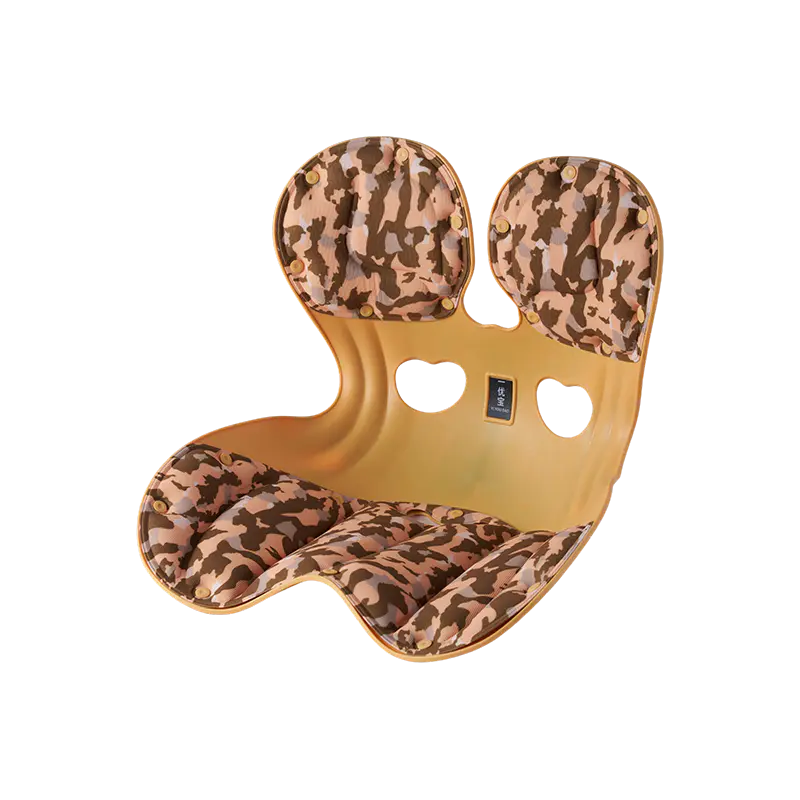
A rough breakdown by product tier:
- Entry-level products — light foam or basic padding; under daily use, noticeable softening typically arrives within six months to a year
- Mid-range products — better foam density or a basic structure; usually hold up for one to three years with regular use
- Higher-quality products — high-density foam, reinforced construction, or hybrid materials; can stay functional for two to five years or longer
That said, time is the wrong measure. What matters is whether the material can still do the job. A product used twice a week may still feel supportive after several years. One that rotates through a shared office setup could be worn out inside twelve months.
Three Factors That Determine Backrest Lifespan
Material Density and Bounce-Back
The core material — foam, memory foam, or structured padding — determines how well the product recovers after each use. High-density foam holds its shape under repeated pressure. Low-density foam compresses a little more each time and never quite returns to where it started.
A simple check worth doing before buying:
- Foam that springs back within a second or two when pressure is released will last longer
- Material that stays visibly compressed for several seconds is already past its peak
- Cover fabric that keeps the inner foam from shifting matters more than it looks — movement inside the cover creates uneven wear fast
Usage Load and Frequency
One person using a backrest through a standard workday puts far less total stress on it than shared use across shifts, or a commuter who relies on it during long drives every day. Sustained pressure — sitting against it for hours without a break — compresses foam faster than use that builds in some recovery time between sessions.
Usage patterns that shorten product life noticeably:
- Long unbroken sessions without removing the support at all
- Shared use by people with significantly different body sizes
- Vehicle use, where road vibration layers on top of compression stress
- A mounting angle that pushes the spine into a corner of the support rather than across its face
Structural Design
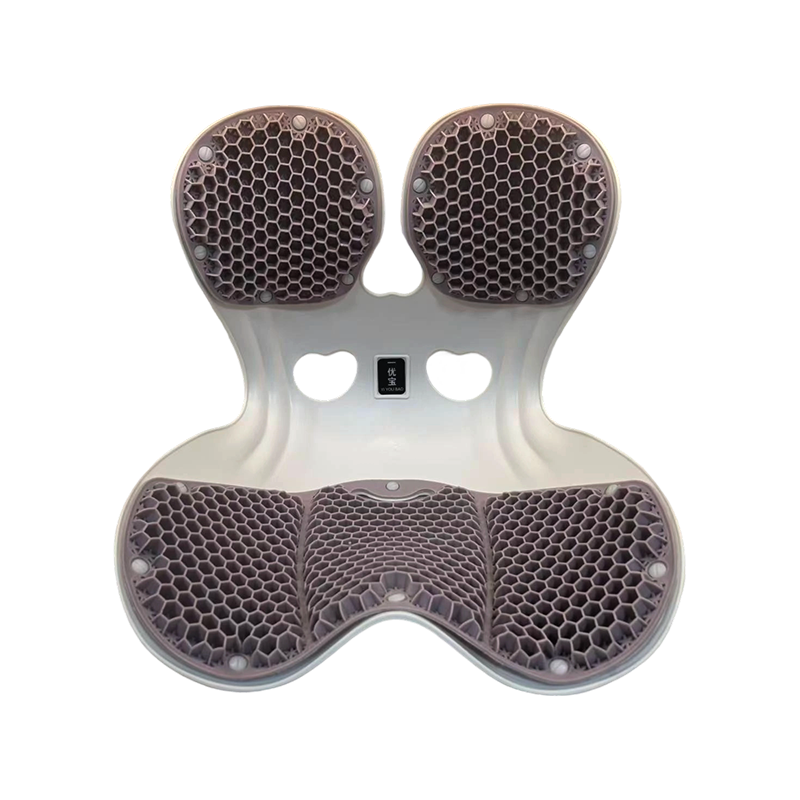
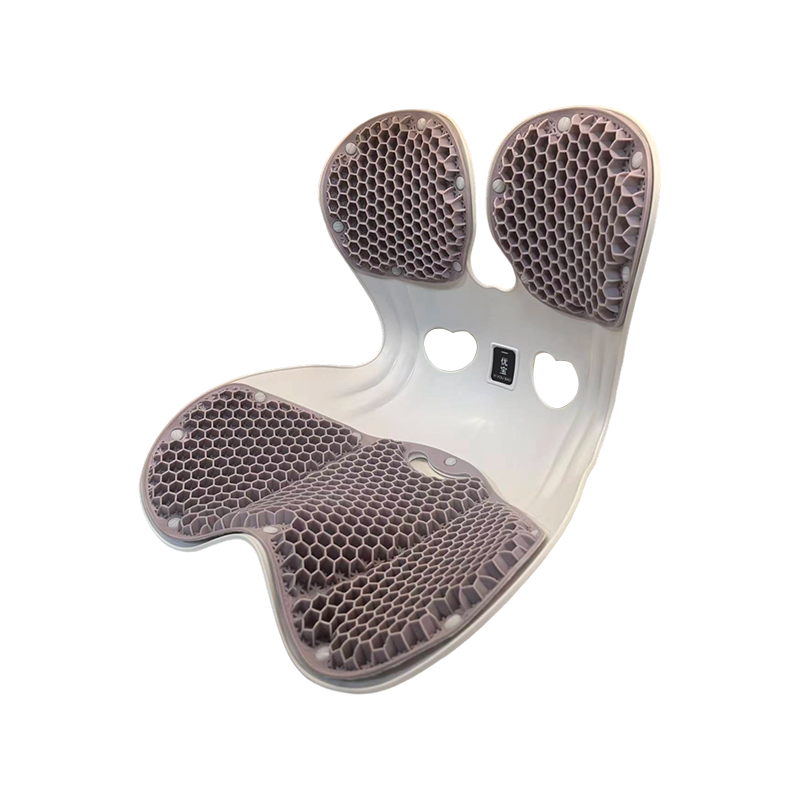
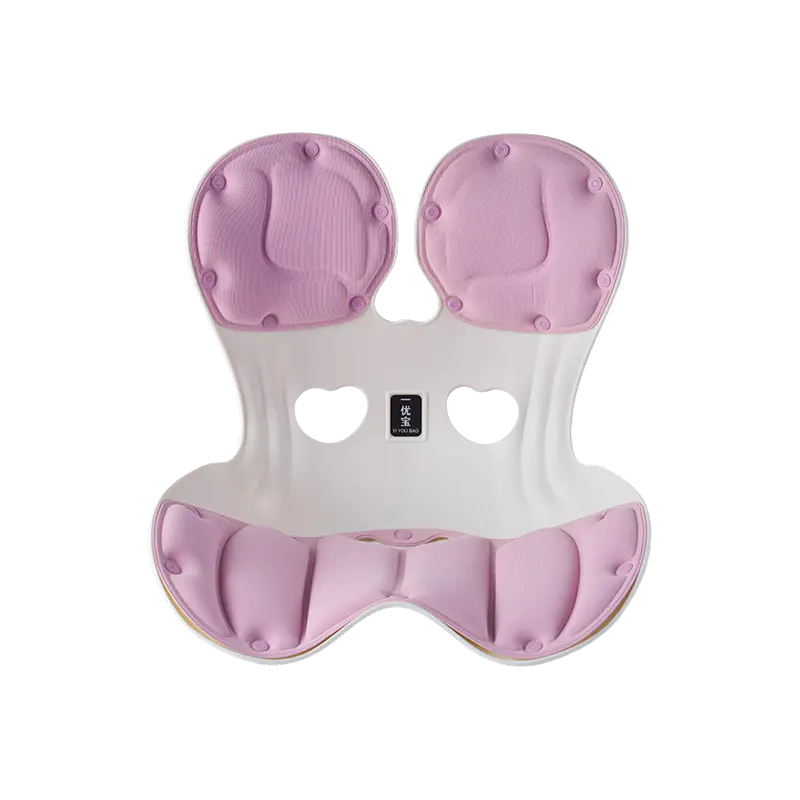
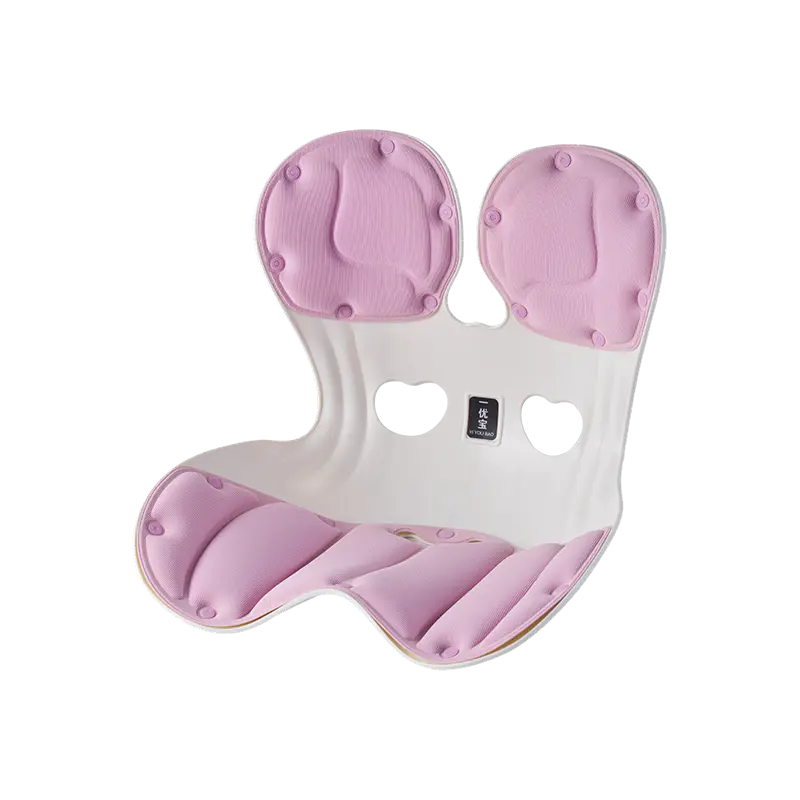
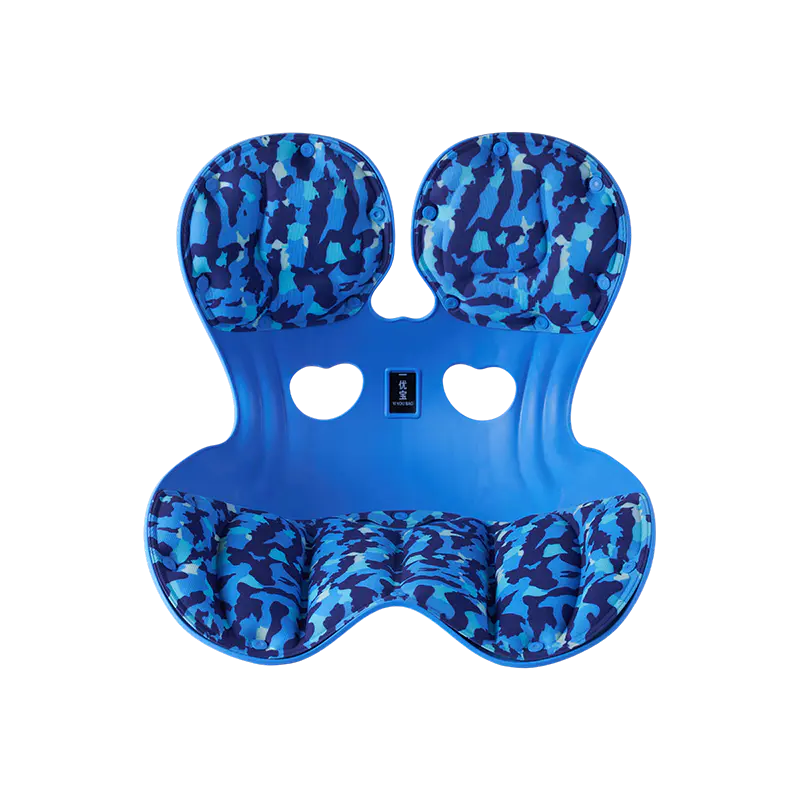
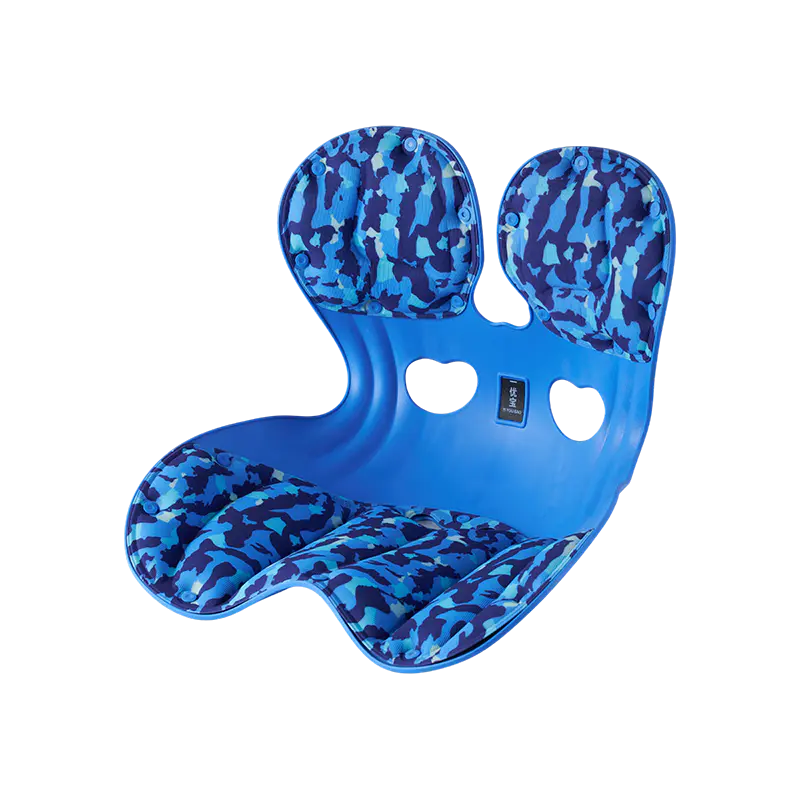
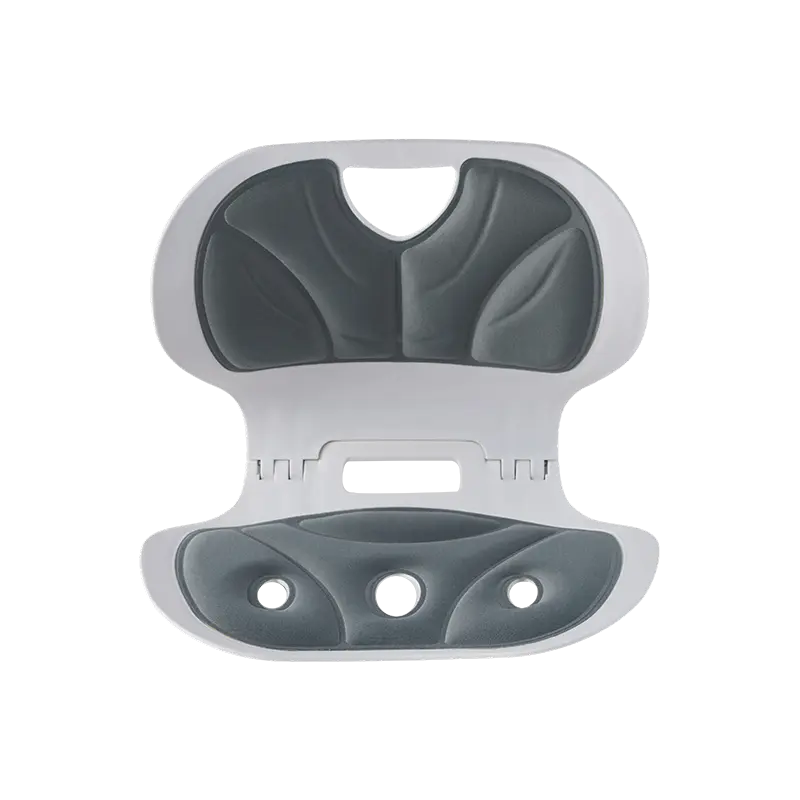
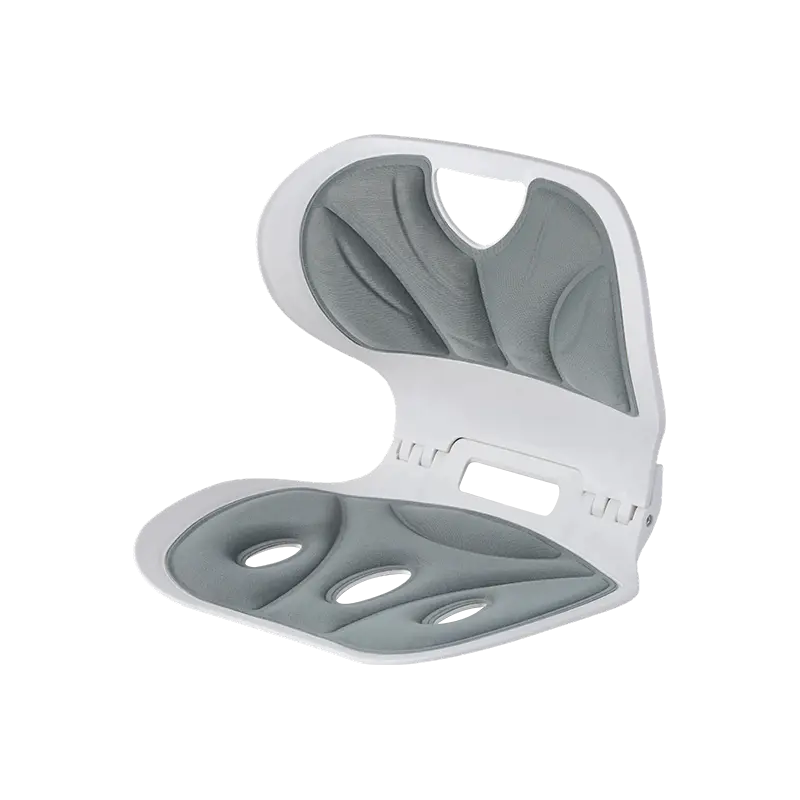
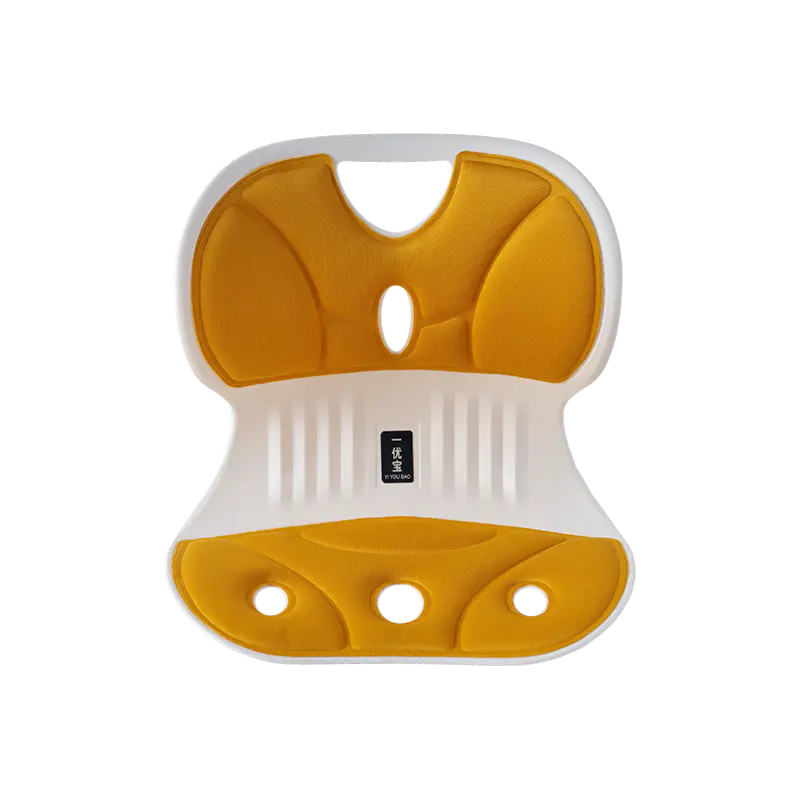
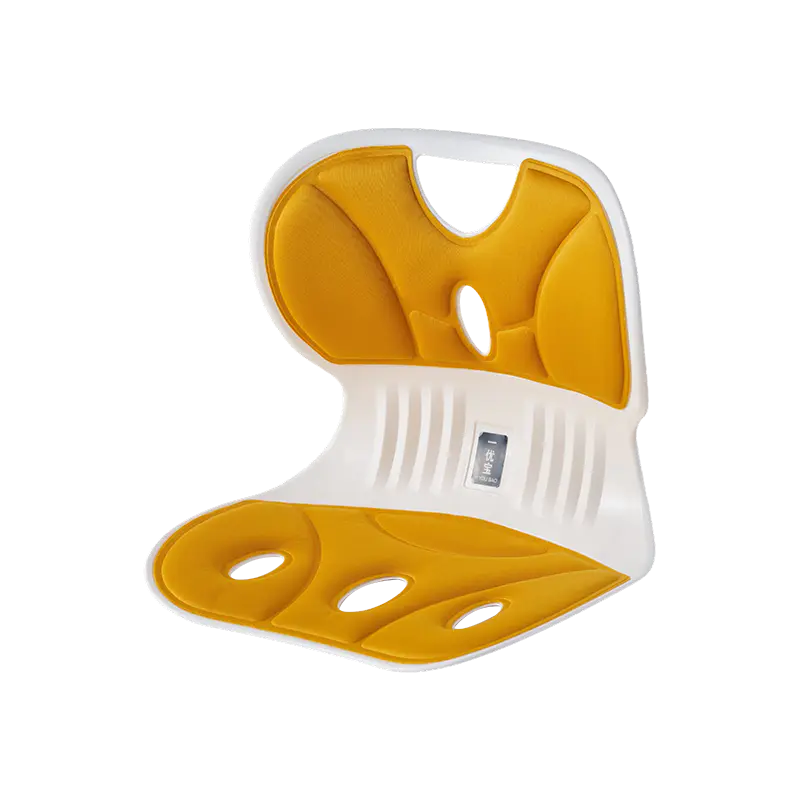
A product with an internal frame or shell spreads the load instead of letting it sink into one spot. A design that relies entirely on foam concentrates pressure at the contact point — and that spot softens first.
What makes the structural difference visible:
- Fixed attachment systems that prevent the support from drifting reduce uneven compression over time
- Straps that hold positioning consistently reduce the surface wear caused by the product moving against the chair back
- Portable designs get handled, folded, and crammed into bags — that physical stress adds up in ways that a fixed-position design never experiences
Portable vs. Fixed Designs: Which Holds Up Longer?
| Factor | Portable Design | Fixed / Structured Design |
|---|---|---|
| Load distribution | Focused at contact point | Spread across frame or shell |
| Movement wear | Higher — repositioned often | Lower — stays put |
| Compression recovery | Depends on foam alone | Supported by structure |
| Environmental exposure | Higher — travels between places | Lower — consistent conditions |
| Useful life (typical) | Shorter under daily use | Longer under equivalent use |
Portable designs have their place — they are not a worse product, just a different one. For daily desk use or a procurement program where replacement frequency is a real cost, a structured fixed design holds up longer before it needs swapping out.
When Does a Backrest Support Need Replacing?
The answer is not based on a date. A product that still holds the lumbar curve comfortably and recovers its shape after use is still doing its job. One that no longer does either should be replaced — it doesn't matter how recently it was bought.
Signs performance has declined:
- Permanent compression — it no longer returns to its original shape after pressure is removed
- Visible deformation — flattened areas or a shape that stays lopsided after use
- Loss of positioning — the support keeps sliding off the correct height on the chair back
- Returning discomfort — lower back fatigue or pain that had improved is coming back
- Cover breakdown — torn seams or failed attachment points that let the inner material shift around
A quick field check: take the product off the chair, press the center firmly with both hands, release it, and watch what happens. Slow or partial recovery means the foam is done.
The Manufacturing Decisions That Separate Short-Lived from Long-Lasting Products
Two products at the same price point can have completely different service lives. The gap usually comes from decisions that are invisible in a product photo.
Foam Density
Low-density foam is cheaper and lighter. It compresses and doesn't fully come back. High-density foam pushes back and holds its shape over time. The frustrating part is that price doesn't always tell you which one you're getting — some mid-priced products use a high-density core, and some expensive ones don't.
Internal Structure
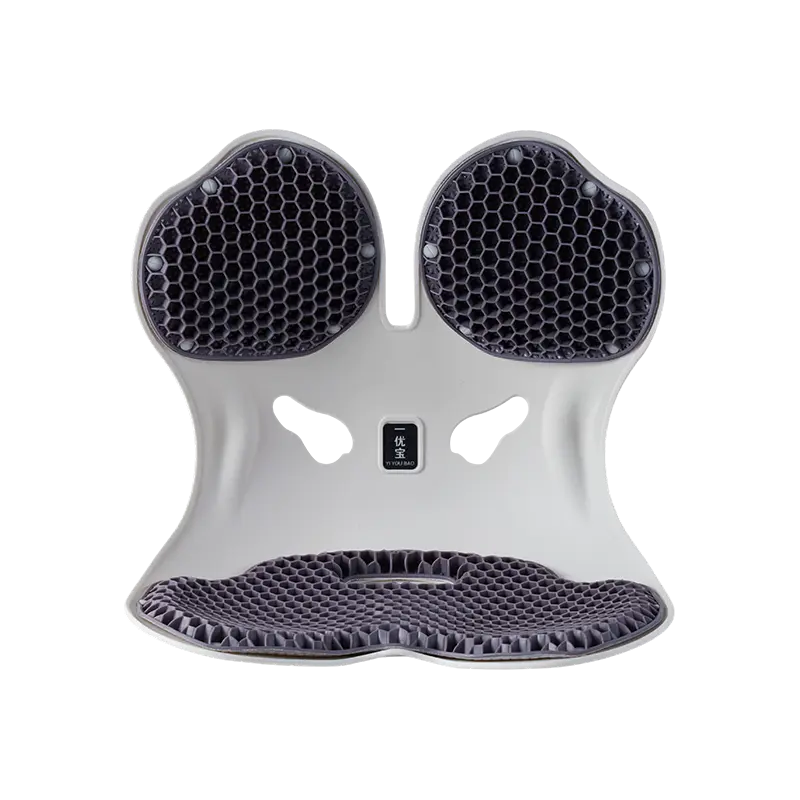
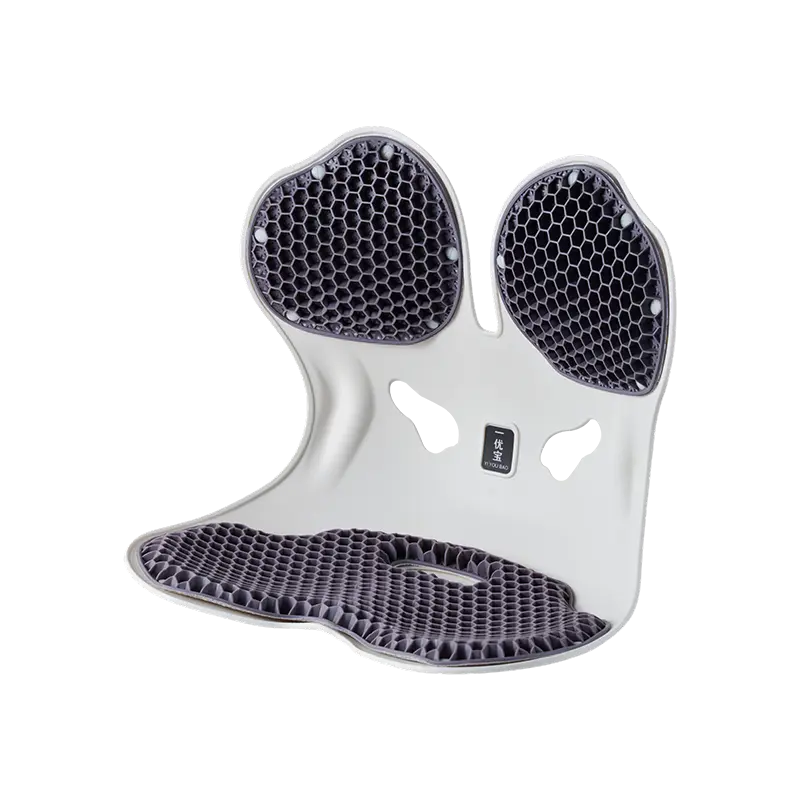
A frame or shell inside the product means body weight spreads across the structure rather than driving straight into the foam. This reduces how much any one area compresses per use, which is what actually extends how long the foam stays useful.
Cover and Attachment Quality
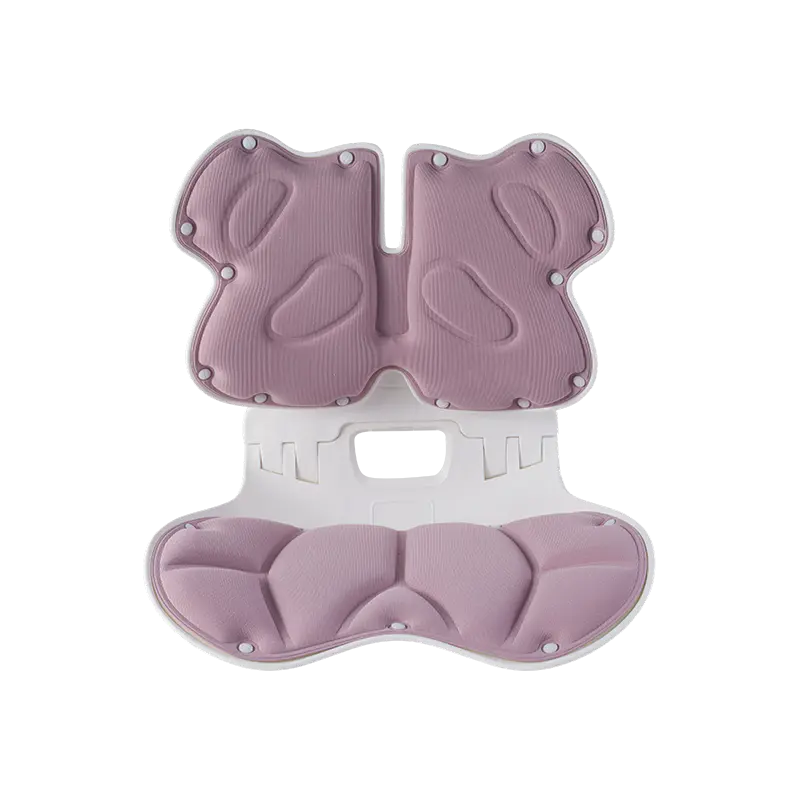
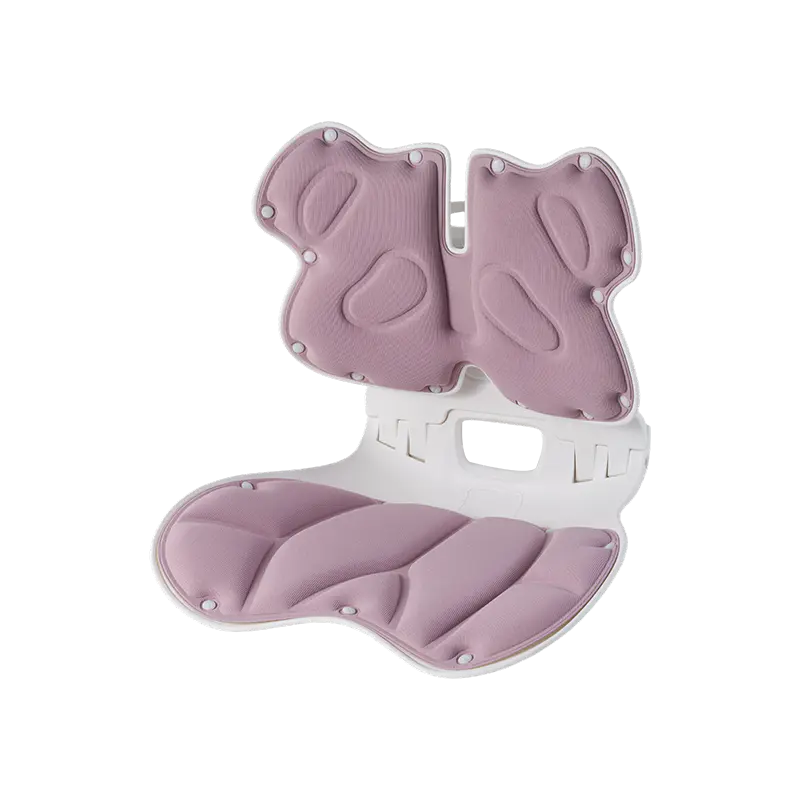
A cover that holds the foam firmly in place matters because foam that shifts around inside its cover develops uneven wear patterns quickly. Attachment systems — straps, hooks, clips — that go slack over time let the whole product move during use. That off-axis movement degrades foam faster than straightforward compression does.
How Does Material Type Affect Durability?
Memory Foam
Conforms closely to the body, which feels good. The trade-off is that it takes longer to recover between uses. High-density memory foam handles this well. Low-density memory foam develops visible compression patterns relatively quickly under daily use and doesn't bounce back the way it did when new.
Standard Polyurethane Foam
Less body-contouring than memory foam, but generally more resilient under repeated pressure. Holds up better in shared environments where different people use the same product — it doesn't mold to one person's shape and then resist another's.
Mesh Constructions
Mesh reduces heat but doesn't compress and support the way foam does. Paired with a solid internal frame, it can work reasonably well. Used alone as the primary support material, it tends to lose consistent positioning over time.
Hybrid Designs
A foam core inside a structured outer frame gets the benefits of both — the body-conforming feel of foam with the load distribution of a rigid structure. Under daily use, this combination tends to hold up longer than foam alone.
Daily Habits That Extend or Shorten Product Life
Used correctly, a product lasts noticeably longer. The difference isn't dramatic — just consistent habits that either protect the foam or quietly wear it down.
Habits that cut life short:
- Leaving it in direct sunlight or a hot car — heat breaks foam down faster than physical use does
- Storing it with weight on top — sustained compression during storage stops the foam from recovering
- Using it at the wrong height so the spine hits a corner rather than the full face
- Letting moisture or debris build up inside the cover over time
Habits that help it last:
- Taking it off the chair during breaks — even short recovery periods add up
- Storing flat or neutral, not compressed
- Following the cleaning instructions before they become irrelevant
- In high-use settings, rotating between two supports instead of running one into the ground
What Should You Look for When Choosing a Longer-Lasting Backrest?
For anyone evaluating products for volume purchase, the specification conversation matters more than the product listing.
Steps worth taking before committing:
- Ask for foam density by specification — the material name alone doesn't tell you whether it will hold up
- Confirm whether an internal structure is present — frame or shell versus foam only is a real durability difference
- Check the attachment system — straps and fixings that hold tension consistently reduce movement wear over the product's life
- Match the format to the actual use case — a portable design for travel, a fixed structured design for daily desk work
- Get a sample before placing a volume order — press it, release it, and see how it recovers before committing to quantity
Sourcing from a Manufacturer Who Builds for Longevity
The difference between a product that lasts one year and one that lasts three isn't always something you can read in a product description. It shows up in foam density, frame construction, and whether the attachment system holds up — decisions made during manufacturing that you only discover after the product has been in the field for a while.
Getting the specification right before the order goes in saves the replacement cost, the field complaints, and the conversation with whoever approved the purchase. If current supply is generating more replacement requests than expected, or if you are putting together a procurement specification that needs to account for longer service life, the right conversation starts with materials and structure — not catalog pages. Yongkang Yiyoubao Technology Co., Ltd. designs and manufactures ergonomic support products including structured back supports for office, automotive, and occupational use, with production options across foam grades, structural configurations, and cover materials suited to different use levels, and can provide samples for evaluation before volume commitment.
 Previous