English
 中文简体
中文简体
Industry News
Sitting for extended periods has become a daily reality for office workers, gamers, drivers, and remote professionals. Without proper support, long hours of sitting can cause back pain, muscle fatigue, and even long-term spinal issues. A back support seat cushion is an essential accessory to maintain comfort, promote proper posture, and protect the lower back.
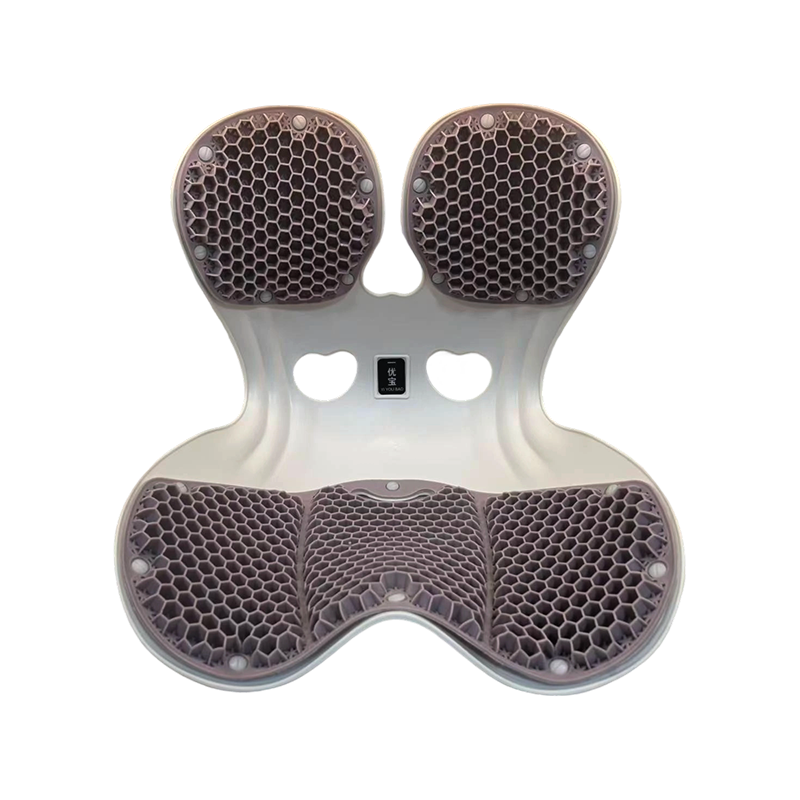
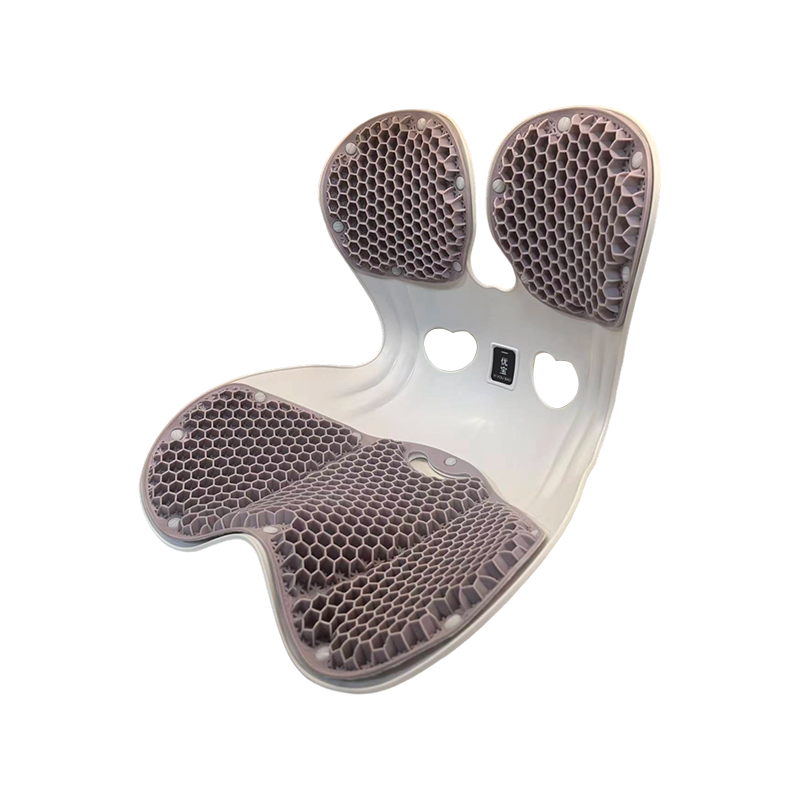
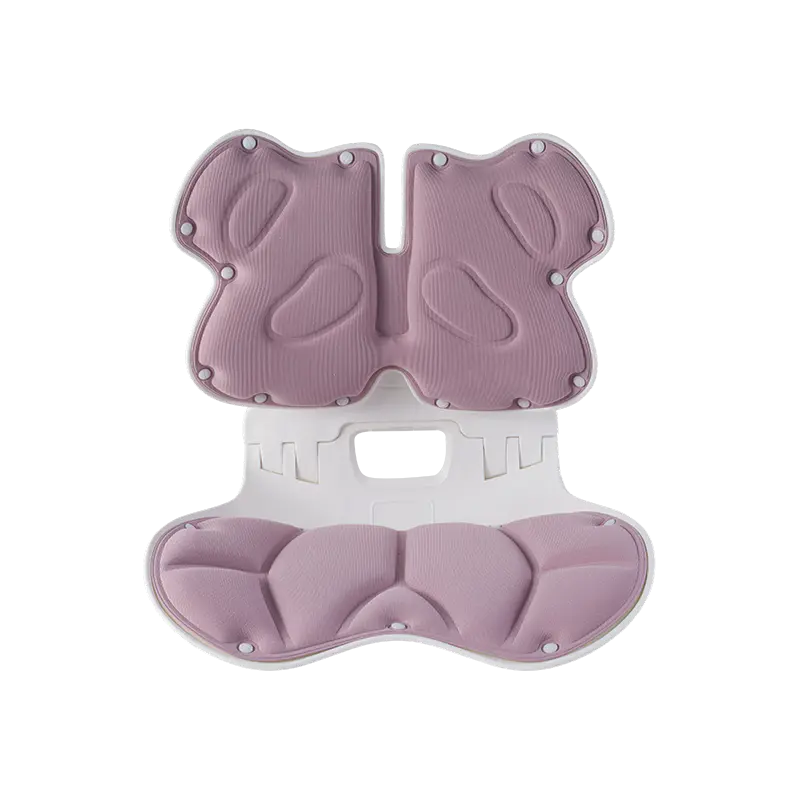
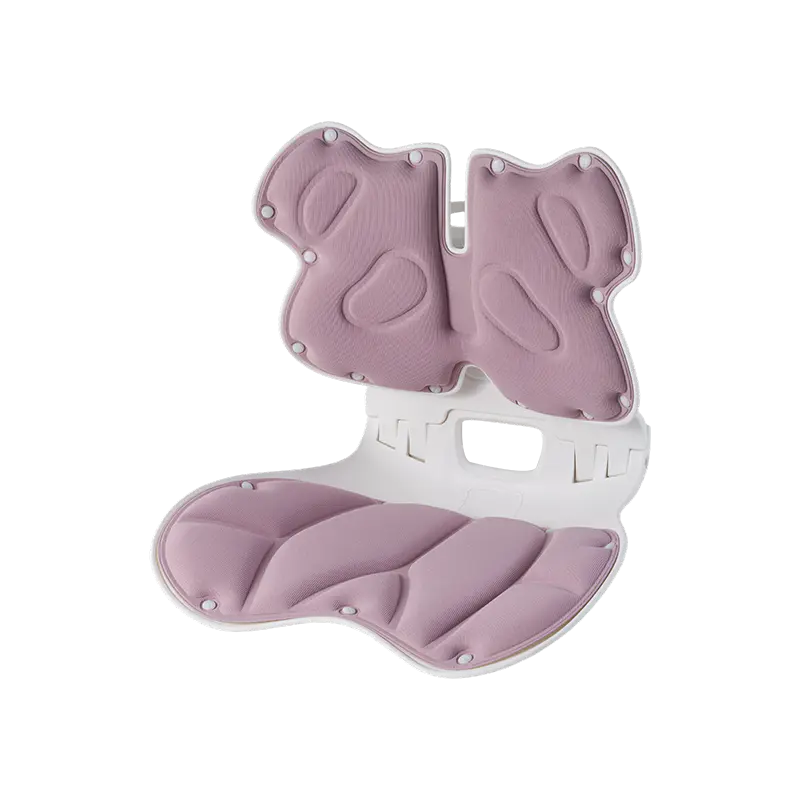
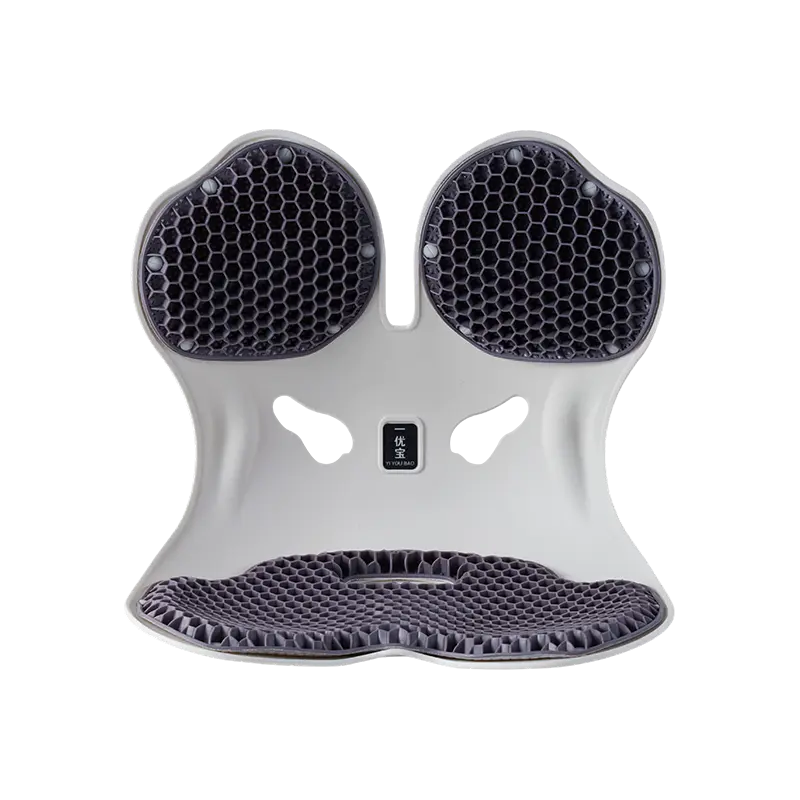
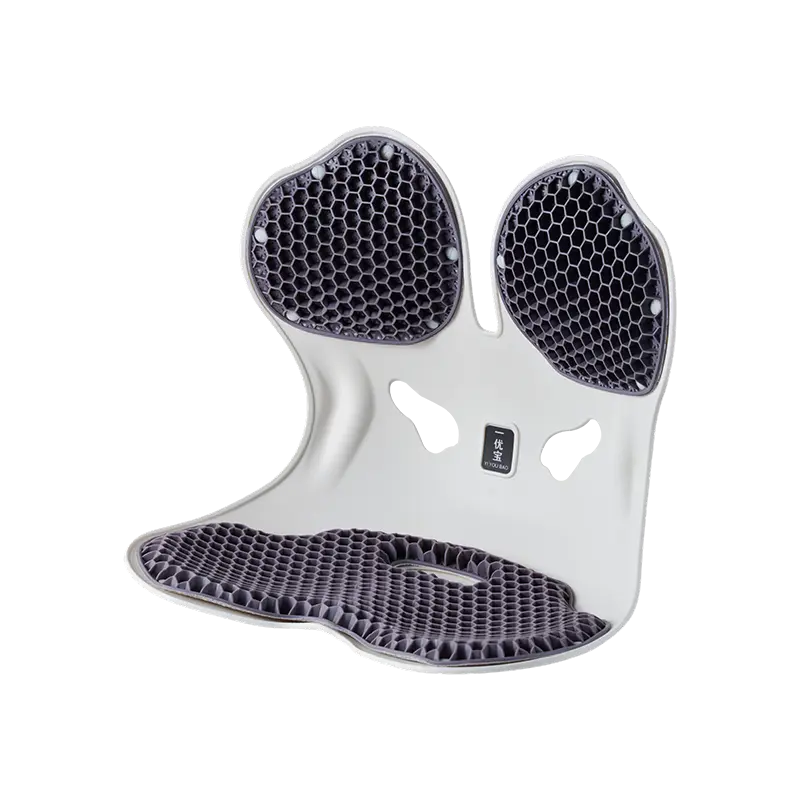
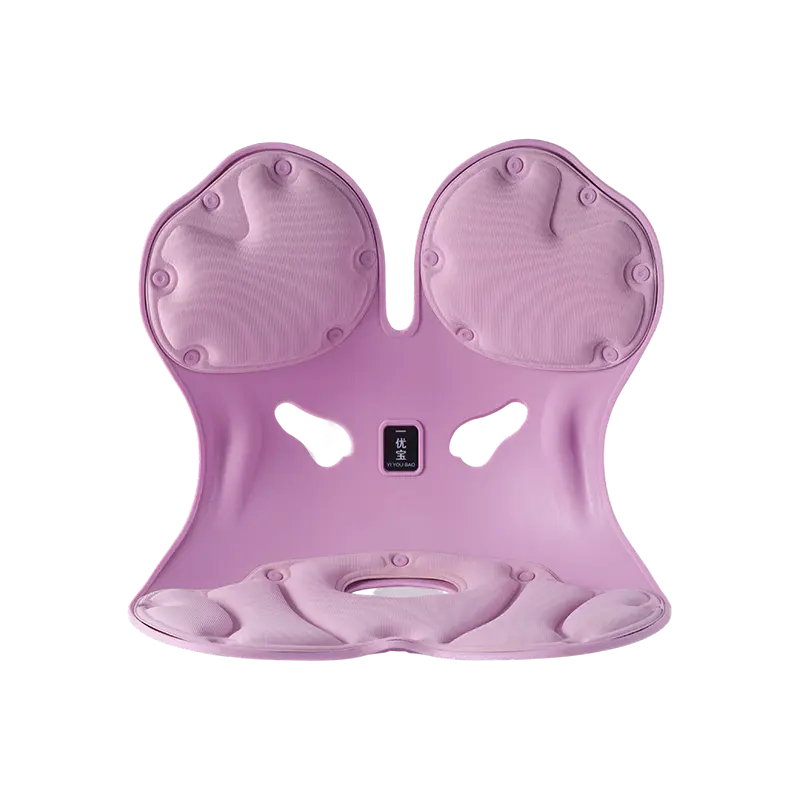
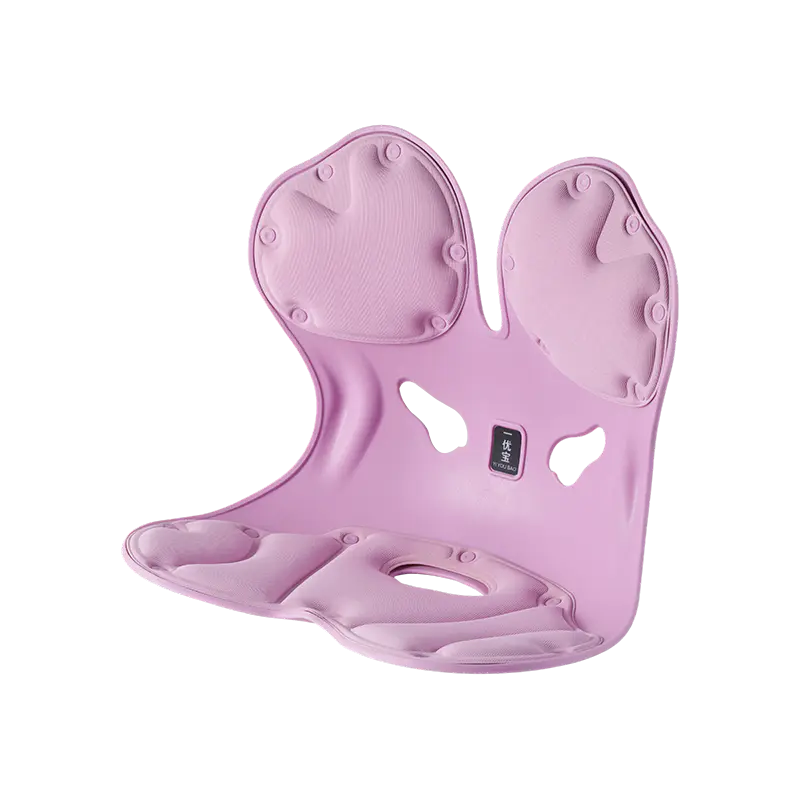
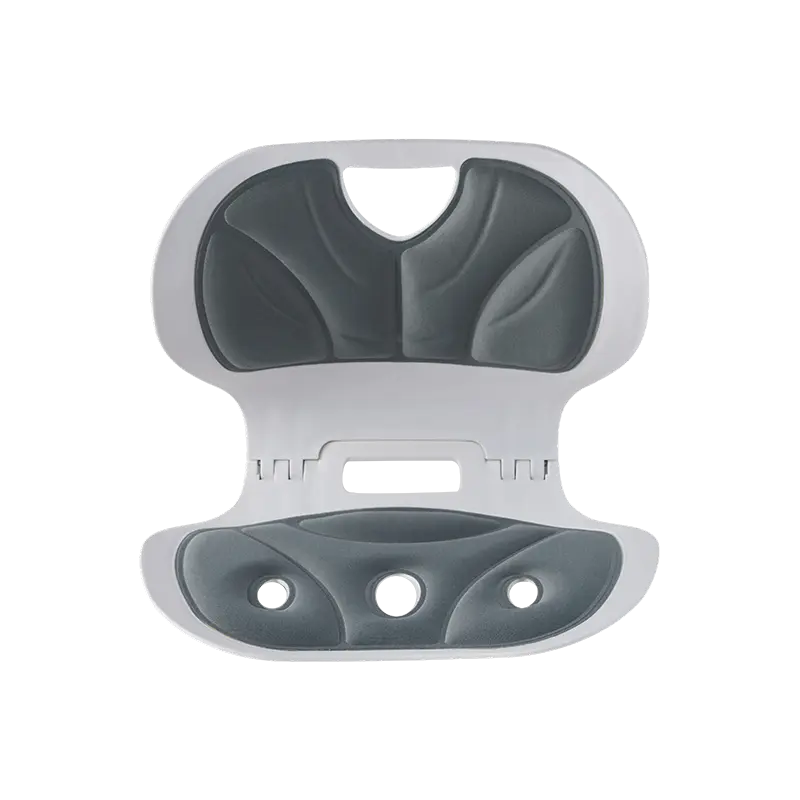
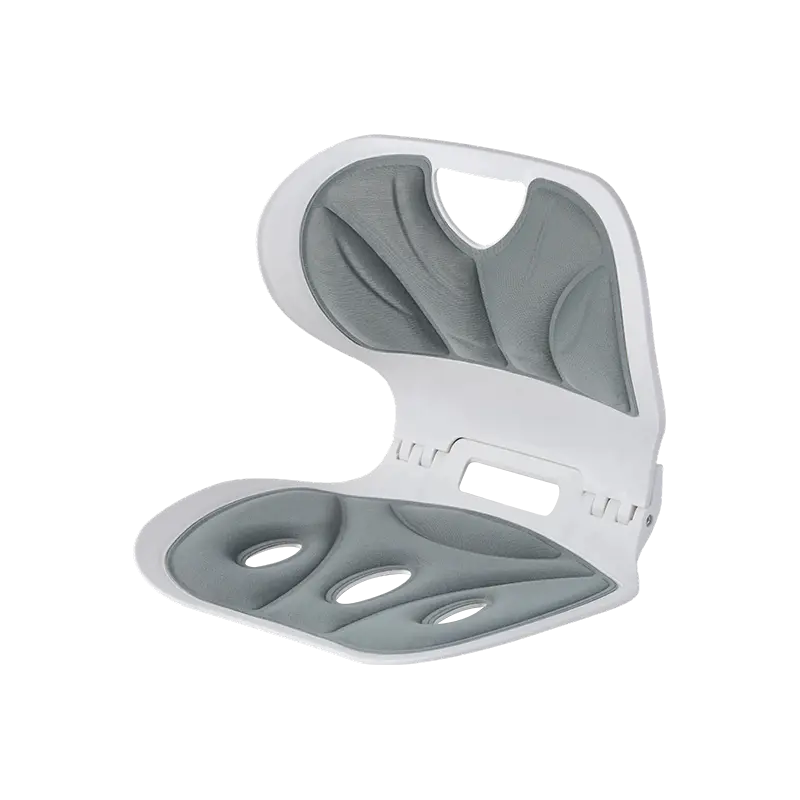
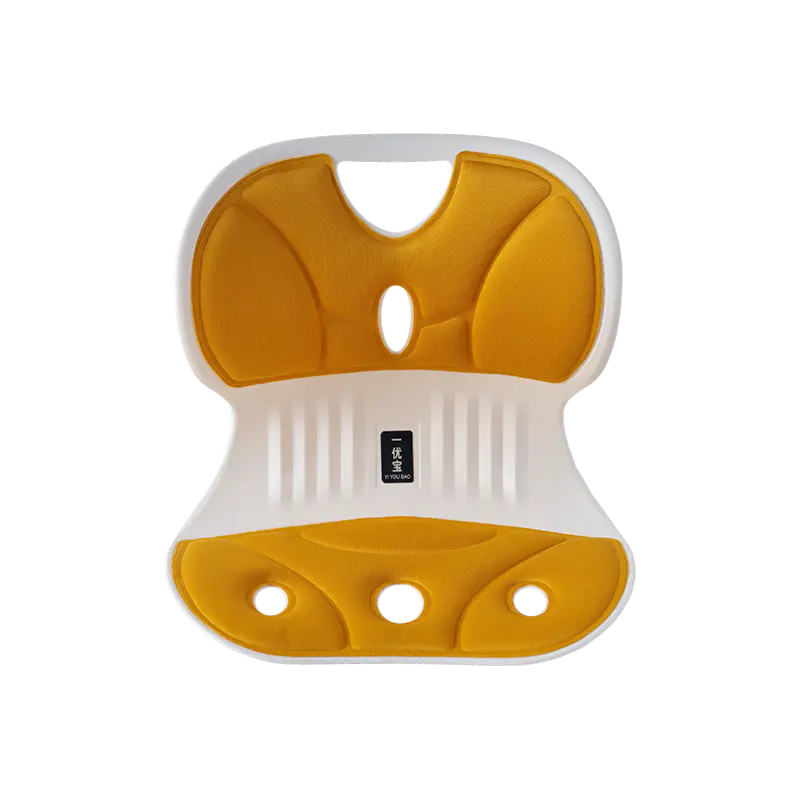
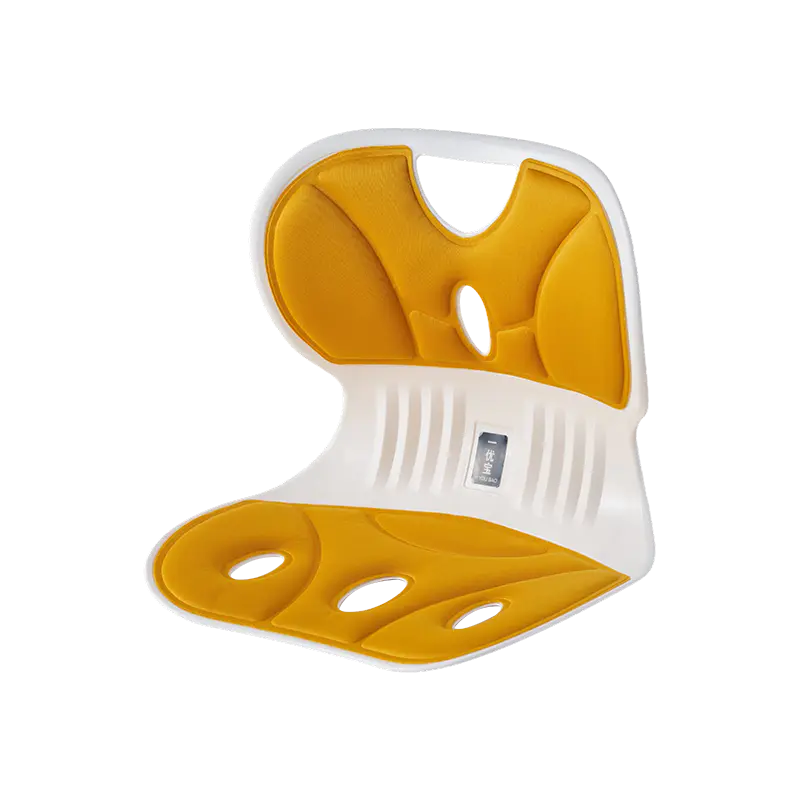
The chair back support cushion and lumbar support seat cushion serve slightly different purposes but complement each other when used together. While the back support seat cushion primarily alleviates pressure on the pelvis and lower spine, the chair back support cushion focuses on maintaining the natural curvature of the spine. A lumbar support seat cushion adds targeted support to the lumbar region, preventing slouching and reducing fatigue.
By combining these ergonomic solutions, users can create a healthier seating environment, whether in offices, cars, or at home.
1. Understanding the Back Support Seat Cushion
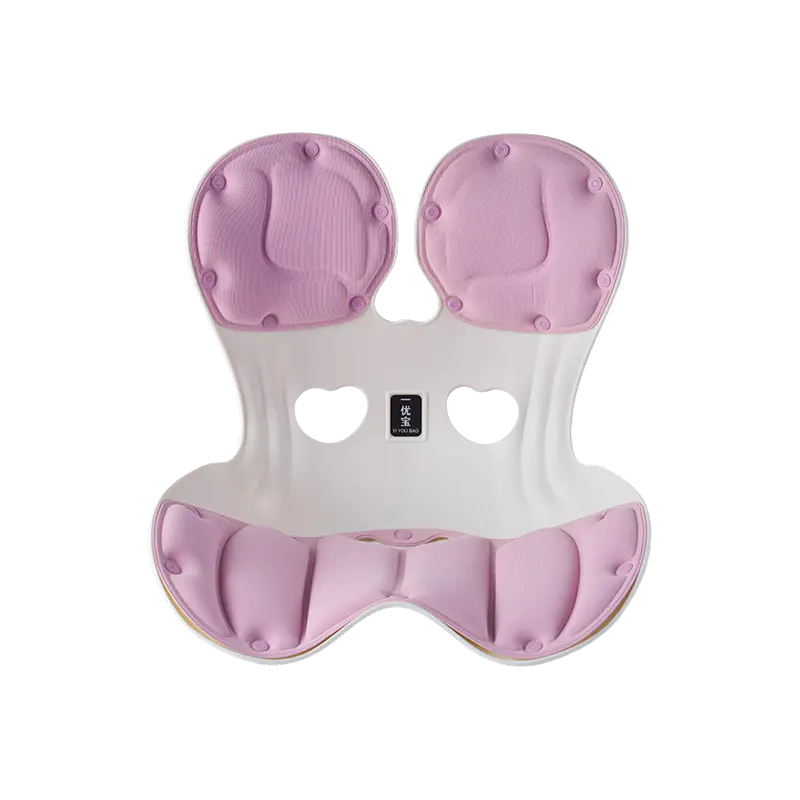
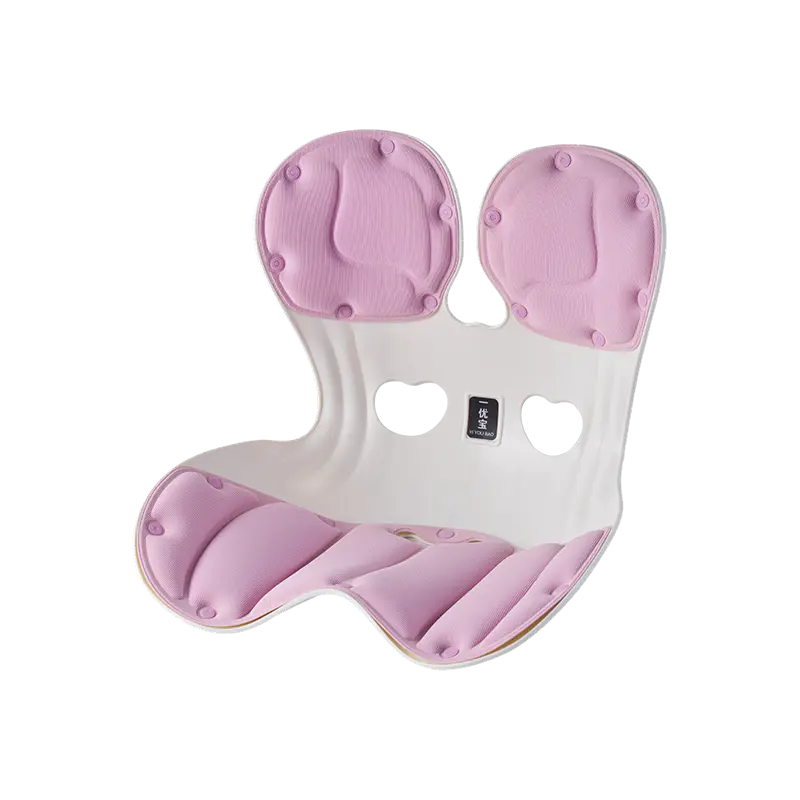
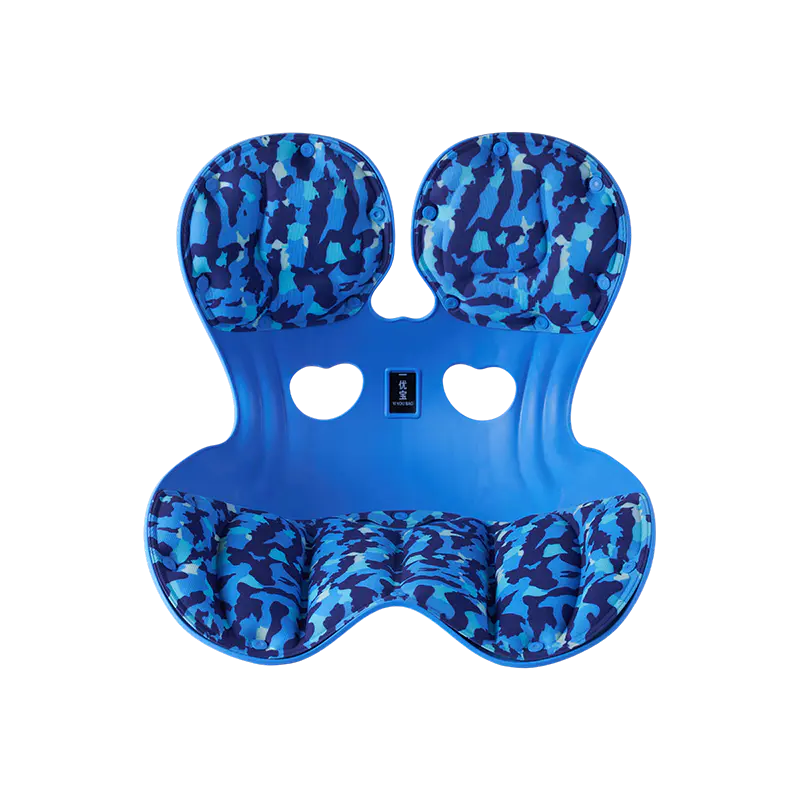
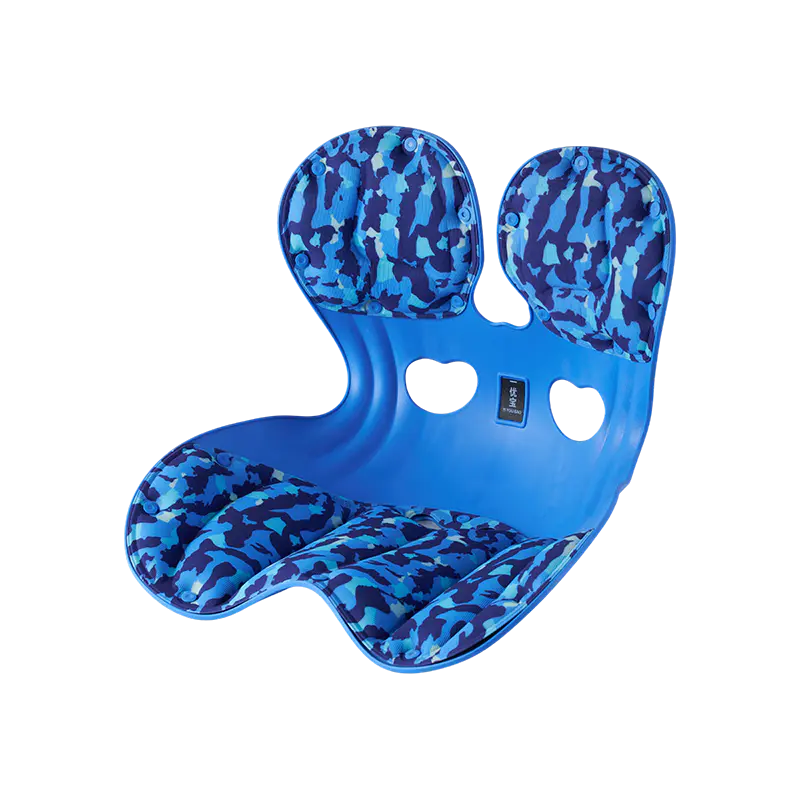
A back support seat cushion is designed to distribute weight evenly across the seating surface while reducing pressure on the hips, tailbone, and lower spine.
Key advantages include:
- Pressure Relief: Reduces discomfort caused by prolonged sitting.
- Spinal Alignment: Maintains the natural curve of the spine.
- Enhanced Comfort: Soft, high-density materials provide cushioning without sagging.
- Portability: Lightweight design allows use in offices, cars, and home chairs.
Many professionals combine a back support seat cushion with a chair back support cushion for a complete ergonomic seating solution, improving both comfort and posture throughout the day.
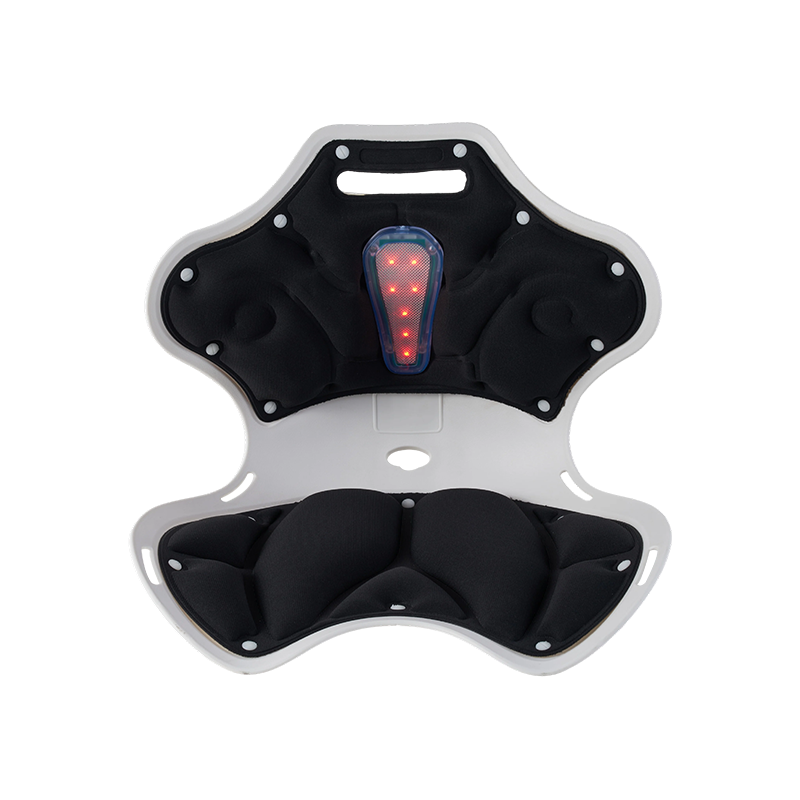
2. Chair Back Support Cushion: Targeted Spinal Alignment
A chair back support cushion primarily focuses on the lumbar and mid-back regions. Proper lumbar support prevents the lower spine from flattening against the seat, which is a common cause of fatigue and discomfort.
Benefits of a chair back support cushion include:
- Reduces Muscle Tension: Prevents strain on lumbar and back muscles.
- Encourages Upright Sitting: Helps maintain natural posture during work or study.
- Adjustable Fit: Many designs allow positioning for individual comfort.
- Durability: High-quality cushions retain shape and firmness over time.
Using a chair back support cushion with a back support seat cushion can create a balanced support system that protects both the spine and the seating area.
3. Lumbar Support Seat Cushion for Targeted Relief
The lumbar support seat cushion is designed to fit the curve of the lower back, providing targeted support where it's most needed. It is especially helpful for individuals with chronic lower back pain, desk workers, and drivers.
Advantages of a lumbar support seat cushion:
- Spinal Health: Supports the natural S-curve of the lumbar region.
- Pain Relief: Alleviates discomfort from prolonged sitting.
- Versatility: Can be used on chairs, office seats, car seats, and gaming chairs.
- Complementary Use: Works well with a back support seat cushion to reduce pressure on the pelvis.
Regular use of a lumbar support seat cushion can improve long-term posture and prevent common musculoskeletal problems.
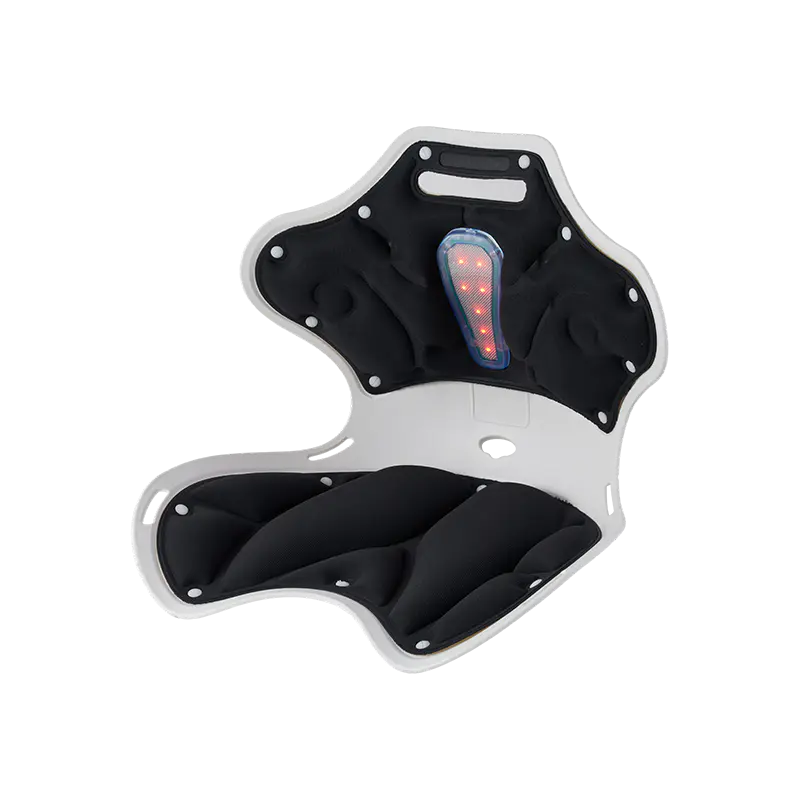
4. Material and Design Features
Choosing the right back support seat cushion, chair back support cushion, or lumbar support seat cushion requires understanding materials, design, and ergonomic features.
| Feature | Back Support Seat Cushion | Chair Back Support Cushion | Lumbar Support Seat Cushion |
| Material | High-density memory foam | Contoured foam or mesh | Gel-infused or memory foam |
| Ergonomic | Design Weight distribution | Spine curvature support | Lumbar curve alignment |
| Portability | Lightweight | Adjustable straps | Compact, easy to move |
| Comfort | Soft yet firm | Breathable for airflow | Pressure relief focus |
| Use Case | Office, home, car | Office chairs, lounge chairs | Office, car, gaming chairs |
Selecting cushions with high-quality materials ensures durability, breathability, and consistent ergonomic benefits over time.
5. Health Implications of Poor Sitting
Prolonged sitting without support can cause:
- Lower Back Pain: Muscles and spine under constant pressure.
- Posture Issues: Slouching, hunching, or pelvic tilt.
- Reduced Circulation: Discomfort and fatigue increase with poor blood flow.
- Chronic Conditions: Increased risk of herniated discs or spinal misalignment.
Using a back support seat cushion in combination with a chair back support cushion or a lumbar support seat cushion mitigates these risks by encouraging proper posture and evenly distributing pressure.
6. Ergonomic Advantages
Ergonomic seating improves both comfort and productivity:
- Enhanced Focus: Reduced discomfort allows longer concentration periods.
- Reduced Fatigue: Proper spinal support decreases strain on muscles.
- Posture Training: Habitual use helps the body maintain correct alignment.
- Versatility: Cushions can be used in multiple environments, from office desks to cars.
The synergy between a back support seat cushion, chair back support cushion, and lumbar support seat cushion creates a comprehensive ergonomic system.
7. Choosing the Right Cushion
When selecting an ergonomic solution:
- Assess Sitting Needs: Consider hours spent sitting and type of chairs used.
- Select Materials: Memory foam, gel, and contoured cushions offer different comfort levels.
- Check Adjustability: Cushions with straps or adjustable firmness allow a personalized fit.
- Portability: Lightweight cushions can move between office, car, and home.
- Durability: High-density foam maintains shape and support over time.
A combination of back support seat cushion, chair back support cushion, and lumbar support seat cushion ensures good support tailored to individual needs.
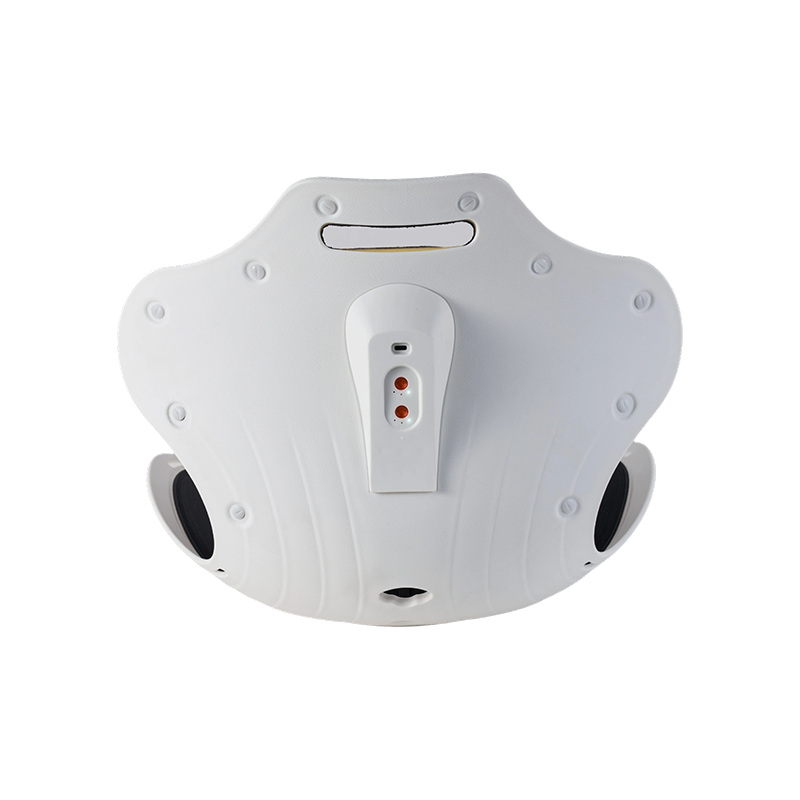
8. Daily Usage Tips
- Placement: Position the back support seat cushion evenly on the chair seat.
- Lumbar Support: Place the lumbar support seat cushion directly against the lower spine.
- Chair Back Cushion: Secure straps to prevent slipping and maintain consistent support.
- Take Breaks: Stand and stretch every hour, even with ergonomic cushions.
- Maintenance: Clean covers regularly to maintain hygiene and material performance.
By following these guidelines, users can improve comfort and long-term spinal health.
9. Innovative Trends in Seating Cushions
Modern back support seat cushions, chair back support cushions, and lumbar support seat cushions now include features such as:
- Memory foam with cooling gel layers
- Adjustable firmness levels for personalized comfort
- Contoured shapes to fit unique spinal curves
- Non-slip bases for stability in different seating environments
These innovations make cushions adaptable to office chairs, car seats, gaming chairs, and home seating.
Conclusion
Sitting long hours without proper support can cause discomfort, fatigue, and long-term spinal problems. A back support seat cushion provides pressure relief and pelvic comfort, a chair back support cushion maintains spinal alignment, and a lumbar support seat cushion offers targeted lumbar support.
Using these ergonomic solutions together enhances posture, reduces pain, and promotes overall musculoskeletal health. Whether for office work, gaming, driving, or home seating, integrating a back support seat cushion, chair back support cushion, and lumbar support seat cushion into daily routines creates a healthier, more comfortable sitting experience.
Investing in these ergonomic tools ensures long-term spinal health, improves focus and productivity, and transforms daily sitting into a supportive, comfortable habit. By prioritizing posture and comfort, individuals can prevent chronic back pain and maintain energy throughout the day.
 Previous