English
 中文简体
中文简体
Industry News
Travel products need fitting the way people move between places, whether they're commuting, taking a long-distance journey, working away from home, or packing for a holiday. Items that provide support during sitting can prove useful in these situations, but their size and shape also affect how easily they fit into a travel bag or luggage compartment.
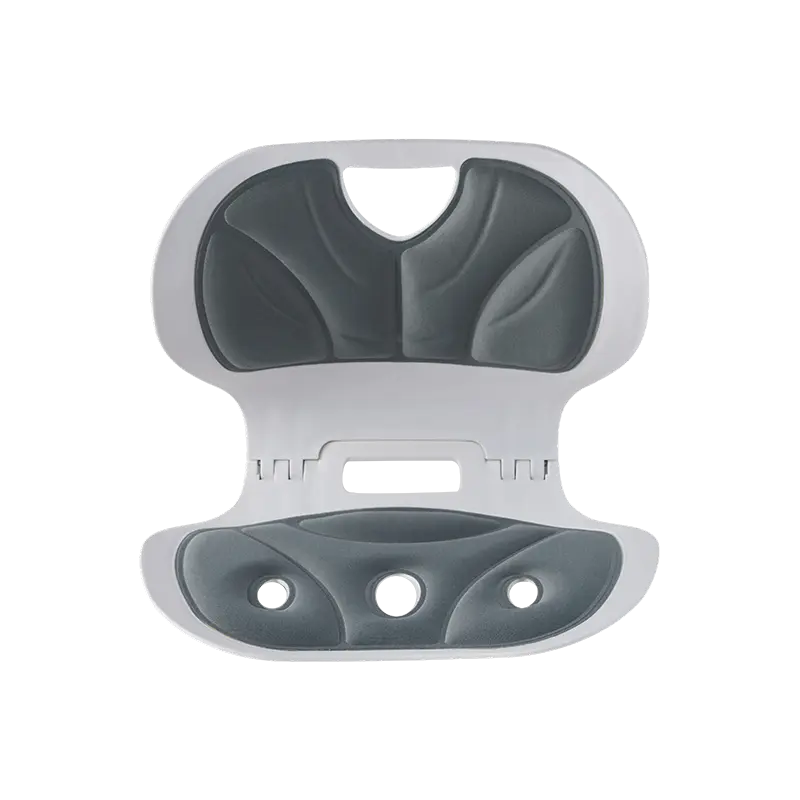
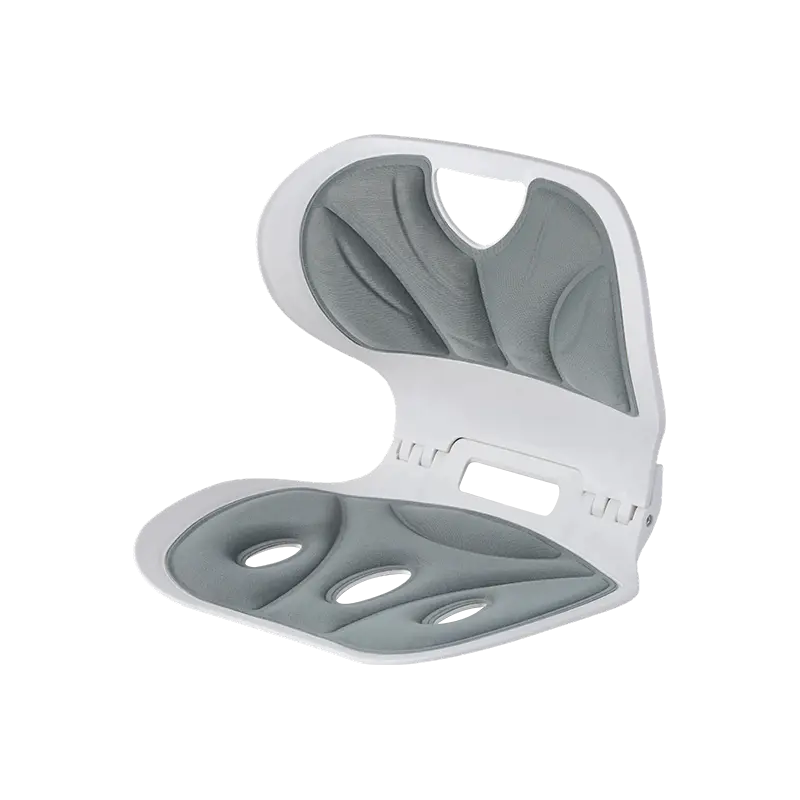
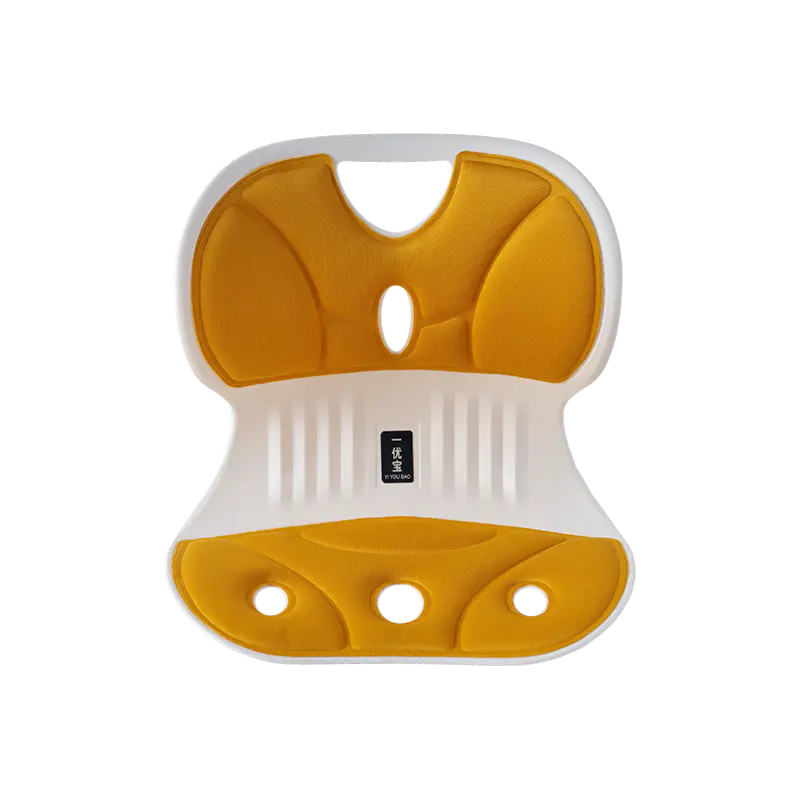
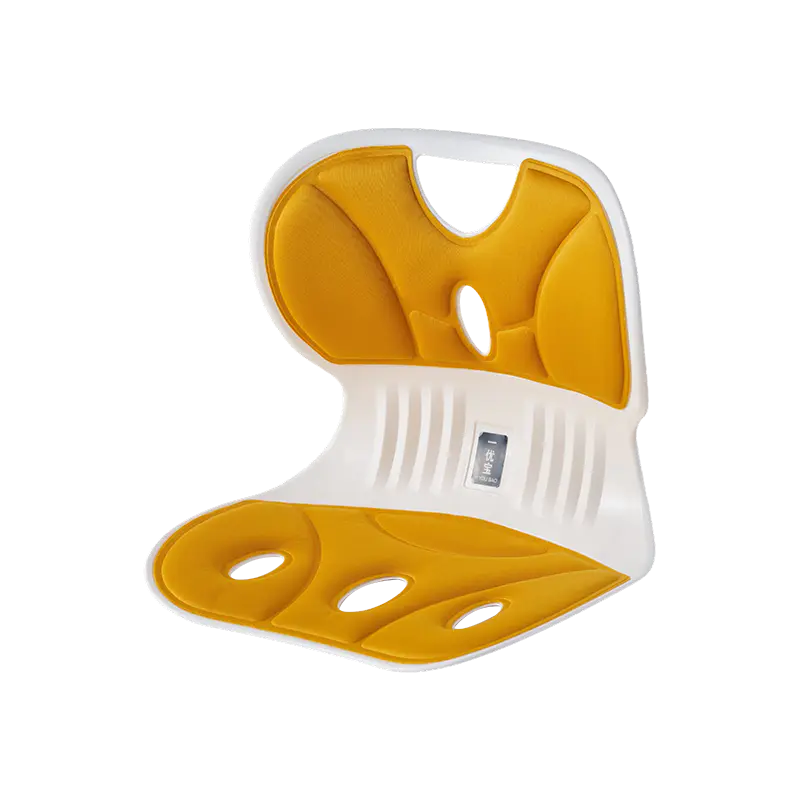
A Foldable Lumbar Support Cushion brings two product functions together: back support during use and a genuinely more compact form during storage. This combination creates opportunities for travel goods developers who want expanding beyond conventional bags, organizers, and portable accessories.
For product planners, wholesalers, and retailers, the challenge is making the cushion work as part of a travel product line, rather than treating it as an isolated comfort item. Folding structure, carrying methods, product combinations, and packaging all influence how the finished product fits into a travel-focused assortment.
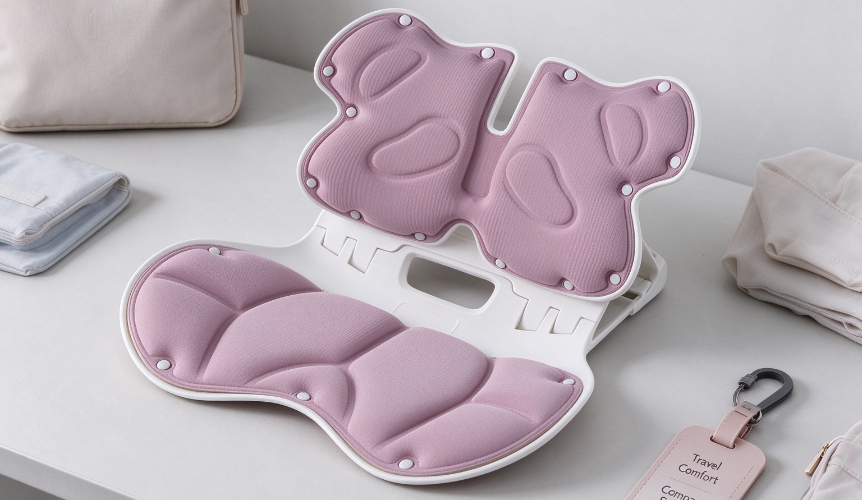
Why Does a Foldable Lumbar Support Cushion Fit Travel Product Lines?
Travel goods get designed around changing locations and limited storage space. A product may prove useful at an airport, on a train, in a hotel room, or at a temporary workstation, but it also needs remaining convenient when it's not being used.
A foldable cushion can address this need by reducing its occupied space during transportation. Instead of carrying a full-size cushion in its normal shape, users can fold it into a form that's genuinely easier placing inside luggage or attaching to another bag, depending on the design.
This feature can help travel brands extend their product ranges into portable seating accessories. It also creates a genuinely different product proposition from cushions intended remaining on an office chair or at home.
The connection with travel goods depends on genuinely more than foldability alone. Buyers also need considering how the cushion gets stored, carried, protected, and used alongside the other items travelers already bring.
How Does Folding Structure Affect Packed Volume?
Packed volume influences how a travel accessory fits into a suitcase, backpack, or carry-on bag. A cushion that remains bulky after folding may still be genuinely difficult carrying, even if its structure technically allows collapsing.
Product developers need considering how the cushion changes shape during folding and whether its sections can sit together without creating unnecessary gaps. The design should also make clear how the product folds and returns to its usable form.
Different folding approaches can create genuinely different storage experiences. A cushion may fold into sections, compress through a flexible structure, or use a combination of folding and fastening features, depending on its materials and intended use.
| Design Consideration | Relevance to Travel Goods |
|---|---|
| Folding direction | Influences the final shape of the packed product |
| Section arrangement | Affects how closely the parts fit together |
| Material flexibility | Influences how the cushion responds to folding |
| Closure method | Helps keep the product in its packed form |
| Folded edges | Can affect storage comfort and handling |
| Overall shape | Influences compatibility with bags and luggage |
The folded form should also remain practical after repeated use. A structure that becomes genuinely difficult to fold or doesn't return to its intended shape may create problems for customers who pack and unpack the cushion regularly.
For travel product lines, compact storage needs getting considered alongside usability. Reducing the packed size shouldn't make the cushion awkward opening, positioning, or storing again.
What Folding Mechanisms Suit Different Travel Applications?
Different travel situations create genuinely different product requirements. A cushion intended for occasional use during a train journey may need a simple folding arrangement, while a product designed for frequent business travel may benefit from a genuinely more organized storage method.
The folding mechanism should match the intended customer and the way the cushion will get handled. A simple structure can be genuinely easier understanding, while a more involved arrangement may support a particular packed shape or carrying method.
Developers should examine the entire movement from the folded state to the usable form. The user should recognize where the sections connect, how they open, and how the cushion returns to its storage shape.
The design also needs accounting for the materials used around folding points. Fabric, foam, fasteners, and any supporting components should work together without making the product unnecessarily difficult to handle.
How Can Carrying Design Improve Travel Convenience?
A foldable product still needs a convenient way moving from place to place. If the cushion has no suitable carrying feature, users may need placing it loose inside a bag or finding a separate storage solution.
Carrying design can help connect the cushion with familiar travel habits. A handle, storage sleeve, fastening strap, or compact pouch may make it genuinely easier moving the product between luggage, a vehicle, and a temporary seating area.
The choice depends on how the cushion gets expected to get used. A product intended fitting inside a backpack may need a genuinely different carrying arrangement from one designed attaching to the outside of a travel bag.
Product developers can review an integrated handle providing a direct way carrying the folded cushion, a storage pouch keeping the cushion together with its related accessories, a fastening strap helping secure the packed product when the design supports this use, a luggage attachment possibly allowing the cushion connecting with a compatible bag, and a protective sleeve helping separate the cushion from other packed belongings.
Carrying features shouldn't add unnecessary bulk or interfere with folding. Their value comes from making transportation genuinely easier without creating another item that travelers need managing separately.
How Can a Lumbar Support Backrest Become Part of a Travel Set?
A Lumbar Support Backrest can get positioned within a wider travel product assortment that includes portable seating accessories, luggage organizers, travel pillows, and other items used during journeys. This approach gives retailers a way grouping products according to how customers prepare for travel, rather than separating every accessory into an unrelated category.
Product combinations should have a clear purpose. A foldable cushion might get paired with a travel pillow for journeys involving extended sitting, while a storage pouch can keep both items together when they aren't being used.
A bundle can also help customers organize related accessories in one place. However, the items need complementing one another in size, carrying method, material appearance, and intended use.
| Product Combination | Possible Travel Use |
|---|---|
| Foldable cushion and travel pillow | Supports a coordinated seating and rest accessory set |
| Cushion and storage pouch | Keeps the cushion organized during transport |
| Cushion and luggage organizer | Groups portable accessories within a travel assortment |
| Cushion and compact blanket | Creates a set for journeys and temporary resting spaces |
| Cushion and portable workstation accessories | Supports travel between work locations |
Retailers should consider whether each combination makes sense for the customer. Adding unrelated products simply creating a larger bundle may increase packaging complexity without making the set genuinely more useful.
For product developers, the goal is creating a clear relationship between the items. Consistent styling, compatible storage formats, and coordinated packaging can help the products function as a recognizable travel range.
What Materials Work With Foldable Travel Cushion Design?
Material selection affects how a cushion folds, how it feels during use, and how it responds to storage. Travel products may get handled frequently and packed into different spaces, so the outer fabric and internal filling need suiting the expected routine.
Flexible fabric can help the cushion adapt to its folding structure, while the filling needs providing the intended level of support without preventing the product from closing properly. The materials should also recover in a suitable way after storage, depending on the construction.
The outer surface may need handling contact with clothing, luggage, and seating materials. Easy-care fabrics can prove useful for travel products, particularly when users may not have convenient access to washing facilities during a journey.
Developers should also consider how the materials behave around folds and seams. Repeated bending may place stress on certain areas, so the construction should allow the cushion folding without putting unnecessary strain on the outer cover.
How Can a Foldable Cushion Fit Different Travel Goods Categories?
Travel product lines serve customers with genuinely different routines, from occasional holiday travelers to people who move between work locations regularly. A foldable cushion may therefore get developed for several categories, provided its construction and presentation match the intended use.
Business travel products may emphasize organized packing and a restrained appearance. Leisure travel ranges may focus on convenient carrying, coordinated accessories, and suitability for different seating situations.
Outdoor travel products introduce another set of considerations because the cushion may get carried with camping gear, picnic accessories, or other portable equipment. In these cases, material care, storage protection, and compatibility with the rest of the travel kit can influence the product design.
| Travel Goods Category | Product Development Focus |
|---|---|
| Business travel | Compact storage and coordinated appearance |
| Leisure travel | Convenient packing and straightforward handling |
| Road trip accessories | Compatibility with vehicle storage |
| Outdoor recreation | Practical carrying and suitable material care |
| Travel gift sets | Coordinated products and presentation |
| Portable work accessories | Integration with temporary work setups |
A single product doesn't need serving every category in the same way. Developers can create related versions that share a design direction while adjusting the carrying format, cover material, or packaging for different customers.
This approach can help retailers build a genuinely more organized assortment without making every product identical. It also gives wholesale buyers a genuinely clearer basis for selecting items that match their customer groups.
Why Does Packaging Matter for Foldable Lumbar Support Cushions?
Packaging influences how the cushion gets stored, shipped, displayed, and presented to the customer. For a foldable travel product, the package should reflect the product's compact form while protecting the materials and keeping the folding arrangement organized.
A pouch or sleeve may prove sufficient for some retail products, while other versions may require a carton or additional protection during transportation. The choice depends on the product construction, distribution method, and expectations of the intended sales channel.
Packaging dimensions should get considered alongside the folded cushion, rather than planned separately. If the package stays much larger than the product requires, the cushion may lose some of its storage advantage and occupy genuinely more room during shipping or retail storage.
Packaging should also make the product easy understanding. Clear images or simple instructions can show how the cushion folds, how it gets stored, and what's included in the package.
For wholesale orders, packaging decisions can affect warehouse organization and the way products get grouped for shipment. Buyers should discuss the intended retail format and distribution conditions before the packaging design gets finalized.
How Can a Lumbar Support Cushion Manufacturer Support Travel Product Development?
A Lumbar Support Cushion Manufacturer can help travel goods companies assess how cushion construction fits the requirements of a portable product range. Discussions may cover folding structure, cover materials, internal filling, carrying features, and packaging, rather than focusing only on the cushion's appearance.
Product samples can help buyers understand how the cushion folds and whether its packed shape suits the intended bag or storage space. They can also provide a practical way reviewing the feel of the materials, the opening process, and the way the product returns to its usable form.
For OEM projects, buyers may request changes to the cover design, storage pouch, label placement, or coordinated packaging. These changes should get considered together because a modification to the cushion's structure may affect the carrying format or package dimensions.
Manufacturers and buyers should also agree on how folding and assembly will get checked during production. Clear product specifications help keep the intended design consistent across orders and make it genuinely easier discussing any changes before manufacturing begins.
What Should Wholesale Buyers Check Before Adding Foldable Cushions to a Travel Range?
Wholesale buyers need assessing whether a foldable cushion fits their product strategy and the expectations of their intended customers. A product may appear suitable in a catalog, but its practical value depends on its folded form, handling, material choice, and compatibility with other travel accessories.
Buyers can use product samples and documentation reviewing these points before placing an order. They should also confirm which features get included in the standard product and which would require customization.
Useful purchasing questions include whether the folded cushion fits the intended travel bag or storage format, whether customers can understand and use the folding mechanism easily, whether the materials suit repeated packing and unpacking, whether there's a practical carrying method or storage pouch, whether the cushion can get paired with other products in the range, whether the packaging suits retail display and shipping requirements, and whether the supplier can maintain consistent construction across repeat orders.
These questions connect product selection with actual travel use and distribution needs. They also help buyers compare offers based on the complete product, rather than on the folding feature alone.
How Can Product Lines Stay Consistent Across Different Cushion Designs?
Travel goods collections often include products with genuinely different functions but a shared visual identity. A foldable cushion can fit into that collection through coordinated colors, fabric choices, storage formats, and packaging, provided these details remain suitable for the product's use.
Consistency doesn't require every item sharing the same structure. A travel pillow, a storage organizer, and a foldable lumbar cushion may need genuinely different materials and shapes, but their appearance and presentation can still feel related.
Product planners can define a common design direction while allowing each item retaining its own practical features. This helps the collection feel organized without forcing every accessory into the same format.
The development process should consider how each product looks when packed as well as when in use. For a foldable cushion, the storage pouch, closure, and carrying feature stay visible parts of the travel experience and should fit the wider product range.
 Previous