English
 中文简体
中文简体
Industry News
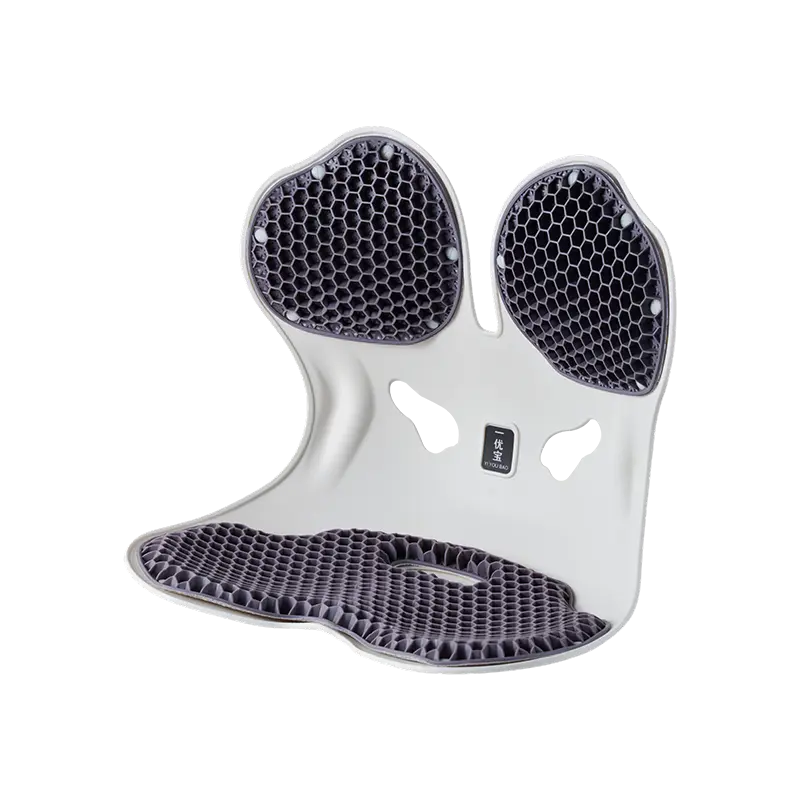
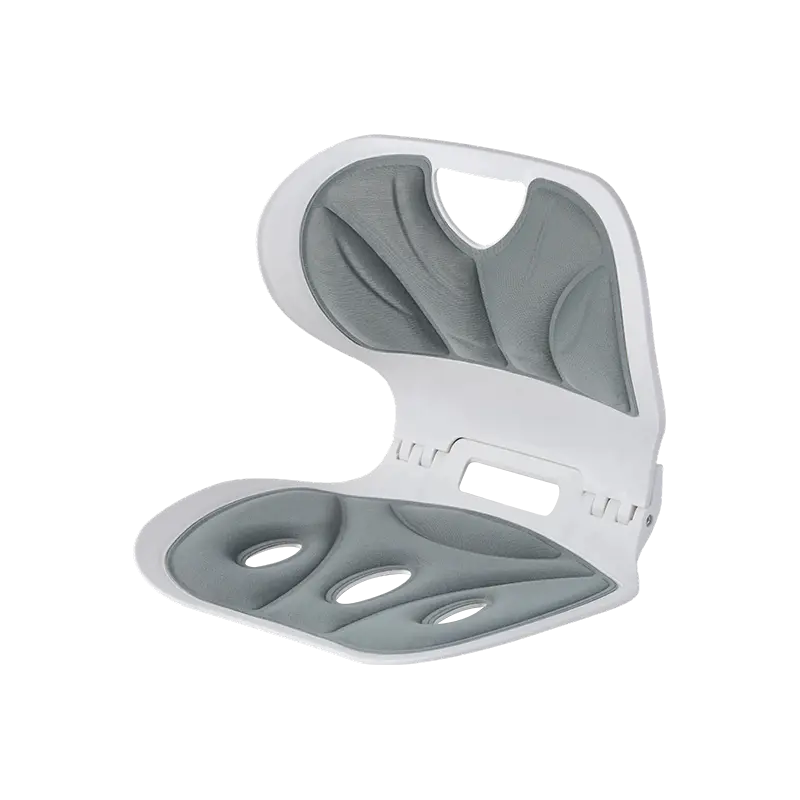
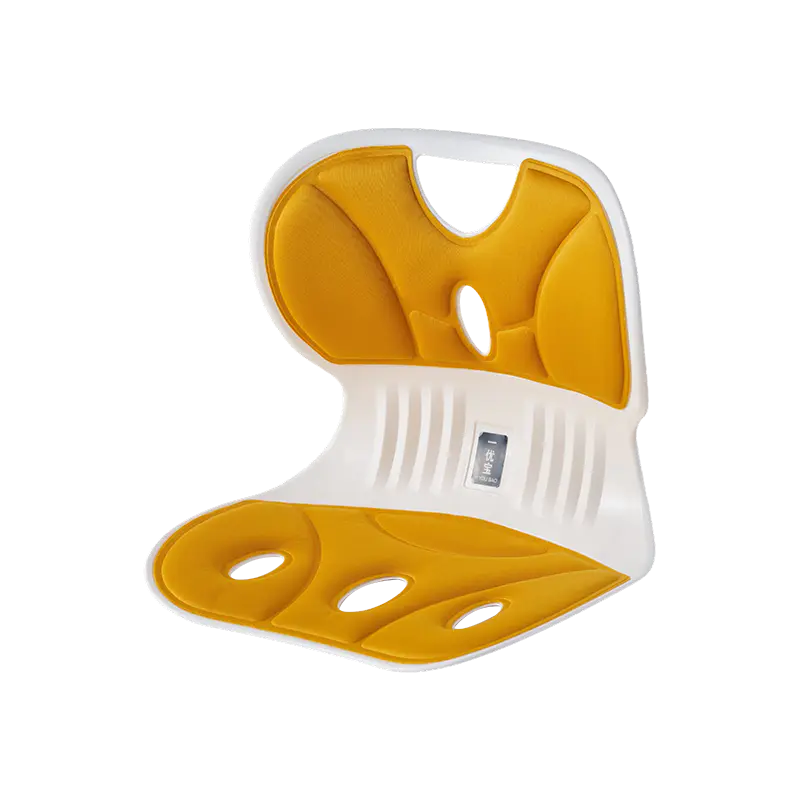
In today's increasingly sedentary world, long hours of sitting have become a daily routine for office workers, students, and remote professionals. Prolonged sitting without proper support can cause back pain, posture problems, and fatigue. A lumbar support chair is designed to address these issues by promoting natural spinal alignment and reducing stress on the lower back.
Unlike standard chairs, a lumbar support chair incorporates ergonomic features specifically tailored to support the lumbar region, which is the lower curve of the spine. This ensures that the sitter maintains a healthy posture throughout the day, reducing the risk of chronic pain and discomfort.
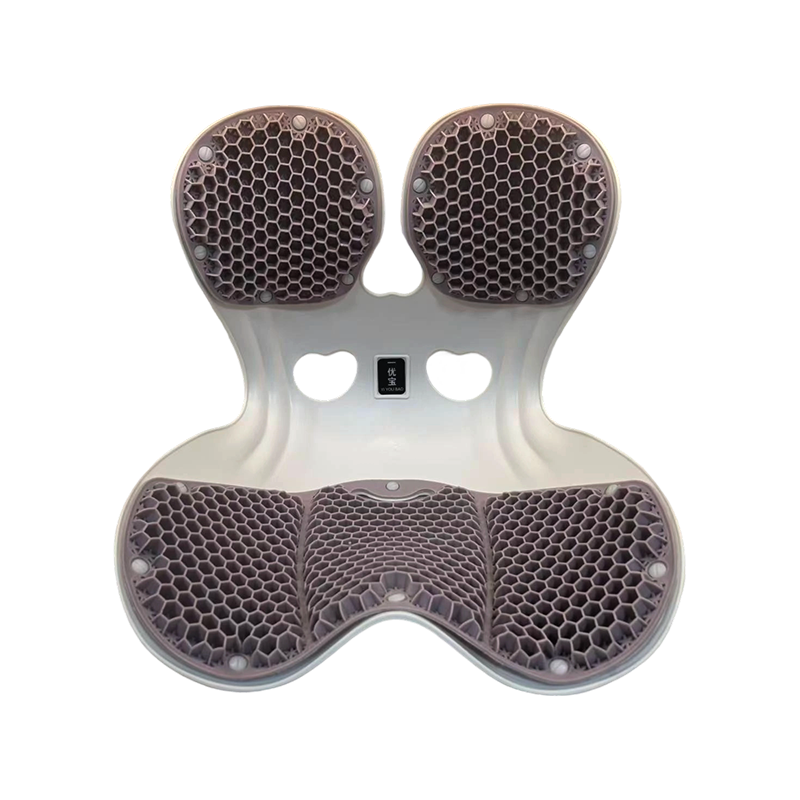
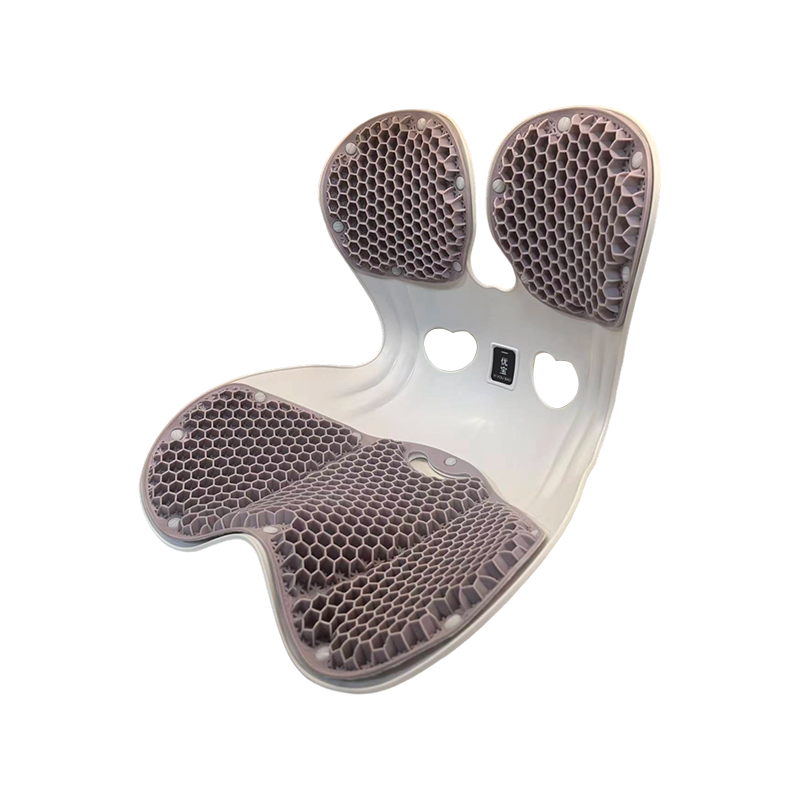
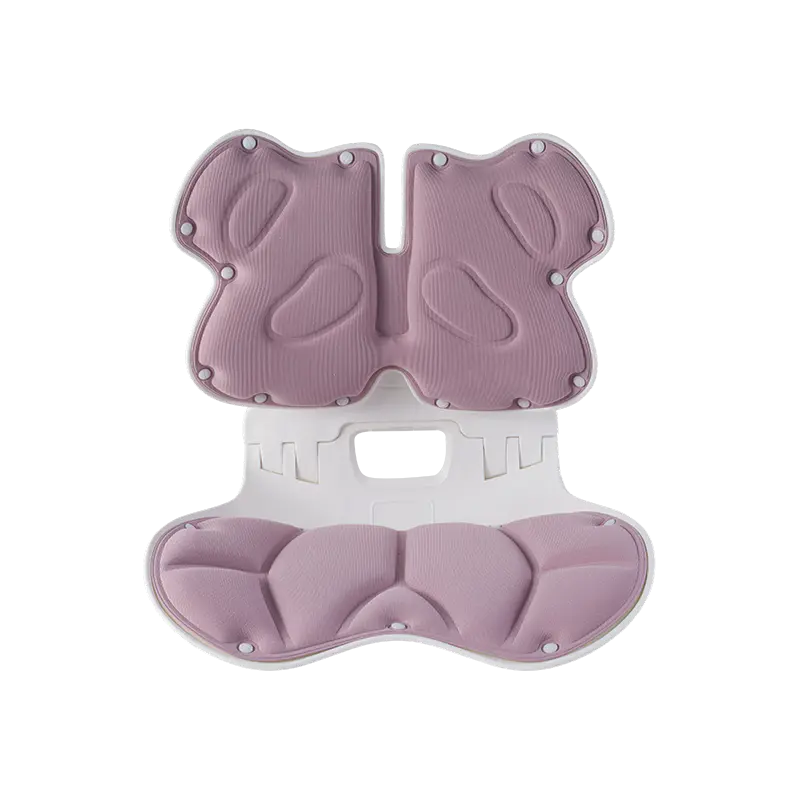
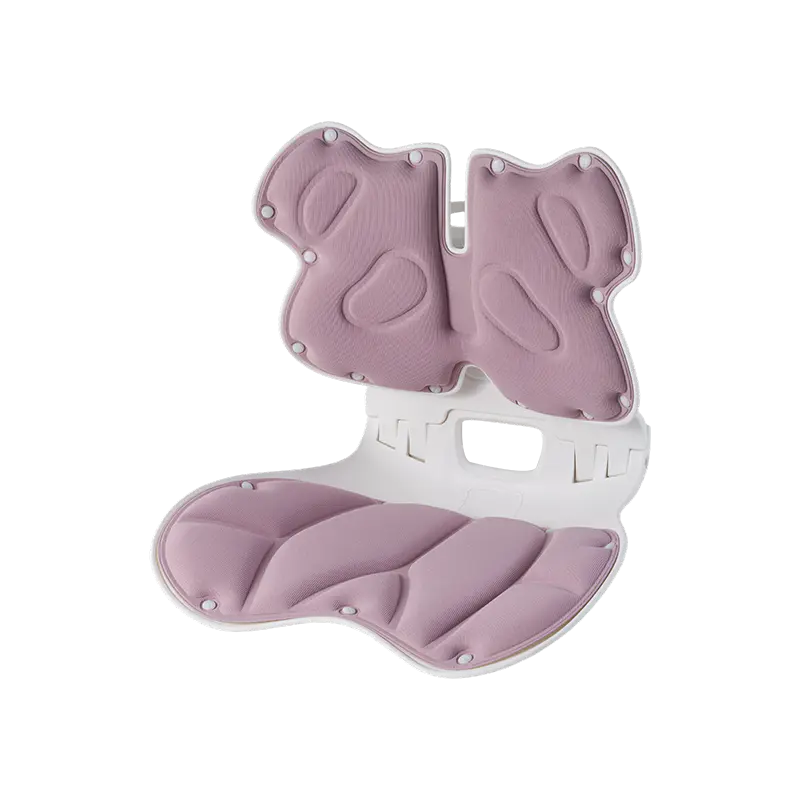
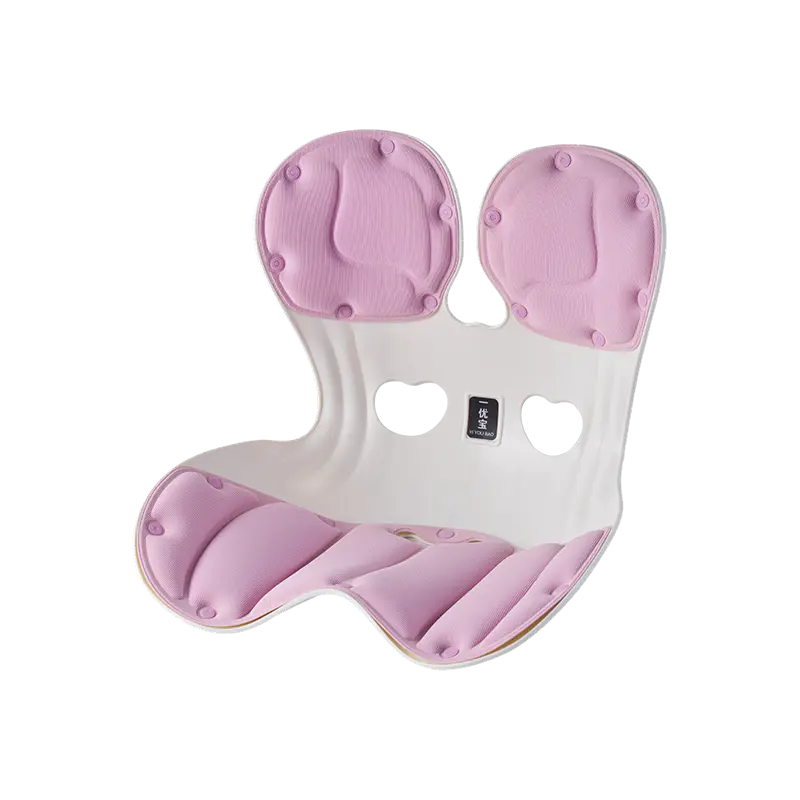
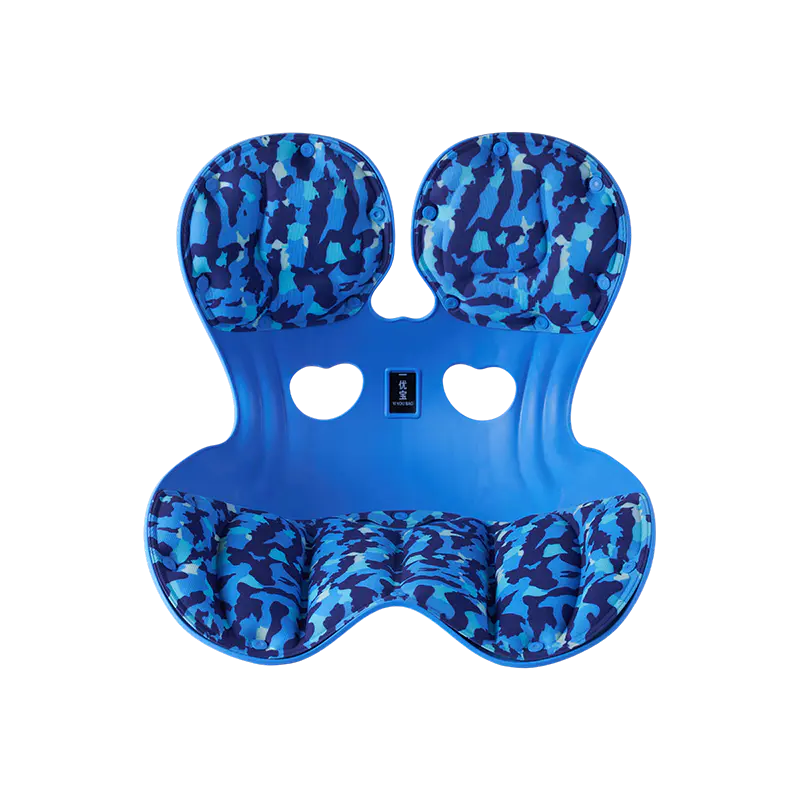
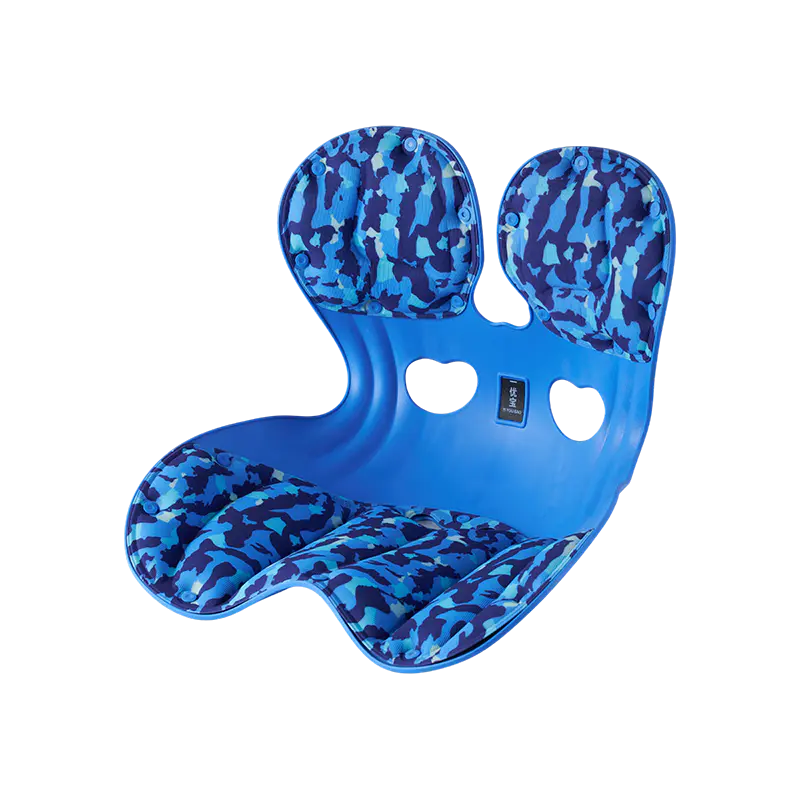
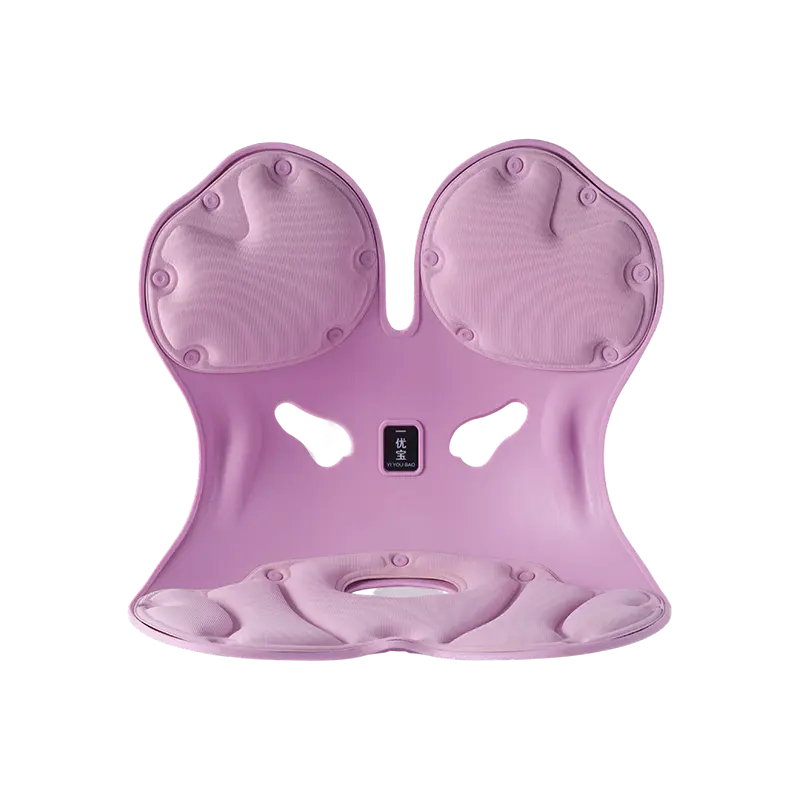
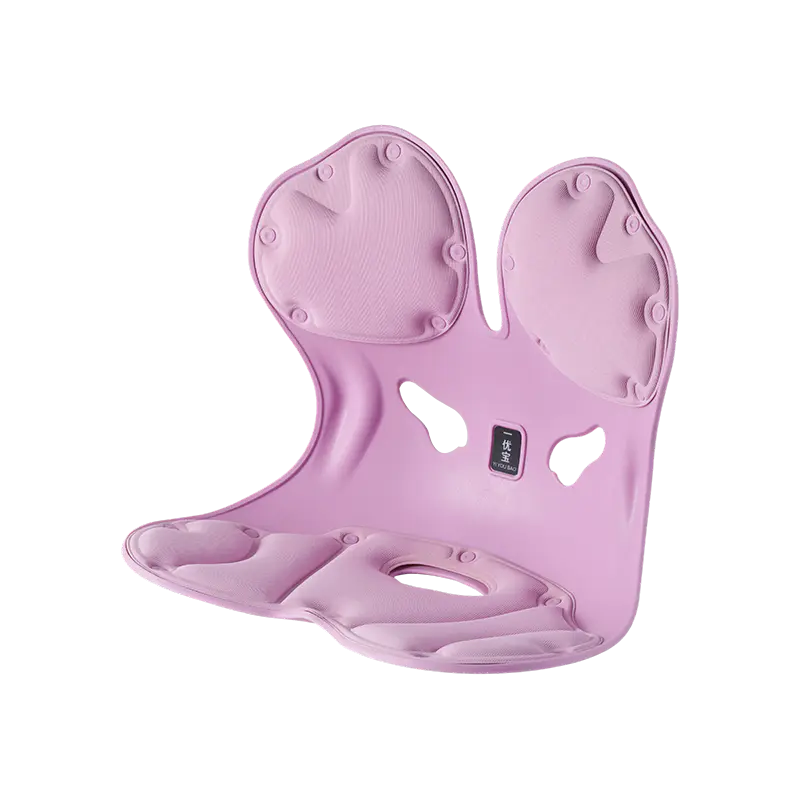
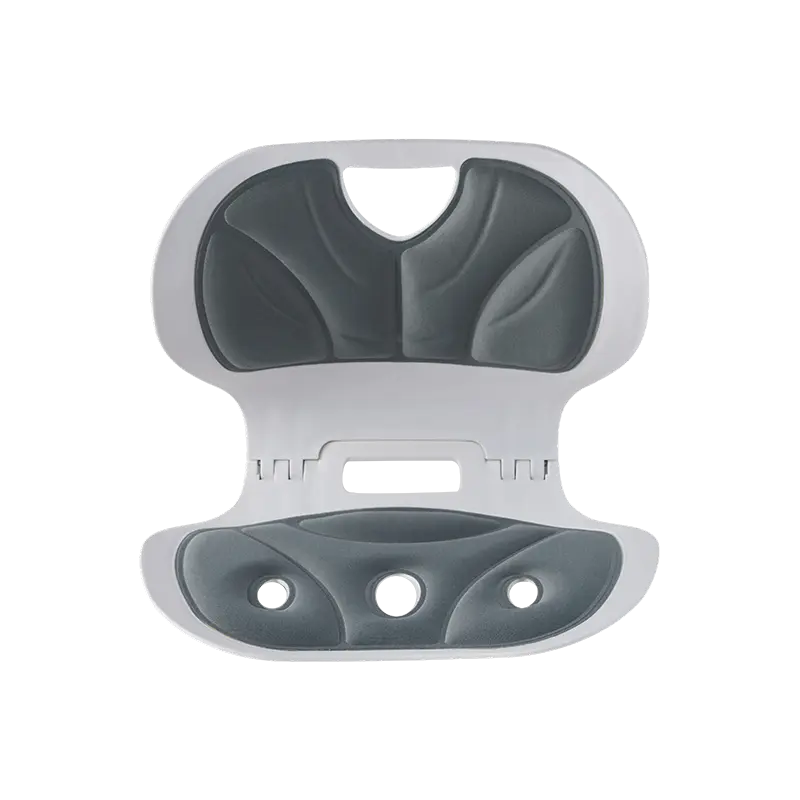
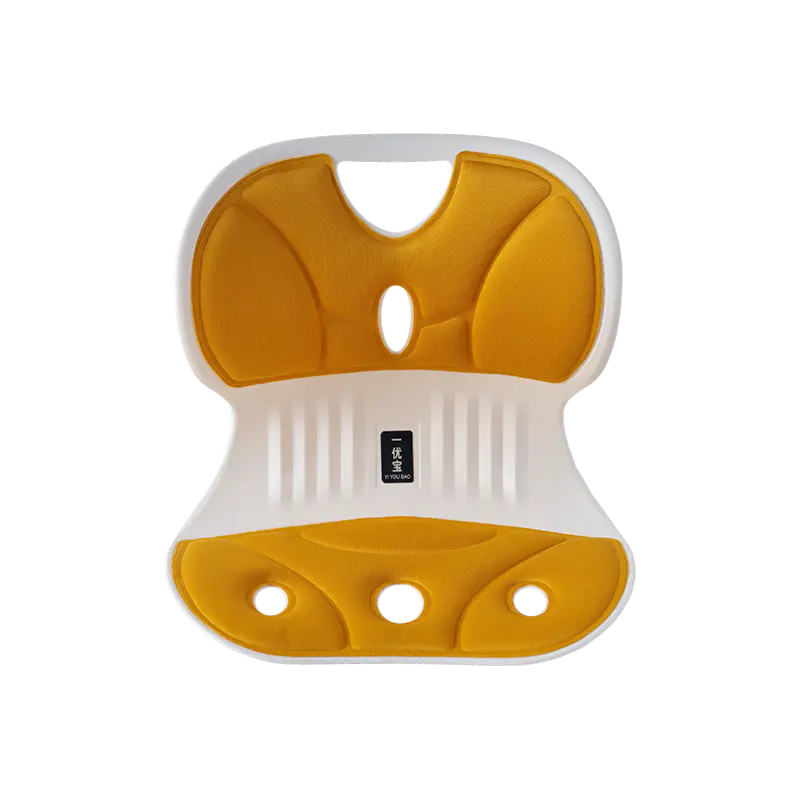
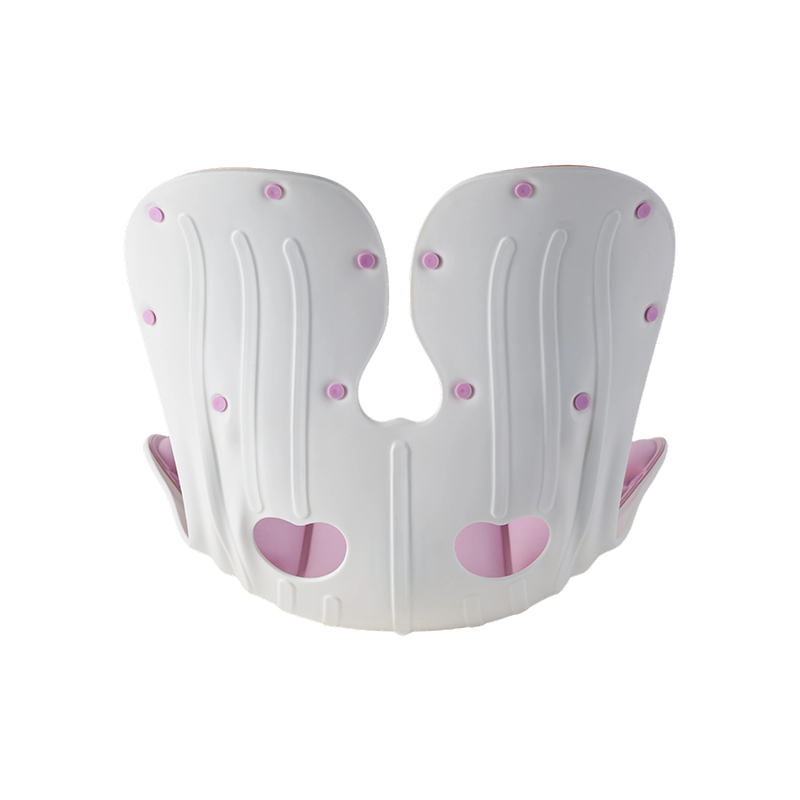
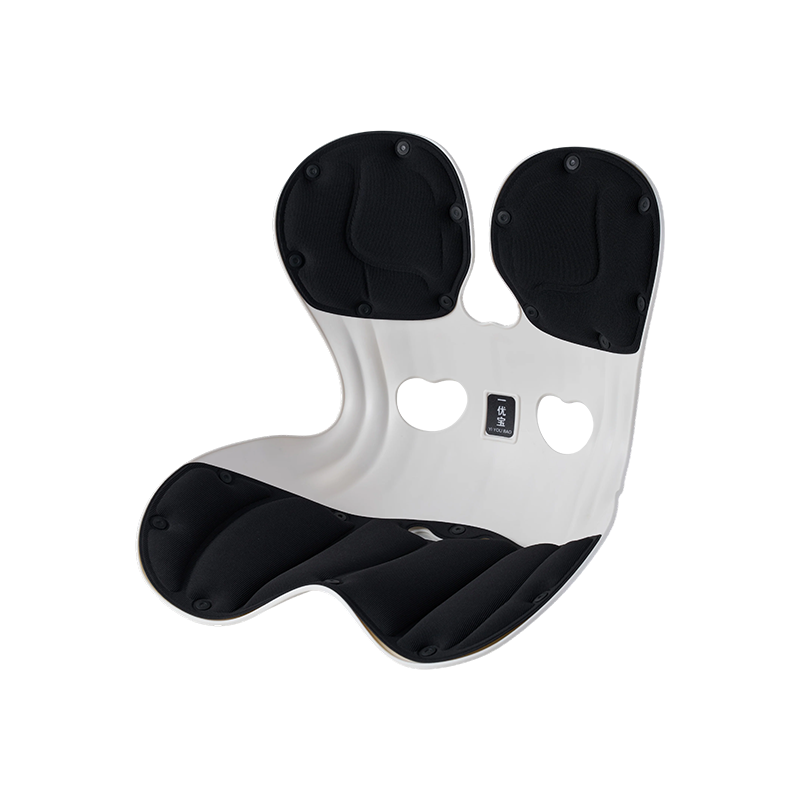
Alongside a lumbar support chair, additional aids such as a back support cushion or ergonomic chair cushion can enhance comfort and provide customized support. These products complement the chair's built-in support features, ensuring long-term spinal health and improved sitting ergonomics.
1. Understanding the Importance of a Lumbar Support Chair
A lumbar support chair is more than a comfortable seat—it is a proactive tool for spinal health. Key benefits include:
- Spinal Alignment: Supports the natural curvature of the lumbar spine.
- Muscle Relief: Reduces tension in lower back muscles caused by prolonged sitting.
- Posture Improvement: Encourages upright sitting, preventing slouching or hunching.
- Fatigue Reduction: Reduces back strain during extended work or study sessions.
For individuals who spend long hours at desks or in home offices, incorporating a lumbar support chair can significantly enhance daily comfort and productivity.
2. The Role of Back Support Cushions
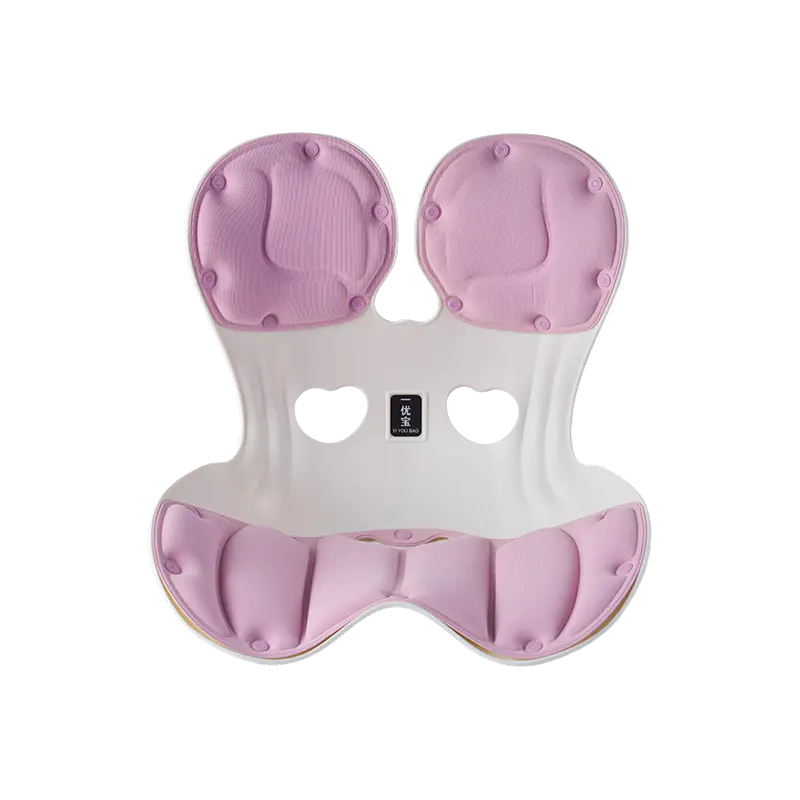
Even lumbar support chair may benefit from an additional back support cushion. These cushions are versatile, portable, and can be used on office chairs, car seats, or dining chairs.
Key advantages of using a back support cushion include:
- Targeted Support: Provides focused pressure relief for the lumbar region.
- Custom Comfort: Adjustable positioning allows users to tailor the support to their spine.
- Enhanced Circulation: Reduces muscle strain and promotes better blood flow.
- Portable Design: Easily moved between workspaces or seating environments.
A high-quality back support cushion complements a lumbar support chair, creating a seating experience that prioritizes health and comfort.
3. Ergonomic Chair Cushion for Daily Use
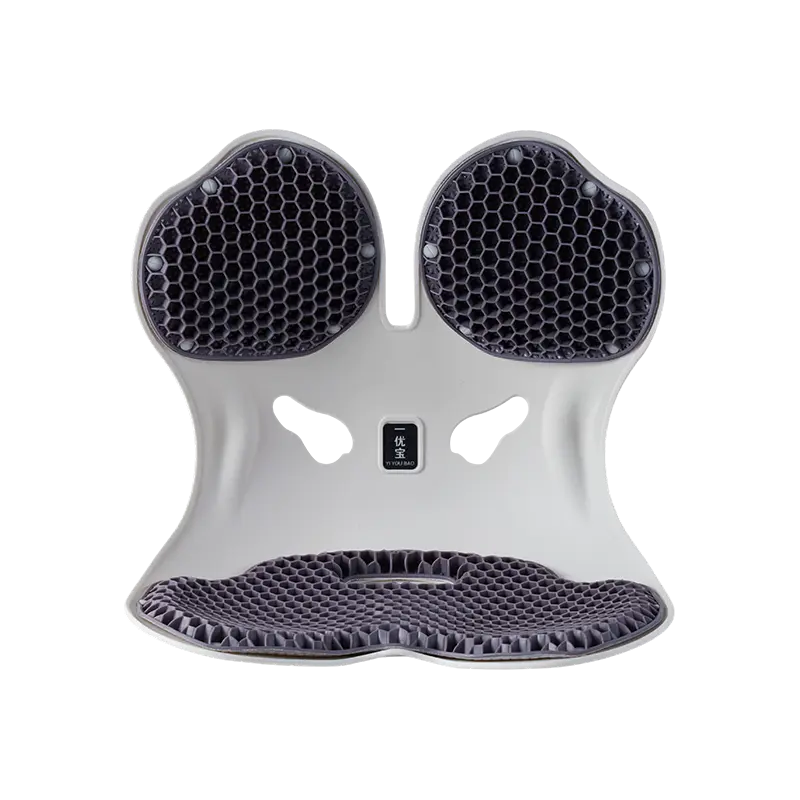
While a lumbar support chair targets the spine, an ergonomic chair cushion focuses on overall seating comfort. These cushions often feature memory foam, gel layers, or contoured designs that distribute weight evenly and relieve pressure on the hips and lower back.
Benefits of an ergonomic chair cushion include:
- Pressure Relief: Reduces discomfort during long sitting periods.
- Posture Support: Encourages proper alignment of spine, pelvis, and hips.
- Comfort Across Surfaces: Can improve the ergonomics of non-ergonomic chairs.
- Durable Materials: High-density foam or gel ensures long-lasting support.
Combining a lumbar support chair with an ergonomic chair cushion and back support cushion can transform any seating arrangement into a health-conscious workstation.
4. Material and Design Considerations
When choosing a lumbar support chair, back support cushion, or ergonomic chair cushion, material quality and design are crucial.
| Feature | Lumbar Support Chair | Back Support Cushion | Ergonomic Chair Cushion |
| Material | Mesh, high-density foam | Memory foam, gel inserts | Memory foam, gel, or contoured foam |
| Adjustability | Height, tilt, lumbar firmness | Positioning for lumbar curve | Optional wedge angles for hip support |
| Breathability | Mesh back for airflow | Perforated covers for heat dissipation | Ventilated foam or breathable fabric |
| Portability | Medium to heavy | Lightweight and portable | Lightweight, flexible |
| Use Case | Office, home, gaming | Multi-seat use | Office, car, home chairs |
Choosing the right combination ensures good comfort and long-term support, tailored to individual needs.
5. Health Implications of Poor Sitting
Sitting without proper support can cause a variety of health problems:
- Chronic Back Pain: Pressure on lumbar muscles and spine misalignment.
- Postural Issues: Slouching or hunching can cause rounded shoulders.
- Reduced Circulation: Poor sitting posture can contribute to fatigue and discomfort.
- Long-term Spine Problems: Misalignment may increase the risk of disc degeneration or herniation.
A lumbar support chair, combined with a back support cushion and ergonomic chair cushion, addresses these risks effectively, promoting spinal health and comfort.
6. Choosing the Right Ergonomic Setup
When designing a workstation or seating area:
- Start with a Lumbar Support Chair: Ensure it has adjustable lumbar support and ergonomic features.
- Add a Back Support Cushion: Customize lumbar support for additional comfort and alignment.
- Consider an Ergonomic Chair Cushion: Reduce pressure on hips and enhance seating comfort.
- Adjust Heights and Angles: Ensure desk height, monitor position, and seat angles are ergonomically correct.
- Check Materials: Choose breathable, durable, and easy-to-clean materials.
A well-considered setup ensures that long hours of sitting do not compromise health or productivity.
7. Ergonomic Benefits Beyond Comfort
Proper ergonomics improve more than just comfort:
- Increased Productivity: Comfortable seating supports focus and reduces fatigue.
- Enhanced Well-being: Reduces muscle tension, stress, and discomfort.
- Prevention of Chronic Conditions: Long-term lumbar support can reduce the risk of spinal disorders.
- Versatility: Products like a lumbar support chair, back support cushion, and ergonomic chair cushion can adapt to multiple seating scenarios.
8. Innovative Trends in Seating
Modern lumbar support chairs now feature:
- Memory foam or gel lumbar inserts.
- Adjustable lumbar firmness for personalized comfort.
- Integrated heat or massage options.
Back support cushions are evolving with portable designs and flexible materials, while ergonomic chair cushions now include anti-slip bases, cooling gel, and contoured shapes that enhance posture and reduce pressure points.
These innovations make ergonomic seating solutions more accessible, practical, and appealing to a wide audience, from office workers to remote professionals.
9. Daily Usage Tips
- For the Lumbar Support Chair: Adjust height and lumbar curve before sitting.
- For the Back Support Cushion: Position directly against the lower spine for good support.
- For the Ergonomic Chair Cushion: Place on the seat and adjust angles to distribute weight evenly.
- Take Breaks: Even with ergonomic support, stand and stretch periodically.
- Maintain Equipment: Clean and air out cushions to preserve material longevity.
By combining these products with healthy sitting habits, users can improve the benefits of ergonomic design.
Conclusion
A well-designed seating setup is essential for modern lifestyles. A lumbar support chair provides essential lower back support, a back support cushion offers targeted lumbar relief, and an ergonomic chair cushion ensures overall comfort and posture alignment.
Using these solutions together can prevent chronic back pain, improve productivity, and encourage healthier sitting habits. Whether in the office, at home, or during long-distance work sessions, integrating a lumbar support chair, back support cushion, and ergonomic chair cushion into your seating routine creates a holistic approach to ergonomic health.
Investing in these ergonomic tools is not just about comfort—it's about long-term spinal health, enhanced well-being, and sustaining energy throughout the day. Modern seating solutions offer an affordable, practical way to make every sitting hour healthier and more comfortable.
 Previous