English
 中文简体
中文简体
Industry News
For anyone who spends the majority of the workday seated, lower back discomfort is a familiar and recurring concern — one that tends to worsen gradually and becomes harder to ignore as the hours accumulate. Standard office chairs are largely designed around general dimensions rather than individual spinal anatomy, which means the lumbar region is often left without adequate contact or support. Over time, this structural gap contributes to muscle fatigue, postural breakdown, and the kind of persistent discomfort that neither breaks nor posture reminders fully resolve. A well-chosen Lumbar Support Backrest addresses this directly by bridging the space between the chair and the lower spine, maintaining the lumbar curve in a position the body can sustain across a full day of work.
What Is a Lumbar Support Backrest?
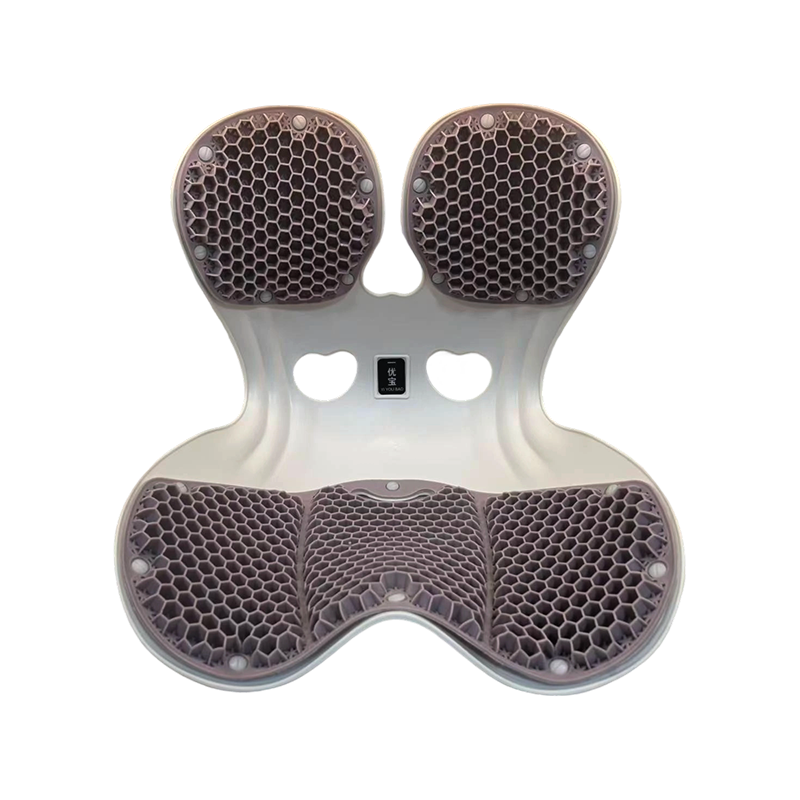
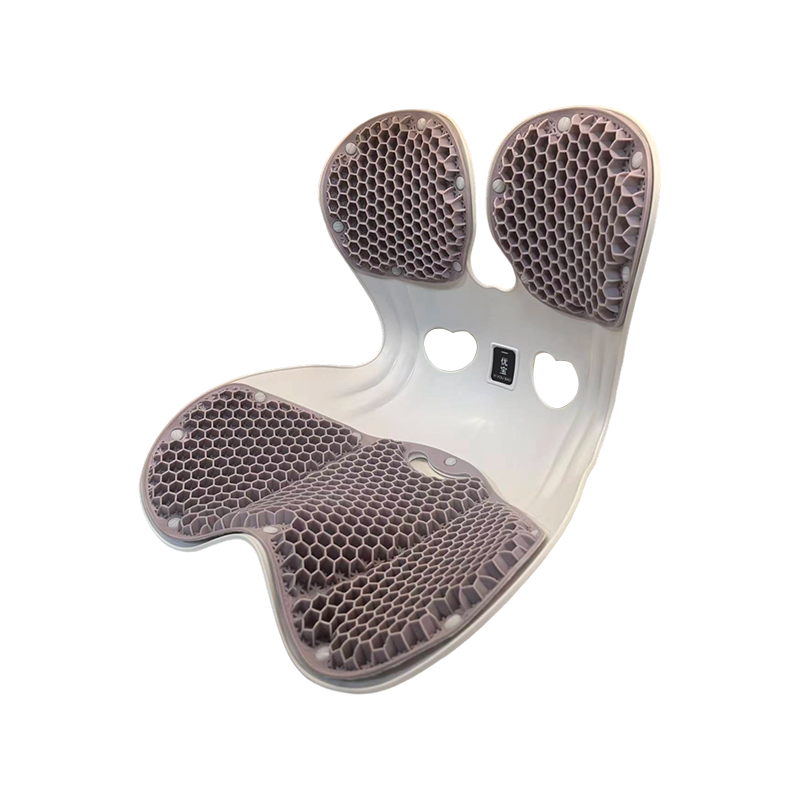
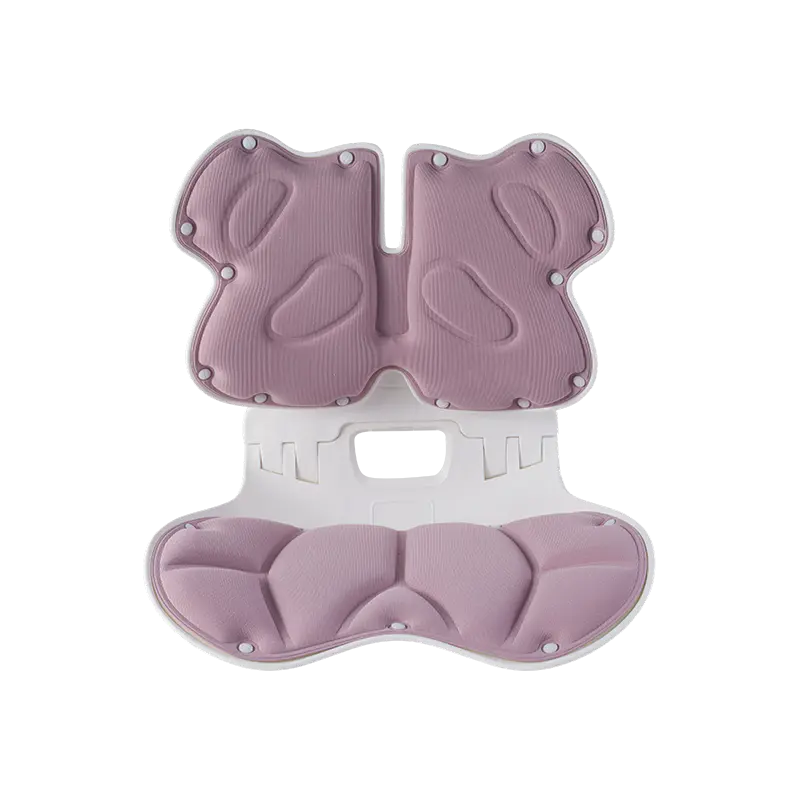
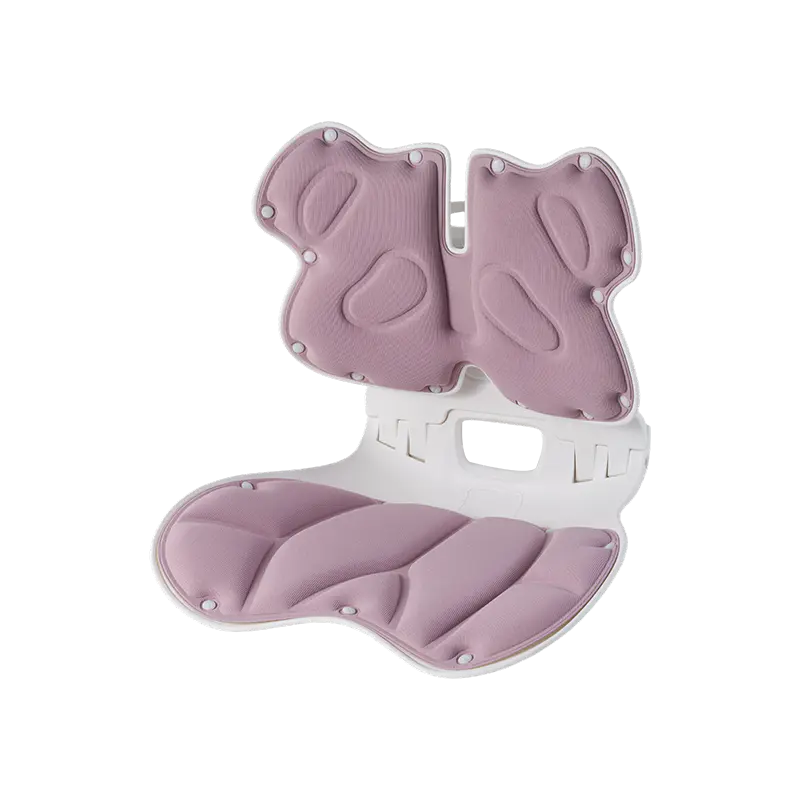
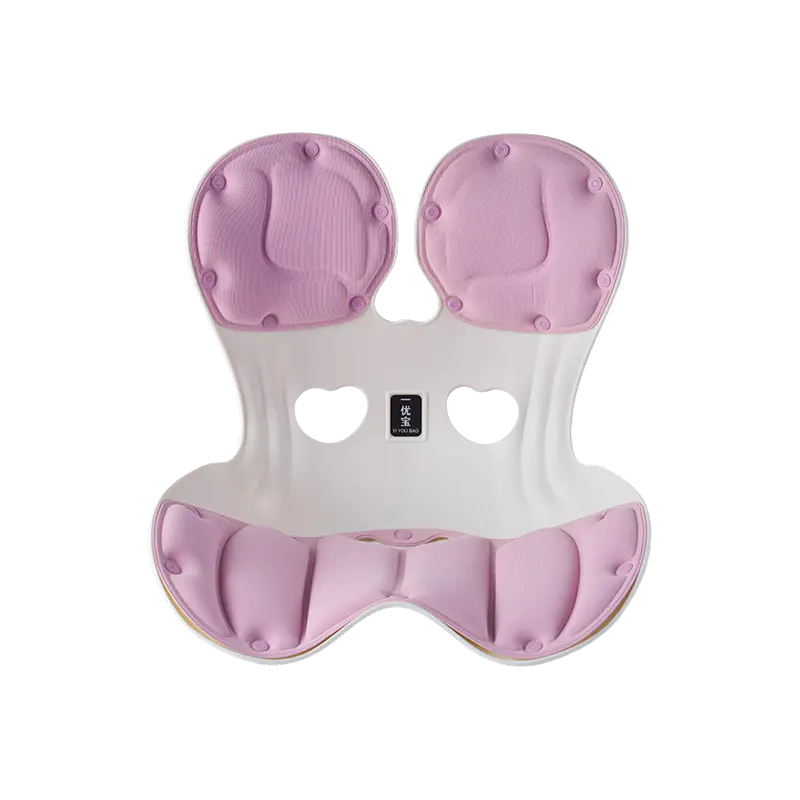
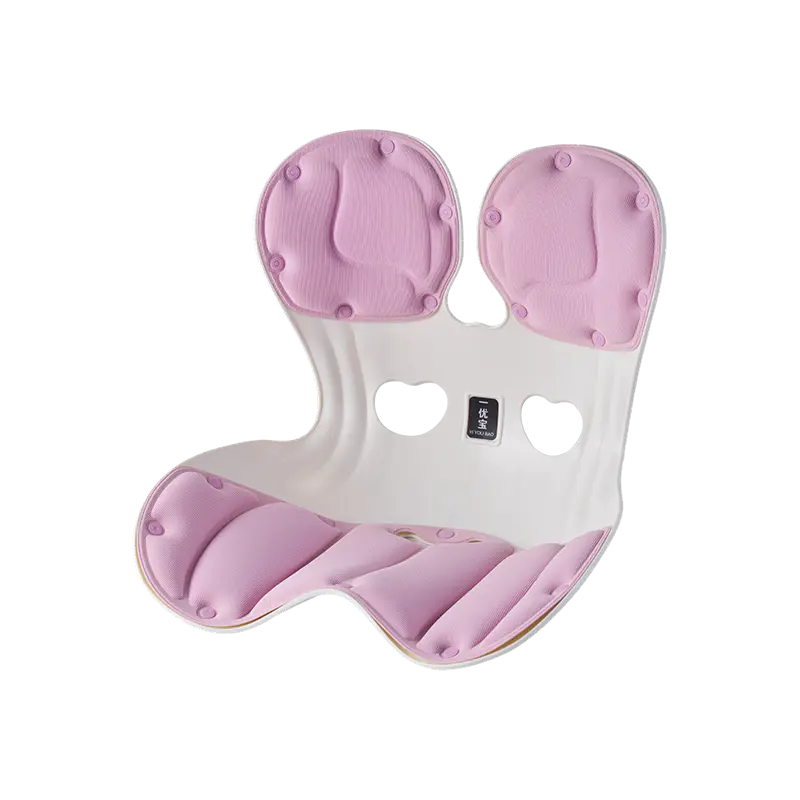
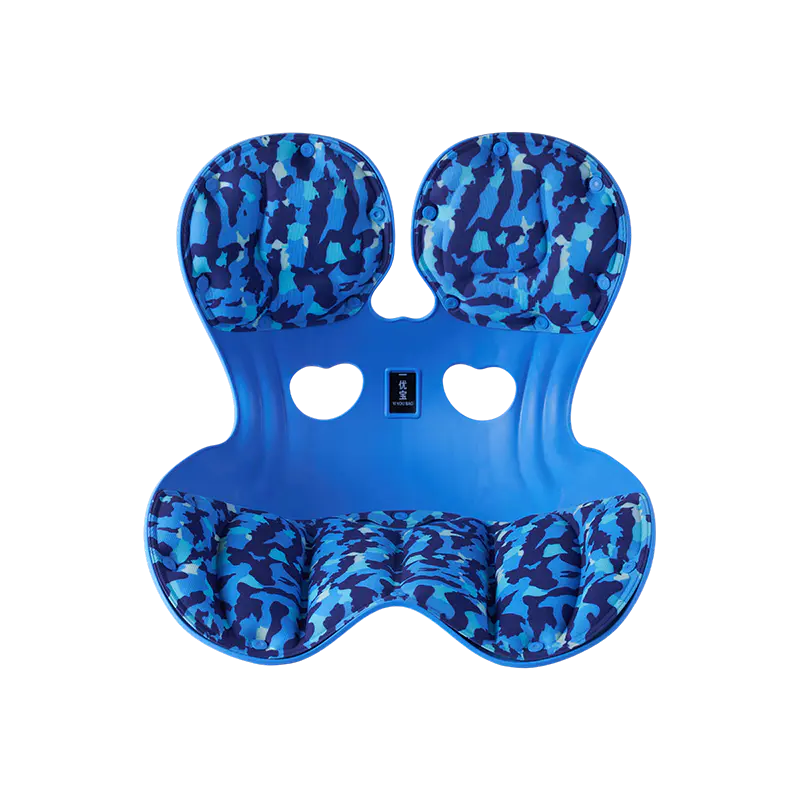
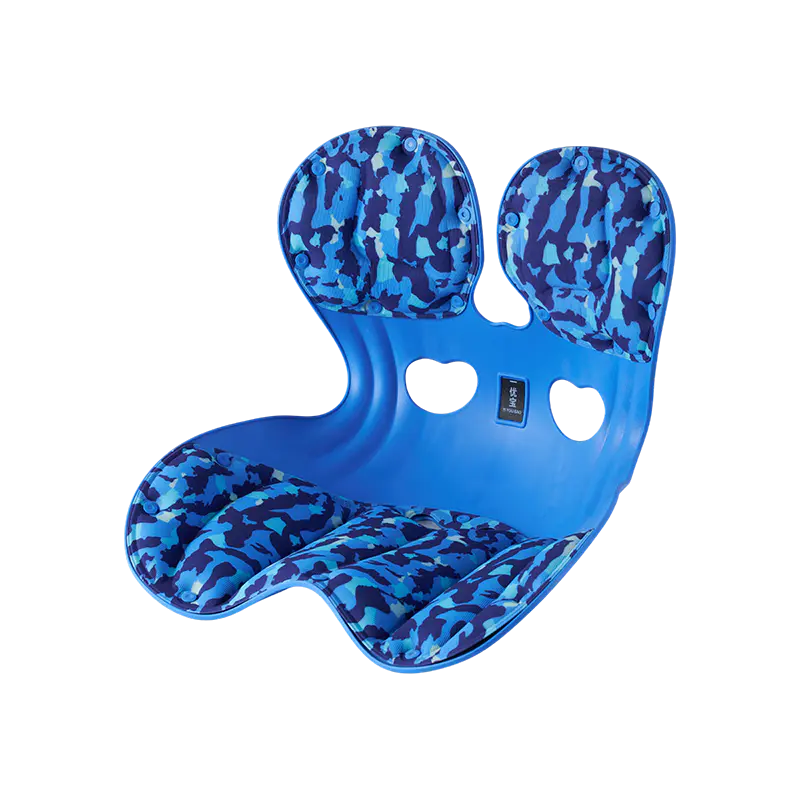
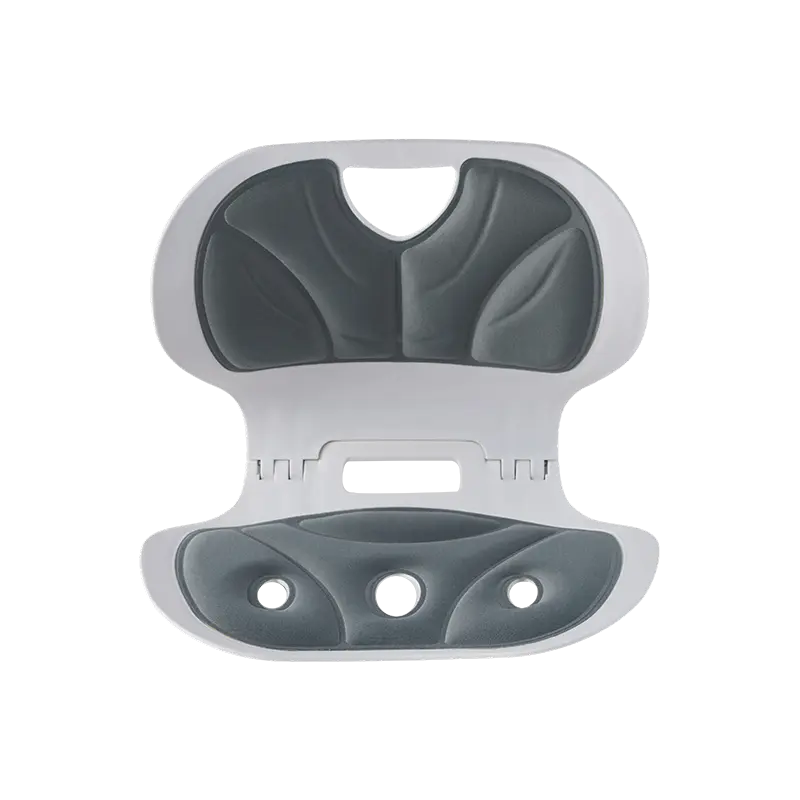
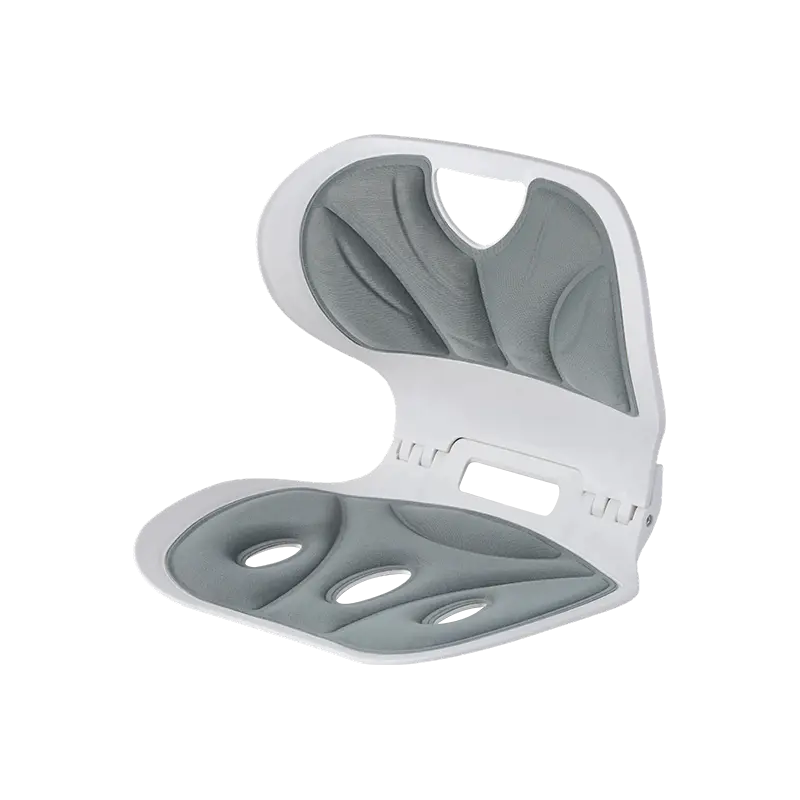
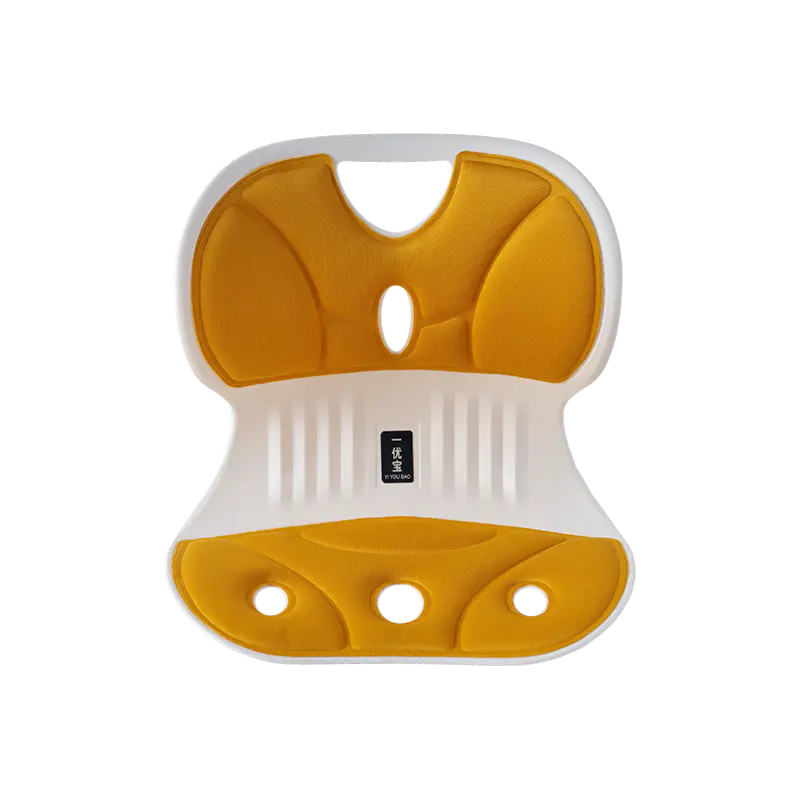
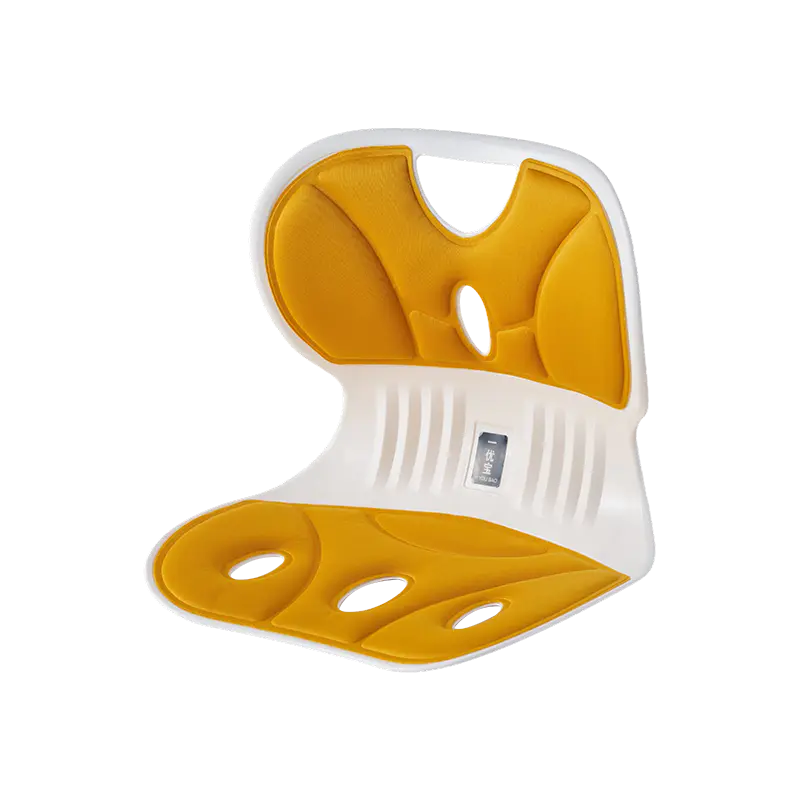
A lumbar support backrest is a shaped cushion or structural insert that attaches to the back of an office chair and sits against the lower spine. Its purpose is to maintain the natural inward curve of the lumbar region — the section of the spine between the lower ribcage and the pelvis — during prolonged periods of sitting.
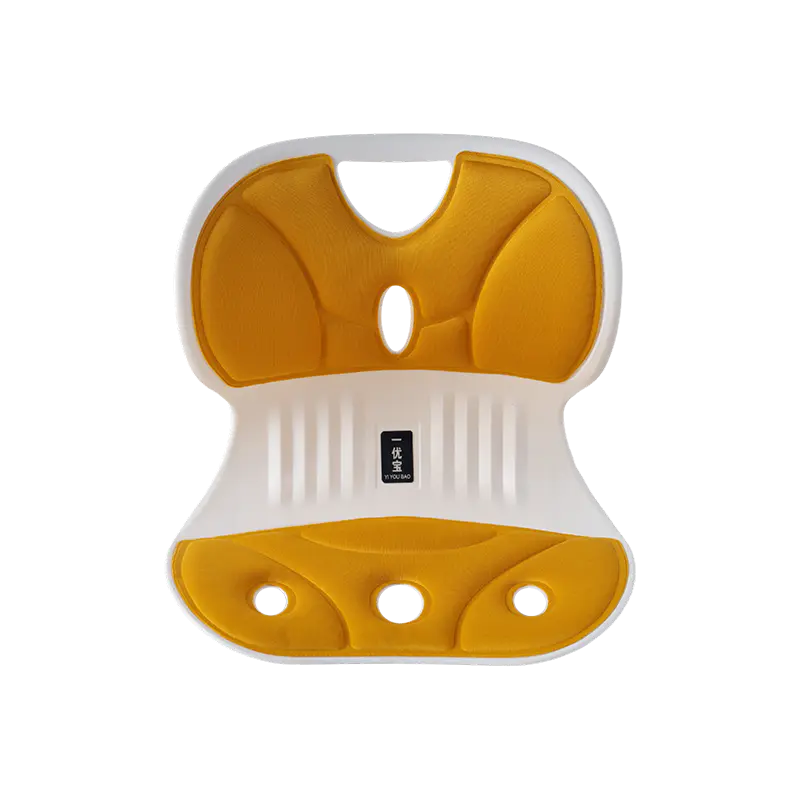
Unlike the chair's own backrest, which is fixed and built around general proportions, this type of accessory can be positioned and adjusted to suit an individual's height, torso length, and preferred sitting posture. It works by filling the gap that forms between a flat or minimally contoured chair back and the natural hollow of the lower spine.
Key components found in most designs:
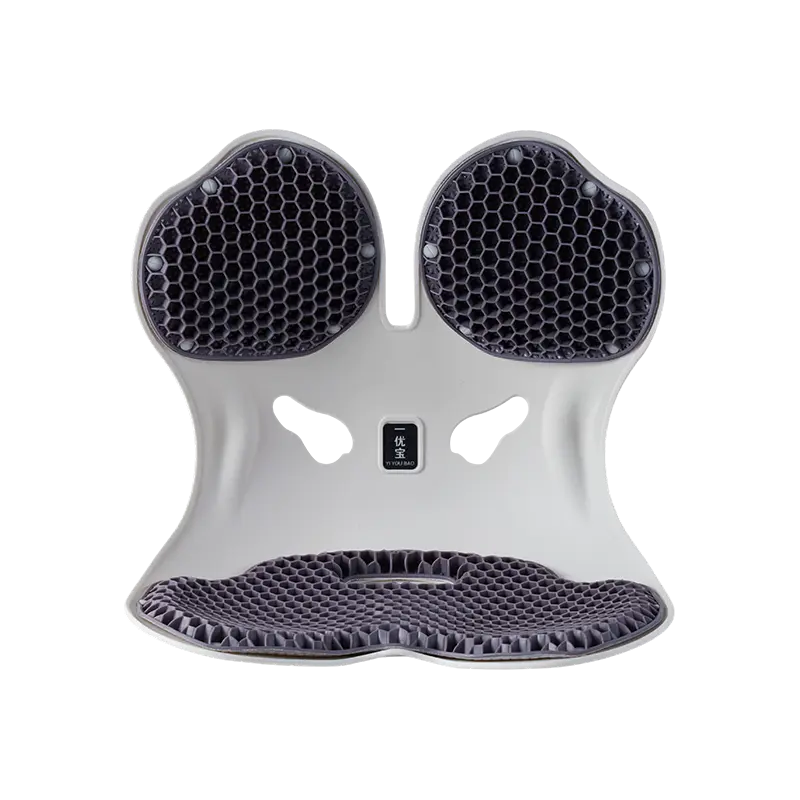
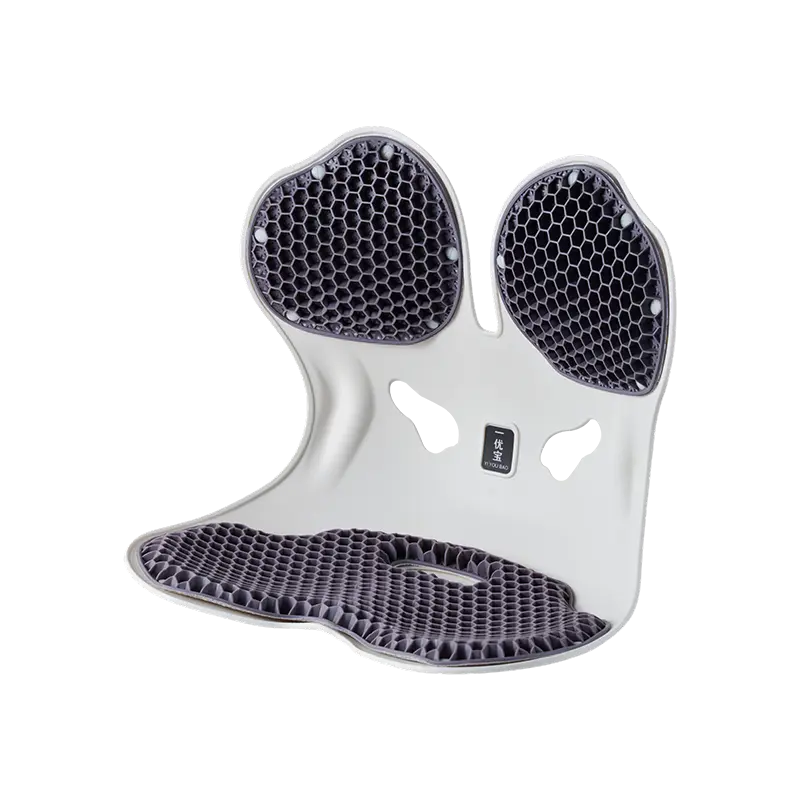
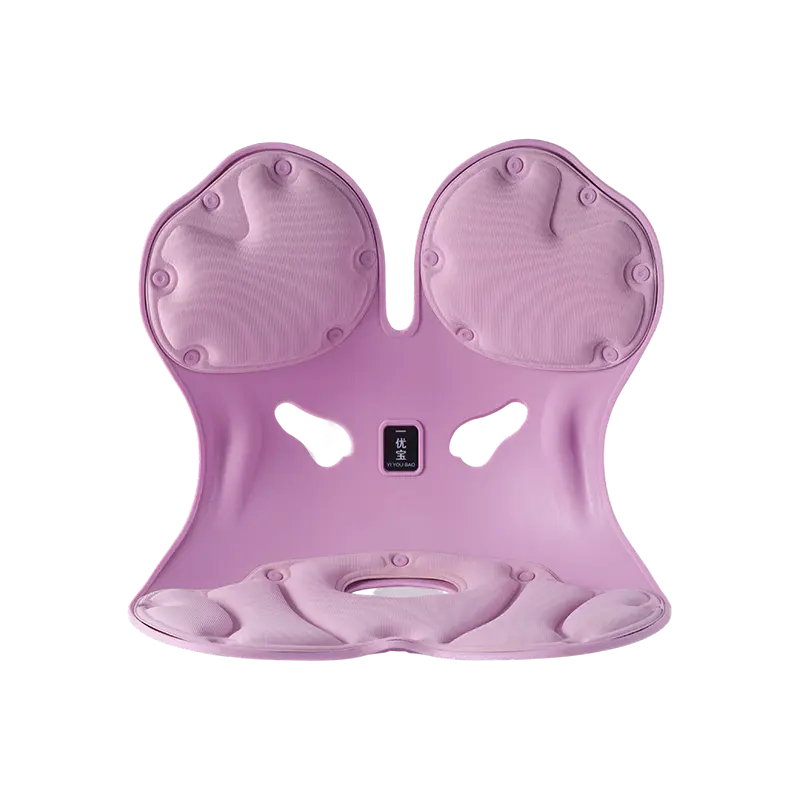
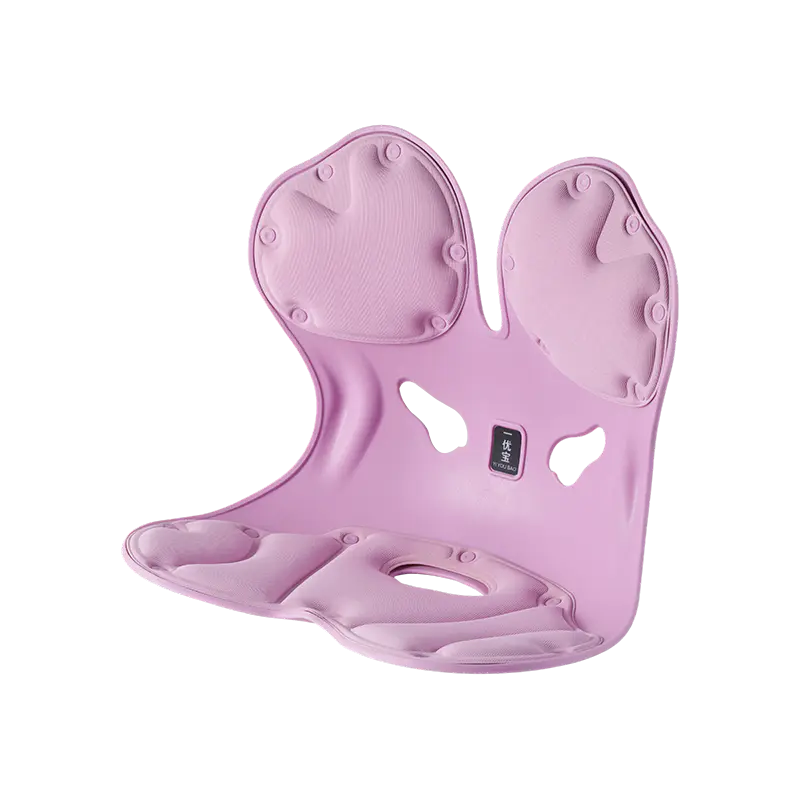
- A contoured foam or structured core that projects gently into the lumbar curve
- A fabric or mesh cover that affects breathability and surface comfort
- An attachment system, typically adjustable straps, that holds the unit in place on the chair
- Optional features such as height adjustment, removable inserts, or ventilation channels
The result is a sitting surface that supports the spine passively, reducing the muscular effort required to maintain upright posture and distributing pressure more evenly across the back over time.
How Does Sitting for Long Hours Affect Your Lower Back?
When you sit for extended periods without support, the curve in your lower spine gradually flattens. Your muscles compensate by working harder to keep you upright. Over time, that effort leads to fatigue, stiffness, and the kind of low-grade ache that follows you home at the end of the day.
Key effects of prolonged unsupported sitting:
- The lumbar spine loses its natural inward curve
- Core and back muscles tire and stop actively stabilizing
- Pressure shifts onto the spinal discs rather than being distributed evenly
- Shoulder rounding increases as posture breaks down
A back support cushion does not force you into a posture. It simply gives your spine something to rest against so your muscles do not have to work as hard just to keep you sitting upright.
What Actually Makes a Back Support Cushion Work?
The Shape Has to Match Your Spine
A cushion that is shaped correctly for the lumbar region will follow the inward curve of the lower back rather than pushing straight in or sitting flat. Look for a curved or contoured profile that sits at the natural hollow of your back, roughly between the base of your ribcage and the top of your pelvis.
Key shape factors:
- Contoured profile that mirrors lumbar curvature
- Enough depth to fill the gap between chair and back without pushing you forward
- Width that covers the lower back without cutting into your sides
Material Determines Long-Term Comfort
The material affects how the support feels after a few hours of wear, not just during the first few minutes.
| Material | Feel | Breathability | Longevity |
|---|---|---|---|
| Memory foam | Conforms slowly to body shape | Lower without ventilation cutouts | Good with quality foam |
| Mesh | Firmer, less contouring | Higher airflow | Good for warm environments |
| Gel-infused foam | Cooler on contact, softer feel | Moderate | Moderate over heavy use |
| Hollow fiber / firm insert | Consistent firmness | Variable | Depends on cover material |
For long hours at a desk, breathability matters more than it might seem. A support that traps heat becomes uncomfortable by mid-afternoon, even if it felt fine at the start.
Does the Attachment System Matter?
Yes, and It Affects Both Safety and Comfort
A lumbar cushion that slides around does not do its job. It may start at the right height, then slip down over the course of a morning and end up supporting your mid-back or nothing at all.
What to look for in attachment:
- Adjustable straps that can loop around different chair widths
- Buckle or hook closures that hold under normal movement
- Non-slip backing on the cushion itself as a secondary anchor
- Strap positioning that does not dig into your sides when the cushion is in use
A support that stays in position requires less conscious effort from the user. You should not have to readjust it every time you shift or get up.
How Do You Know If a Support Cushion Is the Right Fit for You?
Fit Depends on Chair Type and Body Proportions
Not every back support cushion works with every chair. A cushion sized for a large executive chair may sit too wide in a task chair, while a narrow cushion may not give enough coverage for someone with a broader frame.
Consider these factors before choosing:
- Chair back height and shape (flat back vs. contoured)
- Your own torso length and where your lumbar curve sits
- Whether you prefer a softer or firmer feel against your back
- Whether heat or sweat is a concern during the workday
If your chair already has a pronounced lumbar bump built in, adding a thick cushion on top can push the curve too far forward. In that case, a thinner, flatter support may suit you better than a deep contoured one.
Setting Up Your Back Support Correctly
Getting the position right makes a significant difference in how well the support works. A cushion placed too high rests at mid-back and does nothing for the lumbar spine. Too low, and it pushes on the sacrum instead of supporting the curve.
Step-by-step placement:
- Sit back fully in your chair so your back touches the backrest
- Find the hollow in your lower back by placing your hand behind you
- Position the cushion so its widest or most projecting point sits at that hollow
- Secure any straps so the cushion does not move when you shift
- Sit back again and check that you feel gentle, even pressure across your lower back
If you feel pressure only on one side, or if the cushion pushes your upper body noticeably forward, reposition it slightly lower or choose a thinner profile.
Who Benefits Most from a Lumbar Support Backrest?
These Situations Call for Added Back Support
A Lumbar Support Backrest is not only for people already dealing with pain. It is equally useful as a preventive measure for anyone whose chair does not naturally support the lower spine.
- You are likely to notice a meaningful difference if:
- You work seated for six or more hours a day
- Your chair has a flat or minimally contoured backrest
- You find yourself leaning forward or slouching within an hour of sitting down
- You experience stiffness or aching when you stand up after long sessions
- You work from home on a dining chair, couch, or non-ergonomic seat
Students, remote workers, and office professionals all share the same core problem: chairs that were not designed for the hours they are actually used.
What to Avoid When Choosing a Back Cushion
Not every product that claims to support the back actually does so in a way that helps over time. A few things to watch for:
- Cushions that are too thick and push your spine into an exaggerated curve
- Very soft foam that compresses fully within minutes and provides no ongoing support
- Straps that are too short for standard chair widths
- Covers that cannot be removed and washed, which becomes a hygiene concern over months of daily use
- Products with no adjustability in height or depth
The goal is a cushion that holds your spine in a neutral, comfortable position, not one that forces a correction so strong it creates a different kind of discomfort.
Comparing Types of Back Support Options for Office Use
Which Type Suits Your Setup?
Different support styles suit different working environments and chair types.
Full-back cushion:
- Covers the entire back from lumbar to upper back
- Useful for chairs with very little contouring
- Tends to be bulkier and may not suit chairs with pronounced armrests
Lumbar-only cushion:
- Focused support at the lower spine
- Works with most chair types
- Easier to position precisely
Strap-mounted roll cushion:
- Cylindrical shape that sits at the lumbar curve
- Firm and targeted
- Less coverage but good for people who know exactly where they need support
Built-in adjustable lumbar (chair feature):
- Integrated into the chair itself
- Offers cleaner setup with no additional accessory
- Only an option when replacing or purchasing a new chair
For most people working with existing chairs, a standalone lumbar cushion offers a flexible and lower-cost way to address the gap.
Caring for Your Back Support Over Time
A back cushion used daily will accumulate sweat, dust, and general wear. Extending its useful life comes down to basic maintenance:
- Remove and wash the cover regularly according to its care label
- Allow foam to air out when not in use rather than leaving it compressed under weight
- Check straps periodically for wear or loosening
- Replace the cushion if the foam no longer returns to its original shape after use
A support that has lost its firmness no longer holds the spine in the way it was designed to. Replacing it at the right time matters as much as choosing it well in the first place.
Ready to Find the Right Fit for Your Chair?
If you have spent time adjusting and re-adjusting your seat only to end the day with the same aching lower back, the gap in your setup is likely support rather than effort. Choosing a cushion that matches your chair type, your body proportions, and your working hours makes the difference between something that sits behind you and something that actually changes how your back feels by the end of the day. Yongkang Yiyoubao Technology Co., Ltd. develops and manufactures ergonomic seating support products, including a range of back support cushions designed for extended office use. Whether you are looking for a single solution or exploring volume options for a workspace or retail channel, reaching out to their team is a practical starting point for finding a product that fits your specific needs and environment.
 Previous