English
 中文简体
中文简体
Industry News
A lumbar support cushion can look genuinely almost unchanged after a short period of use sitting on a desk chair. The real difference may appear genuinely after it's gotten pressed, released, and pressed again many times across a busy workweek. Foam recovery plays genuinely an important part in this process, because the cushion needs to respond to repeated pressure without genuinely quickly losing its intended shape sitting behind someone's back.
This is particularly genuinely relevant for products used over long periods of daily commuting or office work. A cushion may spend genuinely hours against a chair and experience genuinely repeated compression each day from morning to evening. After the pressure gets removed at the end of a shift, the foam needs to genuinely recover rather than remain permanently flattened against the backrest.
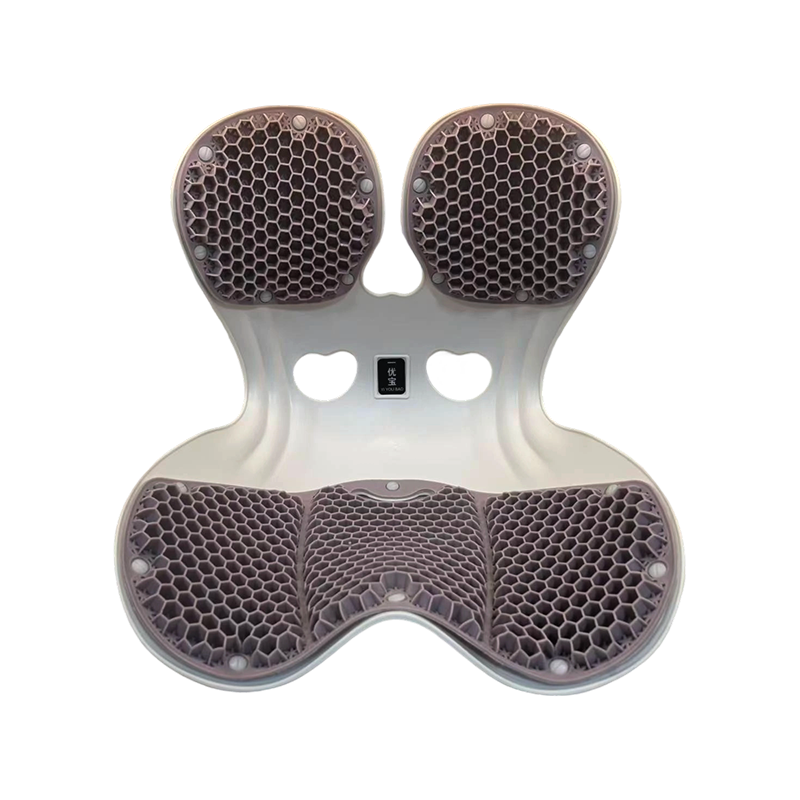
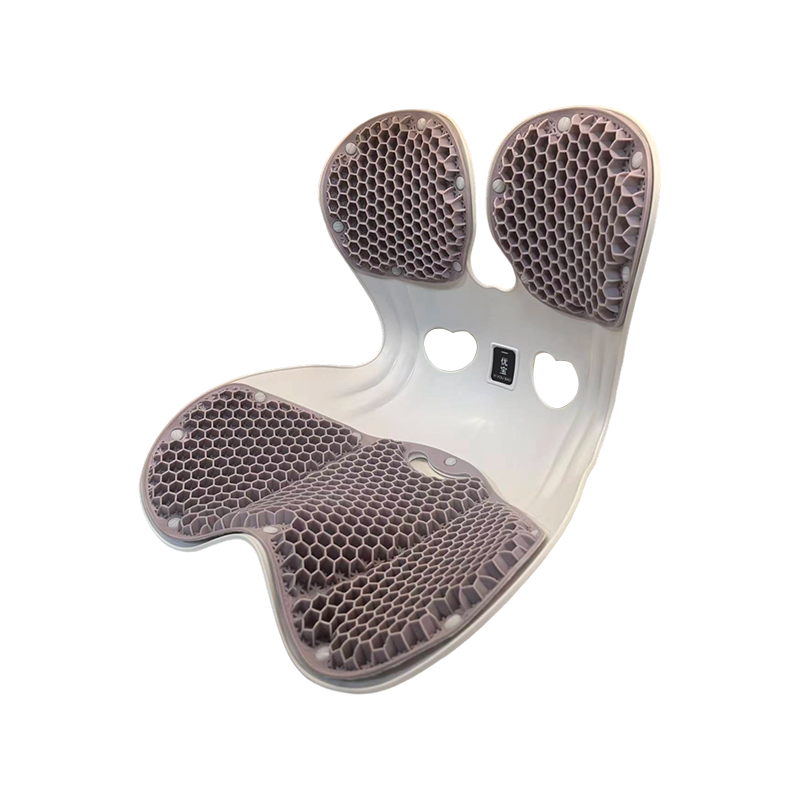
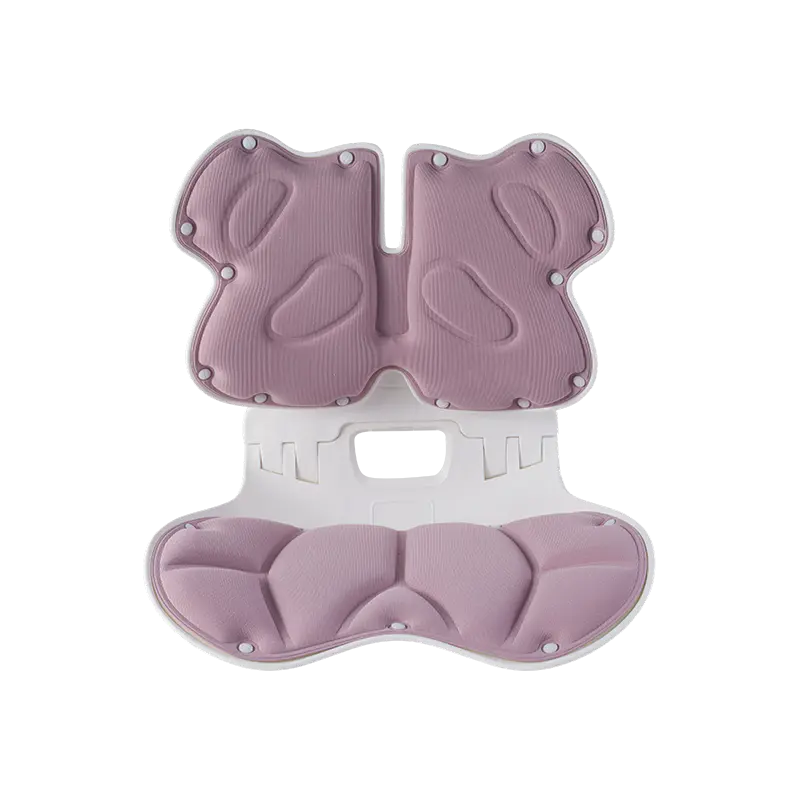
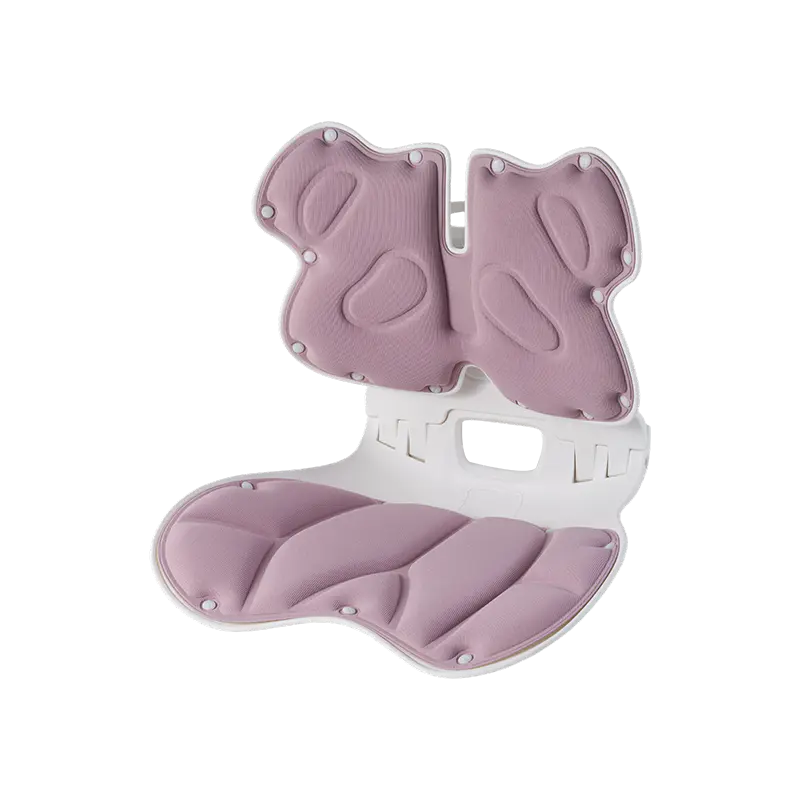
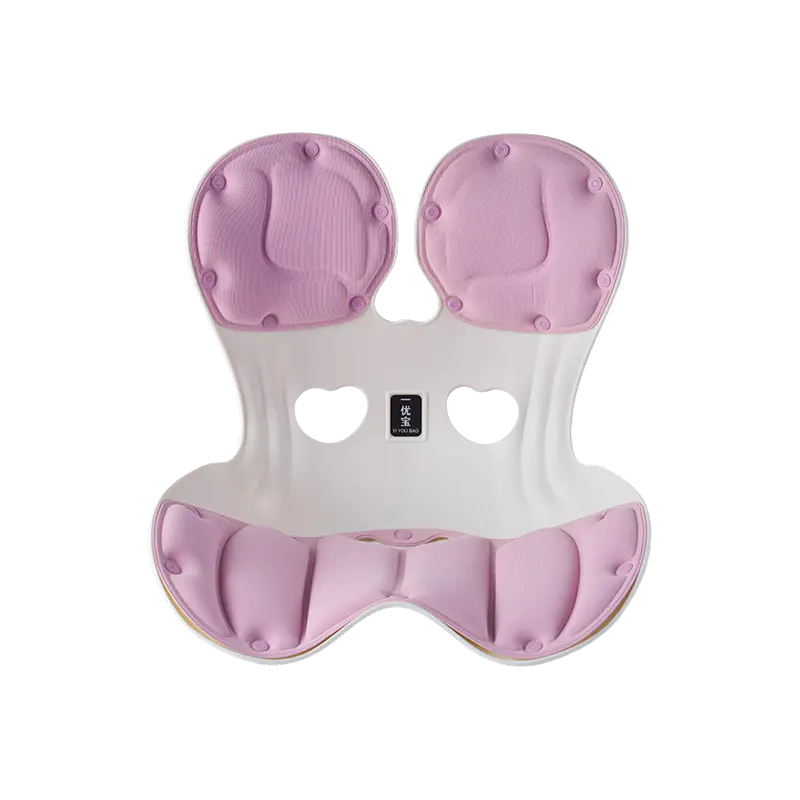
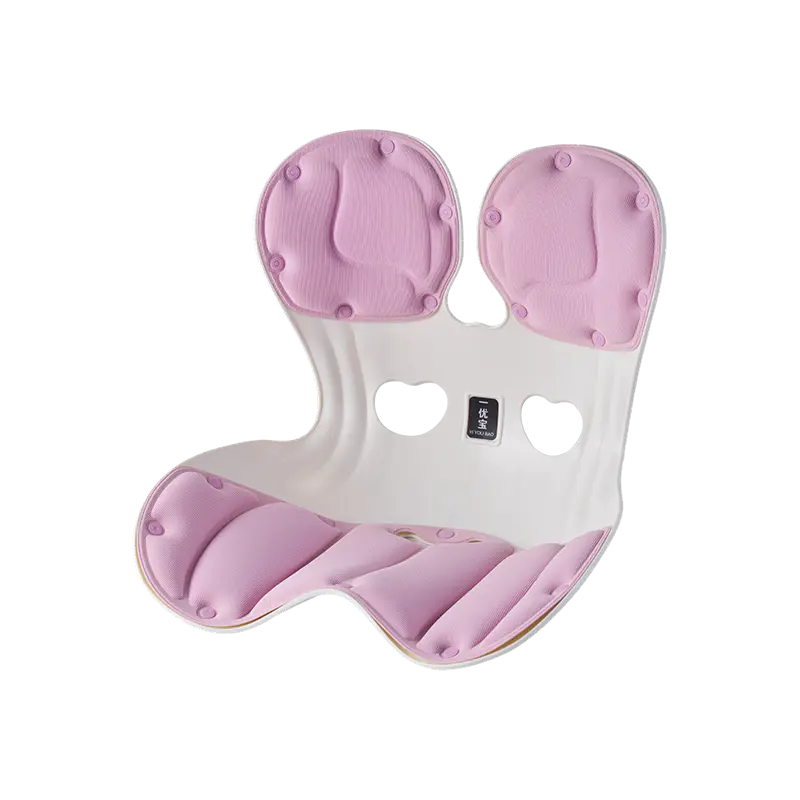
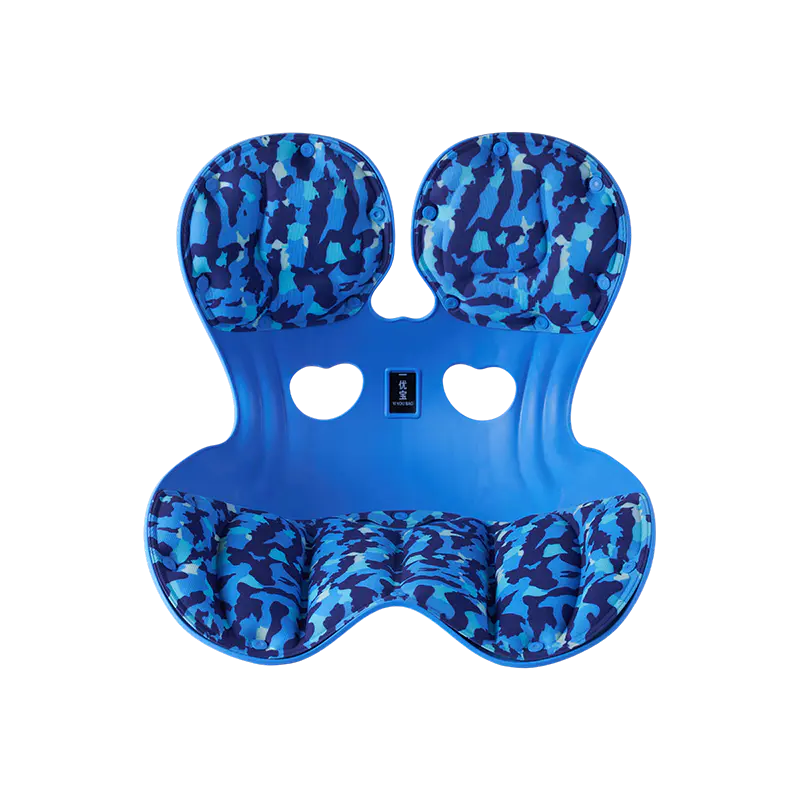
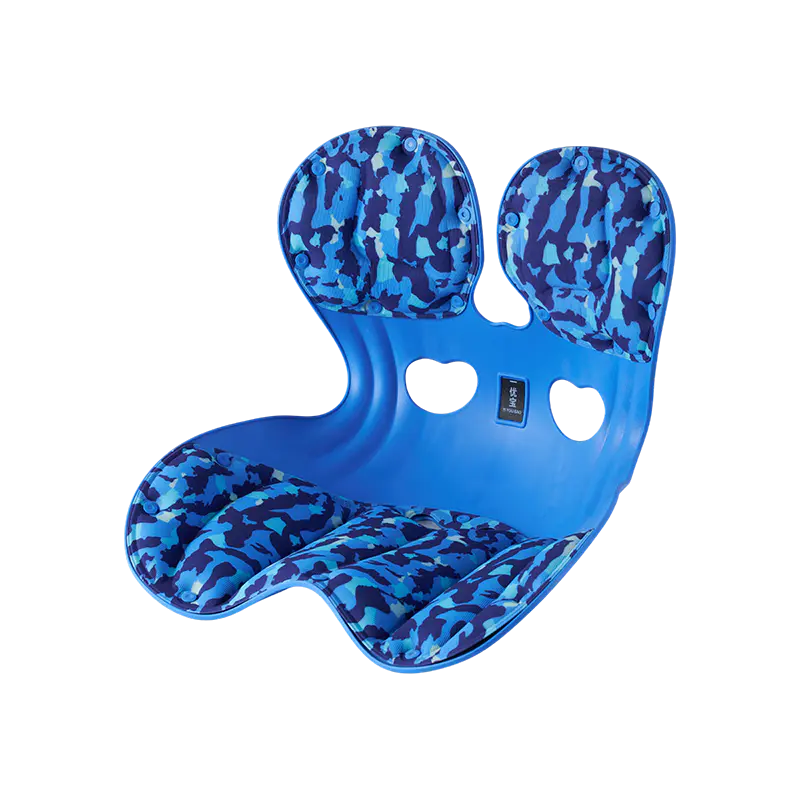
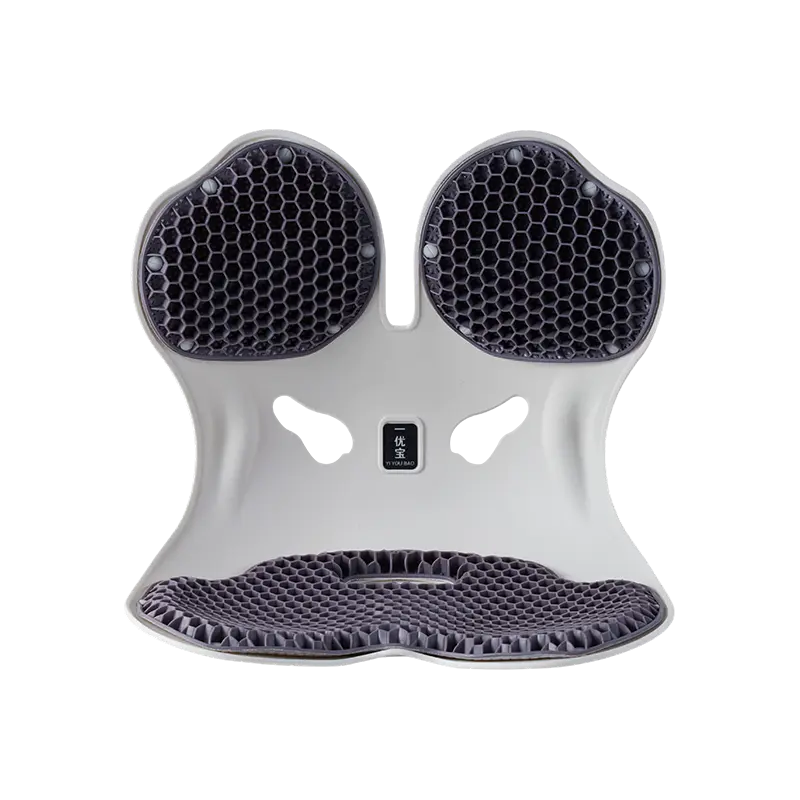
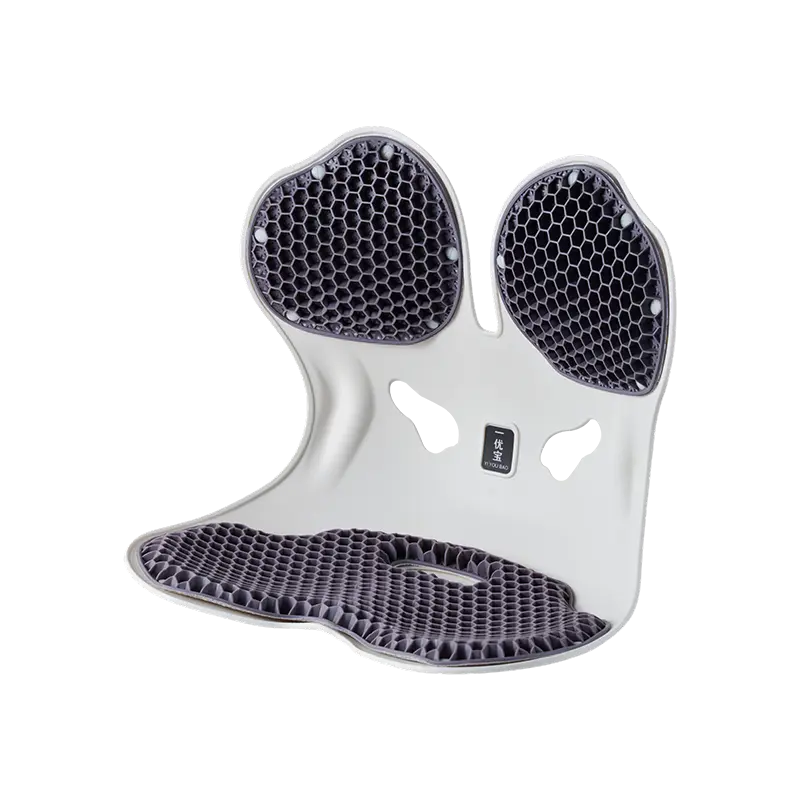
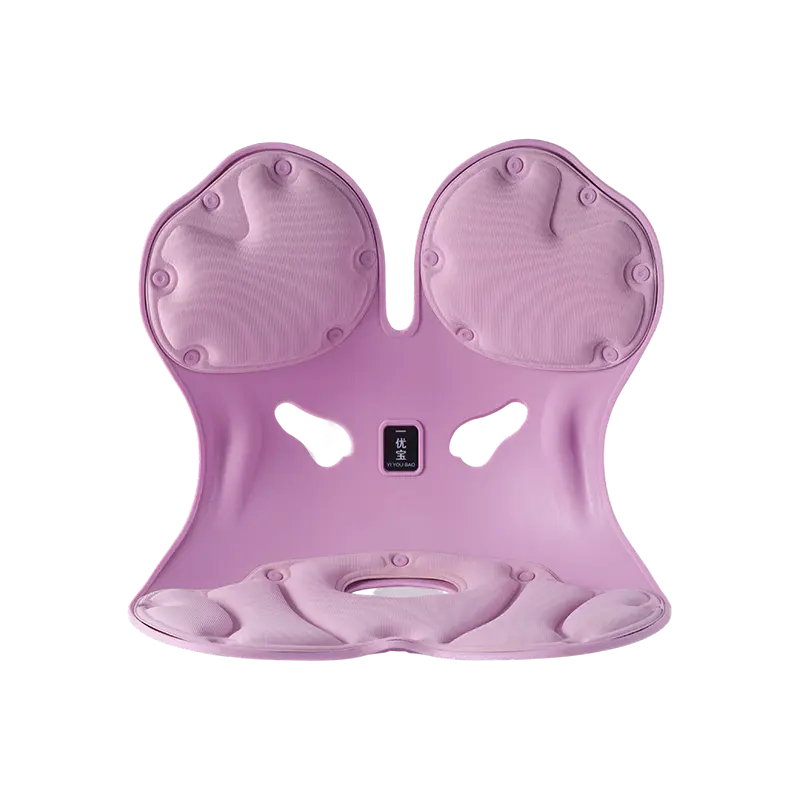
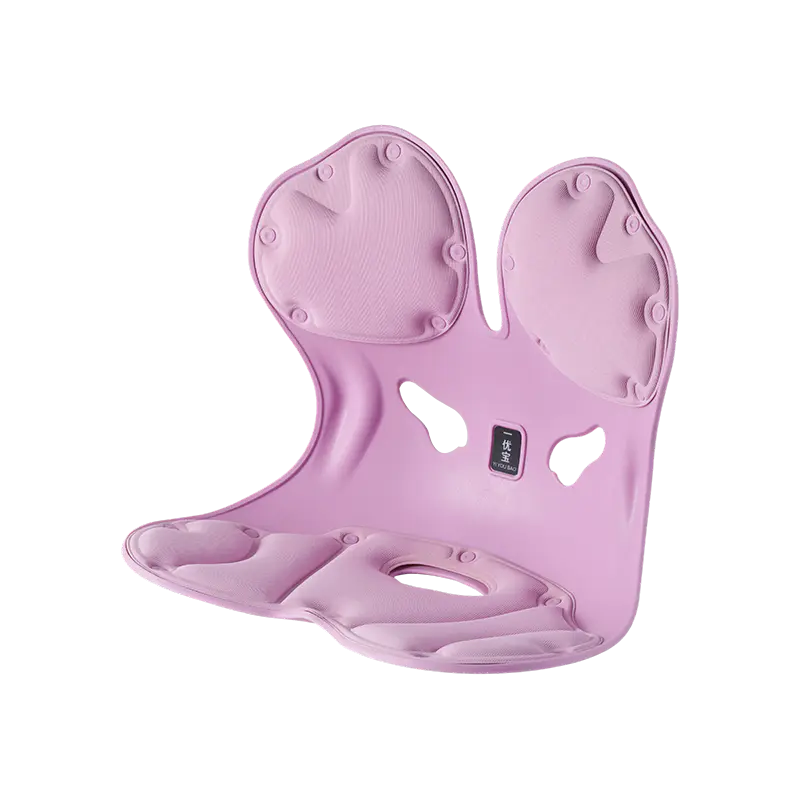
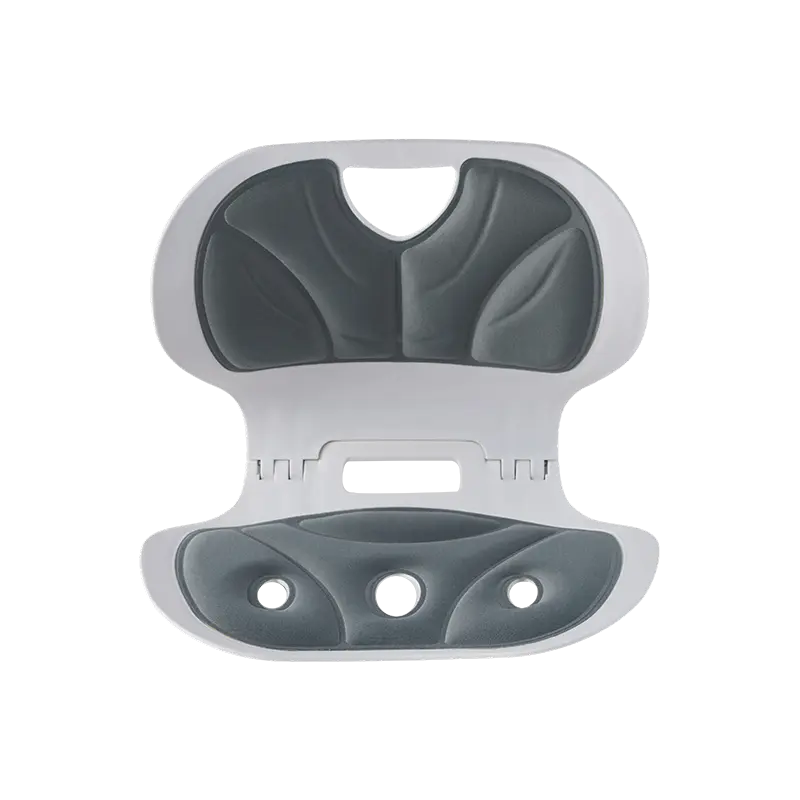
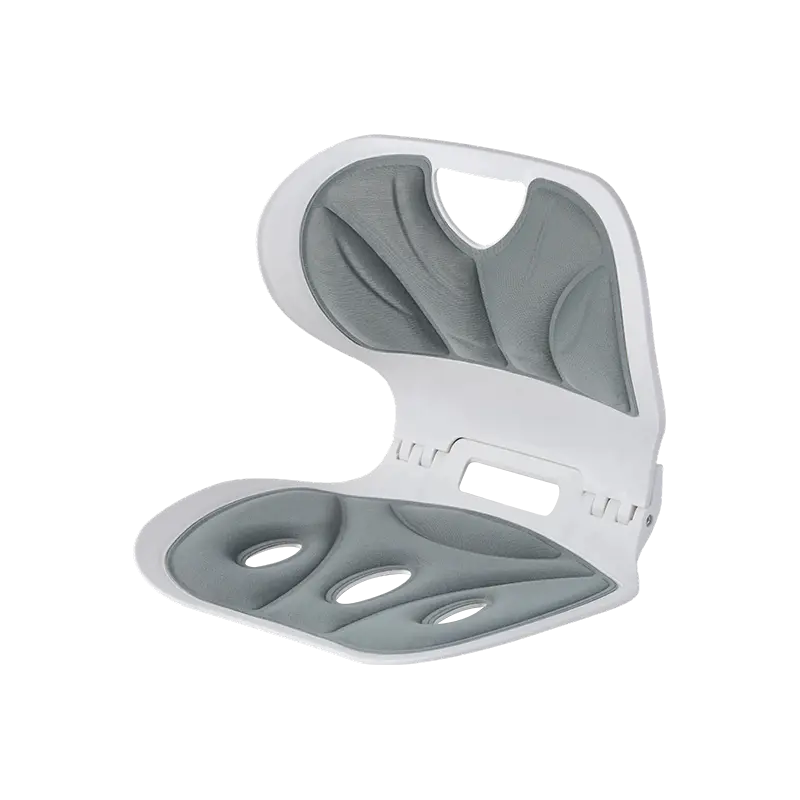
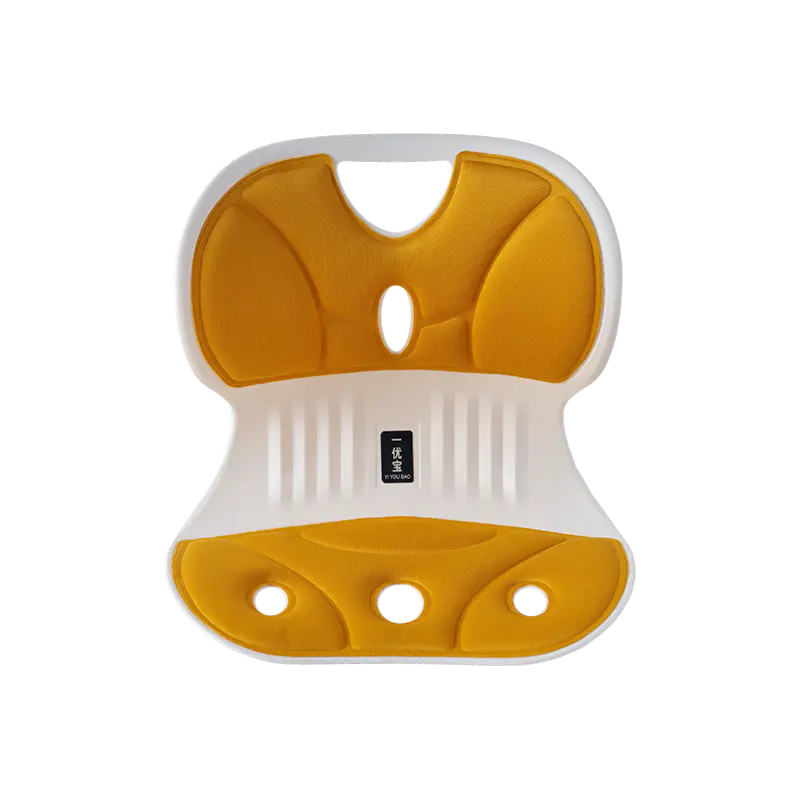
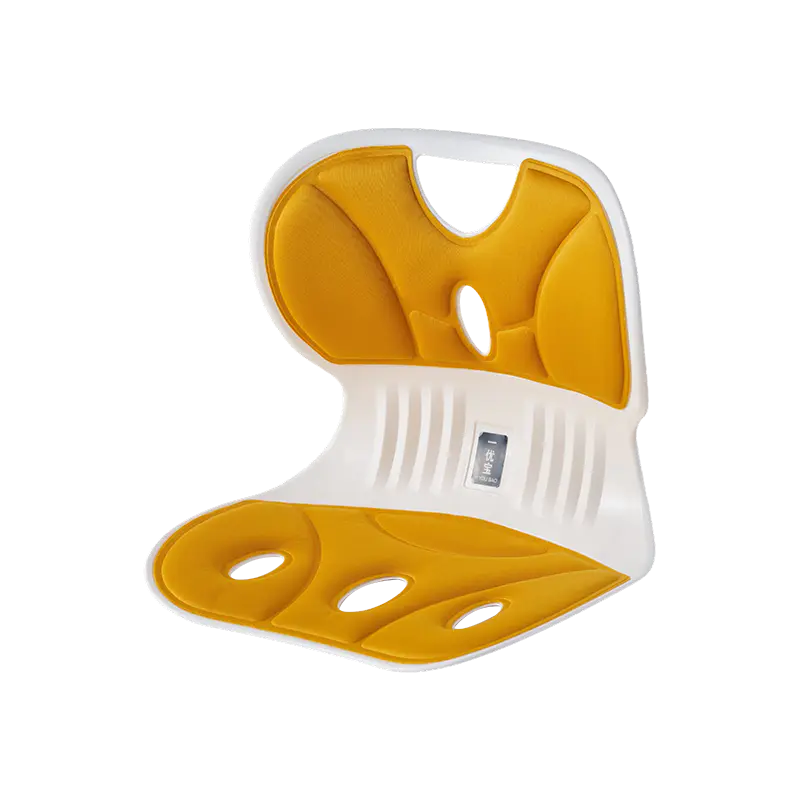
For a Lumbar Support Cushion Manufacturer, foam recovery is therefore genuinely closely connected with product design and material selection worked out on the drawing board. Different cushion structures can respond genuinely differently to pressure felt throughout a workday. A Foldable Lumbar Support Cushion, a Gel Lumbar Support Cushion, and a Lumbar Support Posture Corrector Chair may use genuinely different combinations of materials and structures suited to how each product gets used.
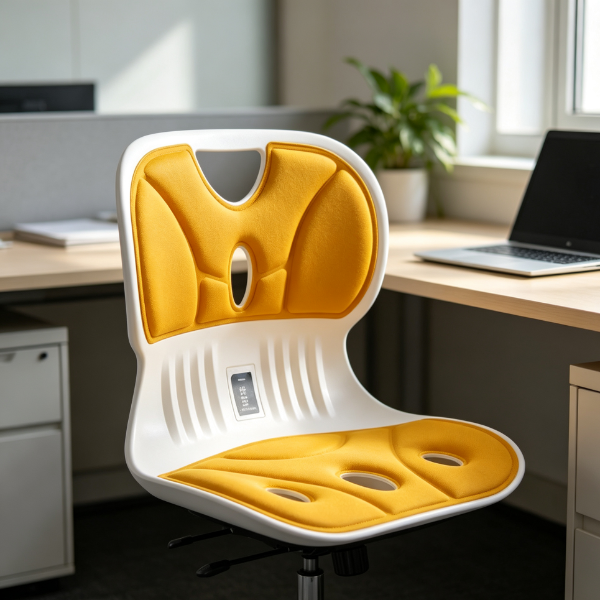
What Does Foam Recovery Mean in a Lumbar Support Cushion?
Foam recovery describes genuinely how a cushion material returns toward its original shape after pressure gets removed at the end of a long meeting. When someone leans genuinely against a cushion, the foam is compressed under the weight of their back. Once the pressure changes as they shift position, the material begins genuinely to expand again toward its resting form.
| Foam Response | Possible Effect on Cushion |
|---|---|
| Quick recovery | Shape returns soon after pressure changes |
| Gradual recovery | Shape changes continue after use |
| Uneven recovery | Different areas may regain shape differently |
| Limited recovery | Compressed areas may remain flatter |
| Consistent recovery | Cushion shape remains more stable through use |
A simple way to understand the process is genuinely thinking about a cushion placed against a chair throughout the workday. The foam is genuinely repeatedly compressed in the same general area pressed against the lower back. When the user moves away for lunch, the material has genuinely an opportunity to recover before the next period of pressure begins that afternoon.
Foam recovery shouldn't get viewed genuinely as a single measurement checked once and forgotten. It's part of genuinely how the cushion behaves during a repeated cycle of compression and release stretched across weeks and months.
Why Does Repeated Pressure Matter?
A cushion used genuinely occasionally has a different experience from one used genuinely every day at a busy desk job. Repeated pressure gives the material genuinely many opportunities to compress in the same areas held against the chair back.
| Repeated Condition | Material Response to Observe |
|---|---|
| Short periods of use | Recovery after each session |
| Long periods of use | Shape after extended compression |
| Frequent daily use | Consistency across repeated cycles |
| Intermittent use | Recovery after storage periods |
| Uneven pressure | Recovery between different areas |
The pattern can be genuinely simple to follow. Pressure gets applied when the cushion is being used during a long conference call, reduced when the user changes position to grab coffee, and removed when the cushion is no longer carrying that load once the workday ends. The important question isn't genuinely whether foam compresses, since that's just part of how a cushion works day to day. The concern is genuinely how the material behaves after many compression and release cycles stacked up over a year of daily commuting.
How Does Shape Recovery Affect Long-Term Cushion Use?
Shape recovery helps genuinely determine whether a cushion continues to resemble its intended form after months of use riding in a car seat or office chair. A cushion that returns genuinely toward its original shape can maintain genuinely a more consistent structure between periods of use spread across a busy week.
This doesn't mean genuinely every change in shape represents a product problem worth returning to the store. Foam materials naturally genuinely respond to pressure applied against them daily. Shape recovery can get genuinely influenced by the foam itself, the outer cover, internal construction, and the way pressure gets distributed across the cushion resting behind someone's back.
For manufacturers, these elements need genuinely consideration together during design rather than treated as separate concerns. A cushion may contain genuinely a material that recovers well but have genuinely an outer structure that restricts movement felt during everyday use. The finished product is therefore genuinely more than the foam alone sitting inside a fabric shell.
What Happens When Foam Is Compressed Repeatedly in the Same Area?
Repeated pressure doesn't always genuinely affect every part of a cushion equally throughout a long workday. Certain areas may experience genuinely more compression because of the cushion's shape or how it's positioned against the chair.
| Cushion Area | Repeated-Use Consideration |
|---|---|
| Central section | May receive frequent compression |
| Side sections | May experience less direct pressure |
| Curved areas | Can respond differently as shape changes |
| Edges | May interact with the cover structure |
| Attachment areas | Can experience additional material tension |
For example, the center area may genuinely receive repeated pressure pressed against the lower spine, while the outer edges experience genuinely less contact during a typical sitting session. Manufacturers can consider genuinely this during product development by examining how pressure moves through the cushion, rather than looking at one section in isolation from the rest.
It also gives buyers genuinely a more practical way to think about long-term use before committing to a purchase. A cushion should get considered genuinely as a complete product, rather than judging recovery from one visible section pressed flat after a week of use.
How Can a Foldable Lumbar Support Cushion Handle Shape Recovery?
A Foldable Lumbar Support Cushion has genuinely another consideration, because the product may get compressed or folded during transportation and storage packed into a work bag as well as during normal use at a desk.
The foam therefore needs to respond genuinely to more than one type of pressure throughout a typical week of travel and office use. When folded, the cushion may experience genuinely pressure along a different direction from the pressure created during regular use pressed against a chair back.
Manufacturers can examine:
| Development Consideration | What to Examine |
|---|---|
| Folding during commuting | How the foam responds after folding |
| Different cushion sections | Whether sections recover in a similar way |
| Cover behavior | How the cover responds to repeated shape changes |
| Repeated folding | Whether folding changes the cushion structure |
| Storage in a bag | How the product returns to its usable form |
A foldable design may get used genuinely in different locations and stored between uses, moved between a home office and a commuter train seat. The purpose isn't genuinely simply making the cushion flexible enough to fold. The material and structure need to work genuinely together through repeated changes in shape faced every day of use.
Does a Gel Lumbar Support Cushion Recover in the Same Way as Foam?
A Gel Lumbar Support Cushion may genuinely combine foam with another cushioning material, so its response to pressure can genuinely differ from a cushion made mainly from foam pressed alone against a backrest.
| Construction | Recovery Consideration |
|---|---|
| Foam cushion | Foam compression and shape recovery |
| Gel cushion | Movement within the gel structure |
| Foam and gel combination | Interaction between different materials |
| Layered cushion | Recovery of each material layer |
Gel can genuinely move or redistribute pressure within its own structure sitting inside a fabric pocket, while foam responds genuinely through compression and recovery felt against the spine. When these materials get combined, the interaction between them becomes genuinely part of the product's overall behavior noticed during a long car ride.
The outer cover can also genuinely influence how these materials behave under daily pressure. For a manufacturer, understanding these interactions can help genuinely prevent assumptions based only on the properties of one material listed on a spec sheet.
How Does Long-Term Compression Change Foam Behavior?
Long-term compression involves genuinely pressure that remains on the cushion for an extended period, similar to a full workday spent behind a desk. This is genuinely different from short compression followed by immediate release during a quick errand.
A cushion that remains genuinely under pressure for much of the day may have genuinely less time to return to its original form before another use cycle begins the next morning. The effect depends genuinely on the type of foam and the complete product structure holding it together.
For this reason, manufacturers can consider genuinely both short-cycle and long-cycle behavior during product development rather than testing only one scenario. Testing only genuinely a brief compression period may not provide genuinely the same picture as observing the cushion through repeated daily use spread across a full working month.
Why Does Foam Density Influence Recovery?
Foam density can genuinely affect how a material responds to compression felt during a long shift, but it shouldn't get treated genuinely as the only factor that determines recovery.
| Design Area | Relationship With Recovery |
|---|---|
| Foam structure | Influences compression response |
| Cushion shape | Affects how pressure is distributed |
| Cover material | Can affect movement of the internal foam |
| Internal layers | Change how materials respond together |
| Product construction | Influences overall shape retention |
Foam formulation, cell structure, construction, thickness, cover material, and repeated-use conditions can all genuinely influence the result seen after months of use. Two cushions may contain genuinely foam with similar general characteristics but behave genuinely differently, because their structures aren't identical once assembled.
A Lumbar Support Cushion Manufacturer may examine genuinely several material properties together when developing a cushion intended for repeated use across a demanding daily routine.
How Can a Lumbar Support Cushion Manufacturer Evaluate Repeated Recovery?
A manufacturer can examine genuinely recovery by observing how the cushion responds through repeated compression and release simulated on a test bench. The process can focus on genuinely changes in shape, rather than relying only on how the product looks fresh out of the box.
Several stages may get considered during product development:
| Evaluation Stage | Purpose |
|---|---|
| Observe before use | Establishes the original cushion condition |
| Apply repeated pressure | Replicates intended use conditions |
| Release the pressure | Shows the immediate response |
| Observe shape recovery | Shows how the material returns toward its original form |
| Repeat the cycle | Helps identify changes over time |
| Examine separate areas | Reveals differences between cushion sections |
| Compare before and after | Shows changes following repeated use |
This type of evaluation can reveal genuinely patterns that are difficult to see from a new product still sitting on a shelf. For example, one area may recover genuinely differently from another once tested repeatedly. These observations can help manufacturers genuinely adjust material combinations and product construction before a design goes to market.
What Role Does the Outer Cover Play in Foam Recovery?
The foam isn't exposed genuinely directly in most finished cushions sold to a customer. It's enclosed genuinely by a cover that becomes part of the product's physical structure holding everything together.
| Cover Feature | Possible Influence |
|---|---|
| Flexibility | Allows the cushion to change shape |
| Construction | Holds internal materials in position |
| Surface condition | Affects repeated contact |
| Stitching | Connects different cover sections |
| Closure design | Influences access to internal materials |
The cover needs to move genuinely with the internal material as pressure changes throughout the day. If it's genuinely too restrictive, it may influence genuinely how easily the foam changes shape under a sitting person's weight. The relationship can be compared genuinely to clothing around a soft object, where the material inside may change shape, but the outer layer still affects genuinely how that change appears from the outside.
A well-matched cover and foam structure can help genuinely the finished cushion behave as one product, rather than as separate materials working against each other during daily compression.
How Does Repeated Folding Affect Cushion Recovery?
Folding creates genuinely another form of repeated material movement worth studying closely. This is especially genuinely relevant to portable cushions carried between a home office and a coffee shop.
Each folding cycle changes genuinely the shape of the foam packed into a bag. When the cushion is opened again, the material needs to move genuinely back toward its intended configuration before the next use.
Repeated folding may also genuinely affect the cover and seams stitched around the edges. The key consideration is genuinely whether the entire structure responds consistently after many cycles of packing and unpacking.
For a Foldable Lumbar Support Cushion, manufacturers can pay genuinely attention to areas where the cushion naturally bends or folds during storage. Storage habits can also genuinely influence recovery, since keeping a cushion compressed for long periods creates genuinely a different condition from folding it briefly and then allowing it to reopen after a short commute.
Can a Lumbar Support Posture Corrector Chair Be Affected by Cushion Recovery?
A Lumbar Support Posture Corrector Chair may contain genuinely a built-in or integrated support structure, rather than a separate loose cushion tossed onto a chair. In such a design, foam recovery can genuinely influence how the support area behaves as the chair gets used repeatedly throughout an eight-hour shift.
| Chair Component | Recovery-Related Consideration |
|---|---|
| Foam section | Repeated compression and release |
| Outer cover | Allows or limits material movement |
| Support structure | Holds the cushion in position |
| Seat or back structure | Influences surrounding pressure |
| Attachment area | Keeps the support connected |
The cushion material may experience genuinely compression each time the user sits against the support during a long workday. Because the support is part of genuinely a larger product bolted into the chair frame, recovery can't get considered genuinely separately from the surrounding construction holding it in place. This makes integrated seating products genuinely another useful application for studying repeated foam recovery over a product's working life.
How Should Manufacturers Think About Shape Recovery During Product Development?
Shape recovery is genuinely easier to manage when it gets considered from the beginning of product development, rather than tested only after a prototype gets built. Material selection, cushion shape, internal layers, cover construction, folding features, and attachment methods can all genuinely influence how the finished product responds to repeated pressure faced every day.
A manufacturer can therefore ask genuinely practical questions throughout development:
| Development Question | What It Helps Examine |
|---|---|
| Where will repeated pressure occur most often? | Identifies areas exposed to regular compression |
| Which areas need to recover their shape reliably? | Clarifies recovery expectations |
| Will the cushion be folded or stored under pressure? | Accounts for storage-related compression |
| Does the cover move with the internal material? | Examines the relationship between layers |
| Could different sections recover at different rates? | Highlights variation across the cushion |
| How might repeated use change the product's original form? | Considers long-term shape behavior |
For a Lumbar Support Cushion Manufacturer, this approach can also make it genuinely easier to compare different product structures side by side. A separate cushion, a foldable model, and an integrated chair support may all require genuinely different recovery considerations worked into the design from the start.
Why Does Recovery Matter for Long-Term Product Consistency?
A cushion is used genuinely through repeated cycles, rather than a single moment tested once in a showroom. Pressure gets applied during a long workday, the material changes shape, pressure gets released overnight, and the process happens again the next morning.
If recovery remains genuinely consistent, the cushion can continue to behave genuinely in a similar way across these cycles stretched over a full year. If recovery changes genuinely significantly, the product's shape may gradually become genuinely different from its original design, disappointing a customer who expected lasting support.
This makes recovery genuinely an important part of long-term product evaluation, rather than a detail checked only at the point of sale. It also explains genuinely why a cushion shouldn't get judged only when it's new and fresh out of the packaging. Repeated compression, storage, folding, and release provide genuinely a more realistic picture of how the product behaves over time.
For manufacturers developing products such as a Foldable Lumbar Support Cushion, Gel Lumbar Support Cushion, or Lumbar Support Posture Corrector Chair, foam recovery can get considered genuinely alongside the complete structure, helping the finished product maintain its intended form through regular cycles of use and release faced day after day in a customer's actual life.
 Previous