English
 中文简体
中文简体
Industry News
You sit for hours, your lower back starts to ache, and shifting positions only buys you a few minutes of relief. The chair seemed fine when you chose it, but by mid-afternoon it feels like it has given up on you. If this sounds familiar, you have probably already started looking at lumbar support options and landed on a Lumbar Support Backrest — only to find yourself facing a whole new question: portable or fixed? Both solve the same basic problem. They do it in very different ways, and picking the wrong one can leave you just as uncomfortable as you started.
Why Your Lower Back Needs More Than a Good Chair
Here is something most people do not realize until the pain kicks in: a chair can look ergonomic, cost a lot, and still leave your lower back unsupported. Standard chair backs are designed around general body shapes, which means the lumbar area — that natural inward curve just above your hips — often ends up floating in open space, unsupported for hours at a time.
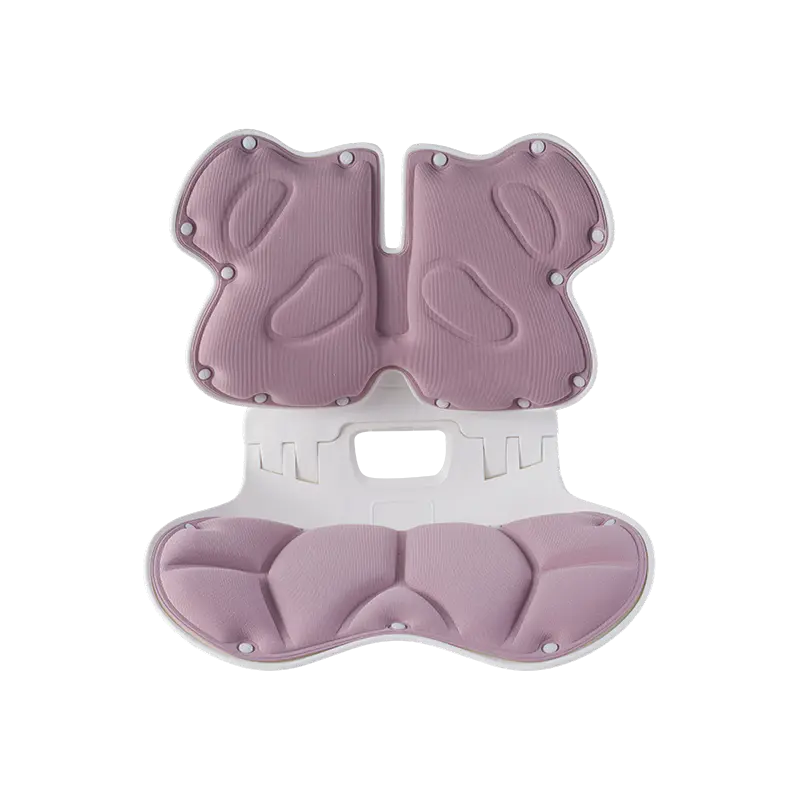
When that curve loses contact with the seat back, the surrounding muscles quietly take over the job of holding your spine in place. That works for a while. By the end of a long day, those muscles are tired, and your lower back makes sure you know it.
A few things worth knowing about what happens without proper lumbar support:
- The spinal curve gradually flattens under the pressure of sitting, which shifts load onto the discs
- Back muscles spend hours compensating for what the chair is not doing, leading to tension that builds through the day
- Poor lower back positioning tends to pull the neck and shoulders out of alignment too
- Adjusting your posture consciously helps briefly, but it is not a real fix — structure is
What Is a Lumbar Support Backrest, Exactly?
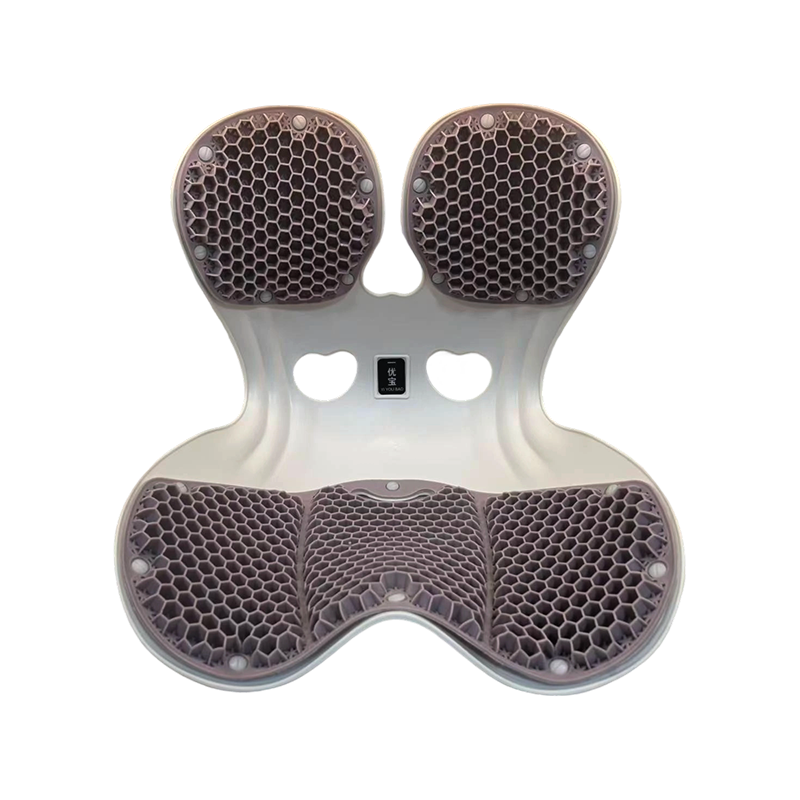
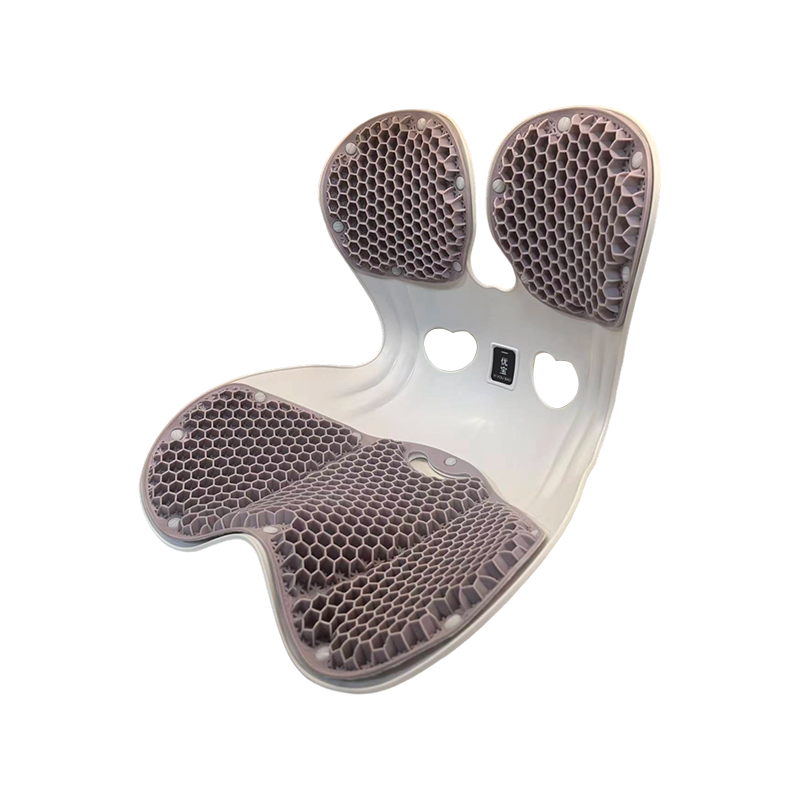
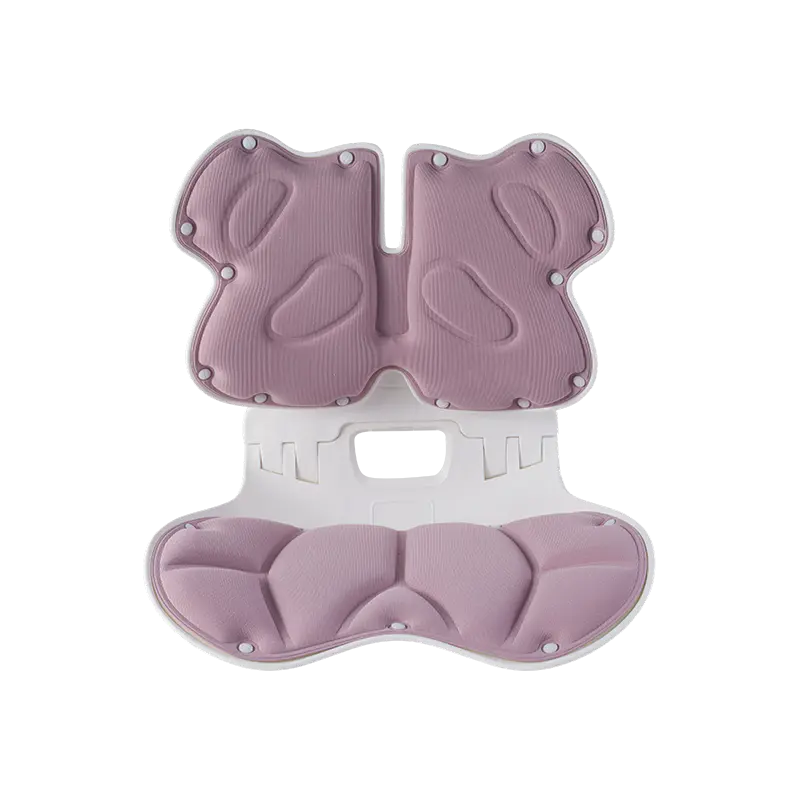
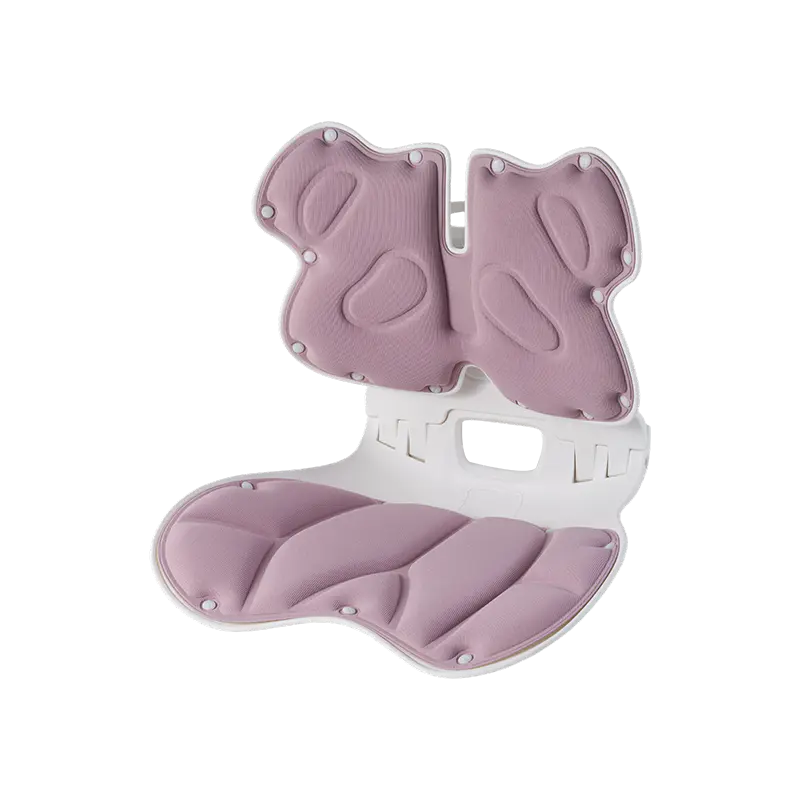
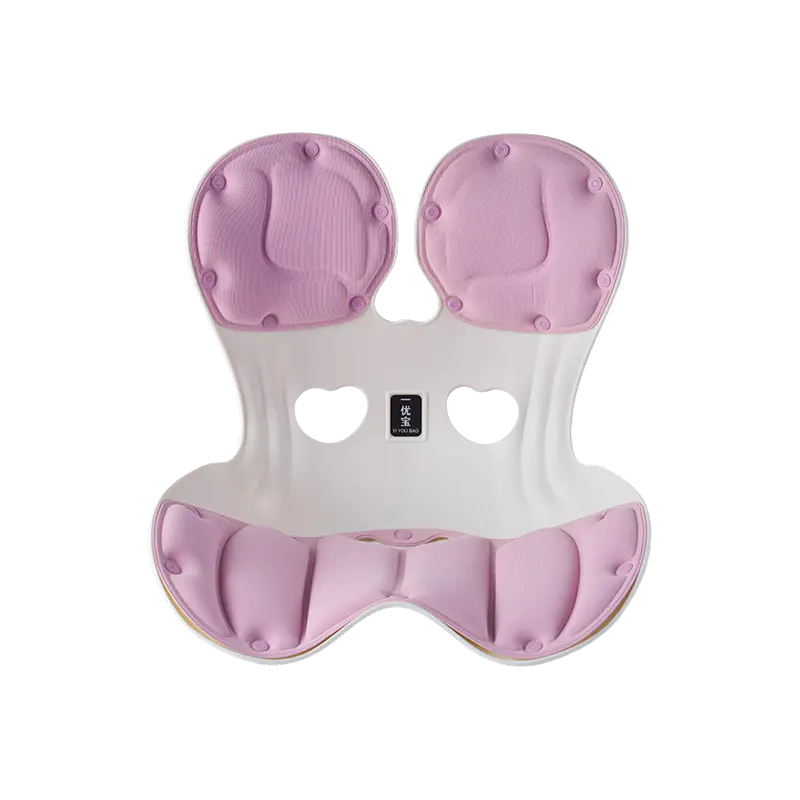
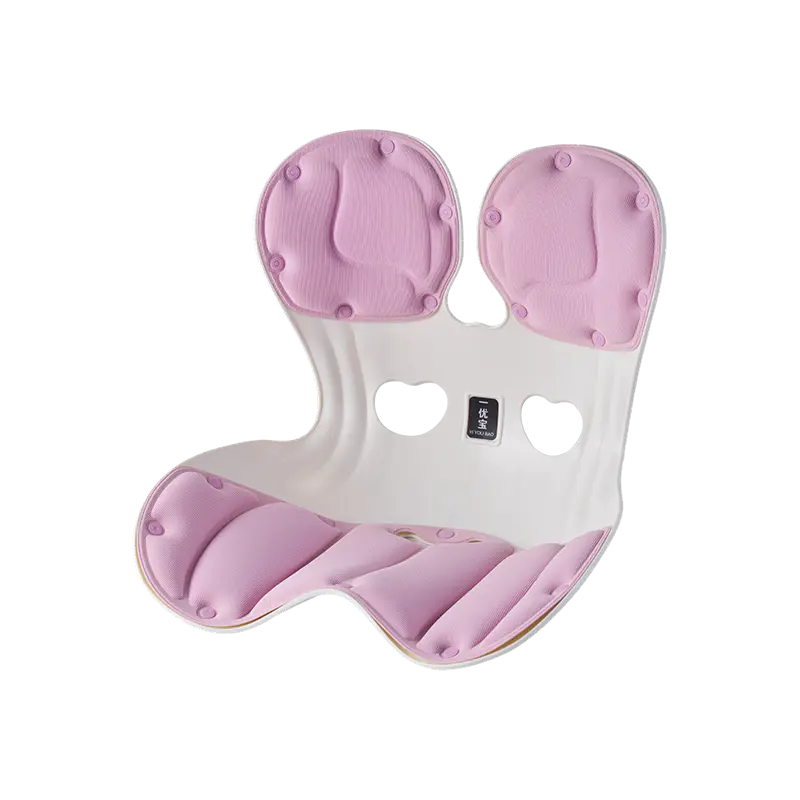
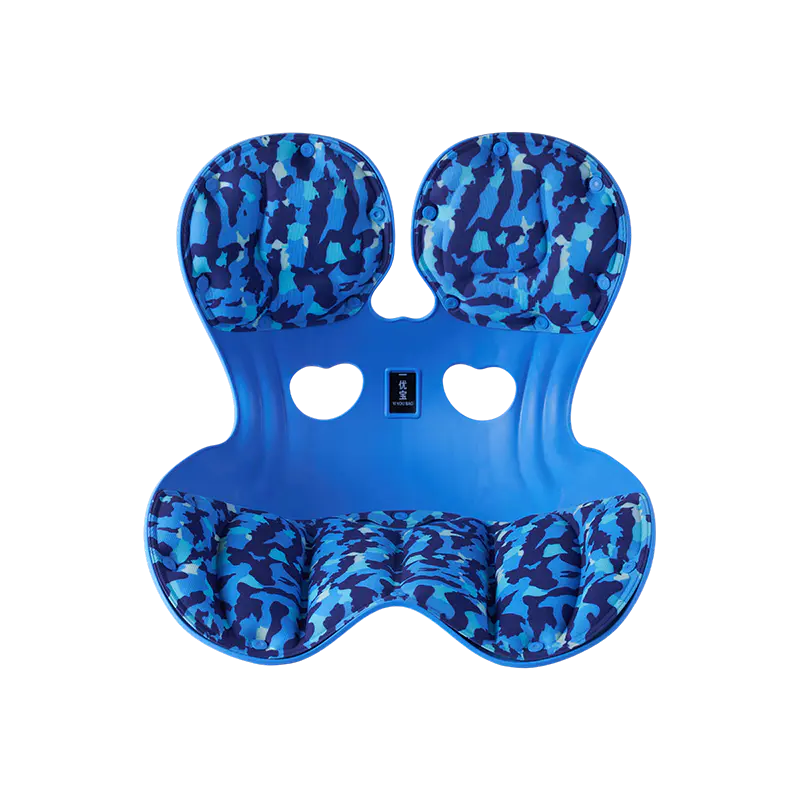
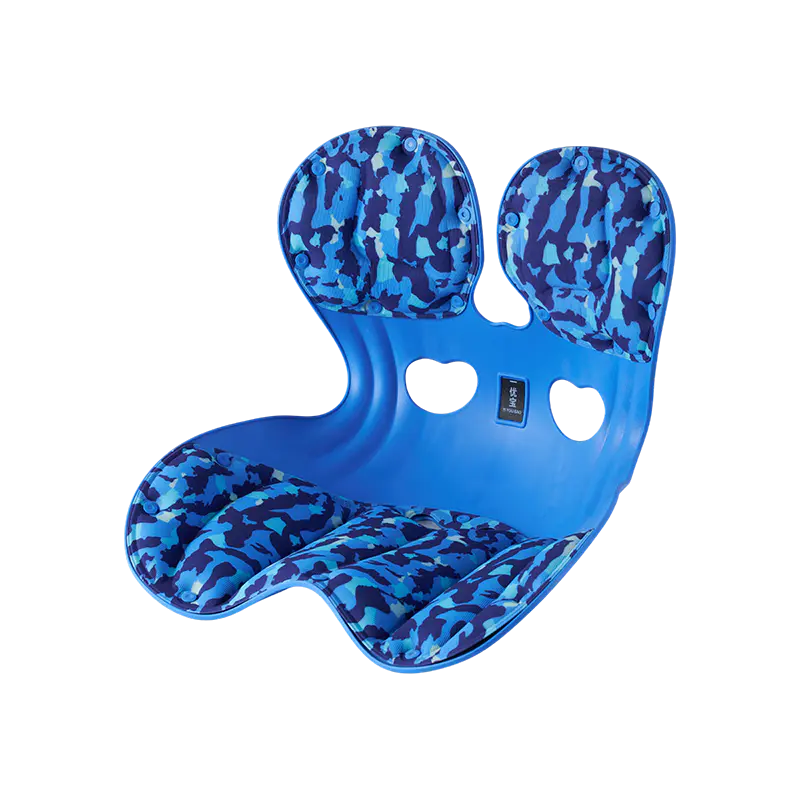
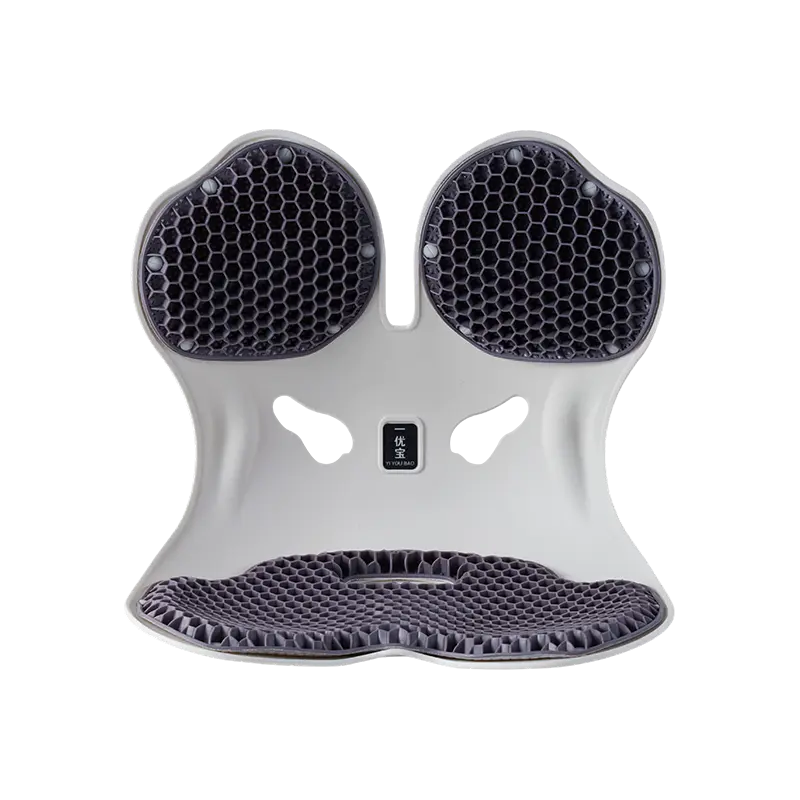
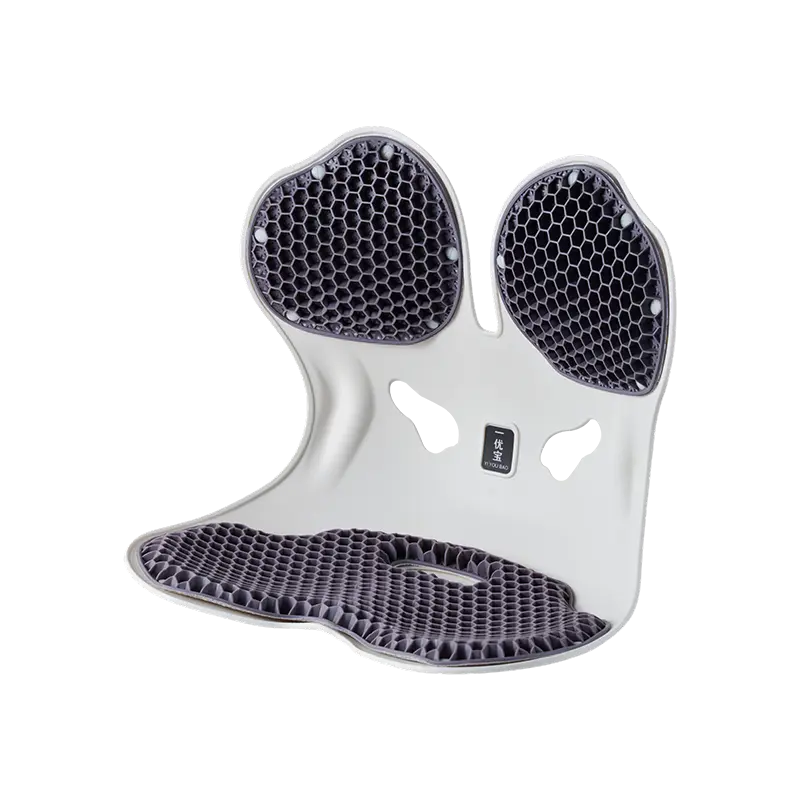
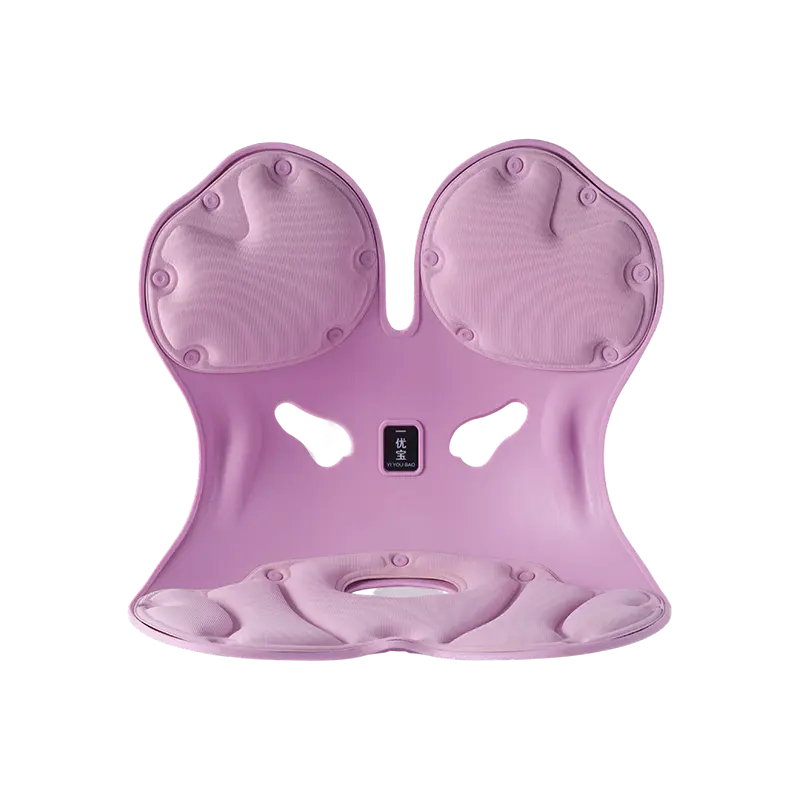
Think of it as a bridge. Your lower back has a natural inward curve, and most seat backs are flat or close to it. A lumbar support backrest fills that space between you and the chair, keeping the curve where it belongs instead of letting it collapse forward.
It can be built into the chair itself or added as a separate piece. Either way, the job is the same — hold the lower back area in a neutral position so the muscles around it do not have to work overtime just to keep you upright.
What all versions share, regardless of form:
- They focus on the lower back zone, roughly from the waist up to the mid-back
- They push gently forward to echo the spine's natural shape in that area
- They take pressure off the discs and soft tissue during long sitting sessions
- They come either as standalone add-ons or as built-in chair features
Knowing this helps when comparing portable and fixed designs, because they both do the same thing — the difference is simply where they live and how they attach to your day.
What Makes a Portable Design Different
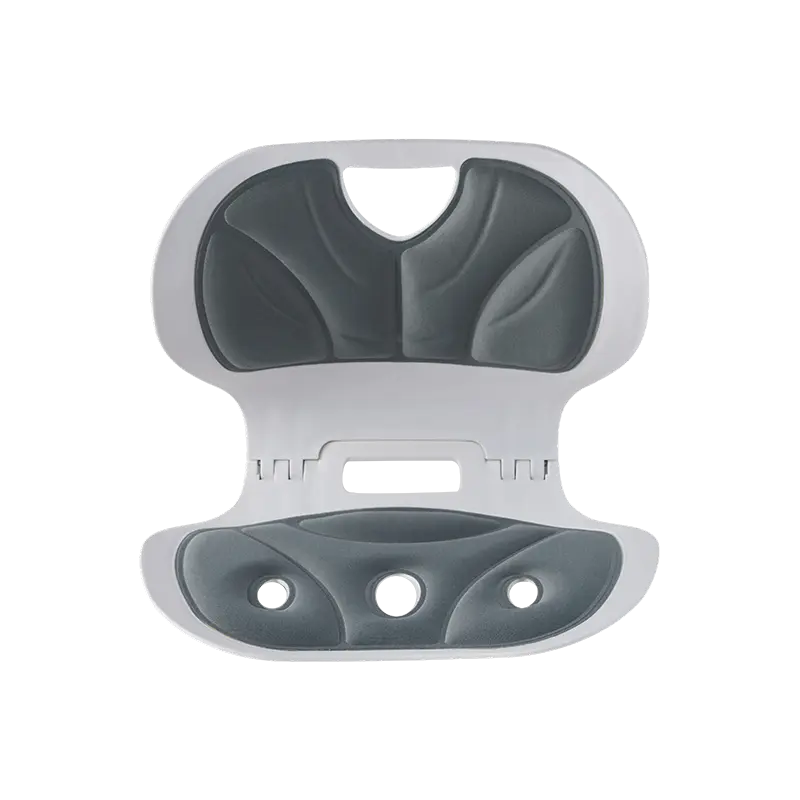
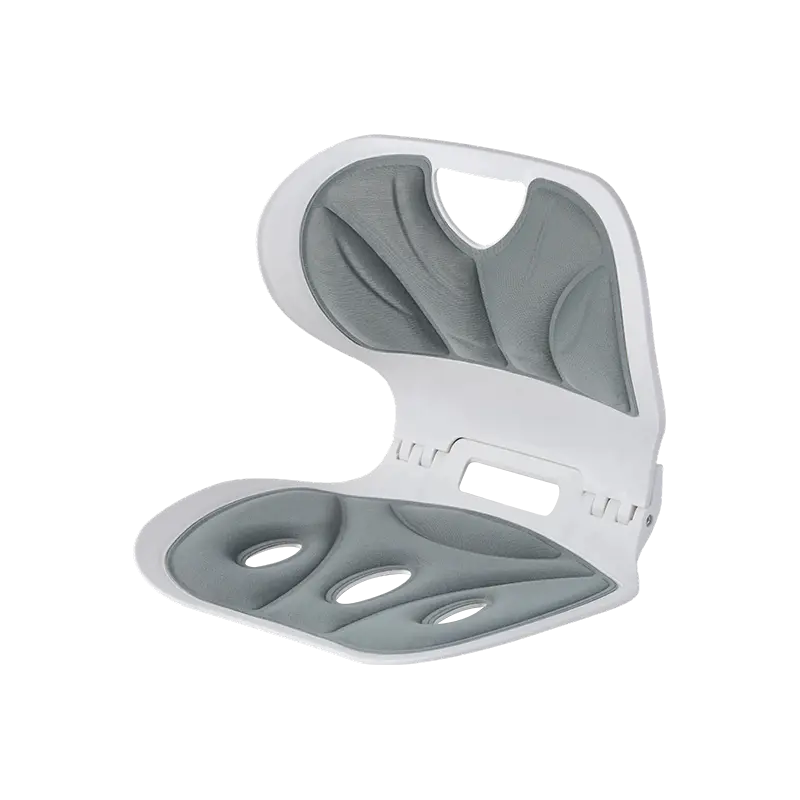
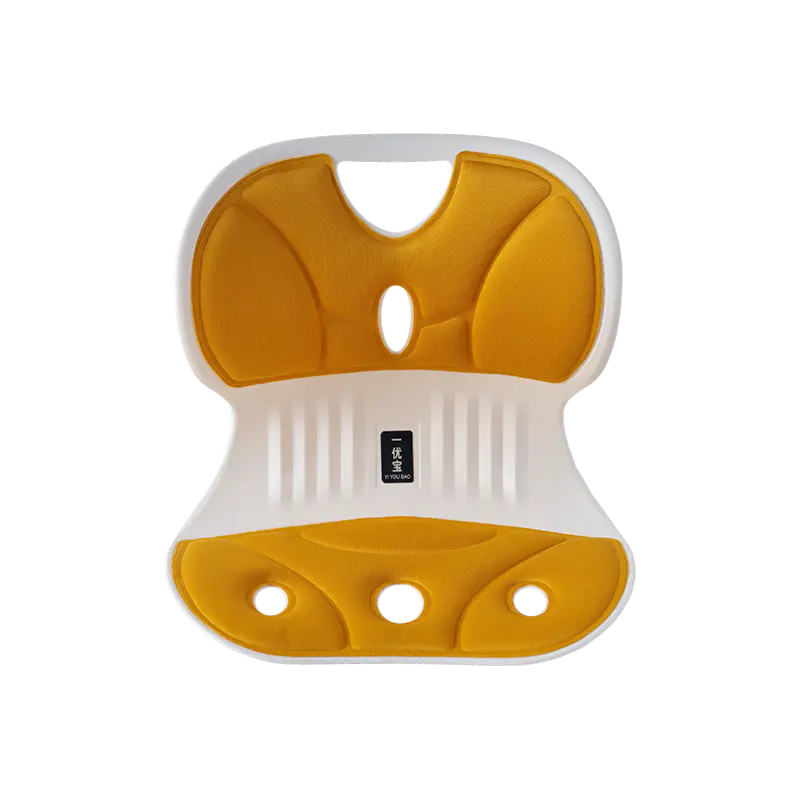
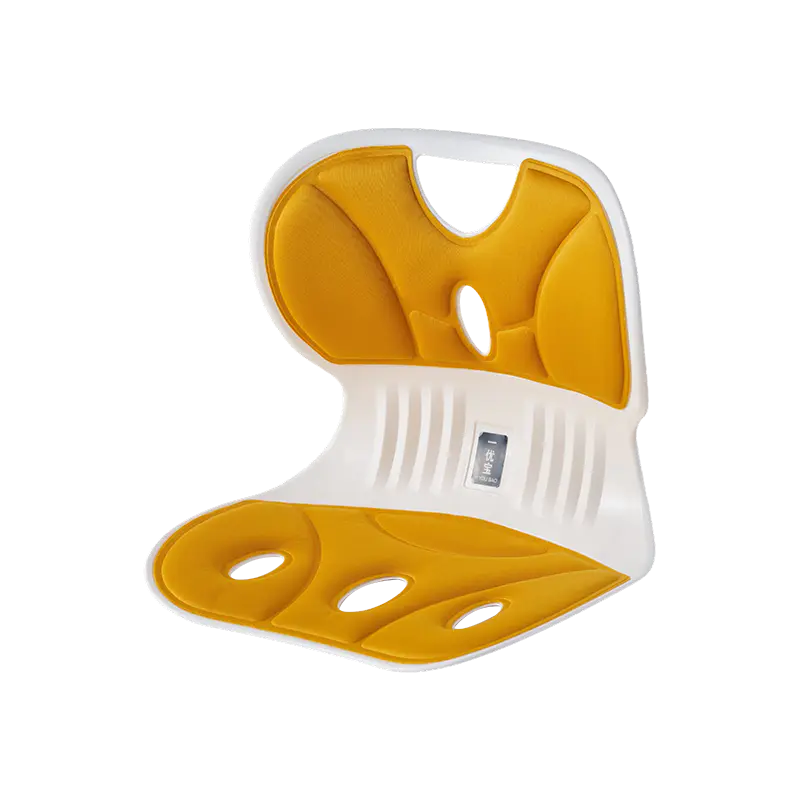
A portable option is exactly what it sounds like: a separate cushion or pad that you strap, hook, or press against whatever seat you happen to be using. It travels with you, not with the chair.
Common forms include:
- Foam pads with elastic straps that fit around office chairs, car seats, and similar seats
- Round roll-shaped cushions tucked between the lower back and the seat back
- Wedge or contoured shapes made for travel, commuting, or occasional use
Where portable designs work well:
- Moving between a desk, a car, and other seats without needing separate solutions
- Situations where multiple people share a chair or workstation
- Travel, commuting, or any environment where the seat changes regularly
- Easy to swap out if the cushion wears down or stops working as expected
Where they fall short:
- The cushion can slide or rotate during longer sessions, especially when you move around a lot
- How well it holds depends on the chair back shape — some surfaces grip better than others
- A bit of daily repositioning is often part of the routine
How Fixed Lumbar Support Works
Fixed support is part of the chair itself. It does not detach or travel. Whether it is a molded curve built into the back panel or an adjustable lumbar bar that moves up and down within the frame, it stays put and works as part of a larger seating system.
You will find it in a few different forms:
- A rigid curved section forming the lower portion of the chair back
- A height-adjustable lumbar panel built into the frame
- A fully contoured shell backrest with the curve shaped in from the start
What works in its favor:
- It holds position throughout the day without needing to be checked or reset
- Because it is built alongside the chair, the curve can be made to a specific standard
- Nothing to strap, nothing to slip
- Pairs naturally with other ergonomic features on the same chair
Where it runs into limits:
- Chairs are built around average body shapes, and not everyone fits that range
- Once you choose a chair with fixed lumbar support, that support is not going anywhere else
- Adjustments are limited to whatever the chair frame allows
Portable vs. Fixed: A Side-by-Side Comparison
| Factor | Portable Design | Fixed Design |
|---|---|---|
| Flexibility | Moves between chairs and vehicles | Stays with one chair |
| Stability during use | Can shift with movement | Consistent position all day |
| Body fit | Adjustable placement manually | Built around standard proportions |
| Multi-user compatibility | Works across different users | Matched to one adjustment range |
| Travel suitability | Carries in a bag or case | Not portable |
| Setup required | Strap attachment needed | No setup after purchase |
| Replacement ease | Replace cushion only | Requires chair-level solution |
| Long-term support consistency | Depends on daily repositioning | Consistent if body matches design |
No clear winner here — the table shows tradeoffs, and which column matters more depends entirely on your situation.
Which Design Actually Fits Your Day?
Office Workers Sitting Eight Hours or More
If you are at the same desk in the same chair every single day, a fixed or integrated lumbar structure tends to do a more reliable job. There is nothing to reposition, nothing to forget. It just works. The main thing to check is whether the chair's lumbar height can be adjusted to sit in the right place for your back specifically.
Drivers and Long-Distance Travelers
Car seat lumbar support ranges from barely there to nonexistent on many vehicles. A portable cushion is the practical move here because it crosses between your car and your office without you having to buy two separate solutions. The seatback angle in most cars also does a decent job of keeping the cushion in place during a long drive.
Hybrid and Remote Workers
If your day bounces between a home setup, a shared workspace, a coffee shop, and a car, portability stops being a preference and becomes a real need. Something that fits in your bag and works on whatever chair you land in is worth a lot more than a fixed system sitting at a desk you are rarely at.
Shared Workstations and Multi-User Environments
When several people rotate through the same chair or vehicle, a portable option is cleaner and more practical. Each person uses their own rather than adjusting a fixed system that someone else set up for their proportions.
The Part Many Buyers Do Not Think About: How You Actually Sit
Here is a question worth asking yourself honestly: do you sit still, or do you move around a lot?
When you stay fairly static, a fixed system can hold a precise position all day without any effort on your part. But if you rotate to reach things, lean forward to focus, recline during calls, or generally shift around — a rigid fixed structure can start creating pressure in spots that were not a problem before. A softer portable cushion tends to move a little with you, which is sometimes exactly what you need.
Think about your real habits:
- Do you hold one posture for long stretches, or are you constantly adjusting?
- Do you lean toward your screen when concentrating?
- Do you recline when you are reading or on a call?
People who move frequently may find a fixed structure too unforgiving. People who hold steady may find a loose cushion drifts out of position before the afternoon is over. Neither is a flaw in the product — it is just a mismatch between the design and the person using it.
Mistakes That Lead to the Wrong Choice
Going purely by price is probably the most common one. A cheaper portable cushion might feel fine at first and lose its shape within months. A pricier fixed-lumbar chair might look right on paper but sit in the wrong place for your particular back.
A few other things that trip people up:
- Assuming portable automatically means lower quality — the foam density and cover material matter far more than whether it has straps
- Choosing a fixed-lumbar chair without checking whether the lumbar height actually lines up with your lower back
- Placing a portable cushion on a car seat that already has a built-in curve — stacking two curves creates an odd angle that can feel worse than nothing
- Buying an office-chair cushion and then using it in a vehicle, where the seat angle and depth work completely differently
Getting this wrong does not just mean mild discomfort. It can push your spine into a compensating position that creates new tension in the neck, shoulders, or hips.
How to Actually Make the Decision
Step 1: Map out where and how long you sit each day. Break it down by environment — desk, car, couch, wherever. If one environment takes up most of your day, that is where the support needs to be strongest.
Step 2: Look honestly at the seats you already use. Does your office chair have any lumbar adjustment at all? Does your car seat have a built-in curve? If what you already have is close, you may just need a small portable addition rather than a full replacement.
Step 3: Be honest about how often you move between locations. Frequent location changes make portability genuinely useful. A single consistent environment makes the daily pack-and-unpack less worth it.
Step 4: Think about heat and material preferences. Memory foam shapes itself to your back but holds warmth, which bothers some people during long sessions. Mesh and ventilated designs stay cooler but offer slightly less contouring. Firmer materials last longer but take some getting used to.
Step 5: Check the adjustment range, not just the design category. A portable cushion that can be repositioned vertically, or a fixed panel that moves within the frame, gives you room to fine-tune after your first week of use. That flexibility matters more than people expect.
Why What It Is Made Of Matters as Much as the Design
Choosing between portable and fixed tells you where the support sits. The material tells you how well it holds up over the months and years of actual use.
Some things worth paying attention to:
- Memory foam contours well but gradually softens — higher-density versions hold their shape noticeably longer
- Mesh allows airflow and keeps things cooler, but does not spread pressure quite as evenly as foam over a full day
- Covers that zip off and wash are a practical feature that most people appreciate after a few months
- For fixed systems, the frame or shell construction determines whether the support holds its shape under repeated pressure or slowly gives way
For buyers purchasing in volume — office fit-outs, fleet vehicles, or shared workspace setups — consistency across units matters as much as individual comfort does.
Choosing Is About Fit, Not Format
The portable versus fixed question does not have a clean universal answer, because the right choice depends on things that are different for every person. Someone who commutes two hours a day and then sits at a desk for the rest of it has different needs than someone working from one chair at home all week. The goal is simply to match the support to how you actually live and work — the seats you use, how you move, how long you sit, and what your body needs from a chair. When the design lines up with all of that, it works well. When it does not, even a well-made product will let you down. Buyers looking for a manufacturer that covers both portable and fixed options across office, vehicle, and multi-use environments are welcome to reach out to Yongkang Yiyoubao Technology Co., Ltd. to look at available specifications, ask for samples, and talk through options for larger orders.
 Previous