English
 中文简体
中文简体
Industry News
If your lower back aches by mid-afternoon despite sitting in what feels like a decent chair, you are not imagining it — and the chair is probably not the whole problem. The way standard seating is designed leaves the lower spine without meaningful support, and the body compensates by straining muscles that were never meant to hold that position for hours at a time. Adding a Lumbar Support Backrest to your setup addresses the root cause directly: it gives the lower spine the contact it needs to maintain its natural curve, reducing the load that builds up during sustained sitting. Understanding how that mechanism works, and how to use it correctly, makes the difference between a product that genuinely helps and one that sits behind you collecting dust.
Why Does Sitting Cause Lower Back Pain in the First Place?
The problem is not sitting itself — it is what sustained sitting does to the spine's natural shape.
- Pelvic tilt: When you sit for extended periods, the pelvis tends to rotate backward. This flattens the lumbar region of the spine, which is designed to maintain a gentle inward curve.
- Curve loss: As the lumbar curve flattens, the vertebrae shift into a position that concentrates load on the front of the intervertebral discs rather than distributing it evenly.
- Muscle fatigue: The muscles along the lower back work harder to compensate for poor spinal alignment, accumulating tension and fatigue across a working day.
- Ligament strain: Sustained flexion of the lumbar spine places ongoing stress on the posterior ligaments, which were not designed to bear that load continuously.
The result is the familiar ache that starts at the lower back, sometimes radiates into the hips or upper legs, and worsens as the day progresses.
Defining What a Lumbar Support Backrest Is
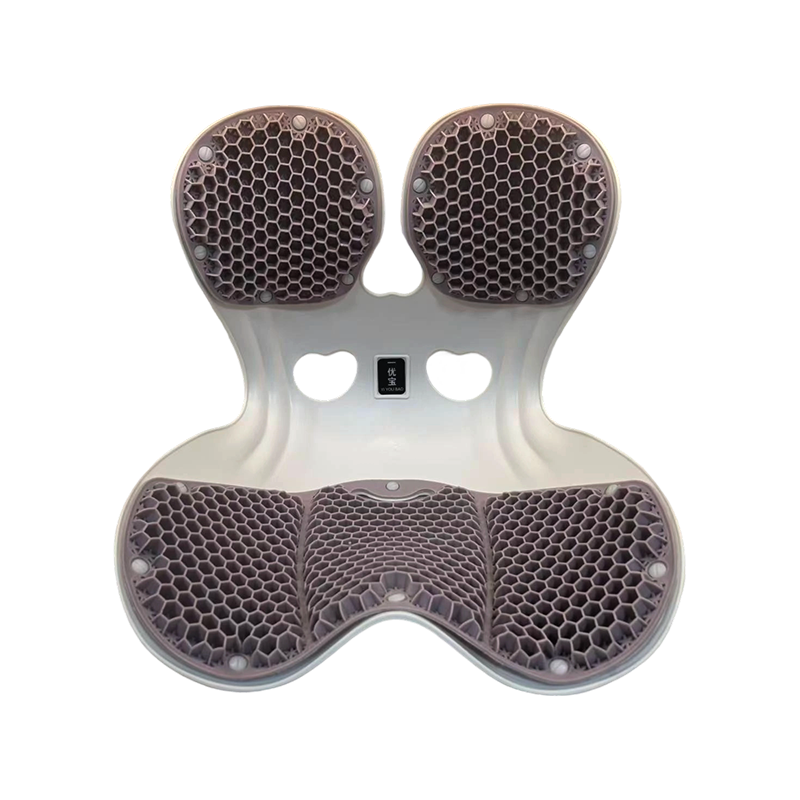
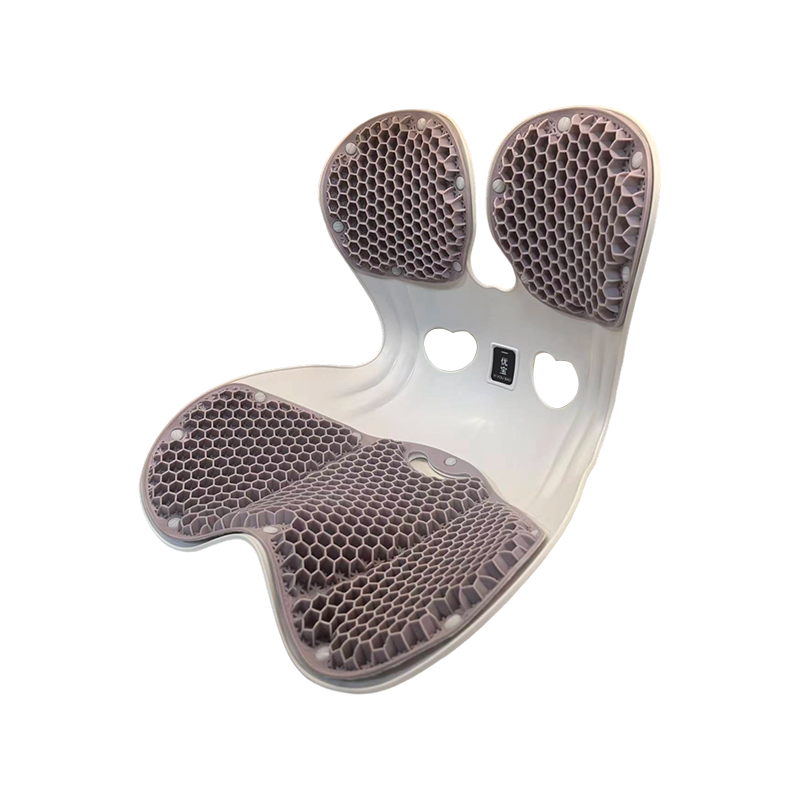
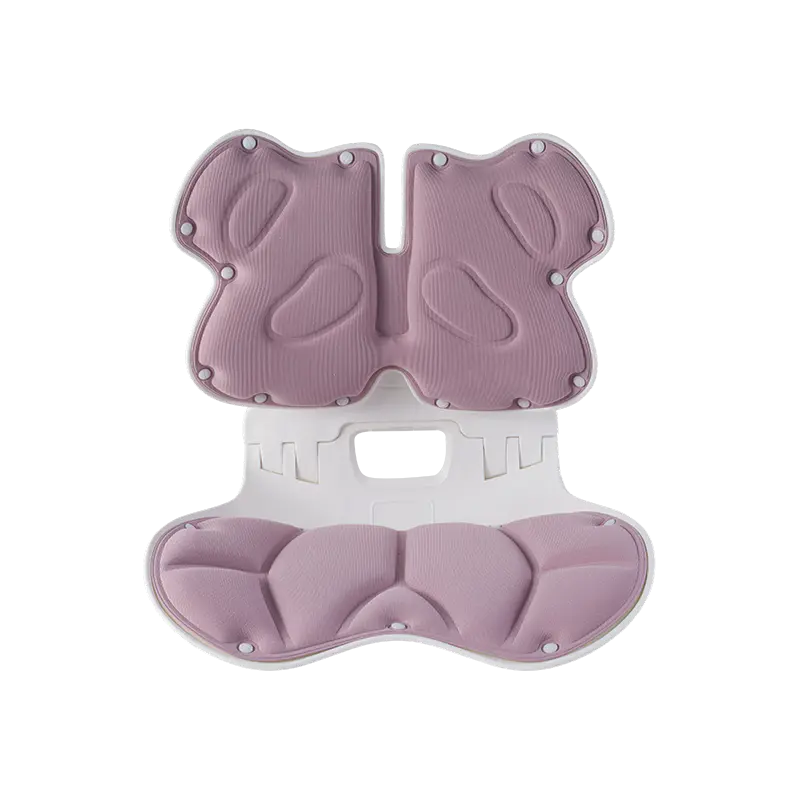
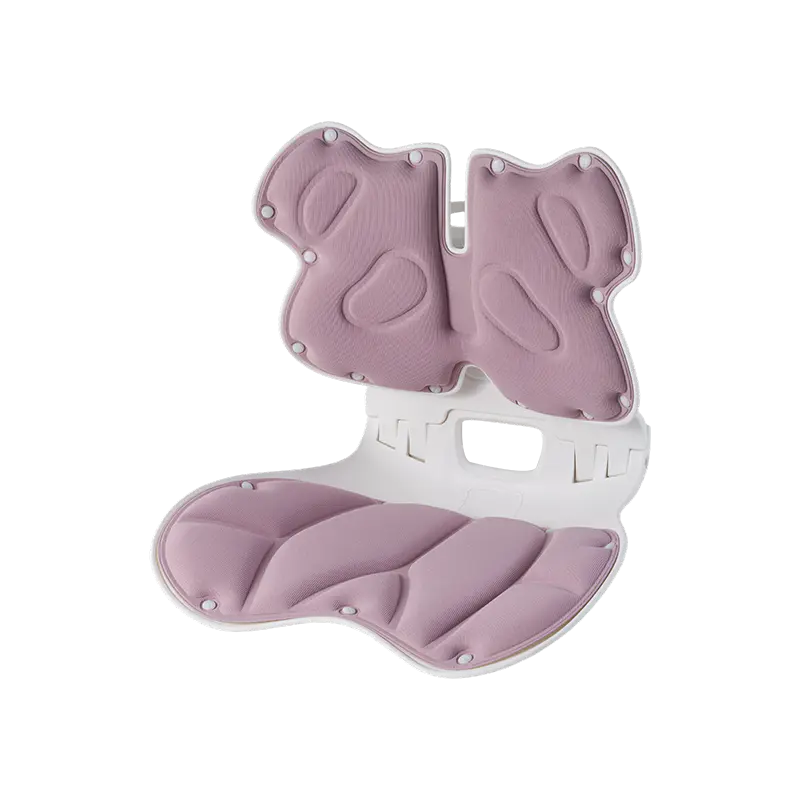
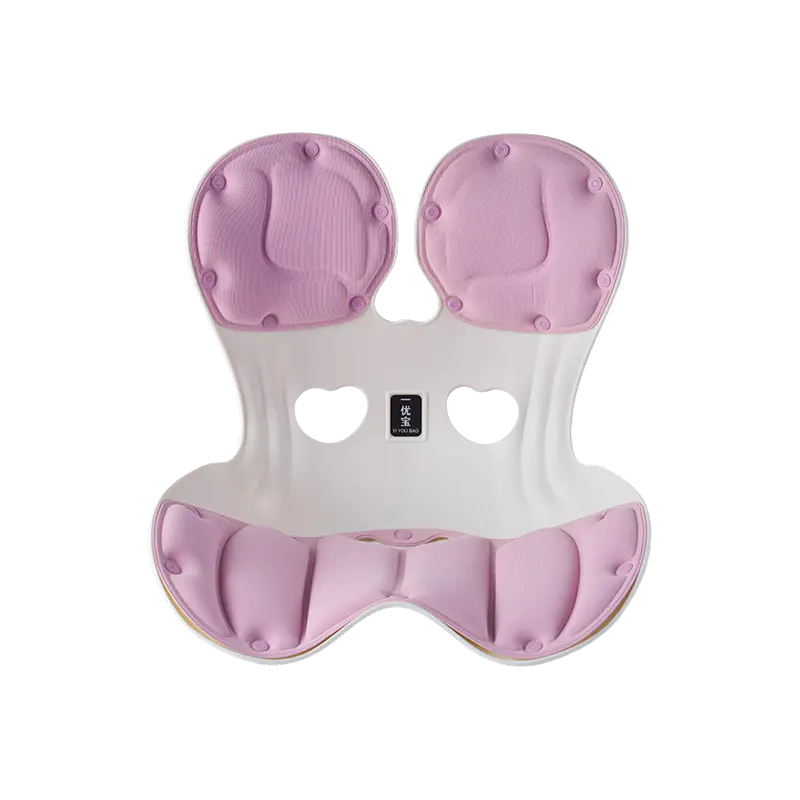
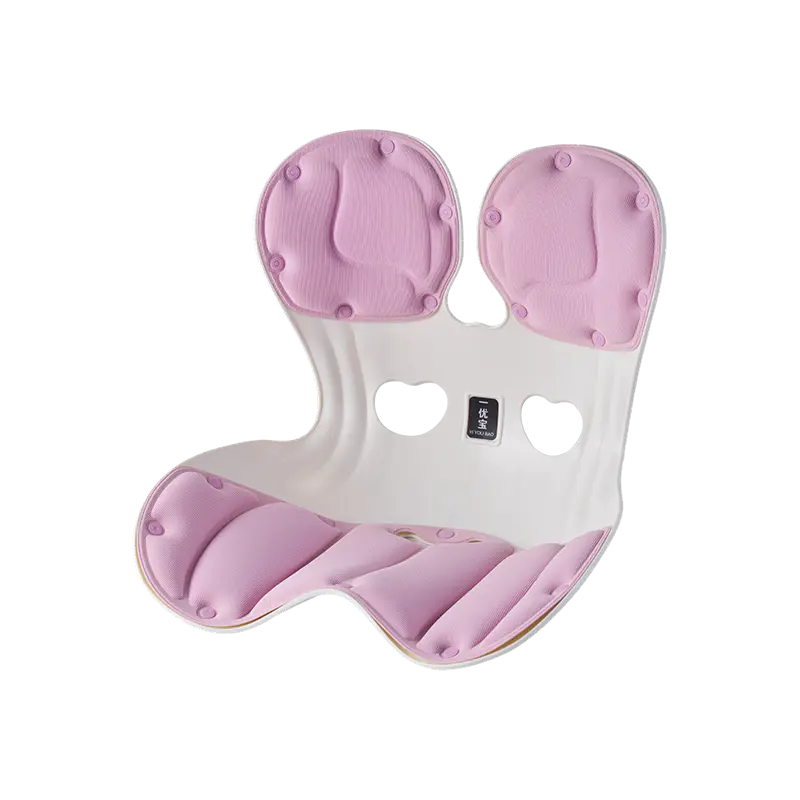
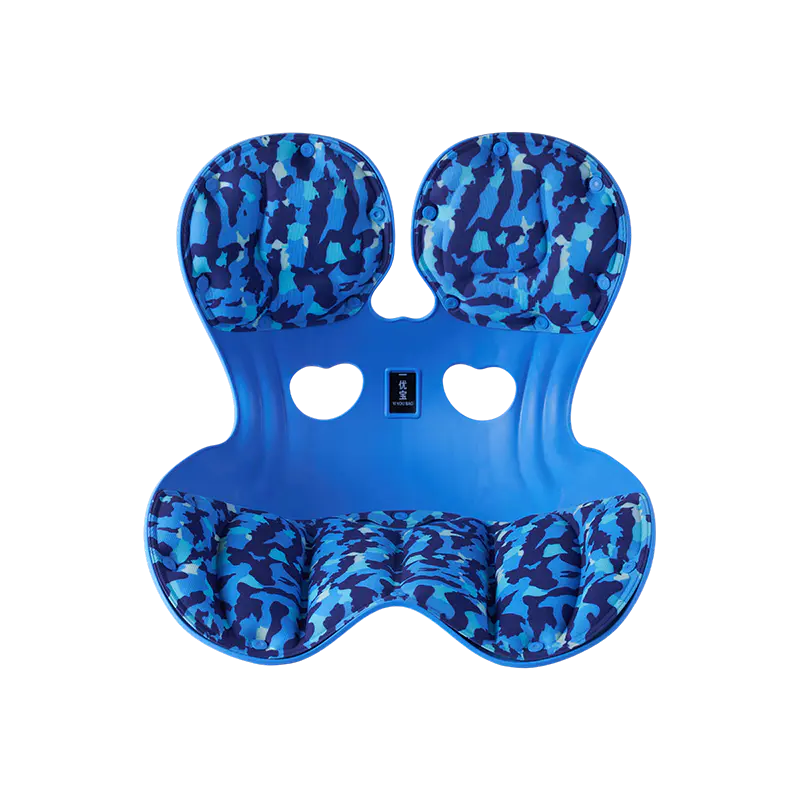
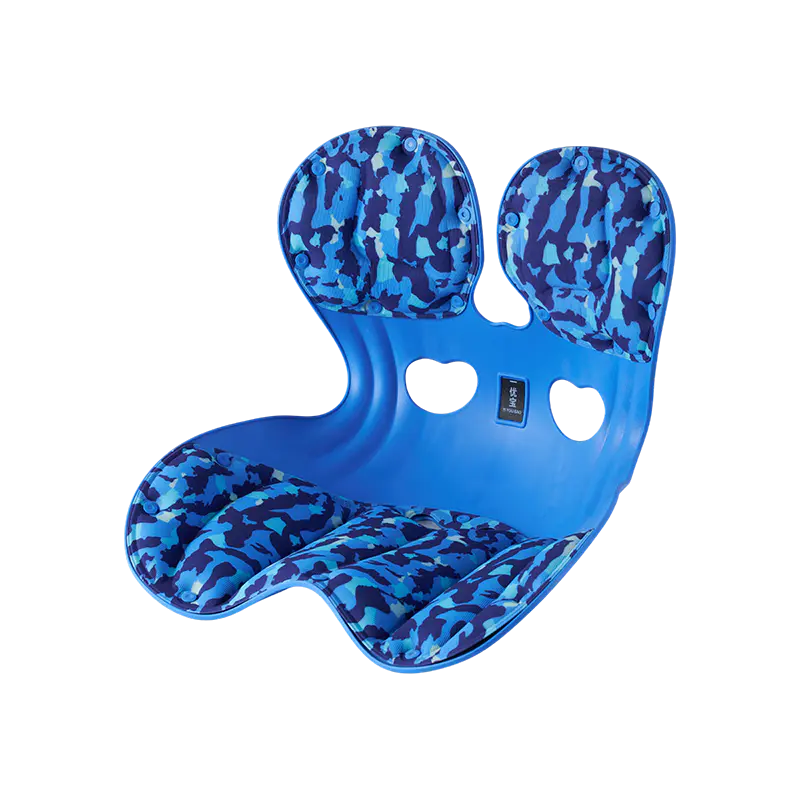
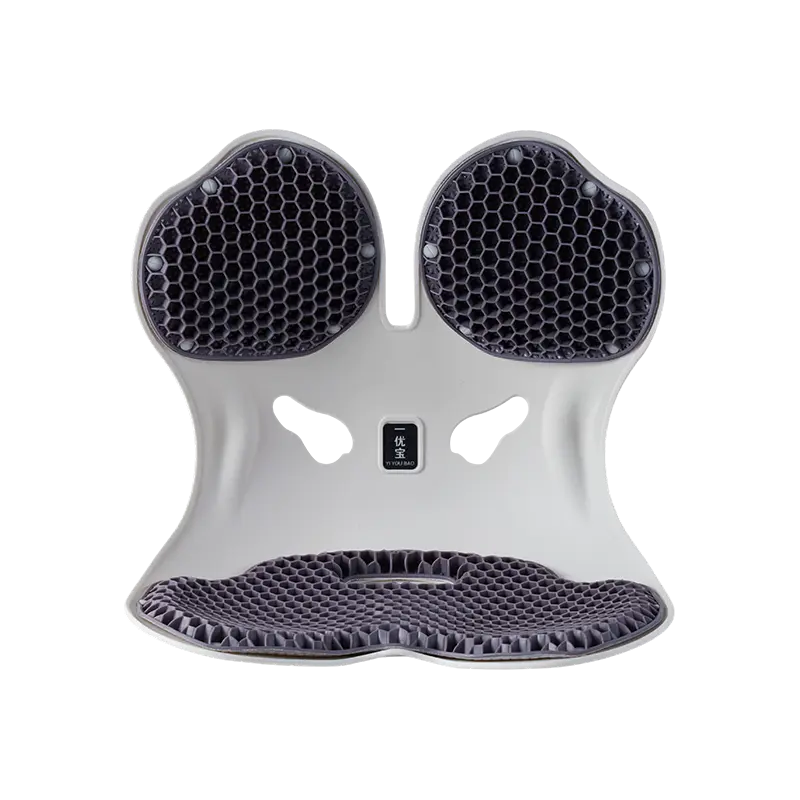
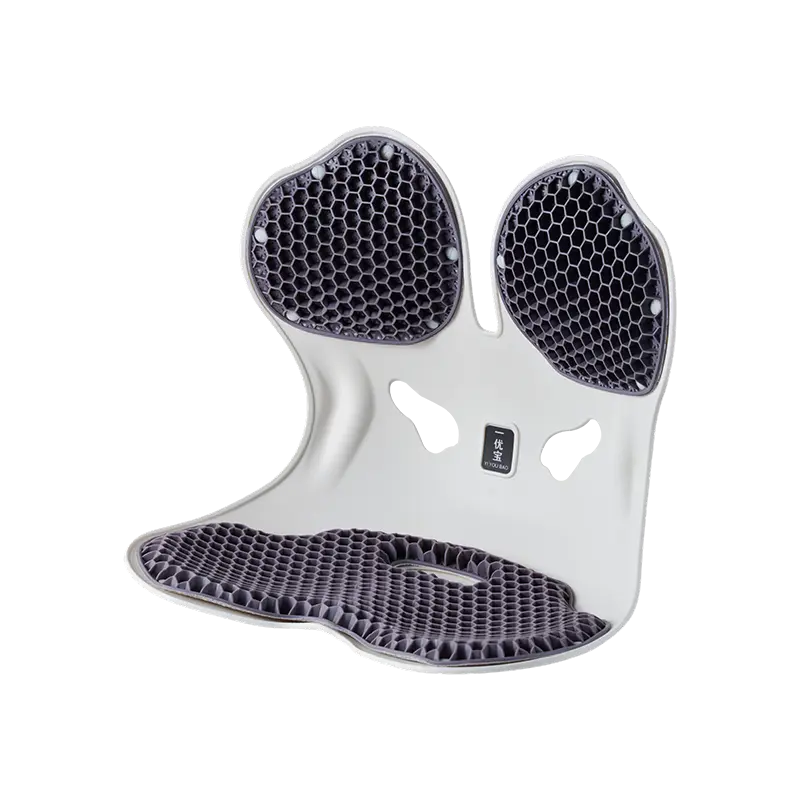
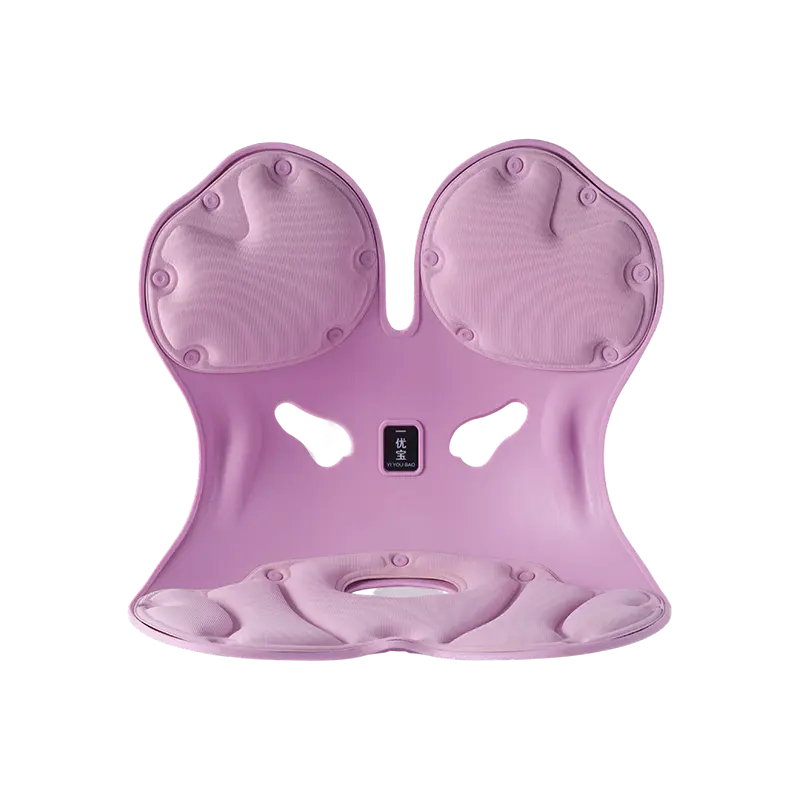
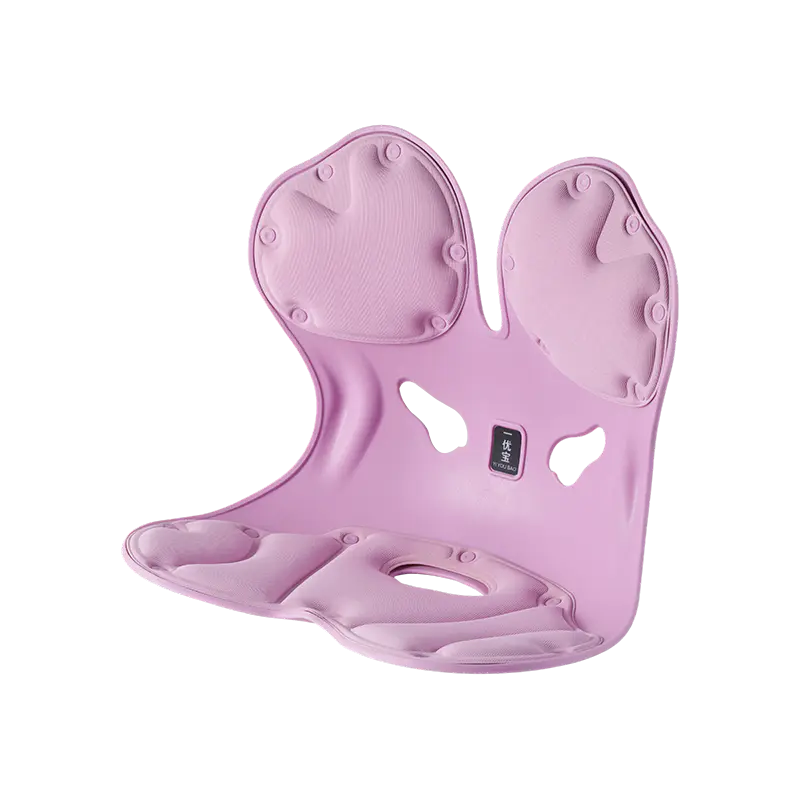
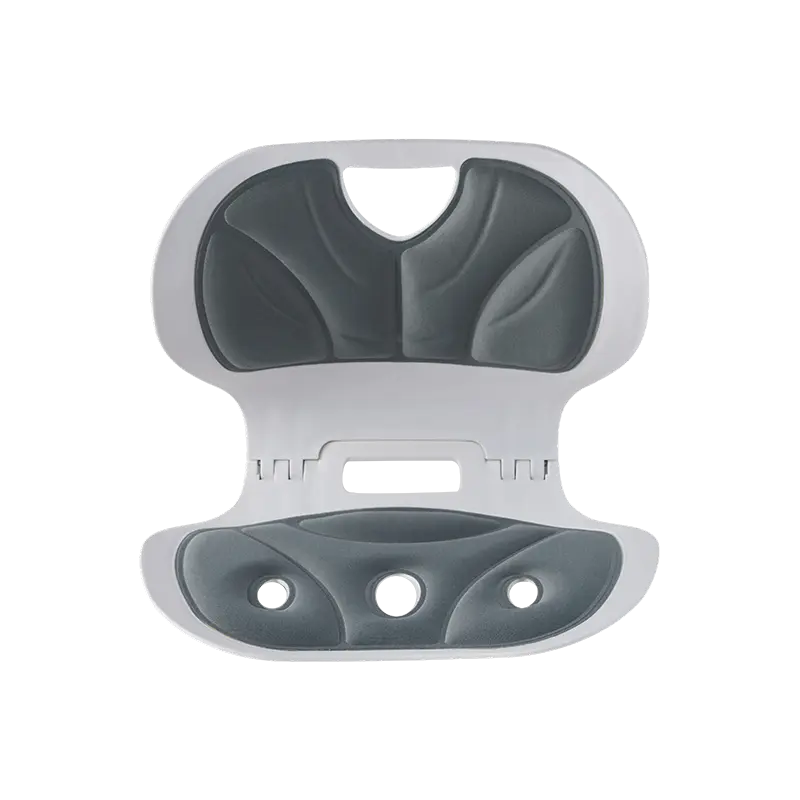
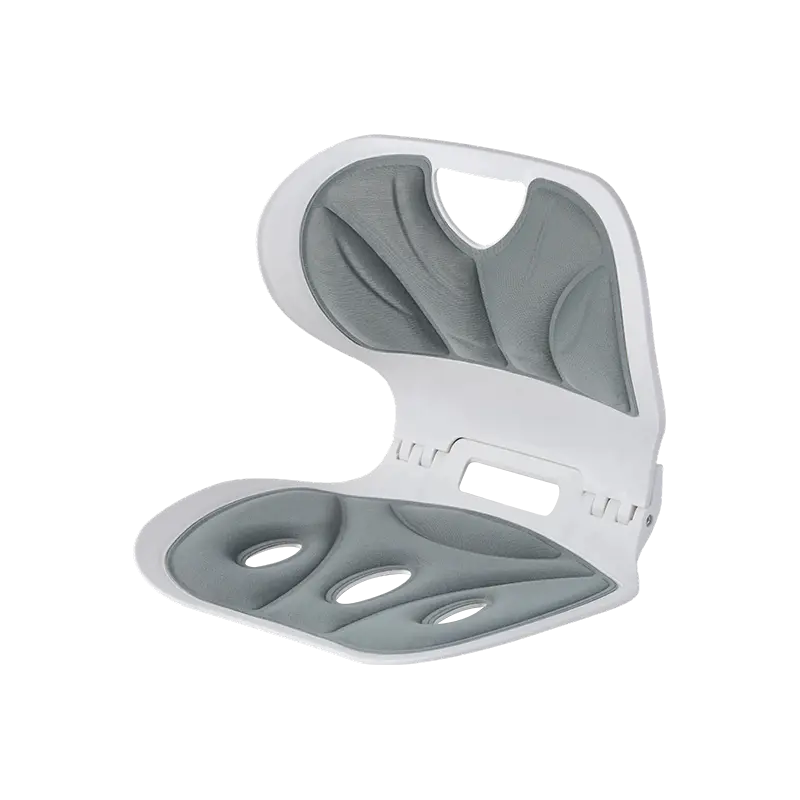
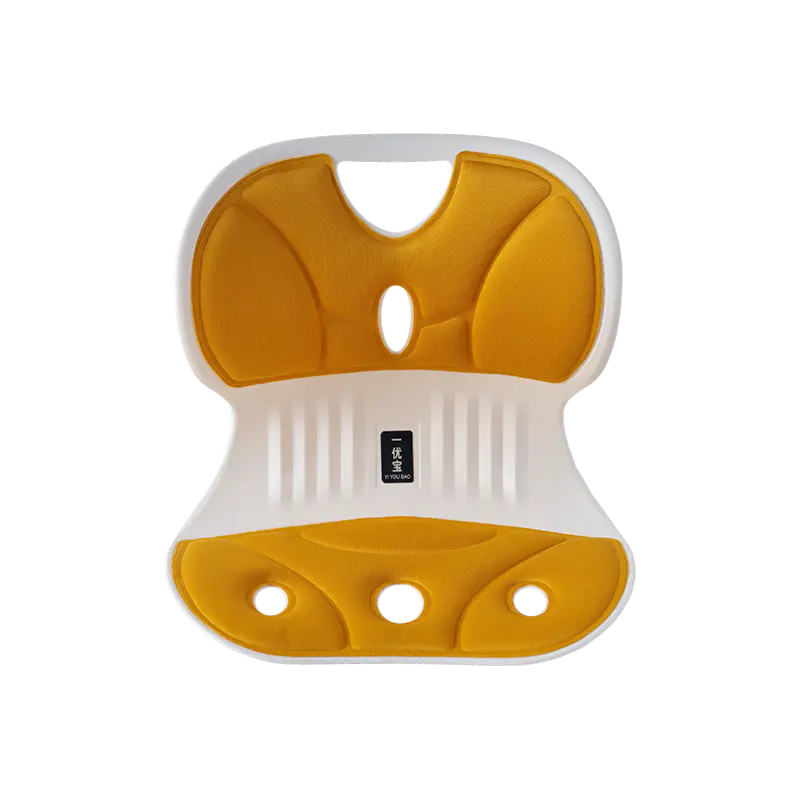
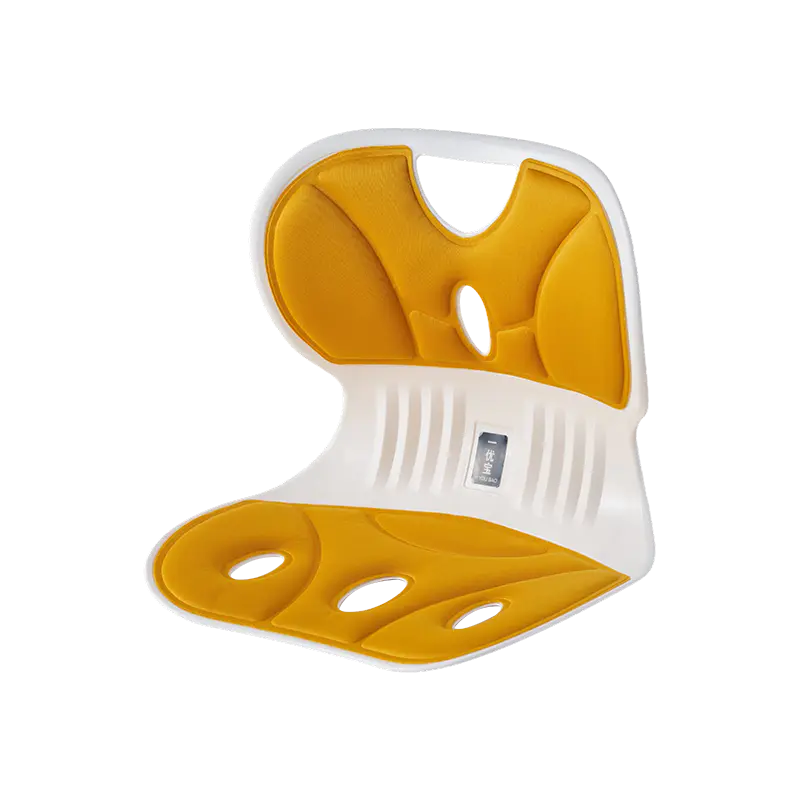
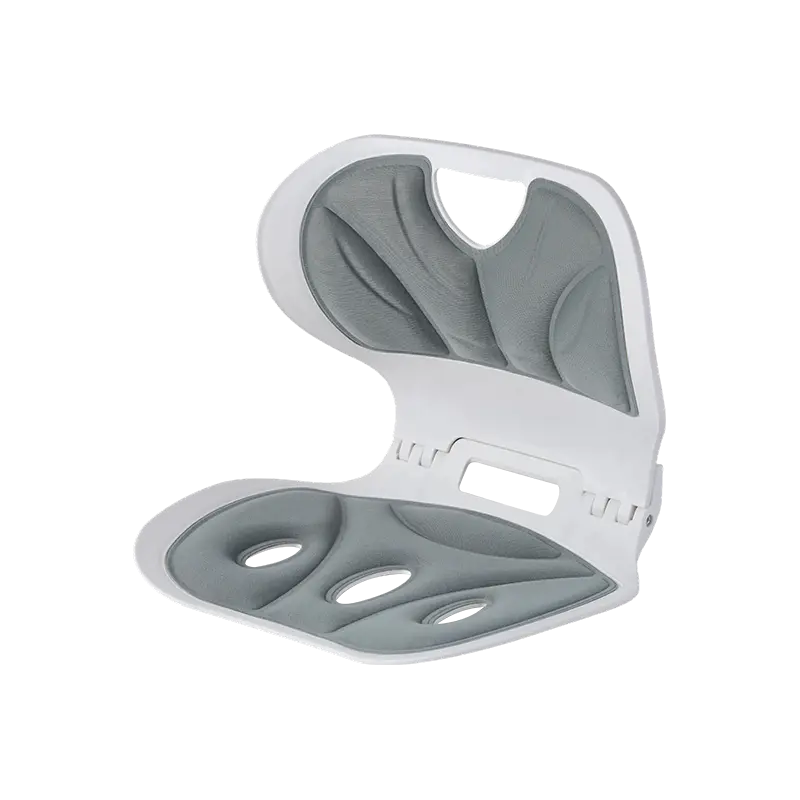
It is a shaped cushioning device designed to be placed between the lower back and the back surface of a chair. Its defining purpose is to fill the gap that standard seating leaves at the lumbar region — the section of the spine between the ribcage and the pelvis — so that the spine's natural inward curve is maintained rather than flattened during prolonged sitting. Unlike general back cushions that cover a broad area, it is specifically contoured to contact the lumbar vertebrae and encourage the pelvis into a more neutral, forward-tilted position.
How It Differs from General Seating Accessories
Understanding what distinguishes this type of product from other cushions helps clarify why the design details matter.
- Targeted placement: It is sized and shaped to address the lumbar region specifically, not the full back or the seat surface
- Structural function: Its primary job is postural correction and pressure redistribution, not softening or padding
- Active mechanism: It works by maintaining contact with the lower spine and encouraging a specific spinal position, rather than simply cushioning impact
There are two broad categories:
- Integrated designs: Built into ergonomic chairs as adjustable lumbar mechanisms
- Add-on supports: Portable cushions or structured pads that attach to existing chairs with straps or elastic bands
Add-on versions are practical for use across multiple settings — office chairs, car seats, and home seating — which makes them a flexible solution for people whose discomfort follows them through different parts of the day.
How the Mechanism Works
The support works through three interconnected effects:
Restoring the natural lumbar curve. By placing a shaped support at the correct height behind the lower spine, it encourages the pelvis to tilt forward slightly, which re-establishes the lumbar lordosis that sustained sitting suppresses.
Distributing pressure across the lower back. When the curve is restored, load spreads more evenly across the lumbar vertebrae and discs rather than concentrating at a single compressed point.
Reducing muscle fatigue during long sessions. When the spine is supported in its natural position, the surrounding muscles do not need to work as hard to maintain posture. Over a full working day, this reduction in muscular effort accumulates into a meaningful difference in how the lower back feels by evening.
Who Tends to Benefit from Lumbar Support?
The people who report the clearest benefit share a common pattern: sustained sitting in a fixed position, often without regular breaks or postural variation.
- Office workers who spend the majority of their working hours at a desk
- Remote workers using home furniture not designed for long-duration sitting
- Drivers who maintain a fixed seated posture for extended periods, particularly in vehicles where lumbar adjustment is limited
- Gamers who spend several hours in a single session
- People with mild, recurring lower back discomfort who have not found relief through chair adjustments alone
It is worth noting that lumbar support is generally a preventive and comfort tool rather than a substitute for medical care. Anyone experiencing acute, severe, or radiating pain should seek professional assessment before relying on a support cushion as a solution.
Why Many Lumbar Supports Fail to Help
The product category has a notable reputation problem: many people try one, find it uncomfortable or ineffective, and conclude that lumbar support does not work. In a significant number of cases, the problem is not the concept — it is the specific product or how it is being used.
Common reasons a support fails to deliver relief:
- Positioned too low: The support ends up behind the tailbone or upper pelvis rather than behind the lumbar spine. This creates pressure in the wrong place and can worsen discomfort.
- Positioned too high: Placed behind the mid-back, it pushes the thoracic spine forward without addressing the lumbar region at all.
- Too firm for the user's body: A rigid support that does not conform to individual spinal shape creates point pressure rather than distributed contact.
- Too soft to provide structure: A foam that compresses completely under bodyweight provides no meaningful positional correction.
- Poor breathability: A support that causes heat buildup encourages the user to abandon it after short periods, which eliminates any cumulative benefit.
The pattern that emerges from genuine user experience is consistent: a well-designed, correctly positioned support produces noticeable relief; a poorly matched or mispositioned one either does nothing or actively irritates.
What Design Features Actually Make a Difference?
Not all support cushions are built to the same standard. The following characteristics separate products that reliably perform from those that do not.
| Feature | Why It Matters | What to Look For |
|---|---|---|
| Foam density | Determines if the support holds its shape under bodyweight | Medium-to-high density memory foam that rebounds slowly |
| Ergonomic contour | Matches the natural lumbar curve rather than pushing against it | A curved profile designed around spinal anatomy |
| Breathable cover | Reduces heat accumulation during extended use | Mesh or ventilated fabric surface |
| Adjustable strap | Allows precise vertical positioning on the chair | Wide, non-slip straps with secure fastening |
| Structural rigidity | Prevents the support from collapsing and losing function | Inner frame or high-density core |
| Size and depth | Affects whether the support reaches the lumbar region correctly | Sized to the user's seated height and chair depth |
A product that performs well across several of these dimensions simultaneously is the one that tends to produce consistent, repeatable relief rather than intermittent or temporary comfort.
How to Use It Correctly
Even a well-designed support produces poor results when positioned or used incorrectly.
- Find the right height: The support should sit behind the natural inward curve of your lower back, roughly at waist level. When you sit upright against it, you should feel gentle, even contact along the lumbar region, not pressure at a single point.
- Sit into it fully: The support only works when your back is making full contact with it. Sitting forward in the chair defeats its purpose.
- Set the chair back at a slight recline: A backrest angle between five and fifteen degrees from vertical reduces spinal loading more effectively than sitting fully upright.
- Pair it with movement: A support reduces fatigue during sustained sitting but does not eliminate the benefit of standing, stretching, and walking at regular intervals. Use it as a complement to movement breaks, not a replacement for them.
- Allow an adjustment period: If you are not accustomed to lumbar support, the corrected posture may feel unfamiliar initially. Many users find that mild initial awareness resolves within a few days as posture adapts.
Common Mistakes That Make Lower Back Pain Worse
Alongside incorrect positioning, a few recurring behavioral patterns undermine what the support is trying to achieve.
- Sitting with the pelvis rotated backward even with the support in place, which means the correction is not actually occurring
- Using the support on a chair with a seat that is too deep, preventing the lower back from reaching the chair back at all
- Choosing a support based on price alone without considering density, contour design, or breathability
- Assuming that adding a support eliminates the need for postural awareness — the support assists correct posture, it does not impose it automatically
- Using a support designed for car use in an office chair without verifying that the dimensions suit the new seat
How Does Lumbar Support Compare to Other Approaches?
Different tools address lower back discomfort through different mechanisms. Understanding where each is appropriate helps avoid both over-reliance on one solution and unnecessary expense.
- Ergonomic chair with built-in lumbar adjustment: A strong solution for a fixed workspace. Less practical for people who use multiple chairs or frequently change environments.
- Seat cushion: Addresses pressure under the pelvis and thighs rather than the lumbar region. Useful as a complement to lumbar support but addresses a different problem.
- Posture corrector: Wraps around the torso and shoulders. Targets upper back and shoulder posture more than the lumbar spine specifically.
- Back brace: A medical-adjacent product for acute support following injury. Not designed for everyday preventive use during standard desk work.
For routine seated work in a standard chair, a well-specified add-on support offers the practical advantage of portability and adaptability without requiring a full chair replacement.
How to Choose the Right Option for Your Setup
Before purchasing, work through these considerations in sequence:
- Identify your primary use setting: Car, office chair, or home seating each has slightly different depth and angle characteristics that affect which support fits correctly.
- Consider your height and build: A support sized for a shorter torso will position incorrectly on a taller person. Look for options with height or depth adjustability.
- Assess your foam preference: If you have tried a firm support and found it uncomfortable, a higher-density memory foam that conforms more gradually may suit better. If you have tried a soft one that collapsed too quickly, a structured option with an inner core will hold up better.
- Check strap design: Elastic straps that slip or twist in use require constant readjustment. Look for non-slip straps that maintain position through a full sitting session.
- Verify breathability if heat is a concern: If you tend to feel warm while sitting, a mesh-covered option will remain more comfortable across longer periods.
If you have spent months adjusting your sitting position, switching chairs, or simply tolerating lower back discomfort that returns every afternoon, a correctly specified and properly positioned lumbar support is worth a genuine evaluation. The mechanism is sound, the application is straightforward, and the difference between a product that works and one that does not usually comes down to design quality and correct fit. Yongkang Yiyoubao Technology Co., Ltd. develops lumbar support products across a range of specifications designed for office, automotive, and home use, with production quality focused on foam density, contour design, and long-term structural integrity. If you are sourcing for retail or exploring OEM options, reaching out to their team with your application requirements is a practical next step toward finding a product specification that matches what your users actually need.
 Previous