English
 中文简体
中文简体
Industry News
You spend hours in a chair or behind the wheel, and by midday your lower back is already sending distress signals. No matter how you shift or adjust, the discomfort follows. You have probably tried adding a cushion, switching chairs, or simply pushing through — and none of it has fully worked. If you are actively shopping for a Lumbar Support Backrest and cannot decide between memory foam and gel, you are not alone, and the confusion is understandable. These two materials look similar on product pages but behave very differently in real use. Getting this choice wrong means you spend money and still sit in discomfort.
What Exactly Is a Lumbar Support Backrest?
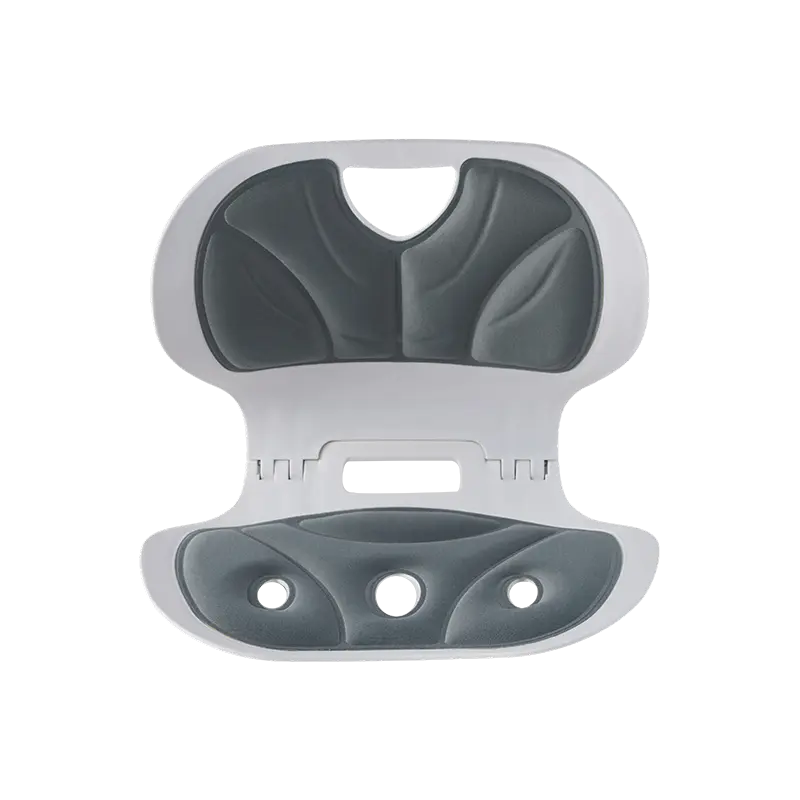
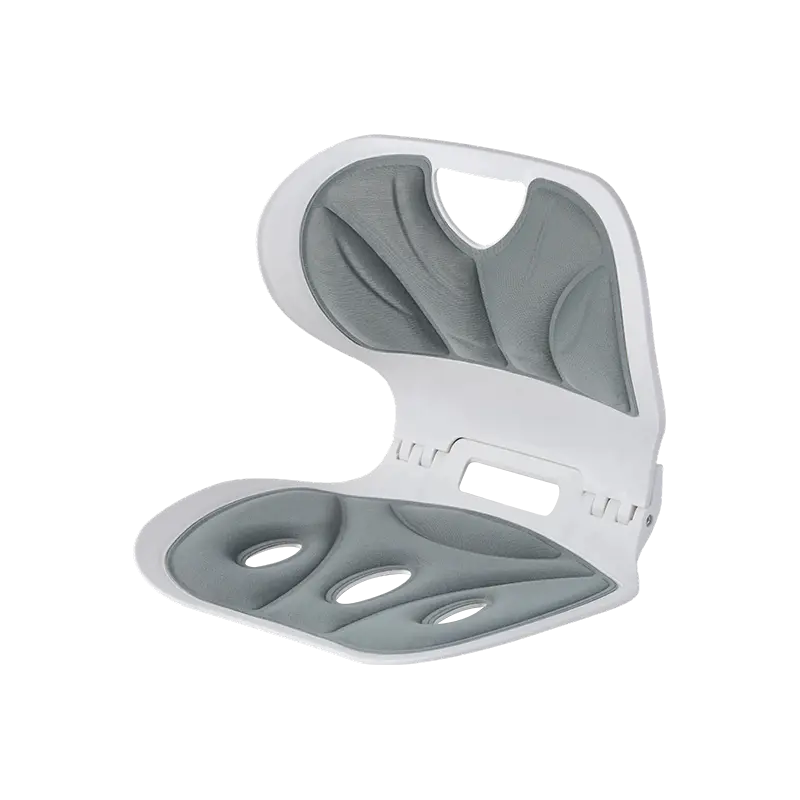
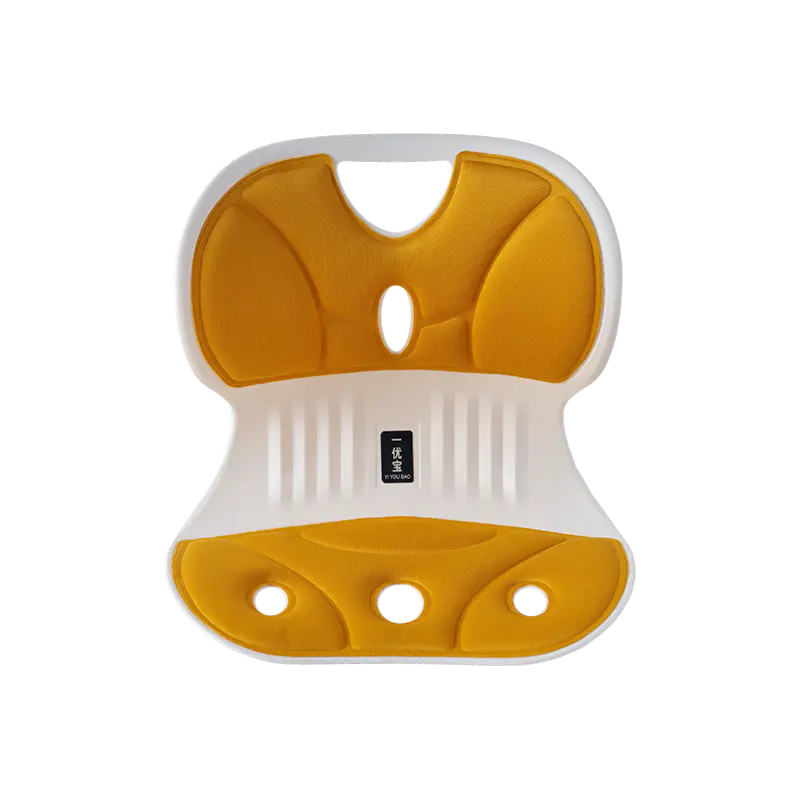
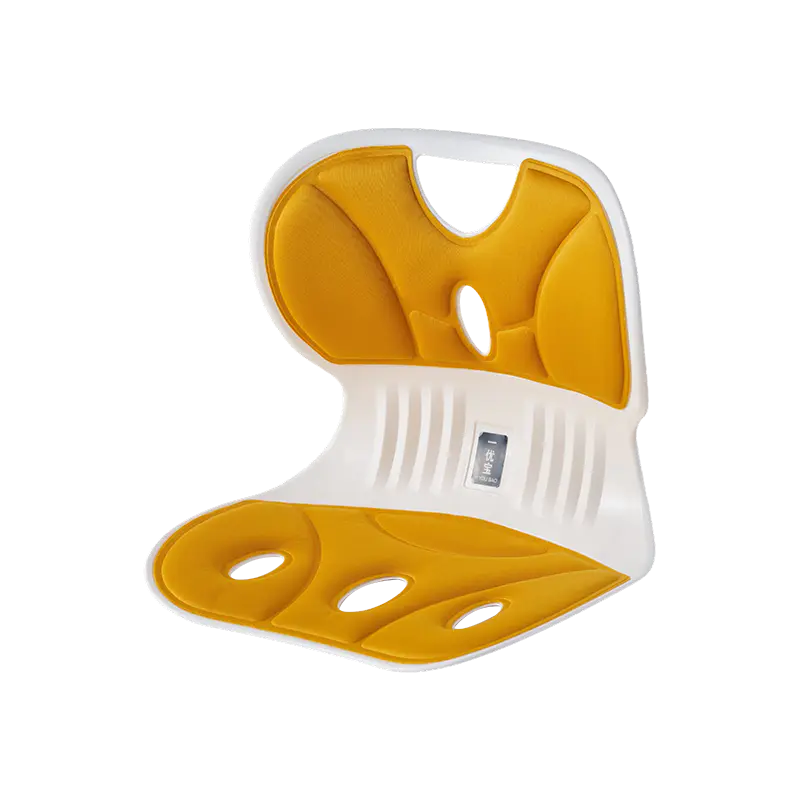
A lumbar support backrest is a cushioned device designed to fill the gap between a seated person's lower back and the back of a chair or car seat. Most standard seats — whether office chairs or vehicle seats — are built to a general shape that does not account for the natural inward curve of the lumbar spine. Over time, sitting without proper support flattens that curve, placing strain on the surrounding muscles, discs, and joints.
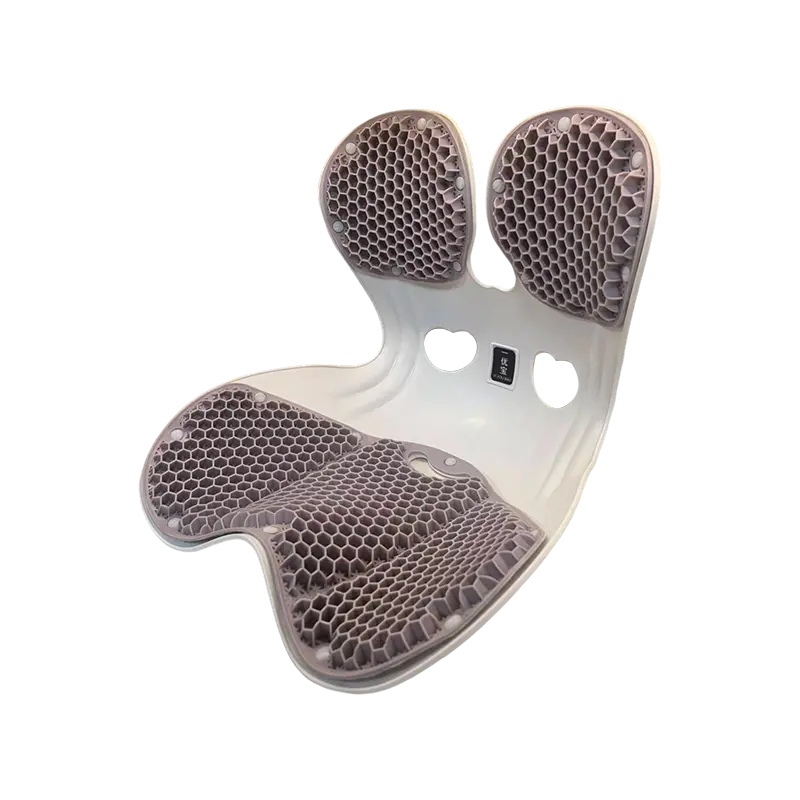
The device itself typically consists of three components working together:
- A supportive core — made from foam, gel, or a combination of both, this is the material that pushes back against the lower spine to maintain its natural position.
- An ergonomic outer shell or contoured shape — designed to follow the curve of the lumbar region rather than pressing flat against the back.
- An attachment system — usually elastic straps or hooks that secure it to a seat back, preventing it from sliding out of position during use.
Unlike a full seat cushion or a chair replacement, it targets a specific zone: roughly the area between the bottom of the ribcage and the top of the pelvis. When positioned correctly, it reduces the muscular effort required to hold the spine upright, which is what makes it useful for people who sit for extended periods. The effectiveness of any given product depends heavily on what the core is made from — which is exactly why the foam versus gel question matters so much in practice.
What Most People Get Wrong About Lumbar Support Materials
Most buyers assume that softer automatically means better support. That assumption leads to poor purchases.
- Soft materials can feel comfortable at first but may fail to hold the spine in a neutral position over time.
- Firmness alone does not equal quality — density, structure, and breathability all play a role.
- Many people choose a cushion based on price or appearance rather than how it performs during long sitting sessions.
The real question is not which material is softer or firmer. The real question is: which material matches your specific daily use pattern?
How Memory Foam Works — and Who It Suits
Memory foam responds to body heat and pressure. It molds gradually to the shape of your lower back, creating a personalized fit.
Advantages of memory foam:
- Conforms closely to the natural curve of the spine
- Distributes pressure evenly across the contact surface
- Reduces concentrated stress on the lumbar region
- Provides a "wrapped" sensation that many users find reassuring
Limitations to be aware of:
- Retains heat, which can feel uncomfortable in warm environments or after extended use
- May compress over time, reducing its supportive height
- Can feel too yielding for users who need firm, structured support
Memory foam tends to work well for:
- Office workers sitting at desks for long stretches
- People who want cushioned contact and minimal pressure points
- Those in cooler or climate-controlled environments
How Gel Support Behaves Differently
Gel-based cushions take a different approach. Rather than molding to the body through heat, gel relies on a stable, responsive structure that pushes back evenly.
Advantages of gel:
- Naturally dissipates heat, keeping the surface cooler during use
- Maintains consistent shape and support height over time
- Provides steady, firm-feel support without the sinking sensation
Limitations of gel:
- Less conforming to individual body curves compared to memory foam
- Can feel rigid to users who prefer a softer, contoured experience
- Heavier than foam in some configurations
Gel tends to perform well for:
- Long-distance drivers or commuters spending hours in a vehicle seat
- Users in warmer climates or who tend to overheat while sitting
- People who have experienced foam cushions that "bottomed out"
Memory Foam vs. Gel: Side-by-Side Comparison
| Feature | Memory Foam | Gel |
|---|---|---|
| Contouring | Molds to body shape | Limited contouring |
| Pressure Relief | High | Moderate |
| Heat Retention | Tends to retain heat | Dissipates heat well |
| Firmness Over Time | May soften with use | Stays consistent |
| Comfort Feel | Soft, cushioned | Firm, stable |
| Ideal Environment | Air-conditioned spaces | Warm or outdoor settings |
| Driving Use | Moderate | Strong |
| Office Use | Strong | Moderate |
No single material wins across every category. What matters is which column aligns with your situation.
Which Material Is Right for Your Situation?
This is where the real decision lives. Match your use pattern to the material profile.
Choose memory foam if you:
- Sit at a desk or workstation for most of the day
- Work in a temperature-regulated office environment
- Prefer a cushioned, body-hugging feel
- Have lower back pain related to pressure buildup
Choose gel if you:
- Drive regularly for extended periods
- Frequently feel warm or sweat during long sitting sessions
- Have previously used foam cushions that lost their shape
- Need consistent support without gradual compression
Consider a hybrid gel-infused foam if you:
- Want the contouring of foam with improved heat management
- Sit in both office and vehicle settings throughout the day
- Are replacing a cushion that either felt too hot or too flat
The scene you sit in most of the time should drive your material choice.
Does Material Quality Matter More Than Material Type?
The honest answer is yes — and this point is often overlooked in product comparisons.
A high-density foam cushion will outperform a low-quality gel product every time. The same is true in reverse. What you are actually purchasing is not just a material category — it is a specific formulation, density, and structural design.
Key quality indicators to evaluate:
- Foam density: Higher density foams retain their shape longer and provide more consistent support.
- Cover material: Breathable mesh covers significantly reduce heat buildup, regardless of the internal material.
- Ergonomic curve: The backrest should follow the natural lumbar curve (roughly 3 to 5 centimeters of inward curve) rather than sitting flat.
- Attachment system: A secure strap or clip system keeps the cushion in place during movement.
When evaluating products, look past the foam-versus-gel label and examine how the product is constructed overall.
Key Design Features That Affect How Well a Backrest Performs
Even a good material will underperform in a poorly designed product. Here is what to look for in the physical design:
- Anatomical curve alignment — The cushion should match the lumbar region specifically, not just press flat against the mid-back.
- Width and height dimensions — A cushion that is too narrow will not support the full width of the lower back.
- Adjustable positioning — Some backrests include height-adjustable straps, allowing users to position the support precisely where they feel discomfort.
- Removable and washable covers — Hygiene matters in long-term use, especially in vehicles.
- Non-slip backing — Prevents the cushion from shifting during movement, which would negate its positional support.
These features determine whether a cushion stays effective through hundreds of hours of use.
Are Hybrid Gel-Infused Foam Cushions Worth Considering?
Hybrid options — typically memory foam infused with gel particles or gel layers — have grown in popularity for a practical reason: they attempt to balance the strengths of both materials.
What a hybrid design offers:
- The contouring and pressure distribution of memory foam
- Reduced heat retention through gel infusion
- A middle-ground firmness that suits a wider range of users
Where hybrids still have limits:
- Gel infusion improves but does not fully eliminate heat retention
- Quality varies widely depending on the manufacturing process
- Not all "gel-infused" products contain meaningful amounts of gel material
For users who sit in multiple environments or simply cannot decide between materials, a well-made hybrid may reduce the need to choose.
Common Mistakes When Selecting a Back Support Cushion
Avoiding these errors will save you from a purchase you regret:
- Choosing by softness alone — A cushion that feels plush in hand may provide inadequate resistance once you apply sustained body weight.
- Ignoring the cover material — An internal foam or gel core can be excellent, but a non-breathable cover will cause discomfort in any extended session.
- Selecting the wrong size — A cushion sized for a sedan seat may not fit properly in an office chair, and vice versa.
- Skipping the attachment evaluation — A cushion that slides down within minutes of sitting provides no sustained benefit.
Assuming all products of the same material type perform equally — Density, manufacturing standards, and ergonomic design create enormous variation within both foam and gel categories.
Memory Foam or Gel: Making the Final Call
To summarize where each material performs well:
- Memory foam suits users who prioritize contouring, pressure relief, and a cushioned feel in stable, cooler environments.
- Gel suits users who need consistent shape retention, heat dissipation, and firm support in warmer or more active sitting conditions.
- Hybrid options offer a practical middle ground for users who value both contouring and temperature management.
Neither material is universally better. The right choice depends entirely on your environment, sitting duration, and what kind of discomfort you are trying to address. If you spend most of your time at a desk in an air-conditioned space and need relief from pressure buildup, memory foam is likely the better fit. If you drive long distances and frequently feel overheated in your seat, a gel or gel-infused option will serve you better. Taking a few minutes to identify your actual use conditions before purchasing will save you from buying a product that solves the wrong problem.
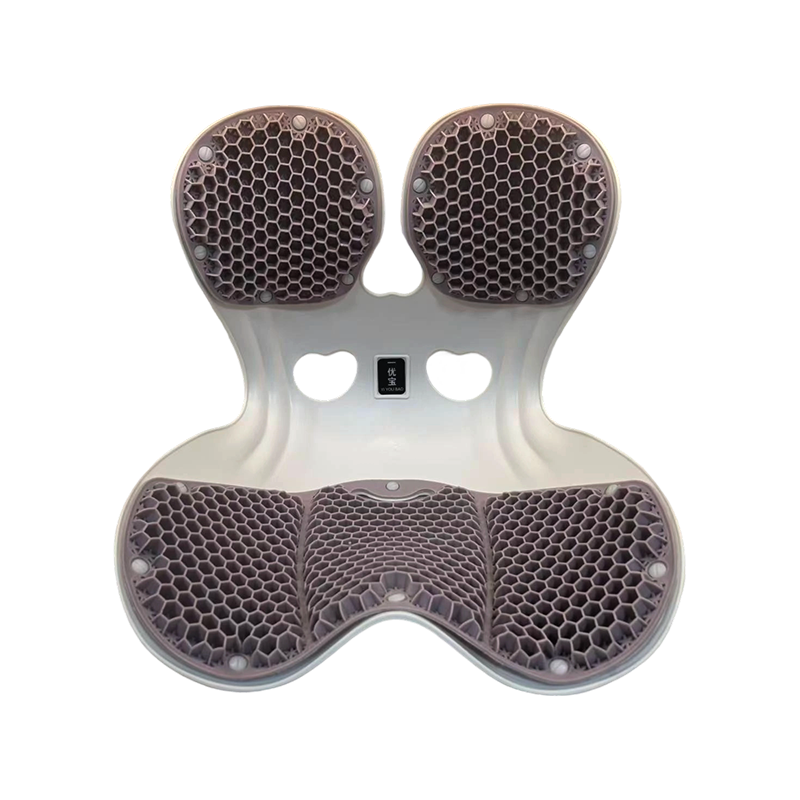
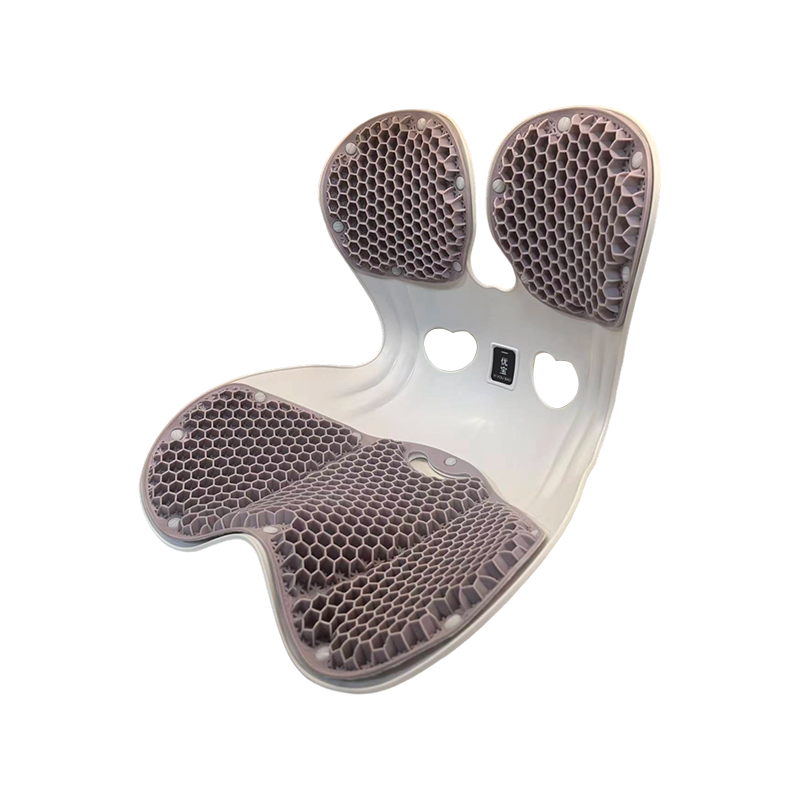
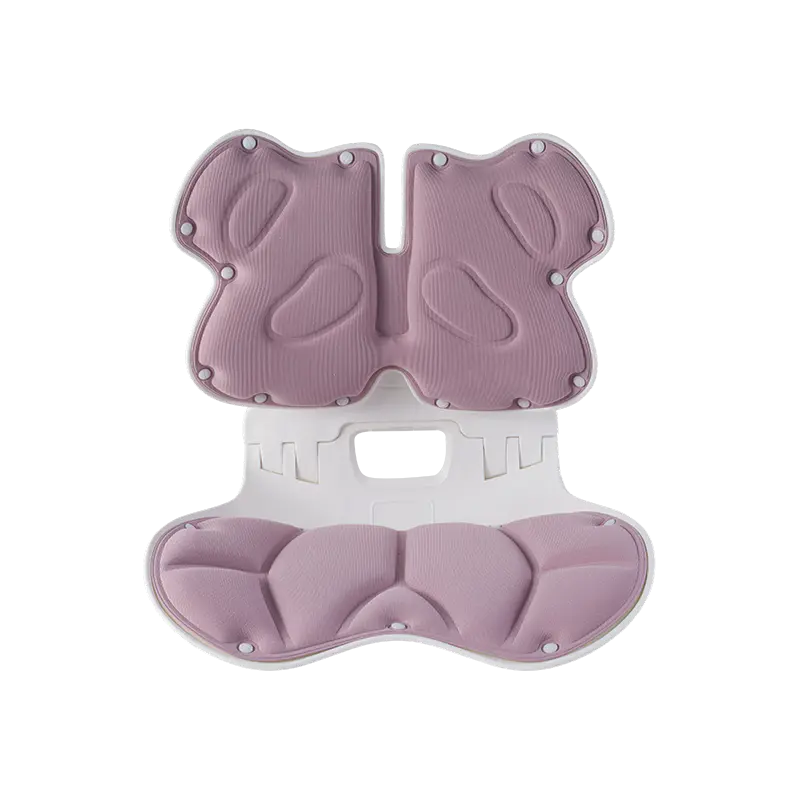
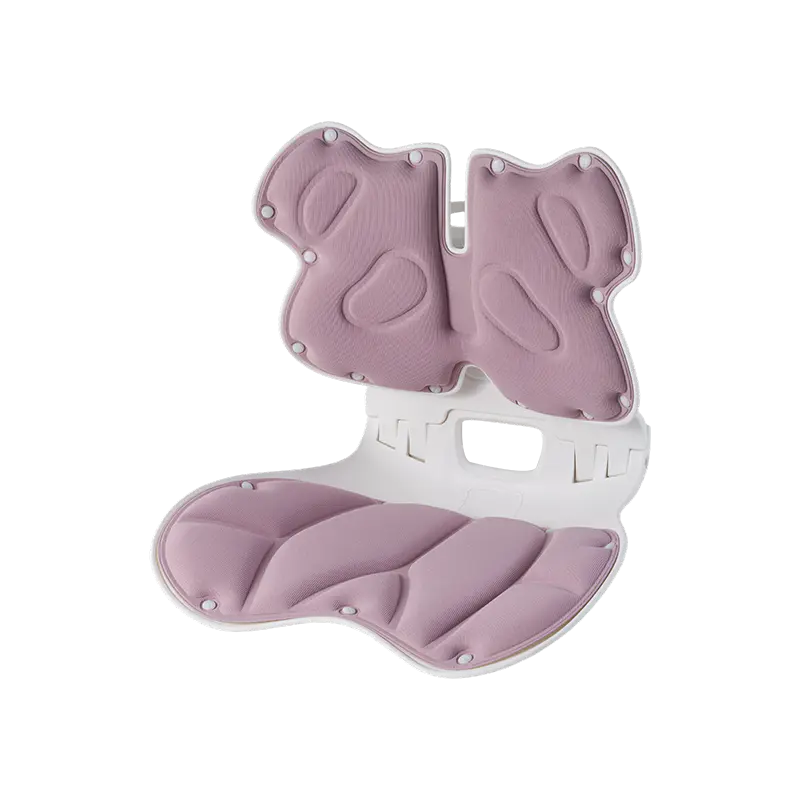
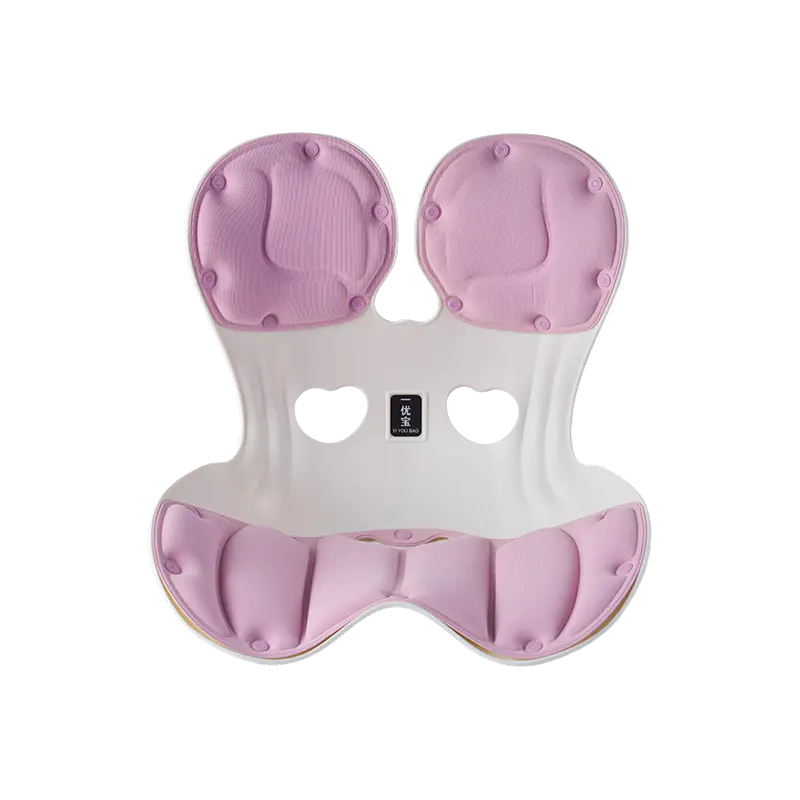
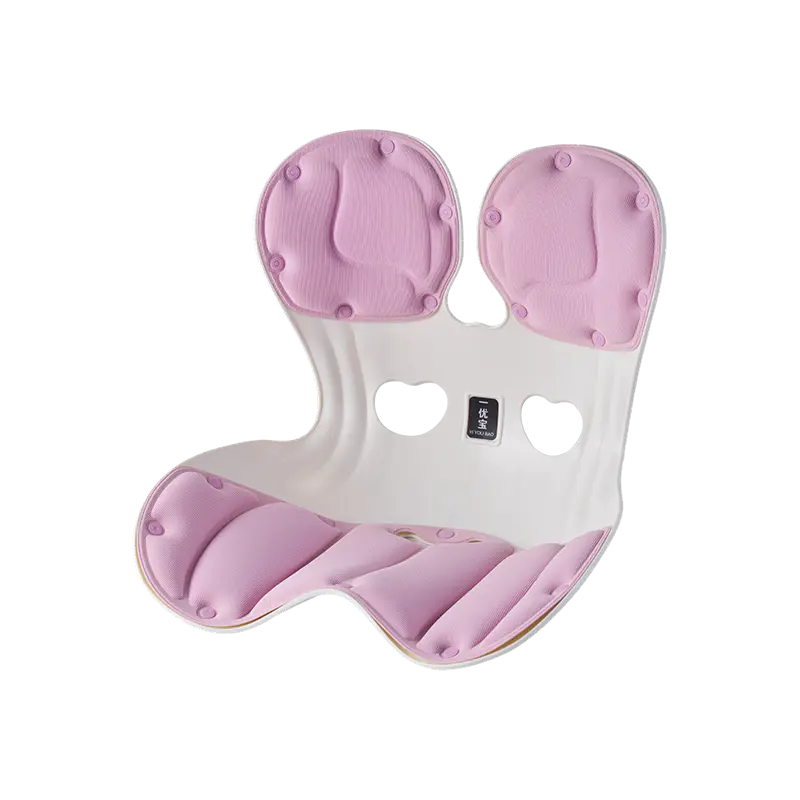
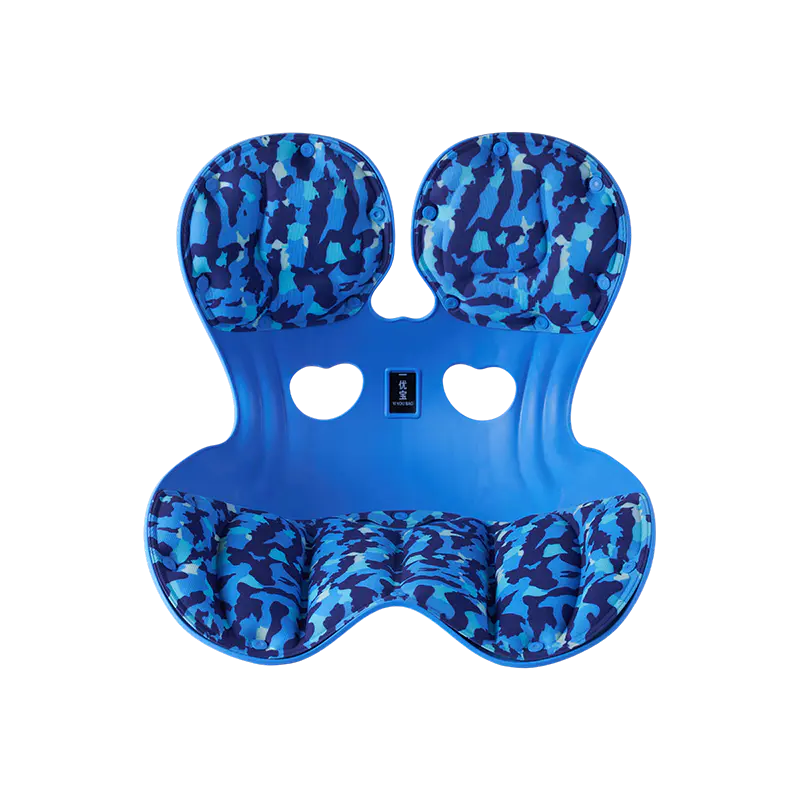
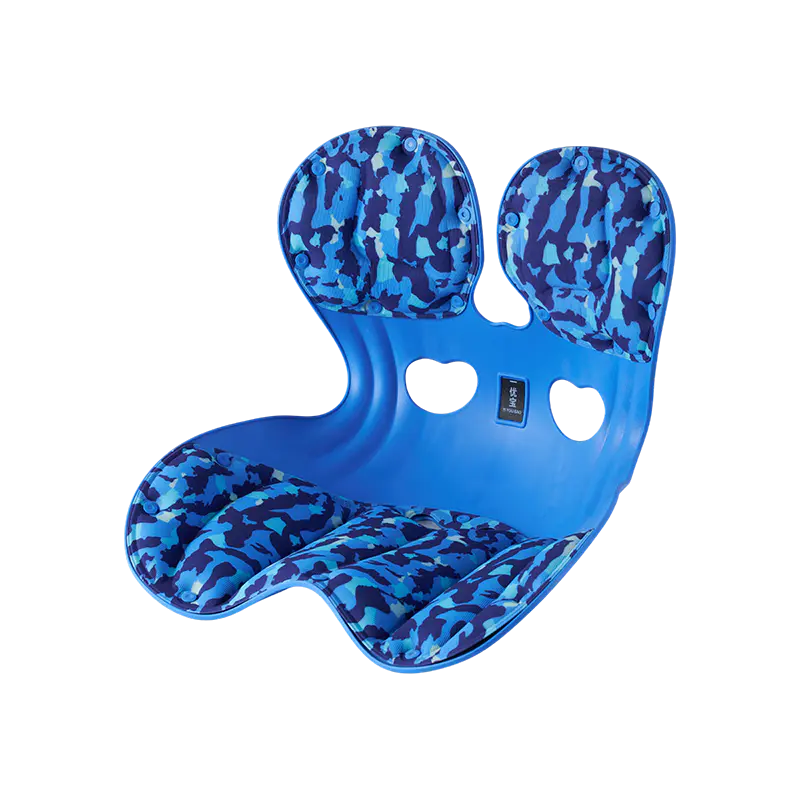
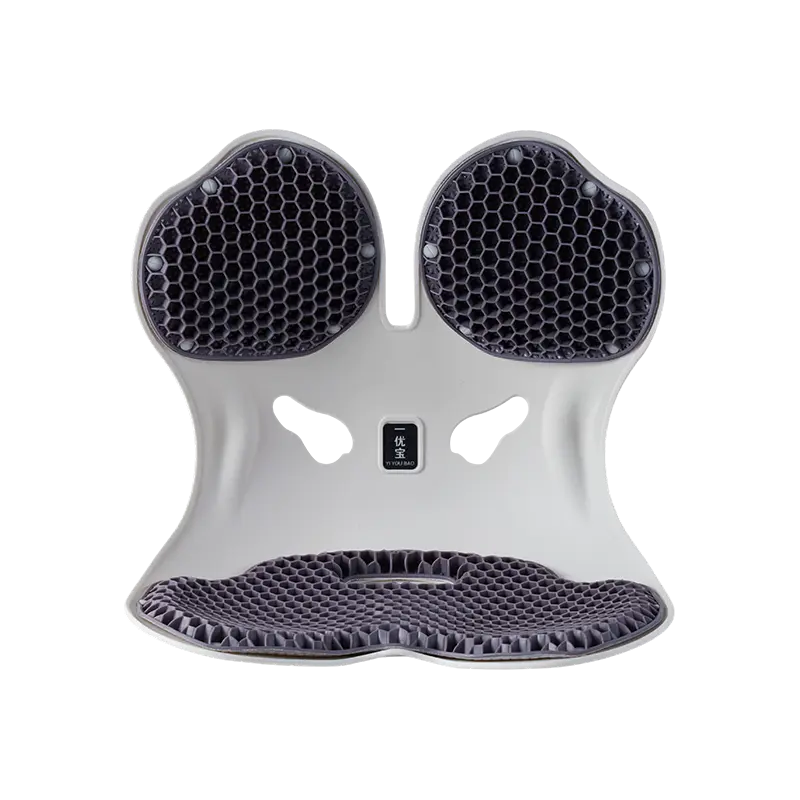
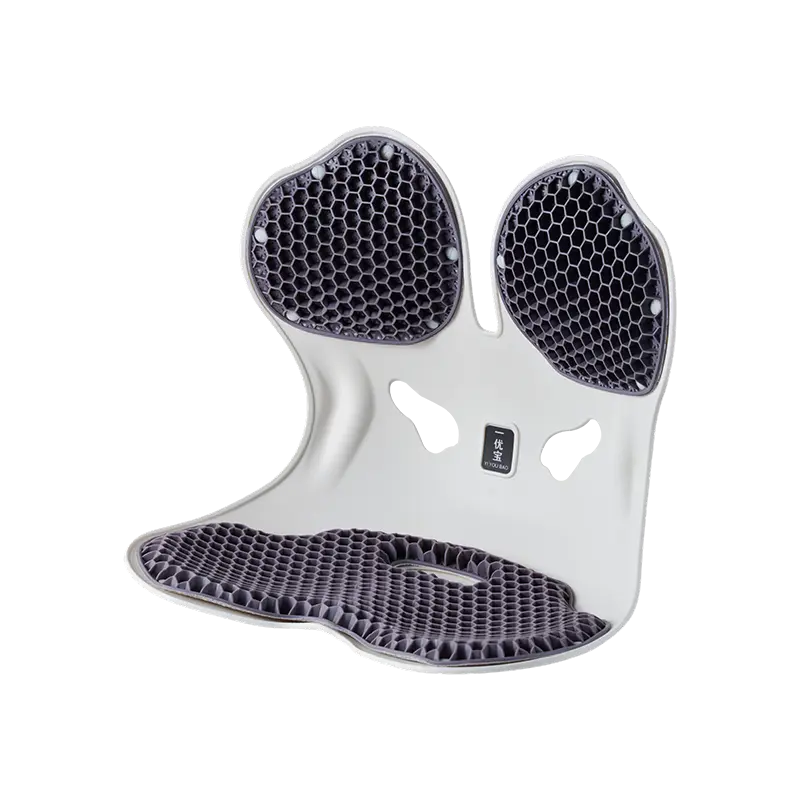
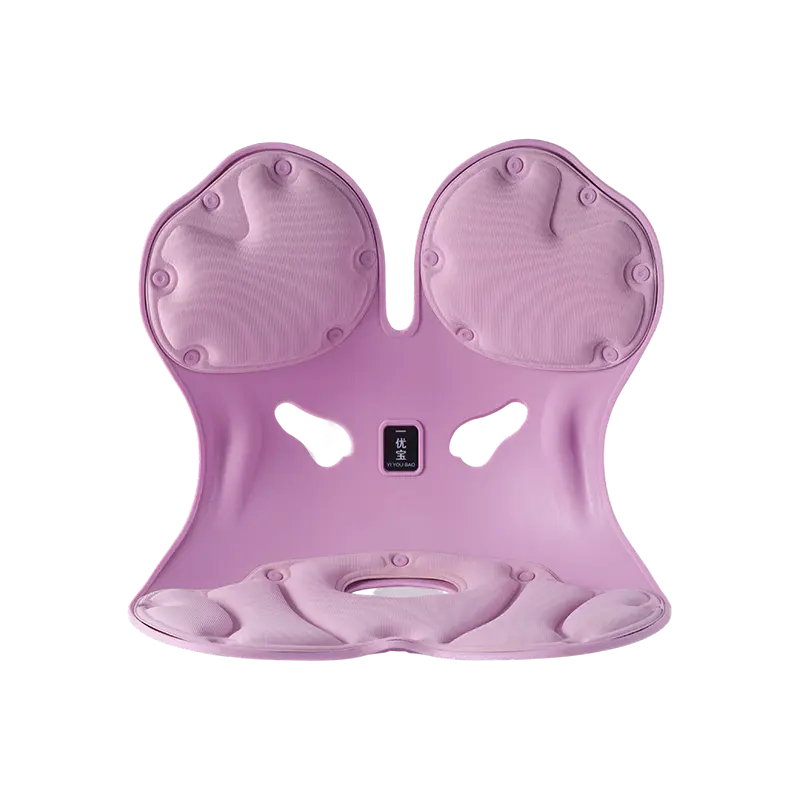
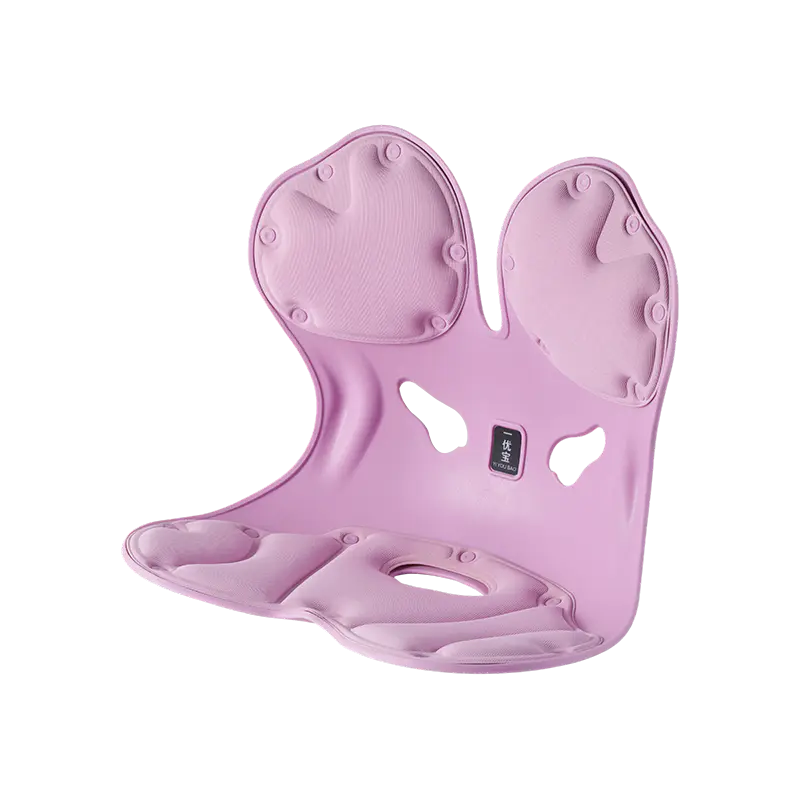
For buyers sourcing in volume or looking for manufacturing-grade solutions, Yongkang Yiyoubao Technology Co., Ltd. produces lumbar support products built on high-density foam and breathable structural designs, with OEM capability for custom specifications. Whether you need a standard office backrest or a driving-specific ergonomic solution, their production line can accommodate varying material configurations and design requirements. Reaching out directly allows you to discuss material density, cover options, and attachment systems that match your target user's needs — rather than settling for a generic shelf product that may fall short.
 Previous