English
 中文简体
中文简体
Industry News
Someone who buys a lumbar cushion for their home office chair often has good intentions about bringing it along on a work trip or tossing it in the car for a long drive — until they actually try to pack it and realize it takes up half a carry-on bag. A cushion that's genuinely useful during long stretches of sitting loses a lot of that value the moment it becomes a hassle to carry or store. If it's too bulky, it just stays parked at the desk instead of traveling with the person who actually needs it. For buyers, the real challenge isn't only finding something comfortable — it's finding a design that can move easily between a desk, a car seat, a living room, and wherever else the day takes them.
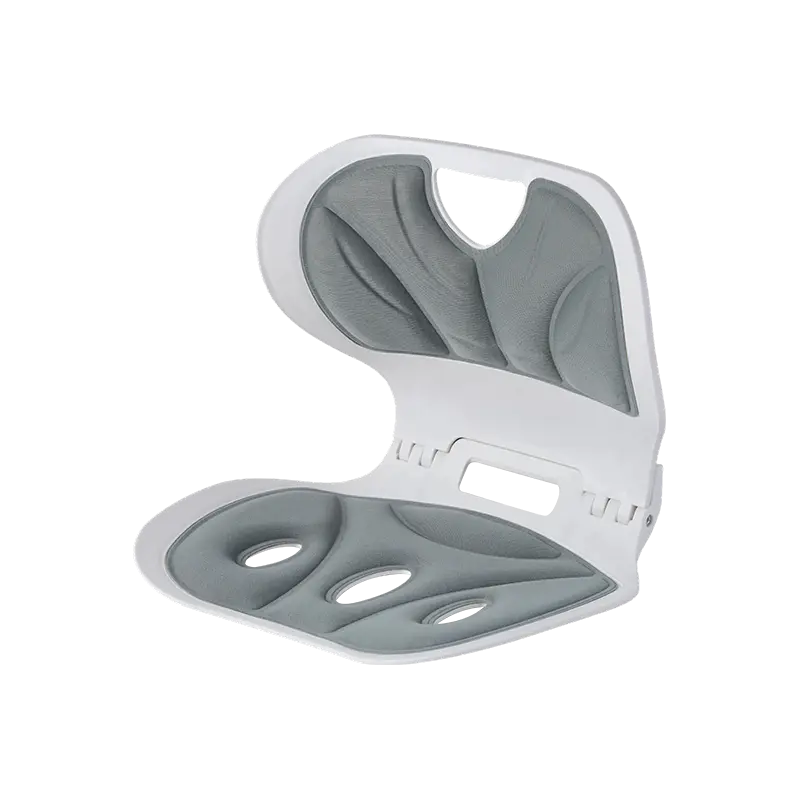
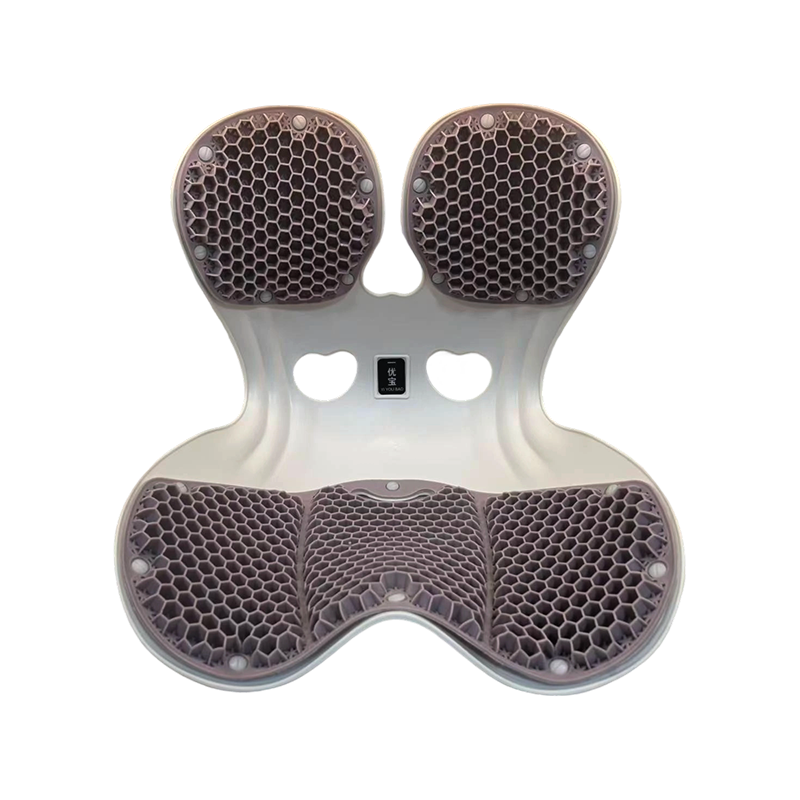
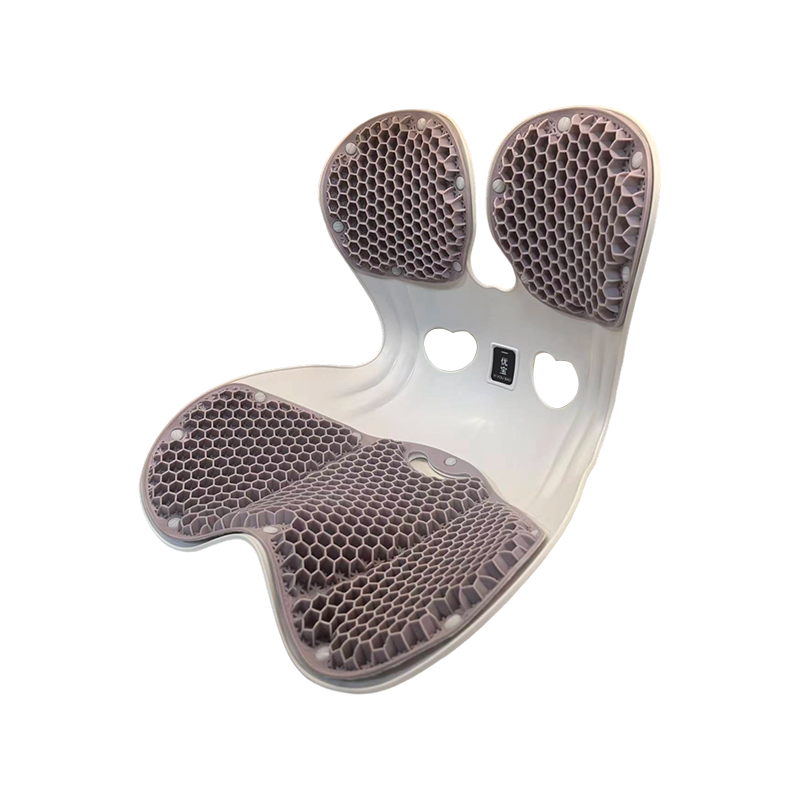
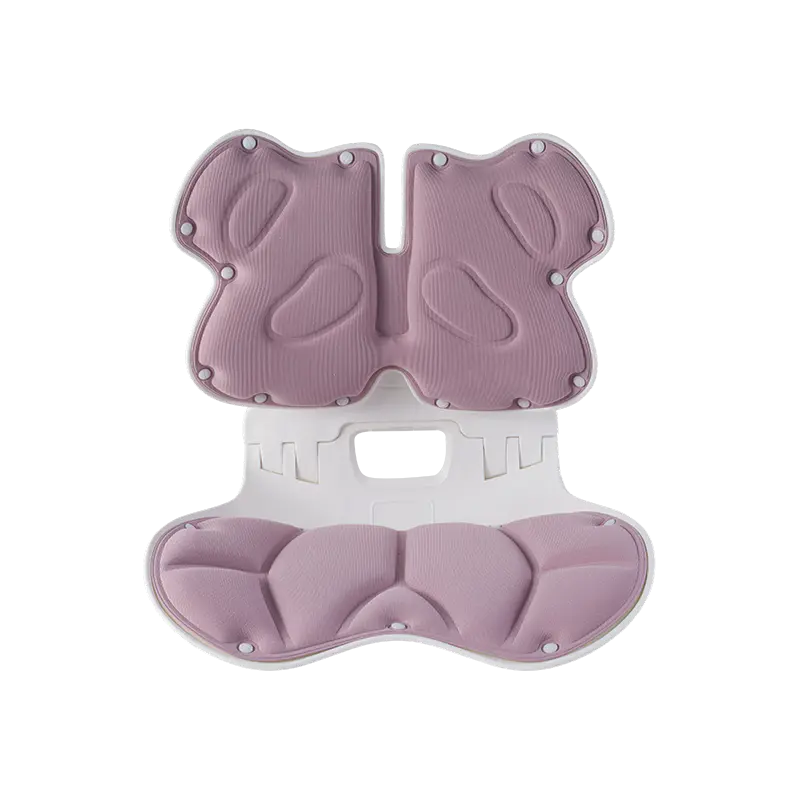
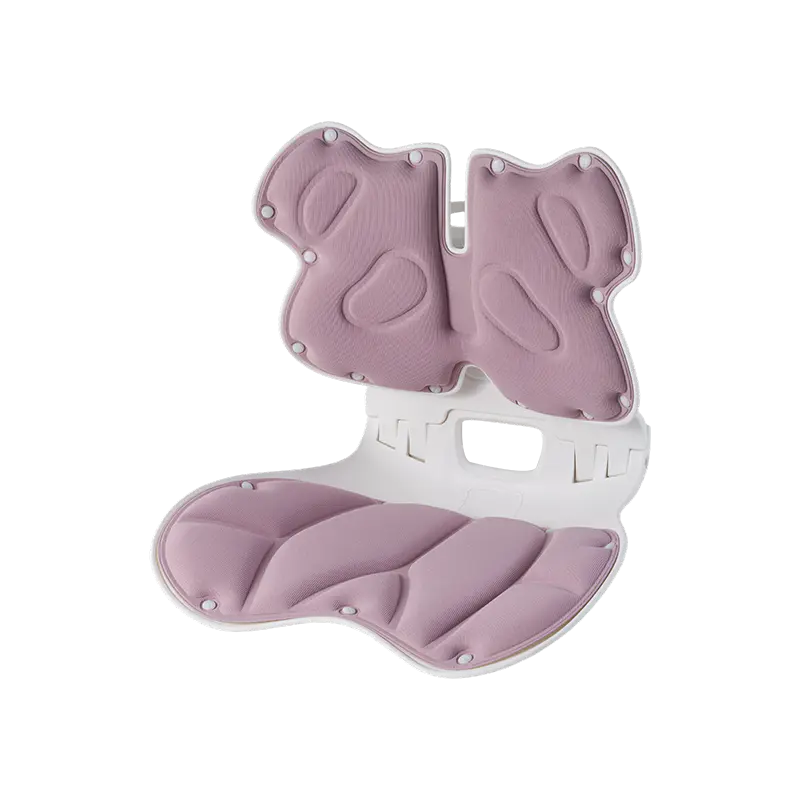
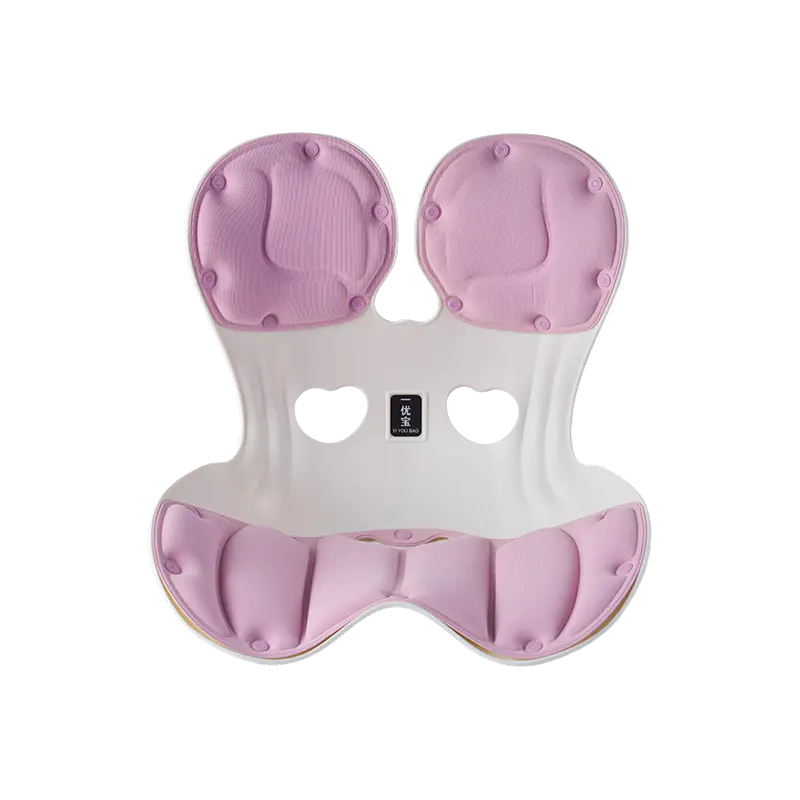
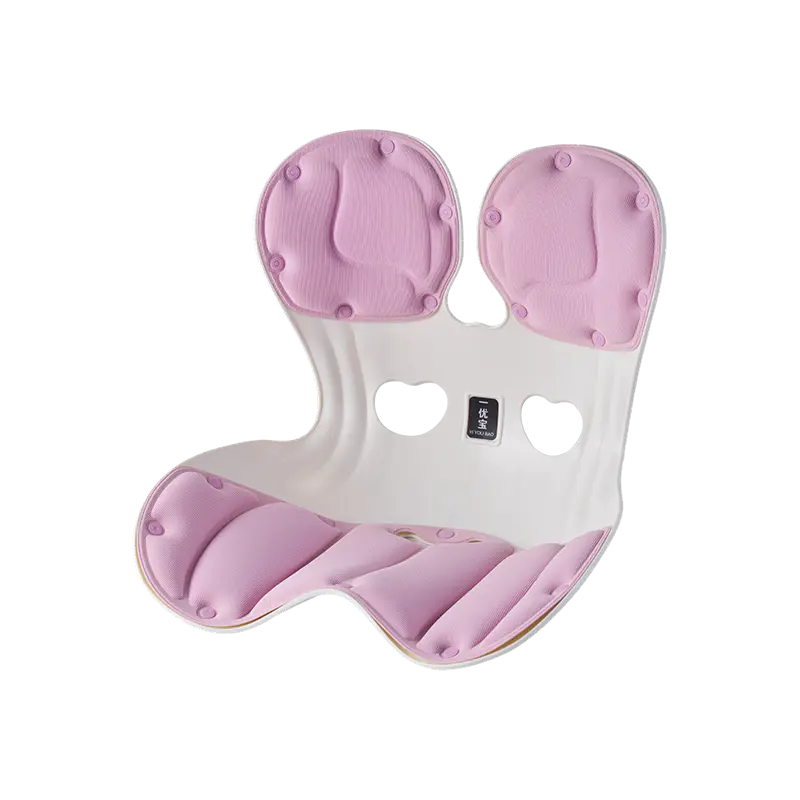
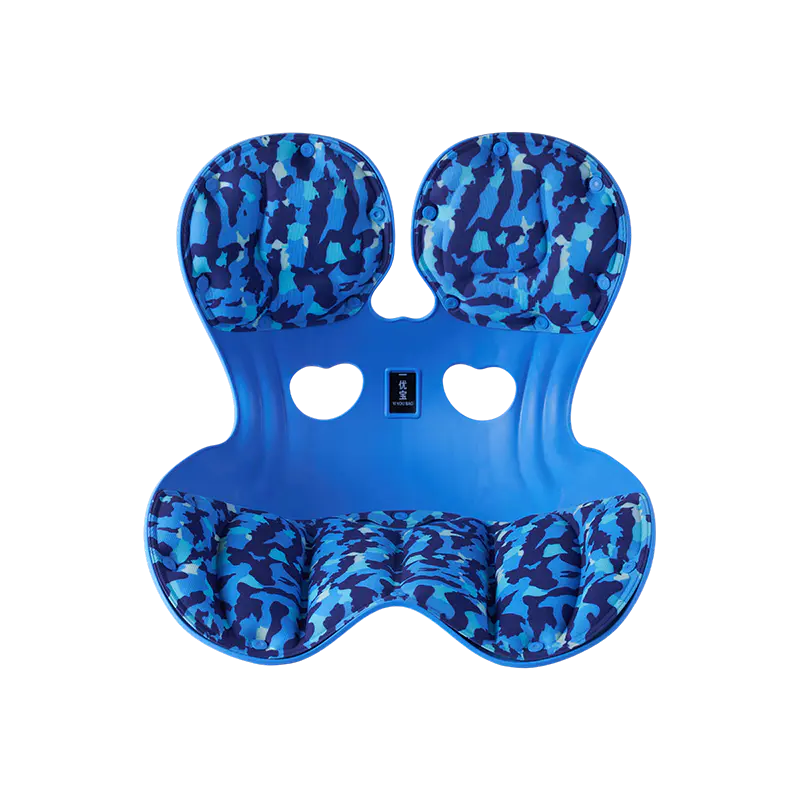
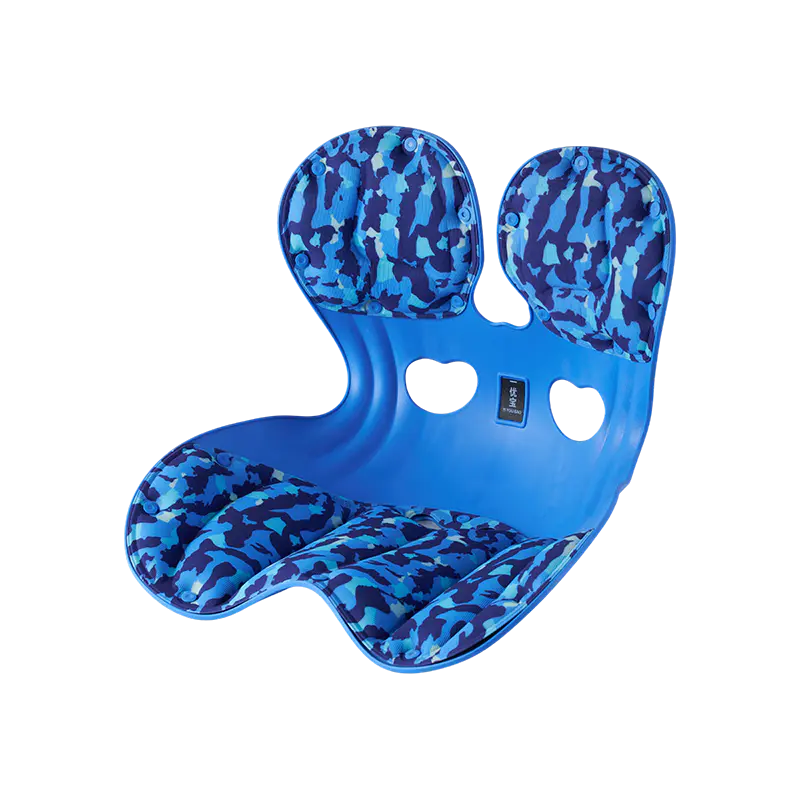
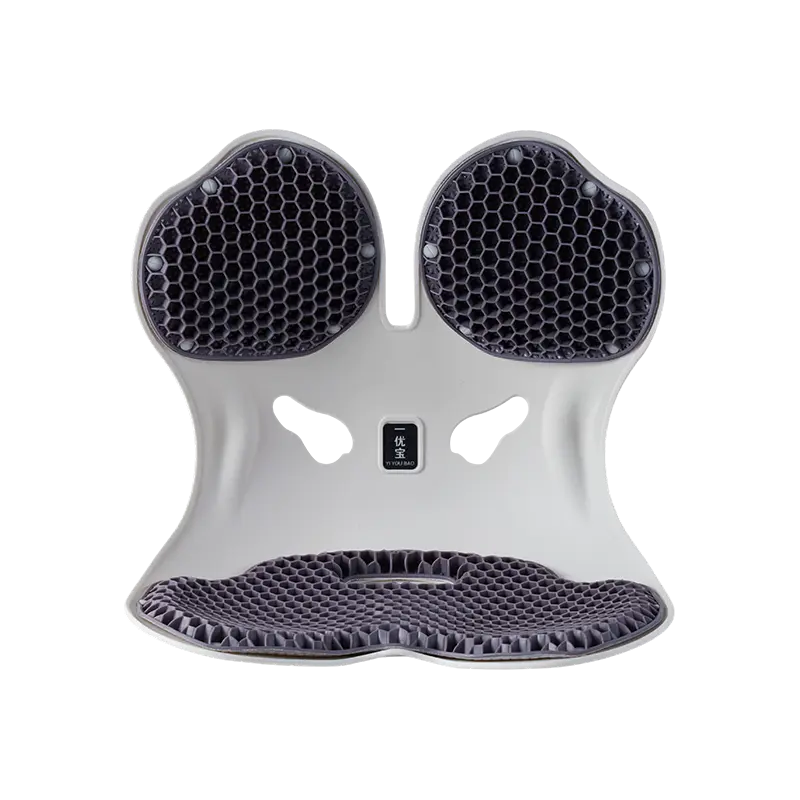
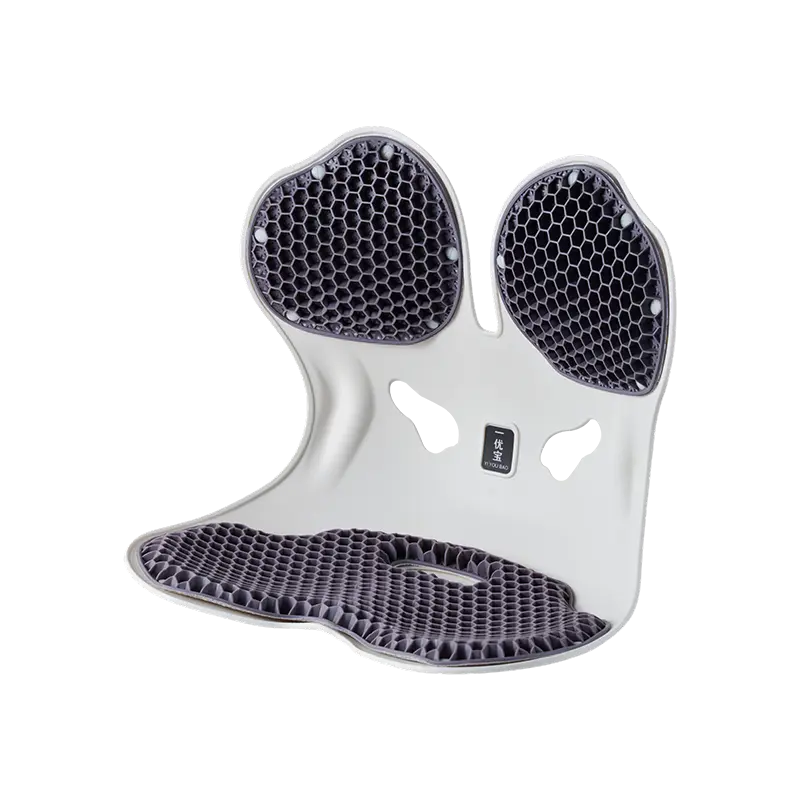
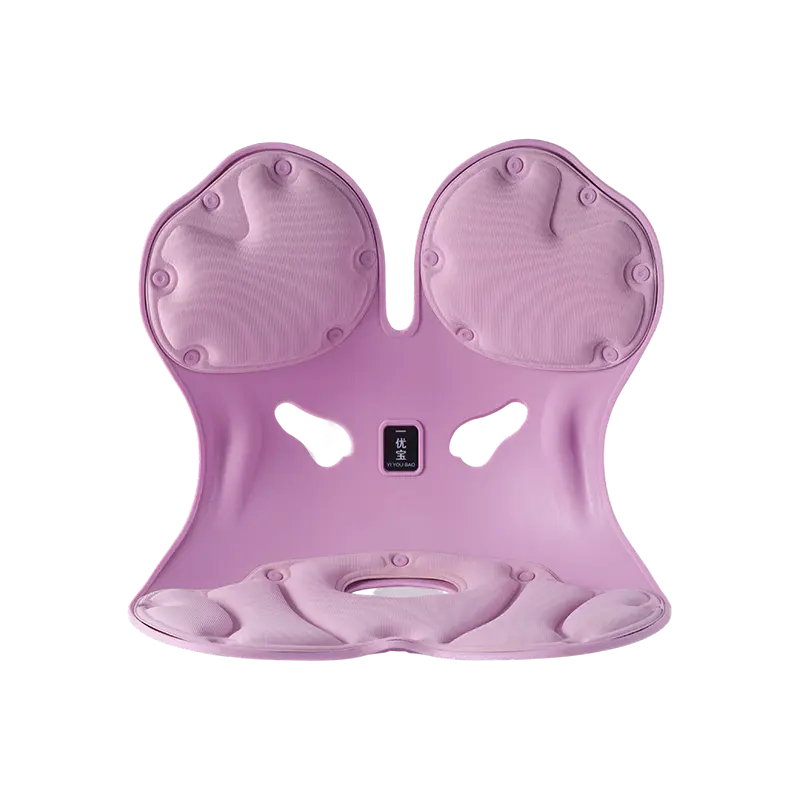
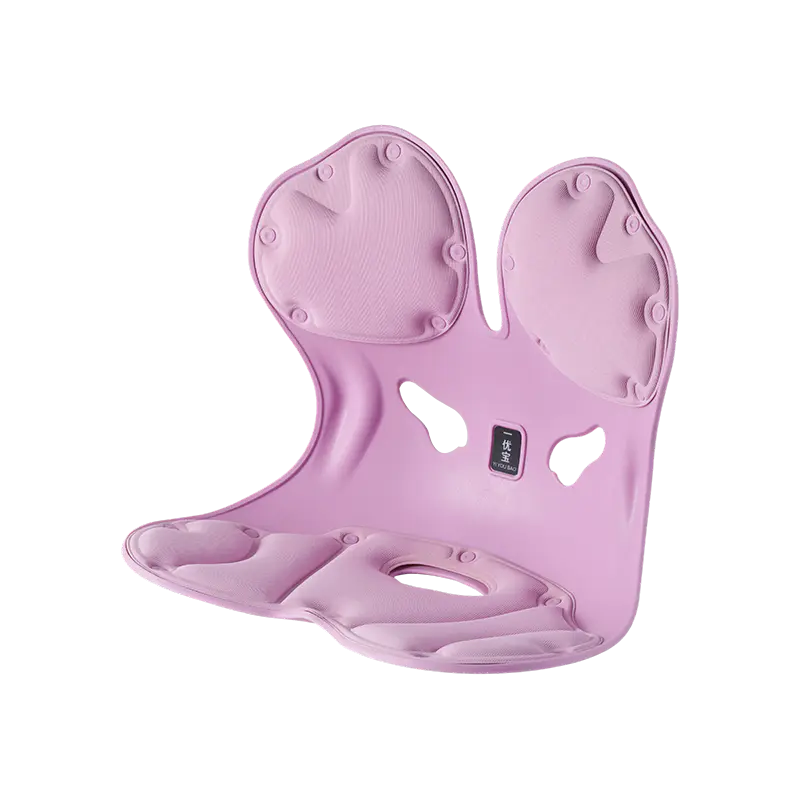
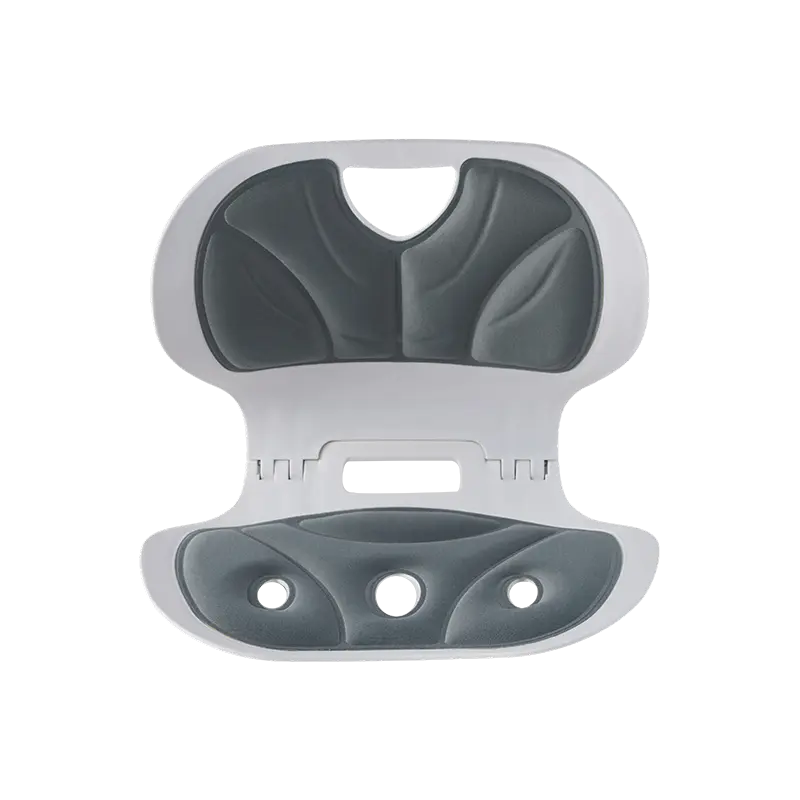
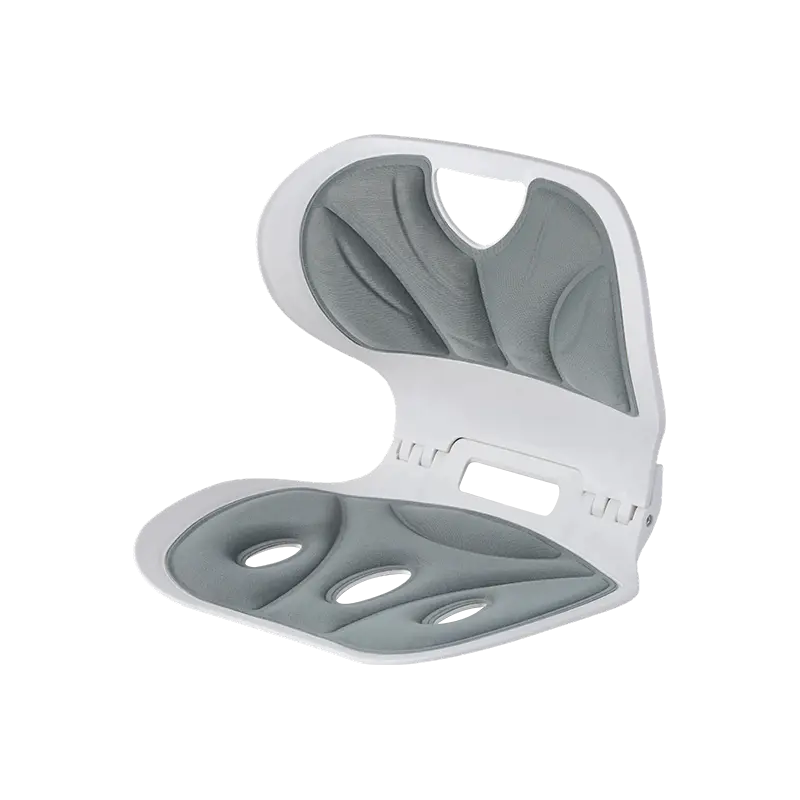
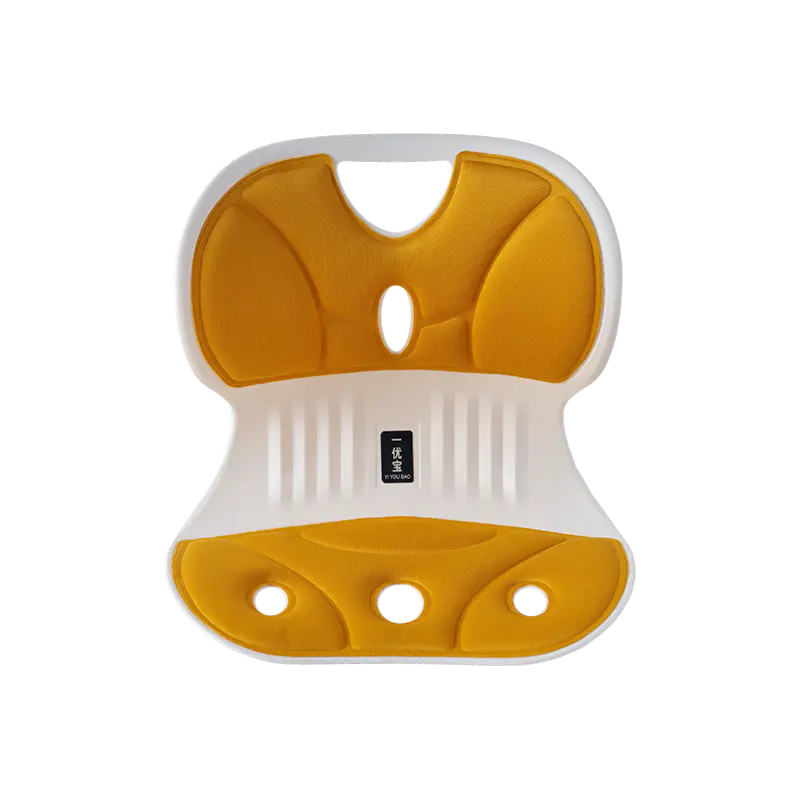
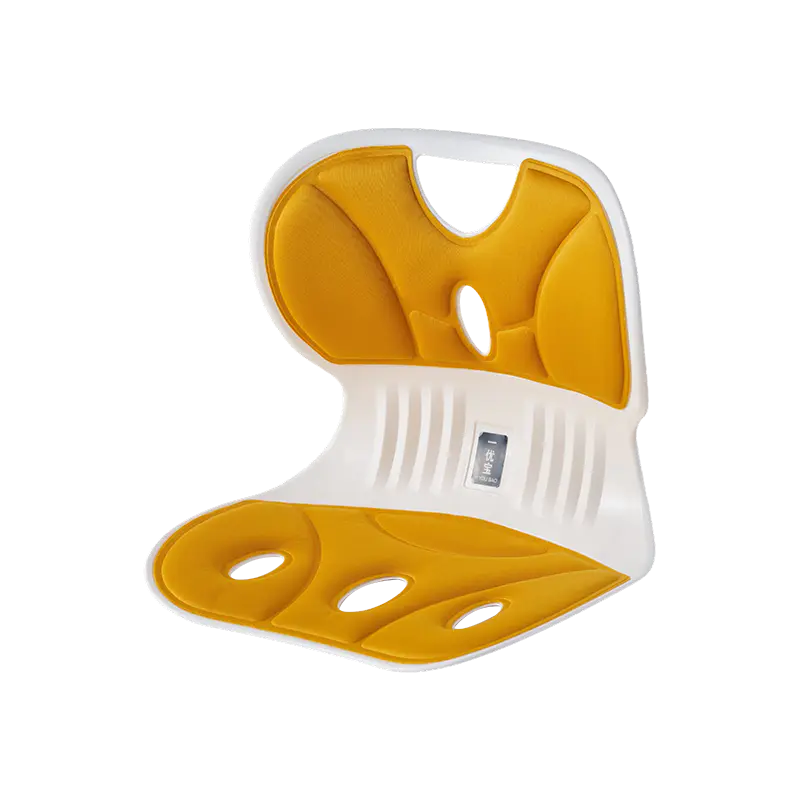
A Foldable Lumbar Support Cushion addresses this directly by pairing lumbar support with a design meant for easier storage and transport. But folding alone doesn't guarantee something's actually portable. The cushion's internal structure, the materials it's made from, how it folds, its shape once folded, any carrying features built in, and how well it holds up to repeated storage all shape how convenient it actually is to use outside one fixed spot.
As people bounce between different work settings and travel more for both work and leisure, portable seating accessories are becoming a genuine part of everyday routines rather than a niche product. Getting the design right means balancing real support with the practical reality of someone actually having to carry and store the thing.
Why Foldability Actually Matters Here
Traditional cushions are usually built to stay put. They work fine sitting on an office chair, a couch, or a car seat, but the moment someone tries to move them, an awkward shape that won't compress or fold becomes a real problem — try shoving a rigid, oversized cushion into an already-packed overnight bag.
A foldable design changes that relationship entirely.
Once a cushion can actually fold down, it becomes something someone can tuck into a bag, leave in a car's glove box or under a seat, or slide into a drawer when it's not in use. The goal isn't just making it smaller for the sake of it — the folding method needs to actually make sense given how the cushion is built in the first place.
A few factors shape this:
| Design Factor | Portability Consideration |
|---|---|
| Folding structure | Determines how easily the cushion stores away |
| Cushion shape | Affects how much space it takes up while being carried |
| Material choice | Affects how it handles and how flexible it feels |
| Weight | Affects how comfortable it is to actually carry |
| Carrying method | Makes moving it between locations easier |
| Surface design | Can affect how cleanly it folds and stores |
A good folding system should be obvious at a glance. Nobody wants to stand there fumbling with a cushion for five minutes trying to figure out how it's supposed to collapse down before they can leave the house.
This matters most for people who genuinely use the same cushion across several different spots — a car commute in the morning, a desk chair all day, then maybe a recliner at home in the evening.
How Cushion Structure Shapes Storage Behavior
The internal and external build of a lumbar cushion determines a lot about how it behaves once someone tries to fold it.
Some cushions are built around one central folding point. Others use separate sections that let the whole thing bend down into a more compact shape. Which approach makes sense depends on how the support function itself is arranged inside the cushion.
A fold point shouldn't make the cushion awkward to handle. Someone needs to be able to unfold it and get it back into its proper shape without wrestling with it every single time.
Structure also affects how stable the folded cushion stays. One that pops back open unexpectedly while sitting in a bag is genuinely annoying — nobody wants to open their backpack and find the cushion has sprung back to full size, crushing whatever else was packed around it.
For product designers, the real challenge is building a structure that does two things at once:
- Delivers actual lumbar support while it's in use
- Folds down practically when it's time to pack it away
These two goals have to work together, not against each other. A structure built purely around support tends to resist folding altogether. One built purely around compact storage might not hold its shape well enough to actually support someone's lower back once it's unfolded and in use. Finding that balance is really the core problem foldable cushion design has to solve.
What Role Material Choice Plays in Portability
Material selection shapes both how the cushion feels and how easily it travels.
A flexible outer cover tends to make folding smoother. A firmer, more structured material helps the cushion hold its intended shape once it's unfolded and back in a chair. The padding inside plays into this too — it affects how easily the whole thing compresses down when folded.
So material really needs to get considered as part of the whole product, not picked based on just one trait in isolation.
A cushion with a soft, pleasant outer cover might feel nice to handle, but the support structure underneath still has to actually accommodate the folding motion without cracking or losing shape over time. On the flip side, a design built purely for compactness might pack down beautifully but fail to deliver the support someone actually bought it for.
Material choice touches on:
- How flexible the cushion feels when folding it
- How predictably it folds each time
- How much the whole thing weighs
- How it feels against someone's back during use
- Whether it holds its shape after repeated folding
- How easily it can be wiped down or cleaned
- How conveniently it stores away
Manufacturers need to weigh these together rather than optimizing for just one at the expense of the others. This relationship between material and structure gets especially important for a cushion that's genuinely meant to travel back and forth between locations on a regular basis, not just sit in one spot most of the time.
How Weight Affects Everyday Portability
Weight barely registers when someone's just testing a cushion out at home, sitting in a chair. It becomes a lot more obvious once that same cushion has to get carried around all day.
Someone might grab it off their bed, bring it to a home office, then later toss it in the car for a work trip, then carry it into a client's office for a meeting. All that repeated handling changes how heavy the product actually feels in practice, even if the number on a spec sheet never changes.
A genuinely portable cushion needs to feel manageable through all of that ordinary handling.
Weight factors into whether someone actually:
- Tosses the cushion into their personal bag without a second thought
- Leaves it in the car permanently instead of carrying it back and forth
- Keeps it in a desk drawer at work for easy access
- Moves it between different chairs around the house or office
- Actually packs it for a trip instead of leaving it behind
The cushion doesn't need to be feather-light — it just needs to match how people are actually going to use it day to day. For a cushion mostly staying put at home, weight matters less. For something marketed toward travelers or commuters, it becomes a much bigger part of the purchasing decision. This is exactly why manufacturers need to nail down the intended use case before they even start designing the folding mechanism.
Can the Folding Method Improve Storage Convenience
The actual folding method has a direct effect on how much effort someone spends getting the cushion ready to pack up and go.
A good design makes this process feel obvious rather than something that needs a set of instructions. Someone should be able to look at the cushion and immediately understand where it folds and how it's supposed to sit once folded.
A practical folding sequence usually looks something like:
- Taking the cushion off the chair
- Lining up the sections that are meant to fold
- Folding it along the built-in fold line
- Securing the folded shape if the design includes a fastener
- Sliding it into wherever it's being stored
None of this should require complicated adjustments or fiddling.
The shape it folds into matters just as much as the folding process itself. A cushion that collapses into a predictable, flat-ish shape slides into a bag or storage compartment a lot more easily than one that bends into some irregular lump that doesn't sit flat against anything.
Storage isn't just about making the cushion smaller — it's about ending up with a manageable shape that actually fits into the kinds of storage spaces people already have, whether that's a backpack side pocket or a car door compartment. This matters a lot for commuters and travelers who are already juggling several other bags and items.
How Carrying Features Affect Portability
Folding shrinks a cushion down, but a good carrying feature is what actually makes moving it around easier day to day.
Depending on the design, a cushion might come with a handle, a strap, some kind of fastener, or another way of keeping the folded shape together while it's being carried.
| Carrying Feature | Practical Role |
|---|---|
| Handle | Lets someone carry it directly by hand |
| Strap | Helps it travel alongside other bags or belongings |
| Fastener | Keeps the cushion from unfolding mid-transport |
| Storage sleeve | Keeps the folded cushion tidy and contained |
| Compact case | Protects it from getting dirty or damaged in transit |
Not every cushion needs all of these features tacked on.
What makes sense really depends on the expected use. A cushion that mostly lives in a car probably doesn't need a dedicated carrying strap — it's just going to sit in the back seat most of the time. A cushion built for daily commuting, on the other hand, benefits a lot more from an easy carrying method, since it's getting picked up and moved constantly.
The carrying feature also needs to actually make sense with the folded shape. A handle stuck in an awkward spot can make an otherwise well-designed cushion annoying to actually carry. These small details end up mattering a lot more than people expect once the product's in daily use.
What Storage Environments Designers Should Actually Think Through
People end up storing these cushions in a lot of different places, and each one comes with its own space constraints.
Someone at home might shove it in a closet or slide it under furniture. An office worker might keep it in a desk drawer or a cabinet. A traveler packs it inside a suitcase alongside clothes and toiletries. A driver leaves it in the car, maybe under a seat or in a door pocket.
| Storage Location | Useful Design Consideration |
|---|---|
| Desk drawer | Needs a compact, flat folded form |
| Closet | Benefits from easy stacking or simple placement |
| Vehicle | Needs a manageable shape that stays put securely |
| Travel bag | Needs convenient folding that packs well with other items |
| Cabinet | Benefits from a stable folded structure that doesn't shift |
A cushion meant to move between several of these environments shouldn't depend on just one specific storage method working out. That's another reason the folded shape matters so much — a compact, stable form gives someone more flexibility in where they can actually stash it.
Storage conditions affect the product over time too. Manufacturers need to think through whether the cushion can get folded and unfolded repeatedly, week after week, without the folding process getting harder or the cushion's shape gradually changing from all that wear. Good storage design really has to account for the product's entire lifecycle, not just how it looks the first time someone folds it.
How a Foldable Cushion Fits Different Lifestyles
Portability matters a lot more once a product actually fits into someone's real daily routine, rather than sitting as a nice-to-have feature nobody uses.
Office workers bouncing between a home office, a shared workspace, and different meeting rooms benefit from being able to bring their own seating support along instead of relying on whatever chair happens to be in the room.
Drivers who use a cushion in the car but need to clear the seat for other purposes benefit from a shape that folds down quickly and stores easily without cluttering up the vehicle.
Travelers spending time in hotels, temporary workspaces, or unfamiliar seating setups appreciate being able to pack the cushion alongside the rest of their luggage without it eating up all the available space.
Students moving between classrooms, the library, a study room, and home benefit from something light and compact enough to carry in a backpack all day without really noticing it's there.
Home users, even without much regular travel, still benefit from easy folding just for tidier storage when the cushion isn't actively in use.
These different situations show why portability shouldn't get treated as a nice extra feature tacked onto the marketing copy. It genuinely affects whether someone actually keeps using the product regularly or lets it sit forgotten in a closet after the first few weeks.
How Manufacturers Should Balance Support and Portability
The core design challenge here is finding a workable balance between two things that tend to pull against each other.
A lumbar cushion needs enough internal structure to actually support someone's lower back properly. At the same time, it needs to stay manageable once it's folded down for storage or travel.
A heavily structured cushion tends to resist folding altogether. An overly flexible one might fold down easily but lose its shape and support once someone's actually sitting on it. Manufacturers work through this by looking at the whole product together rather than optimizing one piece in isolation.
Worth examining during the design process:
- Exactly where the cushion needs to provide support
- Where it can safely bend or fold without compromising that support
- How the internal structure reacts to repeated folding and movement
- How the outer cover accommodates the fold without stretching or tearing
- How the folded shape gets secured, if at all
- How someone will realistically carry it day to day
- Where someone's actually likely to store it between uses
Working through these questions together helps keep portability from becoming an afterthought bolted on late in development. Instead, folding and storage become part of the original product concept from the very beginning, rather than a compromise made after the support design's already locked in.
What to Check Before Choosing a Foldable Cushion
Buyers get a much clearer picture by evaluating actual use rather than judging a product on looks or marketing photos alone.
Worth checking before buying:
- Is the folding method obvious without needing instructions?
- Does the folded cushion end up in a manageable, predictable shape?
- Will it actually fit wherever it's meant to be stored — a bag, a drawer, a car?
- Is it genuinely comfortable to carry around for a stretch of time?
- Does the folded structure stay put, or does it spring back open unexpectedly?
- Can it be unfolded and used again without a fussy setup process?
- Does the material seem like it'll hold up to repeated folding over months of use?
- Does the whole design actually fit how this specific person moves through their day?
It's also worth thinking honestly about how often the cushion will actually get moved around. Something that stays parked beside one desk all day doesn't need nearly the same portability features as one that's expected to travel between work, home, and a car on a regular basis.
For manufacturers developing a Foldable Lumbar Support Cushion, working through these questions helps guide real decisions about structure, materials, carrying features, and storage design. The most useful outcome isn't simply a cushion that happens to fold — it's one where the folding, the carrying, the storage, and the everyday support all work together as one connected product experience, rather than feeling like separate features stapled onto each other.
 Previous