English
 中文简体
中文简体
Industry News
Not every chair has the same back structure sitting behind someone at a desk. Some have a broad and firm backrest, while others use a narrow frame, curved surface, mesh panel, or separate back sections entirely. A cushion designed for one chair may therefore behave genuinely differently when placed on another chair across the room.
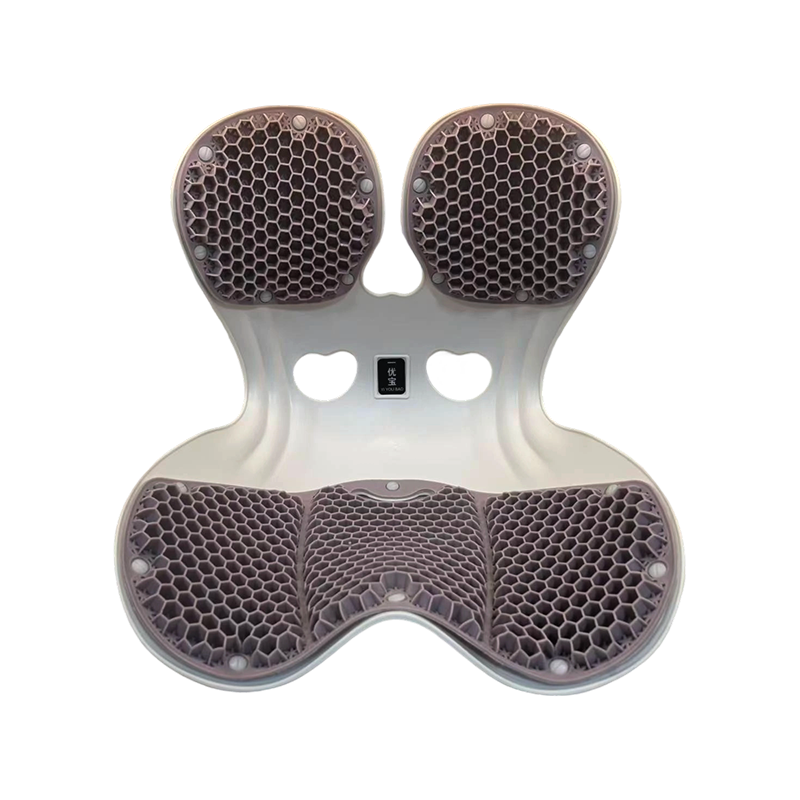
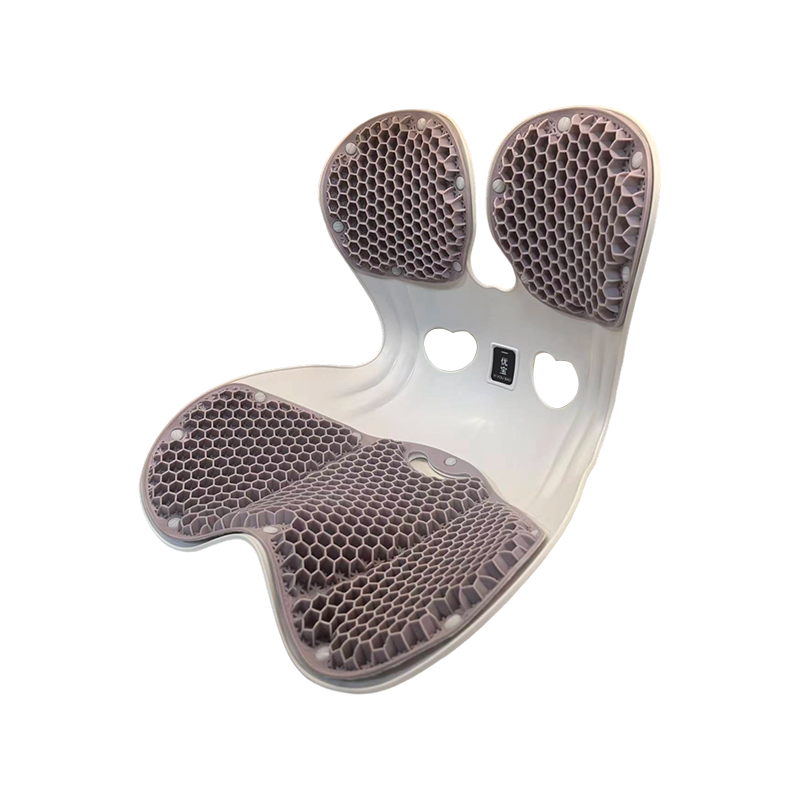
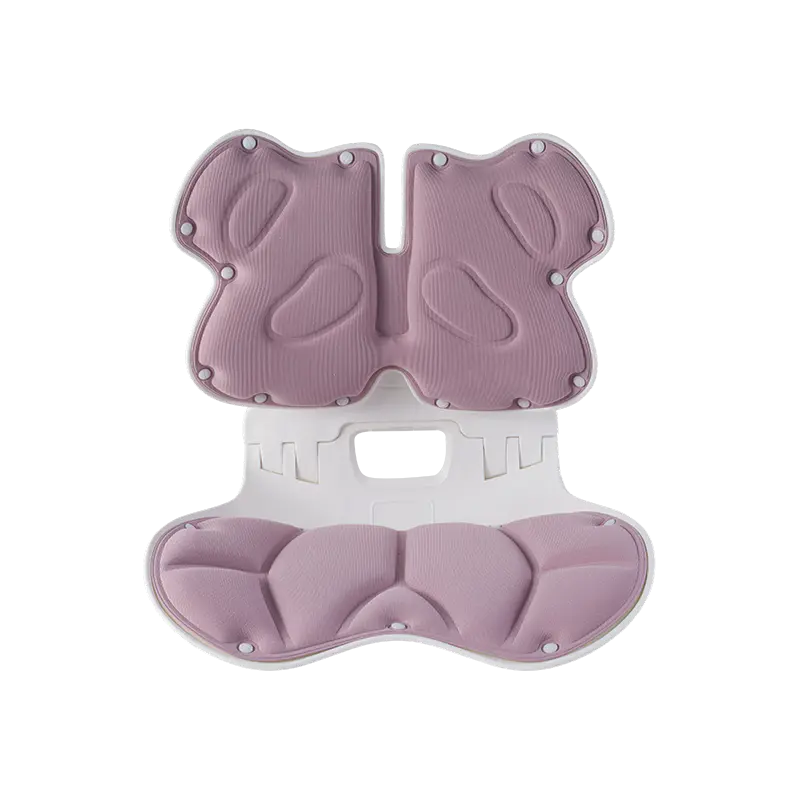
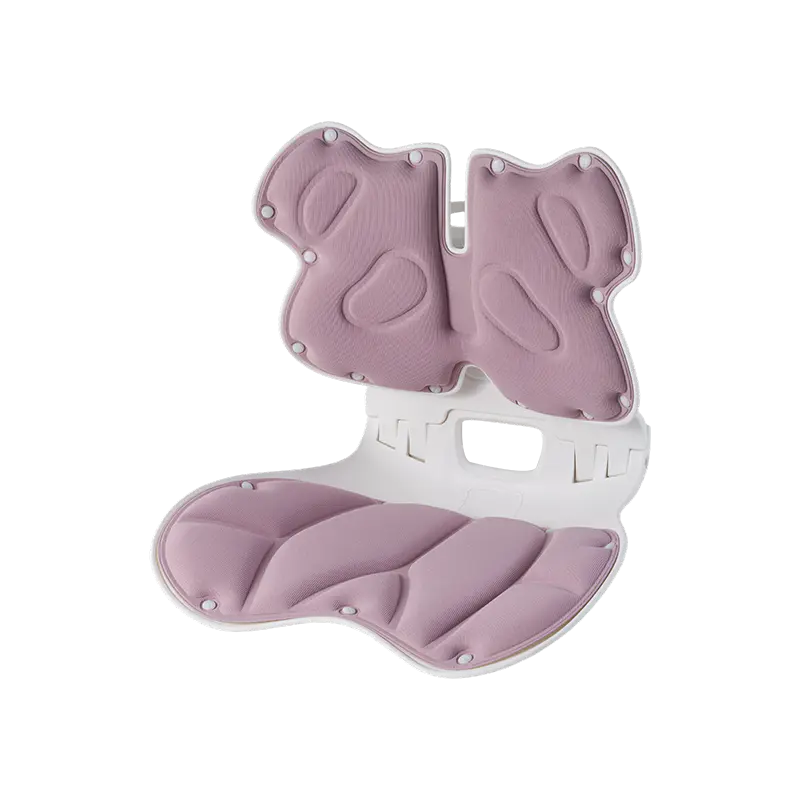
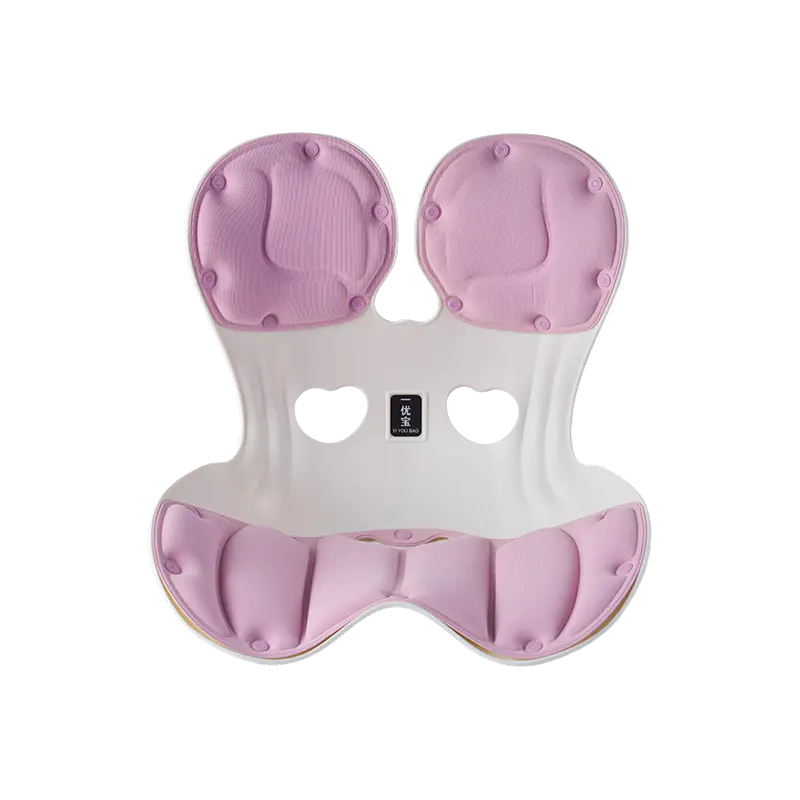
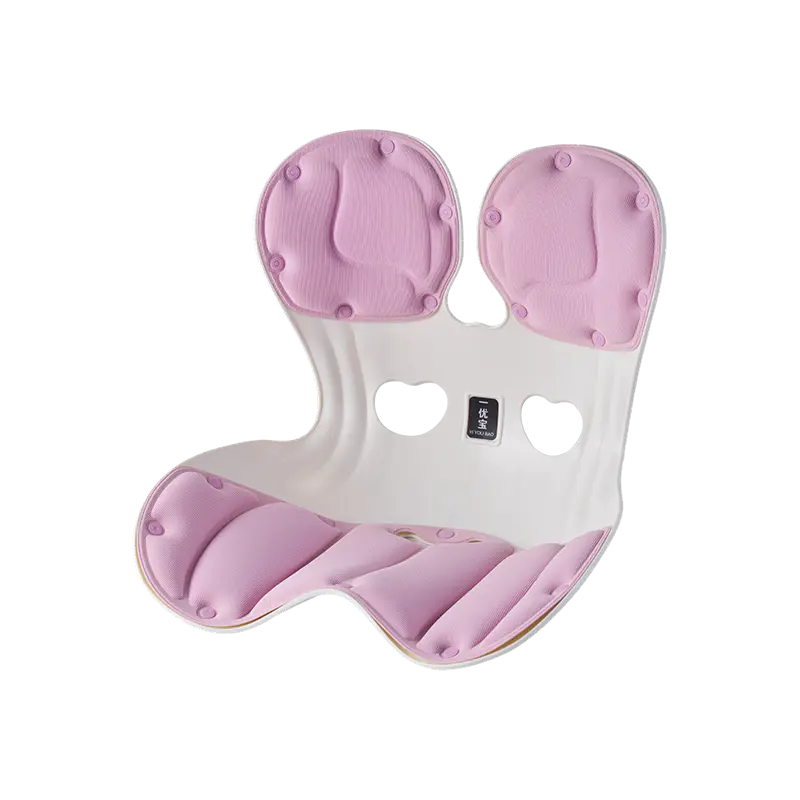
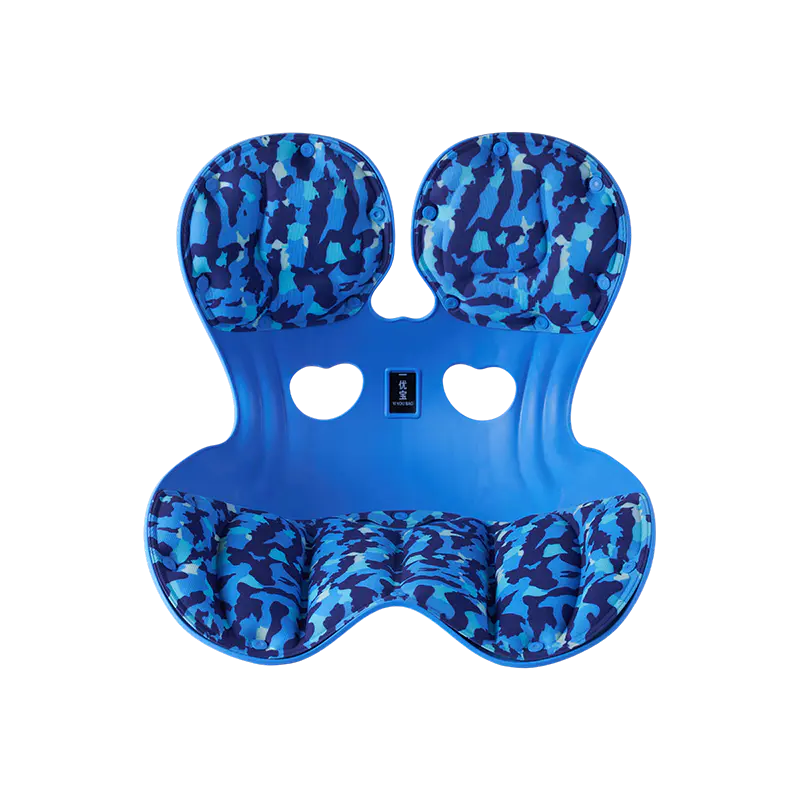
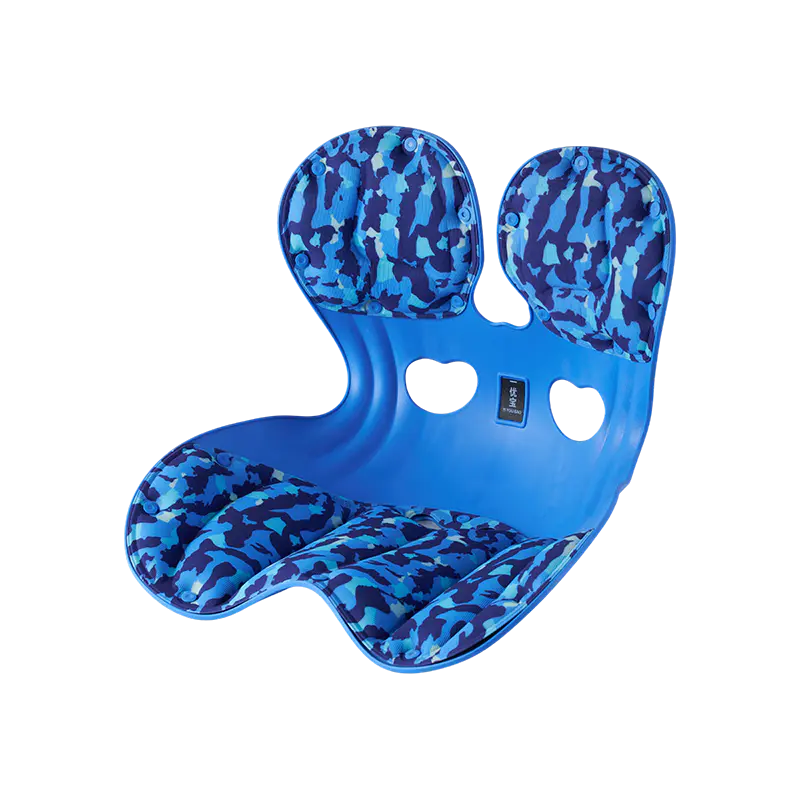
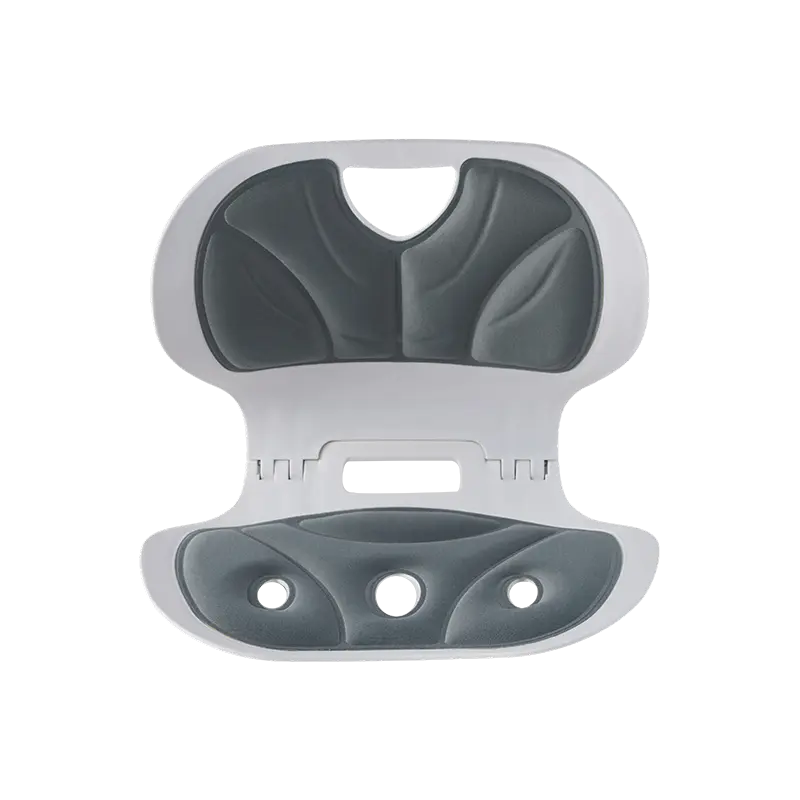
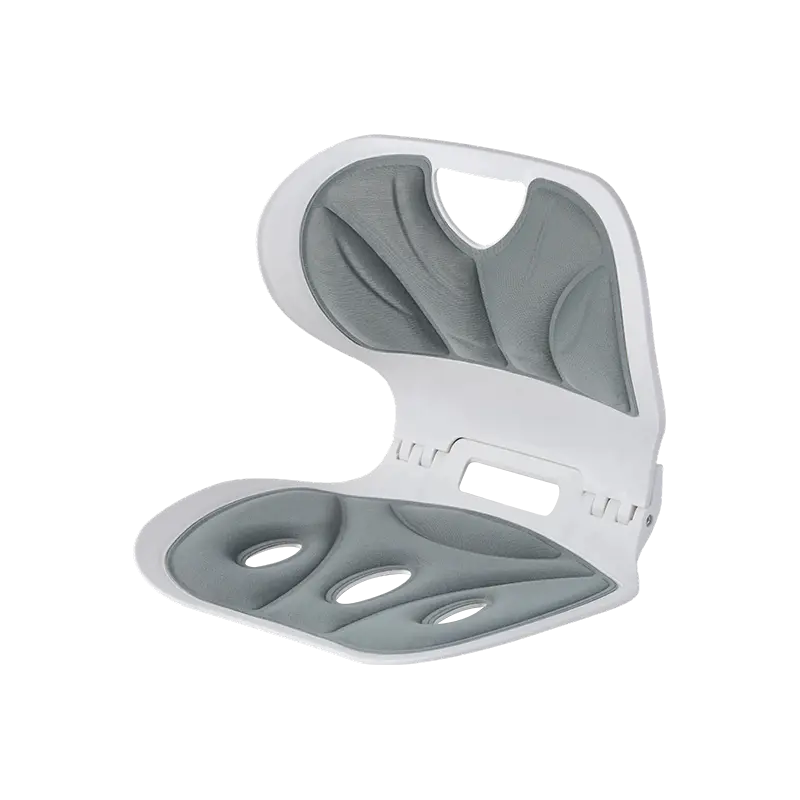
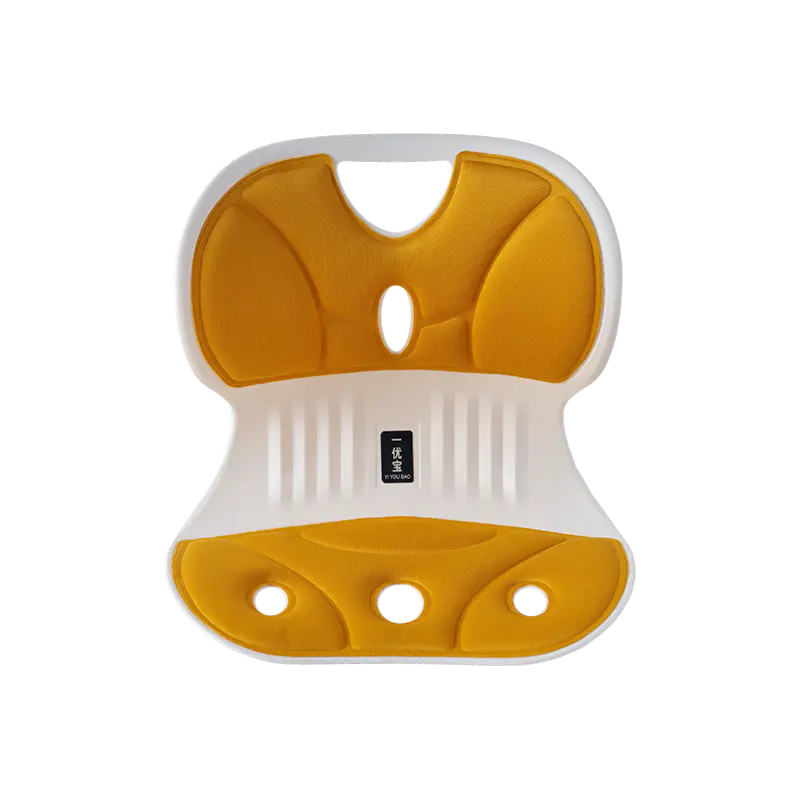
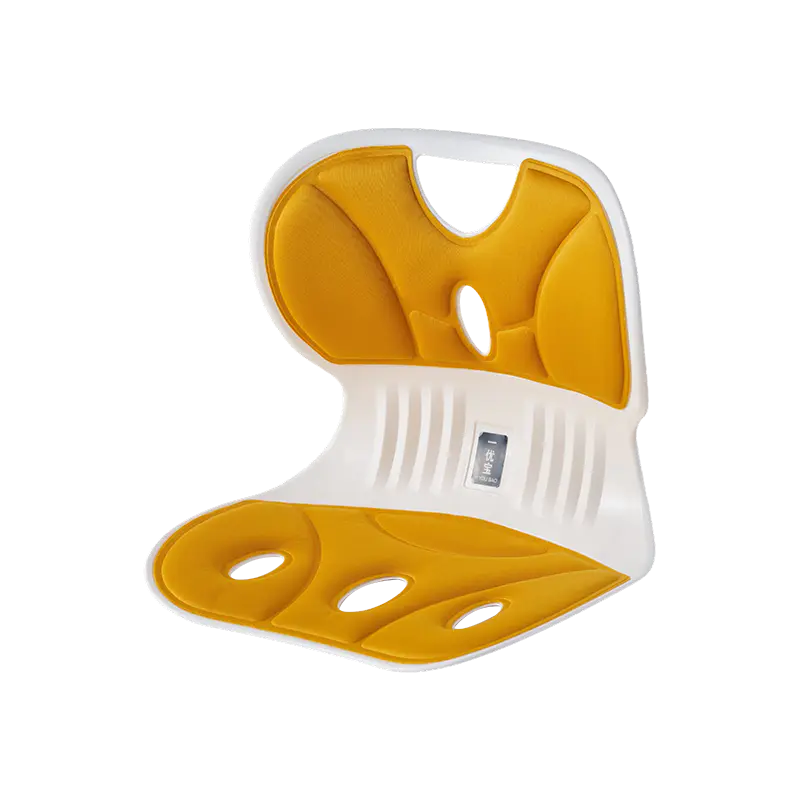
An Adjustable Lumbar Support Cushion gets designed around this difference from the start. Instead of relying on one fixed position, it can provide users with ways to change where the cushion sits and how it interacts with the chair beneath it. This makes the relationship between the cushion and the backrest a genuinely important part of product design.
For a Lumbar Support Cushion Manufacturer, the challenge isn't simply making a cushion that feels suitable on its own in a lab test. The product also needs to work with different chair structures, attachment methods, and user preferences varying widely. At the same time, product buyers may need to consider whether the cushion can adapt to the chairs used in homes, offices, vehicles, or shared work areas across a building.
Why Do Different Chairs Require Different Lumbar Support Designs?
Chair backrests can vary considerably in shape and construction depending on where you look. A dining chair may have a relatively simple back, while an office chair may include a curved frame, adjustable sections, or a flexible mesh surface stretched across it. A vehicle seat has another structure again, with contours designed around the seat and cabin space available.
These differences genuinely affect where a cushion can get placed on the backrest itself. A support positioned too high may not sit where the user expects it to land.
| Chair Feature | Design Consideration |
|---|---|
| Broad backrest | Allows more placement options |
| Narrow backrest | Requires controlled positioning |
| Curved surface | Cushion shape needs to follow the chair |
| Mesh back | Attachment should avoid excessive movement |
| Separate back sections | Support position may need additional adjustment |
One placed too low may interact with the lower edge of the chair instead of the intended back area someone's aiming for. The width of the backrest can also influence how securely the cushion stays in position throughout a workday.
An adaptable cushion gives users genuinely more freedom to respond to these differences as they arise. Rather than treating every chair as having the same structure, the design recognizes that placement can change from one application to another entirely.
How Does Chair Back Structure Influence Cushion Placement?
The shape of a chair back can determine how a lumbar cushion sits against it once positioned. A flat backrest provides a relatively simple surface to work with, while a strongly curved backrest may require the cushion to follow a genuinely different contour altogether.
The lower edge of the backrest also matters quite a bit in this equation. Some chairs have a continuous surface that reaches toward the seat, while others leave a visible gap between the back and seat cushion.
| Backrest Type | Placement Effect |
|---|---|
| Flat surface | Simple, predictable contact |
| Strong curve | Cushion needs matching flexibility |
| Continuous seat-to-back | Less gap to account for |
| Visible gap design | Different available support area |
A cushion can get designed with a shape that works across several common chair structures found in homes and offices. Its outer form may provide enough flexibility to sit against different surfaces, without requiring a completely different product for every chair type someone owns.
The attachment area also needs to work with the back structure it's meeting. A strap, band, or other fixing method should be positioned so it can hold the cushion without interfering with nearby chair components like armrests or headrests.
For manufacturers, understanding these relationships during product development can help create a cushion that's genuinely easier to use across different settings a customer might have at home.
What Adjustment Methods Can Make a Lumbar Cushion More Flexible?
Adjustment doesn't always mean adding complicated mechanisms full of gears and dials. In many cases, a simple method of changing the cushion's position can make a genuinely noticeable difference in how it fits a particular chair someone owns.
A common approach is a fastening system that allows the cushion to move vertically along the backrest. This gives users the ability to place the support closer to the area they actually want addressed.
| Adjustment Method | What It Enables |
|---|---|
| Vertical positioning | Moves support area up or down |
| Attachment adjustment | Keeps cushion connected securely |
| Shape flexibility | Interacts with different back surfaces |
| Removable construction | Eases transfer between chairs |
Some designs may also allow the attachment tension to get changed by the user as needed. A secure connection can help reduce unwanted movement, while still allowing the user to reposition the cushion when moving it to another chair in the house.
The value of these features depends on how they work together as a system. An adjustment method should be genuinely easy to understand and shouldn't require unnecessary steps every time the cushion gets moved from one spot to another.
Where Should an Adjustable Lumbar Support Cushion Sit on a Chair?
There's no single placement that works for every chair or every user sitting in it. The position depends on the chair's back shape, seat height, and the individual's preferred support area based on their own body.
An Adjustable Lumbar Support Cushion gives users the ability to explore different positions, rather than being limited by one fixed attachment point stuck in place.
| Placement Step | Purpose |
|---|---|
| Start at lower back | Establishes a natural baseline |
| Make small adjustments | Fine-tunes to individual comfort |
| Check stability | Confirms secure positioning |
| Test with movement | Verifies it holds during normal use |
The lower portion of a chair back often provides a natural area for a lumbar support product to start from. However, the actual position can change when the backrest is curved or when the seat has a genuinely different structure than expected.
Users can usually begin by placing the cushion against the lower back area and then making small adjustments from there. The goal is finding a position where the cushion sits securely and doesn't interfere with normal chair movement throughout the day.
The cushion should also remain stable when the user changes position while sitting. If it moves significantly whenever the chair gets used, the attachment method may not be suitable for that particular back structure at all.
How Can a Cushion Adapt to Chairs With Curved Backrests?
Curved backrests can create a genuinely different relationship between the chair and the cushion sitting against it. A flat cushion may leave gaps in some areas, while a very rigid structure may not follow the chair surface naturally at all.
Flexible construction can help address this difference in a practical way. The cushion doesn't necessarily need to copy every curve of the chair exactly.
| Design Element | Role in Curved Fit |
|---|---|
| Soft outer layer | Responds to chair contours |
| Internal structure | Retains general support shape |
| Flexible edges | Maintains contact across the curve |
Instead, the design can provide enough movement to maintain contact with the backrest, while preserving its intended support area for the lower back. Material selection also influences this behavior quite a bit in practice.
Softer outer layers can respond to the chair surface as someone leans back, while an internal structure can help the cushion retain its general shape over time. For a Lumbar Support Cushion Manufacturer, testing different chair profiles during development can provide genuinely useful information for future designs.
A cushion that performs well on a flat office chair may need a genuinely different construction approach when used on a curved vehicle seat instead. The objective is creating a product that can interact with different back surfaces, without making the design unnecessarily complicated to manufacture.
Can One Cushion Work With Office and Home Chairs?
Office and home chairs can have genuinely different back structures depending on the setting. An office chair may use mesh or a segmented backrest built for adjustability, while a dining or home chair may have wood, fabric, or a simple upholstered surface instead.
A flexible cushion can potentially serve several environments, when its attachment method and shape are designed with these differences in mind from the start.
| Application | Chair Characteristic | Design Focus |
|---|---|---|
| Office | Adjustable or mesh back | Stable attachment |
| Home | Simple or upholstered back | Easy positioning |
| Study area | Compact backrest | Flexible placement |
| Vehicle | Contoured seat back | Shape compatibility |
| Shared workspace | Different users and chairs | Easy repositioning |
A transferable design can also be genuinely useful in workplaces where several people use the same furniture at different times throughout the day. The cushion should be simple to remove and reposition, without requiring the user to change the chair itself just to fit them.
This makes the product a lot more adaptable to changing environments a person might encounter across their week.
How Does a Lumbar Support Posture Corrector Chair Differ From a Separate Cushion?
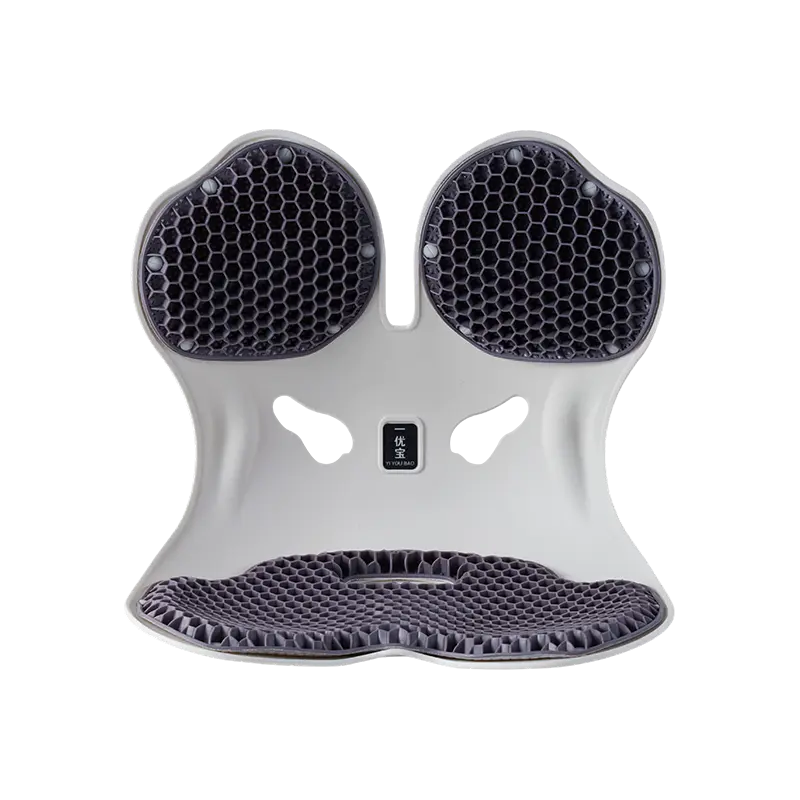
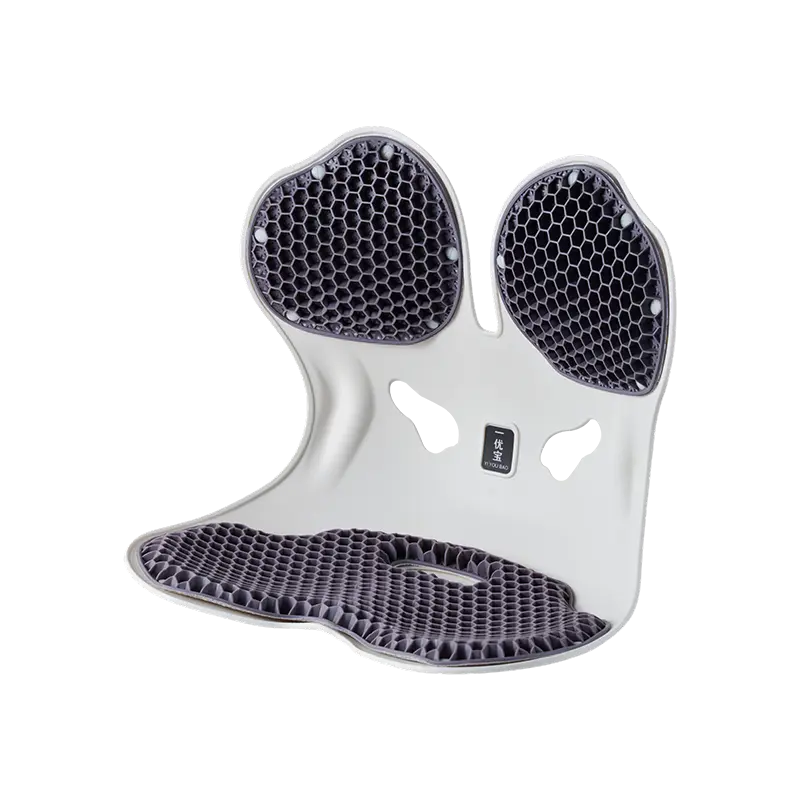
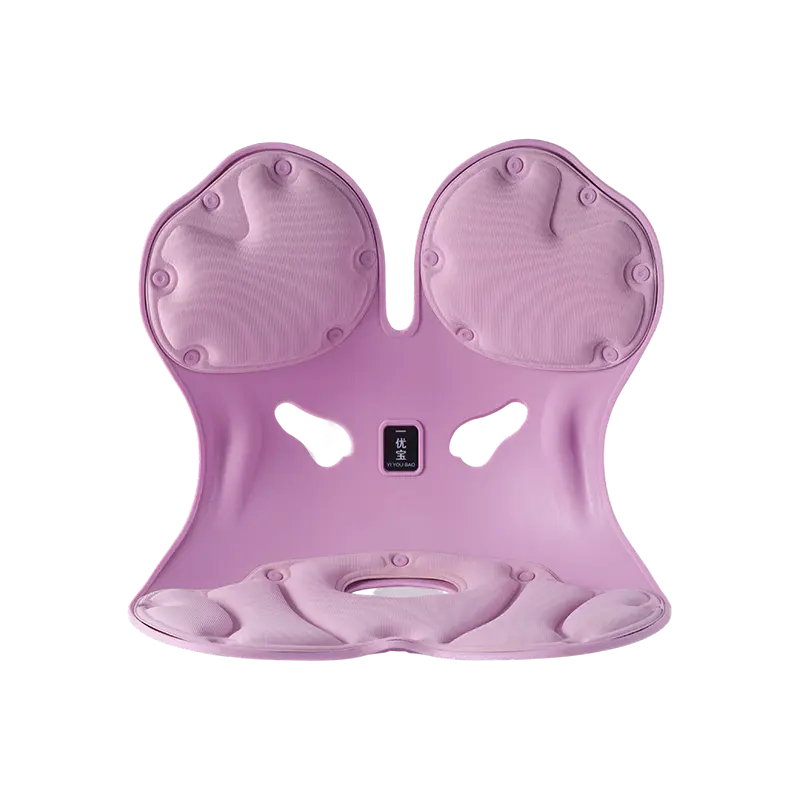
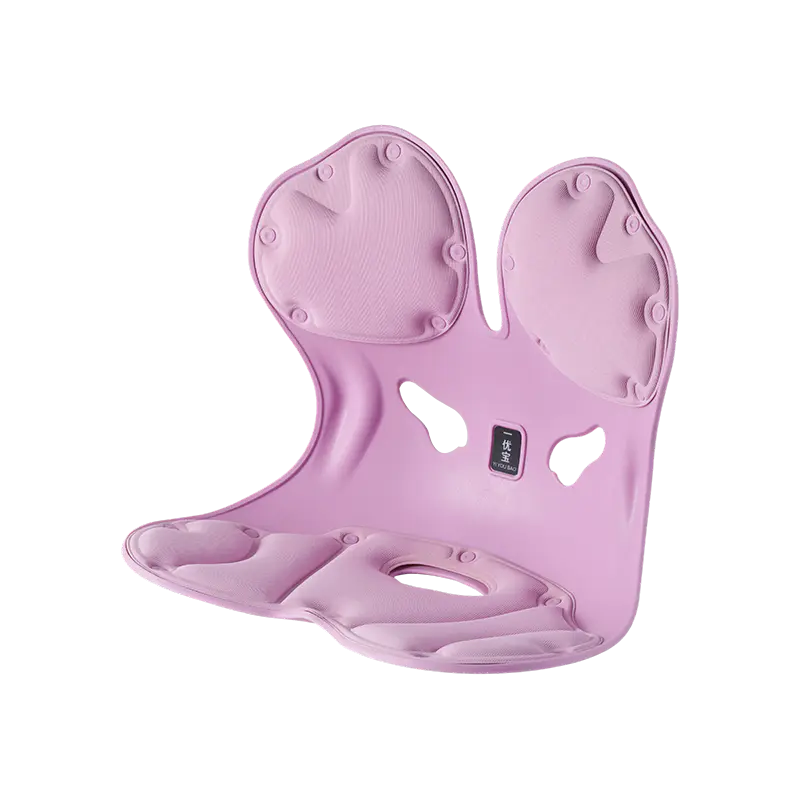
A Lumbar Support Posture Corrector Chair gets designed as a complete seating product from the ground up. Its back structure and support elements get developed together, so the manufacturer can control the relationship between the seat and the back area from the very beginning of design.
A separate lumbar cushion takes a genuinely different approach to the same problem. It needs to adapt to a chair that has already been designed and built by someone else.
| Product Type | Main Design Relationship |
|---|---|
| Support chair | Seat and back are developed together |
| Separate cushion | Cushion adapts to an existing chair |
| Portable cushion | Designed for movement between chairs |
| Fixed support | Intended for a defined seating structure |
This distinction genuinely affects product development from the start. A chair can incorporate a support area directly into its backrest during manufacturing. A cushion must consider how it will attach to different surfaces after purchase, once it's already in a customer's home.
Neither approach needs to replace the other entirely. They address genuinely different purchasing situations someone might face. A user choosing a complete chair may focus on the entire seating structure as one unit.
Someone who already owns a suitable chair may prefer a separate adjustable cushion that can get added without replacing the furniture they already have.
What Role Does Attachment Design Play in Different Chairs?
Attachment is one of the practical details that can genuinely determine whether a cushion adapts well to different backrests it encounters. A strap that works on a wide chair may not behave the same way on a narrow one sitting nearby.
A fastening point can also interact differently with mesh, fabric, or rigid surfaces depending on the material involved.
| Attachment Factor | Practical Impact |
|---|---|
| Strap width | Affects fit across chair sizes |
| Fastening type | Determines compatibility with materials |
| Pressure distribution | Prevents damage to delicate surfaces |
| Ease of removal | Supports repositioning and transfer |
Manufacturers can therefore consider attachment flexibility during the design stage rather than as an afterthought. A useful attachment system should make the cushion easy to position, while keeping it sufficiently stable during normal use throughout a day.
It should also avoid creating unnecessary pressure on delicate chair materials like thin mesh panels. The connection should be genuinely easy to inspect and maintain over the life of the product.
If users can clearly understand how the cushion attaches, moving it between chairs becomes a lot less complicated for them. This is particularly relevant for portable products moving between rooms or even buildings.
How Can Manufacturers Design for Different Support Positions?
Support position is closely connected with the shape and size of the cushion itself. A wider cushion can cover a larger area on the backrest, while a more compact design may allow more freedom around the sides of a chair back.
The height of the support section can also influence how the product sits against different users and chair structures they encounter.
| Functional Area | Role |
|---|---|
| Central section | Provides main supporting surface |
| Surrounding material | Helps cushion remain in place |
| Attachment points | Allow height changes without altering shape |
Manufacturers can approach this by separating the product into functional areas working together. For example, the central section can provide the main supporting surface someone leans into.
The surrounding material helps the cushion remain in place during normal movement. The attachment points can then get positioned to allow changes in height, without changing the basic shape of the product overall.
This approach creates flexibility without requiring numerous separate cushion models sitting on a shelf. It also makes product selection genuinely easier for buyers who need to supply different seating environments across an office.
How Can an Adjustable Cushion Handle Mesh Chair Backs?
Mesh chairs introduce another design consideration worth thinking through, because the back surface is flexible rather than solid like wood or plastic. A cushion placed against mesh needs an attachment system that works with the chair's frame or another suitable structural area nearby.
Simply relying on the mesh surface may not provide the same stability as a rigid backrest would offer.
| Mesh Chair Factor | Design Response |
|---|---|
| Flexible surface | Requires frame-based attachment |
| Cushion weight | Influences mesh deformation |
| Fixing point location | Should avoid stretching the mesh |
The cushion's weight and shape can also influence how the mesh responds when weight gets applied against it. For this reason, manufacturers can consider where the fixing points sit in relation to the chair frame itself.
A suitable design should avoid unnecessary pulling or deformation of the mesh, while keeping the cushion in its intended position throughout use. This is another example of why an adaptable product can't get designed around the cushion alone in isolation.
The chair structure remains genuinely part of the usage environment that shapes the final result.
Why Does Portability Matter for Adjustable Lumbar Cushions?
Some users don't stay with one chair throughout the day at all. A person may work at a desk, move to a meeting area, and later use a chair at home in the evening. A portable support can move with the user, instead of remaining attached to one piece of furniture permanently.
This makes easy adjustment particularly useful for someone with this kind of routine.
| Portability Feature | User Benefit |
|---|---|
| Simple detachment | Speeds up transfer between chairs |
| Compact shape | Eases carrying and storage |
| Quick reconnection | Reduces setup friction |
The cushion should be simple to detach, carry, and reconnect without a struggle. Its shape should also allow practical storage when it's not being used, tucked into a bag or drawer.
Portability can be especially relevant for buyers supplying products to shared work areas used by rotating staff. A cushion that can get transferred between chairs can serve different seating arrangements, without requiring permanent installation anywhere.
What Should a Lumbar Support Cushion Manufacturer Consider During Product Development?
A Lumbar Support Cushion Manufacturer needs to look at the complete user environment, rather than focusing only on the cushion material or outer shape in isolation. Chair compatibility should get considered alongside attachment, adjustment, storage, cleaning, and repeated repositioning over the product's life.
Each element can affect how the product behaves when moved between different chairs throughout its use.
| Test Area | Question to Consider |
|---|---|
| Flat backrest | Does the cushion remain stable? |
| Curved backrest | Can the shape follow the surface? |
| Narrow chair | Can the attachment remain secure? |
| Mesh chair | Does the fixing method suit the frame? |
| Transfer use | Can users reposition it easily? |
Manufacturers can also examine the product after repeated attachment and removal cycles over time. This helps identify whether fastening areas remain practical when the cushion gets moved between different chairs regularly.
Clear product instructions can support this process as well, guiding a new owner through setup. Users need to understand how to position and adjust the cushion according to the chair they're actually using at home or work.
How Can Buyers Choose an Adjustable Lumbar Support Cushion for Different Chairs?
Buyers don't need to look only at the cushion itself when making a purchase decision. The chair should get considered part of the selection process from the very start.
Before purchasing, it can be genuinely useful to check the backrest shape, available attachment area, surface material, and whether the cushion needs to move between locations regularly.
| Buyer Question | Why It Matters |
|---|---|
| What shape is the chair back? | Helps determine cushion compatibility |
| Is the back rigid or flexible? | Influences attachment options |
| Can the cushion move vertically? | Supports position adjustment |
| Will it be moved between chairs? | Makes portability more relevant |
| How is it attached? | Affects setup and removal |
These questions can make product selection genuinely more practical for someone shopping without a lot of technical background. An Adjustable Lumbar Support Cushion isn't defined only by its padding or outer appearance sitting on a store shelf.
Its ability to interact with different chair structures is also a genuinely important part of its design worth checking before buying. As seating products continue to serve different working, home, and travel environments across daily life, adjustable cushion designs are increasingly shaped around the relationship between the support, the attachment system, and the chair back itself.
Manufacturers that consider these elements together can develop products that are genuinely easier to position, transfer, and use across varied seating structures someone might own.
 Previous