English
 中文简体
中文简体
Industry News
A chair can look comfortable the moment someone first sits down, yet a small change in seat depth can shift where the lower back actually meets the backrest behind it. When the seat is deeper, the user may sit farther away from the lumbar area, while a shallower seat can bring the body a lot closer to that same support point without anyone adjusting anything on purpose.
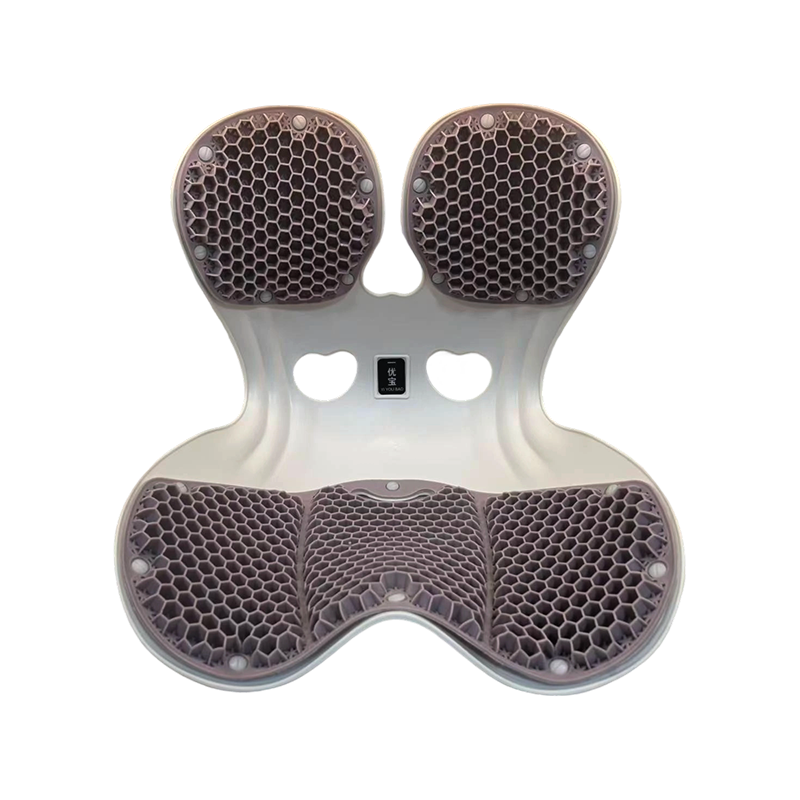
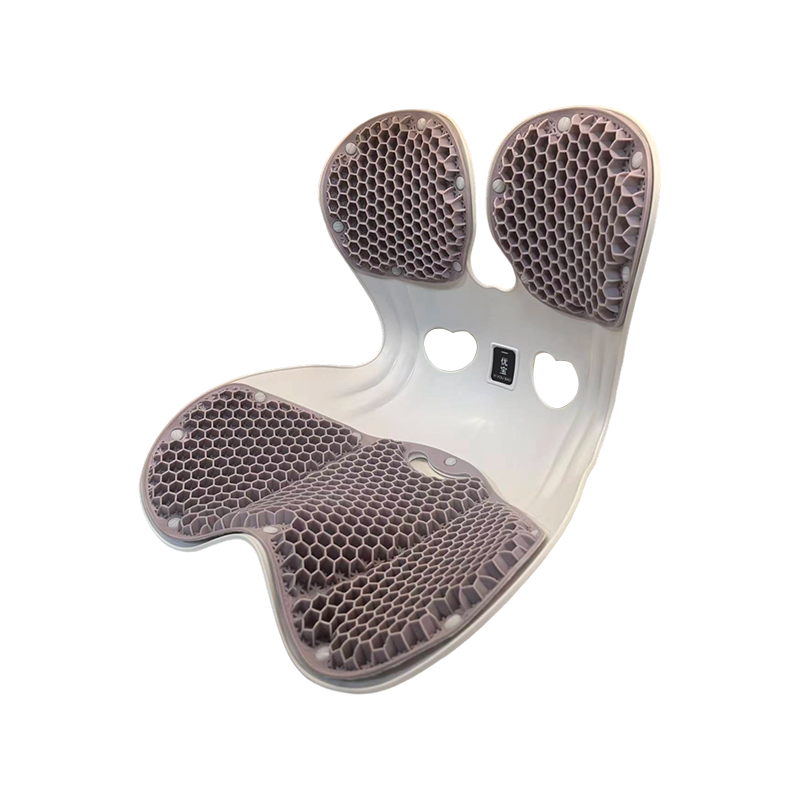
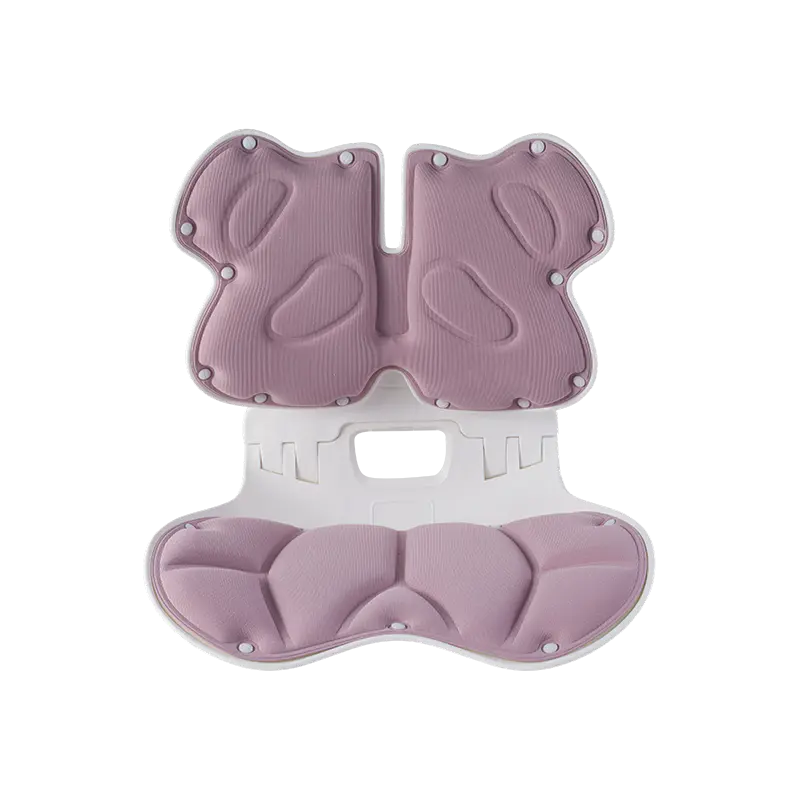
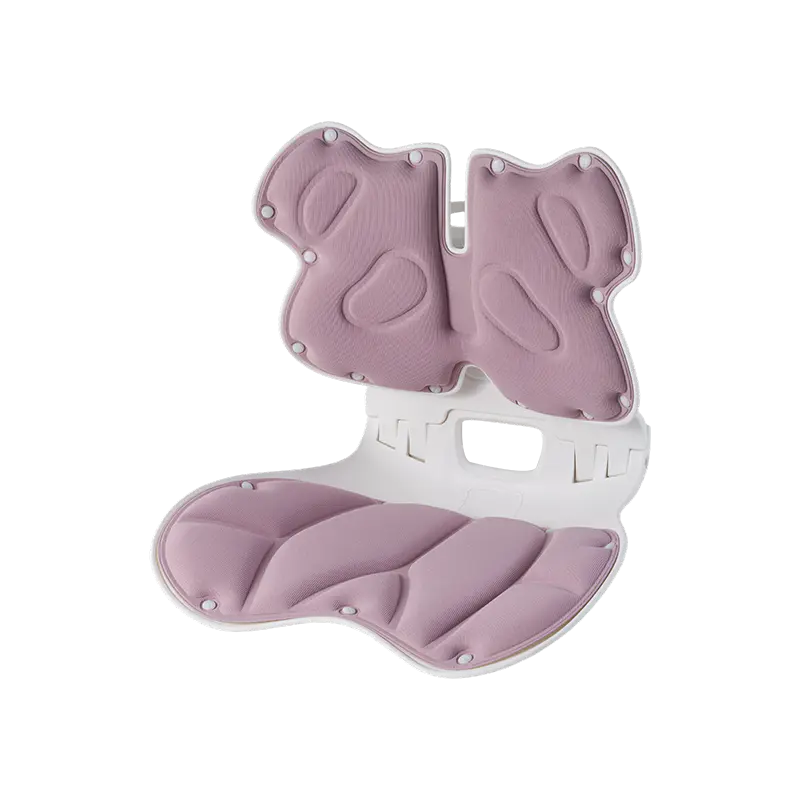
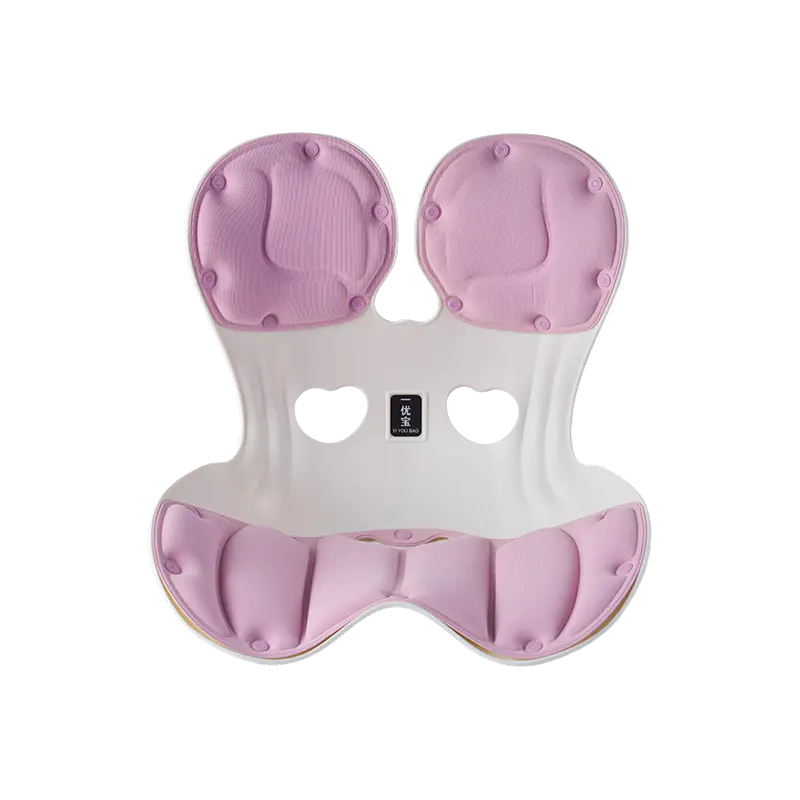
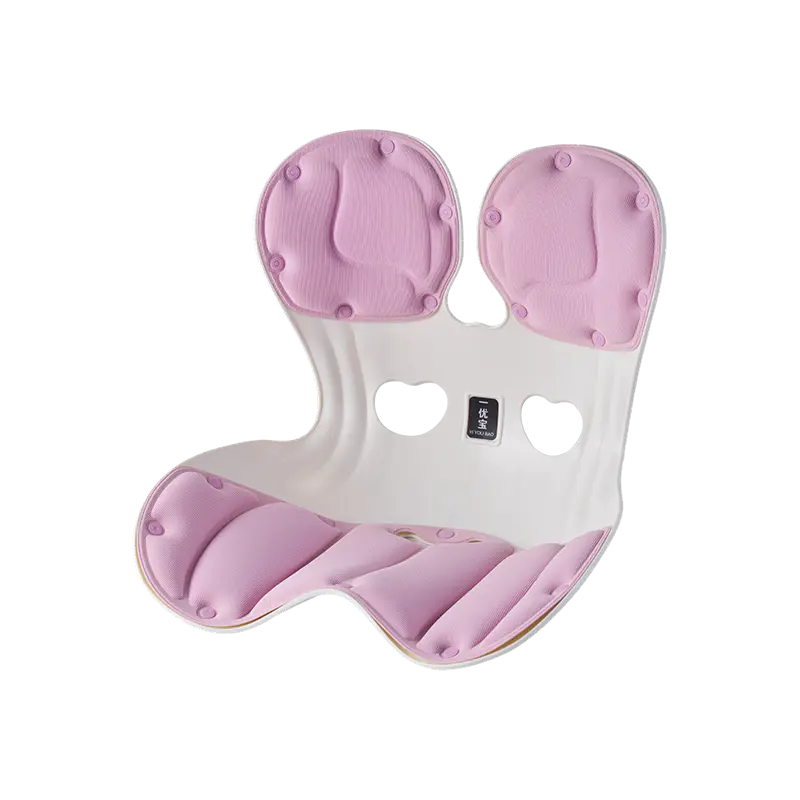
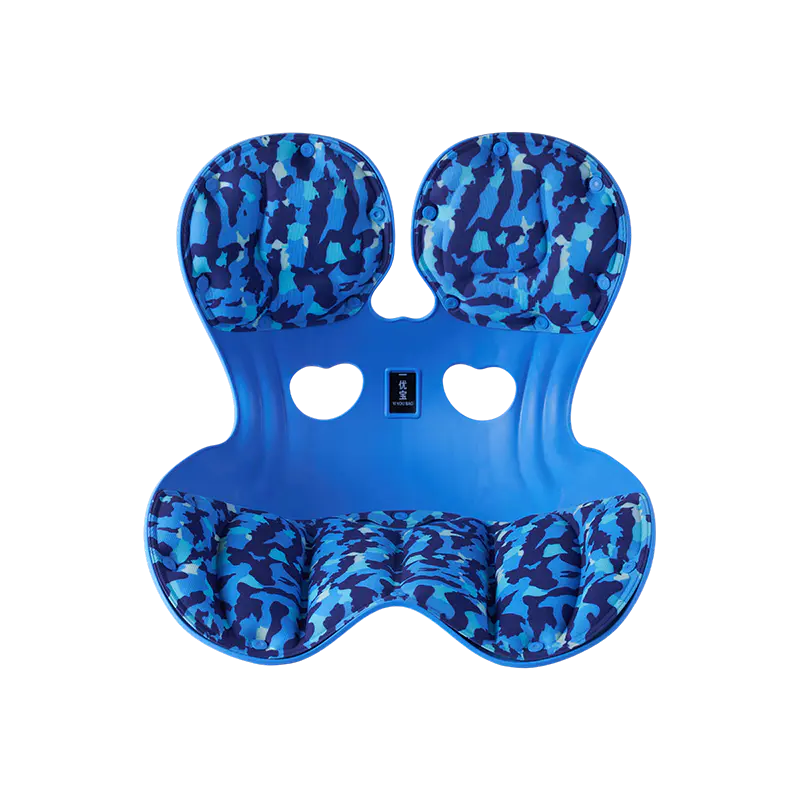
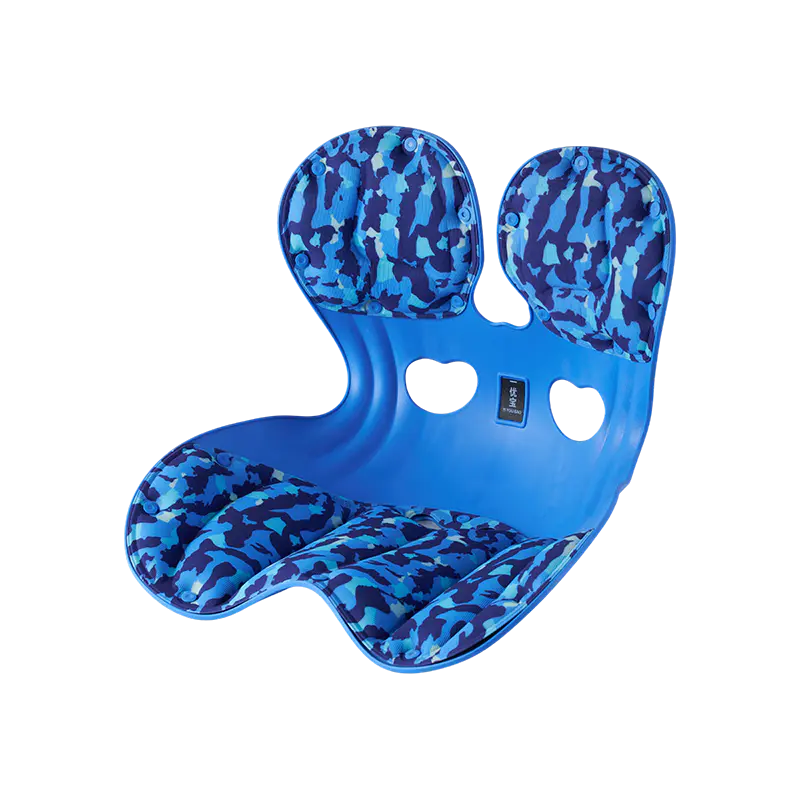
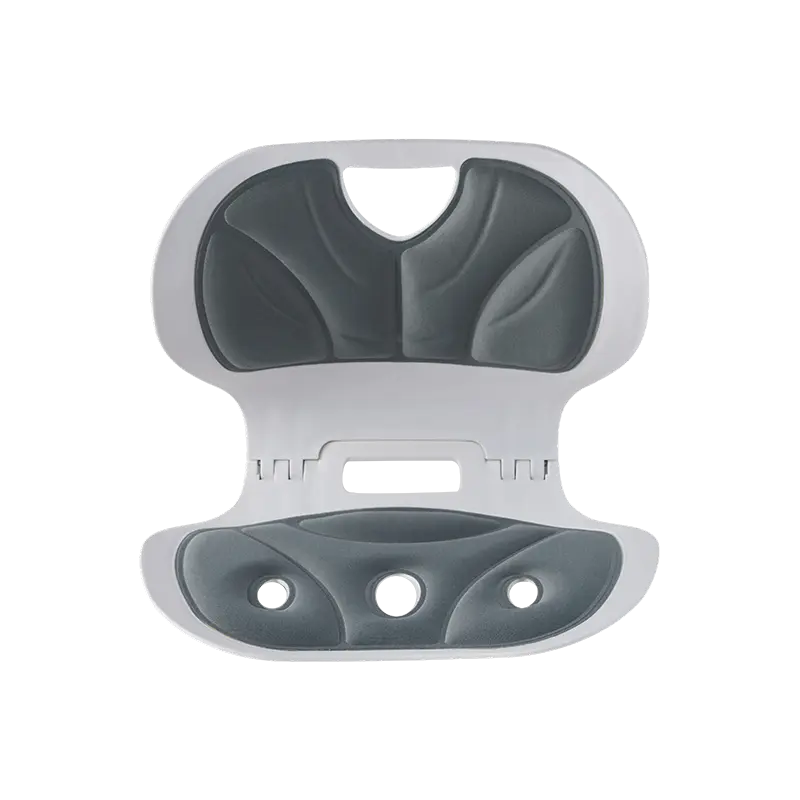
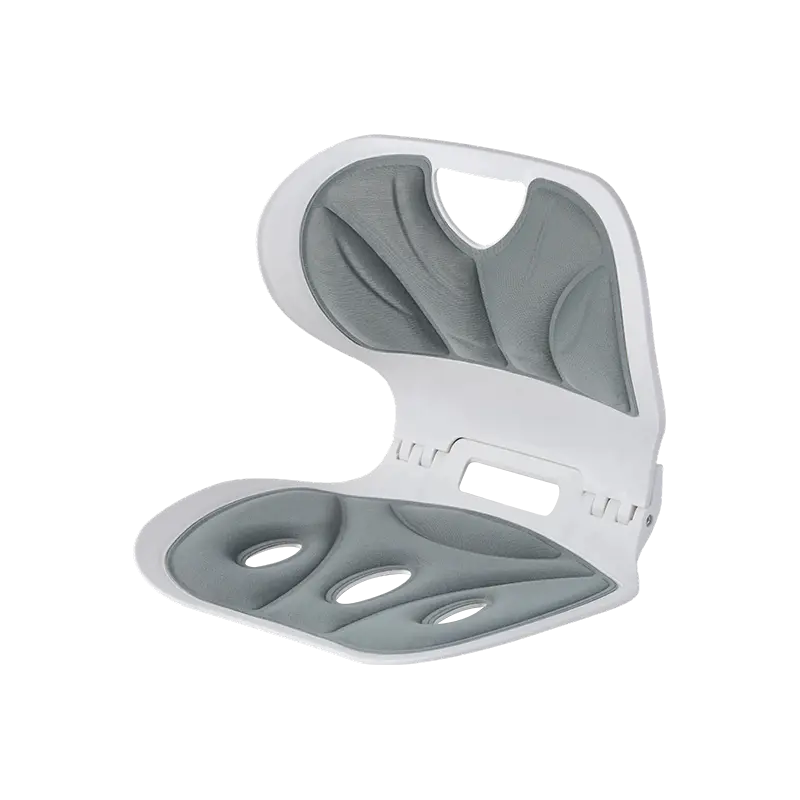
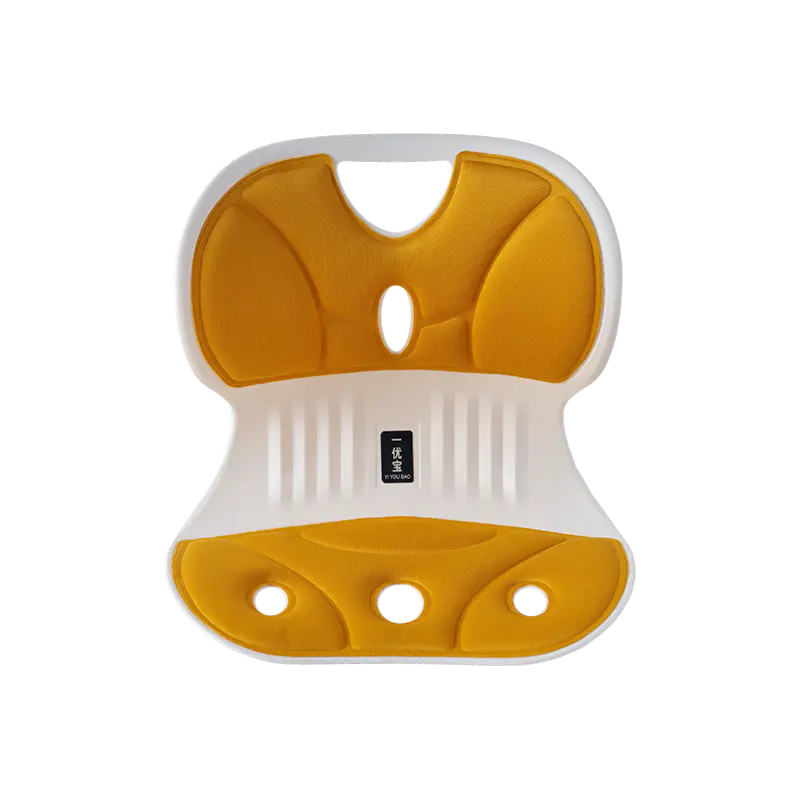
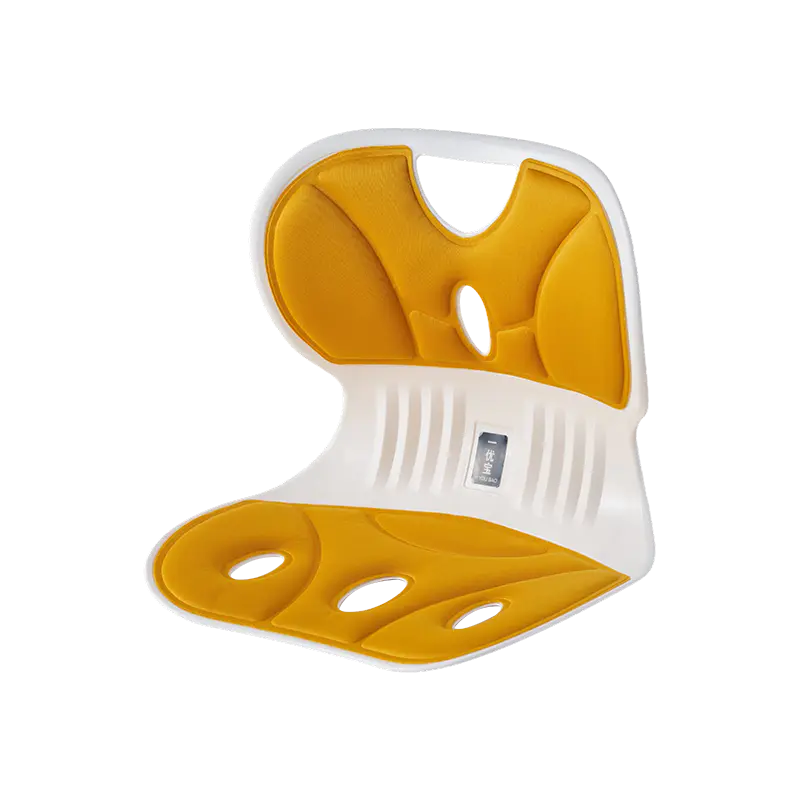
This difference matters because lumbar support stays closely tied to sitting position, not just cushion shape. A cushion that works well on one chair may feel too high, too low, too far forward, or too far back once placed on another seat entirely. For users who move between office chairs, dining chairs, vehicle seats, recliners, or shared workstations throughout a single day, this can become a genuine daily concern rather than a one-time fitting problem. A Foldable Lumbar Support Cushion can offer practical flexibility here, since its form can be adjusted, folded, or repositioned according to whatever seating situation comes up next, and an Adjustable Lumbar Support Cushion takes the idea further by letting the support location itself change instead of keeping the cushion fixed in one spot.
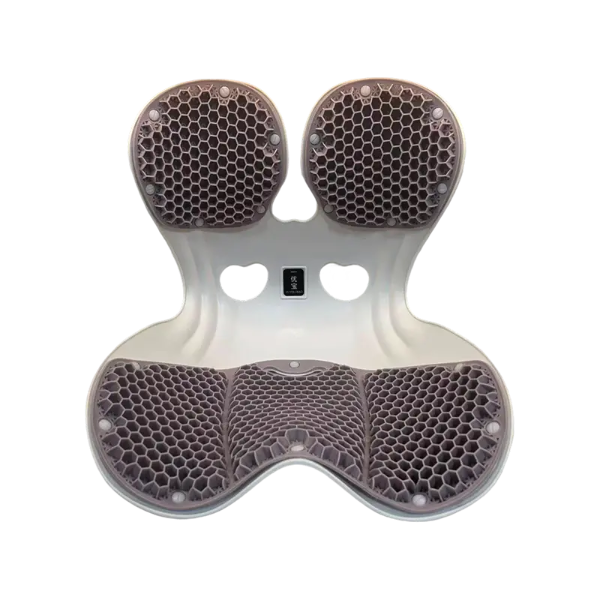
Why Does Seat Depth Change the Position of Lumbar Support?
Seat depth determines how far the user's body sits from the backrest in the first place. Even when two chairs share similar backrest shapes, their different seat depths can place the user's lower back in genuinely different locations relative to any cushion sitting there.
A deeper seat may encourage some users to sit farther back or leave more space between the lower back and the support area entirely. A shorter seat can create a much closer relationship between the hips, back, and backrest instead, the way a compact dining chair often does compared to a lounge chair.
The result is that a fixed lumbar cushion doesn't necessarily meet the same part of the lower back on every chair someone sits in during a week. Its position depends on both the cushion itself and the way the user happens to sit that day.
| Seat Situation | Possible Support Position Change |
|---|---|
| Deeper seat | User may sit farther from the backrest |
| Shallower seat | User may sit closer to the backrest |
| Shared chair | Different users may create different positions |
| Reclined seat | Back contact can move upward or downward |
| Upright seat | Lumbar area may remain closer to the intended support zone |
This is why seat depth should get considered when evaluating a lumbar cushion for daily use. The product doesn't operate independently from the chair sitting beneath it. A cushion can only provide useful contact where it actually meets the user's back, so if the seating position changes from one chair to the next, the support location may genuinely need to shift as well.
How Does Lumbar Support Position Change With Different Chairs?
The lower back doesn't remain in exactly the same place once a person switches chairs during a normal day. Seat height, seat depth, backrest angle, and personal sitting habits can all influence the relationship between the body and whatever chair it lands in.
An office chair may allow a user to adjust the seat or backrest with a lever, while a dining chair may have a much more fixed structure with no give at all. A vehicle seat may also place the body at a different angle from a workplace chair, tilted back slightly for driving rather than upright for typing.
These differences make a fixed-position cushion a lot less flexible across different seating environments someone actually encounters. The same cushion may need to sit quite differently once moved from one chair to another.
For example, a user may place a lumbar cushion against the lower part of the backrest during office work at a desk. When that same cushion gets moved to a deeper lounge chair at home, the user may need to reposition it entirely, since the body now sits farther away from the original support point. This doesn't mean one seating arrangement suits every person equally well. It shows why support location should get treated as part of the overall sitting experience, not as a fixed detail baked into the product once and forgotten.
Can an Adjustable Lumbar Support Cushion Follow Seat Depth Changes?
An Adjustable Lumbar Support Cushion can respond to changing seat conditions by giving the user more control over where the support actually sits. Instead of relying on one permanent position set at the factory, the cushion can move to match whatever sitting arrangement the user is currently dealing with.
This becomes useful when one cushion travels between several chairs over the course of a week. A user may need one position at a desk during work hours and a completely different one when sitting in a deeper armchair that evening. Adjustment can involve several fairly simple approaches worth knowing about.
| Adjustment Method | Purpose |
|---|---|
| Vertical repositioning | Changes the height of the support |
| Forward or backward placement | Changes how closely the cushion meets the back |
| Strap adjustment | Helps keep the cushion in a chosen location |
| Folding or reshaping | Changes how the cushion occupies the seat area |
| Manual repositioning | Allows quick changes between chairs |
The value of these methods comes from their connection with actual seating conditions a person faces, not from the number of features listed on a box. A user doesn't need the same support location simply because the cushion itself hasn't changed shape. A more adaptable design can therefore make repositioning part of ordinary chair use, almost as routine as adjusting a seatbelt. This matters especially in environments where people frequently switch between workstations or seating areas, like a shared office or a co-working space.
What Happens When a Cushion Sits Too Far From the Lower Back?
The distance between the cushion and the user's lower back can genuinely change how the support feels once someone settles in. If the cushion sits too far away, the user may not naturally make contact with it in the intended area at all.
A deep seat can create exactly this situation, since the body may rest farther forward relative to the backrest than expected. Some users may respond by shifting their hips backward to close the gap, while others may simply leave a gap between the back and the cushion without noticing until their back starts aching an hour later.
Neither response necessarily creates a comfortable sitting arrangement over a long stretch. The cushion needs to occupy a practical position relative to the user's actual posture, not just a theoretical one. A movable cushion can make this a lot easier to address in the moment. The user can change its location rather than trying to force their body into a position that simply doesn't feel natural.
This is also where seat depth and support placement become closely connected in practice. A change in one can create a genuine need to adjust the other right away. For manufacturers, this relationship proves useful when considering products intended for different chair types across a product line. A cushion designed around only one seating condition may have a lot less flexibility once users place it on chairs with different dimensions and shapes.
How Can a Foldable Lumbar Support Cushion Adapt to Different Seating Situations?
A Foldable Lumbar Support Cushion can be genuinely useful when portability and repositioning form part of everyday use rather than a rare exception. Its ability to fold can make it a lot easier to move between different chairs and storage spots around a home or office.
The important point isn't simply that the cushion can be folded flat for storage. Its flexible form can also change how users position it once the seat depth or backrest arrangement looks different from the last chair they used. Someone working from home may use one chair during the day and another when reading or studying in the evening. A portable cushion can move with the user, rather than remaining stuck to a single seating area the whole time.
| Seating Environment | Possible Cushion Adjustment |
|---|---|
| Office chair | Position near the user's lumbar area |
| Dining chair | Reposition according to the shorter backrest |
| Lounge chair | Adjust placement for a deeper seat |
| Vehicle seat | Move support according to the sitting angle |
| Shared workstation | Reposition for each user |
A foldable design can also reduce the need to keep separate cushions scattered across different rooms. The user can carry one support and simply change its position as the seating environment changes around them. This makes portability part of adaptability rather than a separate selling point. The cushion isn't only moved from place to place; it also gets repositioned according to whatever chair happens to be underneath it that day.
How Does User Posture Affect Support Location?
Seat depth is only one part of the relationship between the body and the cushion sitting against it. People also sit quite differently depending on what they're actually doing at the moment.
A person typing at a desk may lean toward the work surface without realizing it. Someone reading a book may recline slightly into the chair, while another person having a conversation may sit upright with the shoulders pulled closer to the backrest. These changes can move the lower back relative to the cushion in ways that add up over an afternoon.
A support position that feels appropriate during one activity may need adjustment once the user's posture shifts to something else entirely.
| Activity | Possible Posture Change |
|---|---|
| Computer work | Forward attention toward the desk |
| Reading | More relaxed or reclined position |
| Conversation | Frequent changes in sitting position |
| Resting | Greater contact with the backrest |
| Driving | Fixed seating with changing body movement |
This explains why adjustment shouldn't get viewed only as a product feature listed in a manual. It can also be part of how the user naturally responds to different activities scattered throughout the day. A cushion that can be repositioned gives the user more freedom to match the support area with whatever sitting posture they've settled into at that moment. The goal is keeping the support where the lower back actually meets the chair, rather than treating one location as universal for every task.
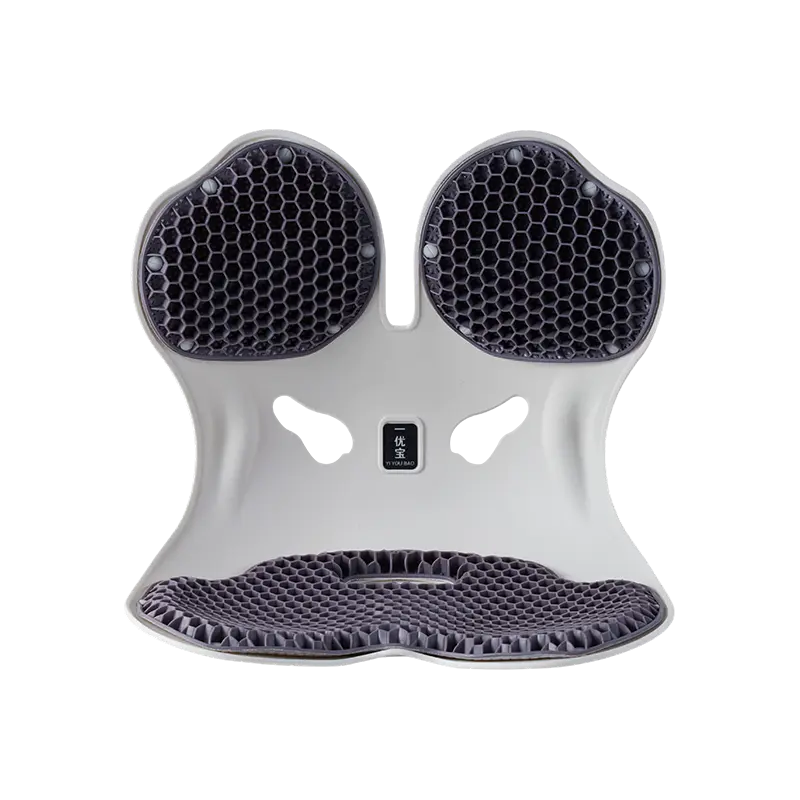
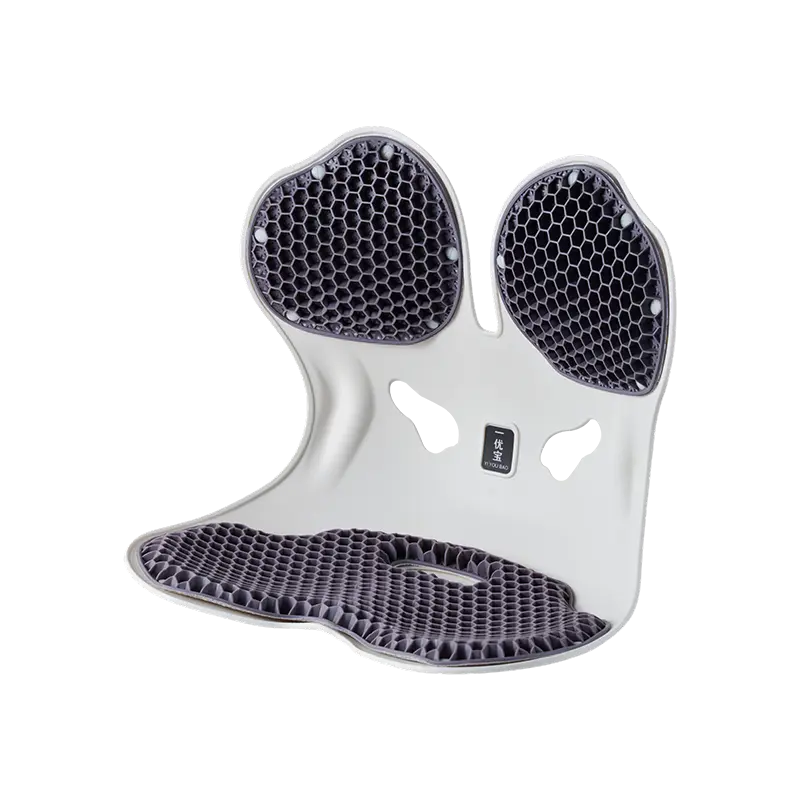
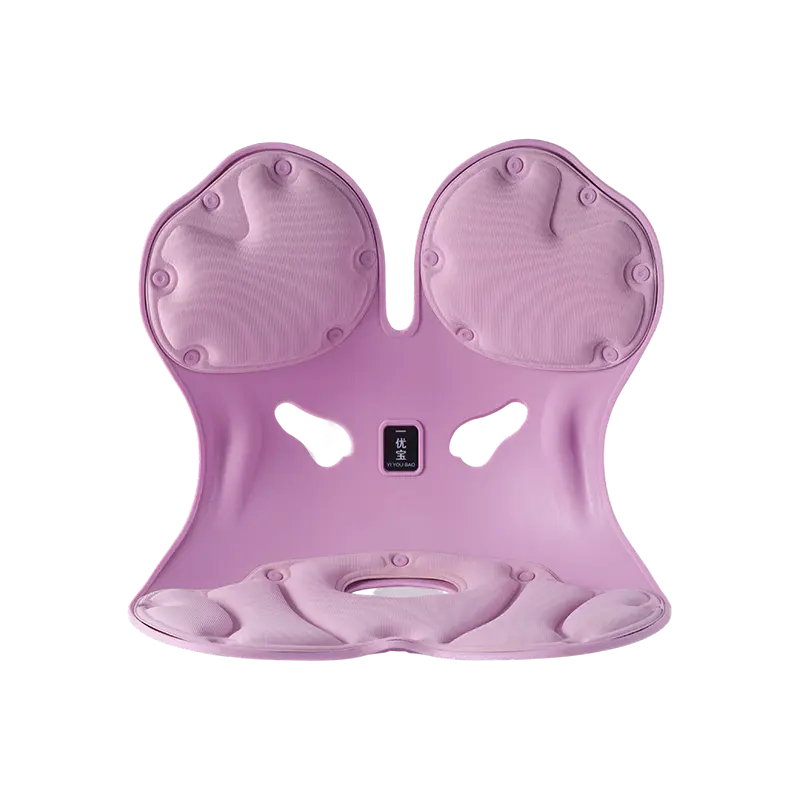
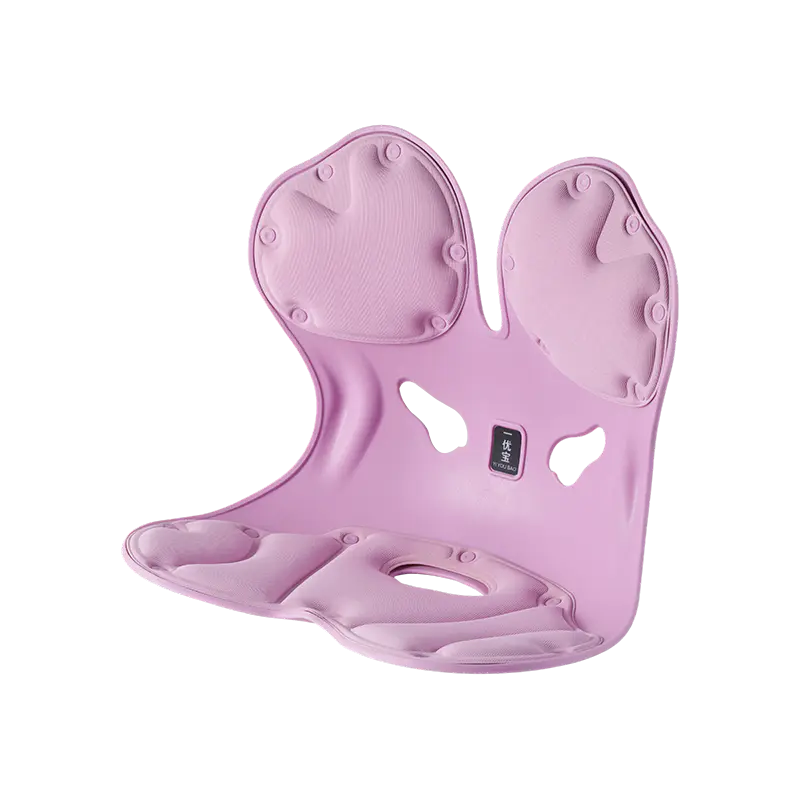
How Can a Lumbar Support Posture Corrector Chair Handle Different Seat Depths?
A Lumbar Support Posture Corrector Chair has to deal with this same basic relationship between the user's body and the seat structure underneath them. When the seat depth changes, the distance between the user and the lumbar support area can shift right along with it.
This matters particularly when a chair gets shared by people with different body proportions or sitting habits, like a hot-desk setup in a busy office. A fixed support position may suit one person perfectly while another user needs a genuinely different arrangement entirely.
An adjustable chair can address this by allowing the seat or support position to change as needed. The purpose is creating a better relationship between the user's lower back and the support area, rather than relying on one preset position that only fits an average body. A cushion can provide another layer of flexibility when the chair itself offers limited adjustment options. The user can reposition the cushion to compensate for differences between seating environments they move through.
| Chair Condition | Support Consideration |
|---|---|
| Different seat depths | Support may need repositioning |
| Different users | Preferred support location may vary |
| Adjustable chair | Cushion and chair can be coordinated |
| Fixed chair | Cushion may provide added flexibility |
| Changing activities | Sitting position may shift during use |
This makes support placement a genuinely important part of chair selection and product development alike. The physical shape of the chair matters, but the relationship between that shape and the user's actual sitting position matters just as much.
What Adjustment Methods Help Maintain a Consistent Support Position?
Adjustment doesn't always require a complicated mechanism buried in a manual somewhere. Simple repositioning can sometimes provide all the flexibility needed when a user moves between seats over the course of a day.
Straps can help hold a cushion against the backrest while still allowing the user to change its height on the fly. Foldable structures can provide another way to alter the cushion's placement or shape entirely, depending on the chair. Manual adjustment also has a genuinely practical role here. When moving from a shallow chair to a deeper one, a user can simply check where the lower back meets the cushion and shift the support accordingly.
Several steps can guide this process without much thought:
- Sit naturally rather than forcing the body into a new position.
- Identify where the lower back contacts the backrest.
- Move the cushion toward that support area.
- Check whether the cushion remains in place during normal movement.
- Reposition it when changing to another chair or activity.
This approach keeps the adjustment process connected with actual use rather than a one-time setup. The user responds to the chair and sitting position in front of them, instead of relying on a fixed placement decided months earlier. For manufacturers, simple adjustment can also make a product a lot easier to understand at a glance. A support system doesn't need to be complicated if users can clearly see how to change its position without reading a manual.
How Should Manufacturers Design Cushions for Changing Seat Depths?
Manufacturers need to consider the chair as part of the product environment, not as a separate concern handled by someone else down the line. A lumbar cushion doesn't exist in isolation, since its usefulness depends partly on where the user sits and how the backrest happens to be shaped.
Seat depth should therefore get considered alongside cushion height, thickness, flexibility, attachment method, and portability all at once. These elements influence how easily the product can move into a genuinely useful support position once it lands on a real chair.
A product intended for several seating environments may benefit from flexible positioning built in from the start. A product intended for one specific chair type may instead focus on maintaining a more consistent relationship with that particular chair. The intended use can guide the design approach from the earliest stage.
| Design Consideration | Why It Matters |
|---|---|
| Seat depth variation | Changes the distance to the backrest |
| Support height | Influences where contact occurs |
| Cushion flexibility | Affects how the product responds to posture |
| Attachment method | Helps maintain the chosen position |
| Foldability | Supports movement between seating areas |
| Adjustability | Allows users to respond to different chairs |
This perspective can also help manufacturers avoid designing around an overly narrow seating scenario that only fits one type of chair. Users may not stay in one chair throughout the day, and even a single chair can feel different as the user shifts between activities scattered across an afternoon. An adaptable cushion should therefore get considered as part of a moving relationship between the body, seat, and backrest, rather than a static object placed once and forgotten.
Seat depth doesn't automatically prevent a lumbar cushion from being useful, but it can genuinely change where support needs to sit for it to actually help. Foldable Lumbar Support Cushion, Adjustable Lumbar Support Cushion, and Lumbar Support Posture Corrector Chair designs can each approach this challenge in their own way, giving users or manufacturers more paths to respond when seating positions keep changing throughout an ordinary week.
 Previous