English
 中文简体
中文简体
Industry News
Sitting for hours at a desk or behind a steering wheel is one of those activities that seems passive but progressively wears on the body in specific, predictable ways. The lower back rounds, the shoulders creep forward, the head shifts ahead of the spine — and none of it feels dramatic until the cumulative effect shows up as persistent stiffness, a dull ache that lingers past the end of the workday, or tension that builds during a long drive. A lumbar support backrest is one of the more commonly recommended responses to this pattern, but whether it actually prevents slouching — or simply makes sitting feel slightly more comfortable — is a question worth answering precisely.
Why Slouching Happens During Prolonged Sitting
The Muscles Involved Are Not Built for Static Endurance
Slouching during extended sitting is not a habit problem in the way it is often framed. It is a physiological response. The muscles that maintain upright spinal alignment — the erector spinae, multifidus, and associated deep core muscles — are designed for dynamic loading. They work well when the body is moving, adjusting, and shifting weight. Holding one position against gravity for extended periods fatigues these muscles gradually, and as they tire, the spine compensates by shifting into a posture that places less demand on active muscle contraction and more load on passive structures — ligaments, intervertebral discs, and joint capsules.
The result is the familiar rounding of the lower back, which flattens or reverses the natural lumbar curve, and the forward migration of the head and shoulders that follows. This is not weakness or poor discipline. It is the body finding a lower-energy configuration when the muscles responsible for maintaining a more neutral position are no longer able to sustain it.
In a vehicle, the geometry of most standard car seats compounds the problem. The seat base typically angles the pelvis into a posterior tilt, which flattens the lumbar curve before the driver has even been on the road for an hour. The lumbar region of a standard car seat often provides insufficient support in the exact zone where the spine needs it to maintain a neutral curve.
What Happens to the Spine When Slouching Persists
The Health Consequences Accumulate Over Time
A single session of poor sitting posture produces temporary discomfort that resolves with movement. The concern is the pattern that develops when slouching becomes the default position for multiple hours per day, five or more days per week, across months and years.
The specific effects on spinal structures:
- Increased disc pressure: The lumbar discs — the shock-absorbing structures between the vertebrae — experience significantly higher compressive loads when the spine is in a flexed, rounded position compared to a neutral curve. Over time, sustained elevated disc pressure contributes to disc degeneration and increases vulnerability to herniation.
- Ligament creep: Sustained loading of the spinal ligaments in a stretched position — as occurs during slouching — gradually reduces their elasticity. Ligaments that have lost their normal tension no longer provide the passive stabilization the spine relies on between active muscle contractions.
- Muscle imbalance: Chronic forward head posture and rounded lower back create predictable patterns of tightness in some muscle groups and weakness in others. Hip flexors and chest muscles tighten; deep neck flexors and gluteal muscles weaken. This imbalance reinforces the postural pattern rather than self-correcting.
- Nerve tension: In a flexed lumbar spine, the neural structures passing through the spinal canal and intervertebral foramina are placed under tension. For people with existing disc changes, this increases the likelihood of nerve-related symptoms — leg tingling, sciatic discomfort, or referred lower back pain.
None of these changes are inevitable or irreversible, particularly when identified early. But they do provide the context for why external support during the sitting hours matters — not as a permanent substitute for core strength, but as a tool that reduces the load on passive structures during the periods when active muscular support is insufficient.
How a Lumbar Support Backrest Works
The Mechanical Logic Behind the Support
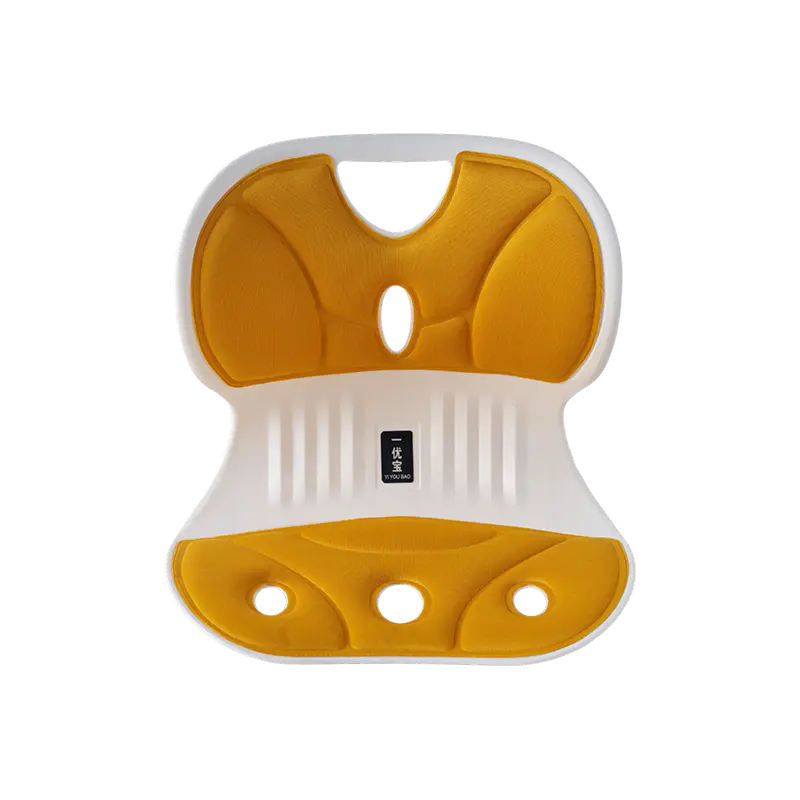
A lumbar support backrest works by filling the gap that forms between the lower back and the chair or seat back when the pelvis tilts posteriorly during sitting. When this gap is filled with a firm but yielding support, the natural lumbar curve — the gentle inward curve of the lower spine — is maintained rather than allowed to flatten or reverse.
Maintaining the lumbar curve has a cascade of effects on posture further up the spine:
- A pelvis supported in a more neutral position allows the lumbar vertebrae to stack in a more aligned configuration
- Reduced forward head migration, because the entire spinal column above the lumbar region is better supported from below
- Less compensatory tension in the upper back and neck, which are working against the forward pull when the lower back is unsupported
The support does not actively "correct" posture in the way that a brace or orthotic might constrain movement. It works passively — by being present as a physical reference point that the lower back rests against, encouraging a position closer to neutral without requiring conscious effort from the user.
This is the mechanism by which a lumbar support backrest can reduce slouching: not by preventing all spinal movement, but by reducing the likelihood that the default resting position becomes the problematic rounded posture that places sustained load on passive structures.
Does Lumbar Support Actually Work for Slouching?
The Evidence and the Limits
The honest answer is: lumbar support helps meaningfully for many people, particularly in the seated-at-a-desk and driving contexts, but it works better as part of a broader approach than as a standalone intervention.
What lumbar support does reliably:
- Provides a physical reference that prompts the lower back into a less flexed position during sitting
- Reduces the muscular effort required to maintain a more neutral posture for the duration the support is in contact with the lower back
- Decreases the rate at which the lumbar muscles fatigue during extended sessions, because some of the positional maintenance is handled by the support rather than entirely by active muscle contraction
- In a driving context, compensates for the seat geometry that typically pushes the pelvis into a posterior tilt
What lumbar support does not do:
- Strengthen the core and lumbar muscles that need to be active when the support is not present
- Correct the structural or habitual aspects of posture that have developed over years
- Replace the need for movement breaks during extended sitting sessions
- Work equally well for all body geometries — the support needs to be positioned correctly at the right lumbar level to provide the intended benefit
The practical conclusion is that lumbar support produces genuine postural benefit during the sitting session, which is where most of the cumulative load is occurring. Combining it with regular movement breaks and some targeted core strengthening produces better outcomes than any single intervention alone.
Types of Lumbar Support Products and How They Differ
| Product Type | Support Level | Portability | Suited For |
|---|---|---|---|
| Fixed lumbar backrest (chair-mounted) | Firm and consistent | Not portable | Dedicated office desk setup |
| Foldable lumbar support cushion | Moderate to firm | High — folds flat for travel | Driving, travel, multiple-use settings |
| Memory foam lumbar cushion | Adaptive, moderate | Moderate | Long office sessions, comfort-focused use |
| Mesh lumbar support | Light to moderate | Moderate | Warm climates, breathability priority |
| Adjustable-strap lumbar backrest | Variable, user-controlled | Moderate | Users who need custom positioning |
| Roll cushion (lumbar roll) | Firm at contact point | High | Upright chairs, short sessions, driving |
The right product depends on the combination of use environment, session duration, and what the user needs from the support. A fixed backrest mounted to a dedicated office chair provides the most consistent support for an eight-hour desk session. A foldable lumbar support cushion provides versatile support across settings — taken from the office chair to the car seat to an airplane seat — which suits users who work in multiple environments or travel regularly.
Using a Foldable Lumbar Support Cushion for Driving
Why the Car Seat Creates Specific Challenges
The geometry of car seats is one of the more consistently problematic environments for spinal posture. Standard car seats are designed around crash safety, manufacturing constraints, and accommodating a wide range of body sizes — not around lumbar support. The typical result is a seat that pushes the lower back into a flattened or posteriorly tilted position, particularly for taller or longer-limbed drivers.
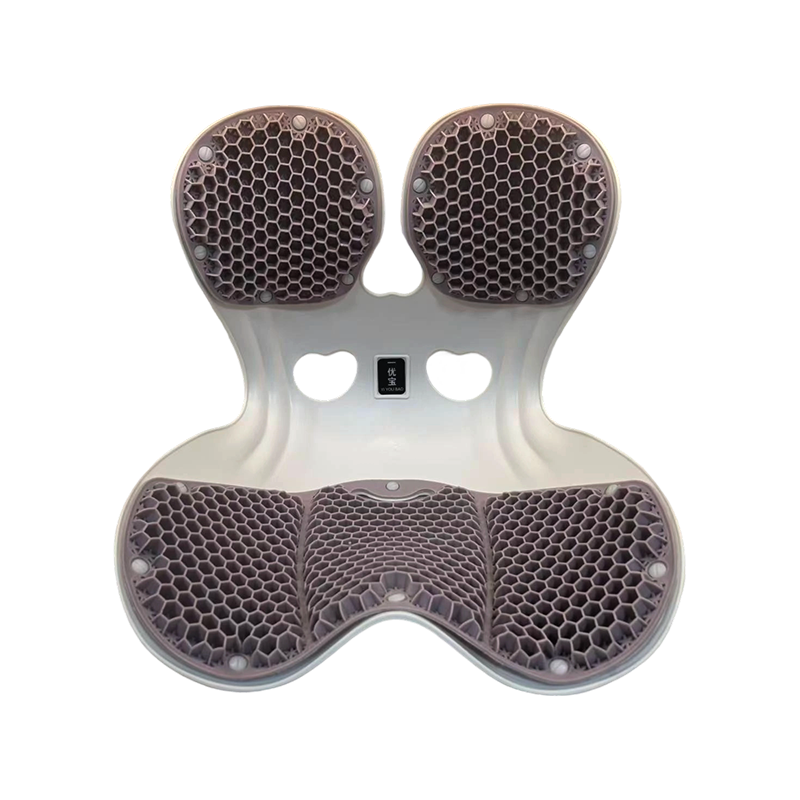
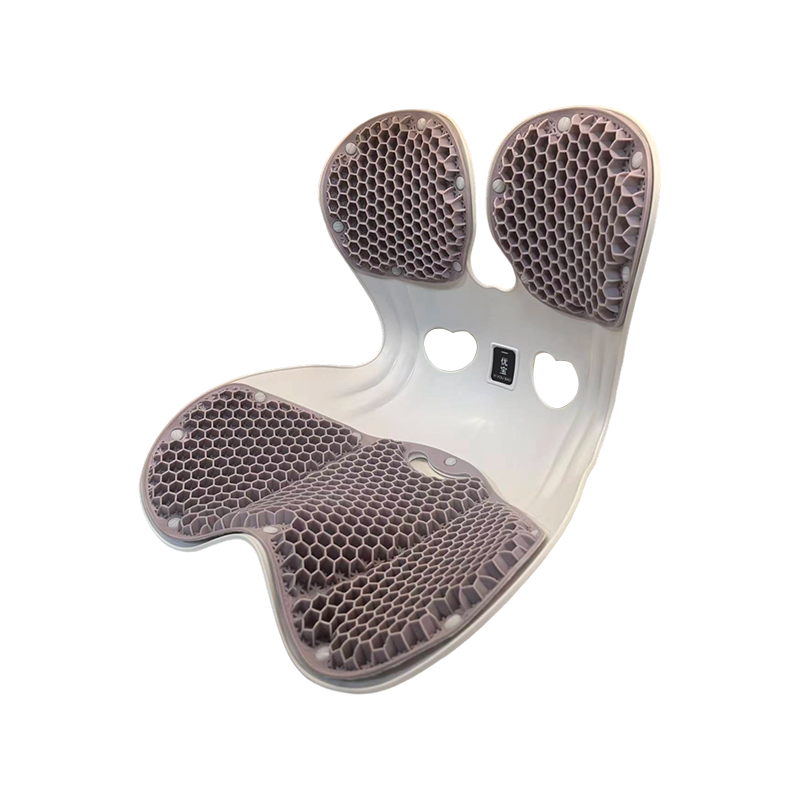
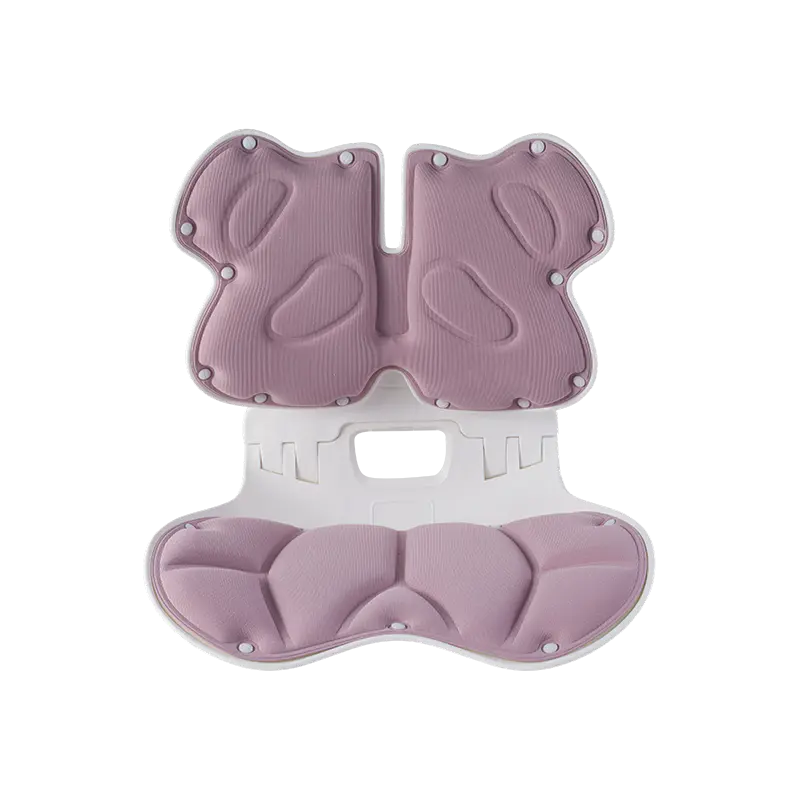
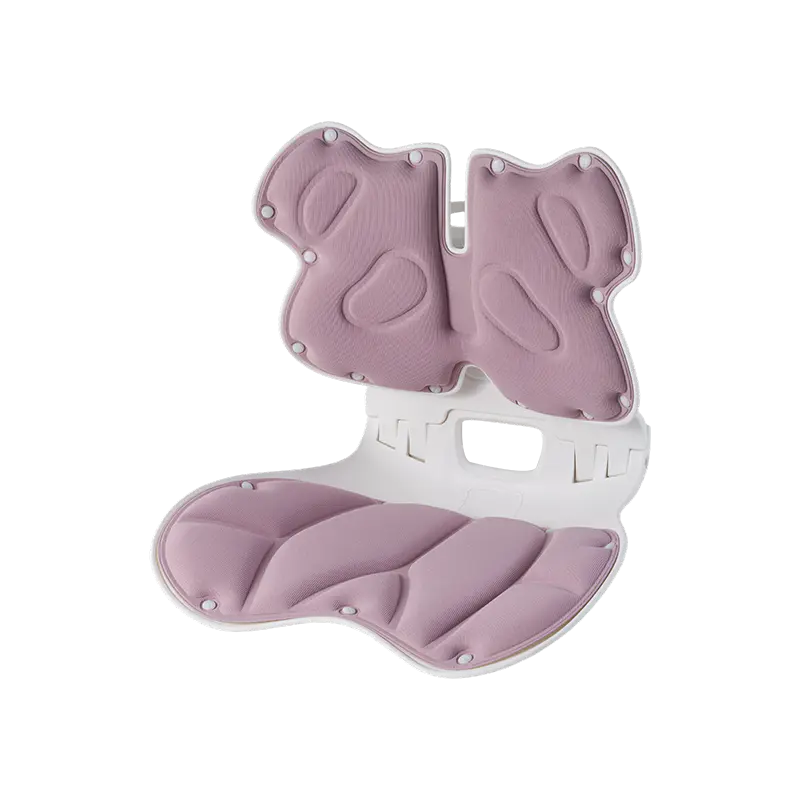
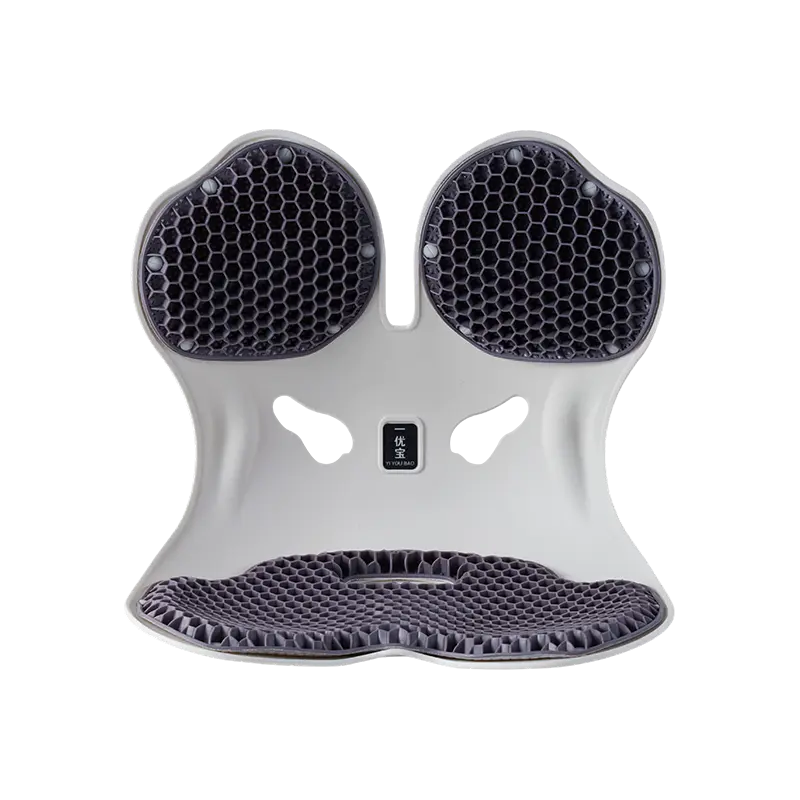
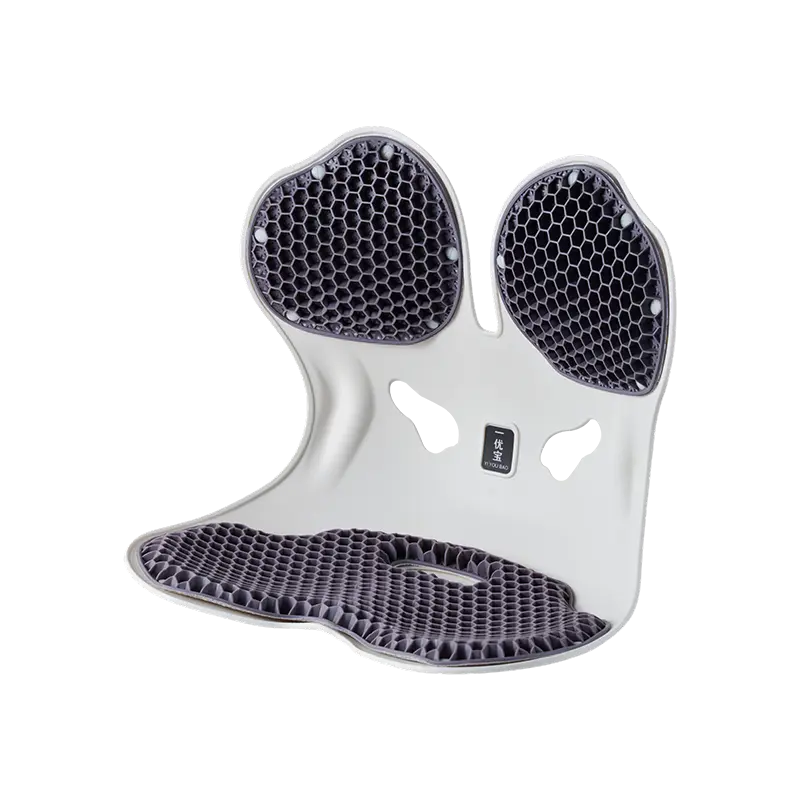
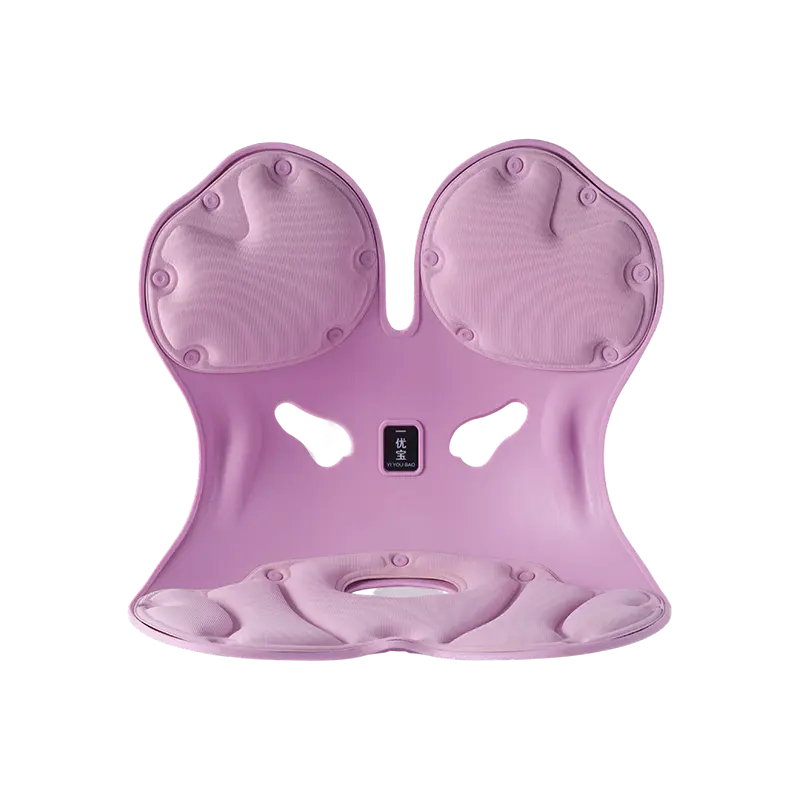
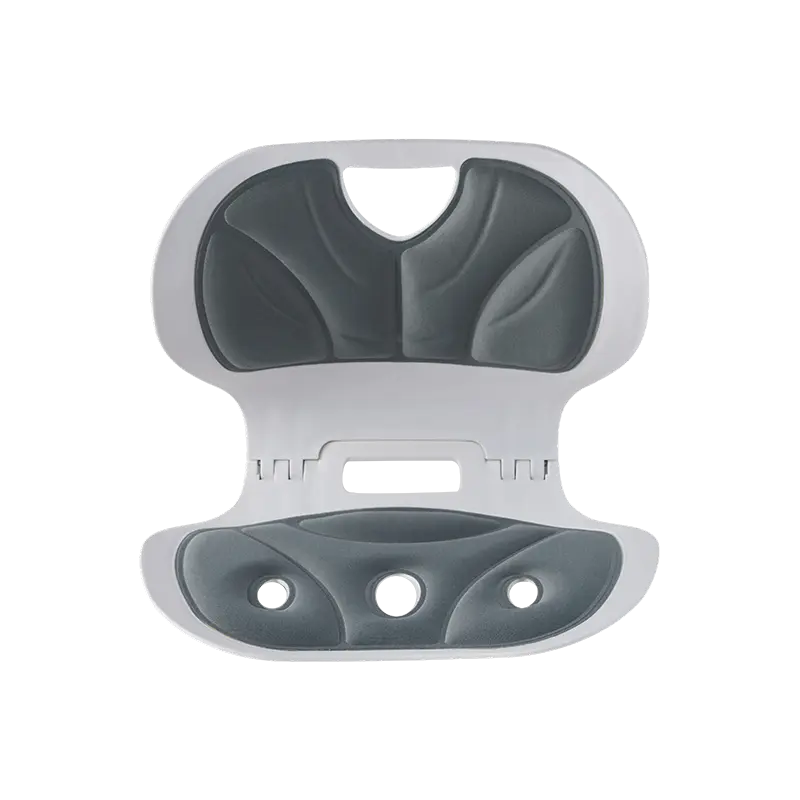
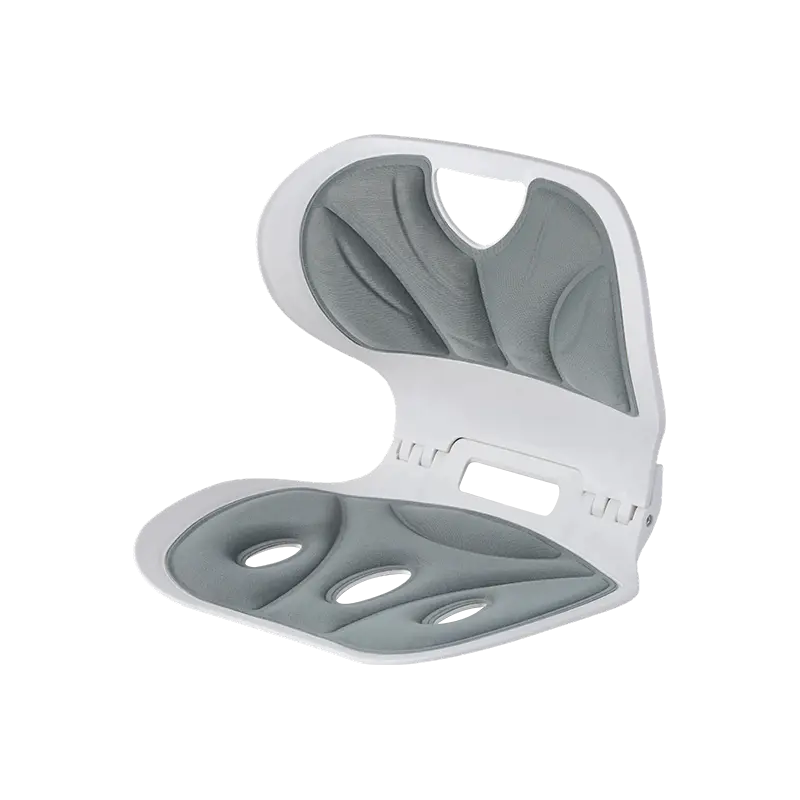
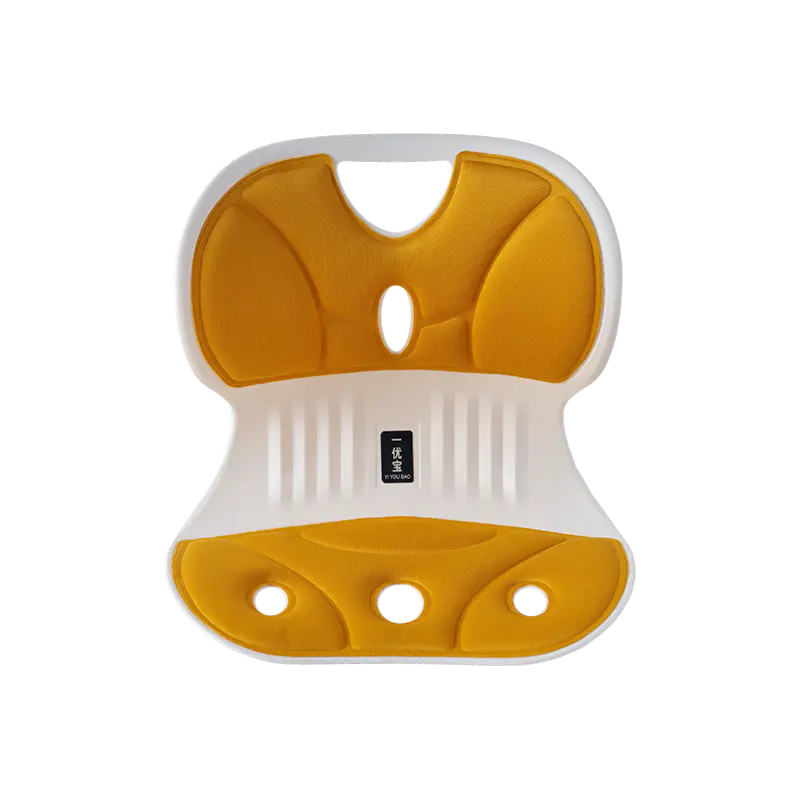
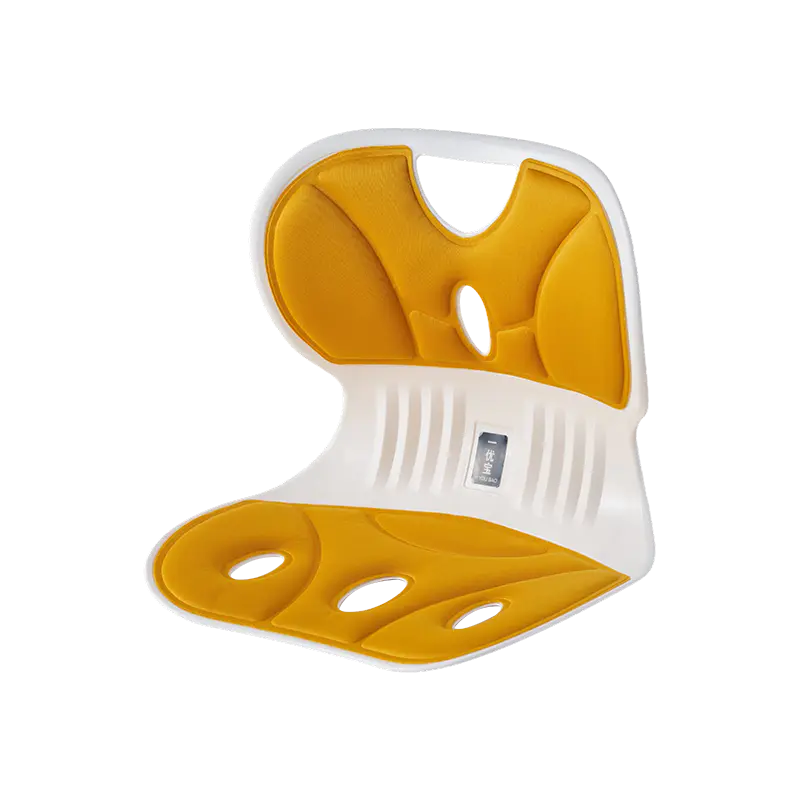
A foldable lumbar support cushion addresses this by placing a supportive layer between the driver's lower back and the seat back, restoring some of the lumbar curve that the seat design removes. The foldable format is practical for vehicle use: the cushion can be carried easily between the car and other seating environments, positioned quickly without tools, and adjusted as needed when the vehicle is parked.
Specific advantages of the foldable design for driving:
- Can be repositioned easily if the driver's preferred lumbar height differs from the seat's fixed geometry
- Thickness can sometimes be adjusted by manipulating the fold, allowing the driver to modulate support level for different journey durations
- Portable enough to take into other vehicles — rental cars, company vehicles, rideshare — where the seat geometry may be unknown
- Easy to remove if a passenger needs to use the seat and has different support preferences
For long-distance drivers or commuters spending multiple hours per day behind the wheel, the cumulative benefit of reduced lumbar loading across those hours is meaningful over weeks and months.
Office Work: Positioning and Practical Use
How to Get the Most From Lumbar Support at a Desk
A lumbar support backrest at an office desk works most effectively when it is positioned correctly and combined with a few basic ergonomic adjustments.
Positioning guidance:
- The support should contact the lower back at the lumbar curve — typically between the top of the pelvis and roughly mid-back. Positioning it too high supports the thoracic region rather than the lumbar region and does not produce the intended pelvic tilt correction.
- The chair height should allow the feet to rest flat on the floor with knees at approximately a right angle. If the chair is too high or too low, the pelvis position changes in ways that affect how the lumbar support interacts with the lower back.
- The monitor should be at roughly eye level when sitting in the supported position. If the screen is too low, the head will drop forward regardless of how well the lower back is supported.
Complementary habits that improve outcomes:
- Briefly standing or walking every forty-five to sixty minutes interrupts the static loading pattern that produces muscle fatigue
- Varying the amount of backward lean against the support throughout the day — sitting more upright during active work, leaning slightly back during less intensive tasks — distributes load more evenly
- Positioning the keyboard and mouse close enough that arms do not reach forward, which pulls the upper back and shoulders away from a neutral position
Comparing the Office and Driving Use Cases
Does the Same Product Work for Both?
A foldable lumbar support cushion is the format that bridges both contexts most effectively. Fixed office-specific supports do not transfer to vehicles. A foldable cushion designed with adequate thickness for a car seat may also work well on an office chair, though the ideal thickness differs slightly between the two contexts — car seats typically benefit from a thicker support because the seat geometry is less adjustable than an office chair.
Key differences between the two use cases:
- Office sitting: The chair is typically adjustable, which allows the user to compensate partially for sub-optimal seat geometry through chair height and tilt adjustments. A lumbar support in this context supplements those adjustments.
- Driving: The seat is largely fixed once the driver's distance to the pedals is set. The lumbar support does more of the compensatory work because there are fewer other adjustment options available.
- Duration and movement: Office work typically allows more frequent standing and movement than driving. A driver may be in the same supported position for one to four hours without leaving the seat. This makes correct initial positioning more important in the driving context.
How to Choose a Lumbar Support Backrest for Daily Use
The Decisions That Actually Affect Long-Term Satisfaction
Several practical considerations determine whether a lumbar support product continues to be used consistently or ends up set aside after a few weeks:
- Thickness and firmness: A support that is too thin does not fill the gap adequately. One that is too firm creates a pressure point rather than distributed support. Most users find a medium-firm foam or adjustable-density product comfortable for extended use.
- Height adjustability: The lumbar curve sits at different heights on different people, depending on torso length and pelvic anatomy. Supports with adjustable straps or those that can be easily repositioned accommodate this variation better than fixed-position products.
- Breathability: A support that traps heat becomes uncomfortable during extended sessions in warm environments or vehicle interiors. Mesh-back covers or ventilated foam construction address this for warm-climate or summer use.
- Portability format: For users who move between environments — office to vehicle to travel — the foldable format is practical. For users with a single fixed workstation, a heavier or more structural support may be appropriate.
- Cover durability and cleanability: A support used daily accumulates dust, sweat, and general wear. Removable, washable covers extend the product's useful life significantly compared to covers that cannot be cleaned without damaging the product.
Maintaining Good Posture Beyond the Support Itself
What Lumbar Support Cannot Do Alone
A lumbar support backrest reduces the physical load on the lower back during sitting sessions. What it does not do is address the muscular and movement patterns that create vulnerability to slouching in the first place.
Complementary approaches that work alongside lumbar support:
- Core stabilization exercises: Strengthening the deep lumbar and abdominal stabilizers increases the endurance of the muscles that maintain spinal alignment. Even a short daily routine targeting these muscles produces measurable improvement in sitting posture over weeks.
- Hip flexor and thoracic mobility work: Tight hip flexors and a stiff thoracic spine both contribute to the postural pattern that makes slouching the default. Addressing these specifically reduces the mechanical forces driving the lower back into flexion.
- Screen and desk ergonomics: Monitor height, keyboard position, and chair-to-desk relationship all affect whether good posture is structurally possible or requires constant effortful correction.
- Movement frequency: Breaking up long sitting sessions with short movement breaks — even standing briefly — prevents the muscle fatigue that leads to progressive postural collapse over the course of a day.
Lumbar support is most effective as one component of this broader approach, not as a replacement for it.
Making the Right Choice for Your Sitting Environment
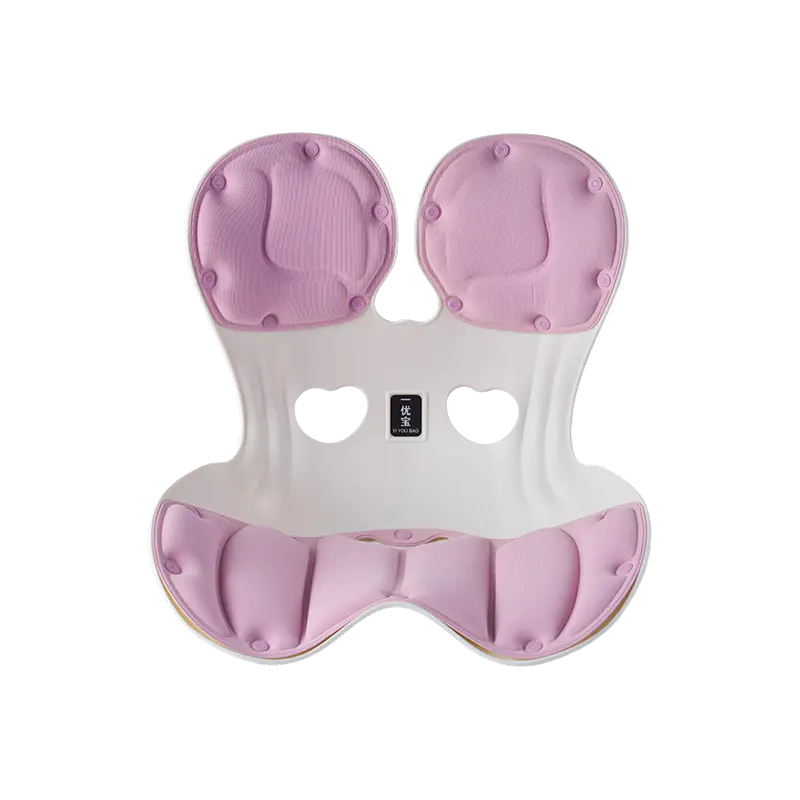
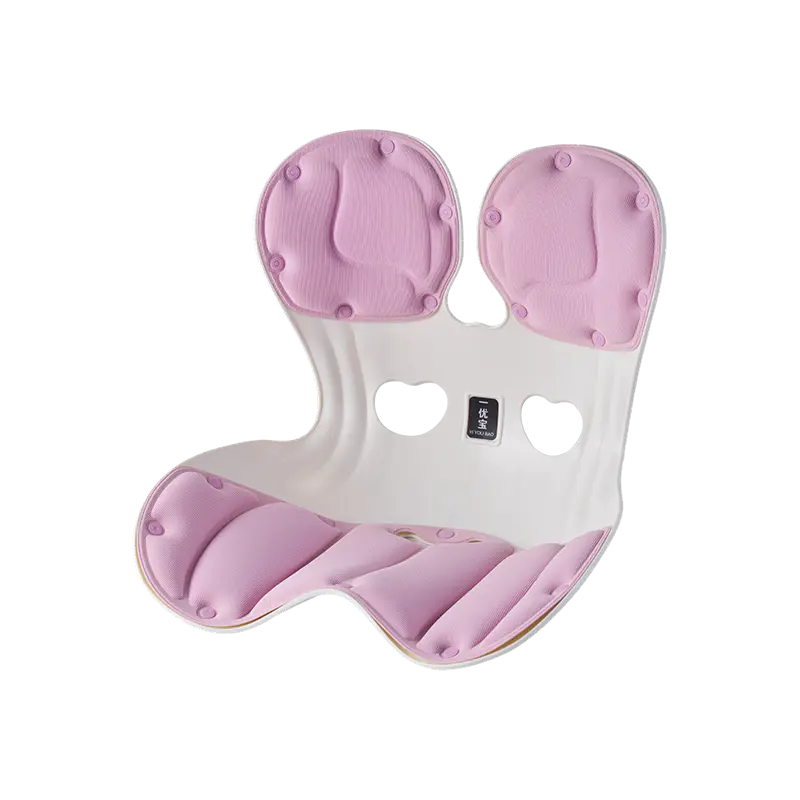
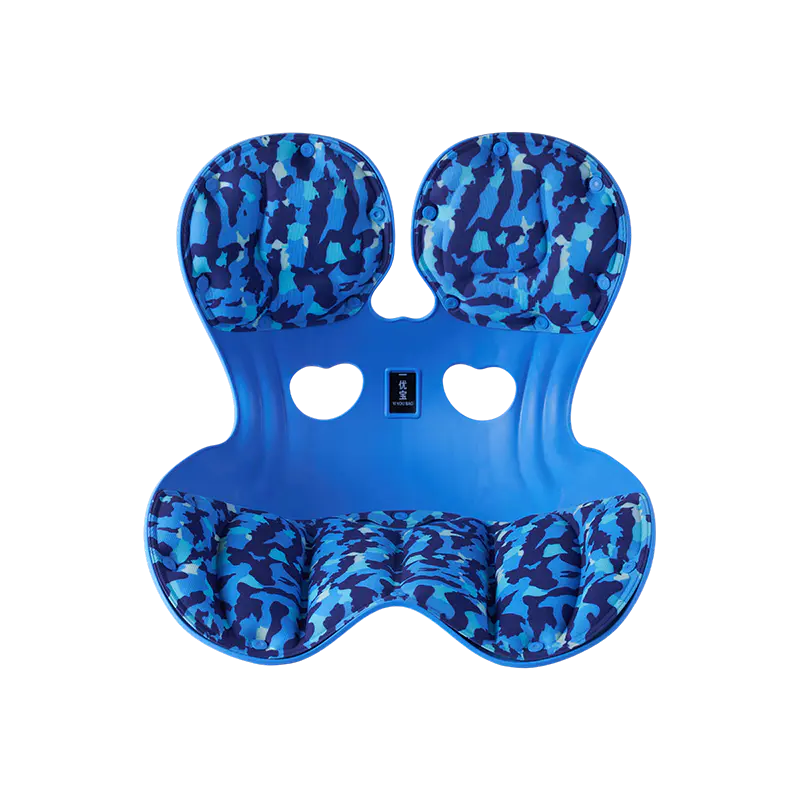
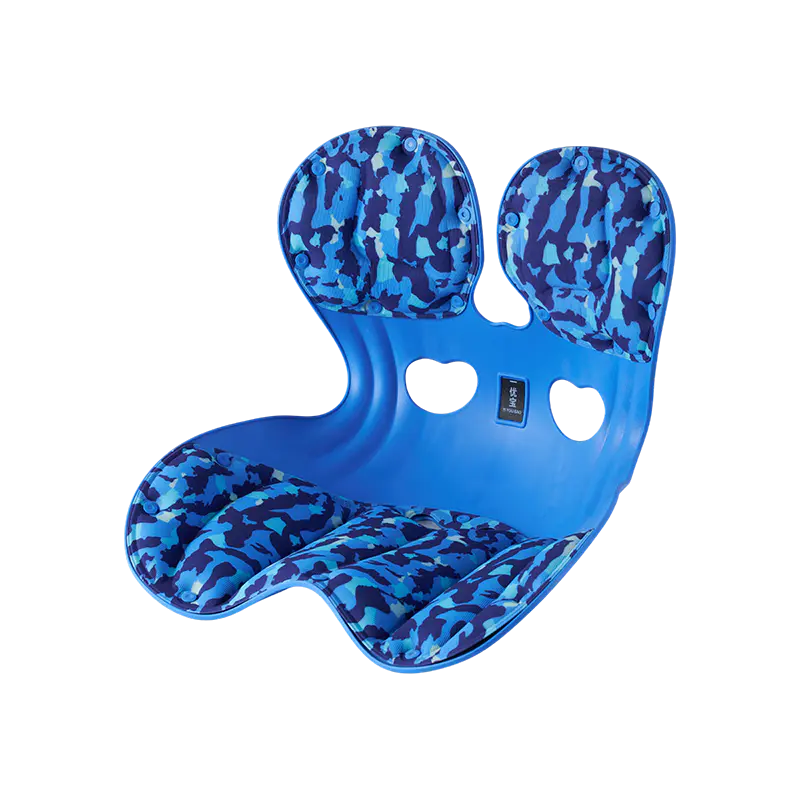
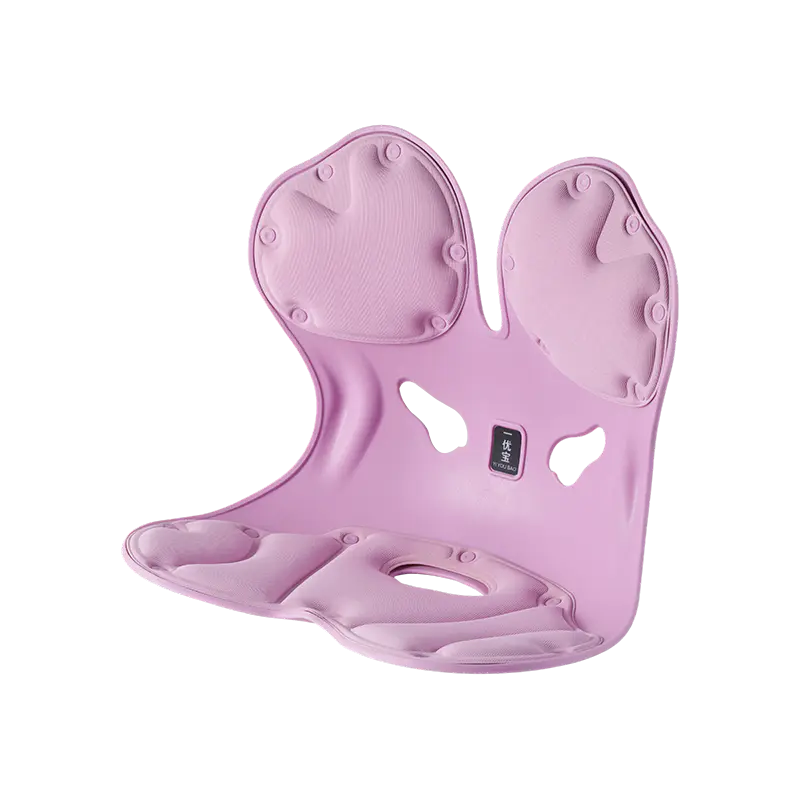
A lumbar support backrest helps prevent slouching by maintaining the natural lumbar curve during sitting, reducing the rate at which the postural muscles fatigue, and providing a reference point that keeps the lower back in a less damaging position for the duration of the sitting session. Whether the application is a full day at an office desk or several hours behind a steering wheel, the mechanism is the same — passive support that reduces the ongoing demand on active muscle contraction to maintain a safe spinal position. The foldable lumbar support cushion format extends this benefit across environments, making it a practical choice for users whose day includes both desk work and driving. Yongkang Yiyoubao Technology Co., Ltd. manufactures lumbar support backrests and foldable lumbar support cushion products designed for office, driving, and travel use. Their product range covers foam specifications, cover materials, and adjustable design formats relevant to different sitting environments and user needs. For retailers, distributors, or ergonomic product sourcing teams evaluating lumbar support options at volume, reaching out to their team to discuss specifications, available configurations, and wholesale requirements is a practical starting point for building a product selection that meets real-world postural support needs.
 Previous