English
 中文简体
中文简体
Industry News
Back pain that builds gradually over a long drive tends to be dismissed as an inevitable consequence of spending time behind the wheel. It is not. The discomfort that accumulates across a two-hour motorway stretch, or that compounds across weeks of daily commuting, is a postural problem — one that the car seat itself typically contributes to rather than prevents. A lumbar support backrest exists to correct a specific structural gap between what most car seats provide and what the lower spine needs during sustained seated use. But not every support addresses that gap effectively, and choosing the wrong one can make the situation worse rather than better.
The Postural Problem That Makes Lumbar Support Necessary
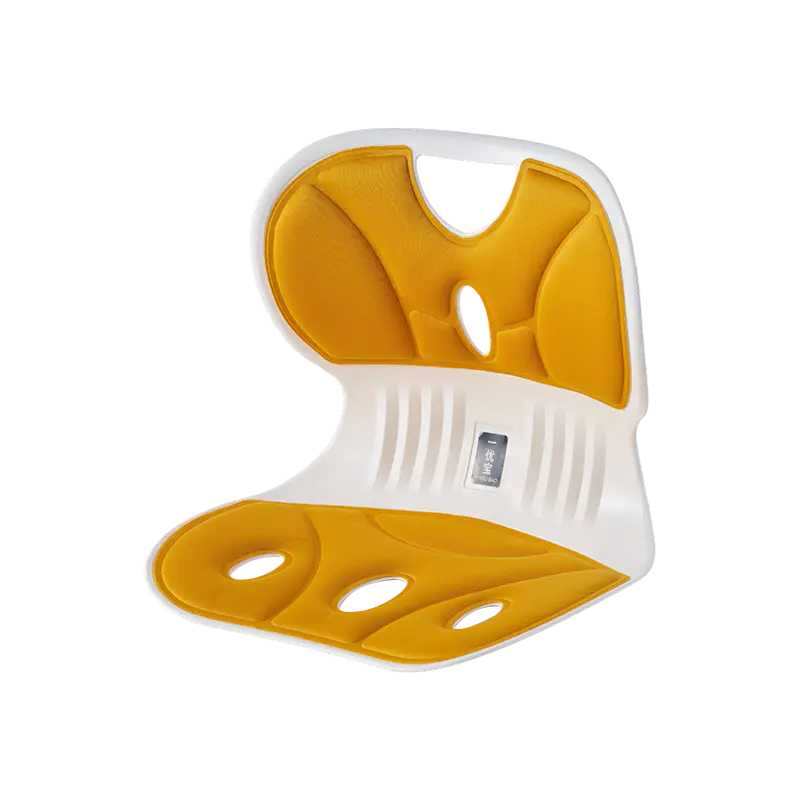
Why Car Seat Design Falls Short for Many Drivers
Standard vehicle seating is designed to accommodate a wide range of body dimensions across a general population. That breadth of accommodation comes at a cost: the lumbar region — the inward-curving section of the lower spine — is rarely addressed with precision for any individual driver. A seat contoured for population average will leave some drivers with their lumbar spine in mild but sustained flexion throughout every journey.
That mild flexion matters more than it sounds. The intervertebral discs of the lumbar spine are under measurably higher load in a flexed position than in a neutral one. The muscles that support the lumbar spine work in a lengthened, less mechanically efficient position when the curve is flattened. Neither of these facts causes immediate harm, but repeated exposure across years of driving creates cumulative strain patterns that manifest as chronic stiffness, fatigue after journeys, and eventually persistent discomfort that persists off the road.
What Changes When the Lumbar Curve Is Supported
Restoring the lumbar curve during seated driving shifts the loading pattern across the spine. When the natural inward curve is maintained rather than flattened against the seatback, the intervertebral discs experience more even pressure distribution. The paraspinal muscles — the long muscles running alongside the spine — work in a mechanically favorable position rather than the lengthened posture that generates fatigue.
The postural effect also propagates upward through the spine. When the lumbar segment is supported, the pelvis tends to rotate to a more neutral position, which reduces the tendency for the thoracic spine to round and the head to project forward. A single well-positioned lumbar support can improve posture across the whole seated column, not just at the point of contact.
What Types of Lumbar Support Work in Car Seats?
Fixed Foam Supports: Simple and Consistent
A fixed-position foam lumbar support has a specific contoured shape and does not allow height or depth adjustment. Its advantage is operational simplicity — once the strap is on the seat in the right position, there is nothing to adjust and nothing to fail. The disadvantage is inflexibility: if the contour does not match the driver's lumbar curve reasonably well, or if the support sits at the wrong height for that individual, it provides inconsistent benefit.
Fixed supports suit drivers who have already identified their lumbar support requirements precisely — they know what height, depth, and width of contact works for them — and who use a single vehicle consistently. For those still exploring what kind of support helps, a fixed design makes it harder to isolate whether a poor result comes from the support type or simply the specific product's geometry.
Adjustable Supports: Flexible but Requiring Calibration
Adjustable lumbar supports allow the user to change the projection depth, the contact height, or both. This flexibility is genuinely useful for drivers sharing a vehicle, for those who have not found a fixed support that positions correctly, and for fleet and commercial applications where the same vehicle is used by drivers with different body proportions.
The practical catch with adjustable designs is that the adjustment needs to be done correctly to be effective. An adjustable support set to a depth that is too shallow does nothing useful. Set too deep, it forces the lumbar spine into excessive extension, which creates a different kind of discomfort. Getting the adjustment right requires understanding what neutral lumbar position feels like — something that drivers who have been sitting in poor posture for years may need time to develop sensitivity to.
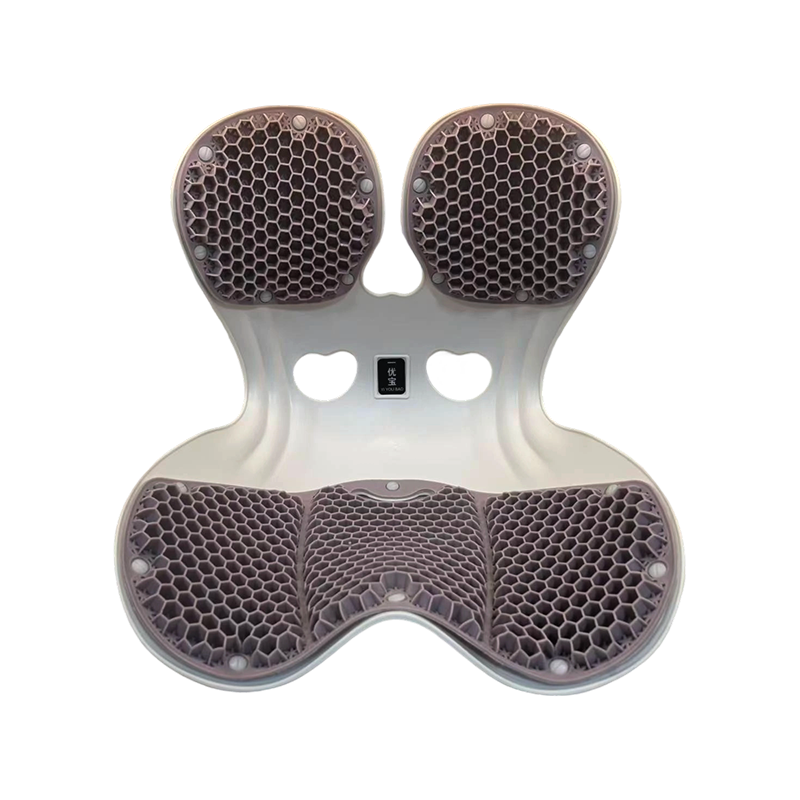
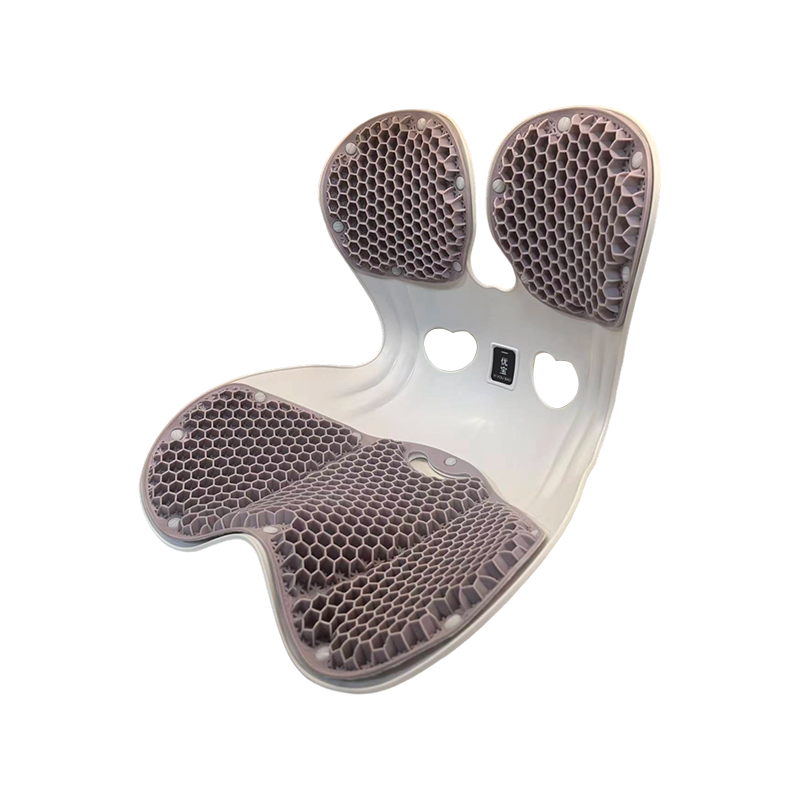
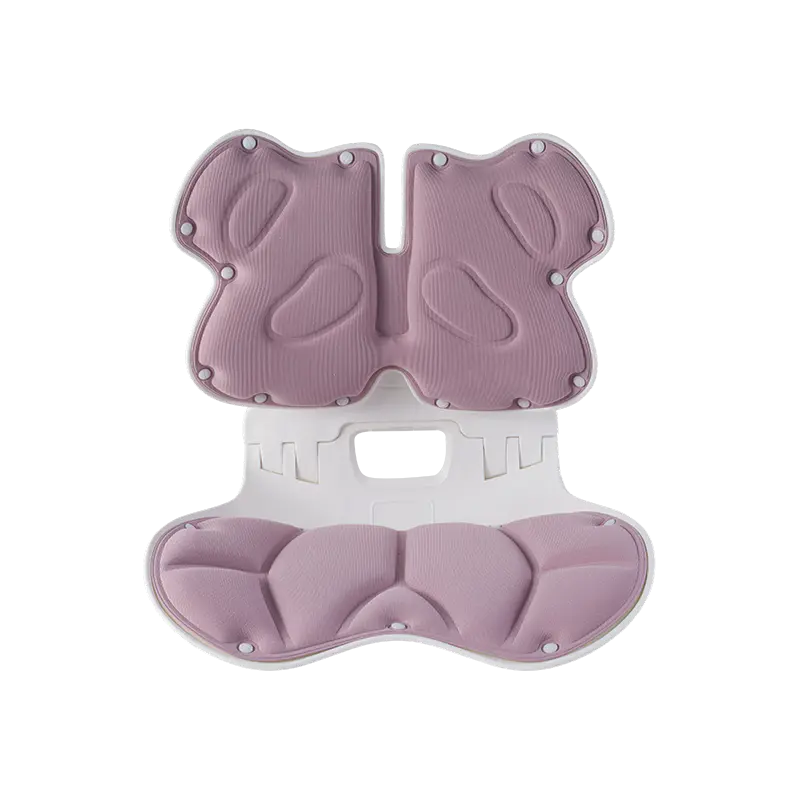
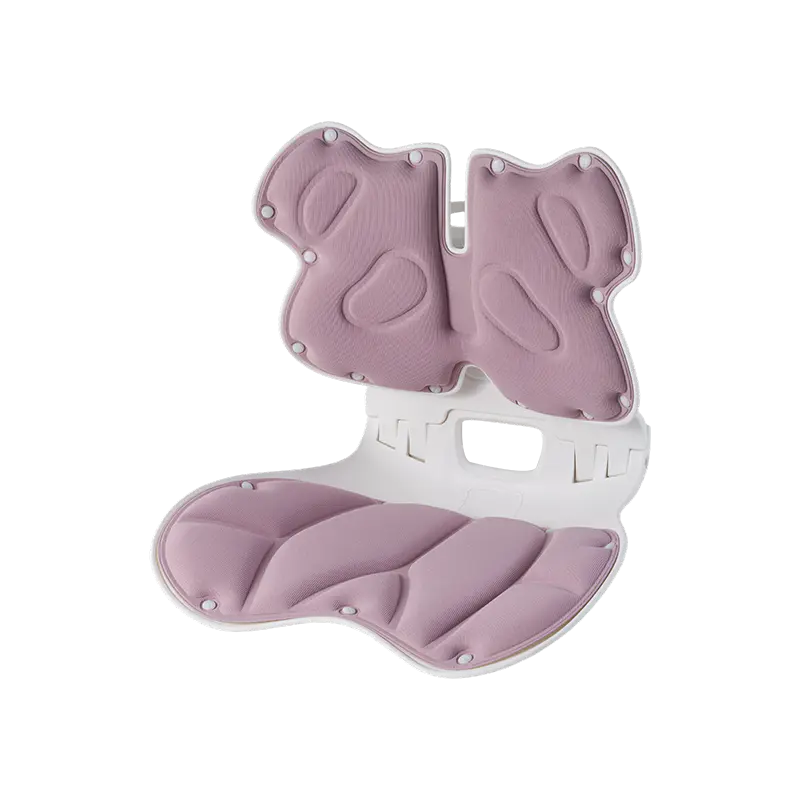
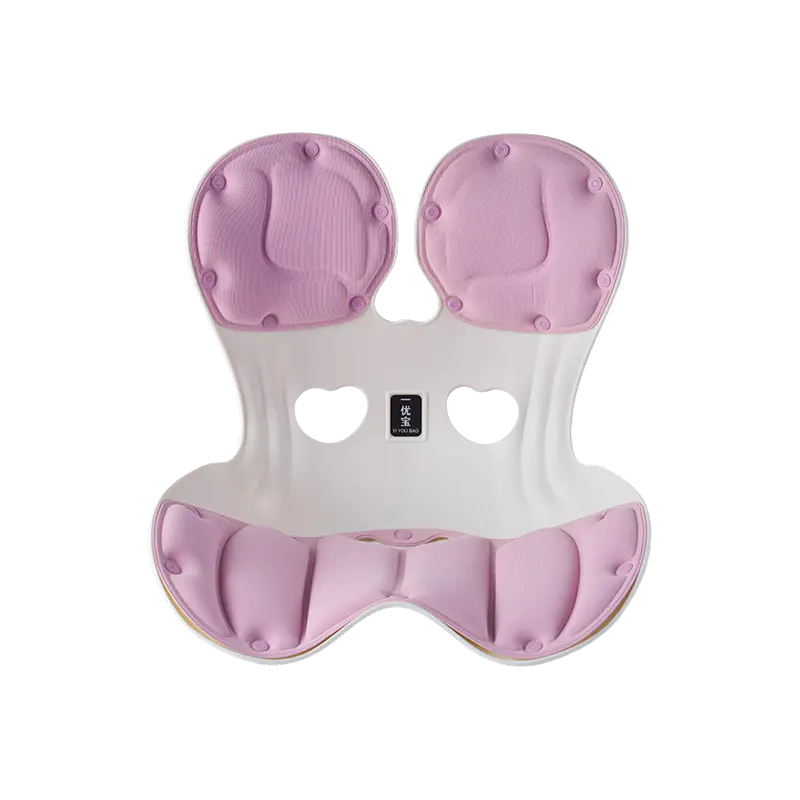
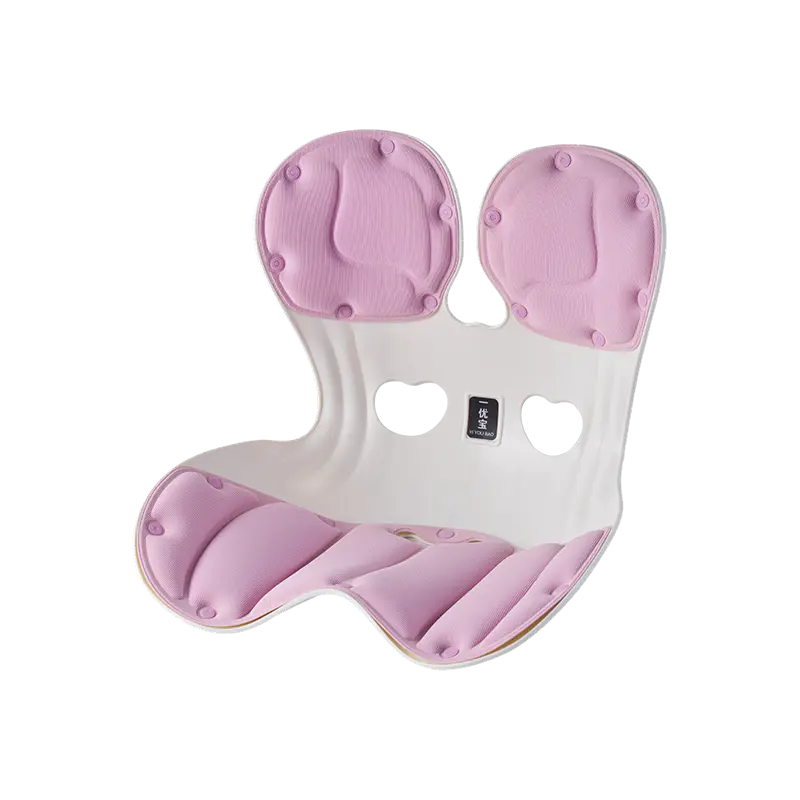
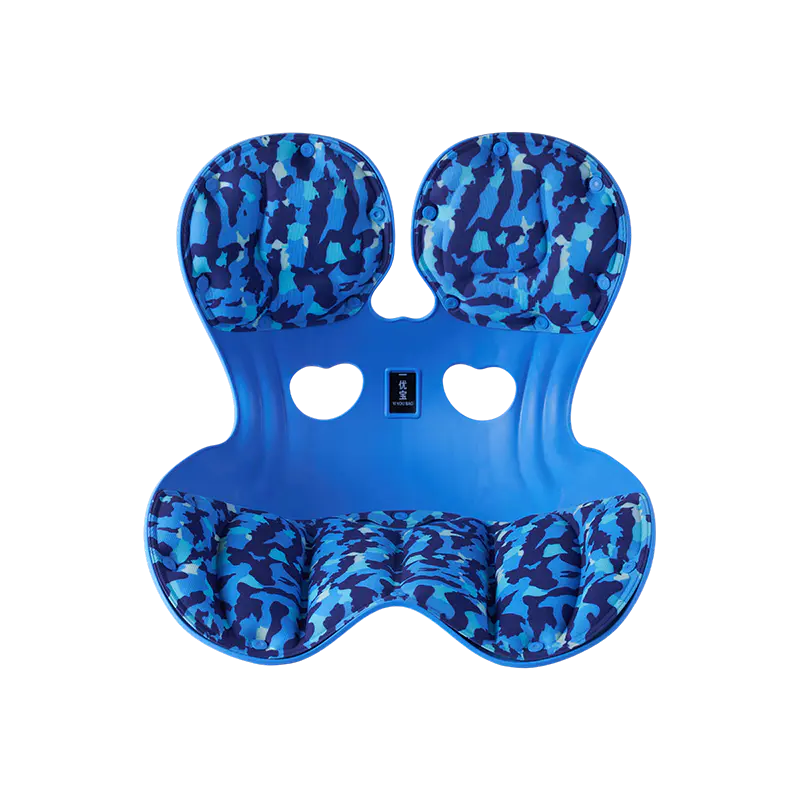
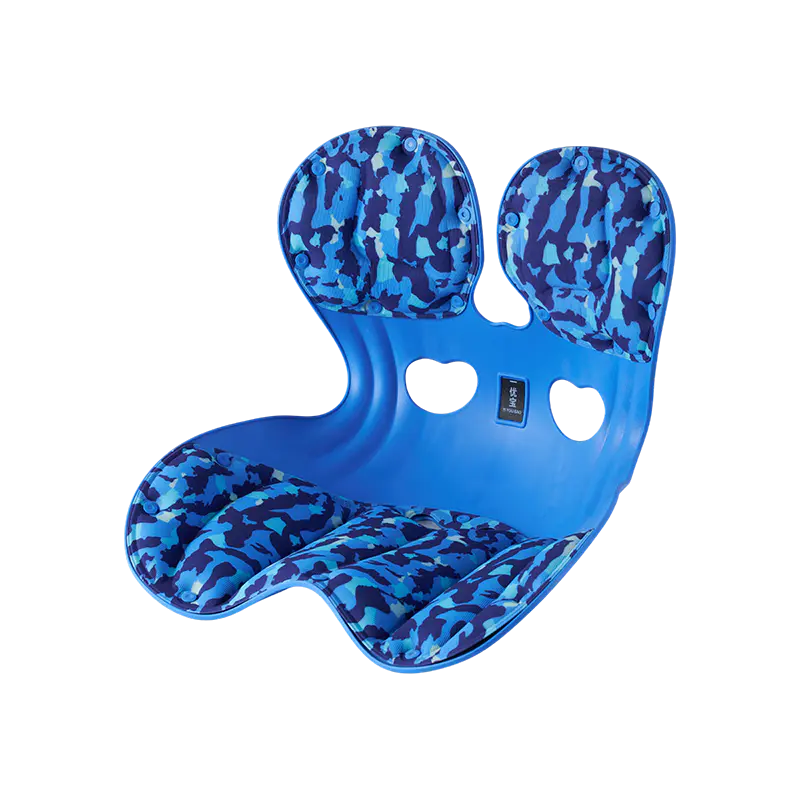
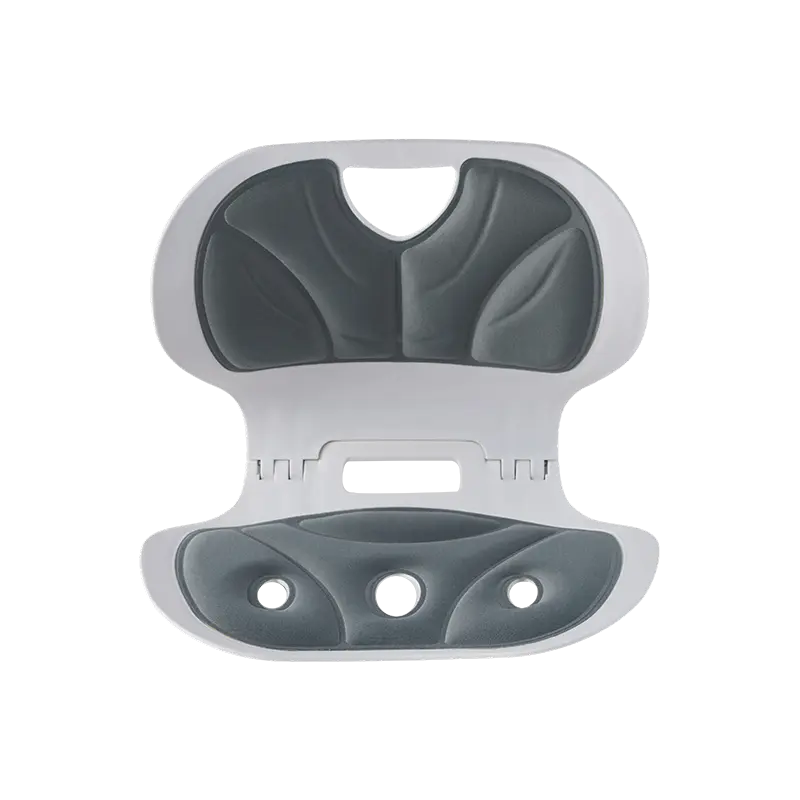
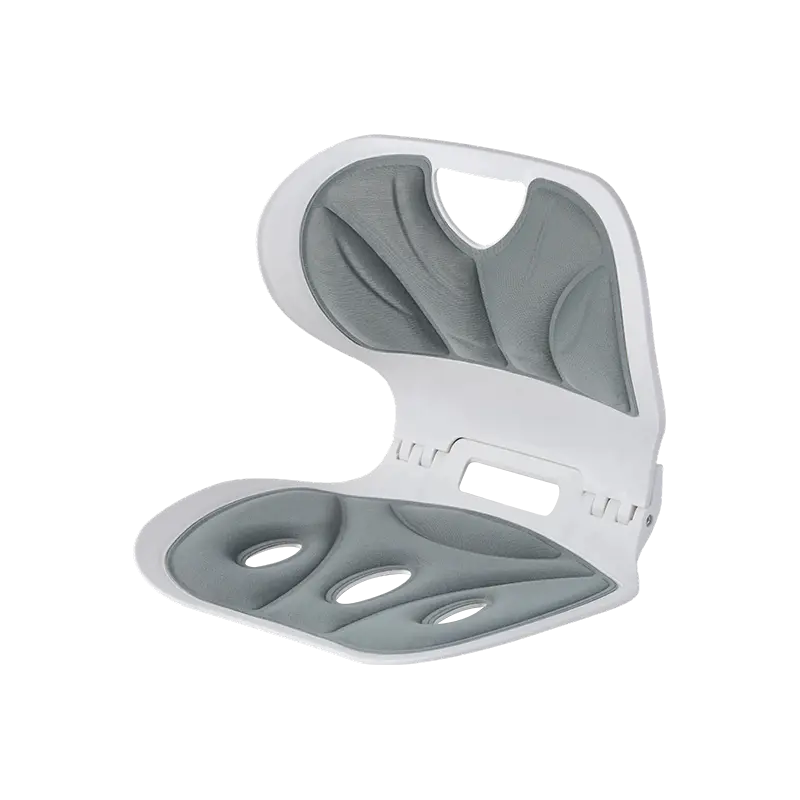
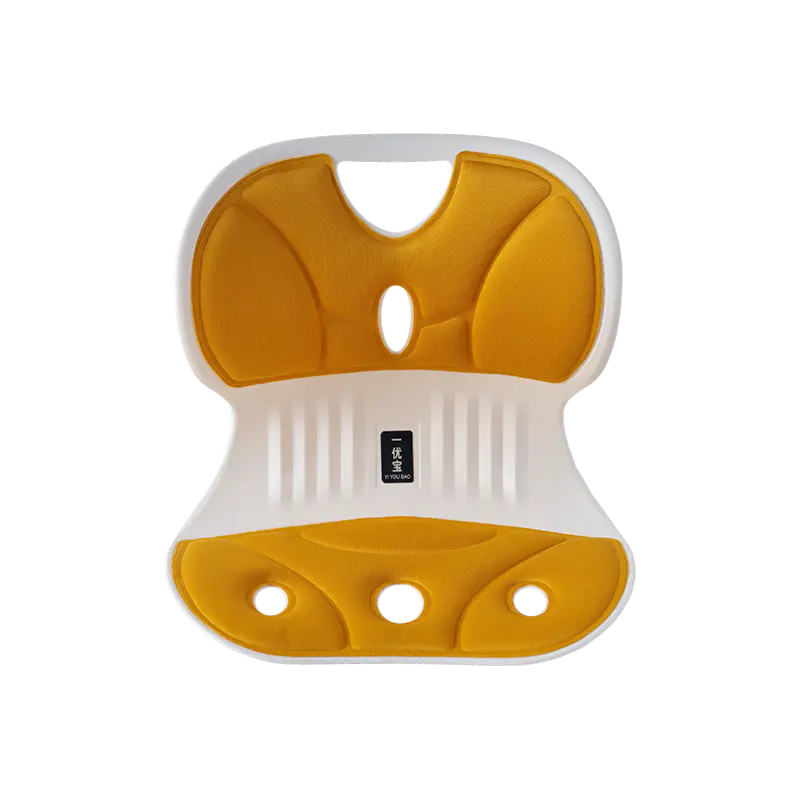
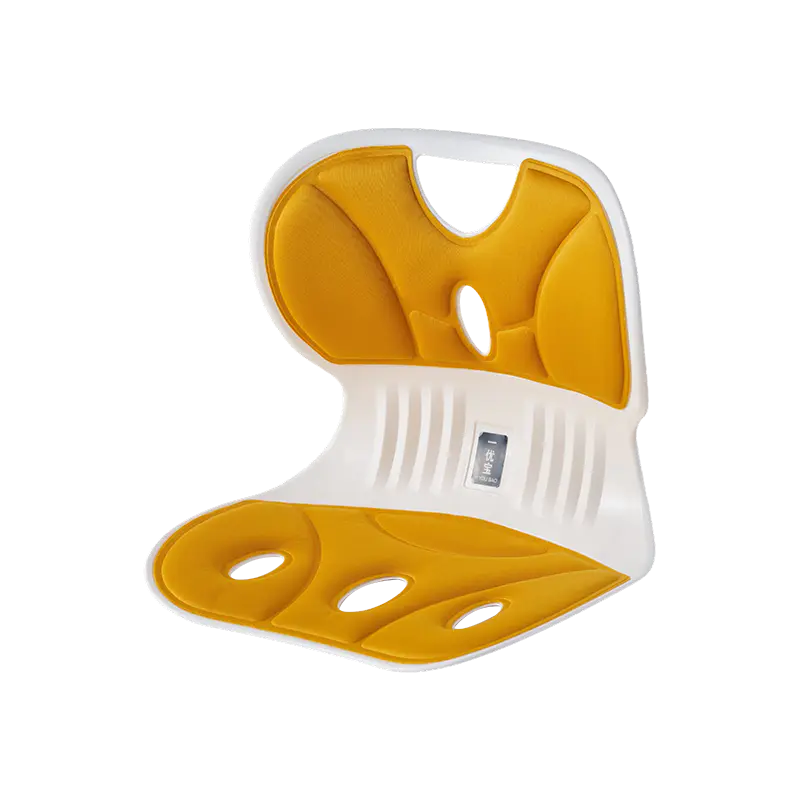
The Foldable Lumbar Support Cushion for Multi-Vehicle Use
A foldable lumbar support cushion addresses a specific practical problem: drivers who move between different vehicles and cannot leave a support permanently installed in any of them. The foldable format collapses to a profile thin enough to carry in a bag or briefcase without significant bulk, then deploys quickly when needed.
This format suits fleet drivers rotating through company vehicles, rideshare operators, frequent travelers using rental vehicles, and commuters who take different modes of transport and need a support that works across contexts. The foldable construction does not inherently compromise the quality of support — it is a design feature of the carrying format rather than the support performance — but it does mean the user needs to establish the correct position each time the cushion is deployed rather than relying on a permanently installed setup.
Material Choices and What They Mean in Practice
Memory Foam: Contouring With Limitations
Memory foam responds to body heat and pressure by conforming to the shape it contacts. In lumbar support applications, this means the foam gradually adapts to the individual driver's back contour, which distributes contact pressure broadly rather than concentrating it at bony landmarks. The support feels yielding rather than rigid and tends to be comfortable for a wide range of body shapes without requiring precise positional alignment.
The practical limitation of memory foam in vehicle applications is thermal behavior. Memory foam absorbs body heat and retains it, which becomes uncomfortable in warm weather or in vehicles without effective air conditioning. In cold conditions, the foam stiffens temporarily until it warms up. For drivers in moderate climates with controlled vehicle environments, this is rarely a significant concern. For those in hot climates or older vehicles, it is worth factoring in.
Ventilated and Mesh Designs
Mesh or ventilated foam supports maintain airflow between the support surface and the driver's back, which prevents the heat buildup that affects solid foam products. The trade-off is reduced contouring — mesh surfaces are typically flatter and provide less adaptive shaping than memory foam.
For drivers who run warm, who cover long distances in hot conditions, or who find memory foam supports uncomfortable in summer, a ventilated design addresses a genuine comfort problem. The support quality is not inherently lower than foam — the contact pressure is simply distributed differently, and the absence of heat accumulation is a comfort feature in its own right.
Inflatable and Adjustable-Firmness Designs
Some lumbar supports incorporate an inflatable bladder that allows the user to change the firmness and projection of the support by adding or releasing air through a small hand pump. This level of adjustment suits drivers with therapeutic needs — those recovering from a specific injury or managing a diagnosed spinal condition — or those who find that their preferred support level varies with fatigue, journey length, or time of day.
The inflatable mechanism adds a component that can fail over time, and the pump needs to be accessible during driving if in-journey adjustment is intended. For most drivers, this level of variability is more complexity than the application requires. For drivers with specific medical direction around lumbar support firmness, it provides control that fixed designs cannot.
How Seat Type and Driving Position Affect the Selection
| Seat Configuration | Typical Lumbar Challenge | Suitable Support Type |
|---|---|---|
| Standard Sedan with Flat Seatback | Significant lumbar flexion throughout journey | Deeper projection support with secure strap attachment |
| SUV or Truck with Upright Seating | Moderate lumbar flexion due to open hip angle | Moderate-depth support; ventilated material may be suitable |
| Sports or Low-Slung Seats with Reclined Seatback | Pronounced lumbar flexion and sacral load | Deeper, adjustable support to bridge reclined posture gap |
| Van or Minibus Driver Seat | Extended duration use with minimal built-in support | Combination of lumbar and seat cushion support |
| Seats with Built-In Powered Lumbar | Existing support already provided; added cushion may be excessive | Thin or no aftermarket support unless factory support is insufficient |
| Commercial Truck Cab Seating | Long duration with high vibration exposure | Durable, securely attached, breathable support system |
Does Vehicle Type Change What Works?
Seats with Built-In Lumbar Support Features
Many modern vehicles incorporate adjustable lumbar support into the seat mechanism itself — controlled electrically or by a manual pump mechanism built into the seat side. These systems vary considerably in how much adjustment they provide and how well they position the support for different driver body proportions.
Where the built-in system provides adequate support for the individual driver, adding an aftermarket cushion on top can create a support profile that is too pronounced, pushing the driver forward from the seatback and reducing the thigh-to-seat contact that contributes to stable sitting posture. For these seats, the productive question is whether the built-in system, properly adjusted, serves the driver's needs rather than defaulting to an additional aftermarket product.
Older Vehicles and Working-Environment Seating
Trucks, vans, taxis, and other commercial vehicles often have seating that prioritizes durability and adjustability over ergonomic refinement. The built-in lumbar consideration in these seats is frequently minimal. Drivers covering long distances in these vehicles — particularly delivery drivers, long-haul operators, and taxi drivers who log many hours per day — benefit from aftermarket lumbar support more consistently than passenger vehicle drivers, because the gap between what the seat provides and what the body needs is typically wider.
For fleet procurement involving these vehicle types, the durability of the support's attachment system deserves attention alongside the ergonomic specification. A support that works its way loose or migrates during the operational day stops contributing to posture management and becomes a distraction.
Positioning a Lumbar Support Correctly
The Seat Setup That Comes First
Adding a lumbar support to a poorly adjusted seat produces partial results at best. The seat geometry needs to be reasonably correct before the support's contribution can be assessed properly.
A practical setup sequence:
- Set the seat height so the hip joint is at or slightly above knee level. This opens the hip angle and reduces the tendency for the pelvis to roll backward, which flattens the lumbar curve.
- Adjust the seat fore-aft position so the knees are moderately bent when the pedals are depressed. Sitting too far from the pedals extends the legs and pulls the pelvis forward off the seatback.
- Set the seatback angle to approximately upright or minimally reclined. A significantly reclined seatback encourages the upper back and head to project forward, which creates a compensatory rounding in the lumbar region below.
- Place the lumbar support with its widest projection point approximately level with the natural inward curve of the lower back — for most adults, this falls roughly at or just above the beltline.
- Confirm that the straps hold the support firmly against the seatback without allowing lateral or vertical migration.
Recognizing Correct and Incorrect Positioning
A correctly positioned lumbar support should feel like it is filling a gap between the lower back and the seatback, not pushing the back forward away from the seat. If the support feels like it is pressing the driver forward into a more rounded thoracic posture, it is either too thick, positioned too high, or both.
A support positioned too low contacts the sacrum rather than the lumbar spine and effectively pushes the pelvis forward rather than supporting the spinal curve. This produces a different seating position that some drivers initially interpret as supportive but which fails to address the actual lumbar flexion problem.
The test of correct positioning is whether the upper back and shoulders relax naturally against the seatback rather than being held away from it by the lumbar support. If the back-to-seatback contact feels even and relaxed from the lumbar region upward, the support is positioned correctly.
Adapting to a New Support
Why Initial Discomfort Does Not Mean the Support Is Wrong
Drivers who have spent years sitting in a lumbar-flexed position will find that a correctly positioned lumbar support feels unfamiliar and potentially mildly uncomfortable in the first days of use. The muscles that have been working in compensatory patterns need time to adapt to a supported neutral posture, and the proprioceptive experience of sitting differently from habitual patterns creates a sensation of effort.
This adaptation phase typically resolves over a week or two of consistent use. A common mistake is to conclude that the support is wrong based on initial discomfort, particularly when the discomfort feels like increased awareness rather than pain. Reducing the depth of projection slightly for the first few days and increasing it gradually can ease the transition.
True misfit — where the support is genuinely wrong for the driver's anatomy or the seat — produces a different quality of feedback: increased discomfort in a specific location that worsens rather than improves with use, or an inability to maintain contact with the upper seatback regardless of positional adjustment.
Selecting Support That Travels With the Driver
Long-distance drivers, fleet operators, and commuters who move between vehicles face a choice that stationary single-vehicle users do not: whether the support stays in one place or moves with the driver. A foldable lumbar support cushion solves the portability problem without requiring a second or third purchase for different vehicles. The foldable format works across vehicle types and seat configurations because it relies on the same strap attachment system as a fixed support rather than being integrated into a specific seat.
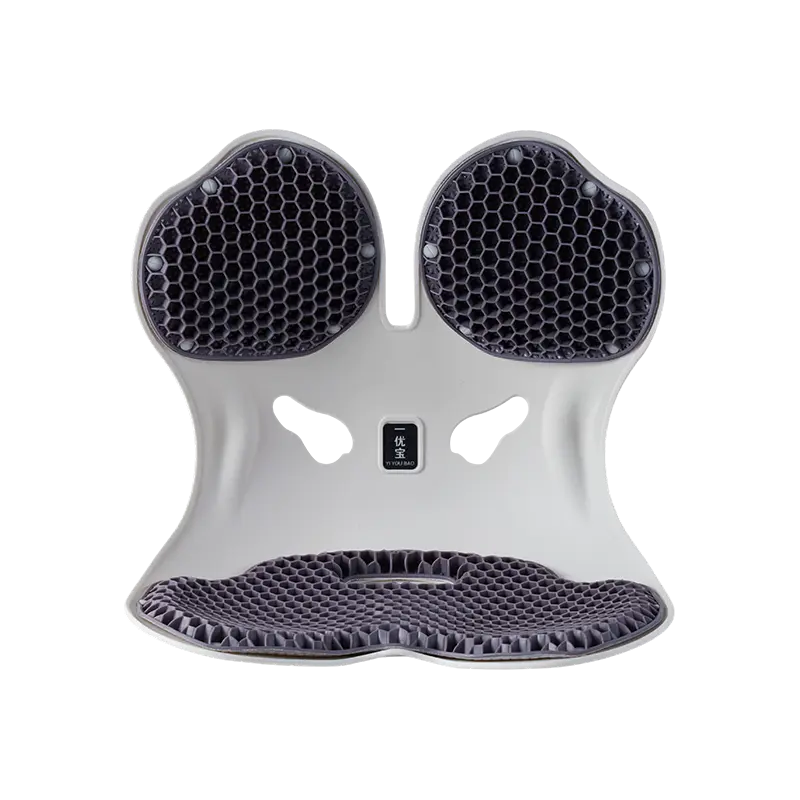
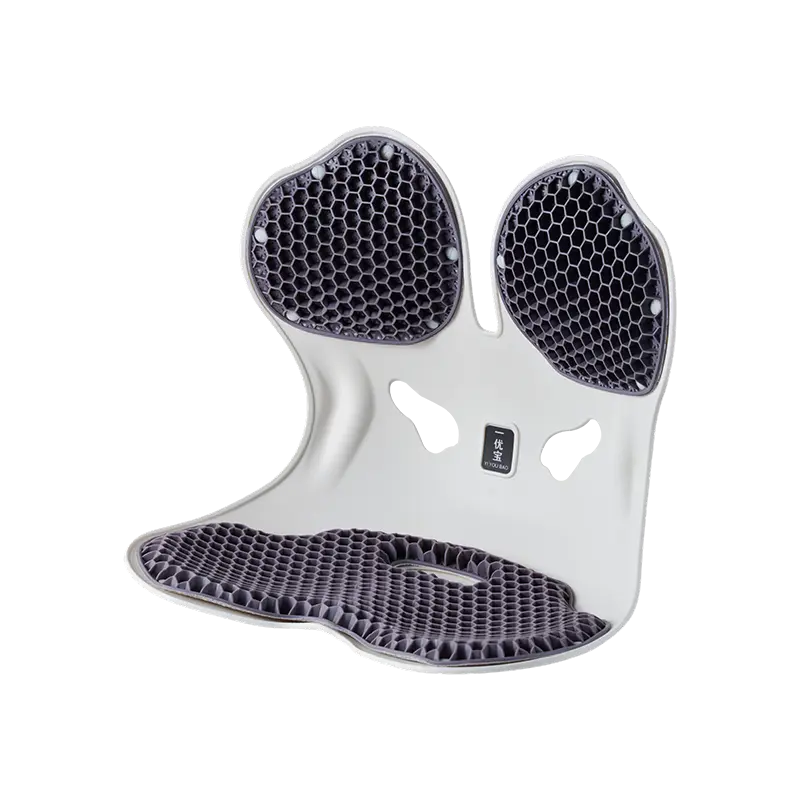
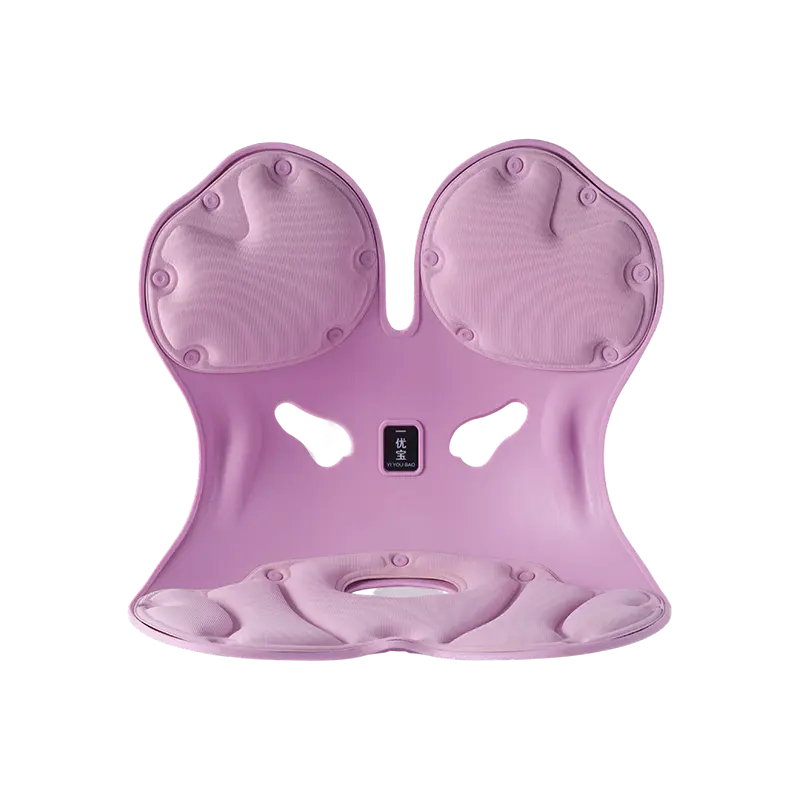
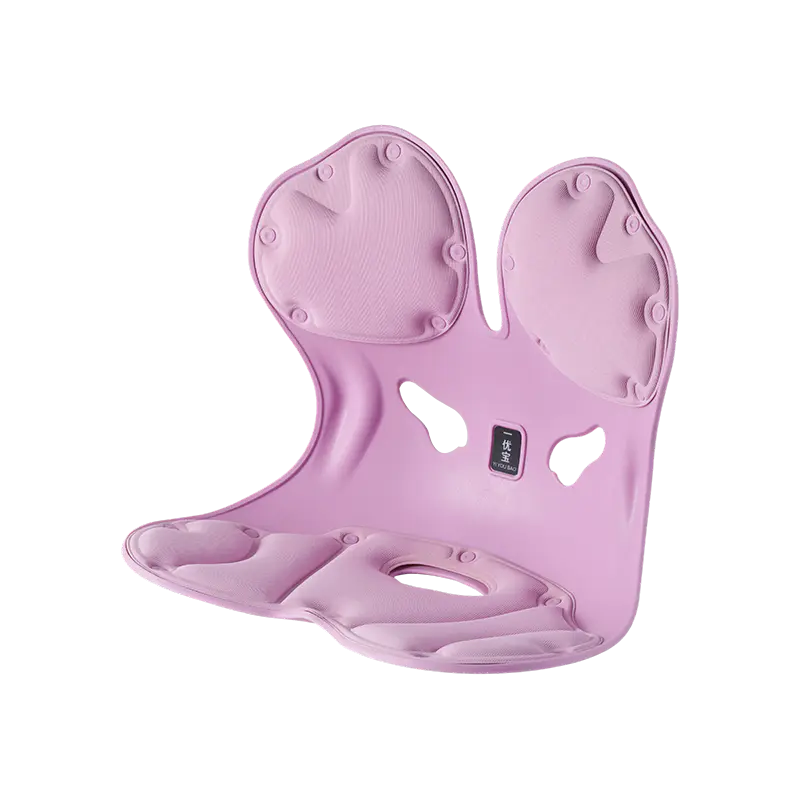
For procurement buyers sourcing lumbar support products for corporate fleet programs, driver wellness initiatives, or retail distribution, the evaluation criteria extend beyond individual ergonomic benefit to include attachment system durability, material consistency across production batches, and packaging suitability for the intended channel. The lumbar support backrest category covers a range of quality levels that are not always distinguishable from product photography or basic specification sheets — physical samples and supplier transparency about material and construction details are the practical filter. Yongkang Yiyoubao Technology Co., Ltd. manufactures car seat lumbar support products across fixed, adjustable, and foldable formats, supplying both individual product lines and OEM programs for buyers requiring custom specifications, and can discuss product construction details, material options, and volume sourcing terms directly.
 Previous