English
 中文简体
中文简体
Industry News
Long stretches of sitting have changed how people think about chair accessories. An office chair, a study chair, a vehicle seat, or a chair at home might already offer some back support, but people tend to want that support to feel a certain way, and preferences vary a lot from one person to the next. A fixed cushion works fine for one person and feels wrong for someone else sitting in the exact same chair. That's part of why adjustable products have picked up interest — they let people change the position or amount of support based on how they actually sit.
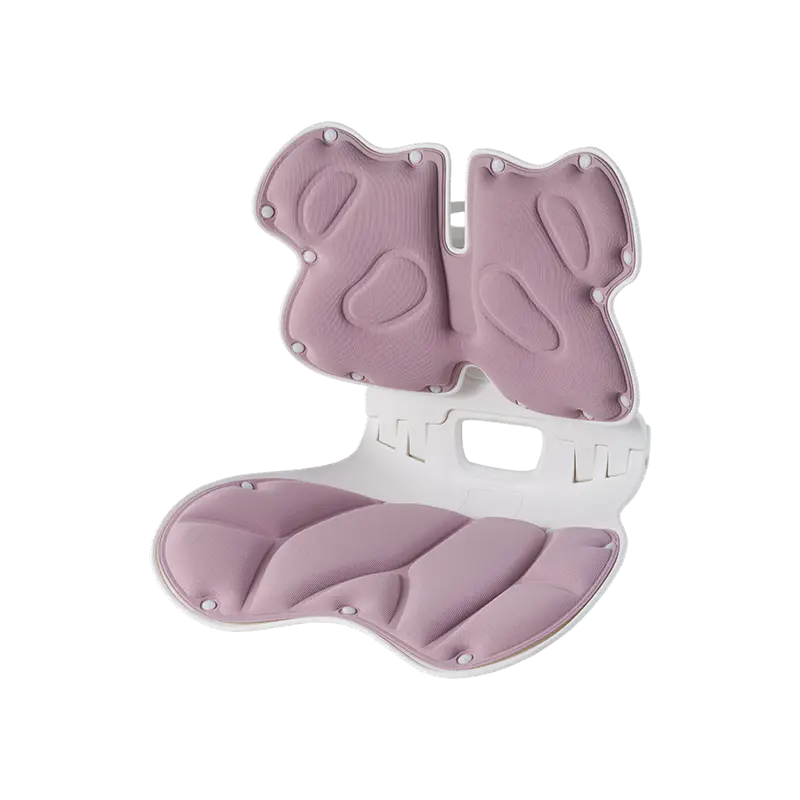
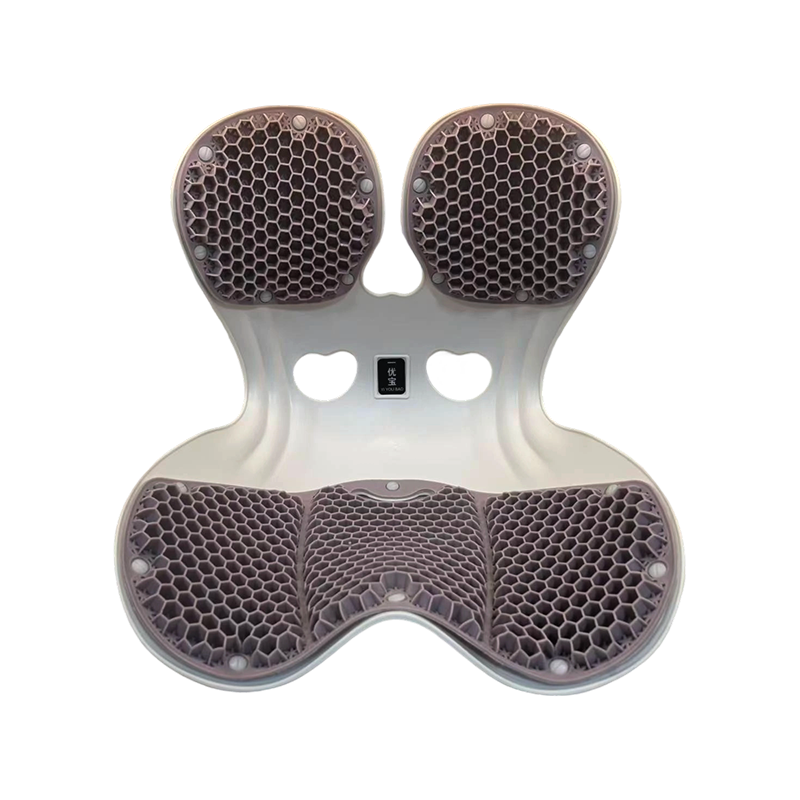
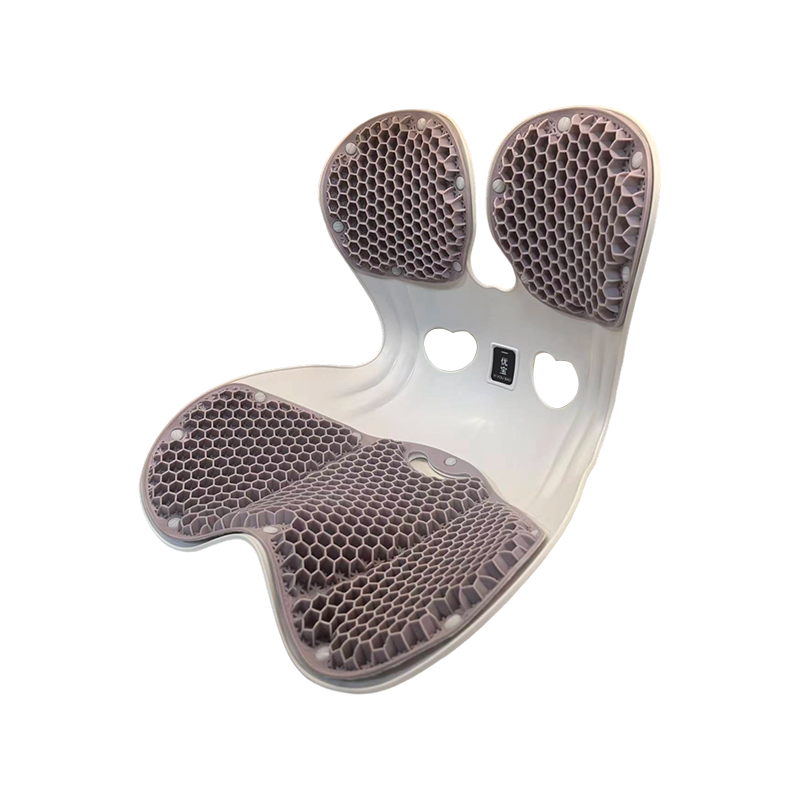
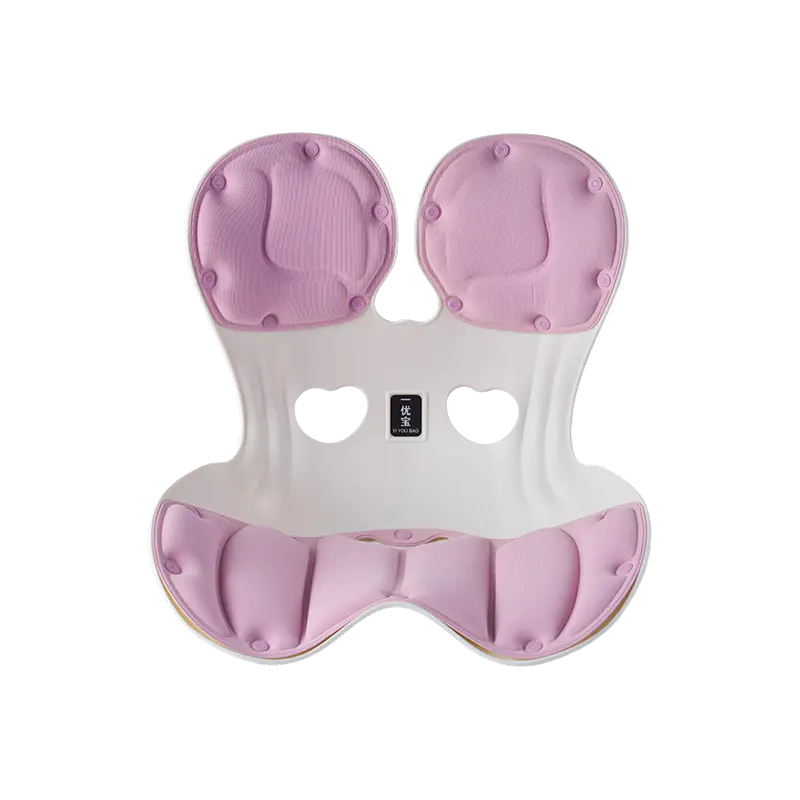
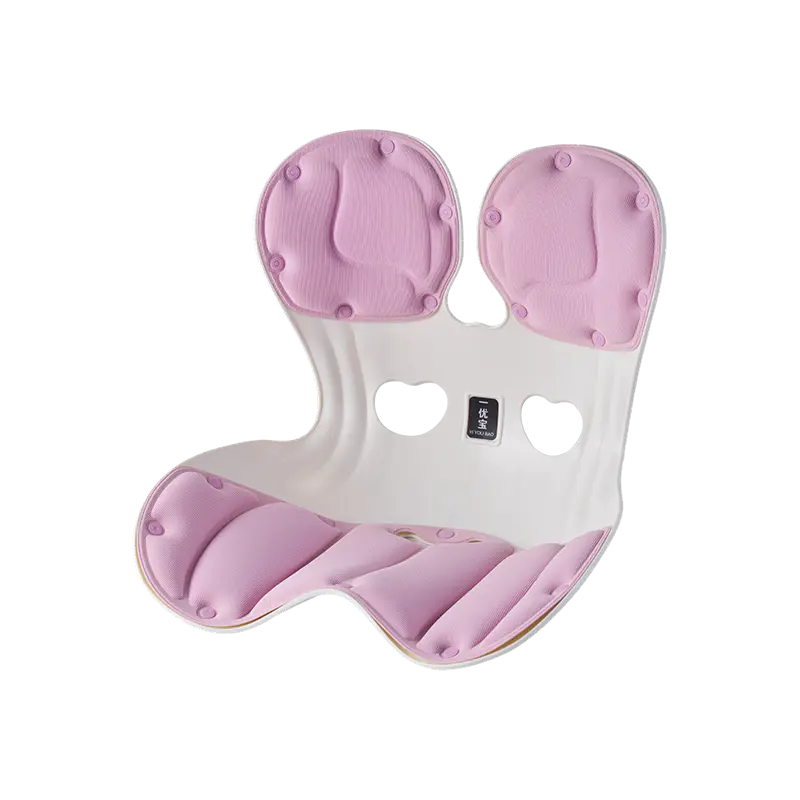
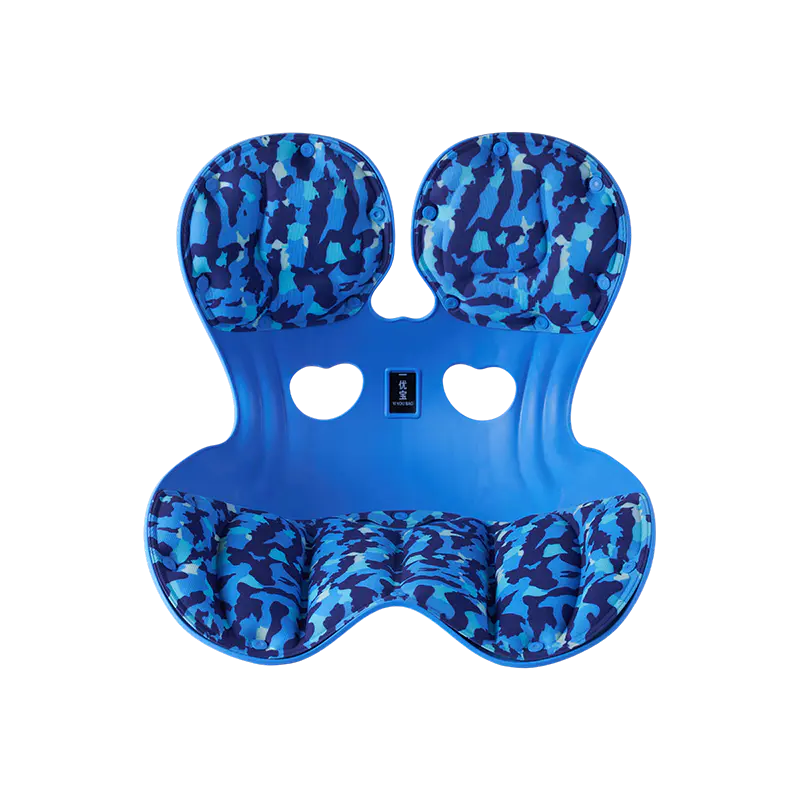
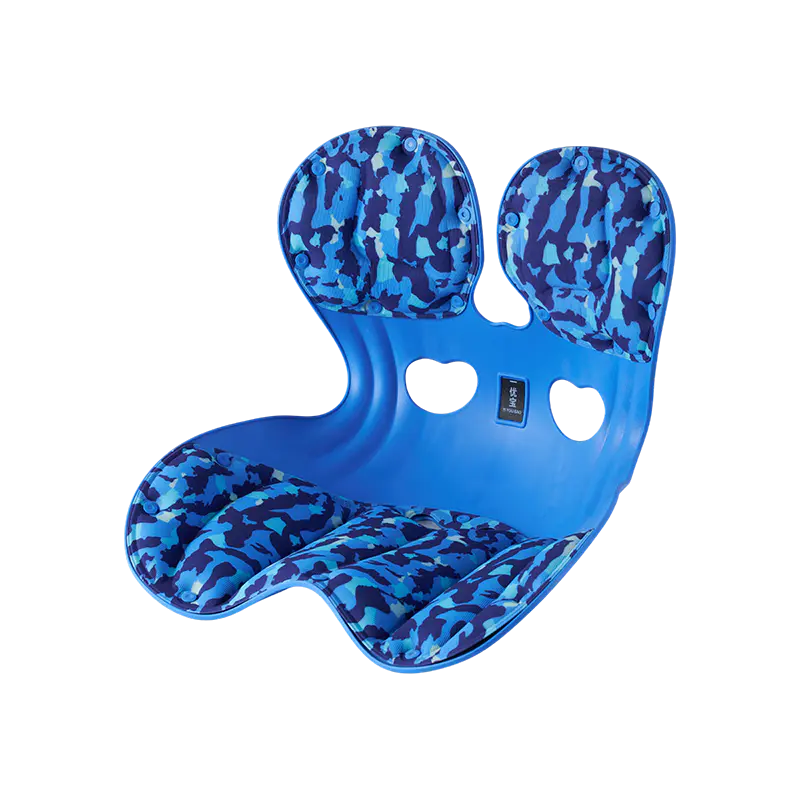
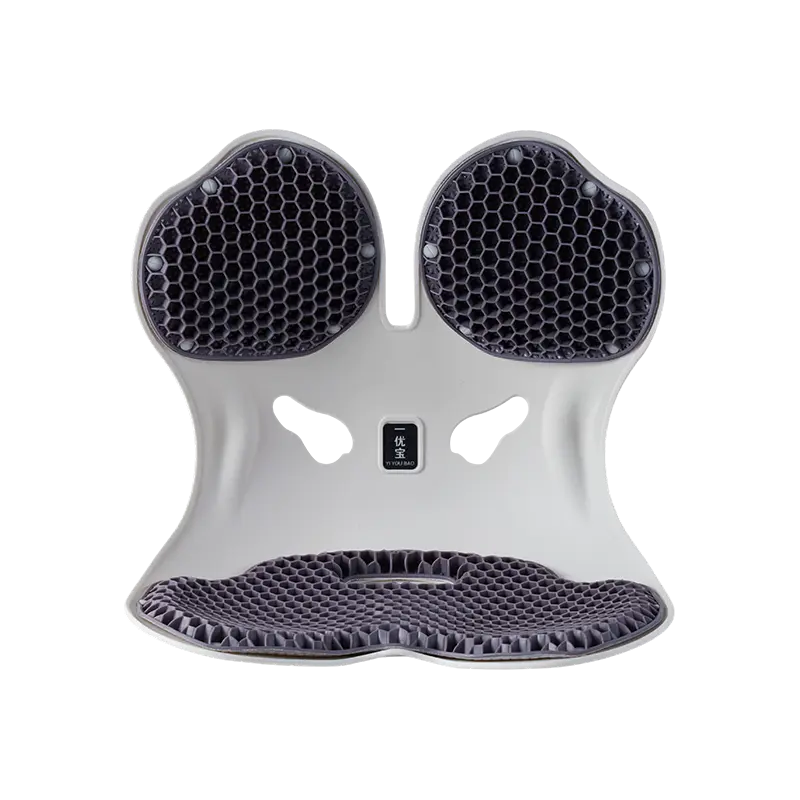
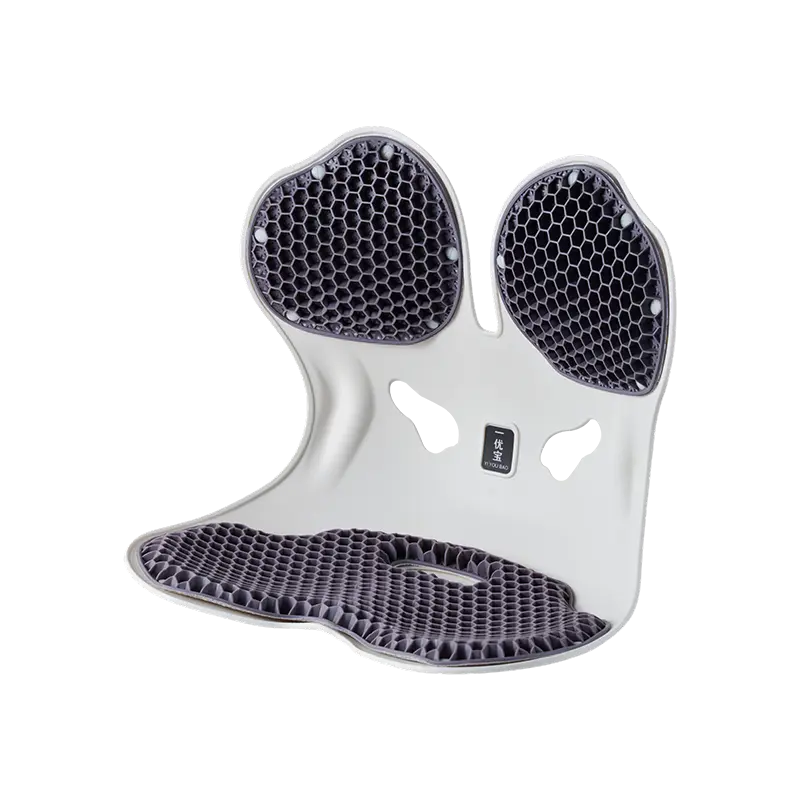
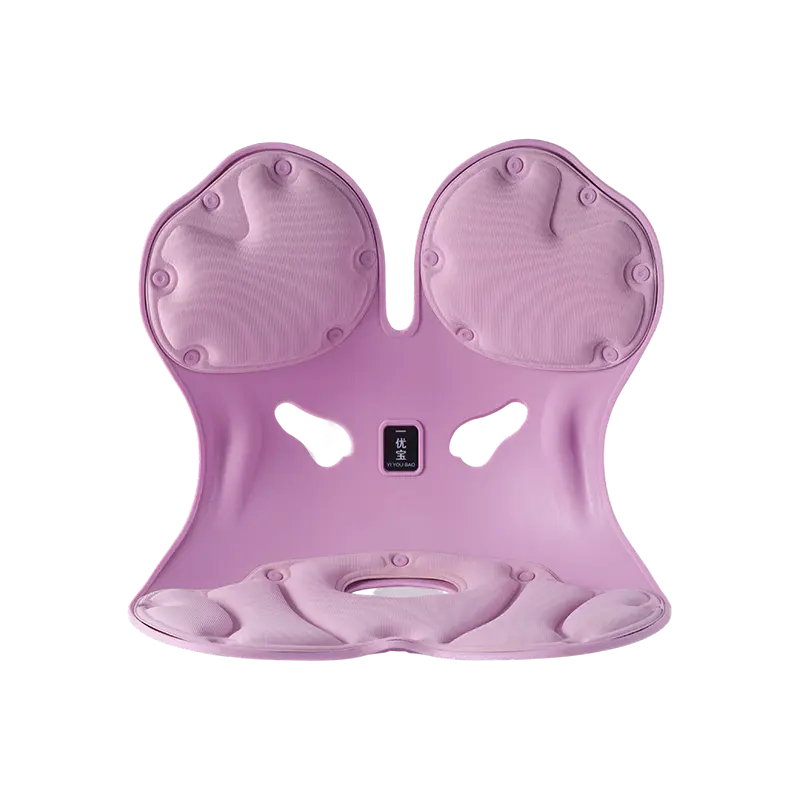
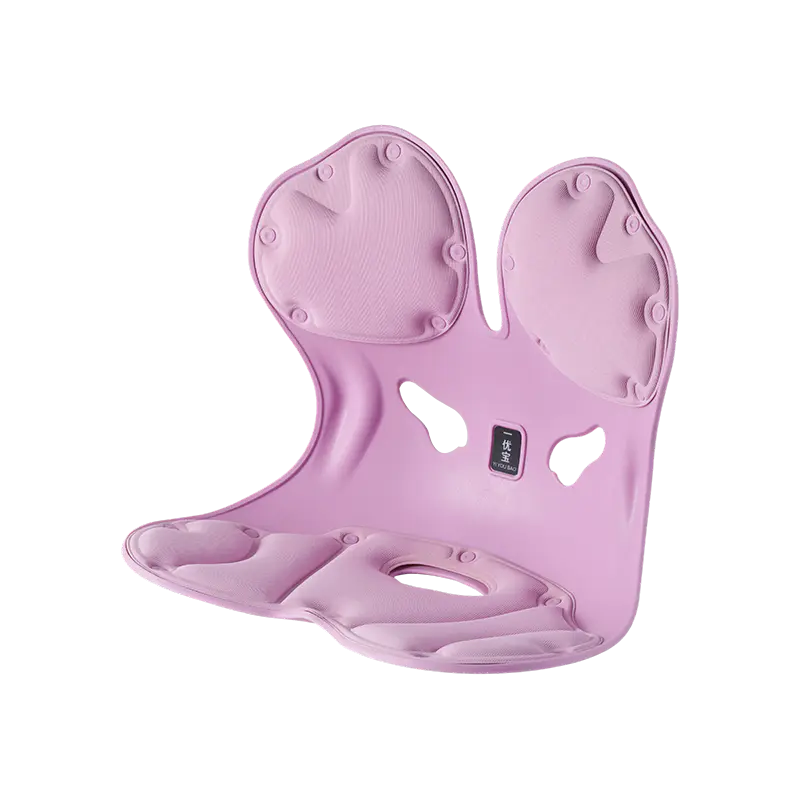
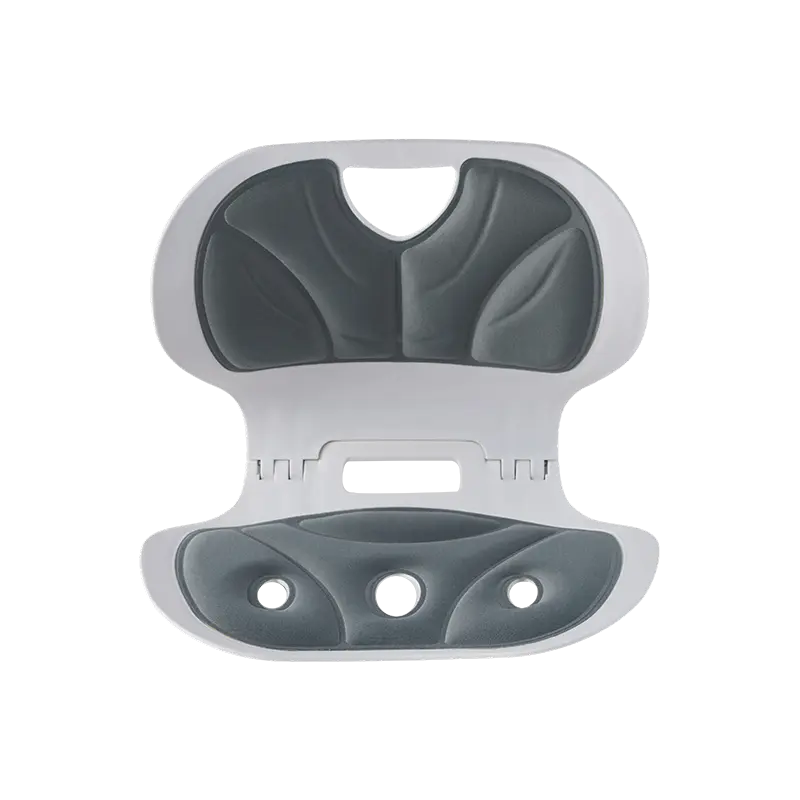
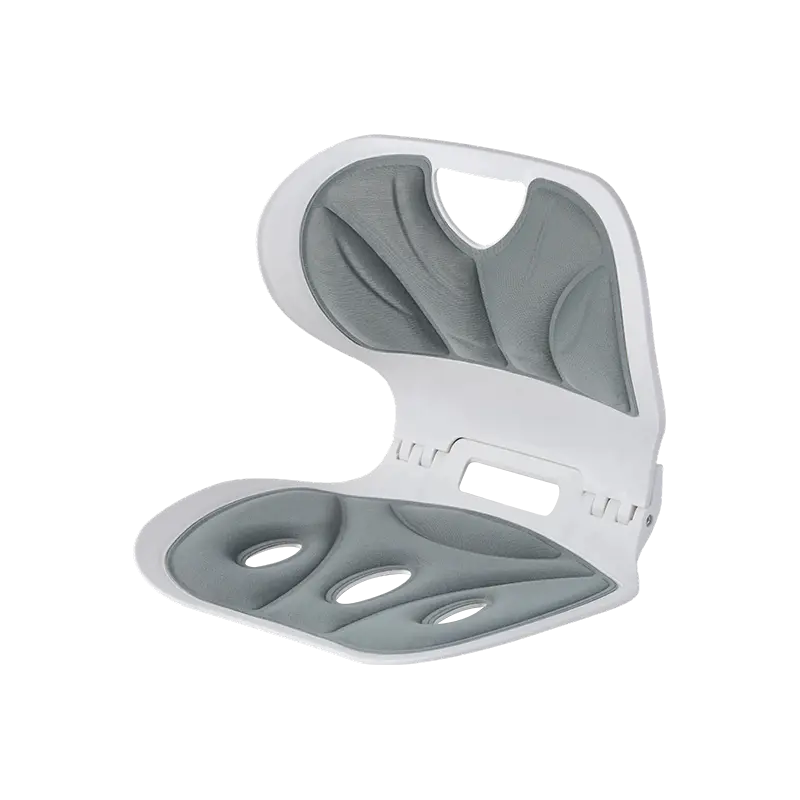
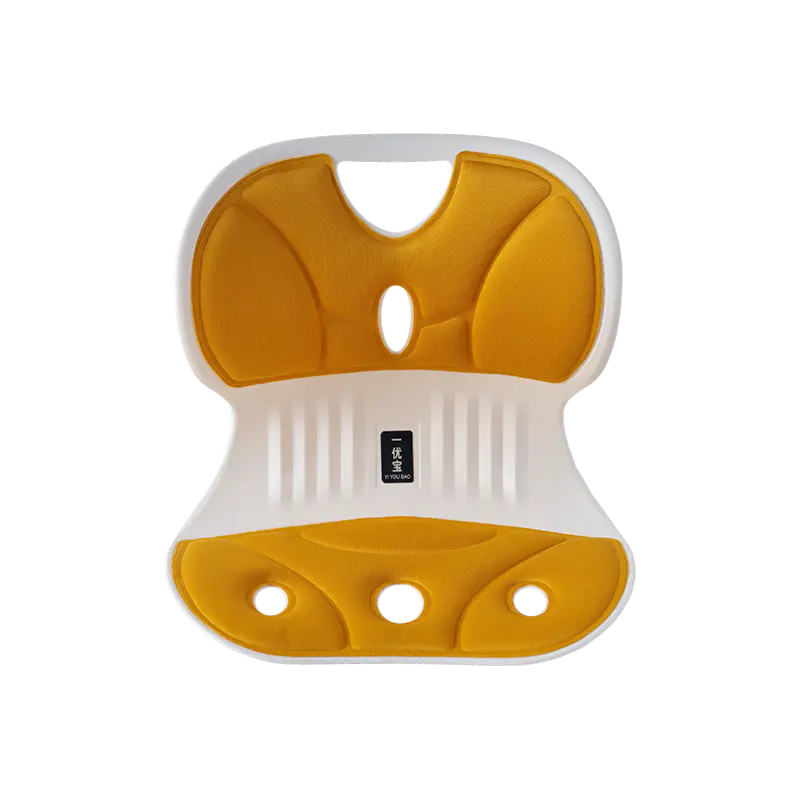
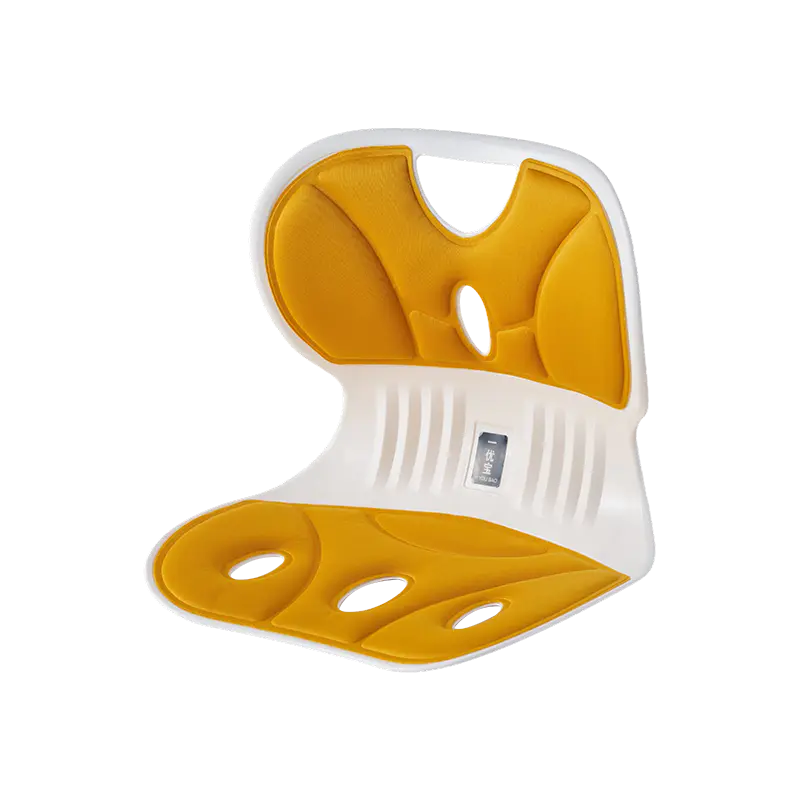
An Adjustable Lumbar Support Cushion is built around this idea. Rather than assuming every user and every chair are basically the same, its structure builds in some flexibility around positioning, attachment, and everyday use. Product design here involves more than just the cushion itself. Adjustment structure, folding method, fixing system, materials, and chair compatibility all shape how easily a product actually fits into different environments — a desk at home, a car seat, an office chair someone shares with a coworker. For manufacturers, these details end up shaping both the user experience and the range of situations where the cushion actually works.
Why Adjustability Matters in Lumbar Support Cushion Design
People don't all sit the same way. Someone working at a desk might want a different cushion position than someone reading at home or driving. Even the same person shifts posture throughout the day without thinking about it.
An adjustable design lets the support area move along with those changing preferences instead of locking someone into one fixed spot.
| Design Feature | Possible User Benefit |
|---|---|
| Adjustable position | Allows support to be moved |
| Flexible attachment | Helps fit different chair structures |
| Support adjustment | Allows users to choose a preferred feel |
| Removable structure | Makes repositioning easier |
| Compact design | Supports use in different locations |
The point of adjustment isn't promising a particular health outcome. It's mainly about giving people more control over how the product fits into their own seating setup.
A well-designed cushion also needs adjustments that make sense without a manual. If someone needs complicated instructions just to move the thing an inch, the whole appeal of adjustability starts to fall apart. Simple controls and obvious movement make the product feel like a natural part of daily use rather than a fiddly accessory.
How an Adjustable Structure Improves Chair Compatibility
Chairs come in all kinds of shapes. Some have tall backrests, others are more compact. Some have a pronounced curve where the lower back sits, others are pretty flat.
An Adjustable Lumbar Support Cushion needs to account for all this if it's meant for broad use rather than one specific chair model.
The adjustment structure lets the cushion move vertically or shift position relative to the chair, giving users room to find whatever spot actually feels right.
| Chair Type | Potential Adjustment Consideration |
|---|---|
| Office chair | Position around the lower back area |
| Study chair | Compact support placement |
| Dining chair | Flexible attachment |
| Vehicle seat | Stable positioning during movement |
| Home lounge chair | Adaptation to different back shapes |
Compatibility doesn't mean one cushion magically fits every chair out there. Backrest shape, material, attachment points, and available space still matter a lot.
Manufacturers can design adjustment systems around common chair structures while leaving enough flexibility for everyday variation. That approach makes a product useful across several kinds of seating without depending on one rigid, one-size-fits-all configuration.
What the Folding Method Contributes to Product Design
Portability has become a real consideration for a lot of chair accessories. People move a cushion between a home office, a workplace, a car, a classroom, or somewhere they're traveling to. A bulky product makes that a hassle nobody wants to deal with.
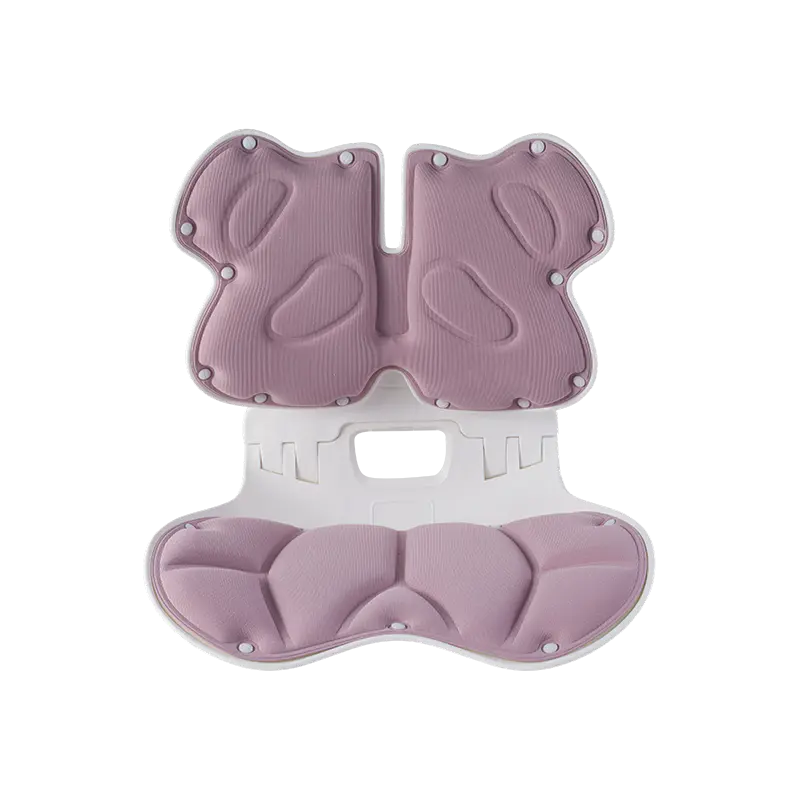
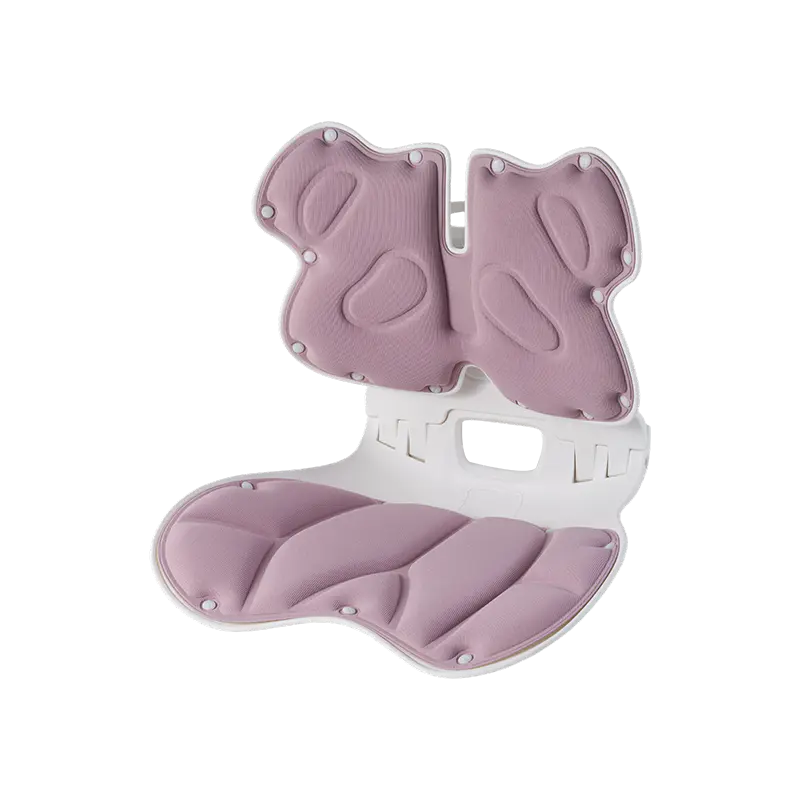
A Foldable Lumbar Support Cushion tackles this with a folding structure that makes the product easier to carry or tuck away.
The folding method needs to balance being compact with staying easy to actually use day to day.
| Folding Consideration | Design Purpose |
|---|---|
| Simple folding action | Makes transport easier |
| Stable unfolded form | Supports regular use |
| Secure folding position | Helps prevent unwanted movement |
| Compact storage | Reduces space requirements |
| Durable folding area | Supports repeated handling |
The folding area needs to feel like a deliberate part of the design, not the weak point where the product eventually breaks. People will fold and unfold this thing regularly, so it has to hold up to ordinary handling without complaint.
Good folding design also makes storage a lot simpler. Instead of leaving the cushion strapped to a chair when nobody's using it, someone can fold it and slide it beside a desk, into a bag, or wherever else makes sense.
How the Fixing Method Affects Everyday Use
A cushion can have a genuinely comfortable shape and still lose most of its value if it keeps sliding out of position every time someone shifts in their seat.
That makes the fixing method a real part of product development, not an afterthought. Different chairs call for different attachment approaches — some products use straps, others rely on clips, elastic structures, hook-and-loop fasteners, or other arrangements. The right choice depends on the cushion's design and what kind of chairs it's meant for.
| Fixing Method | General Characteristic |
|---|---|
| Strap system | Flexible and adjustable |
| Elastic attachment | Allows some movement during fitting |
| Hook-and-loop fastening | Convenient for repositioning |
| Clip-based fixing | Provides a defined attachment point |
| Integrated structure | Designed around a specific chair form |
The fixing method needs to hold the cushion in a useful spot without turning installation into a chore. It should also let someone pull the cushion off easily when the chair needs cleaning or the cushion's headed to a different chair entirely.
For products meant to move between different environments, flexible fixing really pays off — someone might want to shift a cushion from their office chair to their car seat without rethinking the whole setup.
What Materials Matter in Adjustable Lumbar Support Cushions
Material choice shapes how a cushion feels and holds up through regular use.
The outer covering affects how it feels to the touch, how easy it is to clean, and how it looks. The filling inside affects softness and how well it keeps its shape over time. Supporting structures affect whether the cushion holds its form or starts sagging after a few weeks.
A manufacturer needs to think through materials as a full system rather than picking one and hoping it works everywhere.
| Material Area | Design Consideration |
|---|---|
| Outer fabric | Touch, appearance, and cleaning |
| Cushion filling | Support feel and shape |
| Inner structure | Shape stability |
| Fastening material | Attachment reliability |
| Folding section | Flexibility during handling |
Different people want different surface sensations. A breathable fabric suits someone who's sitting on the cushion for hours, while an easy-care surface makes more sense in a shared environment where several people are using the same chair.
Material choice also needs to line up with intended use. A cushion built for a car seat deals with different handling conditions than one sitting at a home desk day after day. Manufacturers do better thinking through material combinations rather than leaning on one material to cover every application.
Can a Lumbar Support Posture Corrector Chair Adapt to Different Sitting Habits?
Products described as a Lumbar Support Posture Corrector Chair are usually built around the relationship between the chair and however the person happens to sit.
The real design question is how the support responds to natural sitting habits. People lean back, sit up straight, shift around, and change how they use a chair throughout a single day without thinking about it.
A rigid support structure doesn't accommodate any of that comfortably. An adjustable product gives more room to move by letting someone reposition the support area as their posture changes.
The aim here should be offering a supportive seating accessory, not making claims about correcting posture or treating a physical condition that a cushion realistically can't fix on its own.
| Sitting Situation | Useful Design Consideration |
|---|---|
| Desk work | Easy adjustment while seated |
| Reading | Flexible support placement |
| Vehicle use | Stable attachment |
| Relaxed sitting | Softer positioning options |
| Shared chair use | Quick repositioning |
That flexibility makes the product easier to fold into an ordinary routine, and it acknowledges something obvious but often ignored — sitting habits differ from person to person. Manufacturers shouldn't design around the assumption that everyone interacts with a chair the exact same way.
How Product Design Can Adapt to Different Chair Shapes
Chair compatibility comes down largely to physical form. A cushion built around one chair style might sit awkwardly on another entirely. Backrest width, curvature, material, and attachment points all play into how well things line up.
An adjustable structure smooths over some of these limitations, but it doesn't eliminate the need for sensible matching between product and chair. Manufacturers can think through compatibility from the early design stage rather than patching it in later.
| Chair Characteristic | Product Design Question |
|---|---|
| Backrest shape | Can the cushion sit naturally against it? |
| Backrest width | Is the support area suitable? |
| Surface material | Will the fixing method work properly? |
| Chair movement | Will the cushion remain positioned? |
| Available attachment space | Can the product be installed easily? |
A product meant for broad use should be upfront about which chair types actually suit it. That helps people choose based on real chair conditions instead of guessing from a product photo, and it cuts down on returns caused purely by compatibility issues.
For manufacturers, wider compatibility usually comes from thoughtful design choices rather than just scaling the product up in size.
What Design Details Improve Everyday Convenience
Small details often decide whether a product actually becomes part of someone's daily routine or ends up shoved in a drawer.
A cushion that's easy to install, adjust, fold, clean, and store feels a lot more practical than one that demands effort every single time. Manufacturers can walk through the whole user journey to see where friction shows up.
That journey starts the moment the product comes out of its packaging and continues through installation, adjustment, daily use, cleaning, folding, and storage.
| User Stage | Design Focus |
|---|---|
| Unpacking | Clear and simple setup |
| Installation | Easy attachment |
| Adjustment | Understandable movement |
| Daily use | Stable positioning |
| Cleaning | Accessible surfaces |
| Storage | Convenient folding |
| Reuse | Simple reinstallation |
This kind of thinking also fits different buying needs. Someone at home might care most about compact storage, while someone in an office wants quick adjustment between uses. A traveler cares mostly about folding and portability.
Manufacturers can answer these differences through product variants or built-in flexibility, ending up with something that feels connected to how people actually use it rather than something designed purely to look good in a listing photo.
How Adjustable Lumbar Cushions Are Evolving With Modern Seating Needs
Lumbar cushion development keeps circling back to flexibility as the core idea.
People use chairs in far more places than a traditional office these days. Remote work, study spaces, travel, car interiors, and shared workplaces have all created new situations where a portable seating accessory earns its keep.
That's pushed designers to think seriously about movement and adaptation. An Adjustable Lumbar Support Cushion can combine positioning flexibility with a structure that's easier to carry around. A Foldable Lumbar Support Cushion can lean harder into storage and mobility specifically. A Lumbar Support Posture Corrector Chair might get built around the relationship between adjustable support and everyday seating habits.
These product directions all share the same underlying principle: the cushion should be easy to understand and simple to adapt. People should be able to attach it, adjust it, take it off, and put it away without a basic seating accessory turning into a whole ordeal.
For manufacturers, that means paying attention to the entire product experience. Adjustment structure, folding method, fixing approach, material choice, and chair compatibility all shape how the finished product actually fits into someone's daily life.
 Previous